

Data Insights from ASCO 2020: Analyzing 2,215 Abstracts Across 24 Tracks Amid Pandemic-Era Virtual Conference
Affected by the pandemic, ASCO 2020 was held online. Despite this, major pharmaceutical companies showed no signs of letting up, with 2,215 abstracts presented online over the course of three days in various formats, including oral presentations and poster sessions.
Beyond the impressive results reported by major pharmaceutical companies, we can also examine the data to identify the industry shifts demonstrated at this year’s ASCO Annual Meeting.
The complete abstract book released on May 20 for this year’s ASCO included a total of 2,356 abstracts. Although this figure differs slightly from the 2,215 abstracts ultimately displayed on the official website, it still reflects the overall trends of this year’s ASCO virtual meeting.
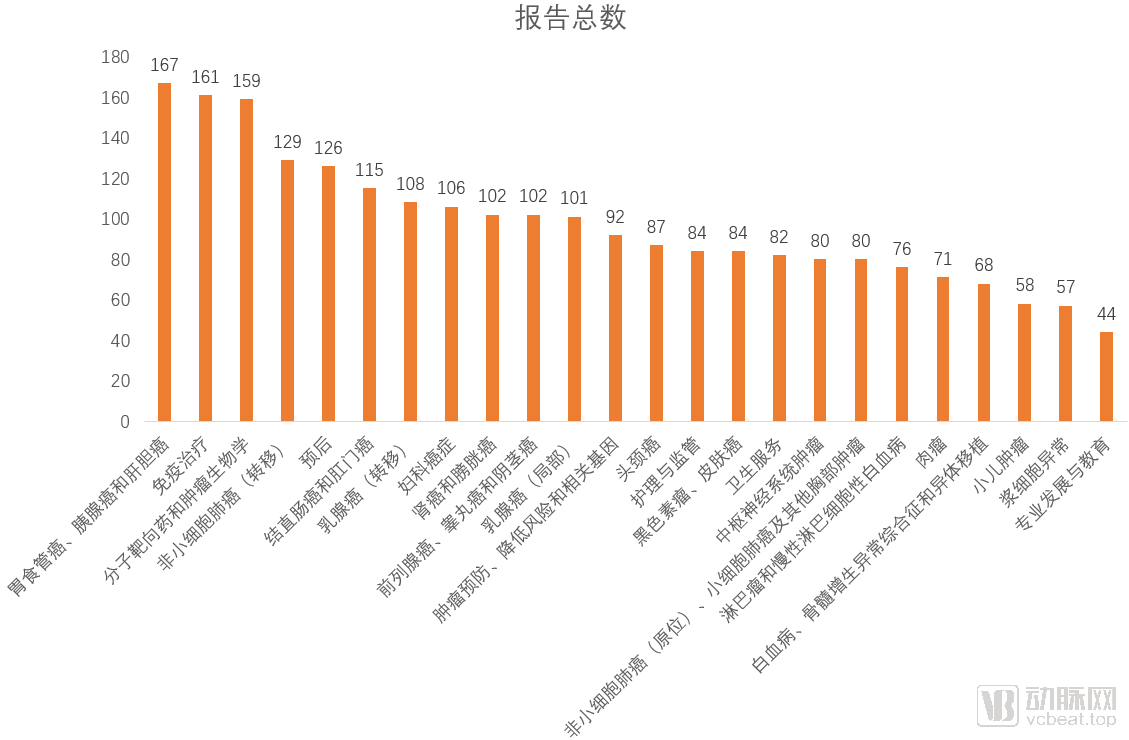
In addition to the plenary sessions and special clinical science symposia, this year’s ASCO featured 24 concurrent sessions categorized by disease type or treatment modality.
Breast cancer and non-small cell lung cancer (NSCLC) remain the two most prominent cancer types. Consequently, at this year’s conference, presentations on these two cancers were distributed across four separate sessions based on the progress of research. As a result, they did not emerge as the two cancer types with the highest number of reported studies at the conference.
The Gastroesophageal Cancer, Pancreatic Cancer, and Hepatobiliary Cancer Subsession emerged as the largest subsession at this year’s ASCO, with 167 presentations.
In recent years, the popularity of cancer immunotherapy has continued to rise alongside increasing sales of PD-1 monoclonal antibodies, momentarily overshadowing small-molecule targeted therapies. At this year’s ASCO Annual Meeting, the immunotherapy track featured 161 presentations, making it the second-largest session by volume, surpassing the molecular targeted therapy and tumor biology track, which ranked third.
It is only natural that metastatic non-small cell lung cancer (NSCLC) ranks fourth in conference sessions. With both incidence and mortality rates remaining high, metastatic NSCLC indeed represents a major challenge in current oncology treatment.
Surprisingly, the number of reports related to tumor prognosis ranked fifth across all sub-sessions, while the sub-session on tumor prevention, risk reduction, and associated genes only ranked in the middle overall. This indicates that the current volume of research on early screening and diagnosis of tumors is not substantial, with researchers focusing more on improving survival rates for cancer patients.
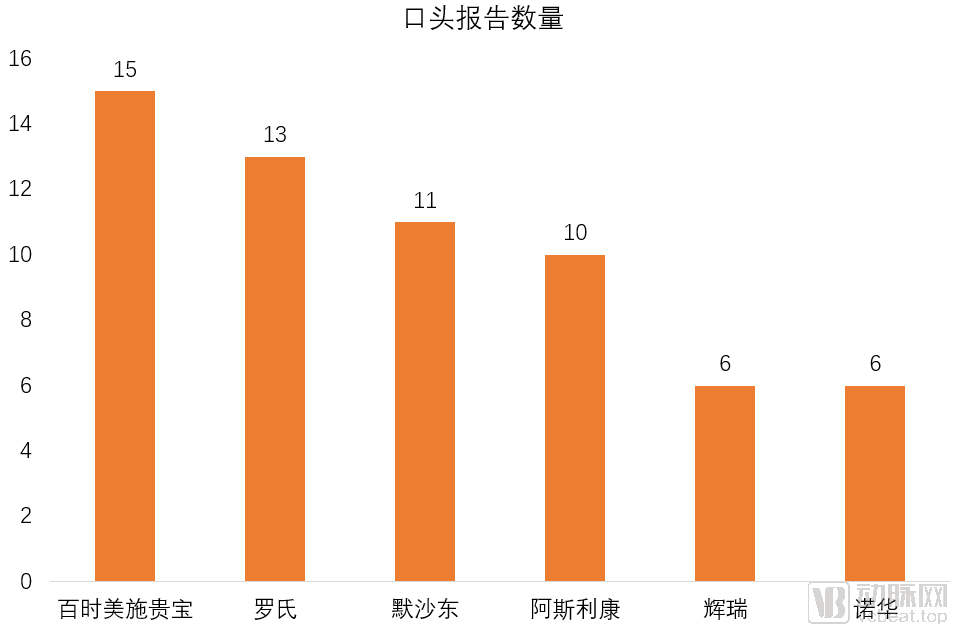
Among major pharmaceutical companies, Bristol-Myers Squibb, together with its subsidiary Celgene, sponsored a total of 15 oral presentations at the conference, ranking first among all pharmaceutical companies. Roche and Merck & Co. followed closely, securing the second and third positions, respectively. AstraZeneca has continued to strengthen its focus on oncology over the past two years, breaking into the top tier of major pharmaceutical companies with 10 oral presentations. Pfizer and Novartis each sponsored six oral presentations.
Below are excerpts from pharmaceutical company reports that we have collected.
AstraZeneca announced that the Phase III ADAURA clinical trial of Tagrisso (osimertinib; brand name: Tagrisso) in patients with stage IB, II, and IIIA epidermal growth factor receptor mutation (EGFRm)-positive non-small cell lung cancer (NSCLC) who had undergone complete tumor resection demonstrated that osimertinib as adjuvant therapy provides a statistically significant and clinically meaningful improvement in disease-free survival (DFS).
Results for the primary endpoint—disease-free survival (DFS) in patients with stage II and IIIA disease—showed that adjuvant osimertinib reduced the risk of disease recurrence or death by 83% after surgery (hazard ratio [HR]=0.17; 95% confidence interval [CI] 0.12, 0.23; p<0.0001). Results for the secondary endpoint—DFS in the overall study population (patients with stage IB to IIIA disease)—showed that adjuvant osimertinib reduced the risk of disease recurrence or death by 79% (HR=0.21; 95% CI 0.16, 0.28; p<0.0001).
At the two-year mark, 89% of patients in the osimertinib group remained alive and disease-free, compared with only 53% in the placebo group. The disease-free survival benefit of osimertinib was observed across all subgroups, including those who received chemotherapy after surgery or surgery alone, as well as among both Asian and non-Asian patients.
Dr. Roy S. Herbst, Principal Investigator of the ADAURA clinical trial and Director of Medical Oncology at the Yale Cancer Center and Smilow Cancer Hospital, stated, “Patients with early-stage EGFR-mutated non-small cell lung cancer still face a high risk of recurrence even after successful surgery and subsequent adjuvant chemotherapy. Therefore, these data are revolutionary for this patient population. Osimertinib provides a much-needed new treatment option that has the potential to change medical practice and improve outcomes for these patients.”
In addition, Enhertu, developed through the collaboration between AstraZeneca and Daiichi Sankyo, has also disclosed extensive clinical trial results.
Results from the Phase II DESTINY-CRC01 clinical trial demonstrated that Enhertu (trastuzumab deruxtecan, also known as DS-8201) exhibits clinically meaningful efficacy in patients with HER2-positive, unresectable and/or metastatic colorectal cancer who have previously received two or more lines of standard therapy.
The Phase II DESTINY-Gastric01 clinical trial results demonstrated that Enhertu significantly improved the objective response rate and overall survival in patients with HER2-positive metastatic gastric cancer.
Interim analysis of the Phase II DESTINY-Lung01 trial demonstrated that Enhertu exhibits meaningful clinical activity in the treatment of patients with HER2-mutant non-small cell lung cancer. Based on these findings, the U.S. FDA recently granted Breakthrough Therapy Designation to Enhertu.
This ASCORoche announced positive results from the Phase II CITYSCAPE trial.This randomized trial evaluated the efficacy and safety of tiragolumab in combination with Tecentriq® (atezolizumab) versus Tecentriq alone as first-line treatment in patients with PD-L1–positive metastatic non-small cell lung cancer (NSCLC).
In the preliminary analysis, tiragolumab combined with Tecentriq met both primary endpoints in the intention-to-treat (ITT) population, demonstrating an improved objective response rate (ORR) (31.3% vs. 16.2%) and a 43% reduction in the risk of disease progression or death (progression-free survival [PFS]; median PFS: 5.4 vs. 3.6 months; hazard ratio [HR]: 0.57; 95% CI: 0.37–0.90) compared with Tecentriq alone.
An exploratory analysis in patients with high PD-L1 expression (TPS ≥50%) demonstrated a clinically meaningful improvement in ORR (55.2% vs 17.2%) and a 67% reduction in the risk of disease progression or death (median PFS not reached vs 3.9 months; HR=0.33, 95% CI: 0.15–0.72) compared with Tecentriq monotherapy.
Data indicate that the combination of tiragolumab and Tecentriq is well tolerated, with a similar incidence of all-grade ≥3 treatment-emergent adverse events (AEs) observed when the two immunotherapies are used in combination compared with Tecentriq monotherapy (41.8% vs. 44.1%).
Roche also updated the long-term survival data from the pivotal Phase III ALEX study at the ASCO 2020 conference, demonstrating that Alecensa (alectinib), as a first-line therapy for patients with anaplastic lymphoma kinase (ALK)-positive non-small cell lung cancer (NSCLC), significantly improved the 5-year survival rate compared with crizotinib.
The ALEX trial (NCT02075840) is a randomized, multicenter, open-label Phase III study evaluating the differences in efficacy and safety between Alecensa and crizotinib in treatment-naïve patients with ALK-positive non-small cell lung cancer (NSCLC). The ALEX study enrolled 303 patients across 161 centers in 31 countries worldwide, who were randomized in a 1:1 ratio to receive either Alecensa or crizotinib. The primary endpoint was investigator-assessed progression-free survival (PFS), and secondary endpoints included PFS assessed by an independent review committee, time to central nervous system (CNS) progression, objective response rate (ORR), duration of response (DOR), and overall survival (OS).
The latest results show that the five-year survival rate was 62.5% (95% CI: 54.3–70.8) in the Alecensa treatment group, compared with 45.5% (95% CI: 33.6–57.4) in the crizotinib group. Despite a longer median duration of treatment, Alecensa maintained a favorable safety profile consistent with previous data, and no new safety signals were identified.
Bristol-Myers Squibb presented multiple clinical trial results for Opdivo at this conference.
The prespecified interim analysis of the primary endpoint, overall survival (OS), demonstrated that, with a minimum follow-up of 8.1 months, Opdivo in combination with Yervoy and two cycles of chemotherapy reduced the risk of death by 31% compared with chemotherapy alone. Furthermore, during a longer follow-up period (minimum 12.7 months), this combination regimen provided sustained OS benefits over chemotherapy alone.
The 3-year follow-up results from Part 1 of CheckMate 227 demonstrate that first-line treatment with Opdivo (nivolumab) plus Yervoy (ipilimumab) provides sustained improvements in overall survival (OS) and other efficacy endpoints for patients with metastatic non-small cell lung cancer (NSCLC).With a median follow-up duration exceeding 3 years (43.1 months), Opdivo in combination with Yervoy demonstrated sustained survival benefits for patients (PD-L1 ≥1%) compared to chemotherapy alone [Hazard Ratio (HR): 0.79; 95% Confidence Interval (CI): 0.67 to 0.93]. In this treatment population, the 3-year overall survival (OS) rate was 33% for patients receiving Opdivo plus Yervoy, versus 22% for the chemotherapy group. Opdivo combined with Yervoy was confirmed to delay disease progression or death in these patients, yielding a 3-year progression-free survival (PFS) rate of 18%, compared to only 4% in the chemotherapy group.
Merck & Co. orally presented the results of the Phase 3 clinical trial KEYNOTE-355 at the ASCO online academic conference.This trial aimed to evaluate the efficacy and safety of first-line treatment with the PD-1 monoclonal antibody pembrolizumab (commonly known as “Keytruda”) in combination with chemotherapy for patients with metastatic triple-negative breast cancer. The study results demonstrated that pembrolizumab combined with chemotherapy significantly improved progression-free survival in patients. These findings have the potential to change treatment options for certain patients with metastatic triple-negative breast cancer.
As of December 11, 2019, the median follow-up time was 17.5 months for the pembrolizumab plus chemotherapy group and 15.5 months for the chemotherapy group. Trial results demonstrated that pembrolizumab combined with chemotherapy significantly prolonged progression-free survival (PFS) in patients. Among patients with a PD-L1 Combined Positive Score (CPS) >10, the median PFS was 9.7 months in the pembrolizumab plus chemotherapy group versus 5.6 months in the chemotherapy group. Compared with chemotherapy alone, pembrolizumab plus chemotherapy reduced the risk of disease progression or death by 35%.
KEYNOTE-189 also presented its final analysis results at ASCO.As of May 20, 2019, despite the fact that 84 patients (40.8%) in the placebo plus chemotherapy group crossed over to receive pembrolizumab monotherapy, pembrolizumab combined with chemotherapy demonstrated a significant overall survival (OS) benefit. The median OS was 22.0 months in the pembrolizumab plus chemotherapy group versus 10.6 months in the control group, representing a 44% reduction in the risk of death. The 2-year OS rates were 45.7% and 27.3%, respectively. Furthermore, pembrolizumab combined with chemotherapy conferred a significant OS benefit regardless of patients’ PD-L1 expression status.
Blueprint Medicines Announces Latest Data from Its Ongoing ARROW Clinical Trial Evaluating the Targeted Anti-Cancer Drug Pralsetinib.In this study, pralsetinib was used to treat patients with RET fusion-positive non-small cell lung cancer (NSCLC), thyroid cancer, and other solid tumors. Preliminary data from the registration study demonstrated that pralsetinib exhibited robust and durable clinical activity in patients with RET fusion-positive NSCLC, with the median duration of response (DOR) not yet reached. Additional results indicated that pralsetinib has broad clinical antitumor activity against other RET fusion-positive tumors, including thyroid cancer. Pralsetinib was generally well tolerated, and its safety profile was consistent with previously reported findings, with no new safety signals observed.
CStone Pharmaceuticals has entered into an exclusive collaboration and license agreement with Blueprint Medicines, securing exclusive rights to develop and commercialize multiple drugs, including pralsetinib, in the Greater China region. The release of these study data confirms the efficacy and safety of pralsetinib, helping to further accelerate CStone Pharmaceuticals’ commercialization strategy.
Arvinas presented an oral update on the dose-escalation data from the Phase I/II clinical trial of ARV-110 in patients with metastatic castration-resistant prostate cancer (mCRPC) at the ASCO 2019 Annual Meeting.
Compared with the preliminary efficacy and safety data released in abstract form on May 13, Arvinas’ oral presentation highlighted the therapeutic potential of ARV-110 in heavily pretreated patients with metastatic castration-resistant prostate cancer (mCRPC), including clinical efficacy and evidence of ARV-110-mediated degradation of intratumoral androgen receptor (AR). This represents the first evidence of successful target protein degradation in humans using a PROTAC protein degrader.
As of April 20, 2020, a total of 20 patients underwent evaluation for prostate-specific antigen (PSA) response, including 12 patients who received ARV-110 at doses of 140 mg or higher (one patient who discontinued ARV-110 treatment after two weeks due to rosuvastatin-related dose-limiting toxicity was excluded). Among these 12 patients treated with ARV-110 at doses of 140 mg or higher, preclinical circulating tumor DNA (ctDNA) analysis showed that in 5 patients, the androgen receptor (AR) could not be degraded by ARV-110 (i.e., L702H mutation and AR-V7 splice variant), whereas in the remaining 7 patients, the AR was degradable by ARV-110 (other AR point mutations, AR amplification, and wild-type AR). Of these 7 patients, 2 achieved confirmed PSA responses. These two patients continue to be followed up since the submission of the abstract to ASCO.
Innovent Biologics and its partner, Eli Lilly, announced the presentation of multiple clinical datasets for sintilimab at the 56th Annual Meeting of the American Society of Clinical Oncology (ASCO 2020), confirming the efficacy of sintilimab in treating various types of tumors.
In the preliminary results of the Phase 1b clinical study of sintilimab plus a bevacizumab biosimilar for the treatment of advanced hepatocellular carcinoma, all 29 patients in the low-dose cohort underwent at least two efficacy evaluations, with 7 achieving confirmed partial response (PR), resulting in an objective response rate (ORR) of 24.1%. In the high-dose cohort, 18 patients underwent at least one efficacy evaluation, with 6 achieving PR (1 unconfirmed and 5 confirmed), yielding an ORR of 33.3%.
In the key clinical study results of sintilimab as second-line treatment for locally advanced or metastatic esophageal squamous cell carcinoma (ORIENT-2), as of August 2, 2019, sintilimab significantly prolonged overall survival (OS) compared with paclitaxel/irinotecan in the intent-to-treat (ITT) population (HR=0.70, P=0.032). The median OS was 7.2 months in the sintilimab group versus 6.2 months in the chemotherapy group, and the 12-month OS rates were 37.4% and 21.4%, respectively, demonstrating encouraging antitumor efficacy. The safety profile of sintilimab in esophageal squamous cell carcinoma was consistent with that observed in other tumor types.
In studies of sintilimab for the treatment of relapsed or refractory classical Hodgkin lymphoma, as assessed by the Independent Radiology Review Committee as of September 30, 2019, the objective response rate (ORR) was 85.4% (82/96), and the complete remission rate (CRR) was 42.7% (41/96).
Long-term Follow-up Clinical Study Results of Sintilimab in the Treatment of Relapsed or Refractory Extranodal NK/T-cell Lymphoma, Nasal Type: As of January 17, 2020, the objective response rate (ORR) was 67.9%, and the complete response rate (CRR) was 14.3%. The disease control rate (DCR) was 85.7%, the median overall survival (OS) had not been reached, the 2-year OS rate was 78.6%, and no new safety signals were identified.
Junshi Biosciences
Junshi Biosciences' toripalimab has an oral presentation on a related study—“Overall Survival and Biomarker Analysis of a Phase Ib Clinical Study Exploring Toripalimab Combined with Axitinib in Patients with Metastatic Mucosal Melanoma”。
This study aims to evaluate the safety and clinical efficacy of toripalimab combined with axitinib in the treatment of metastatic mucosal melanoma.
From April 2017 to April 2018, a total of 33 patients with metastatic mucosal melanoma were enrolled in the study. Among the 29 treatment-naïve patients, 14 achieved partial response (PR) and 11 had stable disease (SD), resulting in an objective response rate (ORR) of 48.3% and a disease control rate (DCR) of 86.2%. The median duration of response (DOR) was 13.7 months, the median progression-free survival (PFS) was 7.5 months, and the median overall survival (OS) was 20.7 months.
Study Conclusion: For patients with metastatic mucosal melanoma, toripalimab combined with axitinib is a promising treatment option. The GEP score of selected immune-related and angiogenesis-related genes may predict patient response to this combination therapy. Another randomized, three-arm Phase II clinical trial has been initiated for further investigation.
Ascentage Pharma Announces Presentation of Four Latest Clinical Data Sets for Its Apoptosis-Targeting Novel Oncology Drugs—APG-115 (MDM2-p53 Inhibitor), APG-1387 (IAP Inhibitor), and APG-1252 (Dual Bcl-2/Bcl-xL Inhibitor)—at ASCO 2020. This marks the third consecutive year that Ascentage Pharma has showcased multiple clinical advances of its first-in-class innovative drugs at the ASCO Annual Meeting, garnering widespread attention.
APG-115 is an orally bioavailable, highly selective small-molecule MDM2 inhibitor independently developed by Ascentage Pharma.In the Phase Ib dose-escalation study of this drug conducted in the United States, a total of 19 patients received treatment with APG-115 in combination with pembrolizumab as of April 1, 2020. Four dose cohorts of APG-115 were established at 50 mg, 100 mg, 150 mg, and 200 mg. No dose-limiting toxicities were observed, and the maximum tolerated dose (MTD) was not reached. Based on safety data, the recommended Phase II dose for APG-115 in combination with pembrolizumab was determined to be 150 mg administered once every two days.
In a Phase I study conducted in China evaluating advanced liposarcoma and other solid tumors, efficacy was assessed in 19 patients (4 of whom remained on treatment), including 13 with liposarcoma. Among these patients, one achieved a partial response (PR) and 12 had stable disease (SD); the objective response rate (ORR) was 5.3%, and the disease control rate (DCR) was 68.4%. In patients with wild-type TP53-expressing liposarcoma (n=9), the ORR was as high as 11.1%, and the DCR was 77.8%. The overall safety profile and tolerability were favorable, particularly at the 100 mg dose level; the recommended Phase 2 dose (RP2D) of APG-115 is 100 mg administered every other day.
APG-1387 is a novel small-molecule inhibitor of inhibitor of apoptosis proteins (IAPs), independently developed by Ascentage Pharma.Presented at the ASCO 2020 Annual Meeting were the Phase Ib results from the open-label, Phase I/Ib study of APG-1387 in patients with advanced solid tumors. The results showed that among 37 efficacy-evaluable patients, 4 achieved a partial response (PR), including 2 with non-small cell lung cancer (NSCLC), 1 with colorectal cancer (CRC), and 1 with breast cancer; an additional 12 patients achieved stable disease (SD). The overall objective response rate (ORR) was 10.8%, and the disease control rate (DCR) was 43.2%. The NSCLC cohort achieved an ORR of 50% and a DCR of 100%; the CRC cohort had 1 PR and 3 durable SD cases, achieving a DCR of 50%.
APG-1252 is a Bcl-2/Bcl-xL dual-target inhibitor independently developed by Ascentage Pharma. It restores apoptosis by selectively inhibiting Bcl-2 and Bcl-xL proteins, and is clinically intended for the treatment of solid tumors such as small cell lung cancer (SCLC) and lymphoma.Presented at the ASCO 2020 Annual Meeting was the first-in-human trial of APG-1252 (palcitoclax) conducted in the United States for the treatment of metastatic solid tumors. Among 36 patients evaluable for efficacy, three achieved a partial response (PR), including one patient with small cell lung cancer (SCLC), one with prostate cancer accompanied by poorly differentiated neuroendocrine tumor, and one with high-grade serous ovarian cancer. The PR in the SCLC patient lasted for more than 18 treatment cycles. Additionally, seven patients achieved stable disease (SD), with two maintaining SD for more than six cycles and three for more than four cycles. Disease progression occurred in the remaining 26 patients, resulting in an overall disease control rate (DCR) of 27.77%.
RemeGen Co., Ltd. (hereinafter referred to as “RemeGen”) presented the latest research progress of its independently developed antibody-drug conjugate (ADC) RC48 (Aidixi) at ASCO, led by Professor Shen Lin from Peking University Cancer HospitalPhase II Clinical Study of RC48 in the Treatment of HER2-Overexpressing Locally Advanced or Metastatic Gastric Cancer"Selected for poster presentation at the conference."
In terms of safety, the common adverse events associated with RC48 include decreased white blood cell count, alopecia, and decreased neutrophil count, which are predominantly mild to moderate in severity and generally manageable in clinical practice.