Snibe Diagnostics: Pioneer in China's Chemiluminescence Immunoassay Sector, Projected to Achieve Over 30% YoY Growth in 2020 Net Profit Attributable to Shareholders
Snibe
In Vitro Diagnostics (IVD) Product Developer, Manufacturer, and Supplier
By He Wenbin and Yu Wenxin, analysts at Haitong Securities. Reposted with authorization from VCBeat.
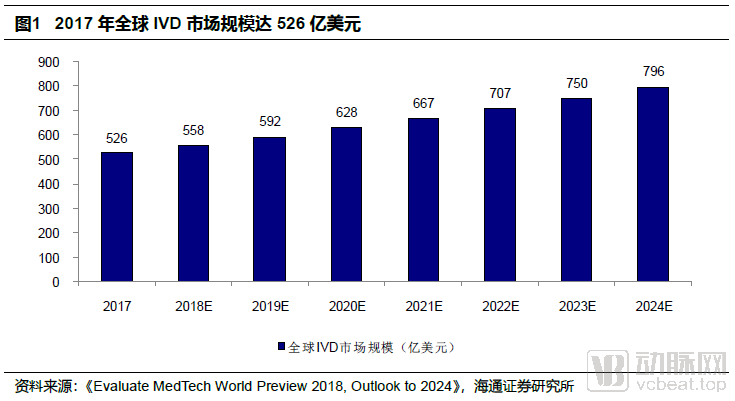
According to Evaluate MedTech’s “World Preview 2018, Outlook to 2024,” in vitro diagnostics (IVD) is the largest subsector of the global medical device industry. The global IVD market was valued at $52.6 billion in 2017 and is projected to grow at a compound annual growth rate (CAGR) of 6.1% from 2017 to 2024, reaching a market size of $79.6 billion by 2024.
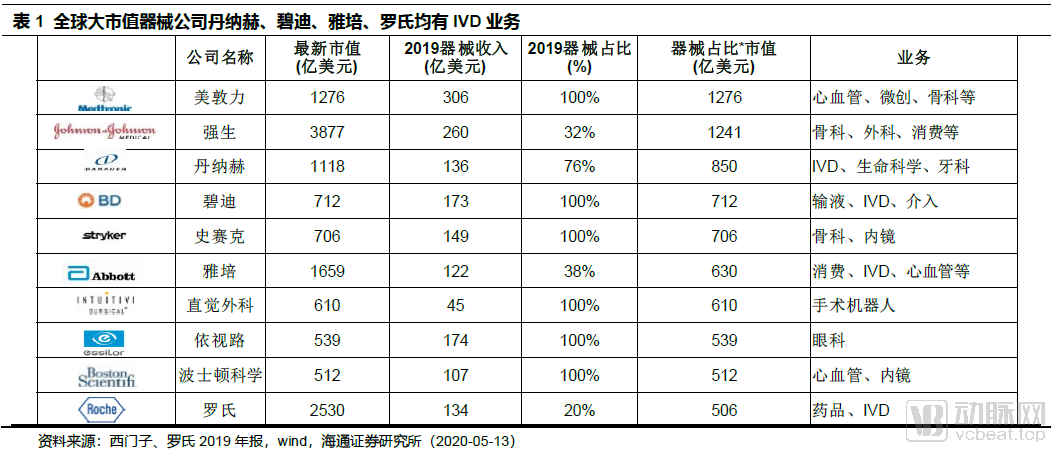
Globally, large-cap medical device companies such as Danaher, Becton Dickinson (BD), Abbott, and Roche all have in vitro diagnostics (IVD) businesses. Haitong Securities believes that only large market segments can give rise to large-cap companies; as the largest subsector of the global medical device industry, IVD is more likely to produce large-cap companies.
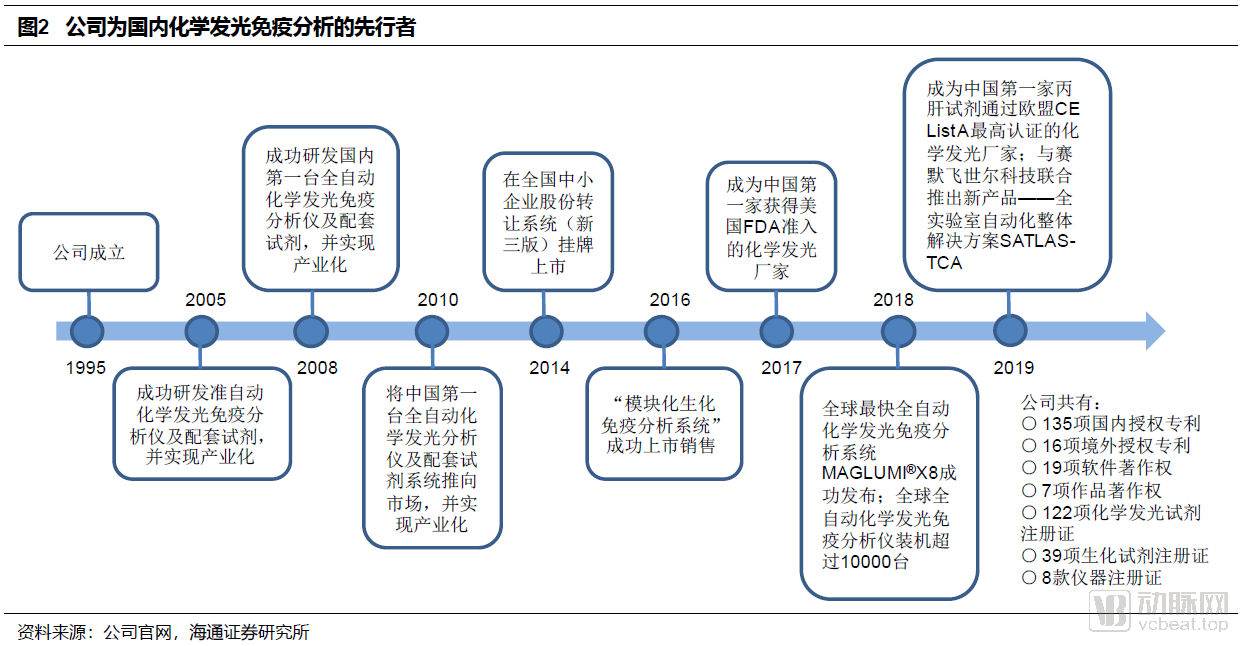
Snibe Co., Ltd. was established on December 15, 1995, and has remained dedicated to the field of chemiluminescence immunoassay (CLIA). In February 2010, it successfully launched China’s first fully automated chemiluminescence immunoanalyzer and its accompanying reagents onto the market. In 2016, it introduced the intelligent “Modular Biochemistry and Immunoassay Analysis System” to the market. In July 2017, Snibe obtained FDA 510(k) clearance, becoming the first Chinese CLIA manufacturer to gain access to the U.S. market. In 2018, Snibe successfully released the MAGLUMI, the world’s fastest fully automated chemiluminescence immunoassay system.® X8 (600T/H). In July 2019, Snibe’s independently developed chemiluminescence immunoassay products for hepatitis C successfully obtained CE List A certification from the European Union, making Snibe the first chemiluminescence manufacturer in China whose hepatitis C reagents have received the highest EU CE certification.
Snibe is the first company in China to adopt advanced “nano immunomagnetic beads” as the key separation material for its systems, the first to replace traditional enzymes with state-of-the-art “synthetic small-molecule organic compounds” as luminescent labels, and the first to apply direct chemiluminescence immunoassay technology and achieve mass production of fully automated chemiluminescence immunoassay analyzers and associated reagents. Snibe’s R&D achievements have filled domestic gaps in the field of in vitro diagnostics, broken the long-standing monopoly and technological blockade imposed by foreign manufacturers, and established Snibe as a leader in China’s chemiluminescence immunoquantitative analysis sector.
Snibe offers eight models of fully automated chemiluminescence immunoassay analyzers. In 2019, the company launched the MAGLUMI X8, which achieves a throughput of 600 tests per hour, making it one of the fastest chemiluminescence immunoassay instruments currently available on the market. The system is supported by 122 reagent assays, covering test items such as thyroid function, sex hormones, tumor markers, cardiac markers, preoperative screening panel (eight items), eugenics and prenatal care, glucose metabolism, bone metabolism, liver fibrosis, and inflammation monitoring. In addition, Snibe provides total laboratory automation (TLA) lines with corresponding reagents, modular biochemistry and immunoassay analysis systems with supporting reagents, as well as fully automated clinical chemistry analyzers and biochemical reagents.
Snibe currently employs over 1,700 people, including more than 200 individuals with doctoral or master’s degrees or overseas returnee status. The company’s reagent R&D and production center operates nine reagent production lines, with annual reagent production capacity gradually increasing to 4 million kits following the commissioning of Phase II of the Pingshan base in 2019. The instrument R&D and manufacturing center has an annual production capacity of 2,500 fully automated chemiluminescence immunoassay analyzers and 1,500 fully automated clinical chemistry analyzers. Snibe’s domestic marketing and service network covers all regions across China, while the company is actively expanding its overseas presence, having established cooperative relationships with more than 140 countries and regions, including Italy, Spain, France, and Colombia.
Snibe's Core Team
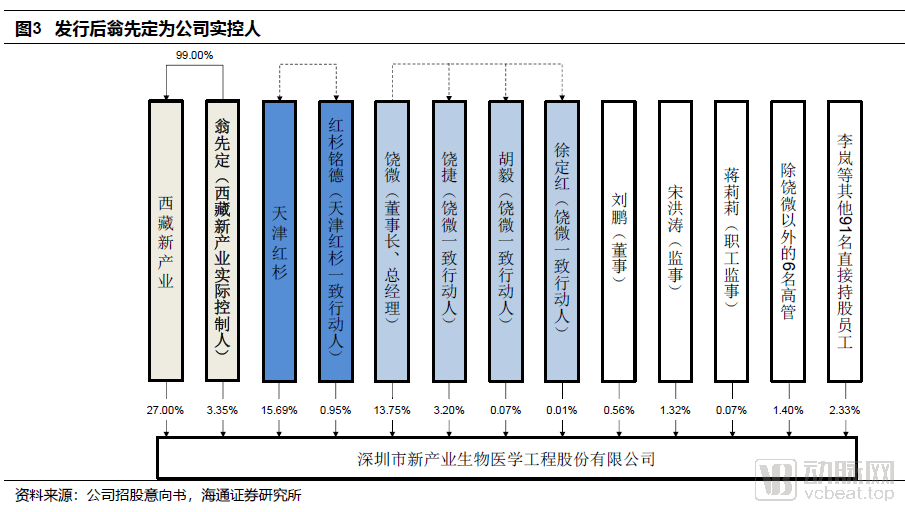
Prior to the issuance, Weng Xianding directly held 3.7225% of the Company’s shares and indirectly controlled 30.0070% of the Company’s shares through Tibet New Industry, thereby controlling a total of 33.7295% of the Company’s shares and being identified as the actual controller of the Company. From July 1986 to September 1992, Mr. Weng worked at the Department of Finance and Banking of the State Planning Commission, successively serving as Deputy Director of the Department of Finance and Banking and Director of the Securities Division of the Department of Finance and Banking. From September 1992 to August 1993, he served as Assistant to the Director of the Shenzhen Municipal Planning Bureau and concurrently as the first Special Commissioner stationed in Shenzhen by the China Securities Regulatory Commission. In August 1993, he founded New Industry Investment and served as its President; since 2004, he has served as Chairman and President of New Industry Investment. Since February 2014, he has served as Executive Director of Tibet New Industry. Since August 2012, he has served as a Director of Snibe.
Mr. Rao Wei, the Chairman of the Company, joined Snibe Co., Ltd. in 1997 and was later promoted to General Manager. Since August 2012, he has served as both Chairman and General Manager of Snibe. Mr. Rao innovatively integrated nano-composite magnetic microspheres, the synthesis of ABEI luminophores, and immunoassay technologies to establish a magnetic separation-based direct chemiluminescence immunoassay system. He led his team in developing fully automated chemiluminescence immunoassay analyzers, positioning the Issuer as one of the earliest companies in China to establish a complete platform for direct chemiluminescence immunoassays and achieve its industrialization. As an inventor, Mr. Rao has filed 75 invention patent applications (including pending applications), including 25 international patent applications (including pending applications). Dr. Rao’s R&D achievements received the Shenzhen Science and Technology Progress Award for three consecutive years from 2010 to 2012, the Second Prize of the Shenzhen Technological Invention Award in 2013, and the First Prize of the Shenzhen Technological Invention Award in 2019.
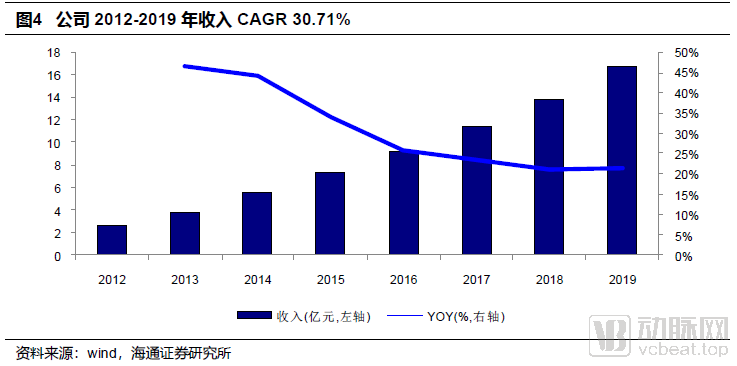
High Growth in Revenue and Net Profit Attributable to Parent Company
Snibe’s revenue increased from RMB 258 million in 2012 to RMB 1.682 billion in 2019, with a compound annual growth rate (CAGR) of 30.71%.
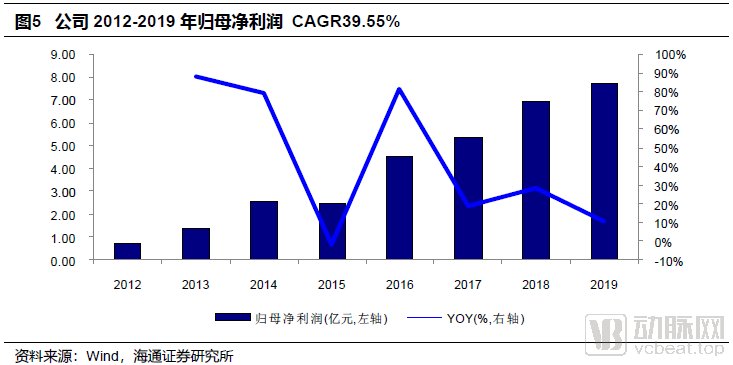
Net profit attributable to shareholders of the parent company increased from RMB 75 million in 2012 to RMB 773 million in 2019, with a compound annual growth rate (CAGR) of 39.55%.
Specializing in Chemiluminescence Reagents and Instruments
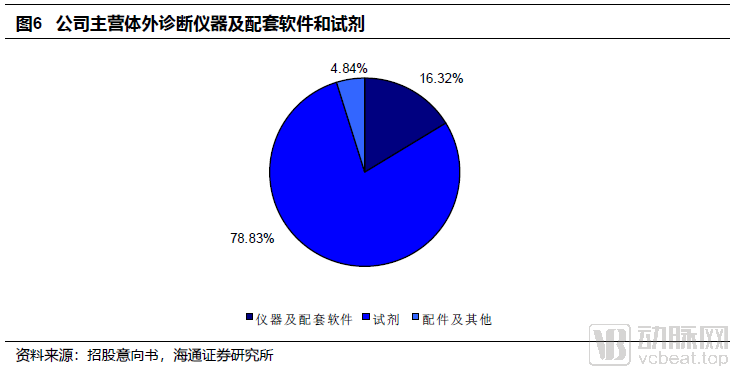
Snibe's main business revenue is primarily derived from reagents, instruments, and accompanying software. In 2019, reagent revenue accounted for 78.83%, while revenue from instruments and accompanying software accounted for 16.32%.
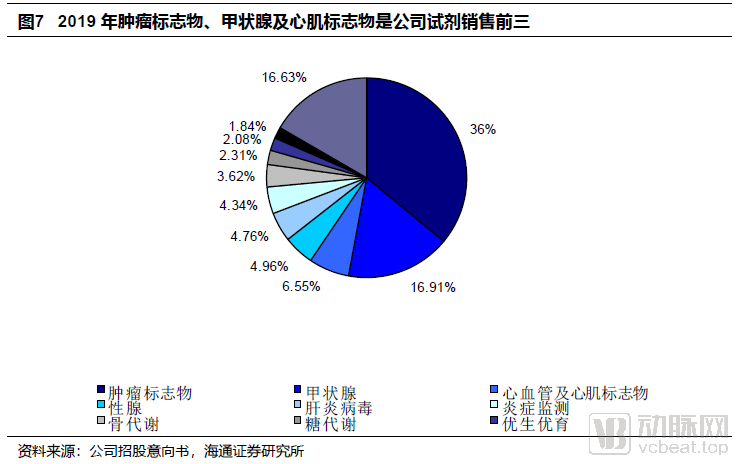
In 2019, the sales revenue structure of Snibe’s top ten reagent categories remained relatively stable. Tumor markers, thyroid function tests, and cardiovascular and cardiac markers ranked as the top three product lines, accounting for 36.00%, 16.91%, and 6.55% of total sales, respectively. Tumor marker assays are a specialty product line for Snibe; with limited participation from domestic manufacturers in the early stages, competition was primarily dominated by large foreign medical device companies such as Roche. Leveraging its first-mover advantage, Snibe secured a certain market share. Thyroid function testing is a routine diagnostic item and constitutes Snibe’s second-largest reagent product line. Its products deliver accurate and stable test results, earning recognition and widespread acceptance among end users.
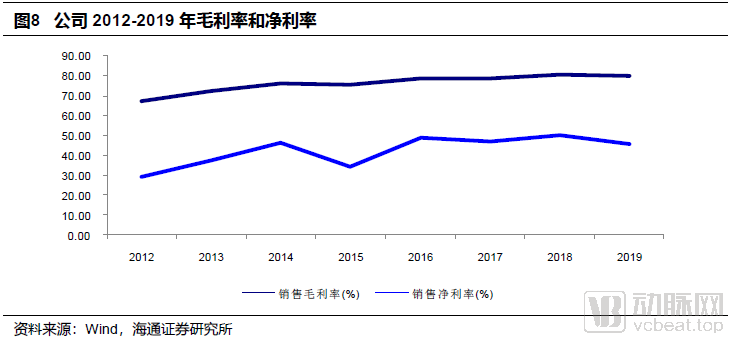
Snibe’s overall gross profit margin on sales has shown a continuous upward trend, with the gross profit margin on sales reaching 79.96% and the net profit margin on sales amounting to 45.95% in 2019.
Dual-Engine Drive in Domestic and International Markets
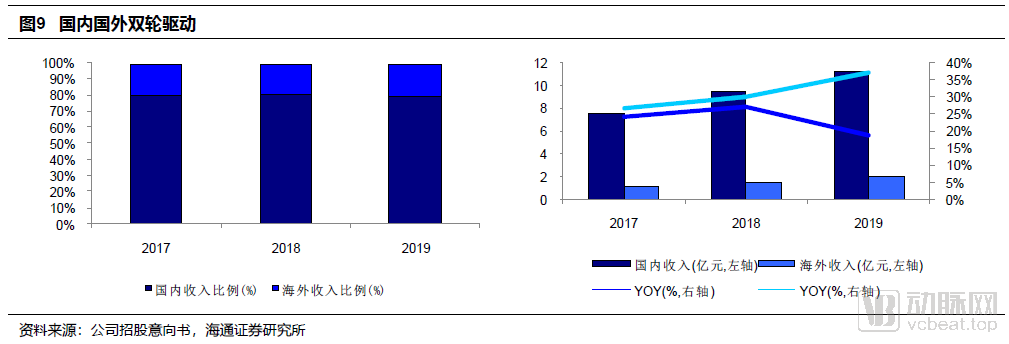
From 2017 to 2019, the proportion of Snibe's revenue from domestic and international markets remained relatively stable.
In 2019, domestic reagents accounted for 85.00% of revenue, while imported reagents accounted for 15.00%. Sales revenue in China was primarily generated from East China, South China, Central China, and Southwest China, regions that not only demonstrated high sales volumes but also maintained relatively rapid growth. Overseas revenue, derived mainly from other Asian countries, South America, and Europe, accounted for a significant proportion and exhibited a fast growth rate.
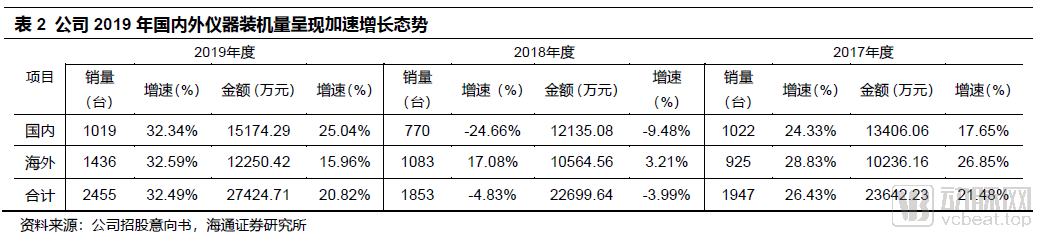
Snibe’s domestic instrument sales volume in 2017 was comparable to that in 2019, while it was lower in 2018. This was primarily due to the large overall installed base in China, coupled with year-to-year fluctuations and adjustments in installation demand among healthcare institutions. Meanwhile, the growth rate of revenue from domestic instruments and accompanying software lagged behind the growth rate of sales volume, mainly because instrument selling prices declined under the influence of competitive market conditions in China.
Snibe’s overseas market expansion has primarily relied on independent efforts by regional distributors. As of 2019, three of the company’s top five customers were overseas distributors. On another front, Snibe established an Indian subsidiary in 2018, leading to an increase in the absolute amount of overseas sales revenue and a rise in its proportion of total revenue. The growth rate of revenue was lower than that of sales volume, mainly due to certain price discounts offered to overseas distributors with large purchase volumes, as well as a decline in instrument export prices driven by intense competition in overseas markets.
Over the past three years, Snibe’s reagent sales revenue increased by RMB 167.6741 million, RMB 235.2569 million, and RMB 232.8240 million, respectively, maintaining a high level of growth. Domestic reagent sales revenue accounted for more than 85% of the total, serving as the primary source of reagent income. In 2019, the growth rate of domestic reagent sales slowed somewhat due to the large base effect. Although overseas revenue started from a low base, it grew rapidly, with its contribution to the incremental reagent sales rising from 13.94% in 2017 to 23.10% in 2019. After several years of development, overseas reagent sales have consistently exceeded instrument sales. From 2017 to 2019, the year-on-year growth rates reached 26.58%, 30.12%, and 37.12%, respectively, demonstrating a stable and favorable trend of instrument installations driving reagent sales.
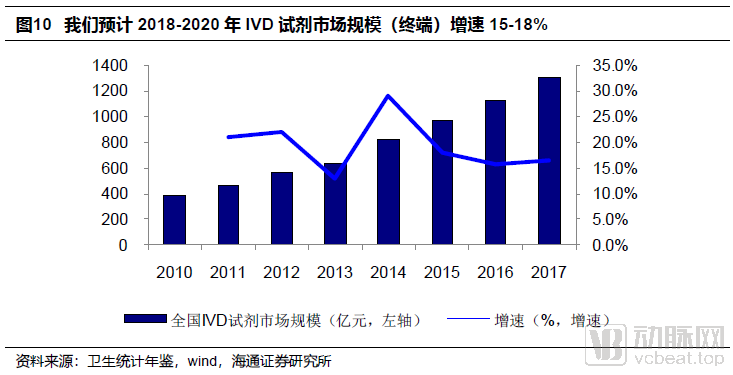
According to the National Health and Family Planning Commission’s Statistical Yearbook, Haitong Securities estimates that laboratory testing fees in public hospitals increased by 16–17% year-on-year in 2017, with the national IVD reagent market growing by approximately 16.4%, maintaining a strong growth momentum. Haitong Securities believes that with the widespread adoption of chemiluminescence and molecular diagnostics, along with increased testing penetration, the IVD reagent market is expected to grow at a rate of 15–18% from 2018 to 2020.
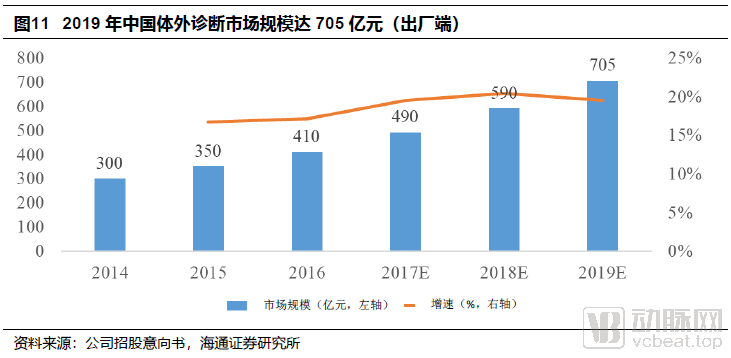
According to the prospectus of Snibe, citing statistics from Allied Market Research, the market size of China’s in vitro diagnostics (IVD) industry was approximately RMB 41 billion (at ex-factory prices) in 2016. In recent years, driven by rising household income levels, the advancement of healthcare reforms and expansion of medical insurance coverage, increased per capita healthcare expenditure, and an aging population structure, domestic demand for medical services has grown rapidly. This trend is particularly evident in the IVD industry, which has demonstrated relatively high-speed growth. According to forecasts by Allied Market Research, the compound annual growth rate of China’s IVD market approached 20% over the past three years, reaching RMB 70.5 billion in 2019, and is expected to continue growing in the future.
China’s in vitro diagnostics (IVD) market comprises several segments, including immunoassay, clinical chemistry, molecular diagnostics, and hemostasis and thrombosis testing. Among these, immunoassay holds the largest market share. According to statistics from Guangzhou Biaodian Pharmaceutical Information Co., Ltd., it accounted for approximately 39% of the overall IVD market in 2018, with clinical chemistry and molecular diagnostics ranking second and third, respectively. The market share of immunoassay has been growing rapidly, outpacing the overall growth rate of the IVD industry, and its share continues to expand.
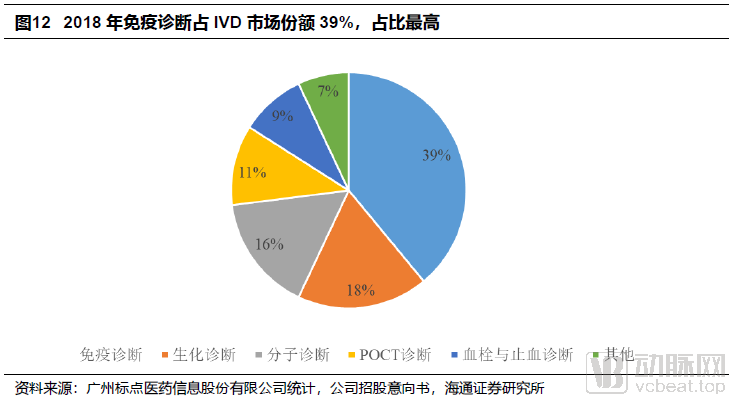
In the early stages of the in vitro diagnostics (IVD) industry, biochemical diagnostic products once held the largest market share. In recent years, the market share of immunoassay products has surpassed that of biochemical diagnostics, making immunoassay the largest subcategory within China’s IVD market by scale. This shift is primarily driven by the wide variety of immunoassay products, rapid technological advancements, and their extensive range of applications. The development of immunoassay technology has progressed through radioimmunoassay (RIA), enzyme-linked immunosorbent assay (ELISA), time-resolved fluorescence immunoassay, semi-automated chemiluminescence immunoassay, and fully automated chemiluminescence immunoassay. Since its emergence, chemiluminescence immunoassay technology has rapidly gained global adoption due to its exceptional sensitivity and high-throughput, rapid testing capabilities. It has become the primary driver propelling the rapid growth of immunoassay diagnostics. As the menu of available tests continues to expand, it is poised to replace technologies such as radioimmunoassay and enzyme-linked immunosorbent assay.
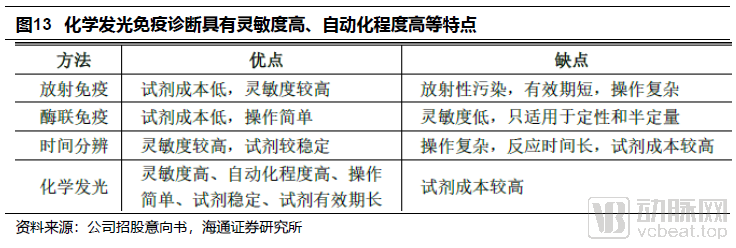
Haitong Securities believes that chemiluminescence is highly prosperous, with a growth rate faster than that of the IVD industry. It is estimated that in 2019, the market size of domestic chemiluminescence immunoassay accounted for more than 40% of the IVD market. Given that the domestic IVD market size reached RMB 70.5 billion in 2019, we estimate that the domestic chemiluminescence market size amounted to RMB 30 billion (ex-factory) in 2019, with an annual growth rate of 15–20% over the next three years.
In recent years, China’s in vitro diagnostics (IVD) industry has developed rapidly, with a swift increase in the variety of testing products and a narrowing technological gap between domestic and international players. Overall, domestically produced products have achieved a 44% market share; however, development remains uneven across specific product categories. In the field of biochemical diagnostics, Chinese companies have nearly reached the level of their foreign counterparts, with most mid- to low-end products already replacing imports. The chemiluminescence immunoassay market, particularly the high-end segment served by tertiary hospitals, is still dominated by imported brands, leaving domestic brands with a relatively small market share. As domestic chemiluminescence immunoassay technology continues to advance, local brands are expected to gradually replace imported ones. According to Maccura Biotechnology’s 2019 annual report, more than 80% of China’s current IVD market share is still held by high-end imported products. Haitong Securities estimates that imports monopolize 80% of the chemiluminescence sector, resulting in a localization rate of only 20%.
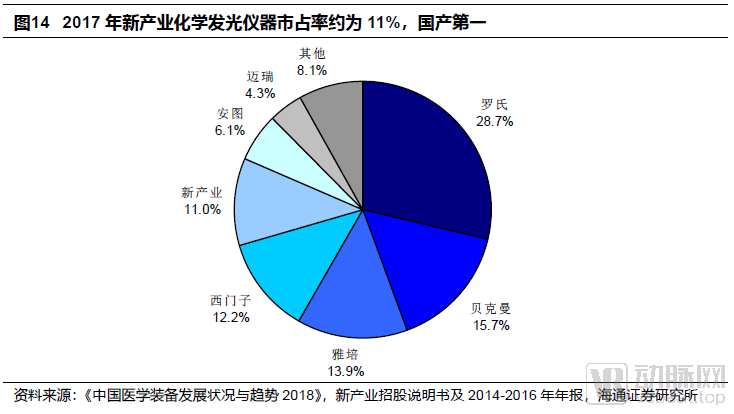
In terms of installed base, according to the "Development Status and Trends of Chinese Medical Equipment 2018," Mindray’s market share for chemiluminescence instruments was approximately 4.3% in 2017, Autobio’s was approximately 6.1%, and Roche’s was approximately 28.7%. Taking these figures into comprehensive consideration, we estimate that the total installed base of domestic chemiluminescence equipment in China reached approximately 38,000 units in 2017. According to Snibe’s prospectus, Haitong Securities estimated that the company’s domestic installed base of chemiluminescence instruments was around 4,500 units in 2017, corresponding to a market share of approximately 11%, ranking first among Chinese manufacturers.
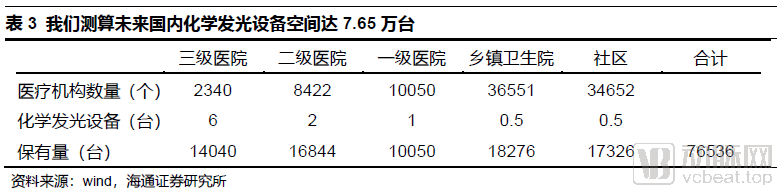
Assuming that the future installed base of chemiluminescence instruments per facility will be 6, 2, 1, 0.5, and 0.5 units for tertiary hospitals, secondary hospitals, primary hospitals, township health centers, and community hospitals, respectively, the total market size for chemiluminescence instruments in China would reach 76,500 units, indicating a twofold growth potential.
Assuming Snibe achieves a future market share of 15%, equivalent to 11,475 units, with an average revenue per unit of RMB 350,000, the potential reagent revenue would reach RMB 4 billion. If Snibe’s future market share rises to 20%, corresponding to 15,300 units, and the average revenue per unit increases to RMB 400,000, the chemiluminescence reagent market opportunity would exceed RMB 6 billion.
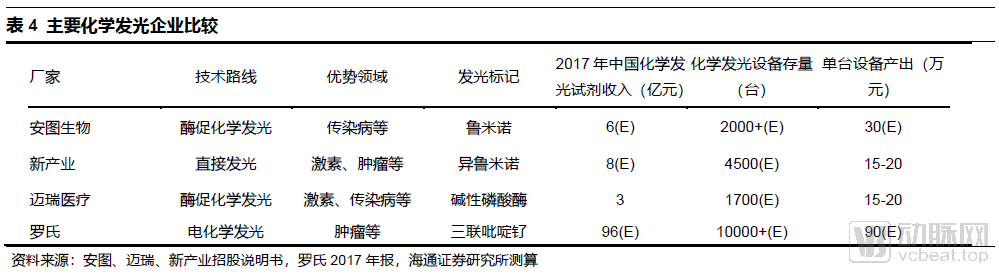
Chemiluminescence diagnostic products are generally closed systems integrating reagents and instruments, characterized by high technical barriers and R&D complexity; therefore, a comprehensive product portfolio and strong R&D capabilities are crucial. Based on the labels and luminescence principles employed, chemiluminescence immunoassay technology can be categorized into three types: direct chemiluminescence immunoassay (CLIA), enzyme-labeled chemiluminescence immunoassay (CLEIA), and electrochemiluminescence immunoassay (ECLIA). The testing speed of fully automated chemiluminescence analyzers can reach up to 600 tests per hour, the fastest globally (Snibe official website). The corresponding range of supporting reagents is the most comprehensive, covering thyroid function, reproductive hormones, tumor markers, metabolism, infectious diseases, and other areas. According to statistics compiled by Haitong Securities from the official websites of companies including Snibe, Mindray Medical, Autobio Diagnostics, YHLO Biotech, and Maccura Biotechnology, Snibe boasts a complete chemiluminescence product line with excellent performance and strong comprehensive competitiveness, giving it a competitive advantage in the domestic market.
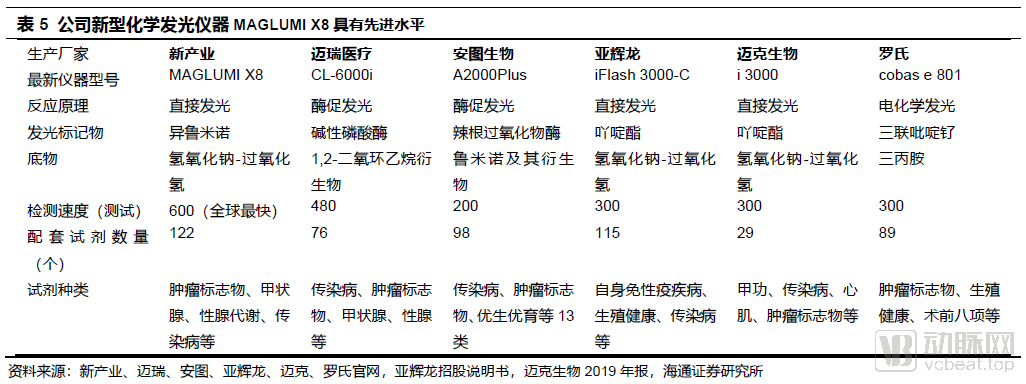
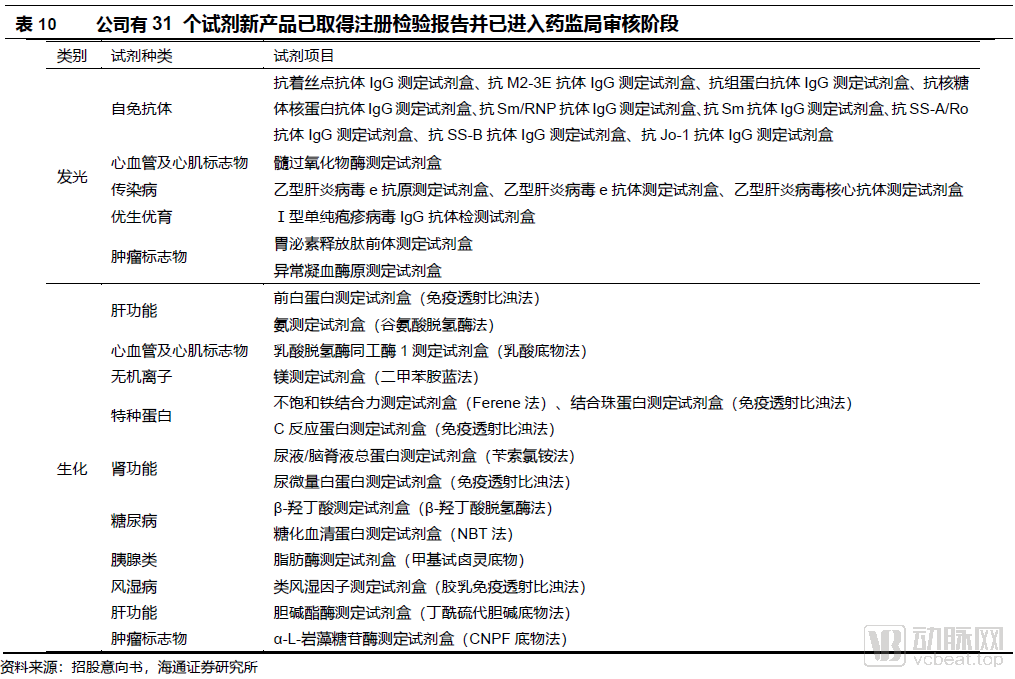
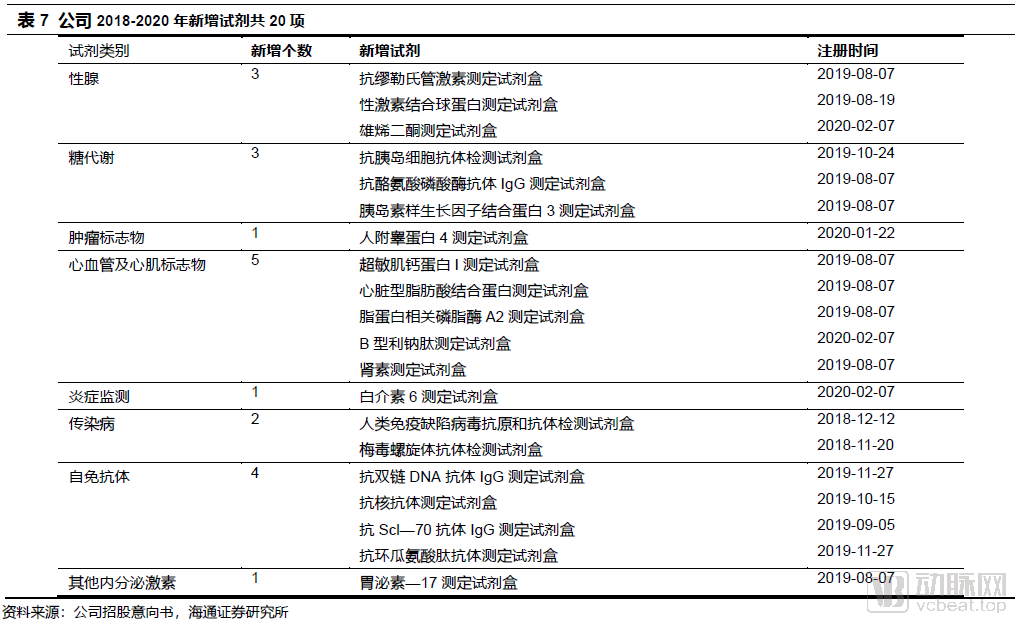
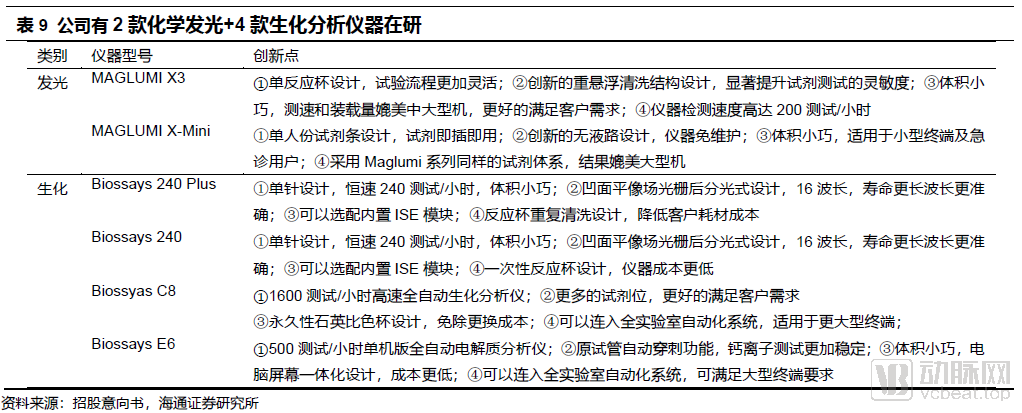
Haitong Securities believes that revenue from reagents remains the key driver for chemiluminescence, and the investment logic for reagent revenue can be simplified as: installed base of instruments × output per instrument. New installations and increased output per instrument are the two major growth drivers. Snibe successfully launched the MAGLUMI® X8, the world’s fastest fully automated chemiluminescence immunoassay system, in 2018. In 2019, its new installations accelerated. Between 2018 and 2019, Snibe obtained approval for 20 new chemiluminescence reagents, covering areas such as infectious diseases, cardiovascular health, glucose metabolism, immunology, and gonadal function. Meanwhile, Snibe currently has two chemiluminescence instruments and four biochemistry analyzers under development, and 31 new reagent products have obtained registration test reports and entered the review stage at the National Medical Products Administration (NMPA).
Since the outbreak of the COVID-19 pandemic in China, Snibe immediately mobilized its R&D team to accelerate the development of diagnostic test kits. In early February 2020, the company successfully developed the fully automated chemiluminescent assay kits for the detection of novel coronavirus (2019-nCoV) IgM and IgG antibodies, and obtained CE marking for the European Union on February 19, 2020. According to the “List of Medical Product Manufacturers with Foreign Standard Certifications or Registrations” published by the China Chamber of Commerce for Import and Export of Medicines and Health Products, the company’s COVID-19 antibody test kits have received EU CE certification and are authorized for export sales. Meanwhile, the company has sequentially applied for product registration certificates in countries including the United States, Brazil, India, the Philippines, Argentina, and Saudi Arabia. Currently, the applications have been submitted through the Shenzhen Municipal Bureau of Commerce to the China Chamber of Commerce for Import and Export of Medicines and Health Products for certification processing. Due to the severe epidemic situation abroad, the company’s COVID-19 antibody test kits have achieved strong sales performance in international markets, with export revenue expected to increase significantly in the second quarter.
Based on the actual performance achieved in the first quarter and April, as well as factors such as the development trends of the COVID-19 pandemic both domestically and internationally, the execution status of orders in April, production and operation plans, and the latest situation regarding overseas sales of the company’s SARS-CoV-2 antibody test kits, Snibe has determined the month-on-month growth rates and revenues for its main products for each month of the second quarter. Accordingly, the estimated operating revenue for the first half of 2020 ranges from RMB 905 million to RMB 989 million, representing a year-on-year increase of 22.26% to 33.61%. The net profit attributable to shareholders of the parent company for the first half of 2020 is expected to range from RMB 395 million to RMB 431 million, a year-on-year increase of 16.67% to 27.35%; the net profit attributable to shareholders of the parent company after deducting non-recurring gains and losses is expected to range from RMB 360 million to RMB 396 million, a year-on-year increase of 15.68% to 27.24%. Haitong Securities believes that accelerated instrument installations in 2019, new reagents, and COVID-19 testing will drive accelerated growth.
Snibe offers eight models of fully automated chemiluminescence immunoassay analyzers and 122 corresponding reagents, making it one of the suppliers with the most extensive portfolio of chemiluminescence immunoassay diagnostic reagents in China. Furthermore, Snibe is actively expanding its clinical chemistry analysis product line, with four models of fully automated clinical chemistry analyzers and 39 corresponding reagents. Snibe’s instrument models are available in a series of configurations to meet diverse user requirements for testing throughput, as well as sample and reagent loading capacities.
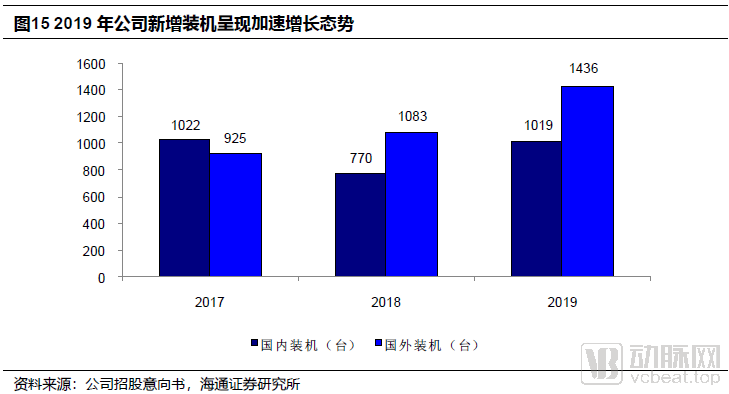
Since 2018, Snibe has obtained approvals for new chemiluminescence instruments and reagents. In 2018, it successfully launched the MAGLUMI® X8, the world’s fastest fully automated chemiluminescence immunoassay system. In 2019, the number of newly installed units increased by 1,019 in China and 1,436 internationally, demonstrating an accelerating growth trend.
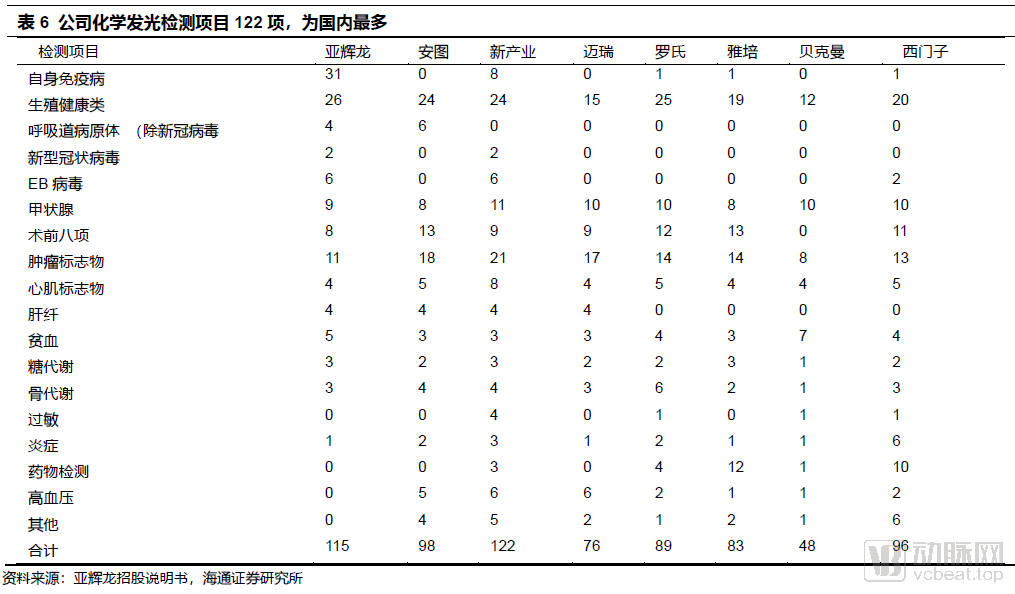
Snibe’s supporting reagents for chemiluminescence immunoassays cover the widest range of test items in China, including thyroid function, gonadal hormones, tumor markers, metabolism, liver fibrosis, and infectious diseases, thereby meeting the diverse testing needs of different users.
New reagents represent a significant growth driver for the company. From 2018 to 2019, the company introduced a total of 20 new reagents, covering areas such as infectious diseases, cardiovascular health, glucose metabolism, immunology, and gonadal function.
Snibe has continued to increase its R&D investment, with the R&D-to-revenue ratio gradually rising, reaching 7.11% in 2019.
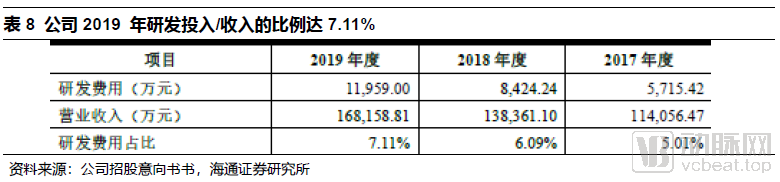
Snibe adheres to the R&D philosophy of “commercializing one generation, developing the next, and reserving a third.” Currently, the company has two chemiluminescence immunoassay analyzers and four clinical chemistry analyzers under development. The R&D of chemiluminescence instruments is primarily focused on miniaturization, which we believe is well-suited for use in primary healthcare institutions. The clinical chemistry analyzer portfolio includes both compact and high-throughput models, addressing the company’s previous shortcomings in clinical chemistry analysis.
Snibe has obtained registration for 122 chemiluminescence reagents and is actively developing new reagent products. Among these, 31 new reagent products have received testing reports for registration and have entered the review stage of the National Medical Products Administration (NMPA), including chemiluminescence reagents for autoimmune diseases, tumors, and infectious diseases, as well as biochemical reagents. In addition, the company has seven other new reagent products that have received testing reports for registration and have entered the clinical trial phase.