

The Next Frontier of Cell Therapy Industry: Policy Regulation and Industrial Implementation
Undoubtedly, cancer is the most challenging issue currently facing the medical, industrial, and academic communities. To conquer this challenge, healthcare professionals are tirelessly engaged in rigorous research and development, progressing from chemotherapy to radiotherapy, and now to cellular immunotherapy.
In recent years, cell therapy has advanced rapidly alongside deepening research. However, despite the overall cell therapy industry entering a fast track of development, it remains constrained by imperfections in technology, quality control, and regulatory frameworks, meaning the sector still faces significant challenges ahead. To further analyze the innovative transformations and development within the cell therapy industry and gain insights into emerging trends, the “Cell Therapy on the Fast Track Mini City Forum,” hosted by VCBeat and co-hosted by GTJA Investment, was held in Chongqing.
From the laboratory to the clinic, the cell therapy industry has made significant progress, yet it still has some way to go before reaching maturity. Commercial implementation serves as an accelerator for the industrialization of cell therapy. As a key city for economic development in western China, Chongqing boasts a solid foundation in the healthcare industry layout, leveraging the momentum of the Chengdu-Chongqing economic circle. In his conference address, a representative from the Chongqing Municipal Science and Technology Bureau stated that Chongqing focuses on the R&D of key biopharmaceutical technologies and the development of innovative products, with comprehensive efforts directed toward new drug development, the manufacture of mid-to-high-end medical devices, secondary development of blockbuster drugs, industry-academia-research collaborative innovation, and the construction of technological platforms. In recent years, Chongqing’s science and technology system has invested nearly RMB 500 million in fiscal funds, established more than 80 national- and municipal-level biopharmaceutical innovation platforms, and nurtured over 50 biopharmaceutical teams. The city’s inherent strengths make Chongqing a prime choice for the establishment and development of the cellular immunotherapy industry in western China.
Leveraging Chongqing’s policy advantages and corporate resource strengths in medical devices and biopharmaceuticals, Chongqing Science & Technology Venture Capital (Chongqing Kefengtou) aims to integrate capital with industry to establish Chongqing as the western hub for the cell therapy sector. “Chongqing Kefengtou seeks to position Chongqing as a global center for innovation and translation in biotechnology. Chongqing possesses the necessary capabilities to build a western base for cell therapy, given its strengths in industrial policies, clinical medical resources, scientific research capacity, and clinical resources.”
Cellular immunotherapy aims to alleviate or even achieve a complete cure for cancer by repairing intrinsic immune deficiencies, activating immune mechanisms, and prompting the body to spontaneously inhibit tumor cell growth over the long term. Whether regarded as a novel pharmaceutical product or a new therapeutic modality, cellular immunotherapy is ultimately intended for human application. Given the profound implications for human life, the safety and efficacy of cell therapy are paramount, making policy regulation particularly critical. As the current regulatory framework remains imperfect, how can we establish a more robust policy and regulatory system to drive industrial development and technological advancement, thereby benefiting human health? Clinical directors from the Chongqing Medical Products Administration, the Chongqing Municipal Health Commission, the Chongqing Municipal Commission of Economy and Information Technology, Xinqiao Hospital of the Army Medical University, the Affiliated Hospital of Chongqing Medical University, and the Chongqing University Cancer Hospital, along with representatives from R&D institutions and investment firms specializing in cellular immunotherapy, engaged in vigorous discussions on these issues.
Yu Xuejun, CEO of Huadao Bio, stated that the core of cellular immunotherapy lies in controlling its pricing mechanism. The key to achieving full-scale industrial commercialization is to truly integrate cellular immunotherapy into clinical practice as a therapeutic modality, ensuring that patients can afford the treatment costs and that the medical insurance system can effectively manage healthcare expenditures. Additionally, multiple experts and entrepreneurs noted that whether viewed as a biopharmaceutical product or a medical intervention, cell therapy will ultimately be applied in clinical settings, directly impacting patient lives. Therefore, corporate research and development (R&D) and production must be grounded in safety and efficacy. This necessitates that relevant government authorities strengthen industry oversight, ensuring a rigorous regulatory framework is in place, ranging from licensing and filing regulations to drug development processes.
In response to corporate concerns, government regulatory authorities have stated that, as a personalized living drug, the fundamental pillars of cell therapy are safety and efficacy. Government departments and regulatory agencies place great emphasis on product quality, and corporate research, development, and manufacturing must be built upon the overarching premises of technical safety, standardization, and effectiveness. China’s regulatory policy framework has been formulated in a relatively open manner, with regulators continuously incorporating industry feedback and needs to structure and adjust the system, thereby establishing a regulatory framework most conducive to industrial development.
Professor Zhu Bo, Director of the PLA Institute of Oncology at Xinqiao Hospital of the Army Medical University; Zhang Cheng, Director of the Chongqing Key Laboratory of Basic and Translational Research in Tumor Immunology at the Chongqing Medical University Immunology Research Center and Director of the Leukemia Department at Xinqiao Hospital of the Army Medical University; Wang Li, Deputy Director of the Hematology Department at the First Affiliated Hospital of Chongqing Medical University; Zhang Li, Fourth-Level Researcher at the Medical Administration Division of the Chongqing Municipal Health Commission; Qian Cheng, Chief Scientist of Chongqing Precision Biotechnology; Wang Enxiu, Chairman of Kati Medicine; and Qi Fei, Investment Director at Legend Capital, each shared their perspectives on the current state of cell therapy research and the challenges encountered in the field.
In his keynote address, Professor Zhu Bo, Director of the PLA Institute of Oncology at Xinqiao Hospital of the Army Medical University, stated, “Immunotherapy is undoubtedly a critical direction. In the future, both immunotherapy and cell therapy should be prioritized for industrial development. However, this is an evolving process. During the later stages of product development, all sectors of the industry must focus on addressing key clinical challenges to achieve truly original innovations from China.”
Cellular immunotherapy relies on two essential components: cells and viruses. When administering cell therapy, clinicians must strictly adhere to safety and regulatory standards. During clinical research, many cell therapy companies seek collaborations with medical institutions, with all partnership requirements predicated on safety and efficacy. Regarding viral vectors, most current cellular immunotherapies cannot do without them; however, the persistently high cost of viral vectors is a core factor driving up the price of cell therapies. Jin Aishun, Director of the Chongqing Key Laboratory for Basic and Translational Research in Tumor Immunology at the Immunology Research Center of Chongqing Medical University, stated that her team encountered viral vector costs as a significant challenge during their research. The high cost of viral vectors has created a bottleneck in the clinical translation of CAR-T therapy.

On the day of the Cellular Immunotherapy Forum, representatives from various industry stakeholders—including Li Qichen, Chairman of ImmuneOnco; the Chongqing Municipal Science and Technology Bureau; Pan Oudong, Chairman of Obio Technology; Yu Xuejun, CEO of Huadao Bio; Wang Enxiu, Chairman of Carti Therapeutics; Zhou Zhengjun, Deputy General Manager of Chongqing Precision Biotechnology; Dong Yansheng, Vice President of Pharmaron; Zhang Lifeng, R&D Director of Tianke Ya; Li Hongjian, CEO of Progenics; Zhu Yi, CEO of T-Cure Bioscience; Wang Yuchong, CEO of Shanghai Chenan Biotechnology; Tan Sheng, Investment Director of Chengdu Innovation Venture Capital Co., Ltd.; and Ma Yu, CEO of First Maker—shared their insights on collaborative innovation within the industry, as well as the current state and development of the industrial chain.
Building an ecosystem requires participation across the entire industry chain, and the cell therapy industry is no exception. There are various models for intra-industry collaboration, whether initiated by development companies, pharmaceutical firms, or other ecosystem participants. However, regardless of the partner or the mode of cooperation, all efforts must be grounded in compliance and safety. Every link within the ecosystem must prioritize professionalism; by fostering collaborative synergy and allowing the most specialized teams to handle their respective areas of expertise, efficiency can be significantly improved and costs effectively controlled.
The cell therapy industry remains in its nascent stage, with companies exhibiting limited control over the supply chain. Nevertheless, continuous technological innovations, particularly at the granular level, persist in R&D. This serves as strong evidence of the industry’s progress and simultaneously compels all stakeholders across the value chain to prioritize professionalism and regulatory compliance.
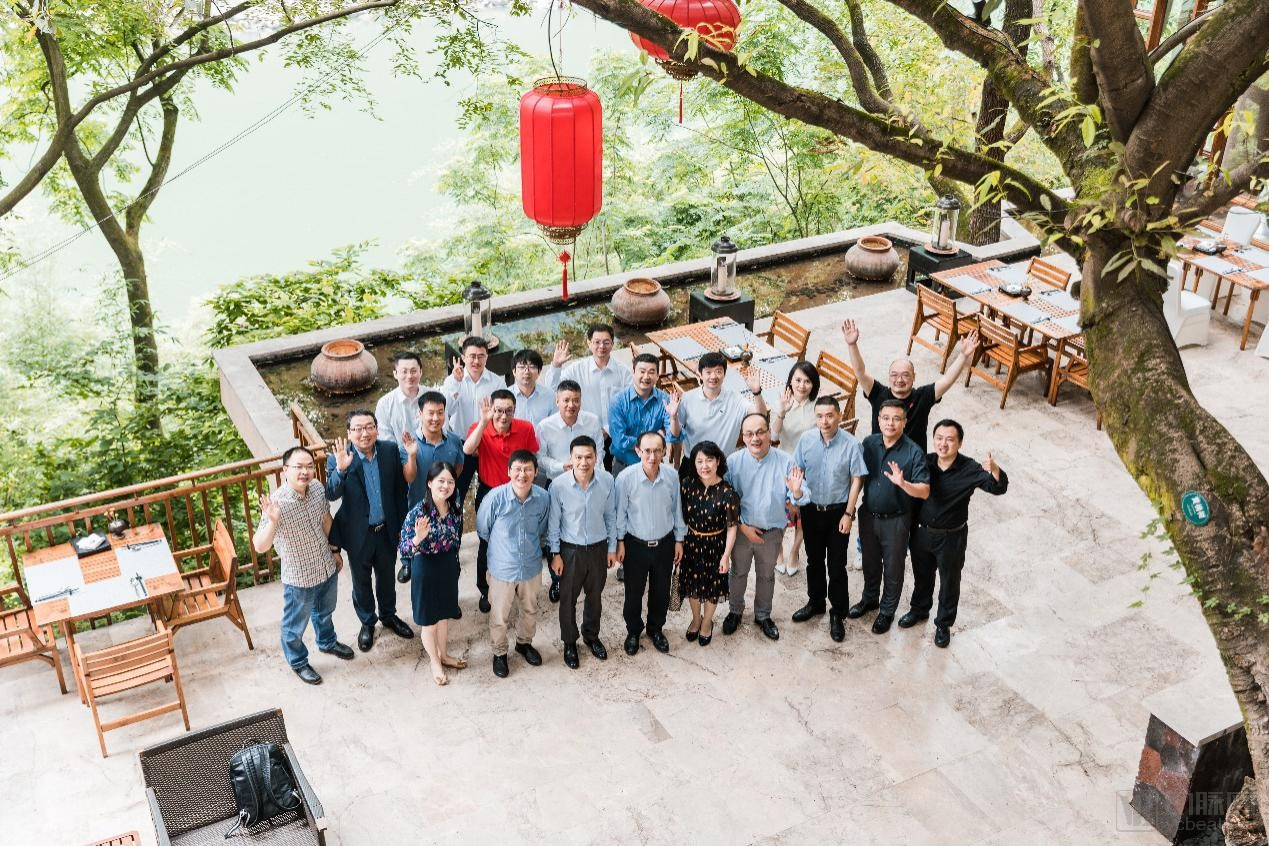
As an advanced technology for cancer treatment, the cellular immunotherapy industry still requires concerted efforts from all stakeholders to rapidly translate clinical advances into practice and truly benefit cancer patients. The emergence of novel therapeutic modalities is a testament to the collective wisdom of humanity and a proof of societal progress. The successful convening of the 2020 Cellular Immunotherapy Forum has laid the foundation for the renewed rapid development of the cell therapy industry.
(End)