

Burning Rock Biotech Surges Nearly 50% on Nasdaq Debut as China's First Tumor NGS Company

Burning Rock
Genetic Sequencing Product Provider
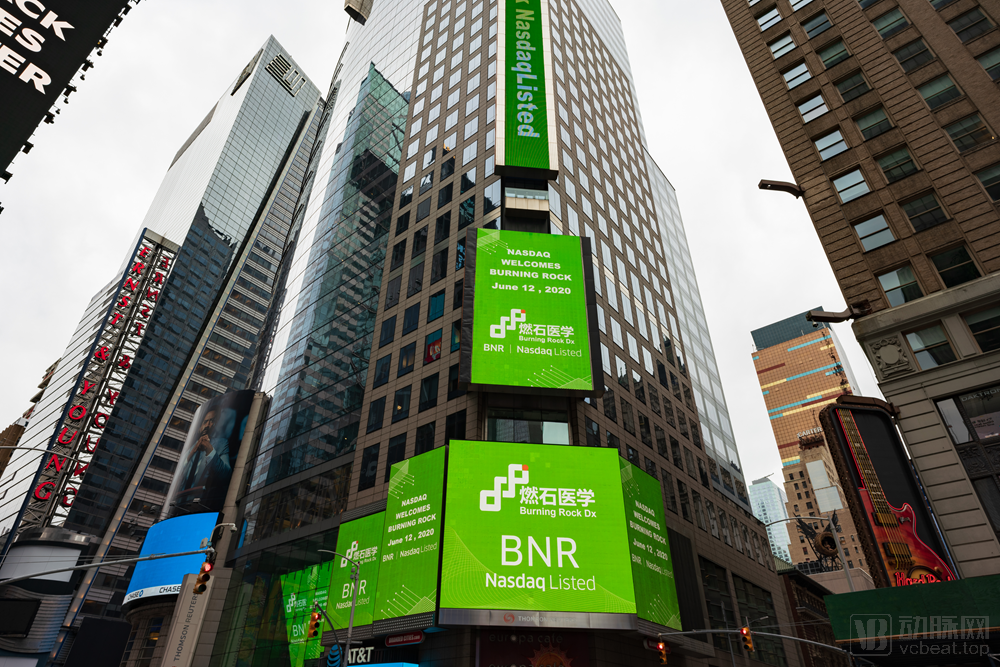
VCBeat learned that on June 12, 2020, Burning Rock Biotech was officially listed on the NASDAQ in the United States under the stock ticker symbol BNR, becoming the first Chinese tumor NGS testing company to go public in the U.S.
Burning Rock Biotech issued 13.5 million American Depositary Shares (ADS) at $16.50 per ADS in this offering. Meanwhile, Lake Bleu Capital subscribed to $25 million worth of cornerstone investment. Burning Rock Biotech raised a total of approximately $250 million from its initial public offering and the concurrent cornerstone subscription.
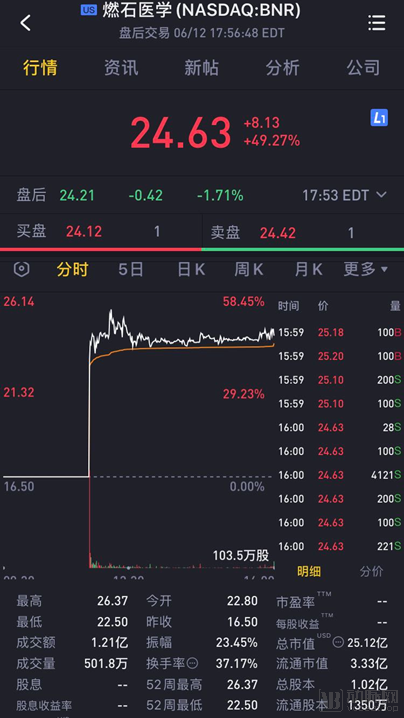
Image from Laohu Finance
Burning Rock Biotech’s stock opened at $22.80 on its first day of trading, representing a 38.2% increase over the IPO price. The share price reached an intraday high of $26.37, marking a gain of nearly 60%. By the market close, the stock settled at $24.63, up approximately 50% for the day, with a total market capitalization exceeding $2.5 billion.
Mr. Han Yusheng, Founder and CEO of Burning Rock Biotech, stated, “Following our public listing, Burning Rock Biotech will continue to increase its investment in R&D and regulatory approvals, providing products and services that align with the clinical diagnosis and treatment needs of cancer patients, thereby enhancing the quality of life.”
In Han Yusheng’s view, going public is a milestone—a natural progression once the company reaches a certain stage of development—but not the end goal. “It’s fine to celebrate for a couple of days; after that, just get back to work.” Han Yusheng’s attitude reflects the composure and calmness expected of a leader at a publicly listed company.
Leo Li, CFO of Burning Rock Biotech, also agrees with the saying that “success comes naturally when conditions are ripe”: “When a company reaches a certain stage, fundraising becomes an easy task. If it hasn’t reached that stage, raising funds for the sake of fundraising can sometimes prove very difficult. Our products have achieved strong results compared with those of global peers. Our market share, commercialization capabilities, R&D capabilities, and team capabilities have all been validated. Therefore, we chose to raise funds only after ensuring we were fully prepared.”
Burning Rock Biotech was founded in 2014, focusing on providing next-generation sequencing (NGS) services with clinical value for precision oncology. In 2014, with the launch of its first NGS testing product, Burning Rock LungCare®With the launch, Burning Rock Biotech officially commenced its commercial operations.
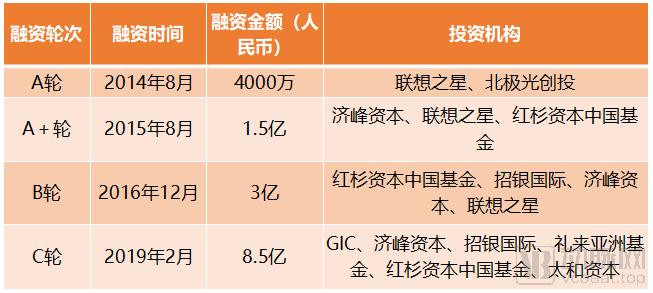
Burning Rock Biotech’s Pre-IPO Financing
When Han Yusheng first decided to start his own business, he was still an investor at Northern Light Venture Capital. At that time, Han had already identified next-generation sequencing (NGS) as a promising sector; however, after extensive screening, he could not find any oncology NGS company compelling enough to justify investment. Consequently, he chose to launch his own venture, believing it was better to pioneer the field than to miss the opportunity by waiting.
Han Yusheng stated, “The emergence of NGS as a disruptive technology has reshaped the landscape between ‘diagnosis’ and ‘treatment’ in oncology clinical care, gradually shifting the focus from ‘treatment’-centric to ‘diagnosis’-centric. Meanwhile, NGS technology and oncology drug development have formed a positive feedback loop, mutually reinforcing each other. It is foreseeable that NGS technology will gradually become a new dimension in the field of oncology healthcare. In this process, Burning Rock’s vision is to become a major pillar in the global healthcare industry, pushing technology to its limits and optimizing application scenarios to their fullest potential.”
"Burning Rock Biotech, which now appears so outstanding, did not have a smooth start in its initial financing."
During the first round of financing, Han Yusheng engaged in discussions with more than 30 institutions over a period of six months, yet none offered a positive response. Ultimately, it was Legend Star and his former employer, Northern Light Venture Capital, that extended him an olive branch.
After securing its seed funding, Burning Rock Biotech rapidly expanded its team and finalized its product lineup, paving the way for smooth subsequent growth.
Over the past six years of development, Burning Rock Biotech has consistently remained at the forefront of the tumor NGS companion diagnostics industry, whether by securing the “first certificate for tumor NGS” or closing an RMB 850 million Series C financing round in early 2019.
According to the industry report by China Insights Consultancy (CIC) cited in Burning Rock Biotech’s prospectus, Burning Rock Biotech held a leading market share in China’s oncology NGS market in 2019. Specifically, 26.7% of patients chose Burning Rock Biotech’s oncology NGS companion diagnostic products. This proportion was particularly notable in lung cancer, reaching 31%.
Deng Feng, Founder and Managing Director of Northern Light Venture Capital, stated to VCBeat: “The founding team of Burning Rock Biotech demonstrates exceptional industry foresight and learning agility. They accurately identified opportunities and rapidly captured market share before the surge in gene testing, growing into a leading oncology NGS company in China and globally. As one of Burning Rock’s initial investors, Northern Light has witnessed its development from inception to scale and has accompanied the company throughout its growth journey. We believe that going public marks a new starting point for Burning Rock, and we are confident that the company will create greater value for the industry and society in the future.”
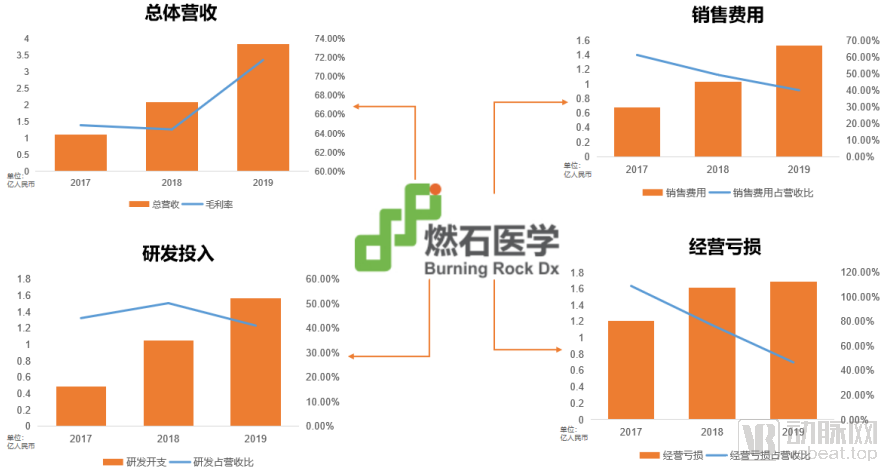
Selected Financial Data Disclosed in Burning Rock Biotech’s Prospectus
According to data from Burning Rock Biotech’s IPO prospectus, the company’s total revenue has grown at a continuous rate of over 80% in the past two years, reaching RMB 381.7 million in 2019. Alongside this revenue growth, Burning Rock Biotech’s gross profit margin also hit a new high in 2019, reaching 71.6%.
As a startup in the biopharmaceutical sector, Burning Rock Biotech remains in a loss-making position. It is normal for companies in the biopharmaceutical industry to sustain continuous losses during their early development stages. Particularly for an industry leader like Burning Rock Biotech, it is essential to maintain consistent and stable investment in research and development to preserve its competitive edge over peers and thereby secure greater market advantage.
Burning Rock Biotech’s R&D investment has grown almost proportionally with its total revenue over the past three years, consistently accounting for more than 40% of total revenue. In 2019, Burning Rock Biotech’s R&D spending reached a new high of RMB 157 million.
Selling expenses have continued to rise in tandem with overall revenue growth; however, their proportion of total revenue has declined significantly, dropping from approximately 60% in 2017 to 40% in 2019. A similar trend was observed in operating losses. Although operating losses increased year over year due to a substantial rise in R&D expenditures, both the rate of loss growth and the ratio of losses to revenue steadily decreased. In 2019, Burning Rock Biotech’s net loss expanded by only about 5% compared to 2018.
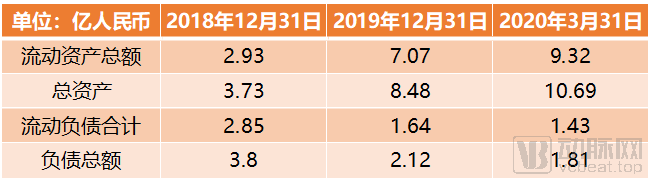
Partial Asset Data Disclosed in Burning Rock Biotech’s Prospectus
Following a significant financing round in early 2019, Burning Rock Biotech has maintained a healthy asset and liability profile. As of March 31, 2020, the company held approximately RMB 932 million in current assets, with total assets exceeding RMB 1 billion. Meanwhile, its total liabilities have remained consistently low. Coupled with the capital raised from this IPO, Burning Rock Biotech has secured ample funding to support its development over the coming years.
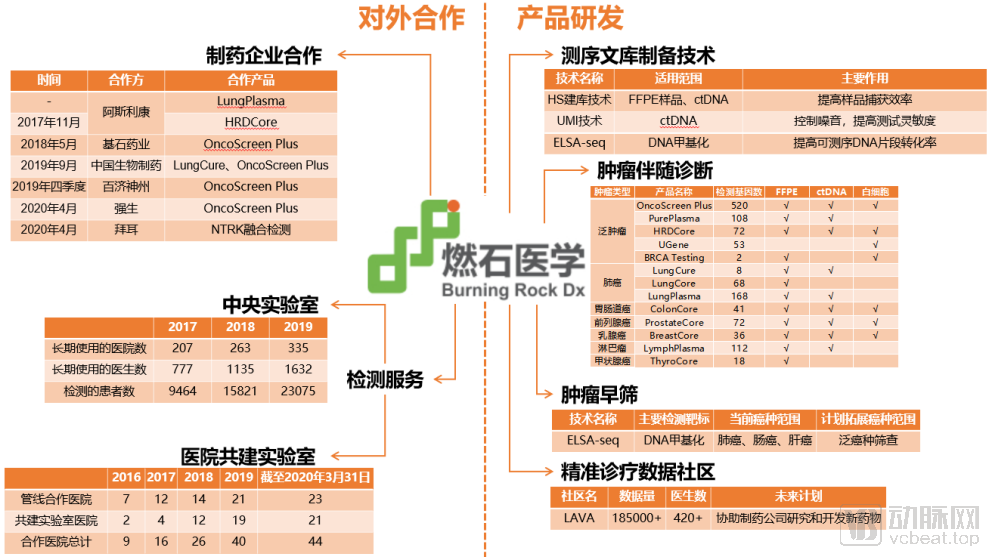
Burning Rock Biotech’s Core Business Layout
Central Laboratory Business Continues to Grow
Burning Rock Biotech was not the first company to enter the tumor NGS market. Like most peers founded during the same period, Burning Rock Biotech initially adopted a central laboratory model.
To date, the central laboratory business remains the largest revenue segment for Burning Rock Biotech. In 2019, the company’s central laboratory revenue reached RMB 276 million, accounting for 72.4% of its total revenue.
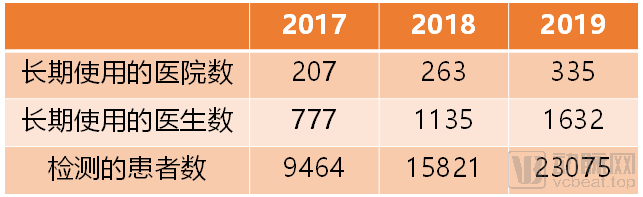
Selected Data from Burning Rock Biotech’s Central Laboratory Business
Burning Rock Biotech’s central laboratory operations are anchored by its clinical laboratory in Guangzhou, extending their reach across China. In 2019, Burning Rock Biotech provided companion diagnostic services to 23,075 patients, representing a 143.8% increase from 2017. Meanwhile, the number of hospitals and physicians engaged in long-term collaborations has continued to grow, with 1,632 physicians regularly utilizing Burning Rock Biotech’s services (at least once per month on average) across 335 hospitals. These figures underscore the broad recognition of Burning Rock Biotech’s service capabilities among hospitals and physicians.
Gradual Scaling of In-Hospital Operations
Although its laboratory business was booming, Burning Rock Biotech gradually realized that, given the unique characteristics of China’s healthcare market, the integration of tumor NGS testing into hospitals is an inevitable trend following industry standardization. Moreover, collaborating with hospitals to provide tumor NGS testing will further accelerate the establishment of industry standards.
Therefore, approximately four years ago, Burning Rock Biotech began to establish its presence within hospitals.
First, an in-hospital support team is undoubtedly essential. Burning Rock Biotech’s professional support team has been widely recognized by in-hospital experts.
Secondly, tumor NGS testing products used in hospitals require medical device registration certificates. Therefore, Burning Rock Biotech began preparing for the registration of its first NGS test kit in 2016. Under the leadership of the executive team, including Han Yusheng and Chuai Shaokun, Burning Rock Biotech rapidly finalized its product design. In July 2018, Burning Rock Biotech’s “Human EGFR/ALK/BRAF/KRAS Gene Mutation Combined Detection Kit (Reversible Terminator Sequencing Method)” became the first to obtain a Class III medical device registration certificate.
Furthermore, small and medium-sized hospitals require library preparation products that are low-threshold, fast, and highly accurate. In 2017, Burning Rock Biotech partnered with Agilent to jointly develop an automated NGS library preparation system based on hybrid capture technology. In 2019, this product, named Magnis BR, was launched into the market.
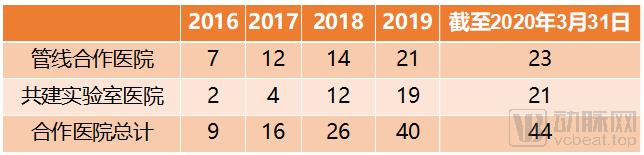
Internal Business Data of Burning Rock Medical School
With strong support from its service teams, test kits, and library preparation equipment, Burning Rock Biotech has seen rapid growth in the hospital market. Since 2016, the number of hospitals establishing co-built laboratories with Burning Rock Biotech has grown exponentially. As of March 31, 2020, 21 hospitals had partnered with Burning Rock Biotech to establish co-built laboratories, bringing the total number of collaborating hospitals to 44.
“Central laboratories and in-hospital platforms—many people’s first reaction might be that their channels are inversely correlated. But that is not the case. The current penetration rate of next-generation sequencing (NGS) for oncology in China is only 6%, with combined in-hospital and outsourced testing accounting for just this figure. We see enormous potential and significant room for growth in the future market. Therefore, in the foreseeable future, both channels will continue to grow rapidly; the question is merely which one will grow faster and which slower,” said Shao Kun Chuai, COO of Burning Rock Biotech.
Companion Diagnostics Facilitate Clinical Drug Trials
In addition to in-hospital and out-of-hospital testing services, Burning Rock Biotech is actively exploring more collaboration opportunities, with the closest partnerships being with pharmaceutical companies.
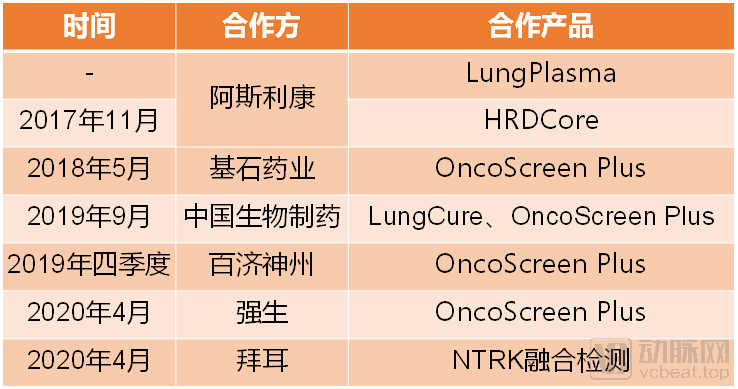
Collaboration Between Burning Rock Biotech and Innovative Pharmaceutical Companies
Since 2017, Burning Rock Biotech has collaborated with renowned domestic and international pharmaceutical companies, including AstraZeneca, Bayer, Johnson & Johnson, and BeiGene, to provide companion diagnostics for clinical trials. In AstraZeneca’s Phase III comparative study of diagnostic methods for Tagrisso (Osimertinib), Burning Rock’s LungPlasma was the only next-generation sequencing (NGS)-based companion diagnostic product included.
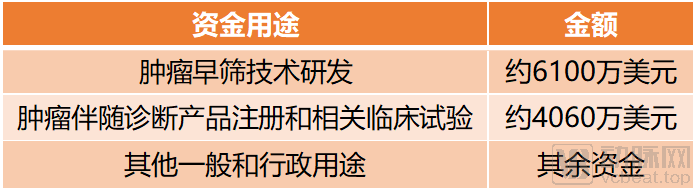
Use of Proceeds from Burning Rock Biotech’s IPO
Based on the disclosed use of IPO proceeds in Burning Rock Biotech’s prospectus, we can gain a general understanding of the company’s primary strategic focus for the next phase.
Burning Rock Biotech’s future development will continue to be anchored in two core areas: tumor companion diagnostics and early cancer screening. Among these, early cancer screening will serve as the key driver of growth, with the majority of proceeds from this IPO allocated to research and development in this field. Meanwhile, the next phase of development for tumor companion diagnostics will focus on product registration and approval, including related clinical trials.
Underlying Technologies Address Industry Pain Points
To address the distinct needs of hospitals, physicians, and patients, and to achieve its future goals in early screening, companion diagnostics, and data analytics, Burning Rock Biotech has established a comprehensive product portfolio.

Burning Rock Biotech's Core Underlying Technologies
At the foundational technology level, Burning Rock Biotech has independently developed multiple technologies that directly address the pain points of sample capture and detection sensitivity. Its HS library preparation technology is specifically designed for FFPE samples and ctDNA, ensuring high sample capture efficiency even when sample quality is suboptimal or sample volume is limited. The UMI technology reduces noise interference during sequencing, thereby enhancing sensitivity and specificity to enable effective detection of low-frequency mutations. Additionally, BrELSA is a targeted DNA methylation library preparation technology developed by Burning Rock Biotech specifically for early cancer screening; it significantly improves the conversion rate of sequencable DNA fragments, ensuring the capture of disease-associated methylation sites.
Outstanding Performance in Companion Diagnostics
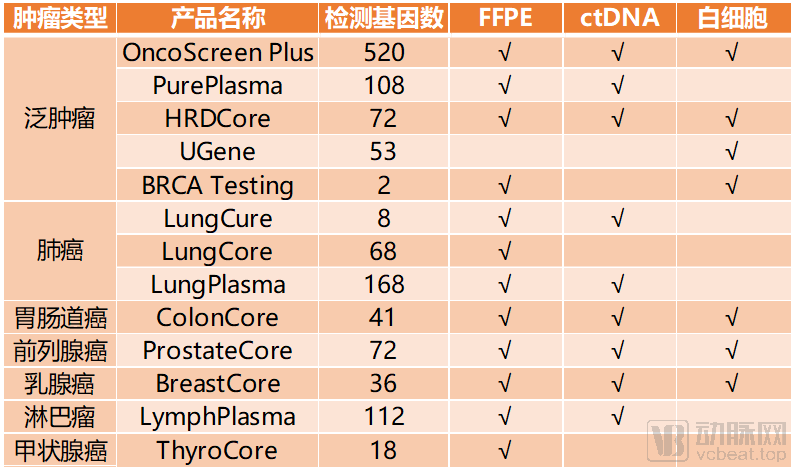
Burning Rock Biotech Companion Diagnostic Product List
In the field of companion diagnostics, Burning Rock Biotech has achieved extensive product coverage across various tumor types, panels, and sample types to meet diverse patient needs. Its pipeline now comprises a total of 13 products.
To date, tissue-based companion diagnostics remain the gold standard in tumor next-generation sequencing (NGS), and the majority of Burning Rock Biotech’s products offer tissue-based testing. For patients from whom tissue samples are difficult to obtain, Burning Rock Biotech also provides testing options targeting circulating tumor DNA (ctDNA) and white blood cells.
OncoScreen Plus, the pan-cancer detection product with the largest panel®From OncoScreen in 2015TMUpgraded to analyze 520 genes associated with most solid tumors, while also including detection of TMB (tumor mutational burden) and MSI (microsatellite instability) indicators, as well as other biomarkers, providing a crucial basis for the formulation of treatment plans.
OncoScreen Plus®The design and performance of this product have been validated in 19 clinical trials and studies, and numerous pharmaceutical companies have selected it for use as a companion diagnostic in their own drug clinical trials. For instance, Janssen Pharmaceuticals, a subsidiary of Johnson & Johnson, employed Burning Rock Biotech’s product in a clinical trial to analyze blood samples collected from patients with various advanced solid tumors. Innovative Chinese pharmaceutical companies, including CStone Pharmaceuticals and BeiGene, have also chosen OncoScreen Plus for their clinical trials.®。
For individual tumor types, Burning Rock Biotech has sequentially launched studies targeting different cancers, such as LungPlasma, ColonCore, and HRDCore, achieving outstanding results. LungPlasma, designed for non-small cell lung cancer, demonstrates a specificity exceeding 99%; ColonCore achieves 100% specificity and 97.9% sensitivity; and HRDCore has been adopted by AstraZeneca for clinical research.
Burning Rock Biotech’s efforts in the development of tumor companion diagnostic products do not stop here. The company’s strategic layout in companion diagnostics also includes continuing to advance the research, development, and regulatory registration of companion diagnostic products for oncology drugs; conducting development and clinical validation of molecular residual disease (MRD) products related to prognosis; and pursuing research and technological development of other biomarkers potentially associated with cancer. These initiatives are all aimed at ensuring that Burning Rock Biotech maintains its established industry leadership in tumor next-generation sequencing (NGS)-based companion diagnostics.
Focus on Developing Early Cancer Detection
In 2016, Burning Rock Biotech, having gradually established a firm foothold in companion diagnostics, began to make inroads into early detection.
Statistical data from the CIC report indicates that approximately 60% of newly diagnosed cancer patients in China present with advanced-stage disease. Currently, cancer screening methods employed in hospitals require a combination of imaging techniques and tumor marker assays; these approaches are complex and time-consuming.

Burning Rock Biotech's Cancer Early Detection Technology
Burning Rock Biotech began combining epigenetics, next-generation sequencing (NGS) technology, and machine learning over four years ago to explore pan-cancer liquid biopsy for early tumor screening. The target it selected is DNA methylation. In the early stages of tumorigenesis and progression, DNA methylation represents the most characteristic epigenetic alteration. Not only does DNA methylation involve numerous modifiable sites, but it also exhibits specificity across different cancer types, thereby enhancing its potential as a biomarker for early cancer detection.
“Building on the technological and methodological innovations accumulated over the past four years, we are now launching the PREDICT study, which is currently China’s largest prospective multi-cancer early detection clinical trial. Why has Burning Rock Biotech committed such substantial resources—nearly RMB 200 million (USD 30 million)—to conduct this research? From a scientific perspective, the field of early detection demands rigorous and serious product development. This is the path we must take,” said ShaoKun Chuai.
To date, Burning Rock Biotech has collaborated with multiple leading clinical research institutions in China to conduct nearly 20 studies on early cancer detection across nine different cancer types, and has established an early cancer detection model based on tissue and blood samples from more than 8,000 subjects with diverse conditions.
At the AACR Liquid Biopsy Summit held in January 2020, Burning Rock Biotech released preliminary data on ELSA-seq. With specificity set at 95% in healthy subjects, ELSA-seq achieved sensitivities of 90%, 89%, and 66% in independent validation cohorts of patients with hepatocellular carcinoma, colorectal cancer, and lung cancer, respectively.
Promoting Interconnectivity and Data Sharing Across the Industry
After accumulating data through companion diagnostics, Burning Rock Biotech began to build its own big-data ecosystem for tumor genomics.
“It’s not about who leads the industry or who dominates other peers. Pharmaceutical companies, diagnostic firms, physicians, and patients—these four stakeholders should be closely interconnected, fostering a sense of mutual integration and interdependence. In this way, all parties can benefit collectively from development and achieve a positive cycle,” said Han Yusheng.

Burning Rock Biotech’s Tumor Genomics Big Data Ecosystem
Burning Rock Biotech has established one of China’s largest cancer genomics databases—OncoDB. As testing volume continues to rise, OncoDB will continue to expand, further enhancing the effectiveness of the treatment recommendations provided by Burning Rock Biotech.
Based on OncoDB, Burning Rock Biotech launched LAVA, a cloud-based cancer genomic data ecosystem, in 2019. By enabling real-time visual data analysis, LAVA facilitates data exchange within the industry, particularly among physicians. To date, more than 420 doctors from 120 hospitals have joined LAVA.
Leveraging the LAVA system, Burning Rock Biotech can further assist pharmaceutical companies in researching and developing new drugs, as well as enabling precise patient recruitment in clinical trials, thereby helping them develop cancer therapies and immunotherapies.