

Westlake BioPharma Secures Nearly RMB 100 Million in Pre-A Financing, Advancing First Homegrown Research Commercialization from Westlake University
Last month, Westlake Biopharmaceutical Technology (Hangzhou) Co., Ltd. (hereinafter referred to as “Westlake Biopharmaceutical”) officially announced the completion of its Pre-A financing round, raising nearly RMB 100 million. This marks the first industrialization project resulting from independent scientific research achievements since the establishment of Westlake University, sparking extensive discussion among government bodies, universities, industrial parks, and media outlets.
This incident has drawn significant attention not only because Westlake University, after two years and three months of establishment, has released its first report card, but also due to the presence of Westlake Biopharmaceutical Company, which was founded in January 2019.Rapidly achieved the deployment of technology and products in just over a year., achieving "West Lake Speed."
On the 1st of this month, the General Office of the National Health Commission officially released the “Circular on the National Monitoring and Analysis of Performance Appraisal for Tertiary Public Hospitals in 2018.” Data from the Circular showed that in 2018, 80.34% of tertiary public hospitals received research funding support, with 5.64% of hospitals allocating more than RMB 2 million in research funds per 100 health technical personnel.The revenue generated from the commercialization of scientific and technological achievements per 100 healthcare professionals reached RMB 13.0593 million, representing a 165.96% increase compared to 2016.. It is evident that the translation of scientific research achievements into practical applications is receiving increasing policy attention.
As is well known, technology serves as the engine of economic growth and the primary driver for enhancing comprehensive national power. Promoting the translation of scientific research achievements and accelerating their industrialization have become new trends in China’s science and technology policy. Since the 18th National Congress of the Communist Party of China proposed the innovation-driven development strategy, placing innovation at the core of national development strategies, and further intensifying reforms of the science and technology system since the 19th National Congress,China has revised the Law of the People's Republic of China on Promoting the Transformation of Scientific and Technological Achievements (2015), promulgated the Several Provisions on Implementing the Law of the People's Republic of China on Promoting the Transformation of Scientific and Technological Achievements (2016), and issued the Action Plan for Promoting the Transfer and Transformation of Scientific and Technological Achievements (2016),Completed the “Trilogy” of Translating Scientific Research Achievements。
The introduction of relevant regulations and the issuance of policies have accelerated the industrialization of scientific research achievements in China to some extent. However, numerous challenges remain in practical implementation, with technology transfer from certain universities and research institutes still failing to effectively integrate with the market. According to data from the Rule of Law Blue Book (2017) published by the Chinese Academy of Social Sciences, the patent licensing and implementation rate in China was only 2% from 2012 to 2014. In contrast, Stanford University filed 252 patent applications in 2011 and transferred 101 of them, achieving a conversion rate of approximately 40%. Clearly, there is considerable room for improvement in the transformation of scientific research achievements in China.
From an initial scientific concept to laboratory achievements, and then to the transformation of technology into mature commercial products with successful industrial implementation, what are the key challenges and pitfalls in this process, and how can they be avoided? To address this, VCBeat has developed a flowchart illustrating the integration of medical research, education, production, and application (see figure below). This chart divides the translation of medical research outcomes into five stages: “proposal of original concept,” “emergence of preliminary results,” “possession of mature technology,” “development of initial product,” and “achievement of market-ready product.” It also highlights issues involved at each stage from four dimensions: policy, funding, talent, and market.Select the following five hot topics for discussion and analysis: “Policy Interpretation,” “Proof of Concept and Pilot Production,” “Selection of Financing Methods,” “Scientific Research Value vs. Market Value,” and “Patent Protection and Incentives.”。
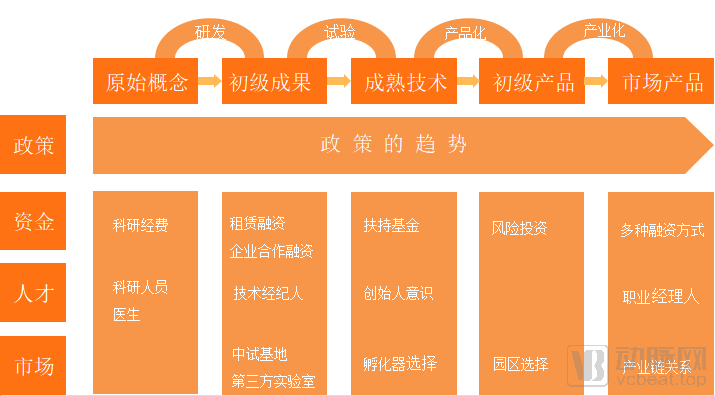
To this end, we interviewed key stakeholders from research institutes, investors, and entrepreneurs, collating their experiences and recommendations on industry-academia-research collaboration. By integrating these insights with relevant literature and data, we have synthesized these topics and provided corresponding recommendations.
The translation of medical innovation achievements is a long-term and heavily invested project. In this process, the government's policy support for the transformation of scientific research results plays a crucial role in promoting projects. Therefore, understanding the evolution trend of China's policies on the transformation of medical achievements has certain guiding significance for project development.
For example, following the State Council’s 2016 issuance of the “Provisions on Implementing the Law of the People’s Republic of China on Promoting the Transformation of Scientific and Technological Achievements,” and the former National Health and Family Planning Commission’s release of the “Guiding Opinions on Comprehensively Advancing Scientific and Technological Innovation in Health and Healthcare,” the “Guiding Opinions on Strengthening the Transfer and Transformation of Scientific and Technological Achievements in Health and Healthcare,” as well as the General Office of the State Council’s “Opinions on Strengthening Performance Appraisal of Tertiary Public Hospitals,” the pivotal role of physicians and medical institutions in medical innovation has become increasingly prominent. This shift has yielded significant benefits, as the starting point for medical innovation has gradually moved from the laboratory to physicians and medical institutions, who are best positioned to understand patients’ clinical needs. Furthermore, since physicians are also the first to evaluate the clinical effectiveness of medical innovations, this has helped optimize the process for translating medical scientific research achievements into practical applications.
Currently,China’s series of policies, laws, and regulations governing the translation of scientific and technological achievements in the medical field comprise a four-tier support system, structured as: National Strategy – Laws and Regulations – Industry Guidance – Local Administration.。
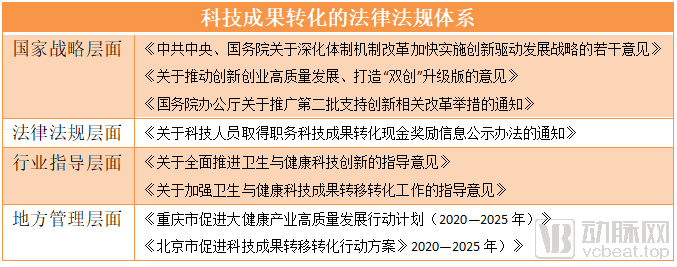
At the national strategic level, China has successively issued several policy documents, including the “Opinions of the Central Committee of the Communist Party of China and the State Council on Deepening Institutional and Mechanism Reforms to Accelerate the Implementation of the Innovation-Driven Development Strategy,” the “Opinions on Promoting High-Quality Innovation and Entrepreneurship and Creating an Upgraded Version of ‘Mass Entrepreneurship and Innovation,’” and the “Notice of the General Office of the State Council on Promoting the Second Batch of Reform Measures Supporting Innovation.”Promote and support reform measures related to innovation, including intellectual property protection and incentives for the commercialization of scientific and technological achievements.etc.
At the level of laws and regulations, a “trilogy” has been formed for the transfer and commercialization of scientific and technological achievements, encompassing the revision of legal provisions, the formulation of supporting detailed rules, and the deployment of specific tasks. Meanwhile, supporting regulations on supervision and taxation of achievement commercialization have been issued. For example, the Notice on Measures for Publicizing Information on Cash Rewards Received by Scientific and Technical Personnel for the Commercialization of Job-Related Scientific and Technological Achievements stipulates thatA public notice system is implemented for the commercialization of achievements under negotiated pricing and for the distribution of rewards from the proceeds of such commercialization., which greatly safeguards the interests of the parties involved in the commercialization of scientific and technological achievements and alleviates the liability of project decision-makers.
At the industry guidance level, the National Health Commission issued the Guiding Opinions on Comprehensively Promoting Scientific and Technological Innovation in Health and Healthcare and the Guiding Opinions on Strengthening the Transfer and Transformation of Scientific and Technological Achievements in Health and Healthcare, proposingAccelerate the development of a collaborative and efficient science and technology innovation system for health, stimulate the vitality of all types of innovation entities, and carry out initiatives for the transfer and transformation of scientific and technological achievements in health., and actively promote the transfer, conversion, and widespread application of scientific and technological achievements.
At the local administrative level, Beijing has issued the Several Opinions on Accelerating the Transformation and Industrialization of Scientific and Technological Achievements in Research Institutions (Trial) and the Action Plan for Promoting the Transfer and Transformation of Scientific and Technological Achievements in Beijing.Establish a market-led system for technology transfer and commercialization, promote the capitalization and industrialization of scientific and technological achievements, and effectively facilitate the conversion of such achievements into real productive forces.; Chongqing Municipality issued the Action Plan for Promoting High-Quality Development of the Big Health Industry in Chongqing (2020–2025), throughBuilding an Integrated Innovation Chain of Government, Industry, Academia, Research, and Application, enhance the capability to translate scientific research achievements into practical applications...
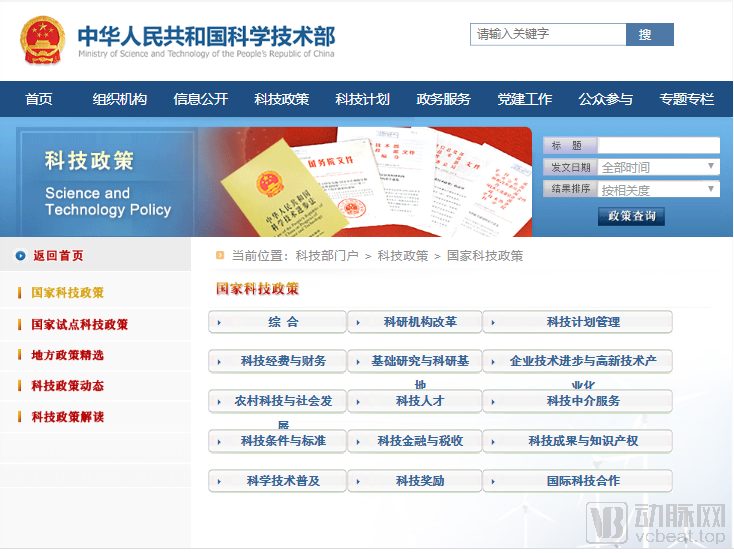
“It is essential to understand the policies,” said Wang Jingjing, Executive Director of the Global Health Industry Innovation Center (GHIC). For researchers,Policy transparency helps to visibly advance the realization of translation.“For instance, current policy stipulates that, with the exception of the institution’s legal representative, all other personnel are eligible to hold equity. This represents a significant benefit, as researchers no longer need to privately facilitate technology transfer through nominee shareholding arrangements involving relatives or close friends.”
For researchers or entrepreneurs, how should they go about understanding policies? Zhu Liang, Chairman of Beijing Juhe Xingyun Technology Co., Ltd., told VCBeat: “Relevant research institutions or entrepreneurs need to thoroughly study the responsibilities of different departments, the scope of support under systemic policies, and the application stages. Precisely because the translation cycle for medical research achievements is long, it”It is essential to fully understand how different policies provide support at various stages.”
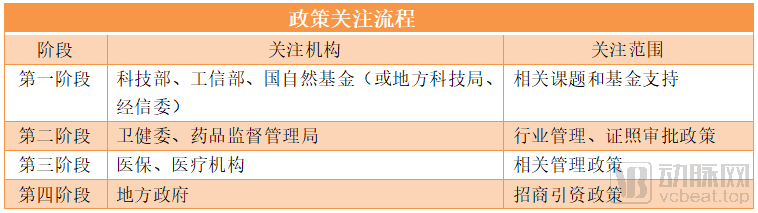
Specifically, innovative achievements in the medical field can be divided into four stages according to the order of policy attention. The first stage involves the Ministry of Science and Technology, the Ministry of Industry and Information Technology, and the National Natural Science Foundation (or local science and technology bureaus and economic and information commissions).Related Projects and Funding Support, this portion of the policy primarily supports fundamental and frontier research.
Phase II requires in-depth attention to the National Health Commission and the National Medical Products AdministrationIndustry Management and License Approval Policies, which directly affects how innovative achievements enter clinical practice. Are they classified as new drugs, medical devices, or medical technologies? What foundational work is required for clinical implementation? How can regulatory approvals be obtained?
Phase III should focus on medical insurance and healthcare institutions.RelatedManagementPolicy, which directly determines how the product resulting from this technological achievement enters the market and generates revenue.
Phase IV should focus on local governments'Investment Promotion Policies, it can provide significant assistance in terms of production costs and tax incentives during the large-scale manufacturing phase.
Furthermore, from a more granular perspective, three key aspects involved in the translation of medical research achievements warrant particular attention. First are the systems and regulations governing the ownership of rights and interests in research outcomes. Second are preferential tax policies, including tax incentives for technology contracts, super-deduction of R&D expenses, certification of high-tech enterprises and their associated tax benefits, and individual income tax preferences for scientific and technical personnel. Third are support policies specifically designed for high-tech enterprises.
Proof-of-concept and pilot-scale studies play a pivotal bridging role between laboratory-scale testing of medical research findings and their industrialization.. However, China currently lacks sufficient platforms, technologies, talent, and investment related to pilot-scale testing, causing R&D to become disconnected from the market. For Chinese universities and research institutions, the U.S. experience may offer valuable lessons.
Following the passage of the Bayh-Dole Act by the U.S. Congress in 1980, American universities achieved notable success in translating scientific research outcomes into practical applications. However, relevant data indicate that approximately 75% of university patents still failed to achieve commercialization. A critical factor underlying this issue is the need for research outcomes to demonstrate a certain degree of fit with future markets during the commercialization process. Consequently, in the face of market uncertainty, proof-of-concept (PoC) has garnered significant attention.
In 2001, the University of California, San Diego established the first university-based Proof of Concept Center. In 2002, the Massachusetts Institute of Technology also founded a university-based Proof of Concept Center, with other universities following suit by establishing their own centers in succession. Through continuous advancement, Proof of Concept Centers have gained recognition and increased support from the federal government.
In 2011, the United States released A Strategy for American Innovation: Securing Our Economic Growth and Prosperity. Together with the 2009 release, A Strategy for American Innovation: Driving Sustainable Growth and Quality Jobs, these documents underscore that establishing proof-of-concept centers has facilitated the commercialization of academic research achievements, optimized collaborative innovation among universities, government, and enterprises, and thereby promoted U.S. economic prosperity, constituting a major national development strategy.
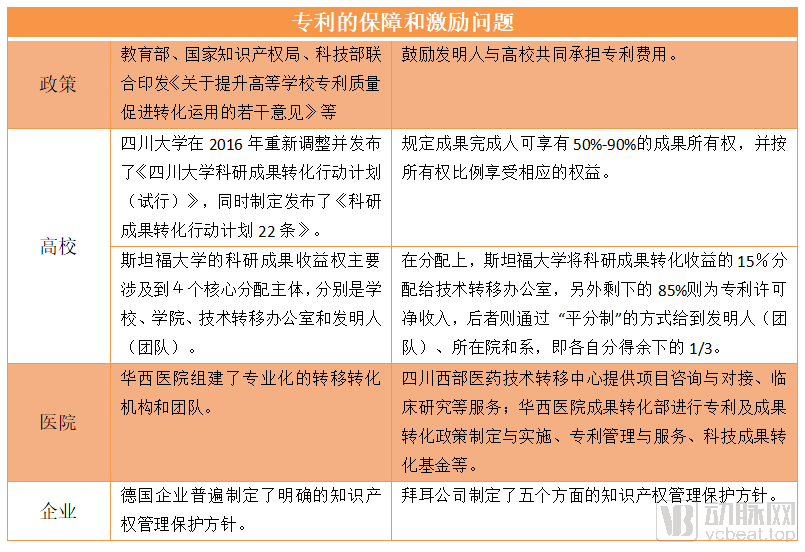
The purpose of establishing a Proof-of-Concept (PoC) Center is to facilitate better alignment between scientific research outcomes from universities and research institutes and market demands, thereby reducing the risks associated with subsequent market entry and unlocking greater commercial value from these research achievements.. Moreover, proof-of-concept centers can also provide support such as business advisory services, entrepreneurship education, and even seed funding.Establish an Effective Linkage Between Basic R&D and Achievement Commercialization。
In addition to proof-of-concept centers, China currently lacks a robust workforce of technology brokers and pilot-scale testing support platforms. In clinical practice, the initial concepts or ideas generated by physicians based on actual needs encountered are often promising; however, transforming these into products requires not only clinical expertise but also professionals and institutions with engineering backgrounds to undertake proof-of-concept validation and pilot-scale testing. This situation stems from the absence of mature business models for pilot-scale testing bases in China, resulting in a shortage of dedicated professionals, such as technology brokers, and supporting capital.
Specifically,Technology brokers aim to facilitate the conversion of scientific and technological achievements into practical applications. They engage in intermediary, brokerage, or agency services to promote technology transactions between parties. Their advantage lies in their dual expertise in both science and technology and business, enabling them to build a communicative “bridge” for bringing scientific research outcomes to market.。
The primary mission of the pilot-scale support platform is to leverage resources such as production facilities and testing equipment to continuously improve, optimize, validate, and refine laboratory-stage scientific achievements through a series of technical trials involving structure, process, and operation. This platform supplements and verifies relevant data, establishes technical specifications, and resolves various issues encountered during industrial scale-up, thereby facilitating the gradual maturation of scientific achievements and their corresponding technologies.。
In response to the aforementioned issues, relevant entities and institutions in China have also been making attempts and breakthroughs in recent years. On April 28, 2018,Xi’an Jiaotong University Establishes China’s First “Proof-of-Concept Center” Among Universities, Leveraging the National Technology Transfer Center, and focuses on a micro-seed proof-of-concept fund in areas such as biotechnology. In its engagement with Shaanxi Tiankui Biopharmaceutical Technology Co., Ltd., the two parties jointly established the “Tiankui Institute of Biotechnology under the National Technology Transfer Center of Xi’an Jiaotong University,” continuously providing financing and consulting services to Shaanxi Tiankui.
In terms of the pilot-scale production base,Beijing Yizhuang Gene Drug Pilot Scale-up BaseFor example, this pilot-scale base is a facility for conducting medium-scale trial production of viral vector products. As the products manufactured are intended for human clinical trials, both the manufacturing facilities and production processes must strictly comply with Good Manufacturing Practice (GMP) for Pharmaceuticals and meet established quality standards.
A pilot-scale manufacturing base requires not only hardware facilities but, more importantly, a professional service team well-versed in production technologies, processes, and quality systems, thereby serving as the optimal “intermediate hub” for pharmaceutical companies engaged in gene therapy R&D to facilitate the translation of research achievements. According to Mini Business School, Professor Zhou Guoying, founder of Shenzhen ImmuneOnco Biopharmaceuticals Co., Ltd., developed her first new drug candidate, the oncolytic virus T3011, by leveraging Wujiahe’s pilot-scale platform for pharmaceutical studies in the complete absence of in-house production capabilities. This approach enabled the project to advance from drug design to clinical trials in just two years.
Certainly, China’s proof-of-concept centers and pilot-scale bases are still in a developmental stage. Therefore, to help research institutions or project sponsors achieve favorable outcomes during the proof-of-concept phase, Zhu Liang, Chairman of Beijing Juhe Xingyun Technology Co., Ltd., recommends that senior experts from clinical fields should be involved at the proof-of-concept stage.
“Many innovative teams often only begin to engage with clinical experts and medical institutions at the stage of applying for licenses, believing that the value of clinical research lies solely in obtaining regulatory approval. This view is incorrect.”If a product can be closely aligned with clinical practice during the proof-of-concept phase, addressing the challenges faced by healthcare professionals on the front lines, while maintaining controllable costs, its pilot-scale production outcomes are bound to be promising.. The real concern lies in identifying “pseudo-needs” during the requirements-gathering phase, leading to proposed solutions that are out of touch with reality. In this regard, we stronglyIt is recommended that founders pay attention to the numerous academic events hosted by medical societies, associations, and foundations. This is the most cost-effective way to quickly understand the industry’s general needs and to fully engage and connect with clinical experts at these academic events.“From the current perspective, deep engagement with academic societies, associations, and foundations is most beneficial to founders in achieving the translation of their scientific achievements.”
In addition, a professional platform for the commercialization of scientific and technological achievements is also a good option.Taking the Global Healthcare Industry Innovation Center (GHIC) as an example, as a professional platform for the translation of achievements in medical-engineering interdisciplinary research, GHIC will participate in all key stages of the technology transfer process.
Specifically, this encompasses six aspects. First, GHIC professionals identify clinical needs from a productization perspective, rather than being limited to academic research. Second, leveraging Tsinghua University’s cutting-edge technologies and technical resources from top-tier science and engineering institutions both domestically and internationally, GHIC designs innovative technical solutions to address clinical needs and strategically files patents based on these innovations. Third, GHIC deploys specialized teams to conduct market and clinical research to determine whether the identified needs truly possess translational value.
Fourth, GHIC will provide office space and experimental facilities required for company establishment, along with foundational services covering human resources, finance, legal affairs, and taxation, thereby laying the groundwork for the commercialization of technological achievements. Fifth, GHIC’s cornerstone partners—Shuimu Ventures, Hetang Ventures, and Northern Light Venture Capital—as well as the platform itself, will provide multiple rounds of financing to high-potential projects. Sixth, as a hub for industrialization resources, GHIC will offer comprehensive, high-quality support across the entire industrialization chain, including product development, type testing, animal studies, clinical trials, innovative application filings, GMP system establishment, and regulatory approval.
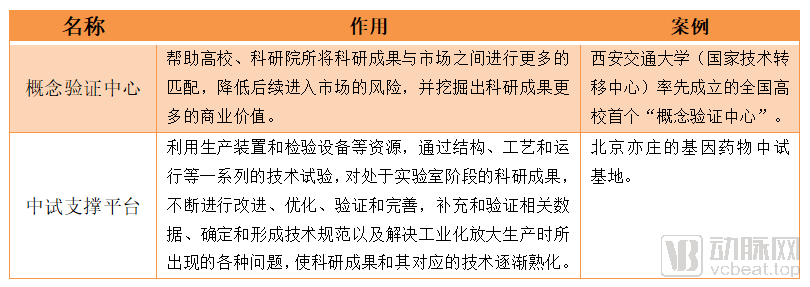
The translation of medical research achievements into practical applications involves a long cycle and a strong demand for capital. Therefore, careful consideration should be given to the selection of financing methods at each stage of this transformation process. We have divided the translation of medical research achievements into four stages: initial R&D, clinical trials, productization, and industrialization. Based on the distinct characteristics of each stage, the appropriate financing methods vary accordingly.
The initial R&D phase, spanning from the emergence of the original concept to the achievement of preliminary product outcomes, is characterized by a small founding team, modest equipment requirements, and relatively low capital investment. Although upfront capital outlay is low during this early stage of the translation process, the presence of numerous uncertainties entails substantial risk. Consequently, prudent financial management and planning are essential; for instance, if the R&D process fails to meet scheduled milestones, the R&D team must maintain adequate financial reserves.
During the initial R&D phase, cash flow is negative, and the risk coefficient is extremely high. With no products yet launched, there is no revenue generation. If funding becomes insufficient to sustain R&D progress, the project will stall. Therefore, this stage requires capital that is patient regarding return cycles, involves smaller amounts, can be injected in a timely manner, and is capable of bearing relatively higher risks. Thus,During the early R&D phase, more suitable financing options include relevant research grants or self-owned funds from researchers and institutions.。
“Once a project has achieved initial results, if there are considerations for commercialization, such as establishing a company in the future, it is advisable to prepare in advance and begin preliminary contacts with angel investment firms,” said Bo Aoke, Investment Director at Qingtong Capital. He noted that initial results at this stage are mostly scientific achievements completed within universities. Before the project formally enters the capital market, it is crucial to clearly define the allocation of rights and interests between the company and the university regarding the project’s scientific achievements to avoid ambiguity.
During the pilot phase of translating medical research achievements into practical applications, these achievements have begun to demonstrate their market potential. Combined with the background and experience of the founding team members, this stage attracts social capital focused on this sector, particularly venture capital firms and enterprises with relevant business connections. Therefore, at this stage, financing options extend beyond research grants and self-funded capital to include venture capital, leasing finance, and collaborative financing with relevant enterprises.
It is worth noting that, due toTrial PeriodThe funding requirement is generally higher than that in the first stage; therefore, although research grants with limited amounts and self-owned funds can be considered as options,The highest-quality financing still comes from venture capital funds with relatively abundant capital and corporate partnership financing.。
At this stage, in addition to differences in funding amounts, another important factor to consider is the market resources held by venture capital firms and the enterprises they back. As professional financial intermediaries, venture capital firms maintain a high level of attention to and grasp of the market, and possess a thorough understanding of corporate development; therefore,Choosing funding from venture capital firms means selecting not just capital, but also a suite of ongoing services that support the gradual commercialization of scientific and technological achievements., such as industry consulting, connecting upstream and downstream resources, assisting with publicity, and providing guidance for subsequent financing rounds. The same applies to selecting corporate investors; beyond diversifying funding sources, they can help medical technology projects establish distribution channels, connect with industrial chain resources, and attract high-caliber talent.
Productization PhaseCharacterized by relatively stable projects, a longer duration, and greater capital requirements, this stage offers a wider range of financing options. At this stage,Venture capital and corporate funding remain the premier choices.First, relatively ample funding ensures the smooth commercialization of scientific research achievements; second, it guarantees that early-stage investors receive corresponding returns; and third, it enables project proponents to secure greater support in terms of market access, capital, and distribution channels.
Notably, in addition to the aforementioned methods, lease financing has become increasingly important at this stage. The advantage of this phase is that, as the product reaches a certain level of maturity, project sponsors begin to generate revenue, soDebt financing instruments characterized by periodic returns have also been adopted., more funds can be obtained through bank loans. Deferring the capital required for purchasing fixed assets can alleviate initial financial pressure.
At this stage, a variety of financing methods can be adopted, leveraging portfolio effects to provide substantial low-cost capital that meets the funding needs of the growth phase. “Furthermore, as the company’s park location is essentially determined at this stage,It is also possible to choose to cooperate with government-guided funds..” said Bo Aoke, Investment Director at Qingtong Capital.
InIndustrialization Stage, the project has matured, and the commercialization of scientific research achievements is nearing completion; therefore, its financing strategy has also reached a mature stage. Venture capital or corporate funds that supported the project in its early stages are now at the point of realizing returns and thus need to consider exit strategies. At this stage, the available financing options includePrimarily for equity transfer financing or IPO financing。
Whether opting for equity transfer financing or an initial public offering (IPO), the project has reached the stage of realizing formal returns. Therefore, it is essential to evaluate which approach will yield the optimal return for the enterprise and provide sustained support for its long-term development. For instance, choosing an IPO offers two key advantages: first, it enables the raising of substantial capital in the secondary market, thereby enhancing the company’s viability and growth potential; second, it helps diversify risk while subjecting the company to market oversight.
“The company has already achieved considerable success at this stage. At this stage, the company’s operations have most likely moved beyond the core competencies of the original technology provider, necessitating management by professional executives and the recruitment of seasoned industry professionals in areas such as regulatory registration, manufacturing, and sales.or before and after the product launch,Exploring Collaboration with Industrial Groups.” suggested Bo Aoke, Investment Director at Qingtong Capital.
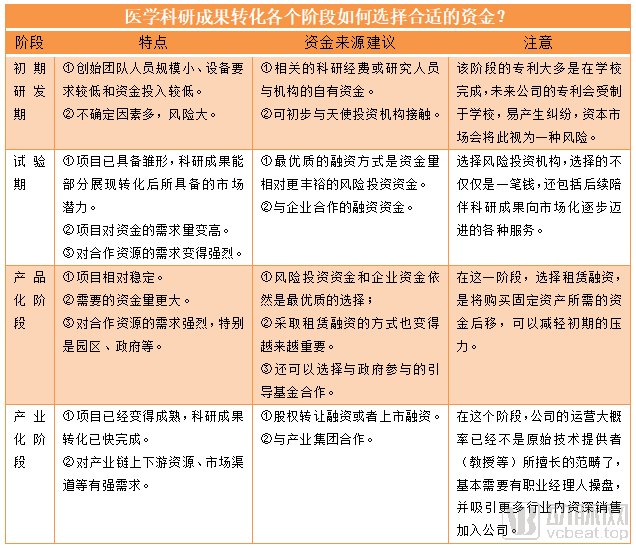
For many researchers, the lack of market-oriented experience during the translation of medical research achievements makes it difficult to correctly understand the relationship between scientific value and market value.
“Many studies conducted at medical research institutions are fundamental or cutting-edge in nature; they deepen human understanding of specific issues but do not necessarily generate direct market value. However, when transitioning from a researcher at a medical institution to an enterprise founder, one must recognize that the scientific research value of enterprises in the medical field is driven primarily by market value,” advised Sun Nan, General Manager of Beijing Juhe Xingyun Technology Co., Ltd.Founders emerging from medical research institutions can collaborate closely with experts who possess extensive experience in commercial success, thereby addressing their shortcomings.Because only projects with promising market potential can attract corporate partnerships and capital investment to facilitate commercialization.
For example, according to relevant media reports, a pulmonary artery banding implantable device and a gene typing kit for diagnosing acute leukemia in children, both invented by a certain hospital, have significant clinical value. However, due to the small market size they address, which is insufficient to cover the costs of translation and collaboration, these innovations have not achieved successful commercialization.
How to Assess the Market Value of a Project? Specifically, the first step is to determine whether the technology will be transferred or used as equity contribution. This decision determines whether the scientific and technological achievements translate into immediate income for the inventor (or team) or reflect long-term market value. The second step involves selecting an appropriate valuation method. Commonly used methods include the current market price approach, the replacement cost approach, and the discounted cash flow approach. These methods differ in their characteristics, applicable conditions, and specific valuation procedures. Therefore, the choice should be based on the specific circumstances.
According to Professor Ren Jian of the School of Life Sciences at Sun Yat-sen University,Once future market value is taken into consideration, the first aspects to be assessed are mass production and quality control of the product, or the ease of use and stability of the technology.“There are significant differences between laboratory and production environments; if these issues are not effectively addressed, caution must be exercised.”Secondly, it is necessary to consider the size of the target population and their purchasing power for the product or technology., if there is an excessive pursuit of high-end technologies or products, the potential user base may be too small, or the price may exceed the purchasing power of potential users. The resulting revenue would be insufficient to sustain the company’s survival and development, and relying on continuous financing to stay afloat would entail significant risks.
Therefore, inWhen launching a startup, it is essential to adopt a balanced portfolio strategy. In the early stages, leverage technologies or products with a large target customer base to sustain business growth and facilitate team cohesion, while using the generated profits to fund the research and development of high-end products and advanced technologies.. Additionally, it is important to consider incorporating an experienced marketing team when forming the startup team.Even the Best Products Need Promotion, whereas marketing and sales capabilities are often lacking among scientific researchers.
Of course, there are also cases where personnel from research institutions are engaged in the preliminary R&D of more than one project. In such scenarios, certain scientific and technological achievements can be valued as non-monetary assets for capital contribution, enabling the researchers to acquire equity stakes in other companies, participate in their management and operations, and receive corresponding returns based on their shareholding. Thus, for scientific founders, the primary focus remains on overseeing their technical R&D efforts while participating partially in management, thereby achieving a sound balance between scientific value and market value.
There are two primary methods for capitalizing intangible assets. The first is full equity contribution via intangible assets. Under this approach, researchers (or research teams) from scientific research institutions can sell the ownership rights of their scientific and technological achievements to a partner enterprise and jointly establish a new entity with that enterprise. The enterprise compensates for these rights by issuing corresponding equity stakes, rather than making direct cash payments. The second method is partial equity contribution via intangible assets. This approach allows researchers (or research teams) to contribute only the usage rights and income rights. The scientific research institution temporarily licenses the usage and income rights of the scientific and technological achievements to the partner enterprise for a specified period under agreed-upon conditions, in exchange for corresponding equity shares. Upon expiration of the stipulated term, the usage and income rights to the scientific and technological achievements shall immediately and unconditionally revert to the scientific research institution.
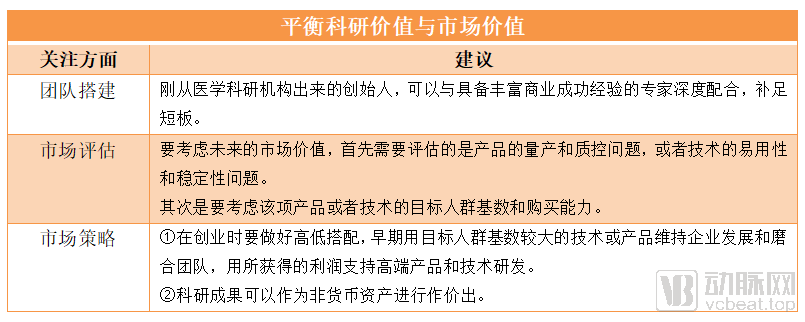
Patents are a core factor in the translation of scientific research outcomes into practical applications. Therefore, safeguarding and incentivizing patent achievements becomes particularly important.
Following the explicit stipulation in the “Several Opinions on Improving the Quality of Patents and Promoting Their Transformation and Application,” jointly issued by the Ministry of Education, the China National Intellectual Property Administration, and the Ministry of Science and Technology, that “inventors shall not use public funds to cover patent-related fees,” China has imposed increasingly stringent requirements on the quality of invention patents and the translation of scientific research into practical applications. In parallel, universities have responded actively and provided feedback regarding heightened awareness of patent protection and incentive mechanisms.
For service-related scientific and technological achievements that have passed the patent application,Policies Encourage Inventors and Universities to Share Patent Costs, the portion borne by universities may be paid using fiscal funds. After revenue is generated from patent commercialization, patent-related fees shall be deducted from the revenue as costs; the portion borne by the inventors themselves shall be deducted at double the amount and refunded to the inventors. For service-related scientific and technological achievements for which the university decides not to file patent applications, the university shall enter into a written contract with the inventors to clarify the relevant rights and interests.
As an indispensable link in the process of achievement transformation,Contract signing is the most effective means of protecting inventors' rights and interests. When signing a contract, both the commercial value and academic value of scientific research achievements must be reflected in the contractual terms, with detailed provisions made across dimensions such as technical clauses, intellectual property agreements, and business terms.
To motivate researchers, Sichuan University has adopted a strategy of providing incentives based on direct economic benefits. Scientific and technological achievements produced by researchers within the institution are classified as service inventions. Historically, the distribution of benefits from such service inventions heavily favored the research institution, with inventors receiving only a minor share. Under the leadership of President Xie Heping, Sichuan University revised and released the “Sichuan University Action Plan for the Transformation of Scientific and Technological Achievements (Trial)” in 2016, along with the accompanying “22 Measures for the Action Plan on the Transformation of Scientific and Technological Achievements.”
The Plan stipulates that the creators of scientific and technological achievements may hold 50% to 90% ownership rights to such achievements and enjoy corresponding benefits in proportion to their ownership stakes. In other words, regarding the distribution of benefits from scientific research outcomes, Sichuan University (SCU) allocates the majority of the gains to researchers, retaining only a small portion for itself. This allows researchers to directly derive economic benefits from their work, thereby naturally incentivizing their enthusiasm. Following implementation, in September 2017, seven achievements from Academician Wei Yuquan’s research team secured RMB 800 million in investment from three enterprises. According to the agreement-based valuation, the total value of these achievements was assessed at RMB 360 million. Notably, SCU awarded researchers shares worth RMB 320 million, marking the first time it applied its maximum ownership confirmation ratio of 90%.
As a “benchmark” and “model” for the transfer and commercialization of scientific and technological achievements, West China Hospital of Sichuan University has extensive experience in translating research outcomes into practical applications. According to data released on July 1, 2020, in the Circular from the General Office of the National Health Commission on the National Monitoring and Analysis of the 2018 Performance Appraisal of Tertiary Public Hospitals Nationwide, the five hospitals with the highest total research funding in China were West China Hospital of Sichuan University, Zhongshan Hospital Affiliated to Fudan University, Peking Union Medical College Hospital of the Chinese Academy of Medical Sciences, Beijing Children’s Hospital Affiliated to Capital Medical University, and Huashan Hospital Affiliated to Fudan University.
West China Hospital of Sichuan University has established specialized institutions and teams for technology transfer and commercialization. One is the West China Medical Technology Transfer Center, which serves as a key platform and window for the hospital’s achievement commercialization. The center provides project consultation and matchmaking, clinical research services, financing support, training conferences, and government liaison services. The other is the Office of Achievement Commercialization at West China Hospital, which is primarily responsible for formulating and implementing policies on patent and achievement commercialization, managing and servicing patents, and overseeing the scientific and technological achievement commercialization fund.
In addition, West China Hospital has established a standardized management system for the transfer and commercialization of research achievements, built an innovation platform for translational medicine covering the entire industry chain, strengthened collaborative innovation among government, healthcare institutions, industry, academia, research, capital, and end-users, and promoted diversified international exchanges and in-depth cooperation. Thanks to this comprehensive set of initiatives, West China Hospital has achieved remarkable results: during the 13th Five-Year Plan period, the hospital filed 1,730 patent applications, obtained 998 granted patents (including 11 international patents), transferred or licensed 128 intellectual property rights, and leveraged 65 scientific and technological achievements as equity investments to establish 13 technology companies.
Sun Nan, General Manager of Beijing Juhe Xingyun Technology Co., Ltd., stated that,The core issue with patents lies in the need for research institutions to establish robust mechanisms.For instance, when intellectual property generated by professors and researchers is commercialized, 15%–30% of the revenue rights are retained by the institution, with the remainder allocated to the scientific researchers. This approach significantly enhances researchers’ motivation and improves the success rate of project commercialization. The “Implementation Plan for Pilot Programs Granting Researchers Ownership or Long-Term Usage Rights to Job-Related Scientific and Technological Achievements,” approved in February this year, represents a particularly significant initiative. It establishes highly valuable guiding principles for patent ownership and benefit distribution, warranting in-depth study.
As a country at the forefront of translating scientific research achievements into practical applications, the experience of U.S. universities in allocating patent rights can also serve as a reference. In the United States,The allocation of rights for the commercialization of job-related scientific and technological achievements is primarily divided into two aspects: first, the distribution of commercialization rights between the government and universities; and second, the allocation of such rights within universities.。
The allocation of rights in these two areas influences whether the process of translating scientific research achievements can proceed smoothly. The distribution of rights regarding achievement translation between the government and universities represents a broader policy influence, concerning how universities allocate relevant resources and formulate detailed rules to encourage researchers to engage in R&D. Meanwhile, the internal allocation of translation rights within universities affects how R&D personnel implement these detailed rules and actively commit themselves to the correct path of improving the efficiency of translating scientific research achievements.
Taking Stanford University in the United States as an example, the rights to proceeds from its scientific research achievements primarily involve four core distribution stakeholders: the university, the schools/colleges, the Office of Technology Licensing, and the inventors (teams).In terms of distribution, Stanford University allocates 15% of the proceeds from the commercialization of scientific and technological achievements to the Office of Technology Licensing, with the remaining 85% constituting the net income from patent licensing.The former is used for conversion rewards by the Technology Licensing Office and to cover out-of-pocket expenses such as patent application and protection fees, while the latter is distributed equally among the inventor(s)/team, their school, and their department, with each party receiving one-third of the remaining proceeds. By delineating and aligning the interests of four key stakeholders—the university, the school/department/laboratory, the inventor(s)/team, and the Technology Licensing Office—Stanford University has successfully leveraged its revenue distribution policy for technology transfer to achieve both patent protection and incentivization.
In addition to the "equal split" model adopted by institutions such as Stanford University, some U.S. universities employ a "non-equal split" model for distributing benefits from the commercialization of scientific and technological achievements. This model applies varying distribution ratios based on the amount of net income generated from patent licensing. Taking Harvard University as an example, for licensing revenues below $50,000, the technical inventor receives 35%, the inventor’s department receives 30%, the school (faculty) receives 20%, and the remaining 15% goes to the university. For revenues exceeding $50,000, the inventor’s share is 25%, the department’s share is 40%, the school’s (faculty’s) share is 20%, and the university retains the remaining 15%.
As scientific research achievements are gradually commercialized, internal corporate policies for patent protection have also become important. In this regardGermanyThere is a wealth of experience to draw upon, such asEnterprises have generally established clear policies for intellectual property management and protection.. For example, Bayer’s intellectual property (IP) management and protection policy includes the following five principles: First, proactively strengthen IP management to enhance value. Second, align the content and direction of IP management with global business strategy. Third, establish a global structure for IP management. Fourth, protect corporate IP as strategically important intangible assets. Fifth, foster effective communication and collaboration across departments as the foundation for robust IP management and protection.
“Patents emerge from continuous scientific research accumulation, with every stage and link playing a vital role; none are dispensable. During the basic R&D phase, substantial investment in experimental resources is required, meaning large-scale research platforms are often better positioned to generate patents. The patenting process also demands sustained investment in productization and support from market-oriented mechanisms,” said Sun Nan, General Manager of Beijing Juhe Xingyun Technology Co., Ltd. He noted that relevant universities and research platforms in China are currently accelerating their progress and have already achieved initial results. For instance, the team at Sun Yat-sen University specializing in biological big data has made a promising start in leveraging its laboratory research accumulation to empower industrial partners with artificial intelligence. Additionally, the experimental capabilities of the College of Bioengineering at Chongqing University provided solid support for nucleic acid testing in Southwest China during the recent epidemic.
The realization of the Healthy China national strategy relies on industrialization, making the translation of medical research achievements into practical applications extremely important. With the introduction of relevant policies in recent years, the process of achievement translation has been accelerated. However, we must also clearly recognize that numerous challenges still persist in this process.
How to help medical research achievements evolve from an initial concept into a product, and ultimately achieve industrialization, is a consideration for every practitioner, relevant institution, and enterprise involved. BecauseA flaw in any single link can ultimately cause the entire project to fail; therefore, collaboration among industry, academia, research institutions, healthcare providers, and investors is indispensable.。
Regarding expectations for the translation of medical research achievements in China, Sun Nan, General Manager of Beijing Juhe Xingyun Technology Co., Ltd., stated that there has historically been some bias against the commercialization of medical research outcomes in terms of local government introduction and social capital investment. Compared with other industries, it was perceived as requiring substantial investment, having long cycles, and carrying high risks. However, the COVID-19 pandemic has helped people recognize that the value of medical research achievements cannot be measured solely by GDP and profits; rather, they also possess strong attributes related to social security and national safety. Meanwhile, with the rising health awareness among the general public, the market value of medical research achievements is becoming increasingly significant.
China’s translation of medical research achievements has entered a golden era, with numerous laboratory-based research projects successfully commercialized and industrialized. Sun Nan suggests that the government should provide a more inclusive environment for frontier medical fields such as precision medicine and regenerative medicine. In particular, scientific teams with substantial accumulated expertise should receive greater support and tolerance for failure, thereby safeguarding the robust development of China’s medical sector. It is hoped that investors will broaden their focus on technological innovation and strengthen their confidence. Only by fully supporting domestic academicians and elite expert teams can they securely achieve excess returns while fulfilling their responsibilities to the nation and society. Scientific teams are expected to integrate more deeply with business operations, smoothly evolving into medical entrepreneurs. By driving industrial innovation and development, they will uphold the principle of strengthening the nation through science and technology, supporting China in attaining a leading international position in the medical industry.
We firmly believe that by breaking down disciplinary barriers and integrating resources from universities, hospitals, capital markets, and enterprises, the pathway for translating medical research achievements into practical applications will become increasingly smooth. Medical-related entities, institutions, and enterprises in China will usher in a critical period of strategic opportunity, and through the unremitting efforts of all stakeholders, realize the goal of leveraging medical research outcomes to serve society and humanity.
References:
Li Yuanguang. Research on the Characteristics and Influencing Factors of the Pilot-Scale Stage in the Transformation of Scientific and Technological Achievements. Xidian University, 2014.
Jiang Shengqiang, Lu Jianhua, Wu Jianguo. Research on Problems and Countermeasures of Medical Scientific Achievement Transformation. Chinese Journal of Medical Science Research Management, 2008
Research on the Operation Model and Value Assessment Method of Zhang Zhenkai's Scientific Research Achievements, North China Electric Power University, 2014
Ou Guangyi. Experience of German Enterprises in Intellectual Property Protection and Its Implications for China. Hunan University of Finance and Economics, 2010
Special Acknowledgements:
Professor Ren Jian, School of Life Sciences, Sun Yat-sen University
Xie Zhi, Deputy Director of the National Institute of Health and Medical Big Data, Sun Yat-sen University
Wu Feng, Director of the Medical Device Center, Zhuhai Institute of Advanced Technology, Chinese Academy of Sciences
Zhu Liang, Chairman of Beijing Juhe Xingyun Technology Co., Ltd.
Sun Nan, General Manager of Beijing Juhe Xingyun Technology Co., Ltd.
Zhao Xiaodong, General Manager of Beijing Dewei Medical Technology Co., Ltd.
Wang Jingjing, Executive Director of the Global Health Industry Innovation Center
West China Hospital, Sichuan University
Beijing Wu Zuze Science and Technology Development Foundation
Qingtong Capital Investment Director, Bo Aoke
Yan Yi, Vice President of Shuimu Venture Capital
(The above rankings are listed in no particular order.)