

Vivify Health IPO Filing Highlights 76% Reduction in Readmissions and Over 90% Patient Satisfaction Through Remote Patient Monitoring

Vivify Health
Remote Nursing Management Service Provider
Telemedicine seamlessly connects clinicians with patients outside of hospital settings, thereby further improving patient outcomes, reducing healthcare costs, optimizing resource allocation, enhancing the quality of care, and increasing other added values in healthcare.
Many conceptual applications of Remote Patient Monitoring (RPM) have existed for years. However, advancements in medical technology, changes in health insurance reimbursement policies, and a growing number of patients seeking to autonomously and proactively manage chronic conditions at home have further propelled the development of this field, leading to an increasingly mature RPM market.
Vivify Health is a U.S.-based remote patient monitoring company that has raised a total of $23.4 million in funding. Its most recent round of investment occurred in 2016, with investors including the University of Pittsburgh Medical Center (UPMC). The company claims to be the first to leverage consumers’ mobile devices to provide cloud-based solutions for mobile population health and chronic care management.
Recently, Vivify Health released a telemedicine report that examines the tangible outcomes achieved by healthcare institutions after implementing remote patient monitoring systems, using its own service recipients as case studies. VCBeat has translated this report.
This report includes the following content:
A Review of the Development History of the Internet and Remote Patient Monitoring;
Demonstrate the value of telemedicine to health plans, hospitals, self-insured employers, clinicians, and patients;
Provides a blueprint for the further implementation of remote patient care services.
The answer is yes.
In fact, RPM was initiated by NASA (National Aeronautics and Space Administration) in the 1960s as a technological innovation originating from space exploration. As NASA’s Space Medicine Office explored the effects of space travel on human health, the agency debuted remote biomedical monitoring systems during the Mercury and Gemini missions.
With the onset of the 2008 financial crisis and the passage of the American Recovery and Reinvestment Act (ARRA) in 2009, a growing demand for internet-based healthcare services spanning a broader range of industries began to emerge. The ARRA included health information technology (health IT) initiatives and other specific programs designed to stimulate economic growth, providing substantial investment to modernize the nation’s overall health IT infrastructure in the United States.
The following year, the Obama administration also proposed a National Broadband Improvement Plan, which included a call to enhance healthcare networks to “promote remote patient monitoring, electronic health records, and other Internet-based medical services, such as telemedicine.”
Over the past decade, the explosive growth of consumer technologies such as smartphones and wearable devices, coupled with the establishment of broadband and healthcare IT infrastructure, has accelerated the broader adoption of internet-based healthcare initiatives. Other market drivers, including the rise of consumerism, have facilitated a shift in healthcare from volume to value, decentralized medical services, and sparked a surge in public interest in personal health management plans. These trends will continue to reshape the current healthcare landscape and drive demand for online remote care.
According to Berg Insight, as of 2016, a total of 7.1 million patients worldwide were under remote medical monitoring. The firm also projected that this figure would grow at a compound annual growth rate (CAGR) of 47.9%, reaching 50.2 million by 2021.
Market research firm Technavio predicts that by 2021, the RPM market will grow at a compound annual growth rate (CAGR) of 15%, reaching a value of $1 billion. This growth is driven primarily by rising consumer enthusiasm for purchasing online medical products, a surge in the number of individuals with chronic diseases and an aging population, and increasing demand for medical devices.
As indicated by these market survey data, Remote Patient Monitoring (RPM) plays an indispensable role in today’s healthcare system. It integrates medical data from distributed wearable devices, portable medical equipment, medical implants, and other sources into complex healthcare technology platforms. These data serve as the cornerstone for the further expansion of the Internet of Healthcare Things (IoHT) within the medical industry.
However, merely providing access to large volumes of raw data generated by remote patient monitoring itself is insufficient to fully realize the patient-centric transformation of the Internet of Health Things (IoHT). The true advancement of telemedicine must be grounded in rich and transparent data sources, while simultaneously achieving lower healthcare costs.
In the world of the Internet of Healthcare Things (IoHT), the center of healthcare is no longer confined to hospitals, clinics, or physicians’ offices; rather, it extends into patients’ homes, largely enabled by their use of personal mobile devices. According to Berg Insights, mobile devices were projected to become the primary medical devices for 22.9 million patients by 2021. Practice has also demonstrated that well-designed Remote Patient Monitoring (RPM) programs can help more people maintain good health, extend the longevity of elderly and disabled individuals, and reduce both the frequency and duration of hospitalizations.
Applications, sensors, and wearable devices will continue to generate substantial volumes of patient-generated health data through remote patient monitoring systems. However, to incentivize patients to become highly engaged partners in remote care, healthcare providers must also integrate actionable clinical analytics into their existing workflows and enable patients to access their vital signs data in real time. Such tight integration can further enhance treatment outcomes, facilitate more timely therapeutic interventions, and ultimately improve patients’ overall health status.
Remote care between clinicians and patients requires a well-designed, customizable content management platform operating in the system’s backend.
The system must effectively manage the branching logic of patient responses, enabling users to add questions based on different answers, embed educational content, and respond according to patient input. Complex systems need to deploy dynamic pathways to appropriately and automatically enhance the level of care, provide diverse clinical protocols based on clinical guidelines and patient responses, and dynamically adjust treatment plans in response to individual patients and changes in their health status, thereby achieving a higher level of patient self-management.
In complex healthcare systems, even minor changes are difficult to implement; therefore, broadly integrating RPM systems into clinical workflows is by no means an easy task. In the past, health systems and healthcare plans have struggled to identify a unified voice and technology platform to optimize remote patient care processes.
This is rapidly changing. RPM systems enable care plans to be assigned to specific care teams, with access restricted to patients enrolled in those particular plans. This centralized approach to distributed care offers maximum flexibility in how these teams deliver remote patient services.
Compared with the traditional approach, in which patients had to visit doctors’ offices or medical centers for physical examinations and in-person consultations, smart technologies have made it more convenient for systems to collect data through remote patient monitoring. Today, consumers can automatically transmit various health metrics to web portals or mobile applications, including vital signs, body weight, blood pressure, blood glucose levels, blood oxygen saturation, heart rate, and even electrocardiogram (ECG) readings. This remote patient monitoring not only enables patients to track their health status at any time, but also provides clinicians with the opportunity to proactively assess warning signs and offer real-time recommendations to adjust treatment plans.
Currently, RPM products centered on a single vital sign metric still dominate the field; however, leading healthcare organizations are building sophisticated platforms that can broadly support virtual care and remote monitoring. Systems that have demonstrated success are considering reducing the number of duplicate disease-specific care programs for patients with multiple chronic conditions across health systems and their affiliated care organizations.
Following the transition from paper records to electronic health records (EHRs), clinicians can now seamlessly integrate standard patient data into their clinical workflows using remote patient monitoring (RPM) systems. RPM enables healthcare professionals to leverage data from diverse sources, both within and outside their organizations, to continuously improve clinical workflows.
To develop these integrated workflows, we also need genuine collaborative approaches. Such approaches should take into account patients’ needs and clinicians’ priorities, as well as how they can best deliver high-quality care. Successful remote patient monitoring (RPM) systems have achieved significant success by integrating into organizational structures and workflows to facilitate collaboration among primary care physicians, clinicians, patients, and even system administrators, while also demonstrating how telemedicine positively impacts patient treatment outcomes. However, a major obstacle remains to be addressed in further optimizing RPM: information silos persist across the entire healthcare enterprise, with most patients’ current medical data remaining disconnected from their historical medical records.
Unfiltered patient data can also increase patient risk, as it may require physicians to identify clinically actionable data (signals) amidst a large volume of artifacts and noise, including false-positive alerts. Furthermore, inadequate integration of data analytics and intelligent notification protocols into remote patient monitoring (RPM) platforms can additionally increase physicians’ workload, reduce efficiency, and heighten risks, thereby undermining the effectiveness of telemedicine devices. Unfiltered patient data increases the risk of misdiagnosis among physicians who must sift through streams of useless or erroneous information to locate actionable data.
Today’s RPM systems are striving to fulfill the promise of data sharing and analysis to address the challenges posed by unfiltered data, making significant contributions particularly in how to more effectively manage and handle high-risk and aging populations. The medical interactions provided by these systems, which integrate intelligent clinical escalation algorithms and intervention tools, can substantially improve treatment outcomes.
Today, many advanced healthcare platforms can be easily customized to address the unique business and reimbursement models of healthcare, including chronic care management, bundled payments, and Accountable Care Organizations (ACOs). The population analytics integrated into Remote Patient Monitoring (RPM) platforms can also help international medical organizations determine where to concentrate their personnel engagement in telemedicine, while simultaneously aiding in the daily detection of health anomalies among relevant patients.
It also enables the customization of disease-specific clinical protocols for each patient, further expanding the scope of community services and strengthening member marketing efforts. This continuous data stratification drives business intelligence initiatives through a seamless flow of data among medical members, patients, and healthcare staff.
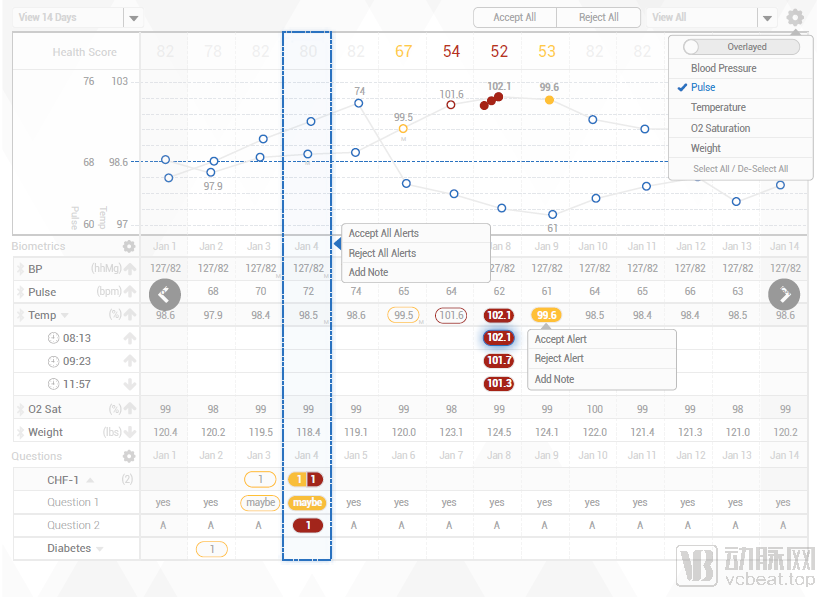
Data Stratification
Nowadays, data analytics collected from remote patient monitoring systems not only help improve patients’ health outcomes but also enable healthcare providers to leverage this information through electronic health records (EHRs) for more effective triage and early identification of patients requiring timely intervention. Next-generation clinical decision support tools on the platform will utilize machine learning algorithms to analyze data from remote patient monitoring systems, allowing healthcare providers to conduct in-depth analyses of clinical protocols, interventions, and outcome data, thereby facilitating continuous improvement in care delivery.
Legacy technology platforms in traditional healthcare organizations pose significant barriers to the implementation of remote patient monitoring. This is because conventional electronic health records (EHRs) store retrospective data, rather than real-time data streams obtained from consumer-grade devices used by patients at remote locations. By reviewing these data, healthcare professionals can more proactively address patients’ treatment needs.
However, the platform still faces significant data privacy issues that need to be addressed, particularly for remote patient monitoring systems that rely on consumer-grade devices rather than medically certified or more secure equipment. Therefore, before integrating remote patient monitoring data into Electronic Health Records (EHRs), it is essential to clearly specify the applicable privacy clauses, obtain authorized sign-off within the healthcare organization, and implement standardized data review processes.
Workflow issues also need to be addressed at the front end. For pilot teams, it is important to consider how to manage and review data, which enterprise systems can access the data for review and alert generation, and ultimately how to manage the information deluge to prevent clinicians from being overwhelmed by data.
This can be achieved by adopting cloud-based platforms. In today’s cloud-centric landscape, certain scalability capabilities of hospitals have surpassed traditional enterprise IT infrastructure. The classification of patients into “minor-illness” and “critical-illness” categories within remote patient monitoring systems enables hospitals to focus on patient diagnosis and treatment rather than on internet technologies.
Cloud-based solutions also enable patients of any age, health status, or technical proficiency to easily participate in remote care programs. Today, patients can receive fully managed remote care programs delivered directly to their homes, with systems offering immediate plug-and-play functionality. However, these cloud-based toolkits must undergo thorough review prior to deployment to ensure seamless integration with the IT systems and clinical workflows of healthcare providers and health plan organizations.
Cloud-based remote patient monitoring systems are also well-suited for deployment on today’s prevalent desktops, smartphones, and tablets. By integrating these users’ own platforms into remote patient monitoring systems, healthcare providers and health plans can more easily expand their service coverage to a broader population—ultimately enabling better identification of condition-specific medical issues, prediction of patient behaviors, and reduction in the likelihood of preventable hospitalizations.
Patients can access self-managed conditions as needed, thereby avoiding unnecessary interactions with the healthcare system due to minor changes in their condition. Remote patient monitoring systems can also integrate medication reminders into the technology platform, providing real-time alerts to hospital care teams to track any signs of non-adherence, such as missed doses.
With the establishment of the Centers for Medicare & Medicaid Services (CMS), the return on investment in telemedicine is likely to increase further in the future, continuing to drive government changes to improve reimbursement processes for remote patient monitoring. Patients can now seek reimbursement for telehealth services from relevant authorities. Previously, such services were eligible for insurance coverage only when physicians conducted in-person consultations with patients.
U.S. CPT codes that standardize clinical pathways distinguish remote patient monitoring from telemedicine, although reimbursement policies remain stringent. Nevertheless, this marks a significant shift in the Centers for Medicare & Medicaid Services’ (CMS) perspective on the value of remote patient monitoring. Remote patient monitoring provides continuous attention and tracks whether postoperative outcomes are improving by enabling physicians to closely monitor patients remotely between visits. This approach can further reduce healthcare costs and facilitate the timely remote identification of complications from chronic diseases, allowing for stepped care escalation and appropriate interventions for patients requiring emergency department visits or other forms of medical care.
Patients who report satisfaction after participating in RPM programs typically demonstrate higher medical adherence, which in turn leads to better clinical outcomes. When patients are satisfied with the care they receive, they are more likely to follow their personalized care plans. Therefore, healthcare providers should begin establishing mutual accountability (from clinician to patient and from patient to clinician) during the initial remote virtual encounter, allowing them to focus on strengthening trust in the patient-provider relationship in subsequent care interactions. Remote patient monitoring has been proven to enhance trust between care teams and patients.
The advanced RPM system employs technologies that are familiar and comfortable for consumers, while enabling automated information sharing with patients’ care teams. Through remote patient monitoring, healthcare systems can now more effectively drive patient engagement, thereby facilitating the delivery of value-based care.
In today’s value-based care landscape, it is more critical than ever for healthcare providers to control costs and avoid unnecessary patient readmissions, while simultaneously meeting three key consumer expectations: access to care, convenience, and greater choice. Digital platforms often fulfill these requirements by eliminating geographical barriers to deliver optimal quality of care. Trinity Health, CHRISTUS Health System, and the University of Pittsburgh Medical Center represent three successful cases that offer valuable insights into how to successfully launch remote patient monitoring systems and benefit from them, providing a template for supporting the scalable expansion of modern healthcare systems.
Receive Treatment at Home
One of the overarching goals of the telemedicine triad is to shift 75% of its revenue toward value-based research by 2020. Chronic diseases such as diabetes, congestive heart failure (CHF), chronic obstructive pulmonary disease (COPD), and cancer are becoming increasingly prevalent in the United States and worldwide, with their incidence continuing to rise. Compared with patients without chronic conditions, those with chronic diseases typically incur higher medical costs and consume more healthcare resources.
One reason for such a high proportion of expenditures is the need for care settings that frequently serve patients with chronic conditions. Patients with chronic diseases account for 81% of hospital admissions and continue to represent a growing share of unplanned emergency department (ED) visits.
Furthermore, social determinants of health also have a significant impact on treatment outcomes. Social and economic factors broadly influence people’s health and quality of life, which ultimately affect overall healthcare costs and treatment outcomes. As the industry gradually transitions to a value-based care model that encourages healthcare providers to deliver high-quality, cost-effective care, healthcare institutions must take into account the social well-being and economic conditions that influence patient health.
Typical Industry Solutions
For a long time, many patients with chronic diseases have frequently visited primary care physician offices, where nurses can regularly check and monitor changes in their physical condition. Although this approach can help patients detect and correct worsening trends in their condition at an early stage in some cases, it still lacks the capability for real-time monitoring.
Today, RPM enables the provision of devices such as digital scales, pulse oximeters, blood glucose meters, and blood pressure monitors to patients for daily vital signs monitoring. These data are then transmitted to a central call center for 24-hour surveillance. If the data indicate potential issues, clinicians are alerted to take timely and appropriate interventions, thereby preventing escalation to hospitalization or emergency department visits.
RPM holds significant potential to reduce the cost of caring for patients with chronic diseases, while decreasing the rate of emergency department visits or hospitalizations, thereby further minimizing disruption to patients' family lives.
• Trinity Health: The 60-day readmission rate decreased from 13%–15% to 8%.
Trinity Health is an organization that has achieved tremendous success using RPM, and it is one of the largest nonprofit Catholic healthcare delivery systems in the United States.
It has a very clear objective. The first is to reduce hospitalization rates for patients with preventable diseases. At the start of the program, their readmission rate was approximately 13% to 15%, a figure already significantly better than the industry average. However, they aim to lower this rate to single digits by leveraging the incentives currently adopted by the Centers for Medicare & Medicaid Services (CMS) to reduce costs under future value-based reimbursement arrangements.
They also believe that reducing readmission rates is a highly appropriate strategy, as hospitalizations and emergency department visits can significantly disrupt patients’ normal lives. By reducing the events that lead to emergency visits and hospital admissions, they can ultimately improve the quality of life for patients and their families.
Initially, Trinity Health began with a trial program for proof of concept, then moved into pilot experiments, and ultimately rapidly evolved into a large-scale, highly successful ongoing initiative.
While patients are still hospitalized, home care coordinators identify potential candidates for Trinity Health’s Remote Patient Monitoring (RPM) program. In this process, Trinity Health has been highly proactive. The initial period for RPM technology use is 60 days, which can be extended to other settings where continued use is required.
Once eligibility is confirmed, a nurse will visit the patient prior to discharge to explain the procedure, provide a demonstration, obtain consent, and complete enrollment. Subsequently, Vivify’s logistics coordinator will assign a health kit to each enrolled patient and instruct the patient and/or caregiver on its proper use.
The initial home visit is critical to the successful implementation of the program. During the first session, patients and caregivers are shown how to use the “Call” button to initiate video calls. Encouraging patients to use video rather than audio-only calls has yielded significant improvements in clinical outcomes and time efficiency. For nurses, being able to visually assess patients means they do not have to rely heavily on patient self-reports for information, as patients often subconsciously conceal certain adverse symptoms due to fear of receiving bad news. Nurses also use this visit to determine whether any modifications or improvements are needed in the patient’s home environment, such as adding optional Wi-Fi connectivity.
Each day, patients record readings such as blood pressure and weight and submit them via tablet. They also answer a series of health-related questions to enable nurses to gain a more comprehensive understanding of their health status. All information is made available to the corresponding Trinity Health at Home nurses. These nurses work remotely, allowing them more time to monitor patient data. If a patient has not submitted their data by 10:00 a.m. local time, the tablet sends a reminder. If no data is received by 10:30 a.m., the nurse proactively initiates a video call with the patient to ensure everything is fine and to remind them to enter the data. However, according to Trinity Health at Home, patient adherence to the program exceeds 90%, and there are rarely any issues with data acquisition.
Providing 24/7 video calls has been key to helping Trinity Health At Home reduce nurse home visits. Before launching its RPM program, Trinity Health At Home averaged six home visits every 60 days. This number has now decreased to five, with a target of further reducing it to four.
When patients reported to nurses that their infusion catheters had stopped dripping, nurses would previously drive to the patients’ homes to personally inspect the catheters for any issues. Meanwhile, depending on the distance, nurses were generally unable to arrive at the patients’ homes to provide assistance within one to two hours.
Today, through video calls, nurses can instruct patients to move their tablets beside them so that the nurse can see whether the stopcock has been closed. The nurse can then promptly explain how to open it, resolving the issue within minutes.
Trinity Health At Home’s RPM program has also successfully achieved improvements in two other key metrics. First, the 60-day readmission rate decreased from 13–15% to approximately 8%. Second, patient satisfaction with the service has been high, with current survey results indicating that over 90% of patients believe they can obtain relevant medical answers more quickly, better maintain their health, and avoid the time costs associated with emergency department visits or hospitalization.
• CHRISTUS Health System: Reduced readmission rates by 65% while achieving a 95% patient satisfaction rate
CHRISTUS Health System uses the Vivify Remote Patient Monitoring System (RPMS) to guide patients in more comprehensive care management. The CHRISTUS Healthcare Transition Program aims to reduce hospitalization rates among high-risk patients with an initial diagnosis of congestive heart failure (CHF). Many other chronic conditions also contribute to disease progression, including coronary artery disease (CAD), hypertension, diabetes, myocardial infarction (MI), pneumonia, and chronic obstructive pulmonary disease (COPD). Patients with these conditions often experience complications, leading to a risk of readmission within 30 days after discharge.
Through RPMS, patients can establish direct remote connections with their care teams, enabling healthcare providers to regularly monitor their health status. Patients have found that RPMS programs allow them to benefit from timely medical interventions necessary to prevent adverse health events that could lead to costly hospitalizations.
For example, the “Care Transition Navigation” (CTN) program at Christus St. Michael Hospital in Texarkana, Texas, assigns specially trained nurses to teach patients common new medical skills, thereby enhancing their self-care capabilities during the transition from hospital to home. Prior to discharge, CTN nurses visit patients to facilitate a successful transition from hospital to home, including medication reconciliation and preparing patients for self-management at home. After discharge, CTN nurses conduct home visits to review medication schedules, educate patients about their conditions and warning signs, review personal health records, and communicate appropriately with home care providers.
Prior to the implementation of the RPM system, the "Care Transitions" program faced several challenges that needed to be addressed: First, some patients were reluctant to allow Care Transition Nurses (CTNs) to visit their homes, which was generally the primary reason for patients declining to participate in the "Care Transitions Program." Second, because some patients lived within 50 miles of the hospital, CTNs were required to spend approximately 500 hours annually traveling to and from patients' homes, thereby reducing the time actually available for patient care. This also decreased the number of patients whom CTNs could assist during transitions and provide care to. Third, CTNs had limited interaction time with patients enrolled in the program, as excessive time was consumed by driving and commuting, which in turn restricted patient engagement and satisfaction.
CHRISTUS utilizes Vivify Healthcare’s Remote Patient Monitoring System (RPMS), a cloud-based platform that includes Android tablets and several Bluetooth-enabled personal health devices: weight scales, blood pressure monitors, and pulse oximeters. This platform allows for easy customization of treatment regimens and care plans for each patient, featuring an intuitive user interface with straightforward operation accessible to nearly all patients. Patients can answer questions, transmit biometric data, and watch educational videos. Via wireless connectivity, patients can engage in real-time, interactive video conferences with healthcare providers. RPMS transmits data from personal medical devices in patients’ homes through the cloud platform, where authorized caregivers can securely access it by logging in via a web browser.
Of course, the Care Transition staff also had some questions about implementing Vivify’s RPMS:
• The patient wishes for the CTN to continue home visits to build and strengthen the personal relationship with the patient and to assess the patient’s condition in their home living environment.
• Most enrolled patients were over 65 years of age and generally had limited proficiency in using internet-based products.
However, the simple and intuitive user interface of these tablets quickly alleviated patients’ concerns. Staff at Care Transition and hospital administrators realized that older adults could not only operate the devices with ease but also derive significant benefits from them. Furthermore, they anticipated that the number of patients helped would increase dramatically over time.
The average return on investment (ROI) for the 44 patients who completed the initial program was $2.44 in other medical cost savings for every $1 spent on Remote Patient Monitoring (RPM). Furthermore, the average care cost for these 44 patients decreased from $12,937 before joining the program to $1,231 after participation, reflecting an approximately 90% reduction in care costs. CHRISTUS also achieved a 65% reduction in hospitalization rates, with patient satisfaction reaching 95%. It is calculated that, with full utilization of reimbursements, the total ROI for every $1 invested in RPM could approach $40.
After the implementation of RPMS, patients take the solution kit home from the hospital and begin using it. Prior to discharge, patients receive training and become familiar with the provided RPMS home toolkit, thereby eliminating the need for an initial visit by the Care Transition Nurse (CTN). The medical devices enable real-time acquisition and transmission of biometric data at home, while patients can directly respond to survey questions and watch educational videos regarding their health conditions on a tablet. For CTNs, these arrangements significantly reduce the need for initial home visits while enabling more granular patient monitoring. This allows CTNs to provide more effective patient care, maintain efficient workflows, and dedicate more time to each patient.
• University of Pittsburgh Medical Center (UPMC): 76% reduction in readmission risk, with patient satisfaction exceeding 90%
As a healthcare provider and health plan organization, UPMC has always had a special interest in telemedicine.
The University of Pittsburgh Medical Center (UPMC) is another organization benefiting from remote patient monitoring services. UPMC is implementing remote patient monitoring for high-risk patients with conditions such as congestive heart failure, as well as low-risk patients receiving tobacco cessation services. UPMC reports that its use of Vivify’s RPMS service has led to a statistically significant reduction in hospital visit frequency among patients with congestive heart failure.
Previously, patients had to spend considerable time traveling to the emergency department for treatment. Today, patients can submit biometric data from home via Remote Patient Monitoring Systems (RPMS), enabling healthcare providers to intervene more rapidly. The experimental results have been impressive: among over 1,500 patients enrolled in the remote patient monitoring program, the likelihood of readmission to UPMC was reduced by 76%, and patient satisfaction exceeded 90%.
UPMC’s RPMS includes a call center portal, device monitoring, reporting capabilities, EHR integration, and final device delivery. Patients can initiate remote patient monitoring simply by opening a box and confirming via a tablet device or by replying to a text message. RPMS collects key biometric data from patients daily through scales, blood pressure cuffs, and pulse oximeters. Additionally, RPMS provides patient support through a series of survey questions, educational videos, and live video visits.
As demonstrated by CHRISTUS and UPMC, remote patient monitoring enables healthcare organizations to deliver an “ubiquitous care” approach, thereby achieving a transformation as profound as the shifts in consumer experience seen in industries such as banking, retail, and travel.
Through tools available on various social media platforms, patient engagement and marketing capabilities in Remote Patient Monitoring (RPM) have increased exponentially. For instance, care teams can not only provide medical guidance but also offer personalized services, such as sending birthday greetings. For patients undergoing remote monitoring from Monday to Friday, the care team can conduct additional check-ins before a long weekend begins, ensuring that patients remain safe and secure over the weekend without worry about unforeseen incidents. Meanwhile, the care team ensures that appropriate protocols are in place to respond to any emergencies.
Remote Patient Monitoring Helps Create a Future of Proactive, Automated Healthcare. Data provided by patients enrolled in various programs after discharge has proven to be an ideal source of relevant healthcare information, enabling its effective utilization in machine learning, neural networks, and artificial intelligence platforms. By leveraging AI or machine learning, claims data can serve as “ground truth” to compare against system-reported outcomes, thereby refining clinical monitoring rules and enhancing efficiency for care teams. Such learning-based monitoring systems afford clinicians more time to respond proactively to emerging clinical conditions—allowing the system to intervene before health deterioration is visually recognized by the patient, their family members, or the care team.
Leading health systems have integrated remote patient monitoring (RPM) capabilities across multiple service lines, enabling the simultaneous monitoring of more than 20 clinical conditions. Most initial remote care pilot programs were designed solely to reduce hospital length of stay or improve outcomes for a single chronic disease. This has made patients with heart failure an ideal population for testing RPM. Pilot results demonstrated that RPM systems can significantly detect reductions in 30-day readmission rates, decreases in both short- and long-term mortality, and improvements in patient satisfaction. Building on this foundation, it becomes easier to consider expanding RPM to patients with conditions such as COPD, hypertension, or diabetes, or to incorporate it into use cases within existing health- and prevention-based treatment programs.
From a technical standpoint, there is significant variation in comfort levels among patient populations. This is why ensuring ease of onboarding for patients is critical. Remote patient monitoring (RPM) systems should be tailored to specific patient cohorts. For instance, elderly patients undergoing treatment for heart failure may lack the proficiency to operate high-tech devices or may be reluctant to learn new or complex technologies.
By using easy-to-operate devices, elderly individuals can also manage them with ease. Evidence has shown that such devices can improve daily compliance and adherence to remote care activities by 20% to 30%. Furthermore, do not overlook landline telephones; although most people now use mobile phones, many elderly patients still rely on traditional home phones for communication. Therefore, adjustments should be made based on each patient’s familiarity with the device and adaptability to the user interface. The care team can help patients overcome initial anxiety associated with remote patient monitoring systems. Additionally, providing patients with simple education on care concepts, video tutorials, health tips, and employing teach-back methods can often reduce or even eliminate the perceived need for direct interaction with the care team. This allows nursing time to be redirected toward treating patients with more severe conditions.
It is crucial to integrate remote patient monitoring (RPM) systems with healthcare enterprises’ portals and applications to create a closed-loop ecosystem. By guiding patients through the RPM system to other medical application platforms for additional information, or even directly connecting them to Electronic Health Record (EHR) patient portals containing their personal records, healthcare providers can significantly reduce the time spent tracking down the more than 85% of patients who struggle to access medical care independently.
Translation: Zhou Qianyun