

2020 Nanjing Innovation Week | International MedTech Innovation Virtual Summit Successfully Concludes, Driving Gaochun's Medical Device Industry Forward with Technological Innovation
On June 24, 2020, the 2020 Nanjing Innovation Week Gaochun Special Event—2020 International Medical Technology Innovation Virtual Summit concluded successfully. The event was hosted by the People’s Government of Gaochun District, organized by the Gaochun District Science and Technology Bureau and VCBeat, co-organized by Jiangsu Gaochun High-Tech Industrial Development Zone, and guided by the China Primary Health Care Foundation. As the highlight of the “Open Cooperation Day” during Innovation Week, the summit was themed “Collective Intelligence for Innovation, Jointly Building a Highland.” Focusing on medical devices, technology, and innovation, it invited Nobel laureates, academicians, experts, leading enterprises, innovative companies, department heads, and investment institutions as speakers. These experts addressed topics from the perspectives of policy orientation, technological evolution, model innovation, and industrial collaboration, centering on two major themes: leveraging technological innovation to promote domestic substitution of imported products, and investment opportunities in the medical device sector against the backdrop of new infrastructure development. The summit aimed to create a high-level platform for open venture capital and aggregated development.
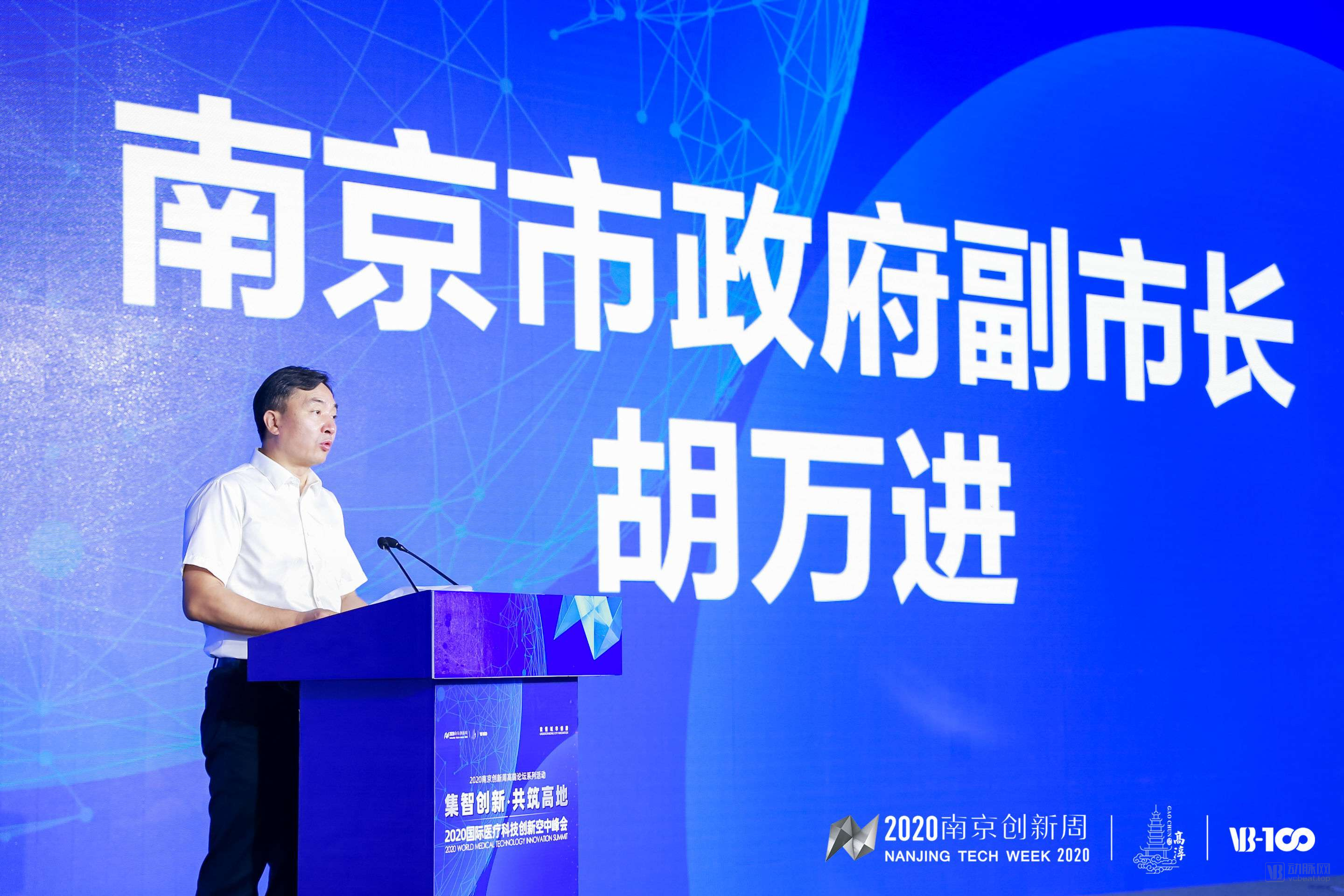
Address by Hu Wanjin, Vice Mayor of the Nanjing Municipal People's Government
Hu Wanjin, Deputy Mayor of the Nanjing Municipal People’s Government, delivered an address at the summit. He expressed hope that Gaochun District would further strengthen policy support for the industry, focusing on encouraging innovation in product models, enhancing specialized service guarantees, and attracting high-level talent, so as to draw more major industrial projects and promote the high-quality development of the medical device industry.
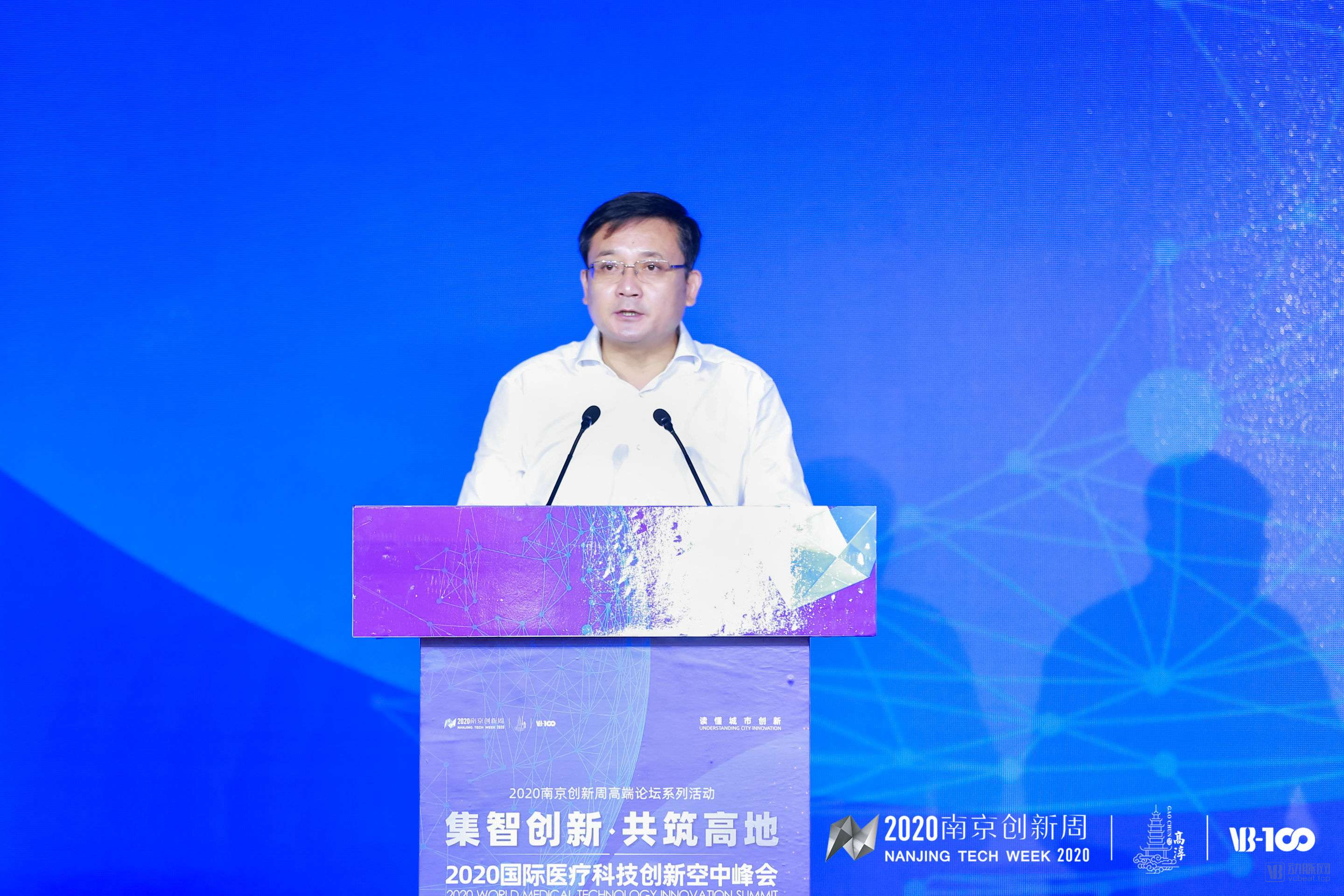
Address by Wu Yongqiang, Secretary of the Gaochun District Committee of the Communist Party of China
Wu Yongqiang, Secretary of the Gaochun District Committee of the Communist Party of China, stated that regarding the development of the medical device industry, Nanjing’s Gaochun District will humbly listen to the opinions and suggestions of all participants, learn from and draw on advanced experiences in innovation and achievement transformation, strengthen technical exchanges and industrial matchmaking, and use this summit as a window to reach more consensus on cooperation through face-to-face, in-depth communication. Furthermore, through the promotion and advocacy by attendees, the district aims to connect with more high-quality projects and attract more high-end talent. According to relevant officials, in recent years, with strong support from provincial and municipal authorities, Gaochun has prioritized the development of the medical device industry as a strategic choice, proactively planning and accelerating its layout to fully build Gaochun into a “highland” for the medical device industry. The platform carriers in Gaochun District are becoming increasingly comprehensive; centering on the “One Institute and Six Centers,” including the Gaochun Branch of the Jiangsu Provincial Medical Device Testing Institute and the Big Data Center for Medical Device Operation Supervision, the district is constructing a robust ecosystem with complete factors and open collaboration.
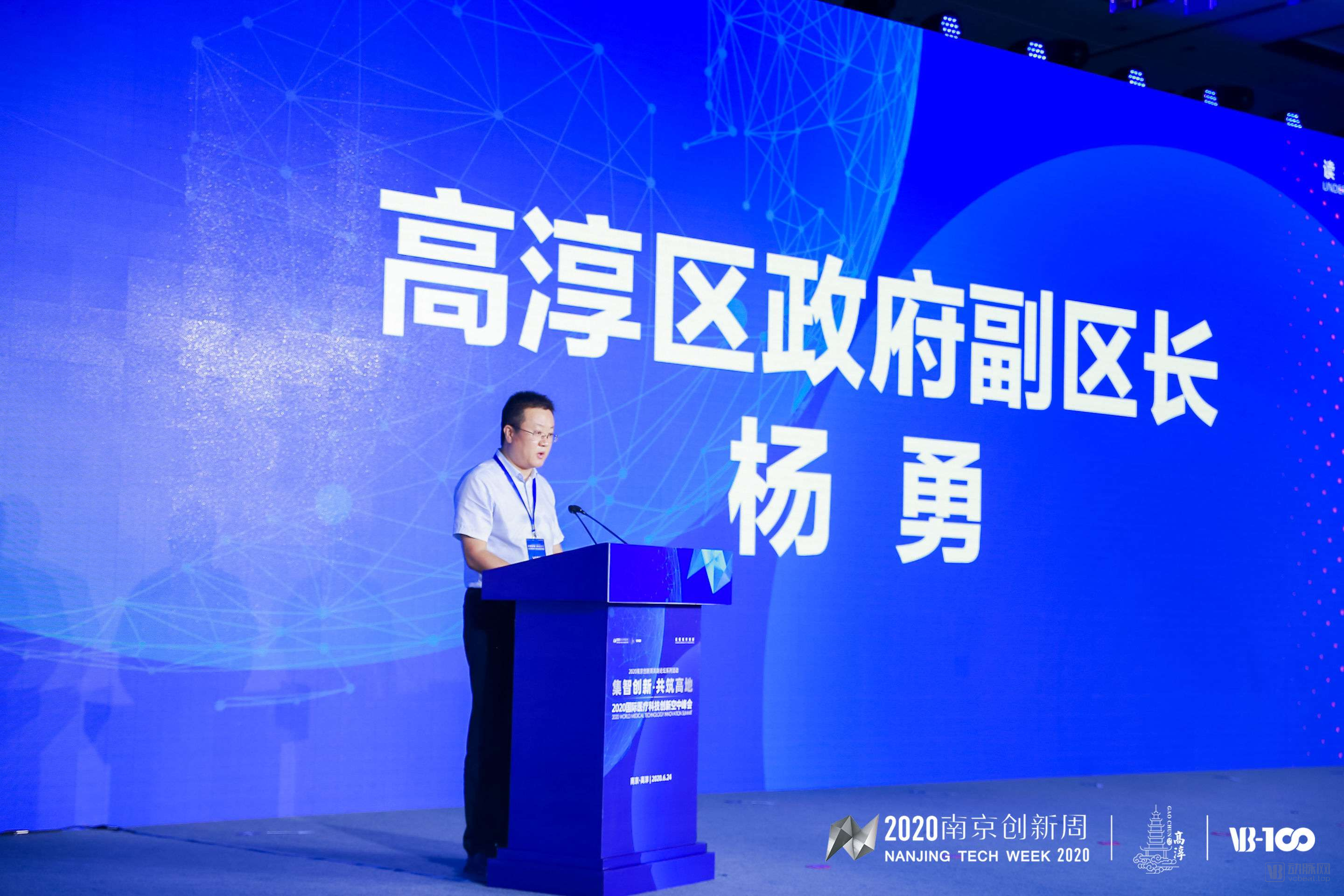
Yang Yong, Deputy District Mayor of Gaochun District People's Government, Delivered a Speech at the Launch Ceremony of the Ranking List
Furthermore, leveraging this summit, the People’s Government of Gaochun District, Nanjing, will collaborate with VCBeat to jointly launch the 2020 Medical Device Innovation Vitality Ranking. The initiative will prioritize the development of sectors including in vitro diagnostics, high-value consumables, rehabilitation equipment, and home medical devices, aiming to foster industrial clustering in these niche areas, attract and cultivate industry-leading enterprises, build a comprehensive industrial chain, and establish a distinctive Gaochun medical device ecosystem, thereby advancing the development of Gaochun as a prominent hub for the healthcare industry. At the summit, Yang Yong, Deputy District Mayor of the Gaochun District People’s Government, participated in the launch ceremony of the ranking.
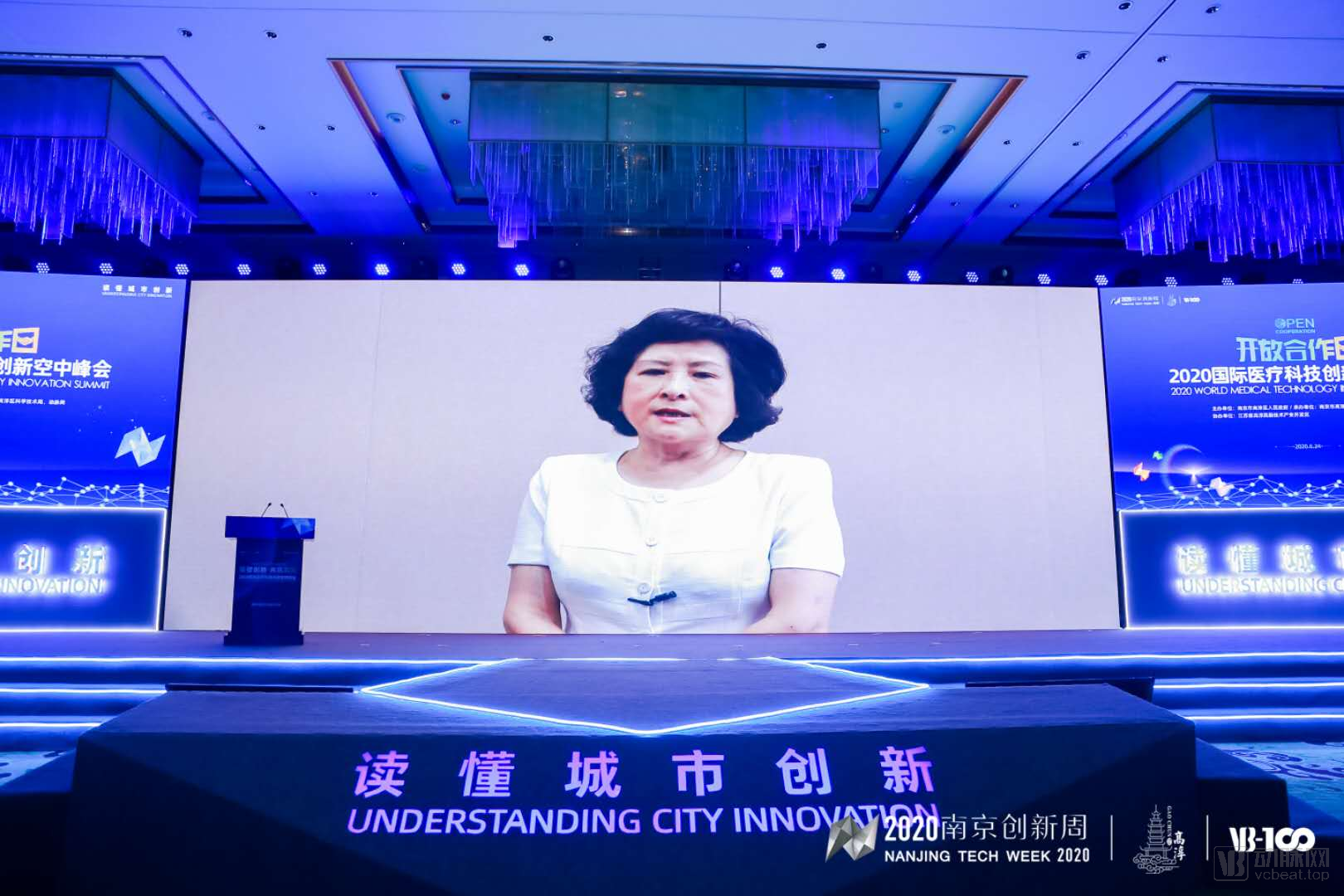
Vice Chairman of the China Primary Health Care FoundationAddress
At the summit, Ms. Hu Ningning, Vice Chairperson of the China Primary Health Care Foundation, participated via online connection and delivered a speech, expressing herFor this summitsincere congratulations and high hopes for the Nanjing Gaochun Medical Device Industrial Park. In the early stages of the pandemic, the China Primary Health Care Foundation responded swiftly, allocating its first donation to the construction of Huoshenshan Hospital, thereby contributing to the fight against the epidemic.
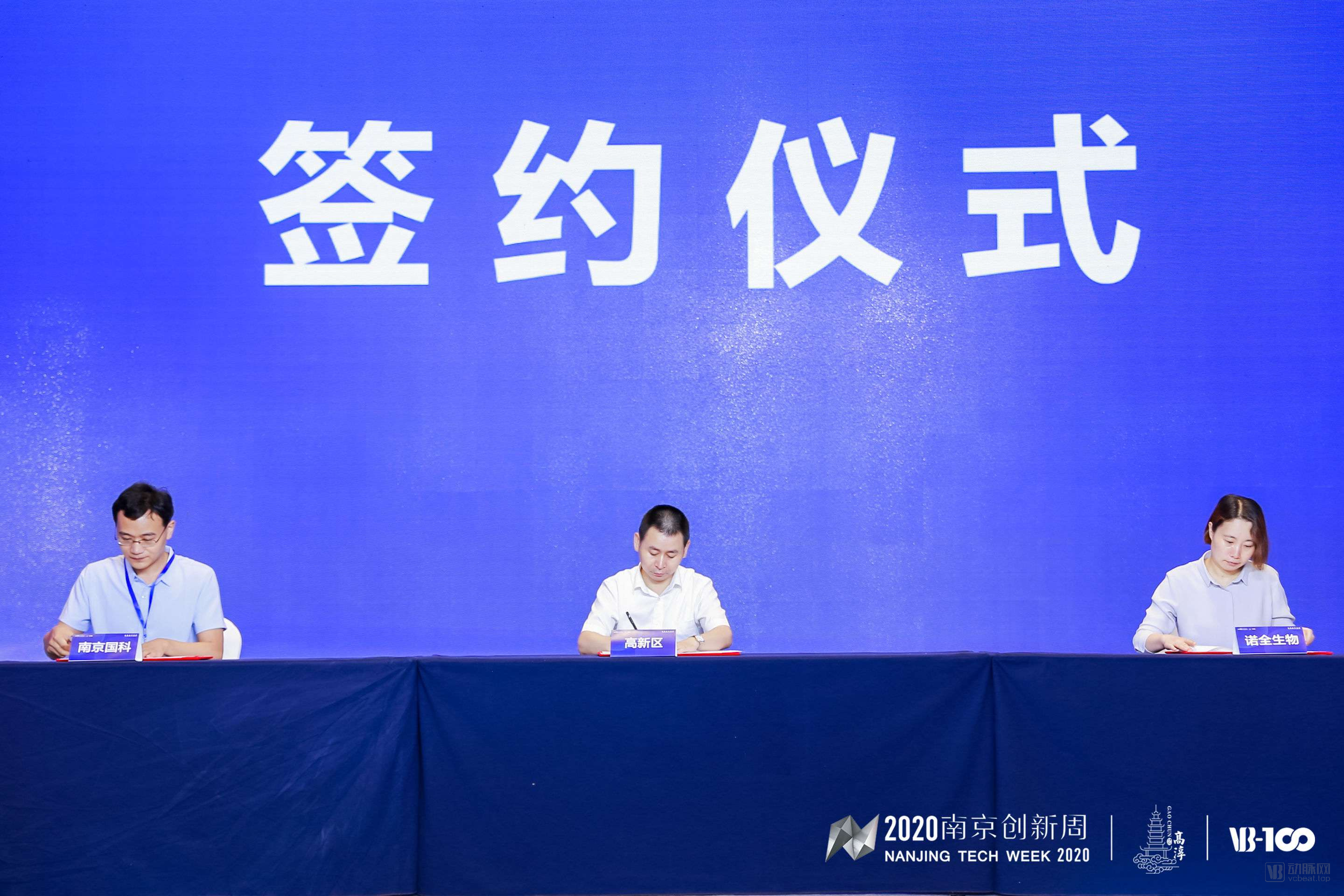
Roadshow Projects Sign Agreement with Jiangsu Gaochun High-Tech Industrial Development Zone
As a modern, vibrant new sub-center in southern Nanjing, a demonstration zone for Beautiful Nanjing, and a southern pillar of the innovative city, Gaochun is leveraging the city’s strong support for high-quality development to focus on the medical and health industry, aggregate development momentum, and accelerate innovation-driven, green rise. At the summit, a special roadshow session was held, featuring six carefully selected high-quality projects for live presentations, with senior investors from renowned investment institutions invited to provide on-site commentary. Among these, two roadshow projects signed letters of intent with the Jiangsu Gaochun High-Tech Industrial Development Zone.
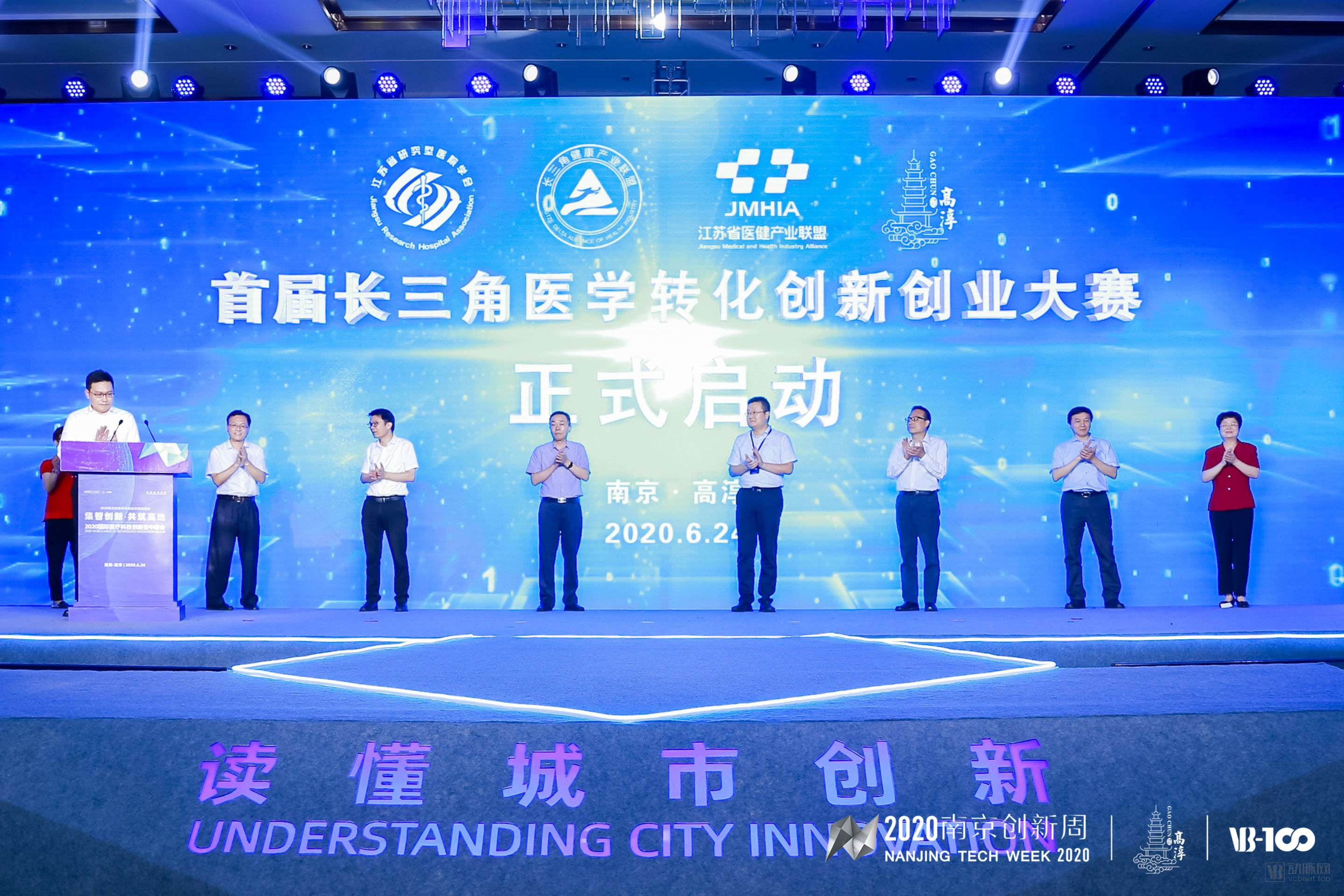
Launch Ceremony of the First Yangtze River Delta Medical Translation Innovation and Entrepreneurship Competition
Meanwhile, the inaugural Yangtze River Delta Medical Translation Innovation and Entrepreneurship Competition, hosted by the Yangtze River Delta Health Industry Alliance, was launched at the summit. Yu Haining, the incumbent chairman of the Yangtze River Delta Health Industry Alliance, stated that the competition aims to further enhance integrated regional cooperation within the Yangtze River Delta. By bringing together medical institutions, innovative enterprises, universities and research institutes, healthcare industry platforms, and investment firms, the initiative seeks to make new contributions to the coordinated and high-quality development of the medical device sector in the region.
Summit Theme 1: Technological Innovation and Medical Advancement
At the summit, Dr. Ferid Murad, known as the “Father of Nitric Oxide” and recipient of the 1998 Nobel Prize in Physiology or Medicine; Professor Han Jisheng, Academician of the Chinese Academy of Sciences and Peking University; and Mr. Yang Baofeng, Academician of the Chinese Academy of Engineering, participated in online “cloud” sharing sessions. They respectively delivered presentations on the topics of “IVD Development from the Perspective of Scientific and Medical Advances,” “Principles and Innovative Applications of Transcutaneous Electrical Acupoint Stimulation Technology,” and “New Drug Development for Cardiovascular Diseases: Insights and Implications.”
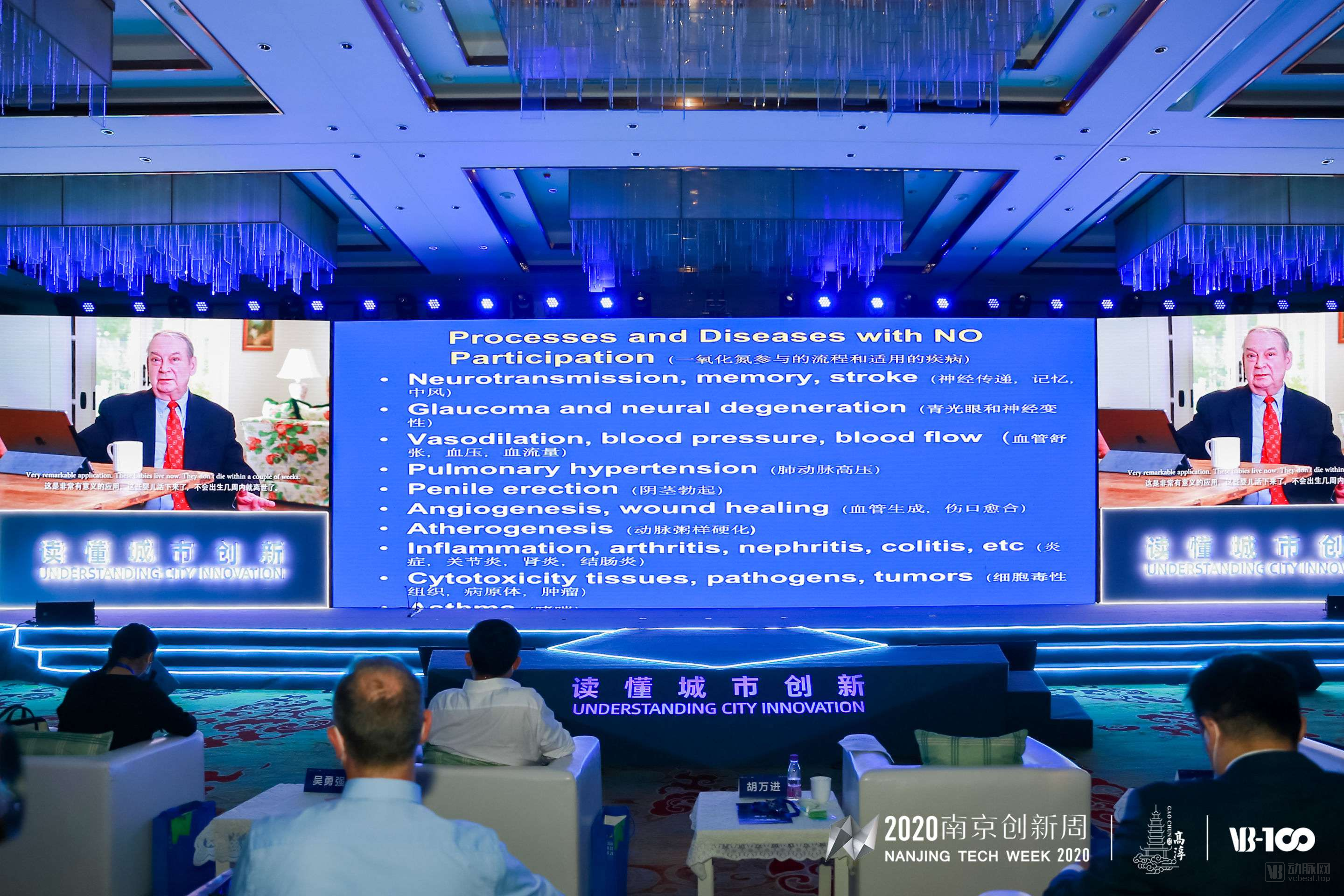
Ferid Murad, the "Father of Nitric Oxide" and 1998 Nobel Laureate in Physiology or Medicine
Dr. Ferid Murad, Tenured Professor at Stanford University in the United States; Tenured Honorary Professor at the University of Texas Health Science Center at Houston; Recipient of the Lasker Award in 1996; Elected Member of the U.S. National Academy of Sciences in 1997; Recipient of the Nobel Prize in Physiology or Medicine in 1998; Recipient of the Ciba Award from the American Heart Association in 1998; Elected Member of the Institute of Medicine of the U.S. National Academy of Sciences in 1998; Elected as the first Foreign Academician of the Chinese Academy of Sciences in the field of biomedicine in 2007. On the day of the summit, Dr. Ferid Murad was invited to participate via online connection and delivered a keynote speech titled “The Development of IVD from the Perspective of Scientific and Medical Advances.”
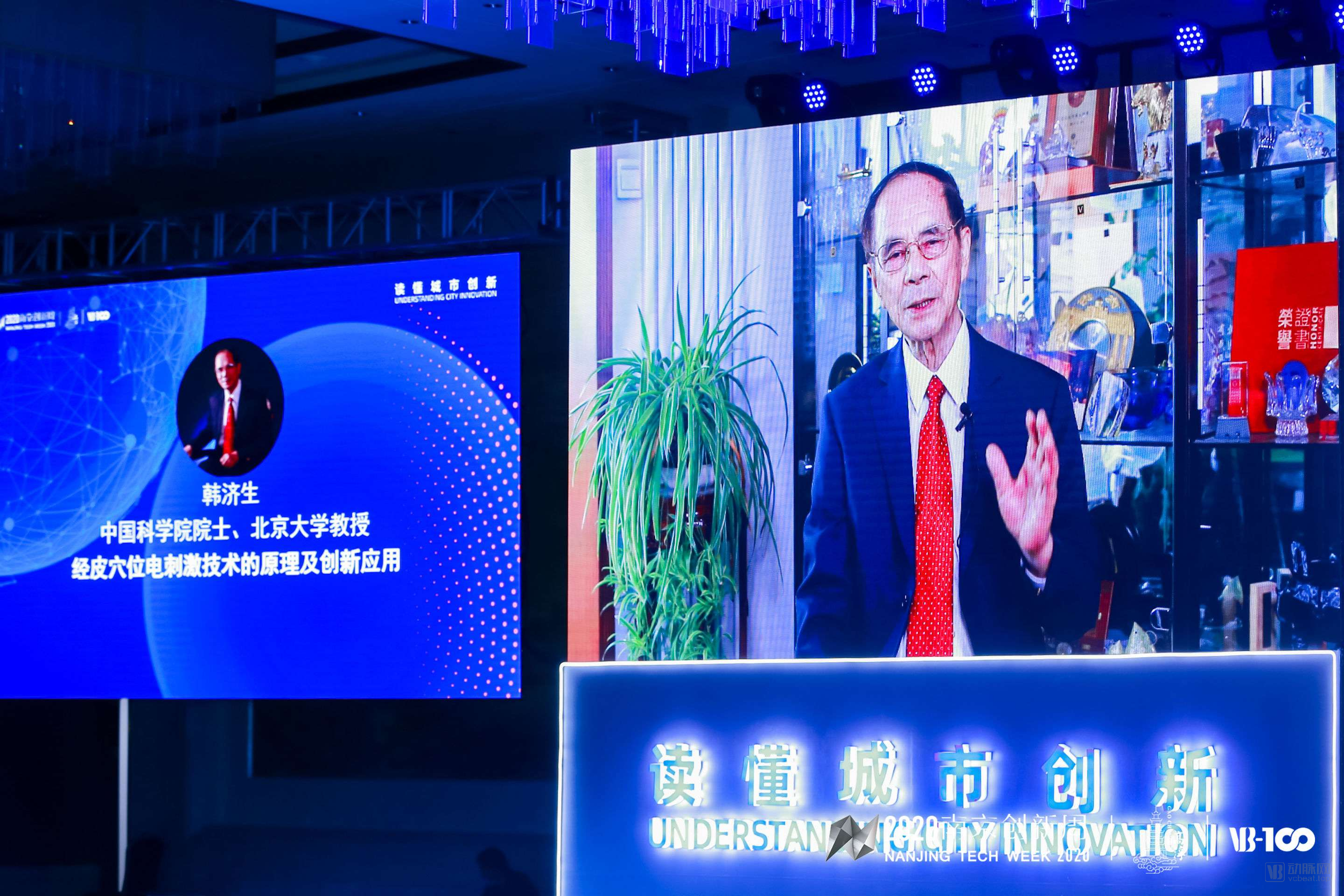
Academician of the Chinese Academy of Sciences, Professor at Peking University, Han Jisheng
Academician Han Jisheng has published more than 500 papers in international journals and monographs, and served as the editor-in-chief of nine Chinese-language monographs. Since 1979, he has been invited to deliver 209 lectures at over 100 universities and research institutions across 27 countries and regions. He has served as a Scientific Advisor to the World Health Organization (WHO) and as a consultant to the U.S. National Institutes of Health (NIH). In 1987, he was elected as an International Fellow of the Royal Society of Arts and Sciences in Lund, Sweden. He founded the Beijing Neuroscience Society, the Chinese Association for the Study of Pain, and the Chinese Chapter of the International Society for Neurochemistry. Academician Han Jisheng was invited to participate via remote link to deliver a keynote speech titled “Principles and Innovative Applications of Transcutaneous Acupoint Electrical Stimulation Technology.”
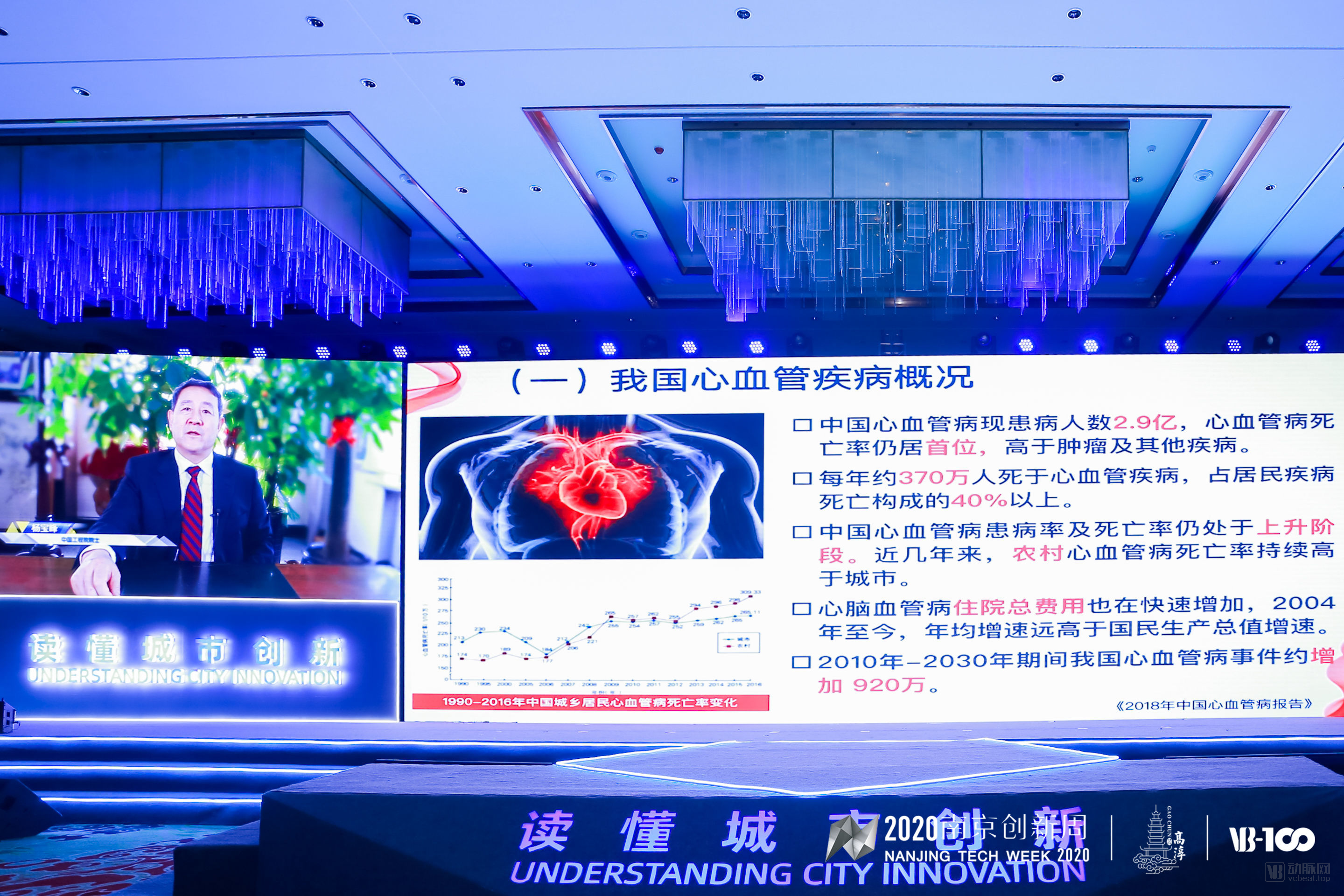
Academician of the Chinese Academy of Engineering, Yang Baofeng
Professor Yang Baofeng, Doctoral Supervisor, Academician of the Chinese Academy of Engineering. He currently serves as Vice President of the Chinese Medical Association, Vice Chairman of the Heilongjiang Association for Science and Technology, Fellow of the Royal Society of Biology (UK), and Chinese Co-Chair of the Sino-Russian Medical University Alliance (comprising 110 universities). He previously served as President of Harbin Medical University and Director of the Department of Medical and Pharmaceutical Sciences of the Chinese Academy of Engineering. He is also a consultant for the 6th Chengdu Scientific and Technological Advisory Committee. His research primarily focuses on pharmaceuticals for cardiovascular and cerebrovascular diseases, where he has elucidated the characteristics and mechanisms of ion channels targeted by drugs against myocardial ischemia and arrhythmia. Academician Yang was invited to share his insights via cloud presentation at the summit, delivering a talk titled “Research and Development of New Drugs for Cardiovascular Diseases: Insights and Implications.”
Summit Theme 2: Innovative Development of Medical Devices

Peijia Medical CFO Cai Lie
Mr. Cai Lie delivered a keynote speech titled “Opportunities and Breakthroughs in Innovative Medical Devices.” He posited that breakthroughs in medical device innovation stem from bold attempts grounded in clinical needs. Once a product is initially developed, various stakeholders optimize and refine it from different angles of breakthrough, ultimately yielding a highly mature product. Furthermore, following such a breakthrough, the first direction involves leveraging the existing breakthrough to venture into other uncharted domains.HorizontalExploration; the second direction is vertical, representing a new technological leap forward.
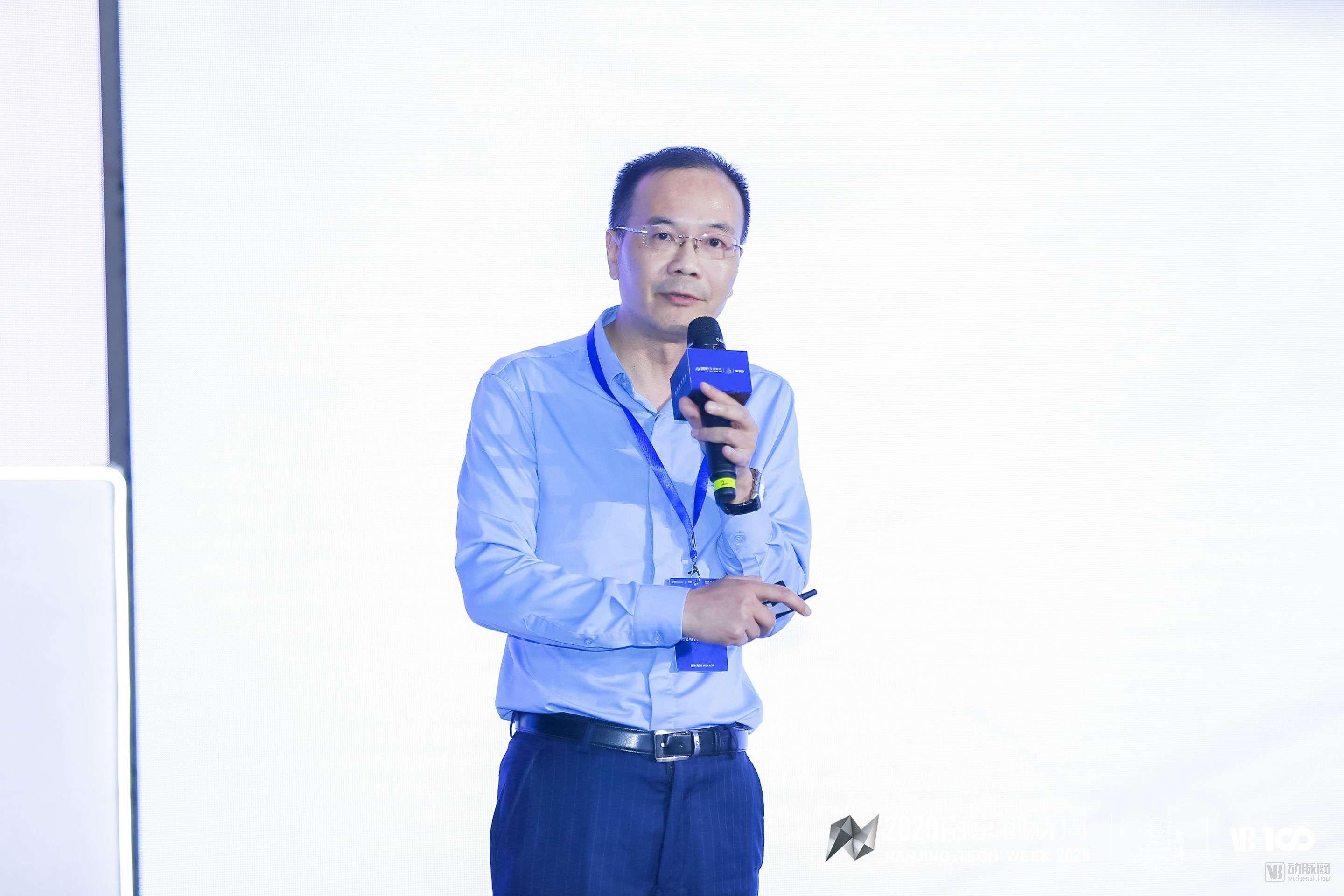
Chen Jian, Director, Vice President, and Board Secretary of Yuwell Medical
Mr. Chen Jian delivered a keynote speech titled “Innovation in Medical Devices in the Post-Pandemic Era.” He stated that throughout the pandemic, China’s healthcare industry was characterized by a wide diversity of product categories. The post-pandemic medical device industry has not altered our fundamental landscape and development logic. Truly valuable innovation requires slowing down and grounding efforts in robust clinical and basic research, rather than pursuing innovation for its own sake.
New Technology Roundtable: The Path to Commercialization of Innovative Solutions in Cardiovascular Interventional Therapy
What industrial sparks will fly when medical devices meet new technologies? The morning’s roundtable forum at the summit featured Tang Haofu, Chairman of Chuanrui Investment Group, a renowned investor., Cai Lie, CFO of Peijia Medical, a listed company in the domestic cardiovascular field, and Wang Guohui, Founder and CEO of Xinwei Medical, an outstanding innovative enterprise,Bart Boschmans (Lin Bosen), Consul for Flanders Trade at the Consulate General of Belgium in Shanghai, and relevant executives from leading international medical device companiesZhang Junqi, Senior Product Manager for the APV Aortic Market at Medtronic, discussing domestic alternatives to imported products and innovative solutions in cardiovascular intervention.

From left to right:Tang Haofu, Chairman of Chuangrui Investment Group; Cai Lie, CFO of Peijia Medical,Bart Boschmans, Commercial Consul of the Flanders Region at the Consulate General of Belgium in Shanghai; Wang Guohui, Founder and CEO of HeartCare Medical; Zhang Junqi, Senior Product Manager for the APV Aortic Market at Medtronic
Tang Haofu:The substitution rate for cardiovascular products is increasing, the overall market is expanding, and there is some domestic substitution in certain niche segments. What do you think are the characteristics of local innovation in China’s cardiovascular field?
Wang Guohui:A new product requires novel medical technologies and endorsement from physicians. Issues must be identified and resolved during gradual clinical operations, thereby refining the product to truly meet patient needs. For instance, while bioresorbable stents may not represent the ultimate solution, collaborative efforts between physicians and enterprises could potentially improve them into next-generation, truly revolutionary products in the future.
Tang Haofu:It is evident that China currently leads the world in the growth rate of small and medium-sized innovative medical device companies. In comparison, the innovation drive among small and medium-sized medical device enterprises in the United States appears somewhat insufficient. Could you please discuss Medtronic’s strategic positioning in China and share your perspective on the relationship between this trend and the quality of innovation we just mentioned?
Zhang Junqi:When launching new products, Medtronic places greater emphasis on safety and efficacy during long-term use. Furthermore, the interventional field itself possesses unique characteristics; indeed, interventional technology can be regarded as the industrial revolution of the healthcare industry. Multinational corporations and Chinese entities maintain a collaborative relationship: global companies are emphasizing localization, while large local companies are emphasizing globalization.
Tang Haofu:Please share your views on the general and extensive cooperation between China and Belgium in the medical field.
Bart Boschmans (Lin Bosen): Flanders, located in northern Belgium, places great emphasis on international trade. Our government agencies also play a significant role, aiming to build an integrated platform. We have established extensive business networks across many regions in China, including Beijing, Shanghai, Guangzhou, Hong Kong, and Taipei. We hope to leverage such networks to bring together talent from all parties, fostering mutual learning and exchange.
Tang Haofu:Valuations in certain cardiovascular sectors continue to soar. How do you interpret this from a corporate perspective, and what advice would you offer to investors?
Cai Lie:As the sector heats up, valuations fluctuate significantly. From the core perspective of corporate development, we naturally hope that our vision will be accepted by investors. However, during the growth process, it is also important to remind companies that collaboration with investment institutions should not be evaluated solely based on the single dimension of funding amount; in the short term, a single round ofHigh ValuationSecuring financing does not necessarily provide the greatest assistance in ultimately reaching your goals; it is essential to balance the supportive resources offered by investors and consider their long-term perspectives on industry development. For companies that consistently secure backing from reputable investment firms, the secondary market will also place greater trust in them.
Tang Haofu:I fully agree with Mr. Cai. A company needs to identify its value proposition, and assessing whether its products are accepted by users in the market is an enduring theme. If a company pursues high valuations in every single round of financing, it may inadvertently hinder its subsequent development. Since improved cash flow is only a short-term benefit, companies should consider additional factors when selecting investors, such as the availability of value-added services and the alignment of the institution’s core values.
New Infrastructure Roundtable: Challenges and Opportunities in the Medical Device Market Amid the Rapid Development of the Internet of Things
What market prospects will medical devices face when they intersect with new infrastructure? The afternoon roundtable forum at the summit features renowned investor Liu Yu, Managing Partner at BGI Win-Win; Huang Weihong, Senior Department Director and Executive Deputy Director of the Mobile Health Education Ministry Laboratory at Xiangya Hospital of Central South University; Pan Jing, Chairman and CEO of Timi Robot, a developer of intelligent service robots; and Chen Yongjian, Deputy General Manager of Hisense Medical, an executive from a cross-industry giant.Sun Donghui, Deputy General Manager and Technical Director at Ancare Information, a leading developer of medical IoT technologies, interprets the medical Internet of Things from the perspectives of investors, hospitals, and enterprises.
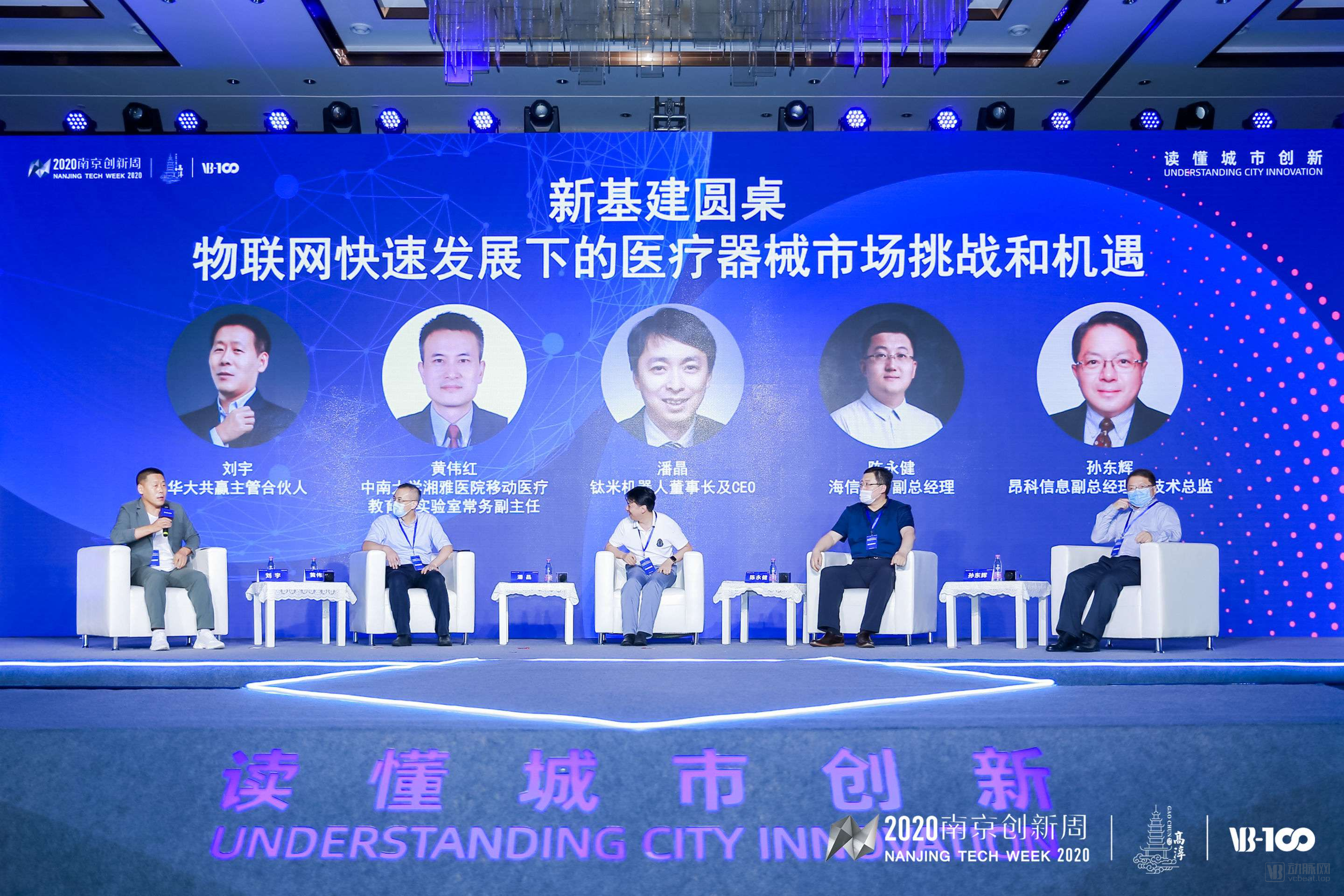
From left to right: Liu Yu, Managing Partner at BGI Win-Win; Huang Weihong, Executive Deputy Director of the Ministry of Education’s Mobile Healthcare Laboratory at Xiangya Hospital of Central South University; Pan Jing, Chairman and CEO of Timi Robot; Chen Yongjian, Deputy General Manager of Hisense Medical; Sun Donghui, Deputy General Manager and Technical Director at Anke Information
Liu Yu:Do you believe that the application of big data in healthcare will become an essential requirement in the future, serving as foundational infrastructure for hospitals and health service organizations, or even as a fundamental element akin to electricity in industry? At what stage is the current application of big data in the medical field?
Huang Weihong:I believe that medical big data in our country is still at a relatively early stage of development, with three main issues. First, our business model: how can we move towards the market and create commercial value without relying on national and policy support? Second, the issue of data interoperability: how can these data be integrated together? Third, the issue of the data ecosystem. If, in this era of new infrastructure, we can connect in-hospital, out-of-hospital, and cross-industry data around national policy directions and align with the country’s needs by breaking down barriers between different segments, we may be able to build a robust data ecosystem.
Sun Donghui:I believe the healthcare industry is already among the frontrunners in the practical adoption and promotion of the Internet of Things (IoT). If I were to assess the current development stage of the Medical IoT, I would characterize it as entering its “adolescence”—a period marked by considerable restlessness and a proliferation of ideas, yet still grappling with challenges across various dimensions, including maturity, practical utility, and customer satisfaction.
Liu Yu:Will the opportunities brought by the pandemic to non-surgical intelligent robots lead to established usage habits and transform into rigid demand, particularly in hospital settings such as “red zones” and infection prevention and control?
Pan Jing: “The term “rigid demand” is highly seductive; however, from a business logic perspective, what is currently perceived as “rigid demand” often does not hold up. For startups, the key lies in identifying future rigid demand, with success depending on who can forecast more accurately. Startup enterprises need to adopt business models that are closer to commercialization. The healthcare scenario in China has its unique characteristics. In large-scale settings, the application of automation technology offers excellent replicability and a strong commercial safety margin.
Chen Yongjian:Hisense was originally a company with strong hardware DNA. As mentioned, our product portfolio includes various display solutions, such as medical-grade displays, ultrasound systems for medical diagnosis, and monitors used in operating rooms. So why the increased focus on software today? Because software empowers hardware, enhances its capabilities, and enables practical, real-world applications. In clinical workflows, it is essential to align with physicians’ existing practices—without wasting their time or altering their habits—while simply improving efficiency and ensuring intuitive adoption. This requires highly user-centric solutions. I believe that technology creates true value only when it is closely integrated with real-world medical scenarios.