

From Rider Care to Ecosystem Collaboration: Quanyuantang Partners with Dada Group to Pioneer Pharmaceutical New Retail
The sudden outbreak of the novel coronavirus in 2020 brought new opportunities and challenges to the pharmaceutical retail industry. Recurring outbreaks have further compelled the pharmaceutical sector to transition toward a new retail model, making the construction of an operational ecosystem for pharmaceutical new retail a significant challenge for many enterprises.
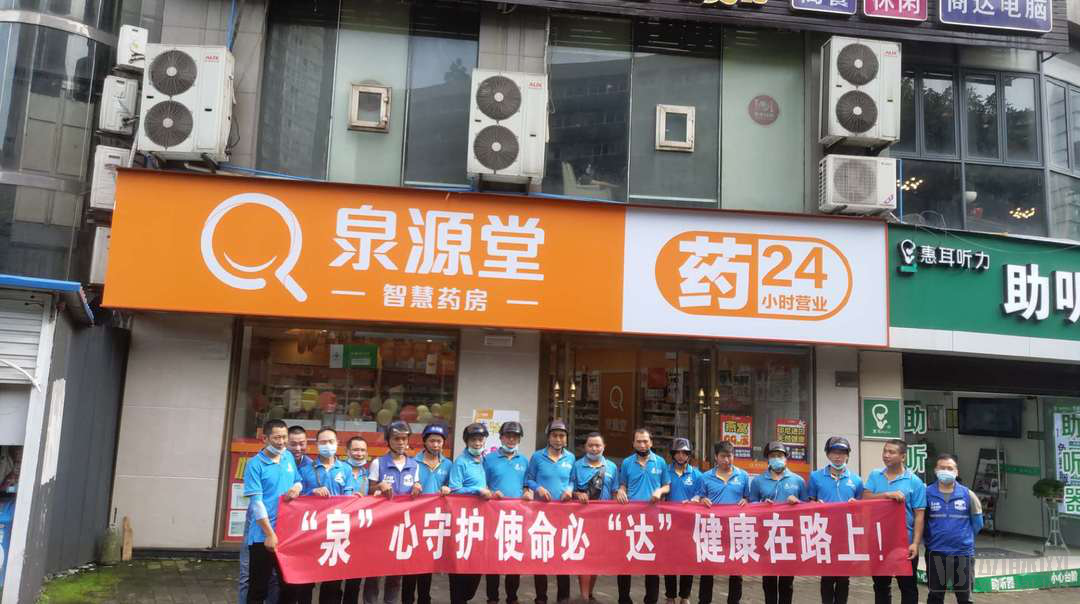
On June 30, Quanyuantang joined hands with Dada Group, a leading domestic on-demand retail and delivery platform, to jointly launch the Rider Care Initiative in Chongqing. This initiative aims to foster a sense of belonging among riders and convey the health service philosophies of Quanyuantang and Dada Group, enabling customers to experience every health commitment upheld by the new pharmaceutical retail model. Additionally, it seeks to promote ecological synergy between Quanyuantang and Dada Group, collaboratively creating service value at the forefront of new pharmaceutical retail.
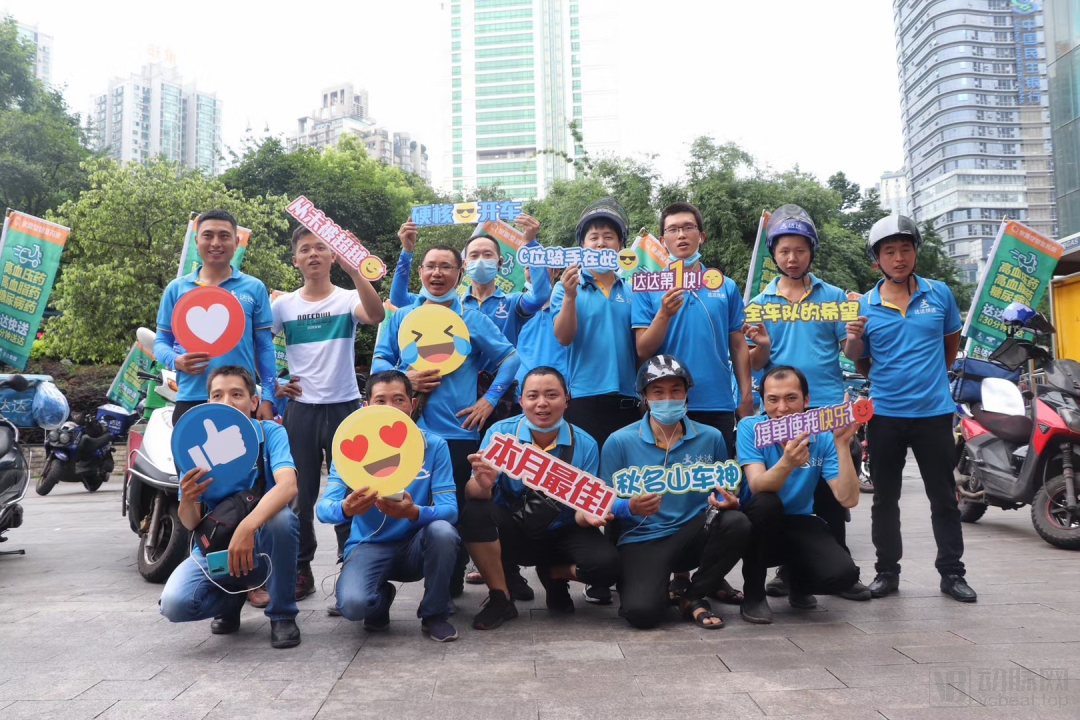
At 3:30 p.m. on June 30, the weather in Chongqing cleared from overcast to sunny. Outside the Quanyuantang store in Guanyinqiao, Chongqing, more than 40 Dada Now delivery riders stood in neat formation in the square. Dressed in uniform attire, their motorcycles were equipped with eye-catching banners promoting Quanyuantang’s 24-hour pharmacy services and home delivery of medications for chronic diseases, drawing considerable attention and onlookers from the public.
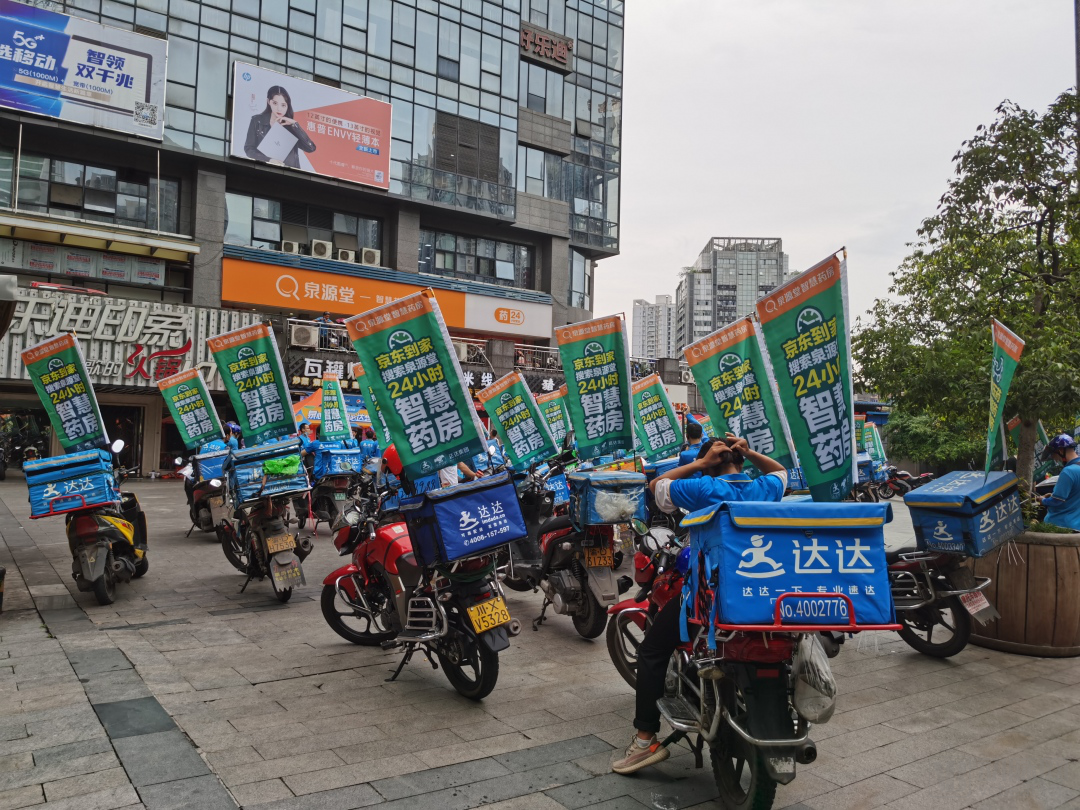
What activity prompted them to forgo valuable delivery time and gather outside Quanyuantang stores? It turns out this was the launch of Quanyuantang’s Rider Care Initiative in Chongqing, undertaken in partnership with Dada Group, China’s leading local on-demand retail and delivery platform.
According to Luo Xiaoyan, General Manager of the Chongqing Branch of Quanyuantang and an organizer of the event, Quanyuantang, as an innovative enterprise breaking through the traditional pharmaceutical retail market with a new retail model, has long been committed to optimizing and building a new retail ecosystem for pharmaceuticals. Recognizing that delivery platforms and medication delivery riders serve as critical “relay links” connecting the company, its products, and users, Quanyuantang has made it a systematic priority to optimize its collaborative relationships with these delivery platforms and riders as part of its new retail strategy.
It is understood that, in order to establish a deeper and more compassionate partnership with Dada Group and its local on-demand delivery platform, Dada Now, along with its medicine-delivery riders, Quanyuantang launched the Rider Care Program in July 2018. This initiative aims to create a mission-driven and dignified work environment for riders, thereby conveying Quanyuantang’s and the delivery platform’s service philosophy and humanistic care.
Regarding the Rider Care Program, which has been ongoing for three years, Chen Zhouhua, CEO of Quanyuantang, stated: “Delivery riders from platforms such as Dada Group are important partners for us. We first aim to provide comprehensive support to our partners through this care program, thereby enhancing collaboration efficiency. Secondly, as the final touchpoint in reaching consumers, delivery riders convey Quanyuantang’s brand image and service philosophy during the medication delivery process. Therefore, by strengthening our partnership with delivery riders through the Rider Care Program, we further promote Quanyuantang’s brand image and achieve a win-win outcome. Today, the Rider Care Program has not only become a routine initiative for Quanyuantang but is also gradually evolving into a branded IP campaign that helps us reach end consumers and enhance Quanyuantang’s market influence.”
Indeed, this is the case. Since 2018, Quanyuantang has implemented its Rider Care Program for three consecutive years in cities such as Chengdu and Chongqing. In the initial phase, the program primarily focused on building a health protection barrier for riders by providing heatstroke prevention and cooling medications, wellness teas, and establishing “Rider Service Stations.” As the care program has matured, its activities have evolved to include more in-depth initiatives such as branded visibility during rider gatherings, vocational skills enhancement, and daily health support. These efforts comprehensively strengthen the industrial synergy between Quanyuantang and instant delivery platforms, thereby enhancing the brand influence of both parties in regional markets.
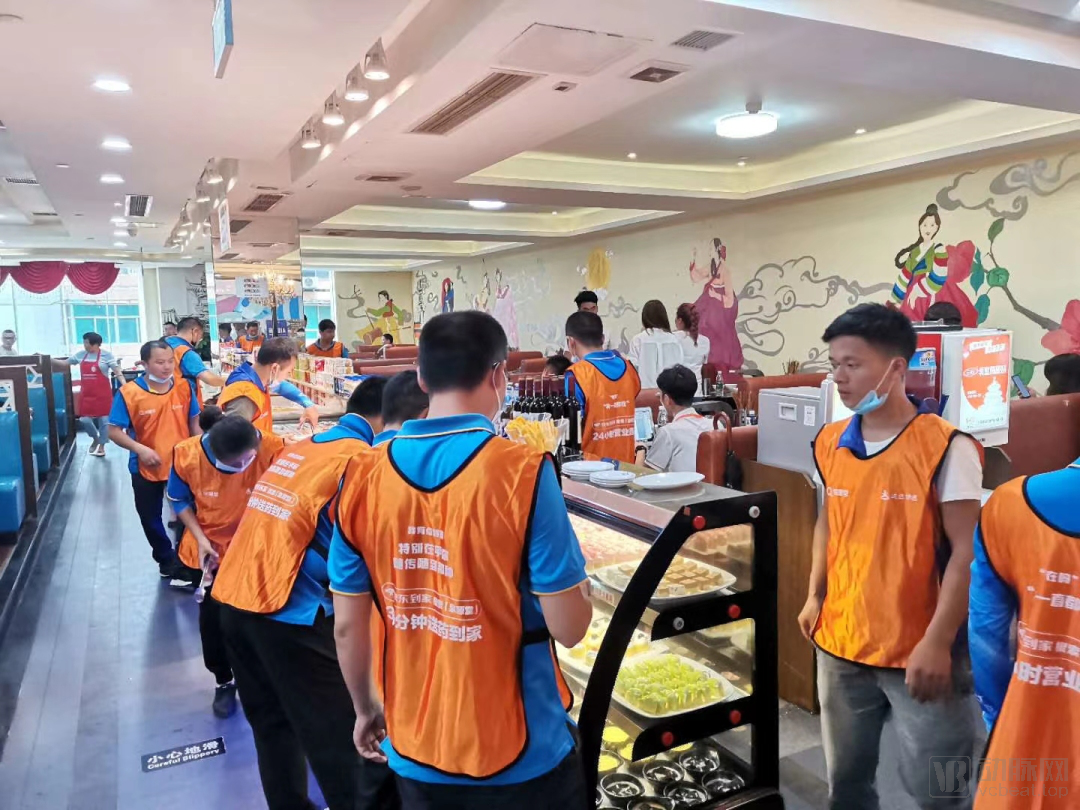
Taking the Quanyuantang Rider Care Initiative in Chongqing as an example, it encompasses a range of benefits and support measures for Dada Group riders under Quanyuantang’s new pharmaceutical retail operation system. These include rider fleet parades, health protection programs, vocational skills training, and daily care services. On the day of the event, Quanyuantang and Dada Group also organized a team dinner for the riders to strengthen camaraderie among team members.
As the care program continues to be implemented, many platform riders have not only gained a greater sense of professional recognition and tangible bonus rewards but also developed a deeper understanding of the partner enterprise, Quanyuantang, with some even becoming loyal fans of Quanyuantang stores. Yu Zhengwei, a Dada Now rider, is a typical example. According to Mr. Yu, who has been working as a Dada Now rider since 2016 and is responsible for delivering O2O orders in areas such as Daping District in Chongqing, this marks the first time in three years that he has participated in a large-scale rider care initiative and offline brand promotion campaign jointly launched by the brand he serves and the delivery platform. In his view, delivery riders have become an indispensable part of O2O services; therefore, Quanyuantang’s current initiative has been warmly welcomed by Dada Now riders.
More importantly, with the launch and widespread adoption of Quanyuantang’s 24-hour pharmacy service and its home delivery model for chronic disease medications, Dada Now riders have gained a more comprehensive understanding of Quanyuantang and are now able to provide consumers with more in-depth health services. “Many consumers previously struggled to purchase medications late at night. The introduction of Quanyuantang’s 24-hour pharmacy service has not only met this rigid consumer demand but also provided strong support for the daily healthcare needs of us Dada Now riders. In fact, many of us have become loyal customers of Quanyuantang,” said Yu Zhengwei.
For Quanyuantang and the Dada Group platform, the tangible benefits include generous delivery returns driven by high-density, 24/7, and visualized orders on the Dada Group platform, as well as significant improvements in delivery speed and medication delivery quality.
Regarding the creation of an ecologically synergistic partnership between Quanyuantang and the delivery platform, Zhou Chenglong, a relevant executive at Dada Group, stated that it is a pleasure to join hands with Quanyuantang, a warm-hearted new retail pharmaceutical enterprise, to jointly provide greater care and benefits for riders. In his view, the Rider Care Program fully mobilizes riders’ service enthusiasm through humanized services, ensuring they complete two-kilometer home medicine deliveries in peak condition. This approach achieves a win-win outcome for both group income and social value, delivering the most timely health services to more users.
In the future, Chengdu Quanyuantang Pharmacy Chain Joint Stock Co.,Ltd. will continue to adhere to a user-centric mindset, promote the integrated development of online and offline channels, vigorously advance new delivery models such as “online ordering with in-store pickup” and “online ordering with store-based delivery,” integrate with numerous local life service platforms, fully leverage the agility and efficiency advantages of delivery riders, empower platforms, riders, and users comprehensively, and build a mutually integrated, interconnected, shared, and win-win closed-loop ecosystem for new pharmaceutical retail.
*Photos related to the event were taken in open outdoor areas; temperature screenings were conducted for all participants in indoor scenes.