Digital Transformation Pathways and Future Trends in China's Pharmaceutical Enterprises
At present, China faces a severe development landscape both domestically and internationally. Issues such as the COVID-19 pandemic, trade protectionism, and intensifying corporate competition have significantly constrained rapid economic growth, making the digital economy a crucial pathway for stabilizing the market and enhancing enterprises’ competitive edge. As a vital industry bearing on national welfare and people’s livelihoods, healthcare is poised for disruptive innovation through digital technologies, which will reshape the entire healthcare ecosystem. Within this broad healthcare concept, pharmaceuticals serve as the pillar of the healthcare ecosystem. The pharmaceutical industry must align with the overarching trend of digitalization, proactively pursue innovative transformation, and contribute more effectively to advancing the healthcare sector. However, not every pharmaceutical company knows how to undertake digital transformation.
From the perspective of current pharmaceutical market development, the digitalization of the pharmaceutical industry has a very strong market foundation. Microsoft is at the forefront of the industry in helping pharmaceutical companies undergo digital transformation. At the online exclusive forum titled “AI Empowering Healthcare: Breaking Through via Transformation,” hosted by Microsoft, Keren Priyadarshini, General Manager of Microsoft’s Life Sciences and Healthcare Industry for Asia Pacific, shared her insights on corporate digital transformation: “In the digital era, successful cloud-based transformation for enterprises relies on three key factors: First, trust—data will not be monetized; instead, it is empowered through authorization, and we do not compete with healthcare customers. Second, global capabilities—including a globally distributed cloud infrastructure footprint and a worldwide collaborative ecosystem. Third, security and compliance—to address any security concerns.”
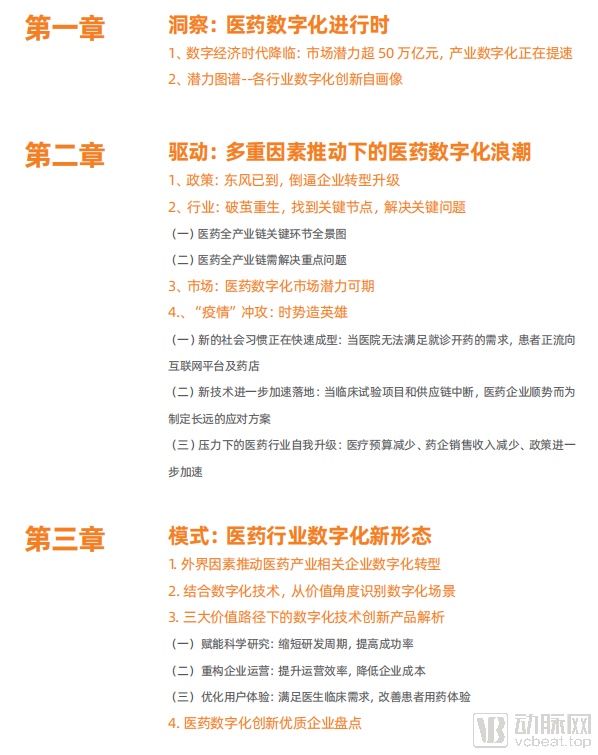
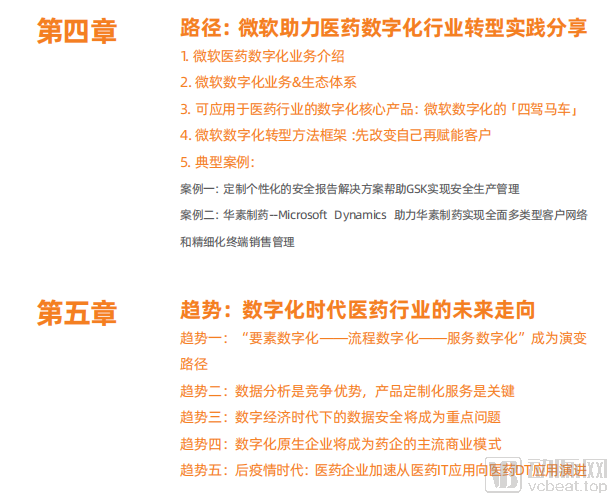
To better dissect the current state of digital innovation in China’s pharmaceutical industry and explore future innovation models, VCBeat has released the “Quarterly Report on Digital Healthcare Innovation: Framework for Digital Transformation in the Pharmaceutical Industry.” This report provides a comprehensive and detailed analysis of pharmaceutical digitalization from multiple dimensions, including the current industry landscape, drivers of digitalization, innovative application scenarios of digital technologies in the pharmaceutical sector, pathways for enterprise digital transformation, and future trends in pharmaceutical digitalization. Through this report, VCBeat aims to identify viable pathways for pharmaceutical companies to undergo digital transformation, offering reference and insights for participants in pharmaceutical digital innovation. Below, we provide a brief interpretation of selected key highlights from the report.
>>>>
The Dawn of the Digital Economy Era: Market Potential Exceeds 50 Trillion Yuan as Industrial Digitalization Accelerates
Latest research shows that in 2018, the scale of China's digital economy reached RMB 31.3 trillion, while China's GDP during the same period amounted to RMB 91.9 trillion, accounting for 34.8% of GDP. Calculated on a comparable basis, the digital economy achieved a nominal growth rate of 20.9%, with its share increasing by 1.9 percentage points. The scale of the digital economy is projected to reach RMB 50 trillion by 2022.
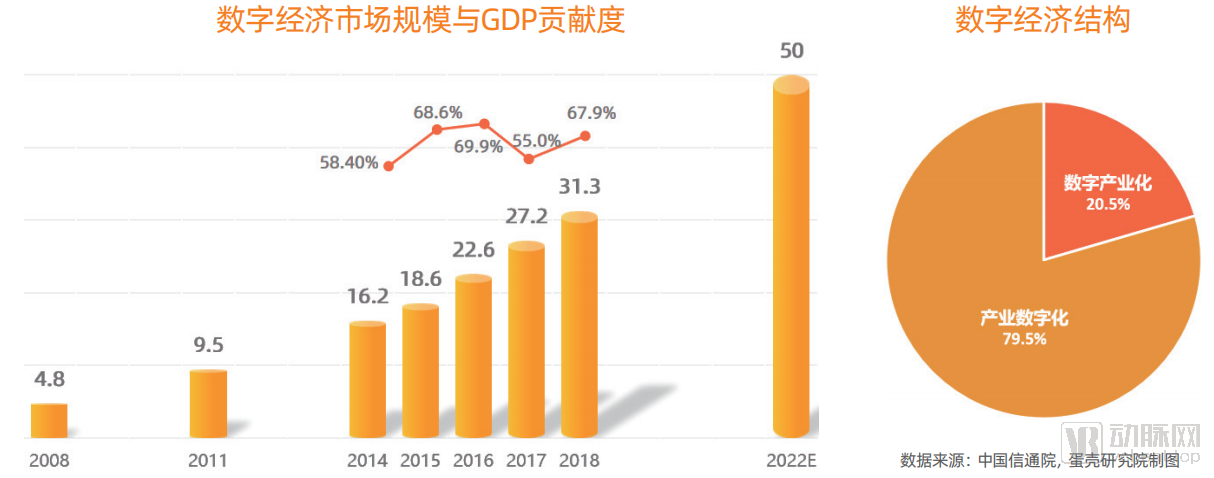
From the perspective of the structure of the digital economy, the scale of industrial digitization reached 24.9 trillion yuan, accounting for 79.5% of the digital economy. This indicates that a large number of enterprises in China are undergoing digital upgrades across dimensions such as business operations, technology, products, and services.
Potential Landscape: Self-Portraits of Digital Innovation Across Industries
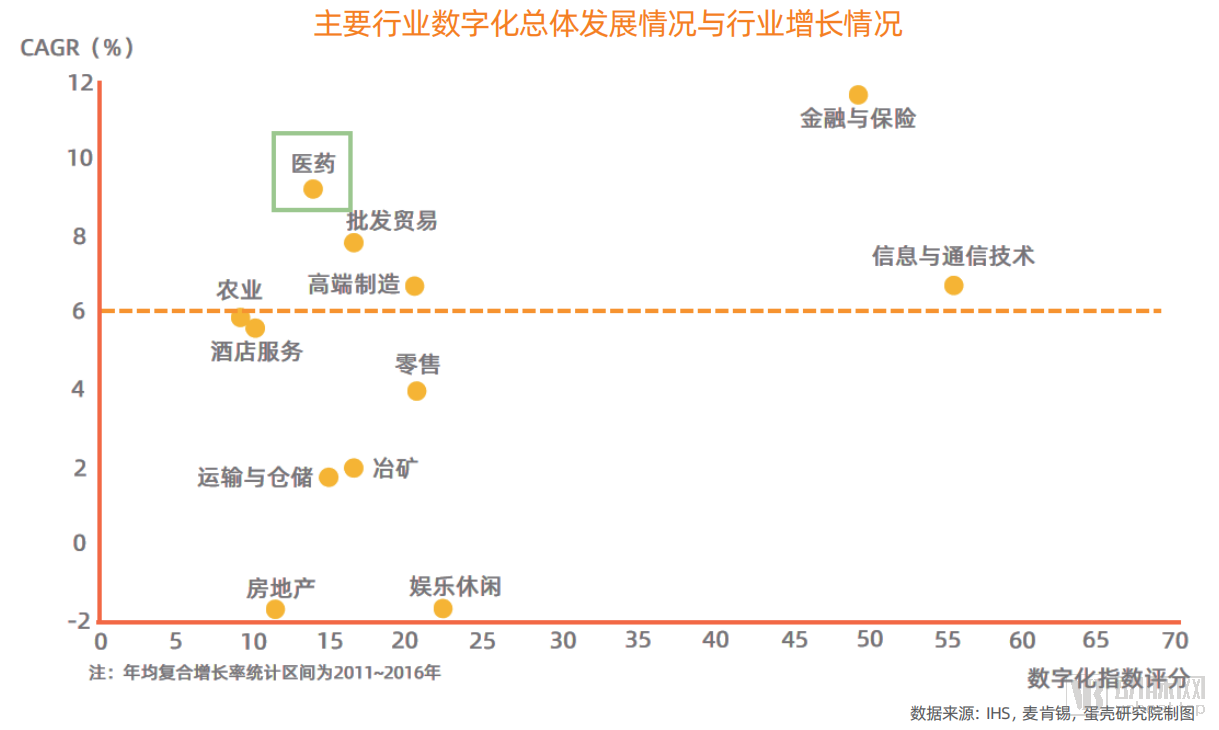
VCBeat Research has reviewed the overall digital development and industry growth of major sectors based on publicly available information and related research reports. Our analysis reveals that the pharmaceutical industry maintains a high growth rate, with a market growth rate of approximately 10%. However, its overall level of digitalization remains relatively low, with an aggregate score below 15. The combination of sustained high-speed growth and current low digital maturity presents both opportunities and challenges for digital transformation in the pharmaceutical industry.
>>>>
Factor 1: The Policy Tailwind Has Arrived, Compelling Enterprises to Transform and Upgrade
Since 2015, healthcare reform has entered a critical phase, with intensive issuance of various policies in the pharmaceutical industry. Through the collection, organization, and analysis of national-level policies with significant impact on the pharmaceutical sector from government documents and public sources, we have found that policies are driving development in the following directions:
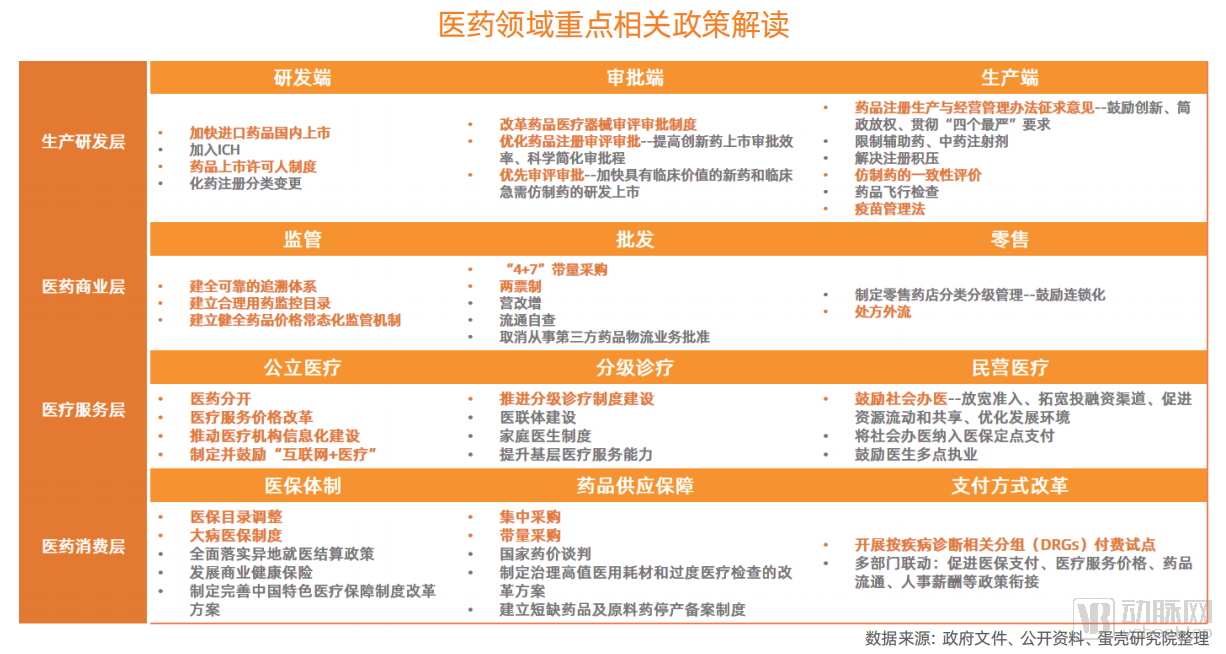
R&D and Production Level:Encourage the R&D of high-quality innovative drugs, implement priority review for such drugs, deepen evaluation and approval reforms to address the backlog of drug re-examinations, and improve full-process regulatory oversight of pharmaceuticals.Pharmaceutical Commerce Sector:Establish a sound and reliable drug monitoring and traceability system, reduce pharmaceutical distribution costs, and encourage the flow of drugs from in-hospital to out-of-hospital markets.Medical Services Layer:Implement the separation of pharmaceuticals from medical services, formulate and promote "Internet + Healthcare," and advance tiered diagnosis and treatment.Pharmaceutical Consumption Tier:Safeguard patients’ essential medication needs at the level of the medical insurance system, and reduce reimbursement costs and alleviate payment pressures on medical insurance by addressing both drug supply and payment mechanisms.
Against this policy backdrop, the government has intensified support for digital healthcare infrastructure, improved the population health information service system, and promoted the application of health and medical big data. Meanwhile, with the establishment of the National Healthcare Security Administration and the rollout of a series of policies—including the “Two-Invoice System,” the consistency evaluation of generic drugs, and the “4+7” volume-based procurement program—cost containment and price reduction have become central themes of pharmaceutical reform. This will compel pharmaceutical companies to adopt digital technologies to enhance efficiency and reduce costs.
Factor 2: The Industry’s Rebirth—Identifying Key Inflection Points to Address Critical Issues
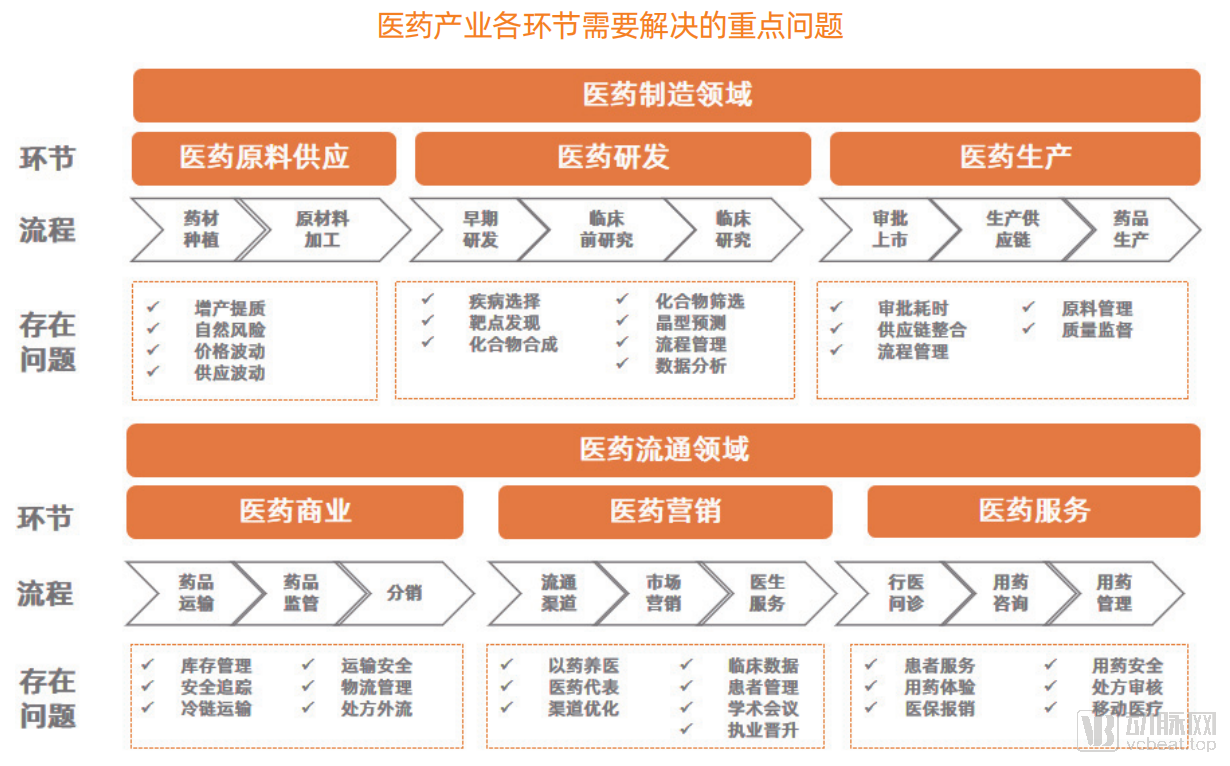
1. Panoramic View of Key Links in the Entire Pharmaceutical Industry Chain
After years of development and exploration, China’s pharmaceutical industry has formed a relatively complete industrial chain, primarily comprising two major sectors: pharmaceutical manufacturing and pharmaceutical distribution. The entire value chain involves more than ten key processes and numerous participating entities.
Pharmaceutical Manufacturing Sector:It refers to the process of transforming raw materials into finished pharmaceutical products, representing a journey from "0" to "1." This process encompasses three key stages: pharmaceutical raw material supply, pharmaceutical research and development (R&D), and final pharmaceutical manufacturing.
Pharmaceutical Distribution Sector:It refers to the process by which pharmaceutical products move from manufacturers to end-users after mass production, encompassing three major segments: pharmaceutical commerce, pharmaceutical marketing, and pharmaceutical services.
2. Key Issues to Be Addressed Across the Entire Pharmaceutical Industry Chain
Despite the gradual maturation of the pharmaceutical industry’s supply chain, critical challenges within each segment have become increasingly prominent. In particular, policy measures such as the implementation of the “Two-Invoice System” and healthcare insurance reforms are dismantling traditional models like “hospital revenue reliance on drug sales” and the role of pharmaceutical representatives. Market forces, including pricing and cost pressures, will compel enterprises across key links of the pharmaceutical industry to undertake self-reform, achieving transformation and renewal through innovation.
Factor 3: Market Size—The Potential of the Digital Healthcare Market Is Promising
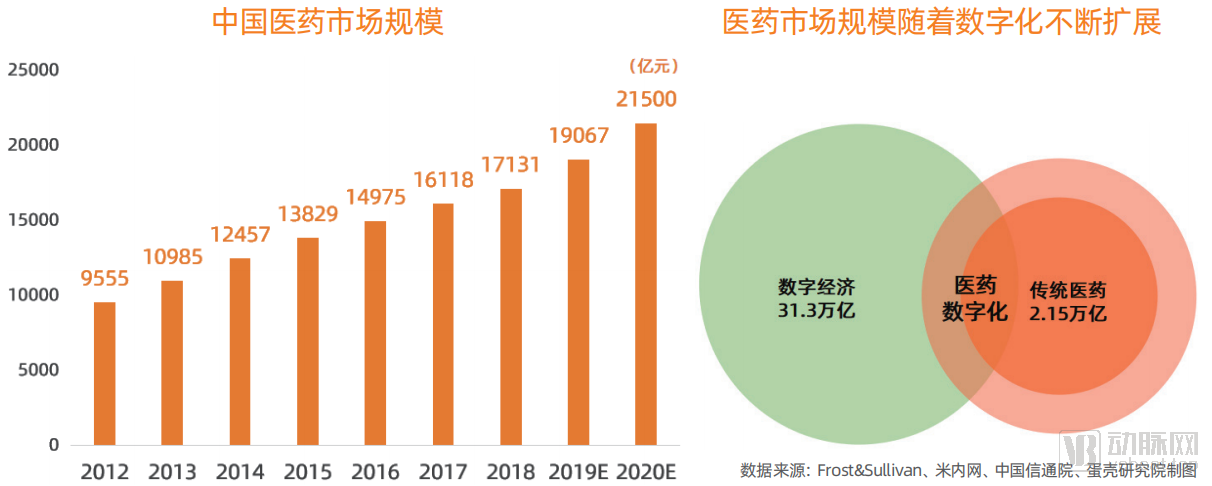
China’s pharmaceutical market sales grew from RMB 955.5 billion in 2012 to an estimated RMB 2.15 trillion in 2020, achieving a compound annual growth rate (CAGR) of 10.7%. The Chinese pharmaceutical market has maintained rapid and stable growth, with the traditional pharmaceutical model remaining the dominant industry paradigm. Nevertheless, it is undeniable that driven by policy and industrial forces, the level of digitalization in the pharmaceutical sector will increase significantly. Traditional pharmaceutical practices will rapidly converge with digital solutions, while digitalization will, in turn, further accelerate pharmaceutical development, creating a mutually reinforcing relationship between the two.
>>>>
New Social Habits Are Rapidly Taking Shape: As Hospitals Fail to Meet Demand for Consultations and Prescriptions, Patients Are Turning to Online Platforms and Pharmacies
In the critical battle against the COVID-19 pandemic, the entire healthcare industry has undoubtedly faced an immensely stressful test. As the pandemic evolves, these challenges and changes are likely to serve as catalysts and accelerants for the development of the healthcare sector as a whole.
China’s traditional healthcare-seeking behavior has been to visit offline medical institutions directly. However, during the pandemic, especially in Hubei Province, offline hospitals became high-risk areas. Many hospitals devoted substantial resources and clinical capacity to treating COVID-19 patients and suspended or deferred some routine diagnostic and therapeutic services; meanwhile, general patients chose to reduce or avoid hospital visits to mitigate risk. This pushed many patients who were unable to leave home or unwilling to seek care at hospitals during the pandemic toward online consultations. Data from the National Health Commission show that in February this year, the number of hospital visits across China (excluding Hubei) decreased by approximately 40%.
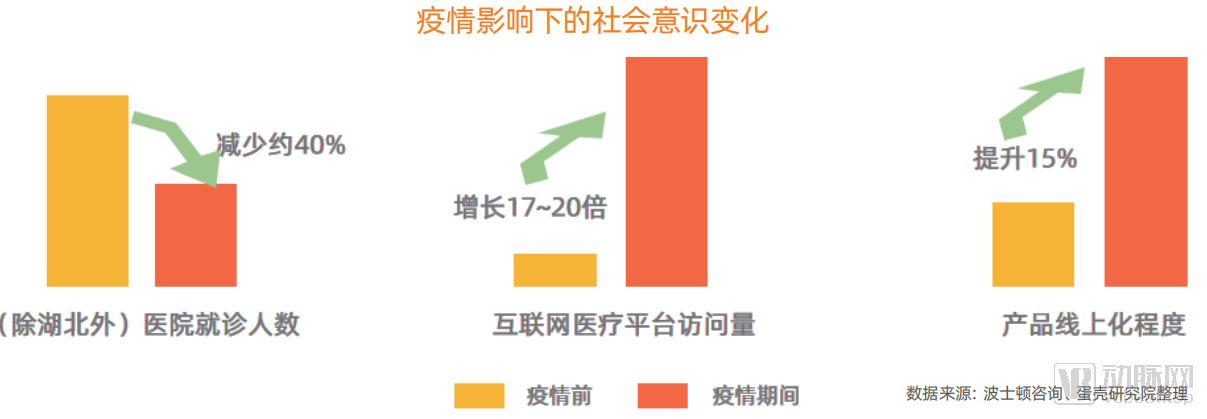
Digitalization Opportunities in the Pharmaceutical Industry: 1. Significantly Increased Demand for Digital Pharmaceutical Solutions; 2. Growing Importance of Pharmacies.
Accelerated Adoption of New Technologies: As Clinical Trials and Supply Chains Face Disruptions, Pharmaceutical Companies Seize the Opportunity to Develop Long-Term Response Strategies
Starting in February, China implemented strict quarantine measures, leading to work and production suspensions at some enterprises and disruptions to the domestic pharmaceutical supply chain. Additionally, clinical trials were forced to halt as medical researchers either stopped work or redirected their full efforts toward pandemic-related research. By March and April, the epidemic in China had been effectively contained, and the domestic supply chain had partially recovered. However, the outbreak escalated globally during this period, with most regions worldwide adopting quarantine measures. This disrupted the global research infrastructure and supply chains—including access to scientific talent, equipment, raw materials, warehousing, and distribution. For instance, nearly half of the clinical trials in Wuhan were conducted by multinational pharmaceutical companies. These developments severely impacted the R&D and production activities of Chinese pharmaceutical companies.
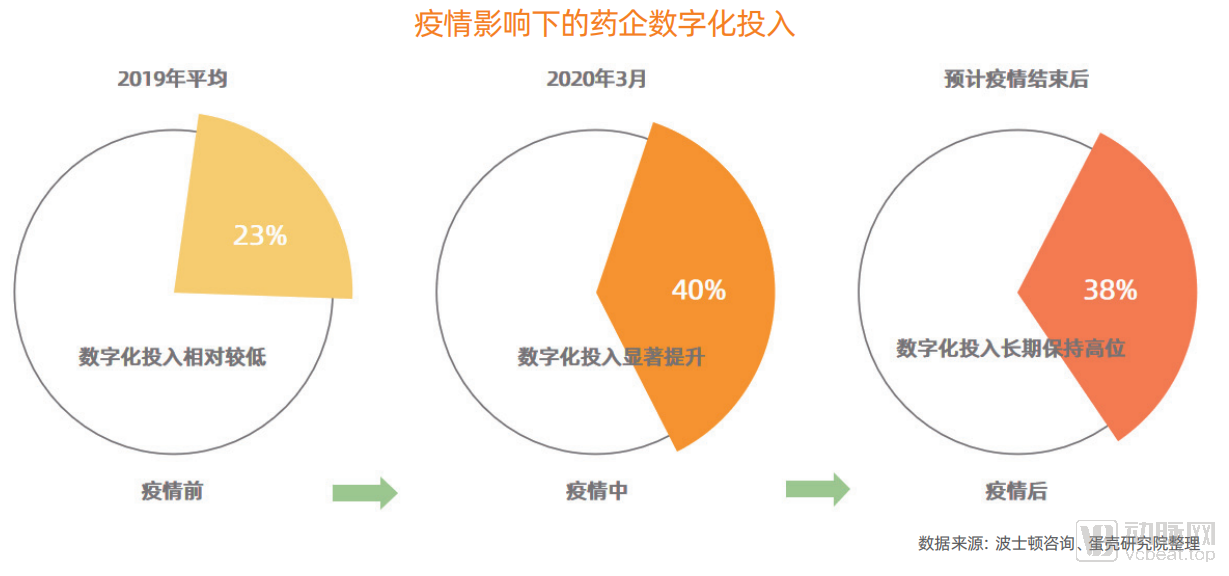
Digitalization Opportunities in the Pharmaceutical Industry: 1. Accelerated Implementation of Digital Technologies in R&D; 2. Upgrading of Supply Chain Management.
Pharmaceutical Industry’s Self-Upgrade Under Pressure: Shrinking Healthcare Budgets, Declining Pharmaceutical Sales Revenue, and Accelerated Policy Implementation
Reduced Healthcare Budget:In 2020, the COVID-19 pandemic will have a negative impact on the economy and healthcare spending, a consensus already formed in the market. Against this backdrop, the growth rate of China’s overall healthcare expenditure budget in 2020 will slow down, or even see a reduction in spending.
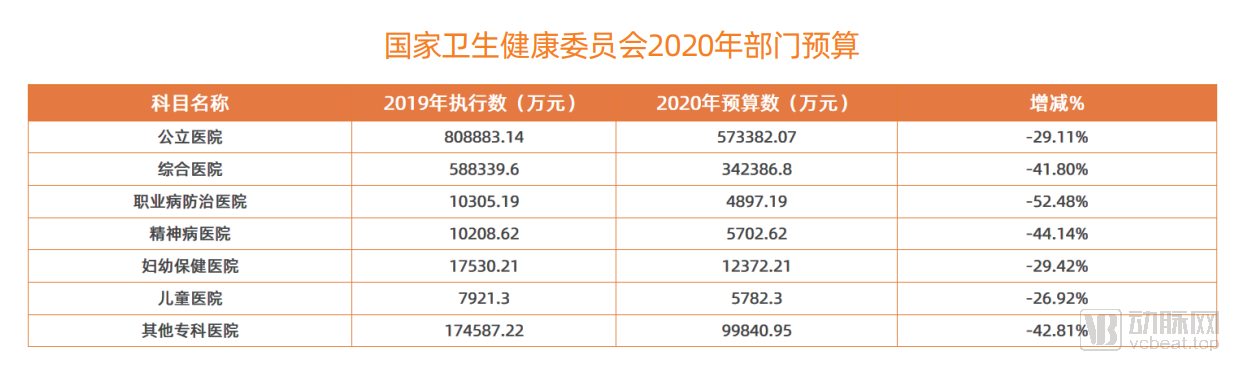
Data from the Department of Finance show that in 2020, the departmental budget of the National Health Commission decreased significantly, with budget reductions for various types of hospitals ranging from 26% to 53%. Specifically, the budget for public hospitals fell by 29.11%, and that for general hospitals dropped by 41.80%.
Decline in Pharmaceutical Companies' Sales Revenue:During the pandemic, hospital visits outside Hubei Province decreased by approximately 40%, and current visit volumes have yet to return to pre-pandemic levels. This decline in patient visits has directly led to a significant reduction in in-hospital prescriptions. Meanwhile, Chinese pharmaceutical companies completely suspended offline activities starting in February, with face-to-face sales visits halted for over 30 days and offline conferences suspended for more than 60 days. The substantial reduction in offline promotional activities by pharmaceutical companies, coupled with decreased hospital visits, has severely impacted their sales performance. Sales revenue dropped by 50%–80% in the first quarter, partially recovered in the second quarter to reach 70% of the level seen in the same period of previous years. Overall, full-year sales are projected to fall below 80% of the 2019 figure.
Healthcare Insurance Reform Further Accelerates: Prior to the outbreak of the pandemic, the government had already issued the “Guiding Opinions of the National Healthcare Security Administration on Improving Pricing and Medical Insurance Reimbursement Policies for ‘Internet+’ Medical Services.” The introduction of this policy clarified the reimbursement rules and standards for internet-based medical services, thereby providing a guarantee for the digitalization-enabled circulation of pharmaceuticals. In the aftermath of the pandemic outbreak, the implementation of policies at the provincial and municipal levels was further accelerated.
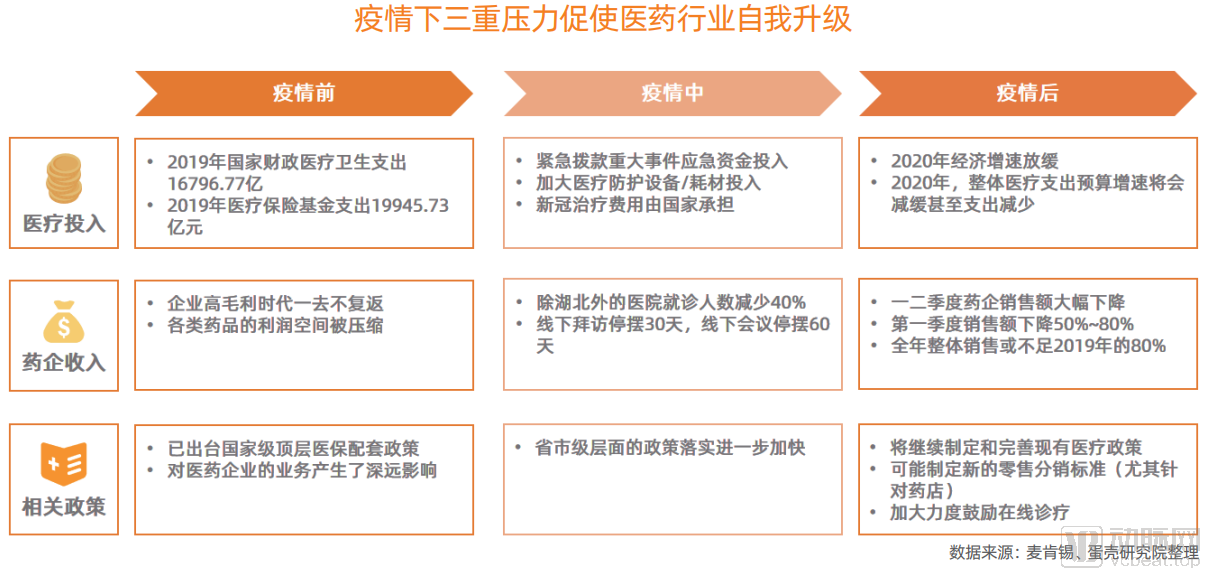
Digitalization Opportunities in the Pharmaceutical Industry: 1. Cost control has become critical for pharmaceutical companies; 2. Strict regulation of drug prices.
In the main body of this report, we will provide a detailed analysis of how pharmaceutical and healthcare companies are leveraging digital technologies to navigate new opportunities and challenges in the post-pandemic era.
>>>>
External Factors Drive Digital Transformation of Pharmaceutical Industry Enterprises
Over the past decade of large-scale application of digital technologies, many enterprises have engaged in multi-modal explorations of digitalization. Despite the unceasing pace of such exploration, numerous pharmaceutical companies have yet to complete their digital transformation due to limitations in technical capabilities and insufficient internal motivation. The primary reasons for the lack of intrinsic drive among pharmaceutical enterprises are as follows:1. The pharmaceutical industry’s sustained high gross margins enable companies to invest heavily in R&D, production, and sales without excessive concern for cost constraints; 2. The adoption of digital solutions is inevitably technology-driven, which undoubtedly affects the role of “people” within enterprises and thus faces resistance from core departments. This scenario is widespread among pharmaceutical companies.
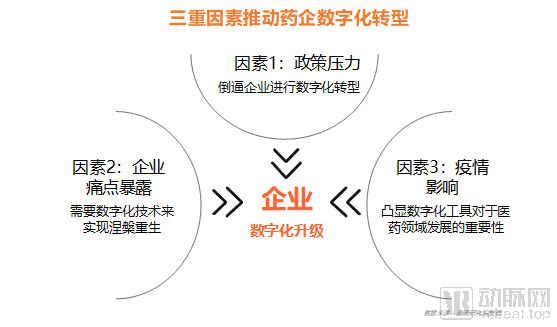
However, in recent years, influenced by various factors, pharmaceutical companies have recognized the urgent need for digital transformation. Building on our analysis of policy, industry, and the pandemic in Part II, three key drivers—policy pressure, industry-led self-reinvention, and the impact of the pandemic—are propelling enterprises toward digital transformation.
>>>>
Leveraging Digital Technologies to Identify Digital Scenarios from a Value Perspective
Digital innovation in the pharmaceutical industry is not confined to specific segments or individual technologies; rather, it represents a holistic innovation that integrates multiple technologies across the entire value chain. From raw material supply to final pharmaceutical services, digital innovation is reshaping the industry’s architecture and value chain, thereby delivering enhanced services to both physicians and patients.
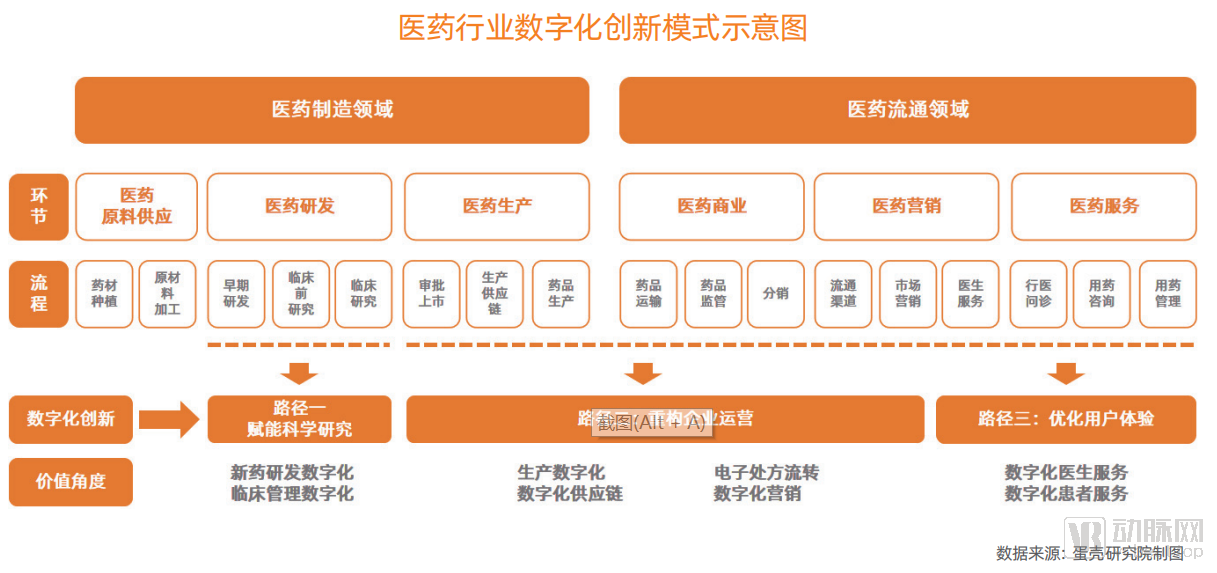
Challenges that remain unresolved in the traditional pharmaceutical industry chain can be addressed by leveraging digital technologies to empower, restructure, and optimize processes, thereby breaking down barriers between conventional segments. This approach integrates the key issues previously identified in the two critical sectors of pharmaceutical manufacturing and pharmaceutical distribution.From a value perspective, VCBeat has systematically reviewed the functionalities of digital products. Currently, there are three major pathways for the application of digital technologies in pharmaceutical scenarios:
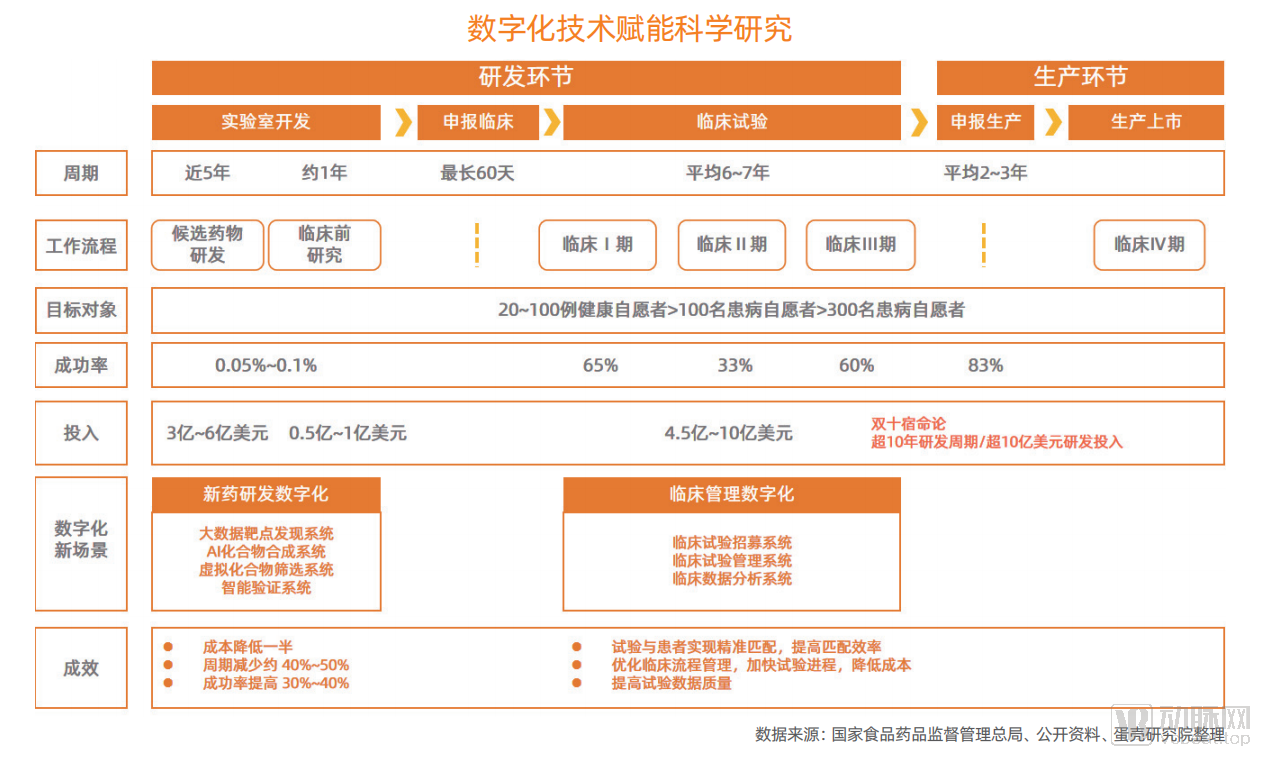
Pathway 1: Empowering Scientific Research.By digitally empowering multiple processes, including new drug research and development (R&D), manufacturing, and quality regulation, we can accelerate the R&D process, improve clinical trial management, and eliminate barriers to new product development. This enhances the success rate of R&D and shortens the cycle from new drug development to mass production.
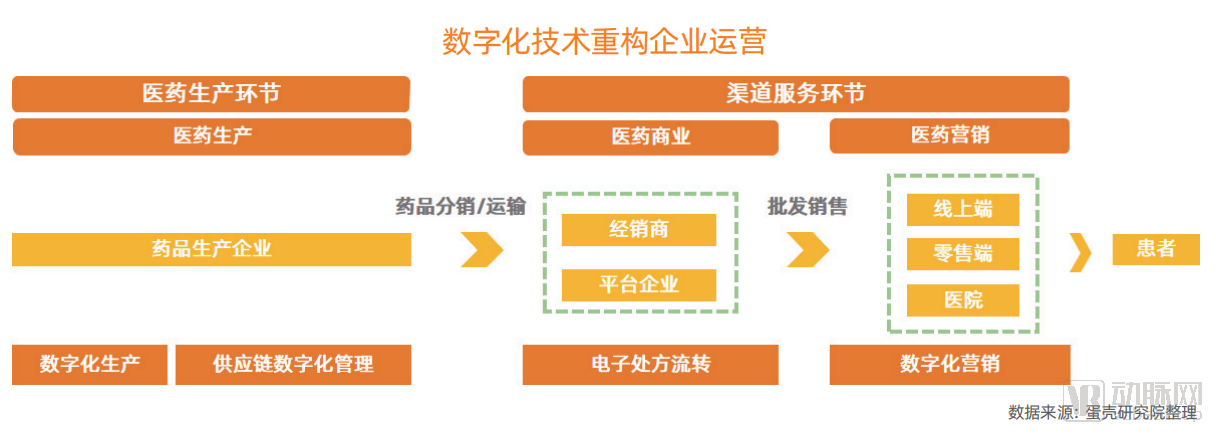
Path 2: Restructuring Corporate Operations.Equip employees with the necessary skills and tools to streamline processes, enhance productivity, and remove barriers to collaboration in a secure environment, thereby achieving regulatory compliance; safeguard the organization’s reputation and profitability while ensuring full regulatory adherence; and leverage secure, actionable data insights to transform operations, boost productivity, accelerate time-to-market, and build trust.
Path 3: Optimizing User Experience.Engage with users more directly and safely to boost engagement, enhance market efficiency, better align with user concerns, and reduce costs.
The aforementioned three pathways can address the long-standing issues in key areas such as pharmaceutical R&D, manufacturing, commerce, marketing, and services within the pharmaceutical manufacturing and distribution sectors.
Analysis of Digital Technology Innovation Products Across Three Major Value Pathways
(I) Empowering Scientific Research: Shortening R&D Cycles and Improving Success Rates
Overview:Currently, the application of digital technologies to empower scientific research primarily focuses on the digitalization of new drug development and clinical management. For instance, Microsoft signed an agreement with the Swiss pharmaceutical company Novartis, under which researchers will combine Microsoft’s strengths in artificial intelligence with Novartis’ expertise in life sciences to accelerate new drug development. Novartis plans to apply Microsoft’s AI tools across the entire drug development process, including research, clinical trials, manufacturing, operations, and finance.
(II) Reengineering Corporate Operations: Enhancing Operational Efficiency and Reducing Business Costs
Overview:Currently, the application of digital technologies in reshaping corporate operations has seen the highest demand for four key digital products: digital production, digital supply chain management, electronic prescription circulation, and digital pharmaceutical marketing, with related technologies already implemented. For instance, Microsoft, in collaboration with its intelligent warehousing and logistics service ecosystem partner Geek+, provides intelligent supply chain services to a well-known pharmaceutical manufacturer in China. By leveraging the data and service capabilities of Microsoft Azure, a new-generation supply chain platform was built to integrate internal and external systems, thereby unlocking data value and achieving end-to-end visibility from order to delivery.
(3) Optimizing User Experience: Meeting Physicians’ Clinical Needs and Improving Patients’ Medication Experience
Overview:Currently, the application of digital technologies in optimizing user experience primarily focuses on digital physician services and digital patient medication services. For instance, to address issues such as increased work pressure and heightened complexity faced by physicians during the pandemic, Microsoft launched its first industry-specific cloud product—Microsoft Cloud for Healthcare. This platform enables care providers to schedule, manage, and conduct virtual patient visits, thereby enhancing patient communication, care team collaboration, and management efficiency.
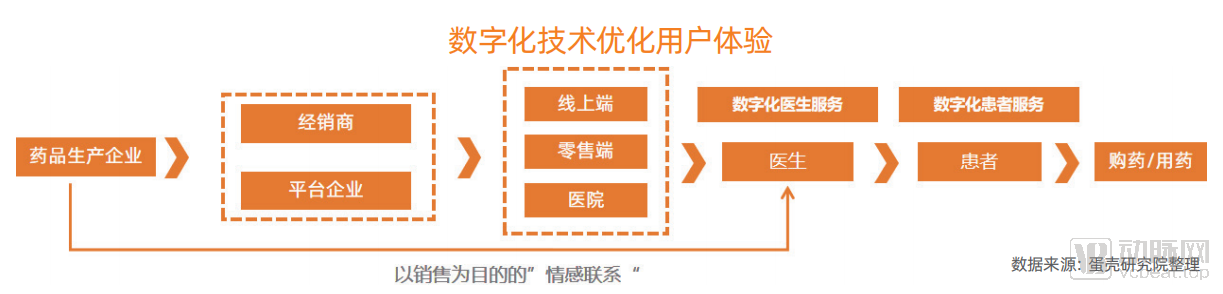
In the main body of this report, we will provide a detailed analysis of how digital technologies empower eight critical segments: new drug R&D, clinical management, pharmaceutical manufacturing, supply chain management, prescription outflow, pharmaceutical marketing, physician services, and patient services.
As an enabler of digital transformation in the healthcare industry, Microsoft leverages its extensive experience and technological platform advantages to provide the pharmaceutical industry with optimal pathways for digital transformation, facilitating a smooth transition.
Digital Business Overview:
In the book *Digitalization: Leading the Business Revolution in the Age of Artificial Intelligence*, authored by digital experts at Microsoft China, it is proposed that the core of digital transformation lies in creating value through transformation. Digital transformation places greater emphasis on the digital assets generated across various operational stages, leveraging these assets to develop new digital businesses and drive new avenues for business growth. Since 2015, while initiating its own digital business transformation, Microsoft has also innovated its internal operations, upgrading its core business from traditional software sales and deployment to providing customers with digital solutions that facilitate their digital transformation.
Four Core Products:
Four Core Digital Product Pillars Applicable to the Pharmaceutical Industry: Microsoft Azure, Dynamics 365, Microsoft 365, and Power Platform. These four products mutually reinforce one another, forming a “grand platform” that constitutes Microsoft’s “four pillars” of digitalization. Among them, Azure serves as the core service, providing the most fundamental technical support, including cloud technologies. Dynamics 365 and Microsoft 365 are upper-layer applications primarily focused on delivering productivity platforms for enterprises. The rapid development of Microsoft 365 and Dynamics 365 drives the growth of Azure, while Azure’s expansion ensures the reliability and stability of its services. Furthermore, Power Platform, as a highly scalable model, acts as a bridging tool connecting Microsoft’s other three categories of digital products.
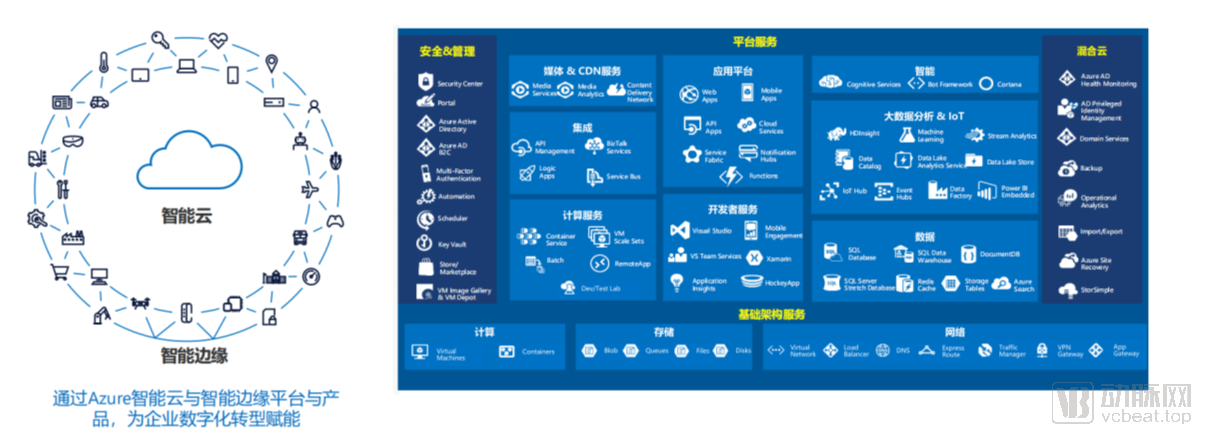
Success Cases:
1. Huasu Pharmaceutical—Microsoft Dynamics empowers Huasu Pharmaceutical to achieve a comprehensive, multi-type customer network and refined terminal sales management;
2. GSK—Customized Personalized Safety Reporting Solutions Help GSK Achieve Safe Production Management
In the main body of the report, we will provide a detailed interpretation of Microsoft’s digital transformation framework and how it can help pharmaceutical enterprises achieve digitalization.
Digital innovation in the pharmaceutical industry is a multi-stakeholder endeavor spanning the entire value chain, encompassing R&D, manufacturing, and distribution. At the value level, the primary objectives of digital innovation in this sector are to empower scientific research, restructure corporate operations, and optimize user experience. Digital solutions can accelerate new drug development, enhance production efficiency, reduce marketing costs, and improve patient experiences, thereby injecting new momentum into the overall development of the pharmaceutical industry. Looking ahead, digital technologies will further empower industry growth, reshape the structure of the pharmaceutical value chain, and achieve comprehensive digitization of resources, processes, and services. This presents market opportunities for pharmaceutical companies, which should clarify their market positioning, leverage their respective strengths, and implement strategic digital layouts to build competitive advantages amidst the wave of pharmaceutical digitalization.
As a global leader in third-party digital solution services, Microsoft demonstrates acute sensitivity to the development trajectory of pharmaceutical digitalization. Drawing on interviews conducted by VCBeat Institute with Microsoft’s senior executives regarding their strategic vision for digitalization, as well as insights from multiple industry experts, we anticipate that digital innovation in the pharmaceutical sector will exhibit five major trends:
Trend 1: “Digitalization of Elements – Digitalization of Processes – Digitalization of Services” as the Evolutionary Path
Trend 2: Data Analytics as a Competitive Advantage, with Product Customization Services as the Key
Trend 3: Data Security in the Digital Economy Era Will Become a Key Issue
Trend 4: Digital-Native Enterprises Will Become the Dominant Business Model for Pharmaceutical Companies
Trend 5: In the Post-Pandemic Era, Pharmaceutical Companies Are Accelerating Their Evolution from IT Applications to DT Applications
The above is an excerpt from the report, accounting for approximately one-third of its total content. The full report consists of five major sections and spans 41 pages in total. The outline of the report is as follows; scan the QR code to read the full report for free: