

Shanxing Bio Advances Immune-Microbiome Therapeutics with Fecal Microbiota Transplantation and Oral Capsule Innovation
Can Stool Cure Diseases? If someone told you this, you would surely find it incredible. However, Mr. Zheng, a patient with a sigmoid colon tumor from Fuzhou, Jiangxi Province, has seen a ray of hope for his life thanks to the significant efficacy of fecal microbiota transplantation (FMT).
Mr. Zheng was diagnosed with sigmoid colon cancer with liver and lung metastases at a renowned Grade A tertiary hospital in Shanghai in August 2019, and underwent laparoscopic anterior resection of the rectum combined with retroperitoneal lymph node dissection. Postoperative hospital test results indicated that he was not suitable for PD-1 immunotherapy or targeted drug therapy. After the Shanxing Biotech team became aware of international reports suggesting that combining PD-1 inhibitors with fecal microbiota transplantation (FMT) could enhance therapeutic efficacy, they recommended that Mr. Zheng try this treatment approach.
Consequently, in October 2019, under the guidance of experts at a hospital in Nanchang, Mr. Zheng was treated with a regimen combining fecal microbiota transplantation (FMT) and PD-1 inhibitor-based immunochemotherapy. The treatment outcomes were remarkably encouraging: an ultrasound examination two months later revealed the complete disappearance of hepatic tumors. On March 25, 2020, Mr. Zheng returned to a tertiary Grade A hospital in Shanghai for a follow-up PET/CT scan. The results were striking: compared with the baseline PET/CT findings, post-operative FDG metabolism in the sigmoid colon cancer site was normal, most pulmonary metastatic nodules had disappeared, and the activity of residual metastatic lesions was substantially suppressed. Mr. Zheng’s successful recovery demonstrates the significant efficacy of fecal microbiota transplantation in enhancing tumor response to targeted therapy, reducing chemotherapy-related adverse effects, and boosting patient immunity.
The fecal microbiota transplantation (FMT) therapy received by the aforementioned patient, Mr. Zheng, was provided by Jiangxi Shanxing Biotechnology Co., Ltd. (hereinafter referred to as “Shanxing Biotech”), an innovative biopharmaceutical company dedicated to integrating and developing new medical technologies related to immunity and microecology. Its current business and research scope covers intestinal microbiota, HPV clearance, tumor neoantigens, and immune function management. The company aims to closely integrate the assessment and intervention of human immune function with microecological research, conducting clinical treatment and health intervention studies for patients with diseases and those in a sub-health state, thereby achieving the goal of curing related diseases by balancing the human microecology and immune function.
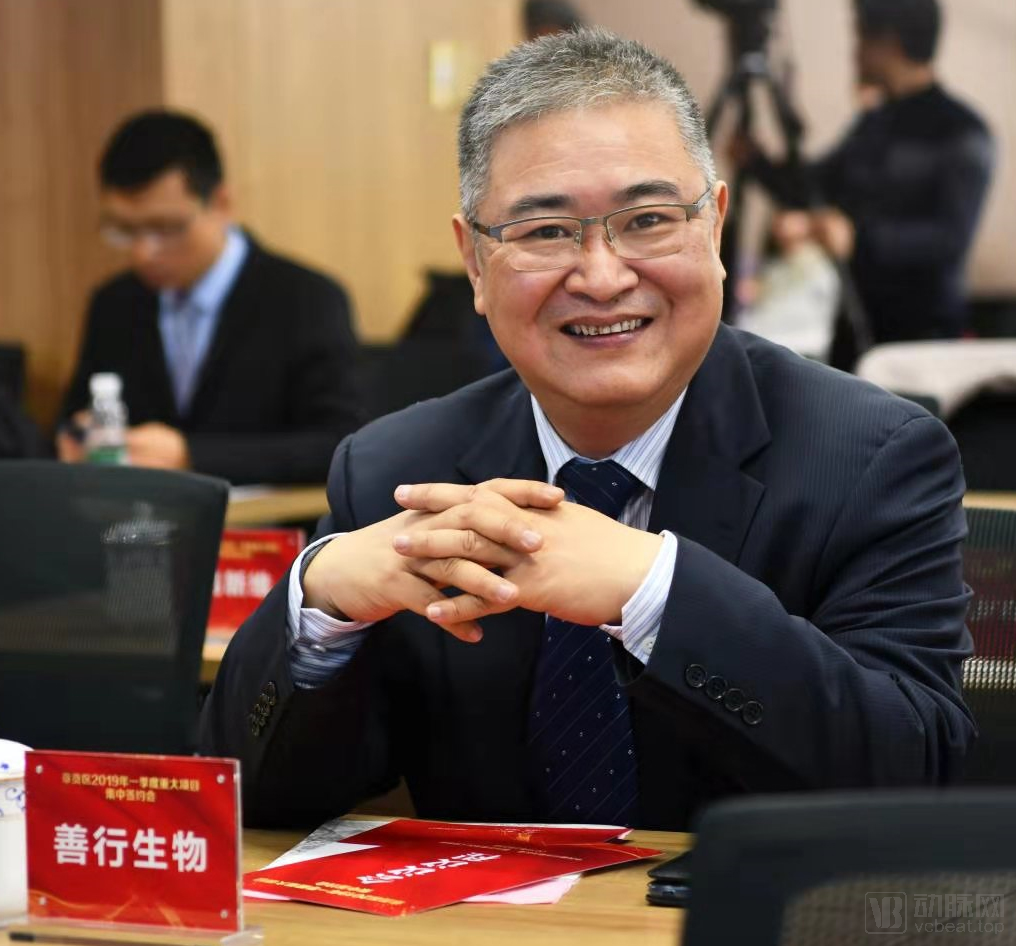
Professor Wang Jingsu, Chairman of Shanxing Biotechnology
“Fecal Microbiota Transplantation (FMT),” also known as “intestinal microbiota transplantation” or “intestinal microecological transplantation,” refers to the transplantation of functional microbial communities from the stool of healthy donors into the gastrointestinal tract of patients, with the aim of reconstructing a new gut microbiota to achieve treatment of intestinal and extra-intestinal diseases.
“The gut is the largest digestive organ in the human body, as well as the largest immune and metabolic organ,” Professor Wang Jingsu, Chairman of Shanxing Biotechnology, told VCBeat. Dysbiosis of the gut microbiota is closely associated with the onset and progression of infectious, immune-mediated, and metabolic diseases. Current clinical studies have confirmed that more than 50 conditions—including Clostridioides difficile infection, inflammatory bowel disease, diabetes, cancer, liver cirrhosis, and gut-brain axis disorders—can benefit from fecal microbiota transplantation (FMT) therapy.
However, the preparation of fecal microbiota suspension, storage at -80°C, and stringent logistical requirements limit the widespread application of FMT. Meanwhile, during traditional fecal microbiota transplantation, physicians must administer the transplant via nasogastric tube, gastroscopy, or colonoscopy, which often causes patient discomfort and carries significant procedural risks.
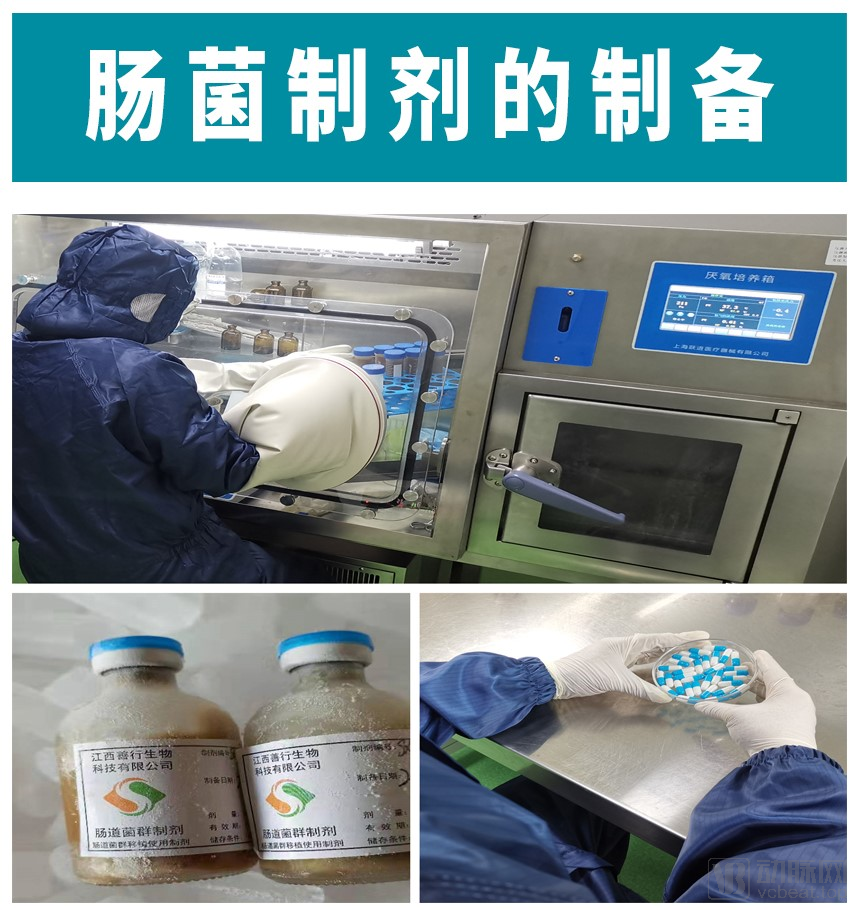
To address this market pain point, the R&D team at Shanxing Biotech, after testing over 60 lyophilization formulations and leveraging equipment support from Qingfeng Pharmaceutical’s State Key Laboratory, successfully utilized capsule freeze-drying and filling technology to convert fecal microbiota suspension into “Healthy Gut Microbiota Enteric-Coated Capsules.” This process ensures that the total loss of fecal microbiota is less than 5%, and the capsules are suitable for direct oral administration. Compared with traditional fecal microbiota transplantation via liquid infusion, fecal microbiota capsules significantly enhance operational convenience for physicians and improve patient comfort. Furthermore, the capsules have simple storage requirements, remaining stable for up to one year at -20°C, thereby offering substantial convenience for clinical application.
Shanxing Biotechnology has established “Stool Banks” in Jiangxi, Anhui, and other regions, setting up collection points for healthy donors in primary and secondary schools in mountainous areas. By implementing large-scale screening of healthy gut microbiota, standardized anaerobic preparation, and a fully traceable system, the company has developed robust production capabilities for safe, high-quality healthy microbial formulations.
To date, over 10 million people worldwide have been infected with the novel coronavirus (COVID-19), which continues to spread globally. As early as January 2020, at the onset of the COVID-19 outbreak, the Shanxing Company team, leveraging their professional acumen, began closely monitoring the virus. With strong support from the Ganzhou Municipal Science and Technology Bureau and the Health Commission, the Shanxing Company team collaborated with experts from the Ganzhou Branch of Guangdong Provincial People’s Hospital to conduct a clinical study. Their findings revealed that intestinal microecological balance can influence immunity and microbial ecology in patients with COVID-19. The application of healthy gut microbiota transplantation (FMT) can facilitate recovery in individuals infected with the novel coronavirus, alleviate post-discharge sequelae in COVID-19 patients, restore intestinal microecological balance, and enhance overall immune function.
In March this year, Ganzhou Shanjian Biotechnology, a subsidiary of Shanxing Biotechnology specializing in the screening and preparation of healthy gut microbiota donors, jointly submitted a clinical research protocol titled “Intervention of Fecal Microbiota Transplantation in the Recovery of COVID-19 Patients” to the Ethics Committee of Zhanggong District, Ganzhou City, in collaboration with the Ganzhou Branch of Guangdong Provincial People’s Hospital. The proposal was rapidly approved. The researchers selected 11 recovered COVID-19 patients in Ganzhou City for clinical intervention and follow-up. Over a period of more than three months, the volunteers underwent medical examinations and rehabilitation interventions in accordance with the study protocol. International standard assessment scales were used to evaluate gastrointestinal symptoms and mental health status before and after treatment, along with tests for clinical biochemistry, liver and kidney function, and pulmonary function. Flow cytometry was employed to assess the immune cell status of all patients before and after treatment, while 16S rDNA sequencing was used to evaluate the gut microbiota status pre- and post-treatment. All volunteers uniformly received enteric-coated capsules containing healthy gut microbiota prepared from qualified pediatric donors among primary school students in the mountainous areas of Ganzhou, following rigorous screening.
Clinical observations have demonstrated that intervention with fecal microbiota transplantation (FMT) can effectively alleviate post-discharge sequelae in COVID-19 patients, including impaired immune function, gastrointestinal dysfunction, psychological distress, and microbial dysbiosis. FMT helps restore and regulate the imbalanced immune system and gut microbiota following viral infection, thereby improving gastrointestinal symptoms and alleviating mental health issues such as anxiety, depression, and insomnia.
Studies have shown that, compared with healthy individuals, the vast majority of discharged COVID-19 patients exhibit varying degrees of gut microbiota dysbiosis due to the significant side effects of antiviral medications. This dysbiosis is characterized by a reduced number of microbial species, decreased microbial diversity, and a marked decline in the abundance of dominant bacterial taxa. Among the 11 volunteers, five patients experienced gastrointestinal disturbances of varying severity, including constipation, diarrhea, abdominal pain, stomach pain, acid reflux, and bloating. Additionally, five patients reported symptoms such as fatigue, low mood, anxiety, or sleep disorders.
Following a one-week intervention with fecal microbiota transplantation (FMT), two weeks of follow-up observation, and relevant testing, all five patients exhibited varying degrees of improvement in gastrointestinal disturbance symptoms. Four patients showed varying degrees of improvement in symptoms such as fatigue, low mood, anxiety, or sleep disorders. Analysis of 16S rDNA sequencing results revealed that multiple indicators of the gut microbiota in the volunteers returned to normal ranges, indicating that gut microbial balance was restored.
Through communication with the physicians treating the volunteers, the expert panel learned that during COVID-19 treatment, over 60% of patients with novel coronavirus pneumonia experienced symptoms such as diarrhea, nausea, and vomiting. These symptoms indicated an overall worsening of the condition, with some patients progressing abruptly from mild cases characterized solely by diarrhea to severe disease. Among the volunteers enrolled in this study, Dr. Xiao, a private clinic physician who contracted the infection while attending to patients, reported that during the initial phase of infection (when nucleic acid testing was still negative), he exhibited no apparent symptoms other than mild diarrhea and gastrointestinal discomfort. One day, after a meal, he suddenly developed severe discomfort and was rushed to the municipal hospital for emergency care, where it was found that his clinical indicators met the criteria for severe COVID-19. Although he was discharged after recovery, he continued to experience persistent gastrointestinal distress, which improved significantly following fecal microbiota transplantation intervention.
This study also found that the immune cells of the vast majority of discharged COVID-19 patients exhibited varying degrees of impairment. Following fecal microbiota transplantation (FMT), B-cell expression showed significant improvement, indicating enhanced humoral immune function in patients. This suggests that FMT boosts the immunity and antiviral capacity of discharged COVID-19 patients, thereby helping to prevent secondary "re-positive" cases.
During interactions and testing with the 11 rehabilitation patients enrolled in this study, researchers observed that some patients exhibited stress responses or psychological trauma, manifesting as symptoms such as mistrust of others, depression and anxiety, emotional lability, dejection, and social withdrawal. Following fecal microbiota transplantation (FMT), assessments of mental health status revealed that 3 of the 11 discharged COVID-19 patients presented with mild psychological issues; among these, 2 patients experienced alleviation of their psychological symptoms after FMT treatment.
It is understood that this represents the first clinical study worldwide to proactively address the rehabilitation of discharged COVID-19 patients during the global pandemic response. It also marks the first global application of fecal microbiota transplantation (FMT) to effectively alleviate post-discharge sequelae in COVID-19 patients, thereby promoting their recovery. Currently, statistical analysis of the Phase I clinical data has been completed, and the research team has summarized partial clinical findings and submitted them for publication to a prestigious international medical journal.
“Leveraging our project bases in Nanchang and Ganzhou as a foundation, we are strategically deploying resources across various regions to build a nationwide immune microecology industry platform. We are committed to establishing a comprehensive industrial system that utilizes assessment, testing, intervention, and treatment to manage suboptimal health conditions and treat diseases, thereby giving rise to personalized medical formulations and immunomodulatory products,” stated Professor Wang Jingsu.
Looking ahead, Shanxing Biotechnology will initiate and promote multiple clinical application research projects in numerous Grade 3A hospitals across China. These efforts aim to establish clinical treatment protocols and health management intervention strategies for refractory gastrointestinal diseases, tumors, autoimmune disorders, severe liver disease, severe infections, HPV infection, and suboptimal health conditions. Furthermore, by leveraging fecal microbiota transplantation (FMT) technology, the company will strengthen clinical research and applications in postoperative recovery, oncology rehabilitation, and rehabilitation from critical illnesses, while accelerating the research, development, and promotion of novel technologies and products in immunology and microecology.
Meanwhile, Shanxing Biotech will also deploy its medical industry operations across China, achieving rapid industrial expansion by collaborating with local governments to build medical industrial parks. Currently, the company’s projects in Xinxiang (Henan Province), Zhuhai, Hangzhou, and other cities are being implemented.