

Tangji Medical Files for Hong Kong IPO: Pioneering Endoscopic Metabolic Therapy with Gastric Bypass Stent System

Tongee
Medical Device R&D Company in the Field of Metabolic Diseases
According to data released by the International Diabetes Federation (IDF), China had approximately 116.4 million people with diabetes in 2019, making it the country with the largest diabetic population globally. By 2025, the number of people with diabetes in China is projected to reach 147.2 million. Over the past few decades, the prevalence of diabetes in China has shown a significant upward trend.The China Health and Nutrition Survey (CHNS) project's survey of residents in nine Chinese provinces indicates that,Rising economic levels, population aging, and other factors are all significant contributors to the increasing prevalence of diabetes.
Regarding diabetes treatment methods, you may have heard of approaches such as insulin injections, lifestyle modifications, dietary control, and pharmacological therapy.However, the medical community defines current diabetes treatments as lacking a cure; glucose-lowering medications can only regulate blood sugar levels indirectly.
So, how can we truly achieve the therapeutic regulation of diabetes based on the body's normal physiological systems? Tongee has provided the answer.
In 2010, Zuo Yuxing, founder of Tongee and a member of the Star Future Entrepreneurship Camp, learned about gastric bypass surgery as a treatment for diabetes during exchanges with American urology experts.Based on gastric bypass surgery, Zuo Yuxing began to conceptualize Tongee’s product—the Gastric Bypass Stent System—focusing the treatment of metabolic diseases on a novel device-based therapeutic approach.
The origins of gastric bypass surgery can be traced back to the 19th century. In 1885, Austrian surgeon Theodor Billroth employed this therapeutic approach in the treatment of patients with gastric cancer. In 1995, it was applied to the field of diabetes management. In March 2011, the International Diabetes Federation issued a statement recommending surgical intervention for patients with early-stage type 2 diabetes.
Gastric bypass surgery directly connects the upper part of the stomach to the lower segment of the duodenum, altering the normal physiological flow of food. This results in the bypassing of the lower stomach, duodenum, and a portion of the jejunum, thereby preventing food stimulation of the upper gastrointestinal tract and reducing the secretion and synthesis of "diabetogenic factors." Meanwhile, early exposure of the distal jejunum and ileum to undigested or partially digested food promotes insulin secretion and reduces pancreatic beta-cell apoptosis, thereby achieving glycemic control.
In 2004, gastric bypass surgery was introduced to China for the first time. Long-term clinical observations have revealed that due to differences in constitution, dietary habits, and surgical tolerance between Eastern and Western populations, some patients experience adverse reactions to the procedure, resulting in suboptimal therapeutic outcomes.Meanwhile, the procedure also has drawbacks, including alteration of the normal anatomical structure of the gastrointestinal tract, irreversibility, and a mortality rate of 0.15%.
Based on the principles of gastric bypass surgery, Tongee has developed a gastric bypass stent system, achieving a breakthrough innovation in the treatment of diabetes.
Gastric Bypass Stent SystemThe gastric bypass stent system consists of a titanium alloy frame and an outer covering tube. The tube is approximately 50 cm in length and is implanted into the human body via endoscopy (gastroscopy). The upper end of the stent system is anchored at the pylorus (the junction between the stomach and the duodenum), while the lower end of the membrane tube is positioned in the proximal segment of the duodenojejunal junction, thereby reducing the length of intestinal exposure to food. After implantation, food from the stomach passes through the lumen of the sleeve, while bile and pancreatic juices are confined outside the sleeve. This "diverts" bile and pancreatic juices away from food, blocking its digestion and absorption.
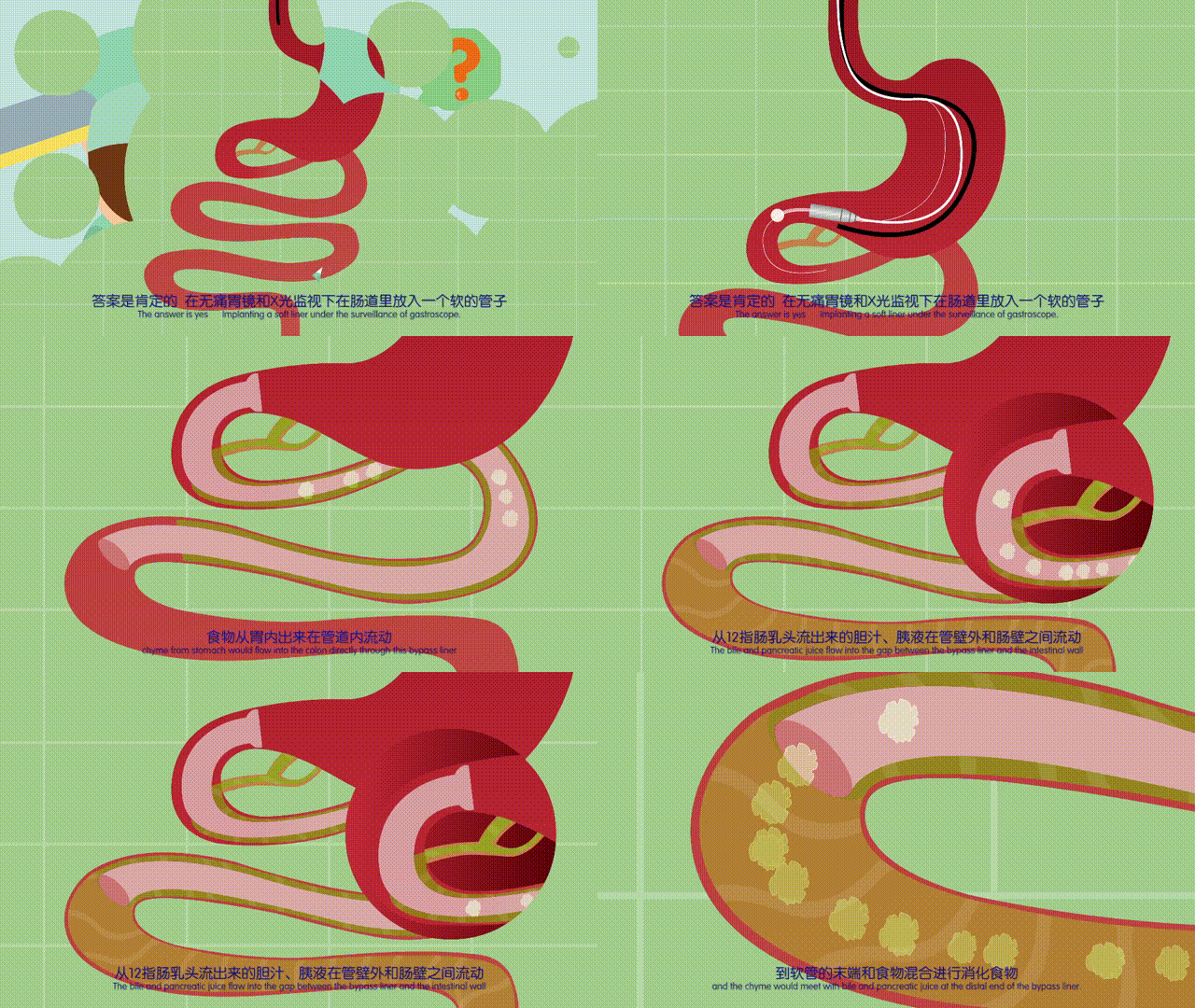
Schematic Diagram of the Principle of the Gastric Bypass Stent System
Meanwhile,The model of implanting a sleeve in the gastrointestinal tract achieves novel growth of the intestinal lining by preventing food from coming into contact with the intestinal wall. The newly formed intestinal lining, unexposed to food, is more sensitive to food stimuli. By transmitting correct signals to the nervous system to promote the secretion of corresponding hormones, it increases the levels of hypoglycemic hormones in patients with diabetes, thereby resetting the course of diabetes and halting the progression of complications.。
This is the core concept of Tongee’s “Gastric Bypass Stent System.”"Through this treatment model, patients can regulate insulin secretion via the body's own physiological functions in a non-invasive manner without surgery, thereby achieving blood glucose control."。
To optimize the research and development design of the product and avoid adverse effects and risks, Zuoyuxing became the first subject for the gastric bypass stent system.
“Only by personally experiencing it can I promptly redesign the product to address its adverse effects. I also hope to instill greater confidence in physicians through this approach,” said Zuo Yuxing.
After eight years of dedicated R&D in the gastric bypass stent system, Tongee successfully developed the system in 2018. However, since the implantation procedure at that time required 40 minutes of X-ray exposure, Tongee decided to continue improving the product out of consideration for both patients and physicians. On this matter, Zuo Yuxing stated, “There is no end to the pursuit of quality.”
Over the past three years, Tongee has deepened its commitment to basic research, conducting animal experiments on 300 pigs and accumulating extensive product data. The company has also engaged in collaborative exchanges with more than 20 hospitals—including Beijing Friendship Hospital, Tianjin Medical University General Hospital, Nanjing Drum Tower Hospital, the First Hospital of China Medical University, Tangdu Hospital, the First Affiliated Hospital of Zhejiang University School of Medicine, Shanghai Sixth People’s Hospital, and the Prince of Wales Hospital in Hong Kong—to obtain expert guidance and recommendations for product development.。
To date, seven patients at Tianjin Medical University General Hospital, Beijing Friendship Hospital, and Zhengzhou Central Hospital have been implanted with this system, achieving the intended therapeutic outcomes. Within two months post-implantation, diabetic subjects exhibited a 1.5% reduction in glycated hemoglobin (HbA1c). Obese subjects experienced an 11 kg weight loss and a 1% decrease in HbA1c within one month after implantation. In four subjects with liver impairment, aspartate aminotransferase (AST) and alanine aminotransferase (ALT) levels returned to normal ranges following system implantation, with reversal of liver fibrosis observed, thereby providing human data for clinical research. Furthermore, through iterative product development, Tongee has reduced the implantation time for its gastric bypass stent system to 10 minutes.。
Luo Yuxing’s medical background, combined with his decade of experience at Olympus, has enabled him to enhance product quality from the perspectives of medicine and medical devices. Luo Yuxing told VCBeat that Tongee maintains higher standards for product quality.
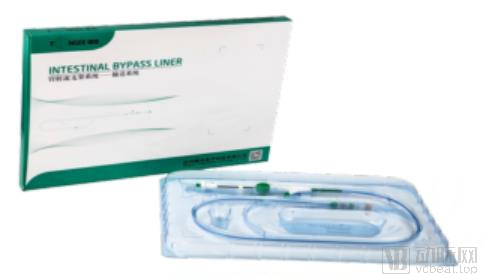
Schematic Diagram of the Gastric Bypass Stent System
Currently, the gastric bypass stent system has obtained a total of more than 20 related patents domestically and internationally, among which 4 are under review in countries such as the United States, the European Union, and Japan.In terms of product R&D and testing, Tongee obtained biological testing results in April 2018, initiated clinical studies in October 2018, and received type testing certification in April 2019, thereby completing all preparatory work prior to formal clinical trials. The first patient enrollment is expected to be completed by August 2020, with NMPA and CE registration certificates anticipated between late 2021 and the first quarter of 2022, leading to the product’s market launch and sales in 2022.
Meanwhile, leveraging the gastrointestinal tract’s capacity to regulate endocrine function, Tongee has established a robust product pipeline centered on its gastric bypass stent system, and is conducting R&D on products such as intestinal isolation stents and endocrine balance stent systems.
“The improvements to the human body persisted for two years after the system was explanted,” said Zuo Yuxing.
So, how is this achieved?
Studies have shown that, in addition to its roles in digestion and absorption, the gastrointestinal tract functions as an endocrine organ involved in regulating blood glucose levels. The gastric bypass stent system helps the body achieve proper hormonal regulation by preventing direct contact between food and the intestinal wall, thereby enhancing the intestine’s sensitivity to food stimuli. Furthermore, as a removable device designed based on human physiological principles, the gastric bypass stent system does not disrupt the body’s normal anatomical structures.。
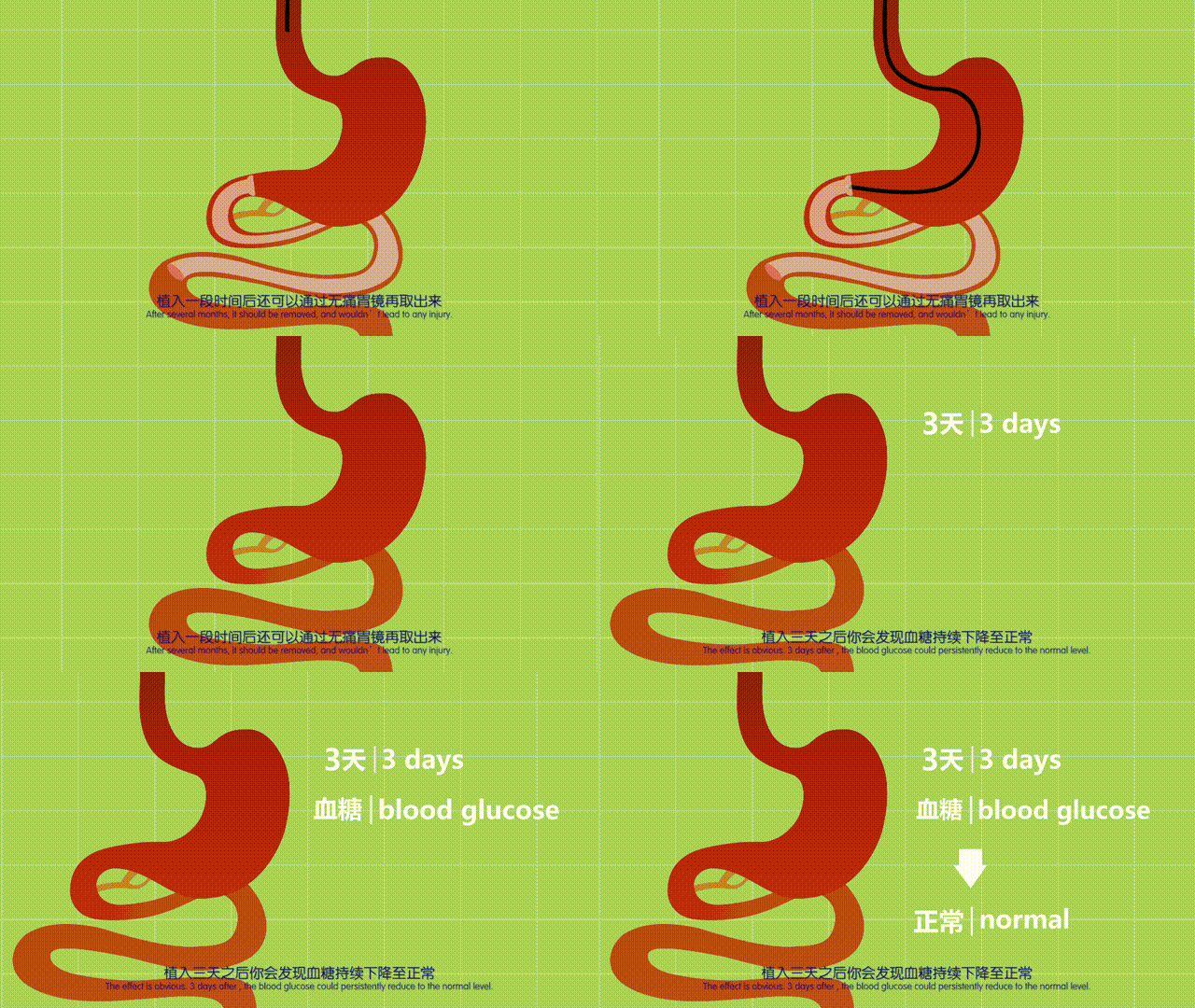
Schematic Diagram of the Tongee Gastric Bypass Stent System
In terms of treatment methods, Tongee employs a stepwise therapeutic approach to administer phased interventions. The gastric bypass stent system is explanted after 3–6 months of implantation, leveraging the body’s normal physiological mechanisms to regulate hormonal secretion and achieve therapeutic outcomes.. Meanwhile, Tongee has established a dedicated chronic disease management company to provide patients with continuous follow-up and dietary interventions, thereby improving their lifestyle habits.
This chronic disease management company operates on a unique philosophy centered on maintaining patient health. Rather than relying on the sale of related products to sustain its operations, it focuses on the entire operational chain, providing comprehensive management across the pre-treatment, intra-treatment, and post-treatment stages of chronic disease care.。
In August 2016, Tongee was established in Hangzhou.Tongee leverages networked thinking to operate with a flat management structure, fostering a healthy competitive environment that enables employees to devote greater energy to research and development.. Meanwhile, guided by a networked mindset, Tongee maintains open and transparent information sharing within the company. Researchers from different product pipelines engage in cross-functional collaboration to develop products, thereby expanding information throughput and providing more comprehensive guidance for product development.
Currently, the Tongee team is divided into five major sectors: R&D Department, R&D and Registration Department, Quality Department, R&D Production Department, and Administration.Zuo Yuxing, founder of Tongee, is the developer and patent holder for Tongee’s implantable consumables, including the gastric bypass stent and intragastric balloon. The core team comprises senior engineers from Beijing GRINM Advanced Materials Co., Ltd., a Ph.D. in organic polymer materials from Zhejiang University, Ph.D.s in biomedical sciences from Baylor College of Medicine (USA) and Fudan University (China), and a Master’s graduate in Human Resources from the University of Southampton (UK). Tongee’s advisory team includes the former Chairman of the Digestive Endoscopy Branch of the Chinese Medical Association, the Chairman of the Diabetes Branch of the Chinese Medical Association, the Director of the Biomedical Materials Engineering Research Center at Sichuan University, and faculty members from Hangzhou Medical College. Meanwhile, twelve authoritative hospitals across China are deeply engaged in Tongee’s multidirectional medical research.
It is reported that,Recently, Tongee participated in Fosun’s “Star Future InnoStar” Innovation and Entrepreneurship Competition, engaging with entrepreneurs in the medical sector to broaden its industrial R&D perspectives. Given the cross-disciplinary nature of the “Star Future InnoStar” competition, Zuo Yuxing told VCBeat that the company hopes to draw on management philosophies from other industries by observing the diverse sectors represented in the event.。
Currently, Tongee has cumulatively secured tens of millions of yuan in financing and is launching a new round of fundraising.
Fosun·Xingweilai Research Institute is an incubation and investment platform focused on the big health sector, established by Xingweilai Capital in reliance on Fosun Group and Fosun Pharma. Adopting a “community + incubation + investment” model, it explores frontier innovation fields, focuses on entrepreneurial talent, and secures early-stage investments in future unicorns.
In 2020, the Big Health Entrepreneurship Camp launched its second cohort, targeting entrepreneurs in the medical and healthcare sector as well as aspiring innovators. It invited top-tier global mentors and introduced six core incubation modules, offering entrepreneurship courses with the most substantial industrial background and practical experience in China.
Students interested in the Fosun Xing Future Entrepreneurship Camp can add the author on WeChat.