

Nuohexinkang Emerges as a Leader in Cardiovascular Genetic Testing with Comprehensive Diagnostics and Precision Pharmacotherapy Guidance
As a foundational technology in the life sciences, genetic testing is applicable to multiple fields, including oncology, non-invasive prenatal testing (NIPT), agricultural breeding, and cardiovascular disease management. Oncology genetic testing is currently one of the most prominent sectors in China, with numerous companies operating in this space. Recently, this field has gained significant momentum, witnessing a surge in initial public offerings (IPOs), as evidenced by Burning Rock Biotech and Genetron Health successfully listing on U.S. stock exchanges.
In fact,The market potential in the field of cardiovascular genetic testing is greater than that in the field of oncology genetic testing.China has a vast number of patients with cardiovascular diseases, far exceeding those with cancer. The latest national cancer statistics and the "Report on Cardiovascular Diseases in China 2018" show that there are approximately 3.929 million cancer patients in China, while the number of patients with cardiovascular diseases is approximately 290 million.
The market potential for cardiovascular diseases is enormous. Unlike the crowded tumor genetic testing market, there are currently few enterprises in China involved in cardiovascular genetic testing. Among them, Novocardio has captured the majority of the cardiovascular disease market and emerged as a leader in this field, leveraging its comprehensive product portfolio, experienced founding team, specialized database, and strong channel capabilities.
Cardiovascular diseases are categorized into monogenic hereditary cardiovascular diseases and complex cardiovascular diseases. Patients with complex cardiovascular diseases account for 90% of the total patient population. Although the proportion of patients with monogenic hereditary cardiovascular diseases is relatively lower, their need for genetic testing is more urgent due to earlier onset (in youth or even childhood), more severe symptoms, poorer prognosis, and a distinct family history.
At present, monogenic and complex genetic diseases in China each have their own pain points, and genetic testing is an effective solution to address these challenges.
Diagnostic and therapeutic strategies vary across different monogenic hereditary cardiovascular diseases. However, insufficient clinical awareness of these conditions, coupled with their high clinical heterogeneity, poses significant challenges to accurate diagnosis. Genetic testing has effectively addressed this difficulty. Furthermore, genetic testing holds substantial promise for complex cardiovascular diseases. Patients with such conditions often require long-term pharmacotherapy, yet therapeutic responses vary considerably among individuals due to polymorphisms in pharmacogenes. Differences in drug metabolism and absorption across various genotypes lead to variations in both efficacy and adverse effects. Studies indicate that 50% of antihypertensive medications fail to achieve optimal blood pressure control. Therefore, ensuring the efficacy of prescribed medications is particularly critical for patients requiring long-term treatment.
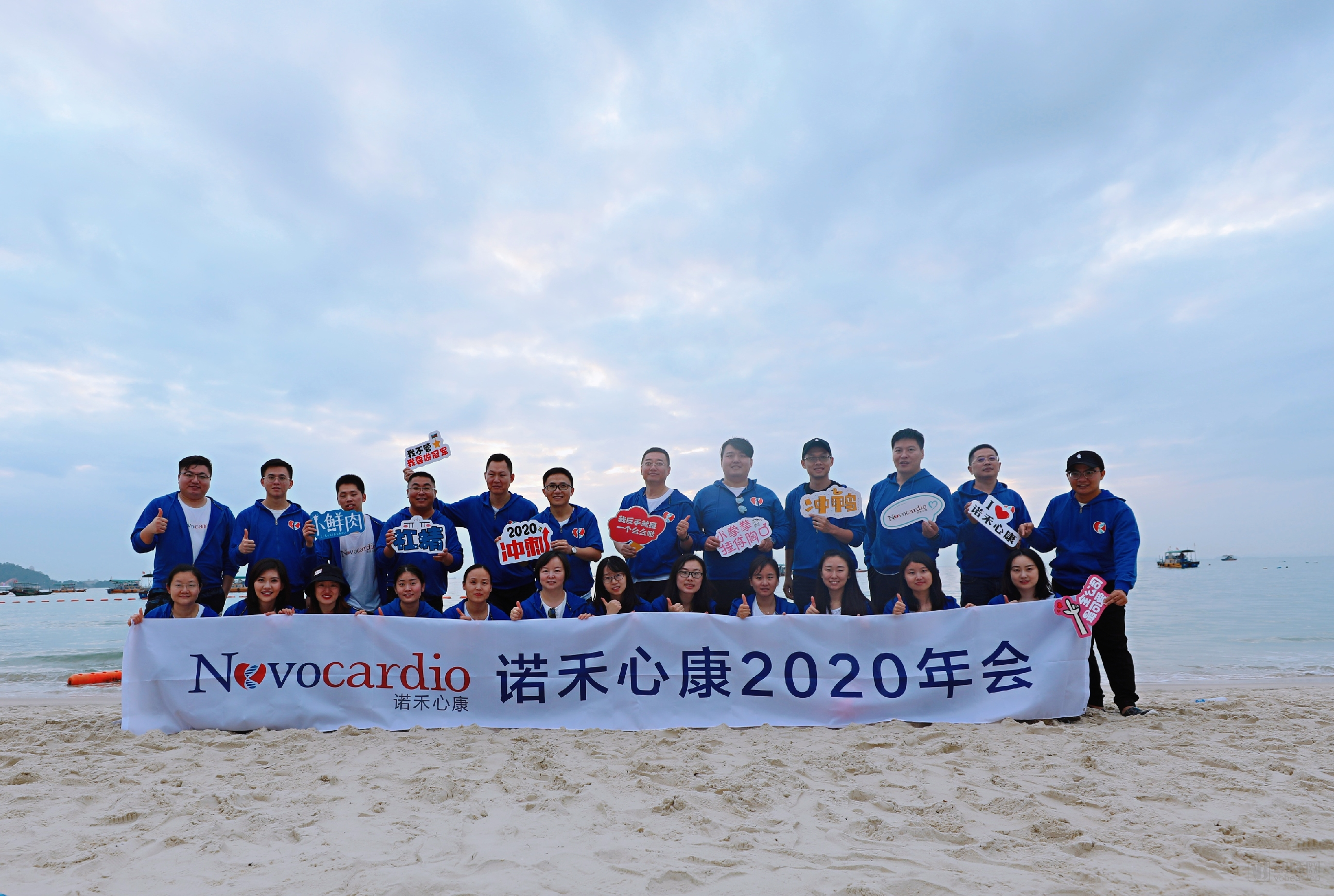
Novocardio’s founding team has extensive experience in the cardiovascular field,CEO Li Wenfeng brings over 15 years of experience in sales, marketing, and management from companies such as Roche and Sanofi. Chief Scientist Zhang Shulin is a member of the Laboratory Quality Control Committee at the American College of Medical Genetics and Genomics (ACMG) and formerly served as Deputy Director of the Mitochondrial Diagnostic Laboratory at Baylor College of Medicine.Driven by profound insights into the pain points of cardiovascular diagnosis and precision medication, Novocardio was founded in 2016 with the aim of leveraging the power of genetic testing to benefit the 290 million cardiovascular disease patients in China.
Novocardio offers a comprehensive product portfolio spanning clinical and research applications, with solutions including diagnostic testing for monogenic hereditary cardiovascular diseases, precision medication guidance, research services, and cardiovascular disease risk screening.
Addressing the Diagnostic Challenges of Monogenic Hereditary Cardiovascular DiseasesNovocardio utilizes genetic testing technology to identify patient gene mutations at the molecular level, enabling diagnostic subtyping and laying the foundation for subsequent treatment and intervention.The testing services offered by the company include monogenic hereditary hypertension, cardiomyopathy diagnosis, cardiac ion channelopathies, hereditary aortic diseases, and pulmonary hypertension.
To address medication issues in patients with complex cardiovascular diseases, Novocardio providesPrecision Medication Guidance Services can accurately assess patients' metabolic profiles for each drug, helping to determine optimal dosages, enhance therapeutic efficacy, and reduce adverse reactions.Specific testing items include guidance on anticoagulant therapy, antiplatelet therapy, antihypertensive therapy, and hypoglycemic therapy.
Li Wenfeng believes that,From a development perspective, genetic testing holds broad prospects for application in the diagnosis of monogenic hereditary cardiovascular diseases. In the short term, Novocardio will remain focused on its core business of diagnosing monogenic hereditary cardiovascular diseases, supplemented by precision-guided pharmacotherapy. The company will continue to deepen its expertise in the cardiovascular field, steadily enhancing the capabilities and scope of its clinical services.
Regarding the highly anticipated cardiovascular risk screening market, Li Wenfeng noted that numerous issues in this field remain to be addressed. “Current cardiovascular risk screening products on the market focus on only a few specific loci, whereas the development of complex cardiovascular diseases is driven by multiple factors, with genetics being just one of them. It is not rigorous enough to assess cardiovascular risk solely based on genetic testing results.” Novocardio does not deny the potential of this market; however, further accumulation of research evidence is required to achieve accurate risk prediction.
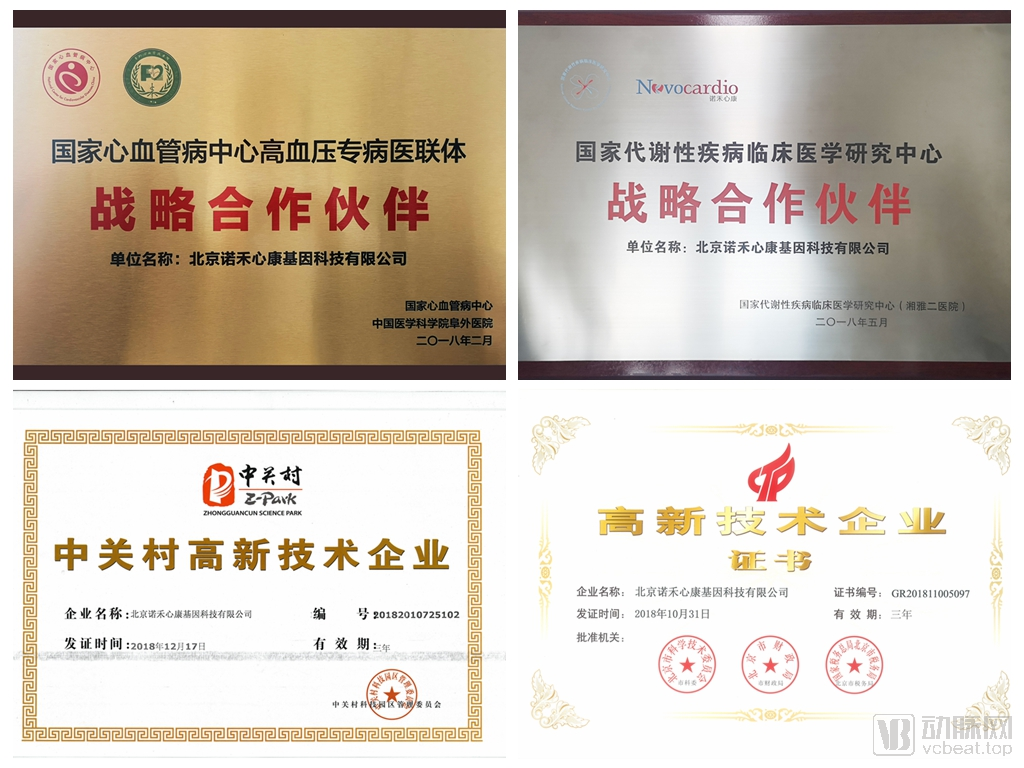
Meanwhile, databases play a crucial role in the development of the genetic testing industry. Li Wenfeng stated that most domestic genetic companies largely rely on foreign public databases, whose greatest limitation is the small sample size of Asian populations.Novocardio has established collaborative partnerships with over 200 hospitals across China, building a cardiovascular genetic database and accumulating nearly 10,000 cases of monogenic hereditary cardiovascular diseases.For unreported mutation sites, the company experimentally validates whether these variants affect protein function and expression, thereby aiding in the assessment of their pathogenicity. Through continuous experimentation, the company has progressively accumulated a collection of pathogenic variants specific to the Chinese population, enriching and refining its database. Currently, this database has become one of the company’s core competitive advantages.
Li Wenfeng stated that there are still several major challenges in the field of cardiovascular genetic testing in China.
First, the public’s understanding of cardiovascular disease is inaccurate.Public awareness of cardiovascular diseases remains confined to their classification as chronic conditions, with insufficient attention paid to them. Moreover, perceptions are largely limited to complex cardiovascular diseases, while knowledge about monogenic hereditary cardiovascular diseases is scarce. In reality, the incidence of monogenic hereditary cardiovascular diseases is not low, and they pose even greater health risks.
Second, there is a lack of targeted drugs.Currently, 80% of monogenic hereditary cardiovascular diseases lack targeted therapies and can only be managed through interventions such as medical devices. Li Wenfeng believes that the development trajectory of the cardiovascular genetic testing market can draw lessons from oncology genetic testing; as breakthroughs continue to emerge in cardiovascular drug research and development, the field of cardiovascular genetic testing is poised for a period of rapid growth.
3. Talent shortage.Cardiovascular genetic testing requires experts with interdisciplinary backgrounds in molecular genetics, clinical medicine, and bioinformatics. Talent is the driving force behind industry development; however, most current clinical practitioners lack a comprehensive background in genetics. Enterprises and universities need to invest greater efforts in talent cultivation.
Fourth, the issue of profit margins.“Genetic testing is not performed frequently; many people undergo it only once in their lifetime, unlike cardiovascular medications that require long-term use.” Ensuring profitability is a common challenge faced by genetic testing companies. In the future, Novocardio will bundle its testing services with pharmaceutical products, expanding revenue streams through collaborative sales or data-sharing arrangements.
Despite the various challenges still facing the field of cardiovascular genetic testing, Li Wenfeng remains confident in its future. “With the maturation of sequencing technologies, declining costs, the continuous launch of new drugs, and increased public awareness, the market size in this sector is poised for further expansion.” Moving forward, Novocardio will continue to deepen its expertise in cardiovascular genetic testing, strengthen collaborations with third-party professional associations, and accelerate market expansion to provide more comprehensive services for patients with cardiovascular diseases.