2020 CHC · CITIC Securities Healthcare Conference and the 9th China Healthcare Industry Investment and M&A CEO Summit concluded at the Shanghai Dongjiao State Guest Hotel & Conference Center on July 16–17.The summit also received strong support from the Shanghai Zhangjiang Science City Construction and Management Office and Zhangjiang Group, covering thematic topics such as biopharmaceuticals, medical devices, healthcare services, and venture capital.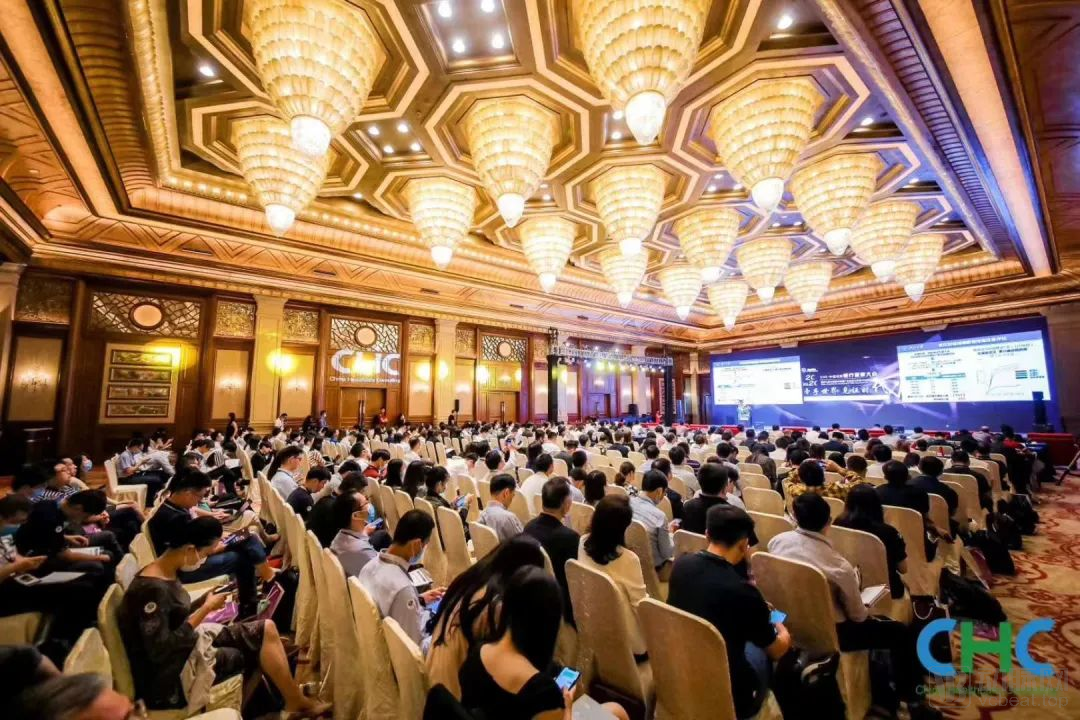 Conference Venue ▲
Current State of the Healthcare Sector: Innovation and Boom
“Healthcare has become the focus of attention across society, with factors such as capital, talent, and policies driving unprecedented rapid development in the industry.” At the opening ceremony of the summit,Dr. Liu Daozhi, Conference Chair and Founding & Executive Partner of Shanlan CapitalFrankly speaking, there are favorable factors driving the current development of the industry. However, it cannot be ignored that the healthcare sector also faces numerous challenges: a lack of original new drugs, medical devices, and diagnostic reagents; meanwhile, the overheated and impetuous nature of the healthcare market is, to some extent, affecting industry development. In addition, China’s healthcare industry is undergoing profound transformation. How to seize opportunities during the golden age of healthcare investment is one of the major issues facing both industry practitioners and investors. In the future, we hope that all stakeholders can achieve breakthrough innovations and jointly promote the significant growth of the healthcare industry.
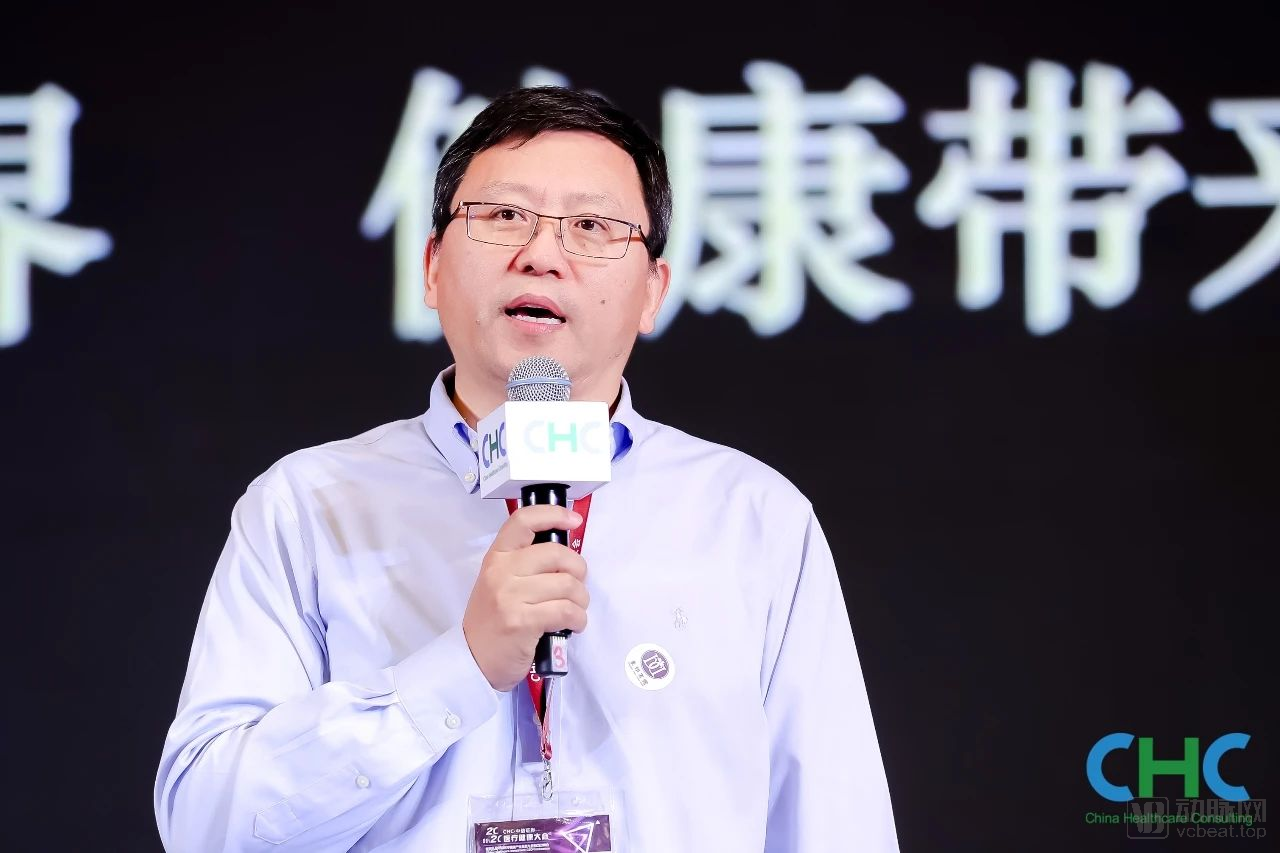
Liu Daozhi, Conference Chair; Founding and Managing Partner of Shanlan CapitalCheng Jie, Managing Director, Healthcare Industry Group, Investment Banking Division, CITIC SecuritiesA similar view was expressed: “The pharmaceutical market over the past two years can be summarized in four words: innovation and fervor. This innovation and fervor stem from changes in pharmaceutical industry policies and are inseparable from the support of capital markets. Only the integration of industry and capital can generate vitality. We hope that everyone can find their place in this era.”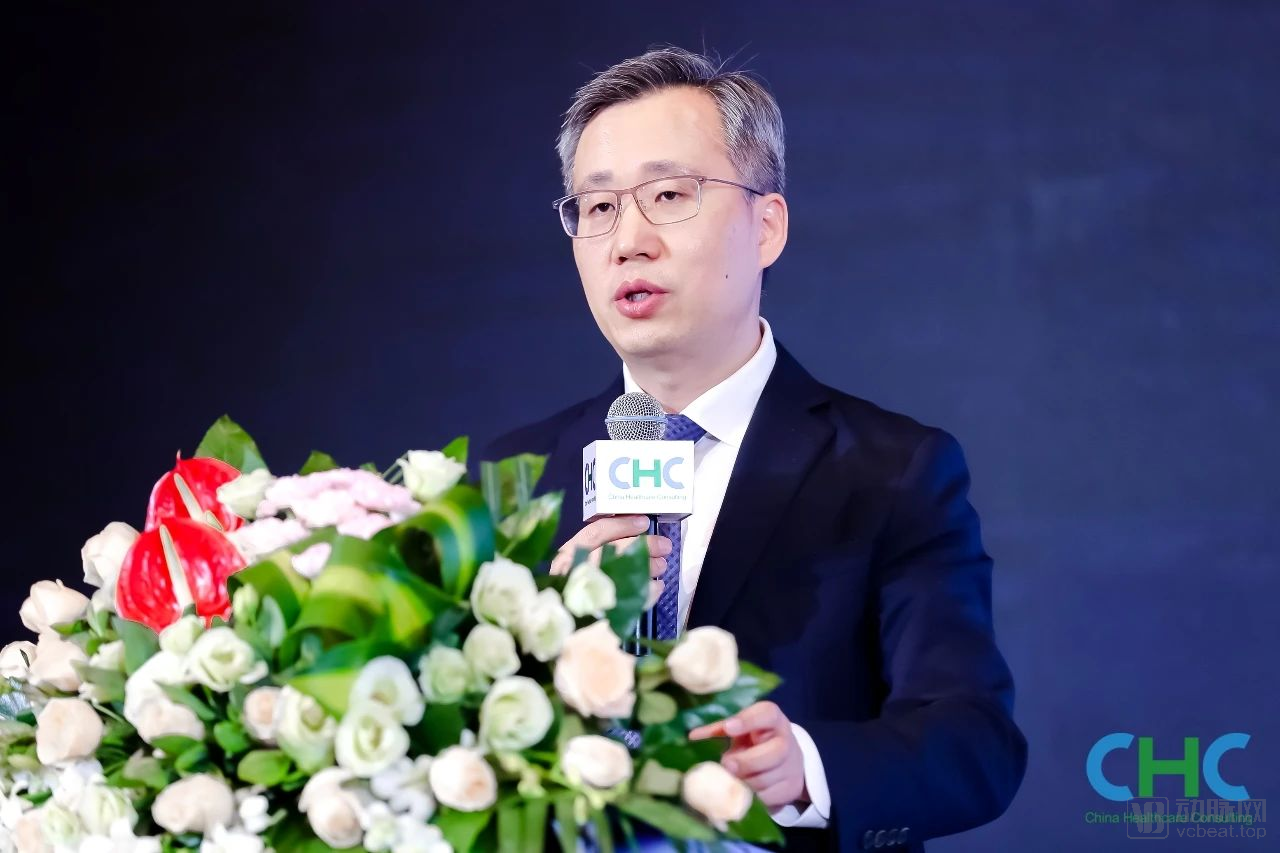
Cheng Jie, Managing Director, Healthcare Industry Group, Investment Banking Division, CITIC SecuritiesBenefiting from innovation and a vibrant macro environment, the biopharmaceutical industry ecosystem in Zhangjiang is becoming increasingly comprehensive, encompassing new drug R&D, drug screening, clinical trials, and mass production and commercialization.Fu Jun, Deputy Director of the Zhangjiang Administration Bureau of the China (Shanghai) Pilot Free Trade Zone Administrative Committeestated, “Over the years of development, Zhangjiang has established three leading industrial clusters: biopharmaceuticals, integrated circuits, and artificial intelligence. In 2019, the total revenue of Zhangjiang’s biopharmaceutical industry reached approximately RMB 84.5 billion, accounting for 20% of Shanghai’s total. Meanwhile, Zhangjiang is accelerating the construction of large-scale, specialized health industry parks covering nearly 10 square kilometers, including the Zhangjiang Innovative Drug Industrial Base, Zhangjiang Medical Device Industrial Base, Zhangjiang Headquarters Park, and Cell Industry Park. Finally, we sincerely invite everyone to Zhangjiang to jointly map out the development blueprint for the life and health industry.”
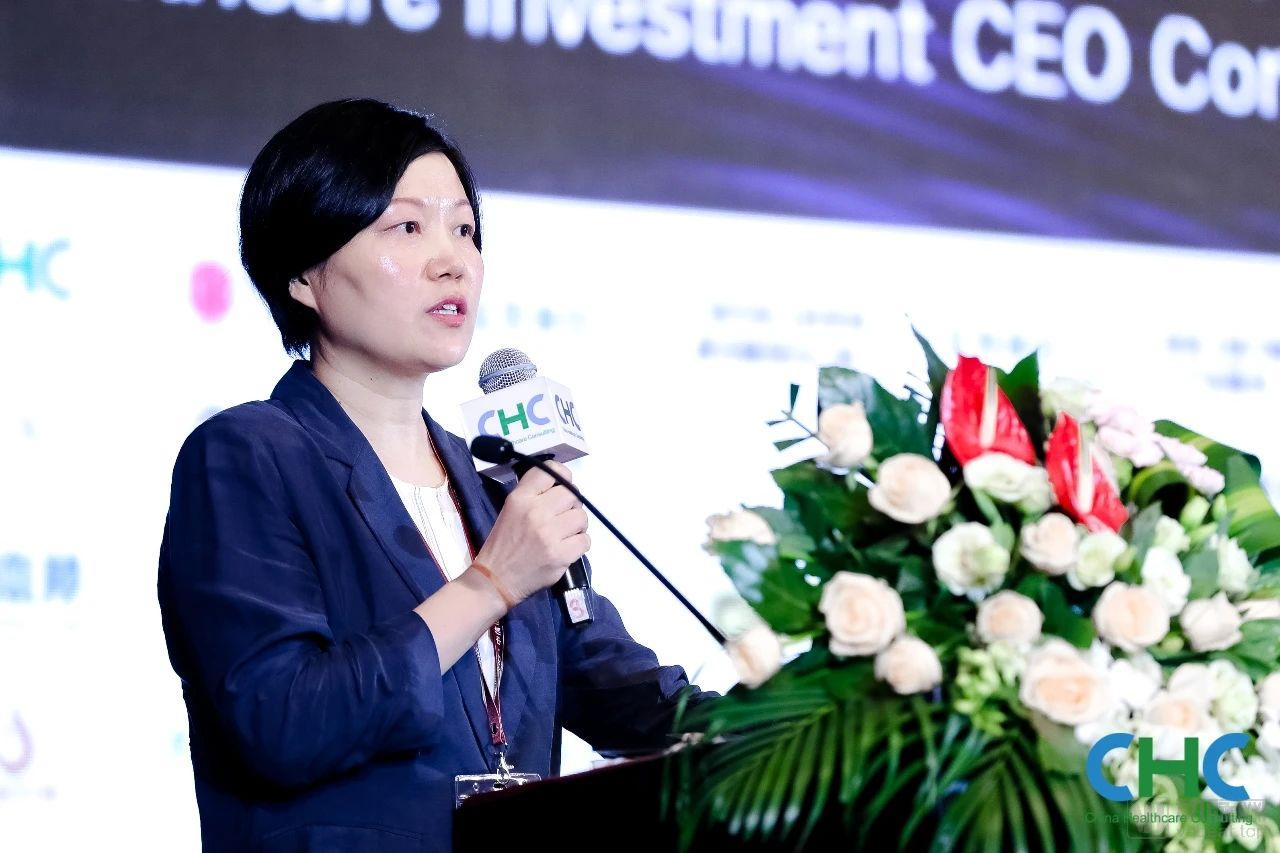
Fu Jun, Deputy Director of the Zhangjiang Administration Bureau, Administrative Committee of China (Shanghai) Pilot Free Trade ZoneFurthermore,Academician Rao Zihe, Chinese Academy of SciencesPresented research closely related to the pandemic—“Structural Studies of Drug Targets Against SARS-CoV-2.”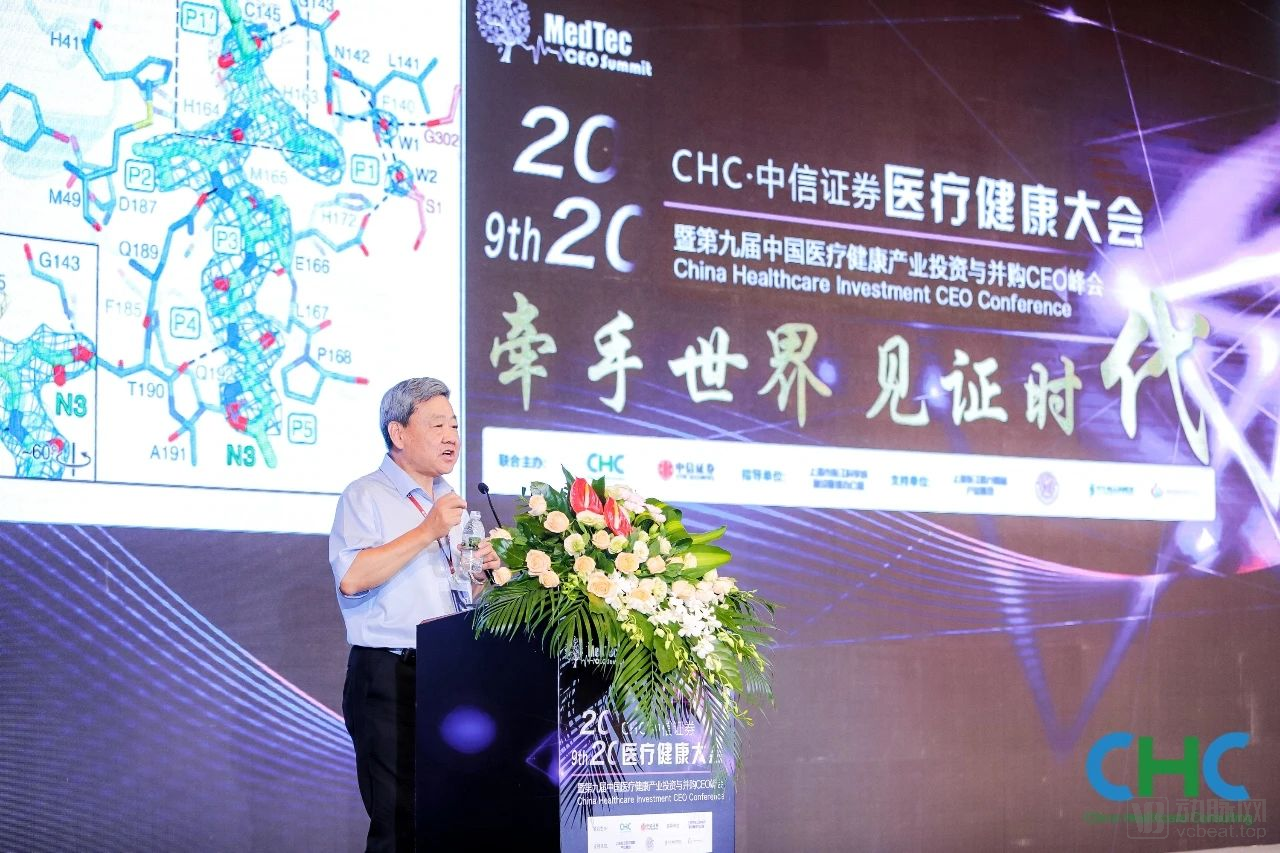
Rao Zihe, Academician of the Chinese Academy of Sciences
Fu Daxu, Director of the Shanghai Biomedical Science and Technology Industry Promotion CenterIt reviews and provides an outlook on the development of the biopharmaceutical industry.
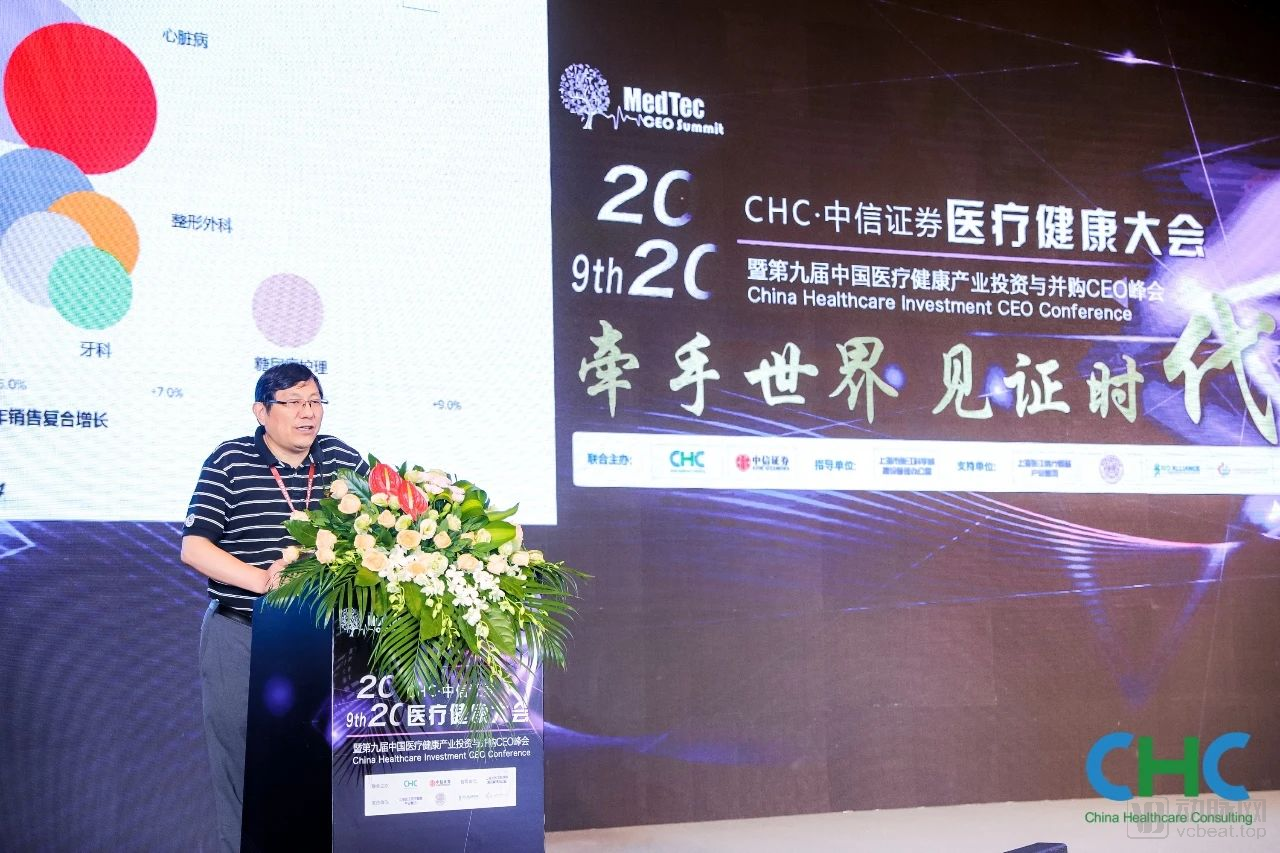
Fu Daxu, Director of the Shanghai Biomedical Science and Technology Industry Promotion Center
Xi-Feng Wu, Dean of the School of Public Health at Zhejiang University, Vice President of the Second Affiliated Hospital of Zhejiang University School of Medicine, and Director of the National Institute for Health Care Data Science at Zhejiang UniversityFrom the Perspective of Public Health: Prospects for Big Data Health Science in the Post-Pandemic Era
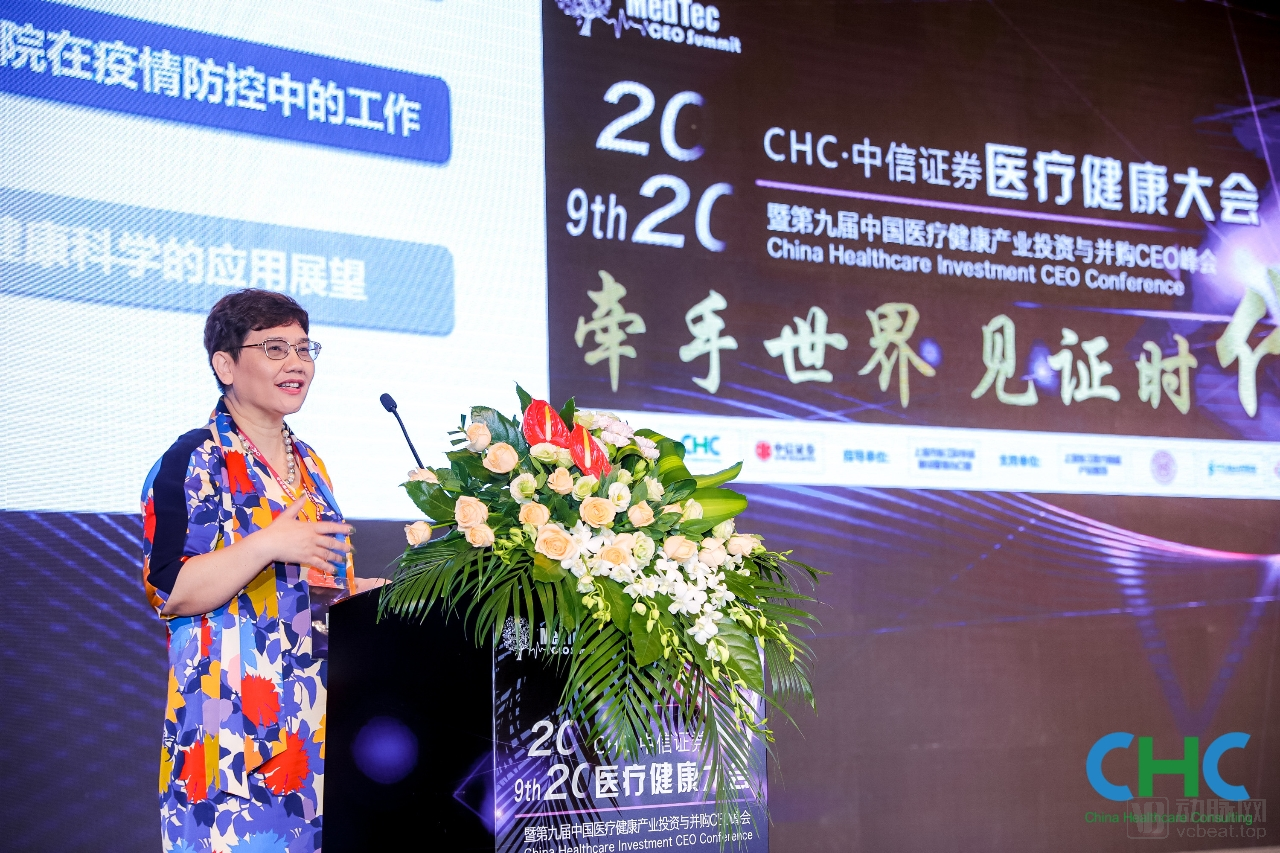
Xi Feng Wu, Dean of the School of Public Health, Zhejiang UniversityDr. Xuefeng Yu, Chairman of CanSino BiologicsAn Explanation of “Platform Technology Supporting COVID-19 Vaccine Development” from the Perspective of Vaccine R&D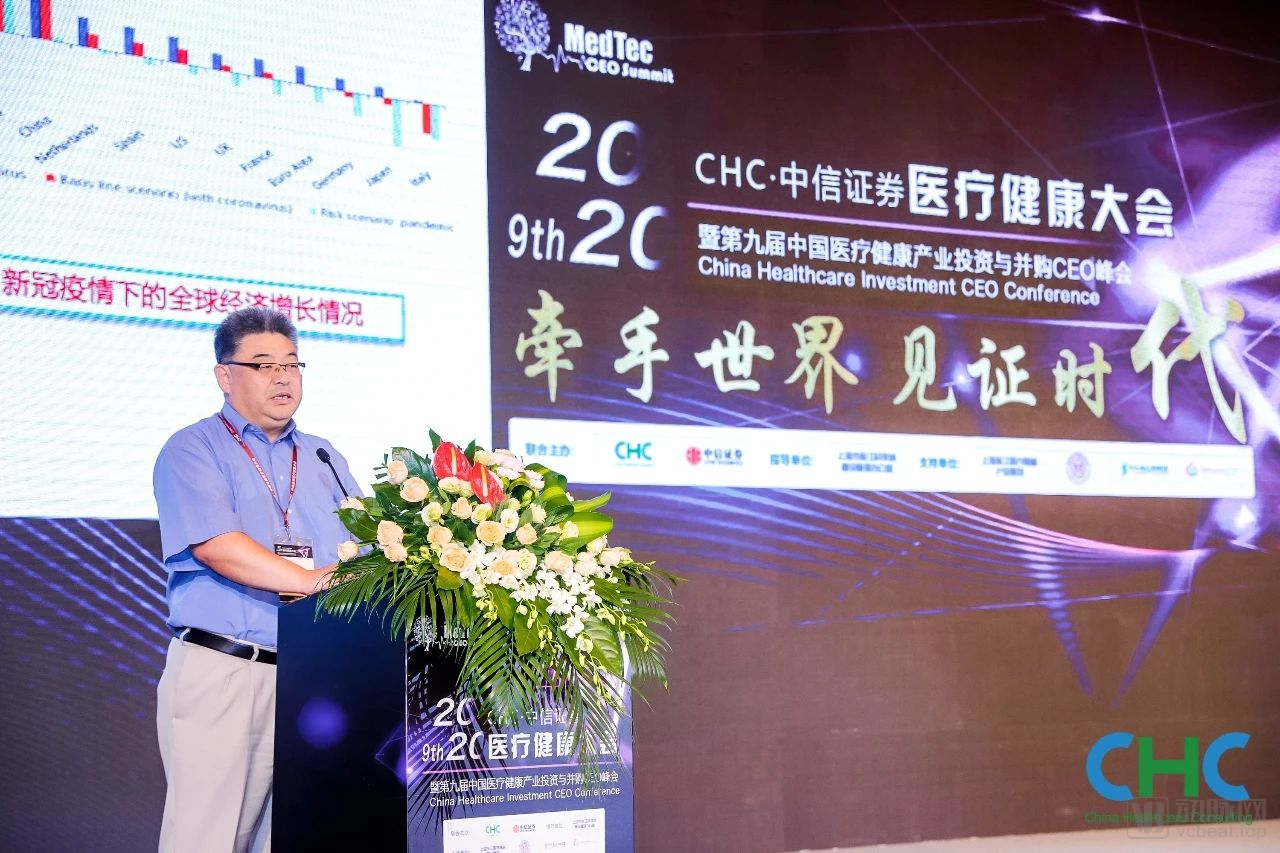
Yu Xuefeng, Chairman of CanSino Biologics
Ride the Trend, Seize the Initiative
Jin Lu, Senior Advisor at Warburg PincusIt is believed that for Chinese medical device companies to surpass or catch up with their foreign counterparts, one opportunity lies in “overtaking on a bend.” “Our country does not lack innovative thinking; rather, basic research lags behind. We can pursue catch-up innovation in these areas. Of course, China is already highly advanced in certain fields, such as internet healthcare.”
Regarding the current surge in investment in China's medical device market,Wang Hao, President of Siemens Healthineers ChinaHe stated that the trend is correct: highly innovative products with constructive significance for future public health epidemic prevention systems, as well as companies capable of participating in the future market and holding high growth expectations, have secured substantial investment and achieved high valuations. “However, during their growth, companies must also clearly identify what the market truly needs and what the future development trends are, and then align themselves accordingly.”
At the product research and development level,Dr. Liu Daozhi, Founding and Managing Partner of Shanlan CapitalIt is also believed that original product development in the medical device sector, much like new drug development, involves a very lengthy timeline. However, as long as opportunities are seized, there is a high likelihood of successful market launch or significant capital inflow, thereby enabling expansion into other fields related to the enterprise.
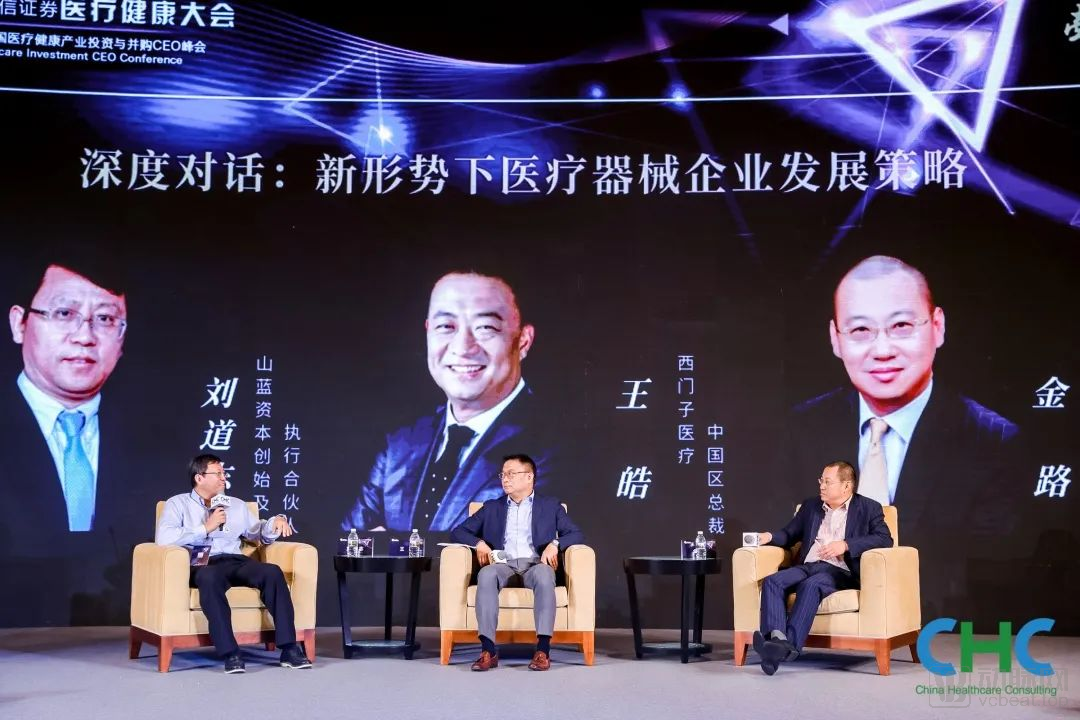
In-Depth Dialogue: Development Strategies for Medical Device Companies in the New Landscape
Chen Qiyu, Chairman of Fosun PharmaHe believes that, from an investment perspective, the primary focus should remain on the product itself, as each company’s systemic standards vary across different stages. The second consideration is the nature of the company, followed by the team’s organizational capabilities, which are also critically important. Furthermore, he argues that beyond the oncology sector, more proactive strategic diversification is needed in the future. From a technological standpoint, greater attention should be paid to technical aspects, with continuous learning and understanding of emerging innovations. The impact of the STAR Market (Science and Technology Innovation Board) originates from the very source of innovation.Hu Zhengguo, Vice Chairman of WuXi AppTec and Global Chief Investment OfficerAs a trailblazer for a star pharmaceutical listed company, he believes that innovation is crucial! Although immuno-oncology agents are currently a very hot field, they are largely homogeneous; therefore, it is essential to seek out unique opportunities in niche segments. Another promising area is cell therapy, which is poised to enter the industrialization phase in the next cycle. He also noted that while the STAR Market offers significant advantages for investors, it presents a challenge for founders.Chen Zhu, Chief Analyst of the Pharmaceutical Industry at CITIC SecuritiesIt is also believed that in recent years, whether it be drug review policies, medical insurance policies, or the overall market enthusiasm for innovative drugs, all have brought intense attention to China’s innovative drug market, while simultaneously providing biopharmaceutical companies—especially innovative drug enterprises—with faster channels for capital financing.
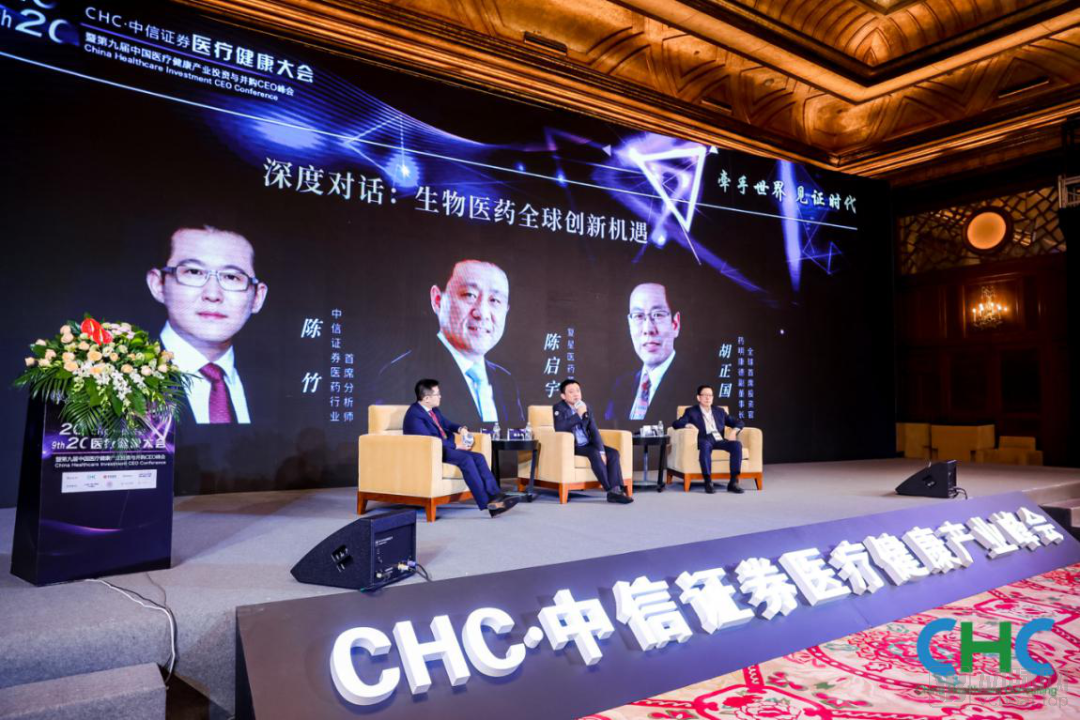
In-Depth Dialogue: Global Innovation Opportunities in Biomedicine
Biopharmaceuticals: Breaking Through with Innovation, Where Challenges and Opportunities Coexist
The vibrant growth of the healthcare industry has not only driven a steady rise in investment within the sector but also spurred enhanced innovation capabilities and growing application demands in fields such as innovative drugs and biotechnology,Fan Xiaohu, Co-Founder of Legend BiotechAn in-depth yet accessible analysis and forecast of the opportunities and challenges facing China’s biopharmaceutical industry in the era of cell and gene therapy. “Cell and gene therapy has gradually become a major focal point in healthcare both domestically and internationally, yet the challenges cannot be overlooked. Across the entire cell therapy industry chain, Chinese companies lack access to CDMO services; however, this gap also represents an opportunity. It is hoped that enterprises will achieve stronger growth driven by capital investment.”
Partner, Wilson Sonsini Goodrich & Rosati; Head of Greater China Capital Markets PracticeOuyang DanIt provides a detailed analysis of the advantages of launching medical devices in overseas markets. She believes that the future prospects of the biopharmaceutical sector are immense, with an increasing number of companies vying to make significant strides in this field. Although regulations are continually being strengthened, the robust momentum of this sector is undeniable.
On How to Achieve Differentiated Competition,Frontier Biotechnologies CEO Wang ChangjinUnderstanding clinical needs and identifying patients’ pain points represent the most significant differentiation. Regarding pipeline selection, Wang Ling, Vice President of Business Operations at IQVIA, stated that the primary consideration is unmet clinical needs.
Commercialization is an issue that every company must consider,Yu Qiang, Founder of Shengshi Tech"It is recommended that companies establish their own sales teams, 'as only internal personnel have the deepest understanding of the drug’s characteristics and can devise strategies tailored to these features to maximize profits and capture market share as quickly as possible.'"
Chen Gui, Partner at AnJie Law FirmFrom the perspective of intellectual property (IP), he shared his views: “In recent years, policy has significantly driven the development of the healthcare industry ecosystem. However, our CRO, CMO, CSO, and the overall ecosystem still need strengthening. In contrast, multinational enterprises have well-established processes in these areas, as well as in sales layout and patent applications, all of which are worth learning from.”
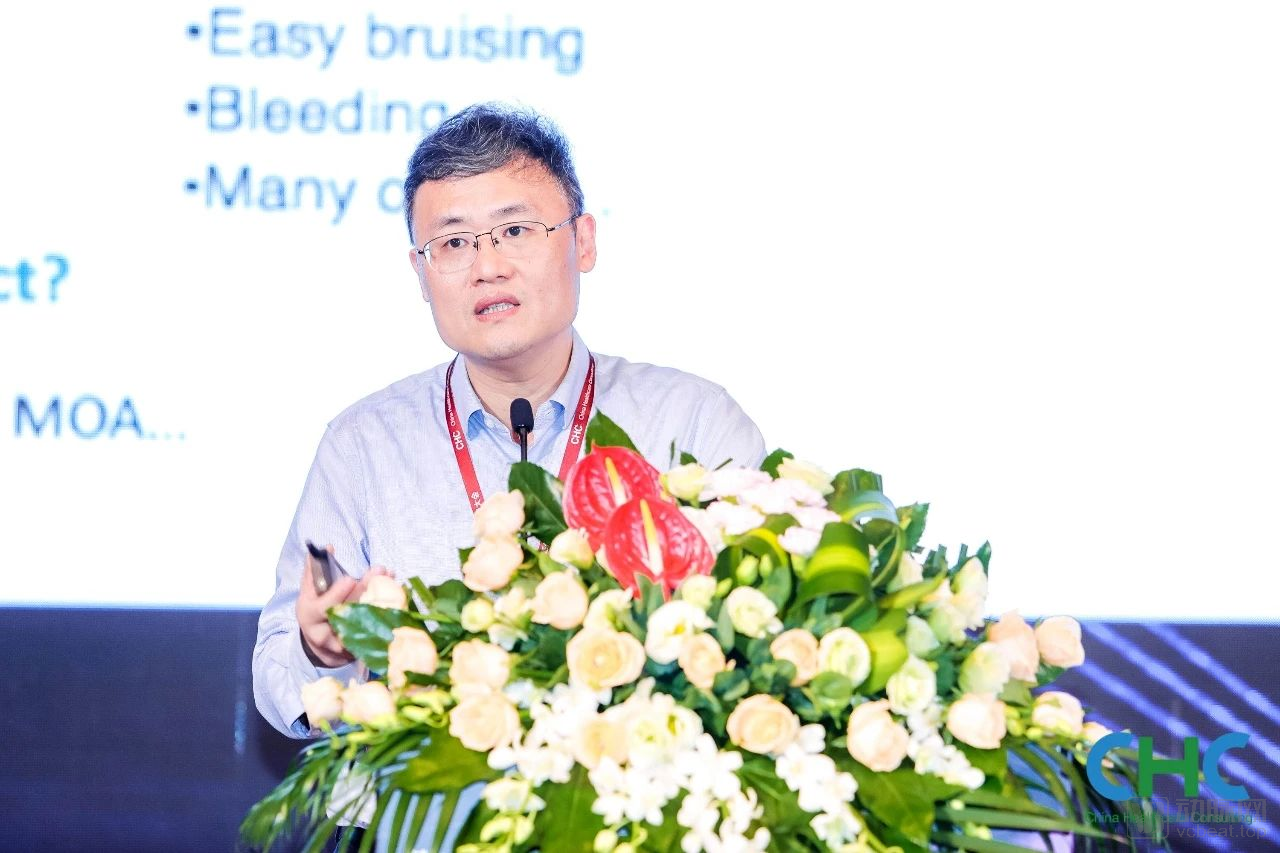
Xu Ting, Chairman of Alphamab Oncology
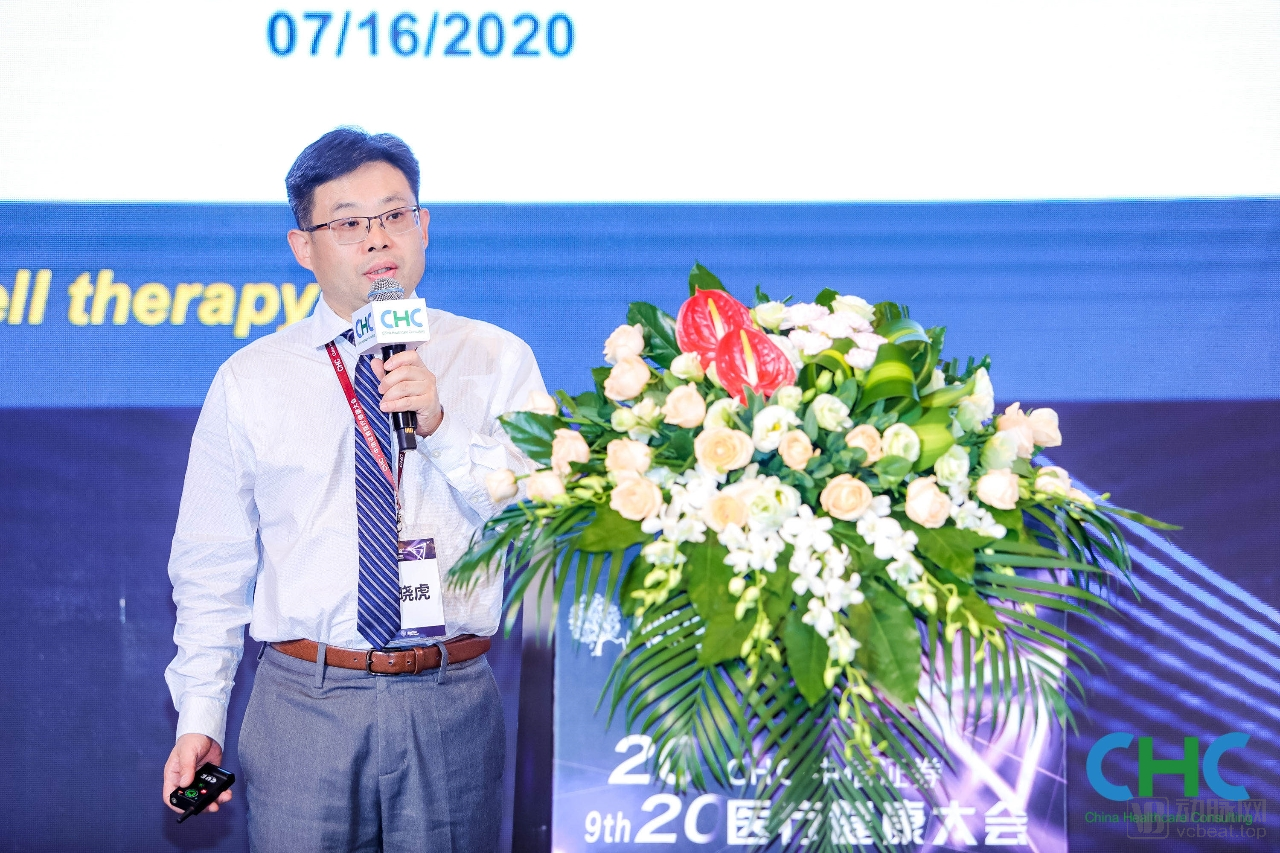
Fan Xiaohu, Co-founder of Legend Biotech
Medical Devices and Services: Illuminating All Things, Reimagining Value
In recent years, precision medicine has been elevated to the strategic level of national development.Hu Xubo, Managing Partner at Qiming Venture PartnersIt is believed that precision medicine will achieve significant breakthroughs in the next three to five years. “Computing power and big data are playing an increasingly important role in the healthcare industry, while companies are also making precise inroads and swiftly seizing opportunities. All of this leads us to believe that the era of precision medicine will truly arrive one day.”
The high-value consumables sector has consistently demonstrated robust market growth and high technological barriers, serving as a critical frontier for innovation among medical device enterprises. With the comprehensive implementation of procurement policies, the competitive landscape of the market is undergoing significant changes.Gu Leimin, President of MicroPort China RegionIn-depth Analysis of the General Office of the State Council’s Release of the “Opinions on Deepening the Reform of the National Medical Insurance Fund System” on July 9, with a Detailed Explanation of the Rectification of High-Value Consumables.
Regarding the claim that high-value medical consumables have been relegated to the status of low-value consumables,Nie Hong, Managing Partner of Shanlan CapitalXinIt is believed that “there is a process from the initial signs of an issue to the formation of an inevitable trend. Before the situation evolves, the government, media, public opinion, and relevant industry professionals need to make corrections based on actual circumstances to ensure the healthy development of the entire industry.”
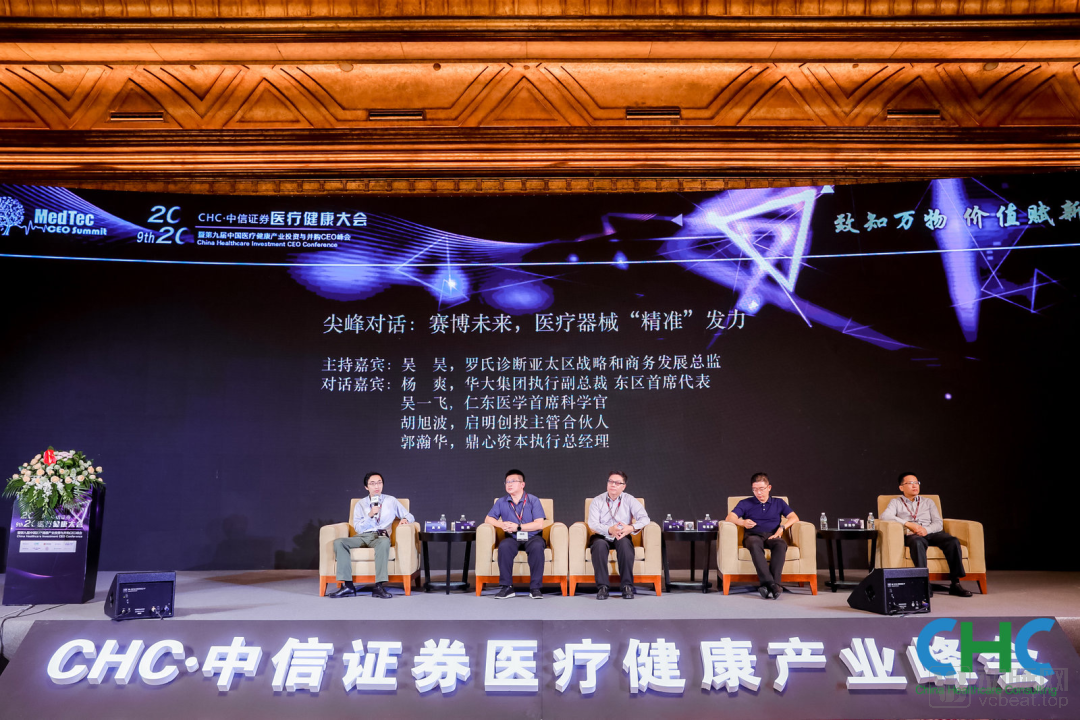
Peak Dialogue: Cyber Future, Medical Devices Exert “Precise” Force
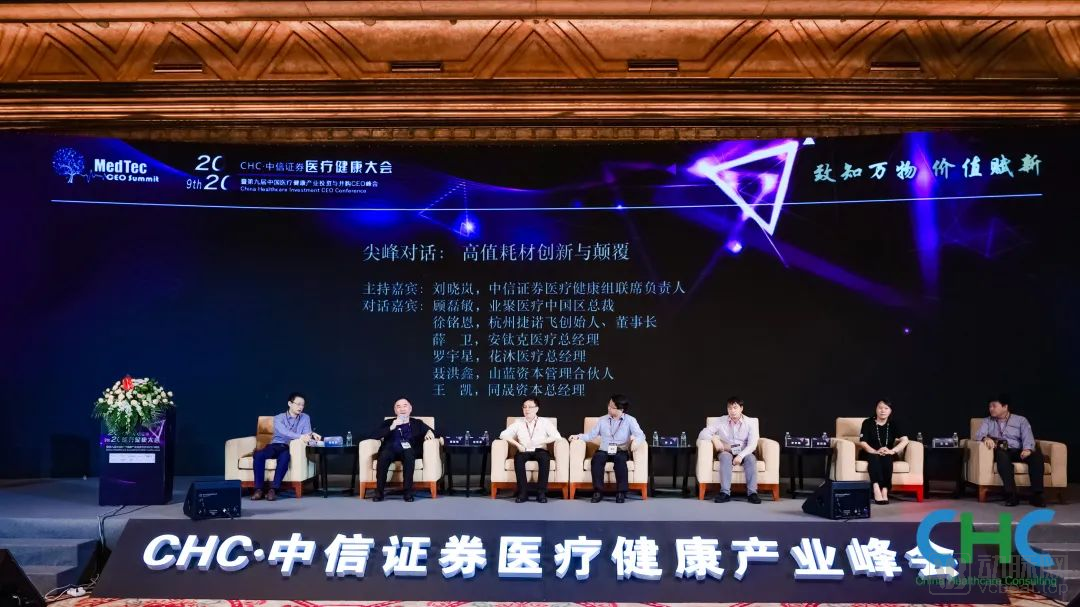
Peak Dialogue: Innovation and Disruption in High-Value Consumables
In recent years, the rapid development of new-generation technologies, represented by artificial intelligence, has driven further optimization in the healthcare industry and disrupted traditional medical models. China’s medical robotics industry has entered a phase of rapid growth in recent years, becoming one of the most closely watched sectors.
Zhang Qunhua, Vice Chairman and Secretary-General of the Internet Branch of the China Medical Promotion Association, Founding Dean of Wuzhen Internet Hospital, and CEO of Yiku CloudIt introduced the integration of AI and healthcare, and explored the trend toward precision in internet-based healthcare. “Internet-based healthcare reduces the need for patients to travel extensively, while also creating opportunities for the decentralization of high-quality medical resources. We hope that artificial intelligence will play an increasingly important role in smart healthcare in the future.”
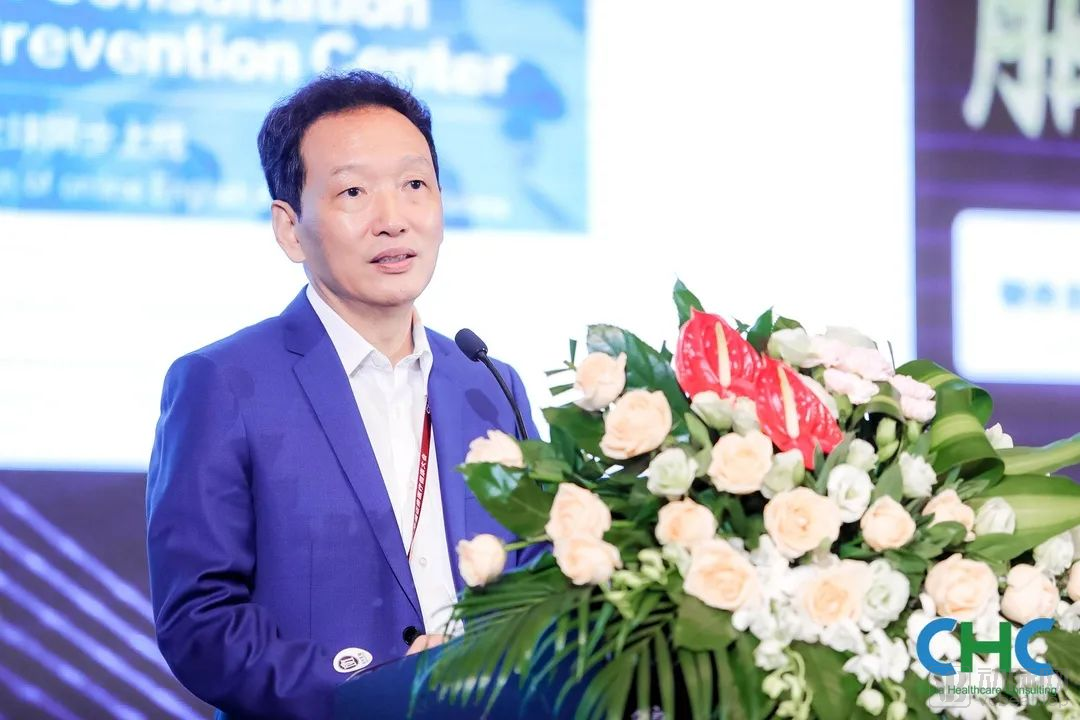
Zhang Qunhua, Vice Chairman and Secretary-General of the Internet Branch of the China Medical Promotion Association, Founding President of Wuzhen Internet Hospital, and CEO of Yiku Cloud
Huan Dandan, Vice President of Anhan MedicalIt is believed that medical robots can largely liberate physicians from simple, repetitive tasks.Sun Qi, Founding Managing Partner of DaoTong InvestmentIt is also believed that, at the patient level, minimally invasive surgery can alleviate patients' pain.Gu Jie, CEO of Fourier Intelligence“We believe that developing rehabilitation robots does not necessarily require benchmarking against foreign counterparts. Instead, we should look to established business models as our reference, with the goal of bringing rehabilitation robotics into communities in the future to help more people in need.”Liu Yikun, CEO of Allwin MedicalThis indicates the hope that, in the future, foreign companies can be benchmarked against their domestic counterparts.Hua Yi, Director of the New Business Development Department at Johnson & Johnson MedicalIt also believes that judgments should be made based on one’s own perspective, which is the approach befitting a groundbreaking medical device.
VCBeat: Striking Gold in the Trillion-Yuan Healthcare Market, Strategically Positioning in Niche Segments
Behind the fervor in healthcare, capital has also played a significant role.
Zhang Dafeng, Founder of Daoyuan CapitalDelivering a keynote speech on the “Golden Decade” of Healthcare Investment from the Perspectives of Venture Capital, IPOs, and the Secondary Market: “Currently, China’s healthcare sector is the most active area in the new economy in terms of financing and investment volumes. The future belongs to its ‘Golden Decade.’ Aging demographics, rising payment capacity, technological advancements, the return of talent, and the pressures exerted by the pandemic are all invisibly driving the industry’s rapid development.”
Regarding how to select projects,Zhang Suyang, Founding Partner of Volcanic Stone CapitalExpressing optimism about technology-driven enterprises. From the perspective of innovative drugs,Xu Daqiang, Chief Business Officer of Viva BiotechWe believe that it is essential to determine how a product should be positioned and to effectively address real-world problems; this constitutes innovation.Zhao Qun, Partner at Yuanhe YuandianIt was mentioned that the market requires a period of adjustment, but the ultimate outcome must demonstrate significantly clearer advantages compared to existing products.Shi Xiufeng, General Manager of Zhishan MedicalIt is believed that enterprises, like investors, need to constantly pay attention to the country's dynamic trends, and the direction should prioritize focusing on doing their own business well.
