

Cardiva Medical Secures $45 Million in Equity Financing to Advance Innovative Vascular Closure Therapies

Cardiva Medical
Medical Device R&D and Manufacturer
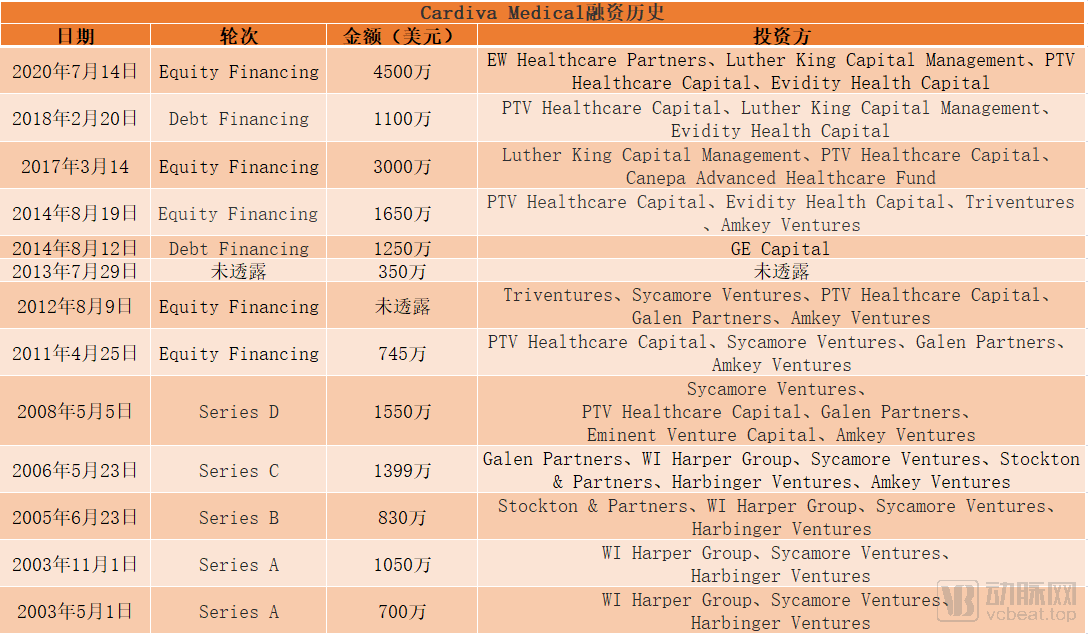
Recently, VCBeat learned that medical device R&D company Cardiva Medical announced the completion of a $45 million equity financing round. The round was led by EW Healthcare Partners, with participation from Luther King Capital Management, PTV Healthcare Capital, and Evidity Health Capital.
This financing will support the continued commercial expansion of Cardiva Medical’s vascular closure system and fund the company’s other clinical trials and operational initiatives. John Russell, President and Chief Executive Officer of Cardiva Medical, stated, “This financing helps us further fulfill our mission of providing vascular closure therapies to patients and accelerates our corporate growth.” Meanwhile, Robert S. White, Operating Partner at EW Healthcare Partners, has also joined the company’s Board of Directors.
In recent decades, the transfemoral arterial approach for cardiac and peripheral vascular interventions has been widely adopted in clinical practice, drawing increased attention to vascular closure following these procedures. Currently, manual compression (MC) remains the most commonly used method; however, with technological advancements, mechanical compression devices and vascular closure devices have also gained widespread use.
Manual compression remains the most commonly used method for achieving hemostasis of the femoral artery, owing to its low economic cost and reliable outcomes. However, this technique requires a prolonged application time in clinical practice. If patients have received substantial doses of anticoagulants during interventional diagnosis and treatment, catheter removal and hemostasis take significantly longer, thereby increasing the workload for medical staff.
To address these issues, many medical device manufacturers have begun to focus on the field of vascular closure devices, with Cardiva Medical being one of them.
Cardiva Medical is a medical device company focused on the development of vascular closure systems and commercial innovation. Founded in 2002 by Gordon H. Epstein and Zia Yassinzadeh, the company is headquartered in California, USA.
Gordon H. Epstein previously earned his M.D. from the University of California, San Francisco, and completed his medical internship at the University of Pennsylvania. Currently, Gordon H. Epstein is actively engaged in surgical practice and holds 65 patents.
Prior to founding Cardiva Medical, Gordon H. Epstein established two companies: BioSurgical Corporation and BioInterventional Corp., the latter of which has since been acquired by Cardiva Medical.
Zia Yassinzadeh is the Co-founder and Chief Technology Officer of Cardiva Medical. He holds a Bachelor of Science in Physiology, a Bachelor of Science in Biomedical Engineering, and a Master of Science in Electrical Engineering from Southern Illinois University. He has over 20 years of experience in the design, development, and manufacturing of minimally invasive devices and related instruments.
Cardiva Medical had maintained a low profile until 2007, when the company announced that its CATALYST II device had received FDA 510(k) clearance. The product subsequently obtained CE marking in 2008, marking Cardiva Medical’s emergence into the public spotlight.
In 2018, Cardiva Medical received operational excellence recognition from the Shingo Institute, and its manufacturing facility in Guaymas, Mexico, was awarded the Shingo Bronze Medallion in recognition of the plant’s contributions to the company’s operations.
Established in 2014, this facility serves as the manufacturing site for Cardiva’s VASCADE Vascular Closure System and CATALYST. Since its inception, the factory’s workforce has grown by more than 700%. The facility will also be responsible for the production of the company’s new products in the future.
In recent years, Cardiva Medical has experienced rapid growth in both sales and production volumes, positioning it as one of the fastest-growing private companies in the industry and earning it a spot on the 2018 Inc. 5000 list.
Cardiva Medical’s first vascular closure device, named Vascade, is primarily used for vascular closure at femoral artery puncture sites and received FDA approval on January 31, 2013.
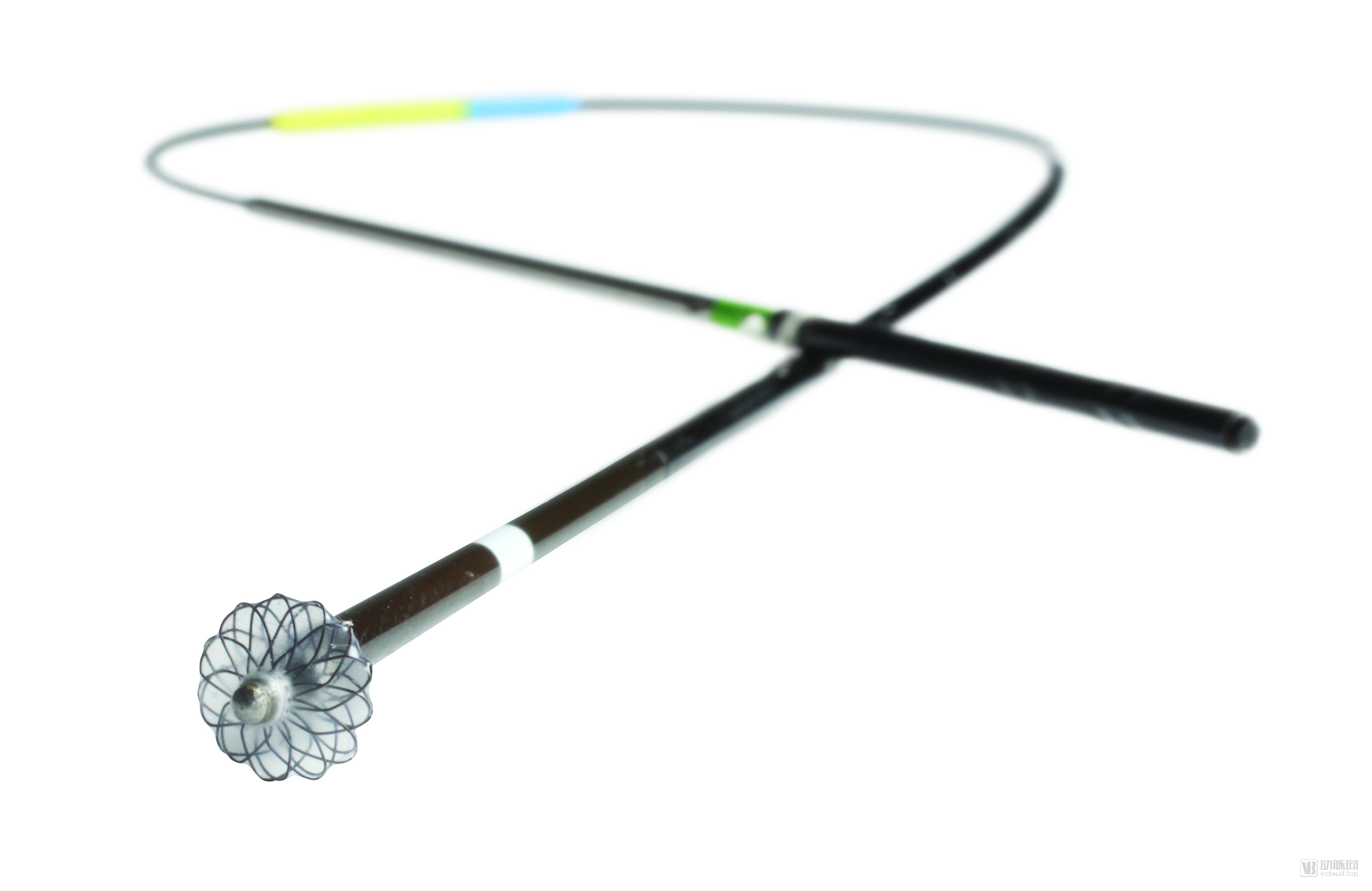
The system consists of two components: a delivery device and a collagen patch. The collagen patch is made from a bovine-derived fibrous material that gradually separates over time and is ultimately absorbed by the human body.
In clinical practice, physicians can deploy a collagen patch onto the puncture tract located between the subcutaneous tissue and the artery using a 5F, 6F, or 7F delivery device. This system leverages the collagen patch’s ability to expand and seal the tissue tract, thereby promoting hemostasis and achieving cessation of blood flow.
It is worth noting that this vascular closure system is limited to closing femoral artery puncture sites in patients who have undergone diagnostic cardiovascular catheterization or interventional cardiac catheterization procedures. It must not be used in patients with a known hypersensitivity to bovine-derived extracts. Interventional cardiovascular procedures refer to surgeries such as coronary balloon angioplasty and coronary stenting.
The introduction of this system enables patients to ambulate earlier following diagnostic examinations or interventional procedures, thereby reducing the duration of hospitalization and recovery.
The Vascade MVP Vascular Closure System is an improved version of the Vascade system, designed specifically for electrophysiology procedures to achieve hemostasis at multiple venous access sites. The device’s implantation technique and size range strictly adhere to current standards in electrophysiology practice. It is suitable for use in procedures such as cardiac ablation and left atrial appendage closure, and has received FDA approval.
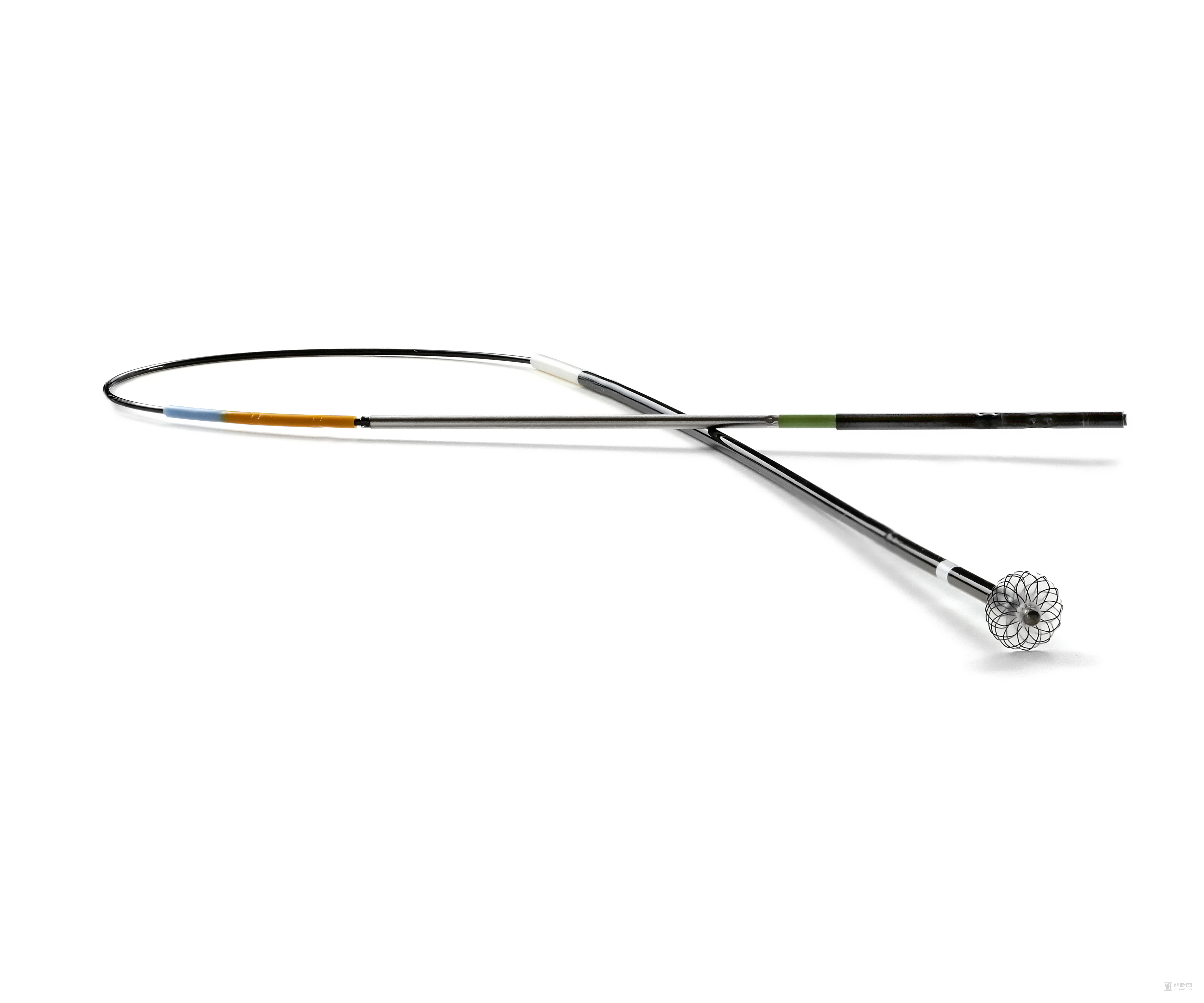
This approval was based on the results of the AMBULATE Pivotal trial, which evaluated outcomes in 204 patients by comparing the Vascade MVP system with manual compression. The study demonstrated that patients treated with the Vascade MVP had shorter bed rest times and required less analgesic medication. The trial results were presented by Andrea Natale, Co-Principal Investigator and Executive Medical Director of the Texas Cardiac Arrhythmia Institute, at the 2018 American Heart Association (AHA) Scientific Sessions.
The Vascade MVP operates on a principle similar to that of the Vascade device. It involves placing a small, foldable mesh against the inner wall of the blood vessel for temporary hemostasis, then deploying a collagen patch into the tissue tract before retrieving the mesh. The collagen patch expands within the tissue tract, providing both mechanical and physiological sealing to halt bleeding. It is ultimately absorbed by the body without leaving any residue and does not affect subsequent surgical procedures at the same vascular site.
To evaluate the various performance metrics of Vascade, Cardiva Medical conducted a clinical study involving 420 patients aged 11 to 62 years, of whom 29% were female. The ratio of patients treated with the Vascade device to those managed with manual compression was 2:1. The primary endpoints included time to hemostasis (TTH), time to ambulation (TTA), time to discharge (TTDe), device procedural success rate, and the incidence of major and minor complications.
According to a research study published in The Journal of Invasive Cardiology, the time to hemostasis (TTH) for patients treated with Vascade and those managed with manual compression was 3.0 minutes and 20.0 minutes, respectively; the time to ambulation (TTA) was 3.2 hours and 5.2 hours, respectively; the time to discharge eligibility (TTDe) was 3.6 hours and 5.7 hours, respectively; and the procedural success rates were 98% and 100%, respectively.
Compared with manual compression (MC), the use of Vascade reduced the incidence of minor complications, resulted in no major complications, and significantly shortened TTH, TTA, and TTDs.
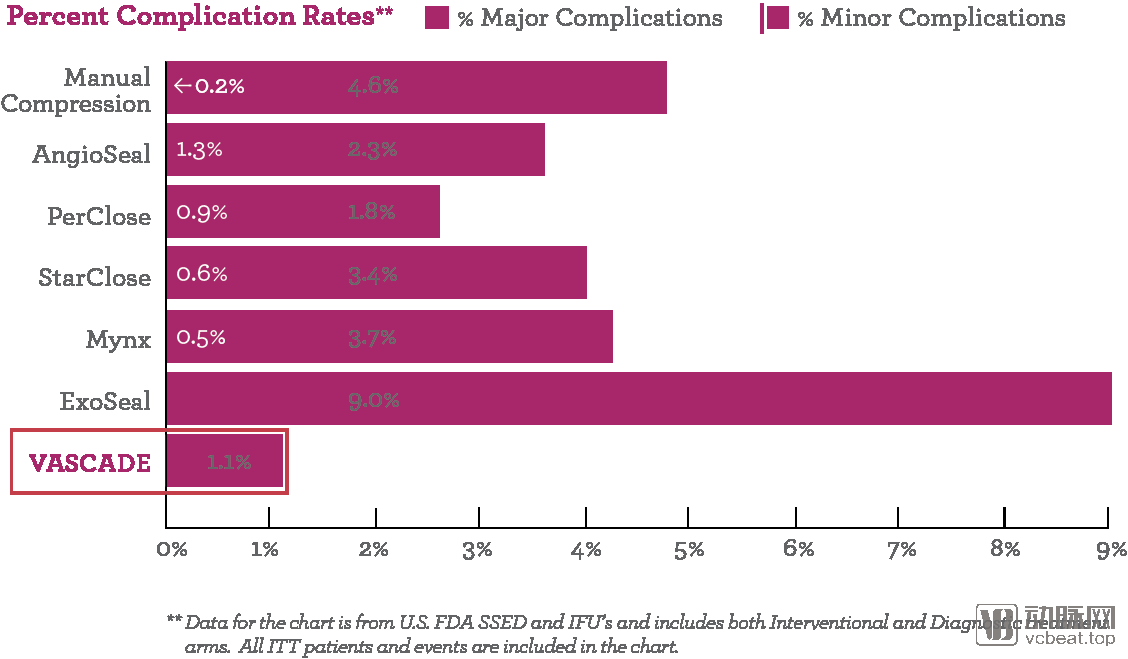
Meanwhile, to evaluate the efficacy of Vascade under other influencing factors, 27% and 26% of patients in the Vascade and MC groups, respectively, received heparin injections. This was done to verify the hemostatic efficacy of Vascade in heparinized blood. The experimental results demonstrated that Vascade could also effectively shorten the clotting time in heparinized blood.
Cardiva Medical’s primary customers are healthcare institutions with relevant needs. In the United States, more than 400,000 patients undergo ablation procedures annually. Dr. Suneet Mittal of Valley Hospital in Ridgewood, New Jersey, stated, “We are now at the dawn of a new era in electrophysiology therapy. We look forward to enhancing patient satisfaction and improving the efficiency of hospital workflows. The features of the Vascade MVP system make it a innovative technology product that delivers benefits to both customers and patients.”
Confident in its own products, Cardiva Medical pledges to provide financial compensation to hospitals or medical centers using its devices if patients experience complications due to product quality issues attributable to the company.
Currently, manual compression remains the standard of care in the field of vascular closure. If mechanical compression or vascular closure devices fail during actual procedures, manual compression is still required as a rescue measure. For vascular closure devices, the most critical objective is to ensure a high success rate while reducing procedure time, which necessitates that operators possess a solid foundation of professional skills.