

UniDerma Biotech Files for IPO: Advancing Early Diabetes Detection with Adiponectin Testing in Collaboration with Meinian Onehealth
According to the global diabetes statistics from the International Diabetes Federation (IDF), there were 463 million people with diabetes worldwide in 2019, including 116 million in China.The IDF projects that the global number of people with diabetes will exceed 538 million by 2030, with the number in China rising to 140 million.
Faced with an unprecedentedly vast in vitro diagnostics (IVD) market, Younde has decisively entered the IVD sector and cultivated deep expertise in the fields of metabolism and immunology.In the field of metabolism, Younde has launched a series of diagnostic tests and solutions for diabetes; in immunology, it has introduced high-efficiency, rapid test kits for anti-nuclear antibody (ANA) profiles.
Lai Hua, Chairman and Founder of Younde and a member of the Fosun Star Future Entrepreneurship Camp, possesses over a decade of professional background in medical laboratory diagnostics, along with extensive experience in marketing, corporate management, and successful entrepreneurship. Leveraging hisProfessional experience in clinical laboratory operations, involvement in the development of innovative IVD products, and distributorship of globally renowned IVD products, which gave Lai Hua a profound understanding and unique perspective on the IVD industry, and made him realize the importance of technological innovation for IVD enterprises.
In the course of Younde’s development, it is essential to mention Younde’s partners—Professor Xu Aimin’s Team at The University of Hong Kong.Professor Xu Aimin is a Tenured Professor in the Department of Medicine and the Department of Pharmacology and Pharmacy at The University of Hong Kong, and a renowned global expert in the fields of metabolism and immunology. He also serves as a Scientific Director for companies such as BGI Genomics and Da An Gene. His addition to the team, along with his leadership of a research and development group comprising more than 20 PhDs, has helped Guangdong Younde Biotechnology Co., Ltd. establish a solid technological foundation and facilitated the creation of a series of innovative products.
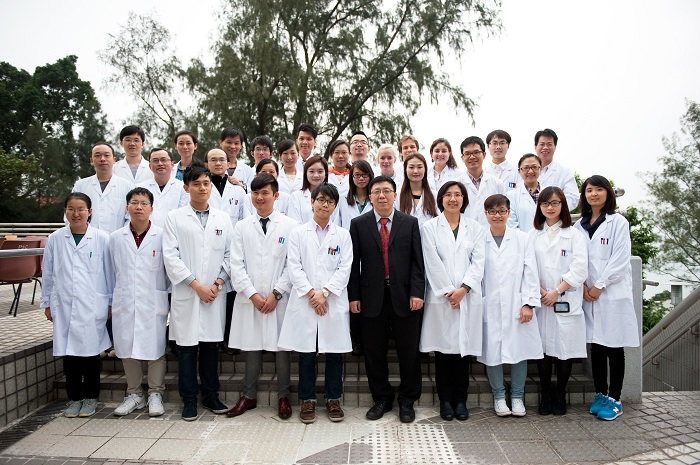
Professor Xu Aimin and His R&D Team
Lai Hua stated,The diagnostic market for major chronic metabolic and immune diseases accounts for approximately 70% of the global in vitro diagnostics (IVD) market share.“IVD companies will become a significant component of future publicly listed enterprises.” With the rapid advancement of healthcare reforms and domestic innovation-driven substitution in China, the IVD industry boasts broad prospects. However, the industry also faces numerous challenges and pain points:
1. Lack of innovation capability in IVD companies.Domestic IVD companies are still heavily imitating products from foreign IVD firms, and there remains a certain gap in innovation capabilities between China and other countries.
2. The IVD industry's core raw materials are dependent on foreign suppliers.The industry typically relies on imported semi-finished or finished raw materials, which are costly. The corresponding production technologies for these materials have not yet been introduced to China.
3. IVD companies have outdated business mindsets.Currently, most IVD companies continue to drive product sales through marketing and packaging rather than leveraging the innovative advantages of the products themselves.
Younde ultimately chose to enter the niche segment of metabolic and immunoassay diagnostics within the IVD industry, committing to in-depth development.
Younde’s decision to establish a strong presence in the metabolic disease sector, particularly in diabetes, is based on the following two considerations:In terms of diagnostic technology, Younde possesses proprietary protein engineering patents and unique antibody engineering platforms, enabling the development of targeted solutions for diabetes screening.; Diabetes can trigger severe complications, such as diabetic nephropathy, diabetic retinopathy, diabetic foot, and diabetic heart disease, thereby increasing the national economic burden. Society is placing greater emphasis on diabetes.
The diabetes market urgently needs breakthroughs from the biopharmaceutical industry to change the current situation of long-term medication for control and the lack of reversal methods, providing more means to help patients.Adiponectin as an Early Screening Indicator for Diabetes: Identifying High-Risk Individuals 4–7 Years in Advance to Enable Earlier Targeted Prevention
The immune system is a vital protective mechanism in the human body. Compromised immunity may pose risks to health, leading to various infectious diseases and even tumors. Deeply rooted in the immunodiagnostic market, Younde has launchedAutoimmune Disease Screening Solution – ANA Profile Detection Kit, to aid in the screening of immune-mediated diseases.
Metabolic diseases account for 30% of global mortality, and the complexity of autoimmune diseases (with over 80 types) has led Younde to focus on metabolic and immune diagnostics. Ultimately, the company has established a 4P strategy—Population-based Screening, Prediction, Precision Diagnosis, and Prevention—thereby integrating the entire diagnostic and healthcare continuum.
During the development of Guangdong Younde Biotechnology Co., Ltd., Professor Xu Aimin’s research team has played a pivotal role. Achieving breakthroughs in the IVD market requires the continuous discovery of novel diagnostic biomarkers and the launch of new diagnostic assays, which necessitates decades of prospective research.
The team led by Professor Xu Aimin possesses extensive chronic disease cohort data and a wealth of prospective studies, enabling the rapid development of research-oriented products.For example, the adiponectin assay kit is based on nearly two decades of prospective research conducted by The University of Hong Kong and has been recognized by industry research institutions. Reference values for adiponectin in the Chinese population were recently established for the first time (reference value for males: >3.0 mg/L; reference value for females: >3.4 mg/L).
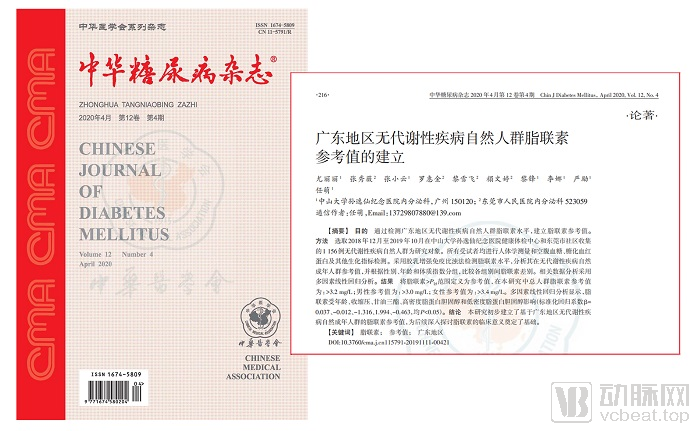
Younde Participates in Establishing Clinical Diagnostic Reference Values for the Chinese Population for the First Time
The resources provided by the University of Hong Kong, where Professor Xu Aimin is based, extend far beyond this.Most IVD companies may be constrained by raw material supply, unable to rapidly advance testing for R&D projects, or forced to incur high costs to purchase materials from abroad.However, for allergen testing such as dust mite allergy tests, the University of Hong Kong can provide the corresponding raw materials.
andYounde possesses a self-validation platform that enables it to obtain samples such as blood and urine from partner medical institutions to validate its own R&D projects.For example, in a clinical project for fatty liver disease detection, Professor Wang Cunchuan from the International Weight Loss Center of the First Affiliated Hospital of Jinan University provided corresponding liver tissue pathology slides, enabling Younde to conduct validation on more than 400 cases. Additionally, the University of Hong Kong itself maintains sample repositories for autoimmune diseases and rare or complex conditions, which have further accelerated Younde’s project progress.
The integration of basic research with clinical applications is indispensable. With the commercialization of reagents such as adiponectin, Guangdong Younde Biotechnology Co., Ltd. hasBuilding on Professor Xu Aimin’s research, the project has incorporated input from China’s most renowned endocrinology and laboratory medicine experts., bridging the gap between basic research and clinical application, addressing various challenges, and even extending to physician and patient education, as well as incorporating indicators into diabetes screening guidelines. From R&D to implementation, the determination of reference values relies on both the basic research team and the clinical physicians' team.
On this basis, Younde has launched corresponding solutions:
Younde initially developed glycated hemoglobin (HbA1c) testing instruments and reagents for diabetes management. As R&D progresses, Younde will shift its focus to adiponectin testing reagents. As an early screening marker for diabetes, adiponectin testing can accurately predict an individual’s risk of developing diabetes 4–7 years earlier than HbA1c testing.
Compared with previous detection methods, diabetes risk screening using adiponectin as a biomarker has the following characteristics:No fasting blood sample required, simplifying clinical procedures; employs immunoturbidimetry for stable results; enables high-throughput, rapid quantitative detection. As a general screening test, it offers a cost advantage, with each test priced at only RMB 60.Younde’s Adiponectin (ADPN) Assay Kit (Immunoturbidimetric Method) obtained CFDA registration certification in 2018.
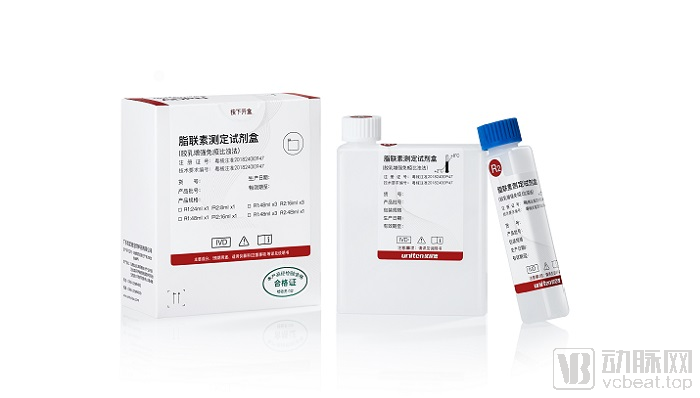
Adiponectin Assay Kit
Adiponectin testing has the potential to transform the diabetes market by enabling further interventions for high-risk individuals, thereby facilitating early control and possible reversal of the disease. To promote wider adoption, adiponectin test reagents are compatible with nearly all biochemical analyzers currently available on the market. Lai Hua also calls for future test reagents to avoid proprietary, instrument-specific formats whenever possible.
In the diagnosis of metabolic diseases, Younde has also extended its scope by developing tests for early kidney injury and cardiac injury, among others. Younde expects to launch a diagnostic product for fatty liver disease by the end of next year, based on new biomarkers, which can accurately distinguish between inflammatory and alcohol-induced fatty liver.
Lai Hua stated that Younde faces few competitors in the field of antinuclear antibody (ANA) testing.ExcellentYounde’s ANAs Line Blot Assay (ANAs-19) covers the detection of dermatomyositis, polymyositis, mixed connective tissue disease, systemic lupus erythematosus, Sjögren's syndrome, primary biliary cholangitis, CREST syndrome, and systemic sclerosis.Additional new immune disease testing panels will also be introduced in the future.
Younde currently offers six ANA testing solutions tailored to different needs, with varying prices across the options. When paired with an automated immunoblot analyzer, Younde’s ANA membrane strip assays enable fully unattended, end-to-end automation, bidirectional LIS integration, and intelligent data transmission.
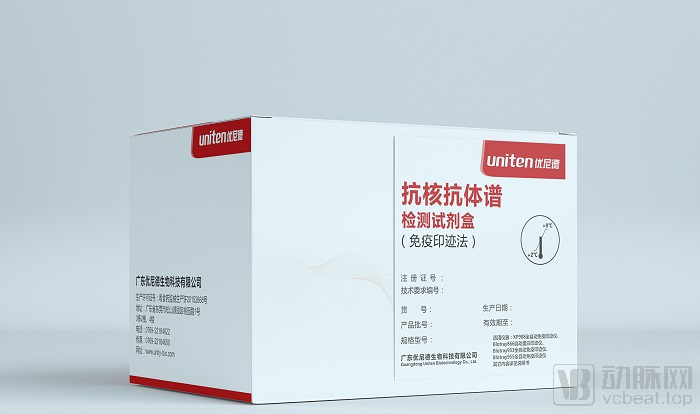
Younde Anti-Nuclear Antibody Profile Detection Kit
Younde’s antinuclear antibody (ANA) testing assay employs high-quality recombinant protein technology, utilizing an advanced protein expression platform to originally express and produce a variety of stable, high-quality autoantigens, significantly reducing reaction time.Rapid test results in just 35 minutes. It also offers testing for individual antinuclear antibody markers, with high sensitivity to antigen proteins.High Detection Rate of Confirmed Cases, closer to clinical judgment.
Lai Hua believes that the advantage of Younde is reflected in its deep cultivation of niche segments.The team possesses unique clinical cohorts and databases for chronic diseases, along with the capability to discover novel diagnostic markers through omics research. This is complemented by the establishment of an integrated chain comprising a protein engineering technology platform, an antibody engineering technology platform, a diagnostic product development platform, and a clinical validation platform., helping Younde rapidly achieve breakthroughs in innovative products.
For Lai Hua, joining the Fosun Xing Future Entrepreneurship Camp deepened his entrepreneurial insights and facilitated his learning in market strategy, system construction, and strategic positioning. The refinement of its production system and the assurance of product quality enabled Guangdong Younde Biotechnology Co., Ltd. to be rated as a Class A enterprise for medical device quality credit in Guangdong Province for four consecutive years.Currently, Younde has obtained 22 CFDA registration certificates, 13 CE-IVD certified products, and holds 17 invention patents.
YoundePlanning to initiate fundraising next year, with a target amount of 30 million.Lai Hua stated that the funds from this round would be used for the commercialization of new products and the marketing of existing ones, while continuing to promote consensus on innovative projects and their inclusion in relevant disease guidelines. Younde expressed its commitment to gaining social recognition for its mission and vision of developing innovative products over the next three to five years, with plans to enter the capital markets in the future.
From an industry perspective, Lai Hua believes that POCT and high-throughput testing are the prevailing trends. However, most current POCT results are not comparable to those obtained by large hospitals. The IVD sector holds broad market prospects in the future, but only companies that focus on niche segments and overcome technical and raw material challenges will be able to seize development opportunities.
Fosun·Star Future Research Institute is an incubation and investment platform focused on the big health sector, established by Star Future Capital in reliance on Fosun and Fosun Pharma. Adopting a “community + incubation + investment” model, it explores frontier innovation fields, focuses on entrepreneurial talent, and secures early-stage investments in future unicorns.
In 2020, the Grand Health Startup Camp launched its second cohort, targeting entrepreneurs in the medical and healthcare sector as well as aspiring innovators. It invited top-tier global mentors and introduced six core incubation modules, offering startup courses with the most substantial industrial background and practical experience in China.
Students interested in the Fosun Future Entrepreneurship Camp may add the author on WeChat.