

Yanxitang Files IPO Prospectus to Become a Leading 'Innovation Factory' in the Medical Sector
Entering the 21st century, the wave of entrepreneurship has been racing forward with the strong winds of the times. Behind this lies the opportunities brought about by the Fourth Industrial Revolution and the ongoing establishment of a new commercial civilization. According to estimates from the Global Entrepreneurship Monitor, a venture capital research institution, more than 100 million startups have been founded annually over the past decade, with new models and technologies emerging in rapid succession.
The sheer volume of new ventures is undoubtedly encouraging. However, merely assembling a team and incorporating a company represents only the first step on the long and arduous journey to success. Challenges such as capital shortages, improper team division of labor, unclear product positioning, and internal management issues can all lead to startup failure. For inexperienced first-time founders, overcoming these obstacles becomes the critical factor.
To address these issues, a new type of organization emerged in the United States during the 1960s: the business incubator. In China, business incubators are also known as High-Tech Enterprise Incubation Centers. They provide physical space and infrastructure, along with a range of support services, to newly established technology-based small and medium-sized enterprises (SMEs). This approach helps reduce entrepreneurial risks and costs, increases the success rate of startups, facilitates the commercialization of scientific and technological achievements, and fosters the development of successful companies and entrepreneurs.
Generally, incubators are categorized into three types: government-sponsored, university-sponsored, and private. Government-sponsored incubators establish innovation centers using public funds, providing hardware infrastructure and specialized support for market orientation. Private incubators offer services such as financing and management. University-sponsored incubators mostly spin off from their parent institutions and register as independent enterprises, thereby combining the dual characteristics of academia and corporate management.
How do incubators support corporate growth? What services can they provide? What are the pain points and challenges in incubating medical innovations, and how can they be addressed? To explore these questions, VCBeat conducted an exclusive interview with Ms. Zhai Jingbo, founder of Shanghai Yanxitang Enterprise Management Co., Ltd. (hereinafter referred to as “Yanxitang”), a leading company specializing in medical innovation incubation.
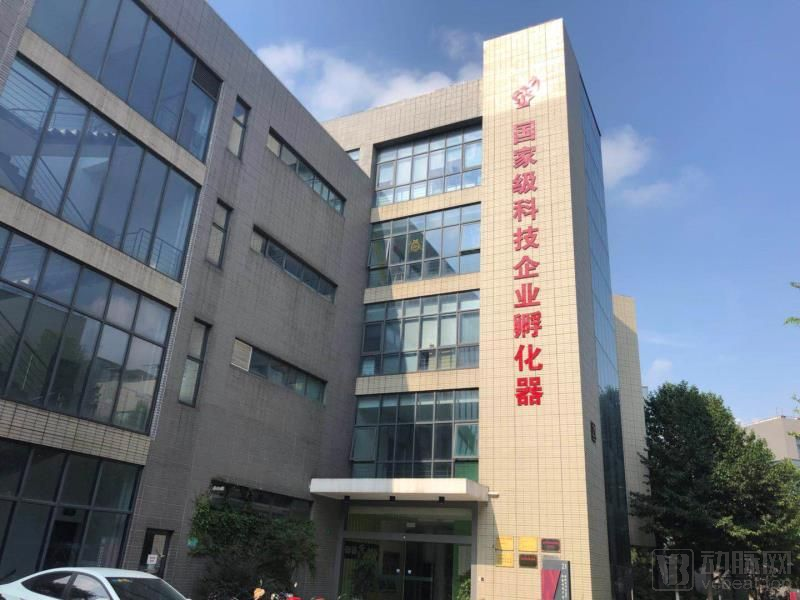
Yanxitang, established in 2008, is a national-level medical technology incubator. It operates three innovation bases and one medical innovation space, located in the Shanghai International Medical Zone, the Zhangjiang East District Modern Medical Device Park, and the Zhangjiang Central District, with a total incubation area of 20,000 square meters. The incubator focuses on the innovative transformation and incubation, service consulting, and angel investment for small and medium-sized enterprises (SMEs) in the biopharmaceutical and medical device sectors. Currently, the park hosts nearly 100 companies within the industry, and its services extend to more than 300 organizations.
“I previously worked in corporate consulting services, engaging with countless enterprises. As I interacted with more and more companies, I realized that beyond consulting needs, they also required business planning, resource matchmaking, and financing solutions. It was at this point that the idea of establishing an incubator took shape.” Discussing the rationale behind founding Yanxi Tang, Ms. Zhai Jingbo told VCBeat, “Coincidentally, supportive policies for private incubators were introduced around that time. With favorable timing, location, and human resources all aligned, the venture came to fruition.”
Why Choose the Healthcare and Wellness Sector? In Ms. Zhai Jingbo’s view, first, China’s healthcare market holds immense potential: with the world’s largest population and the second-largest economy, the healthcare sector accounts for a significant share of GDP and maintains steady growth. Second, the barriers to exploration in medical innovation are higher and more challenging, thus creating a greater need for professional institutions to support entrepreneurs by providing them with corresponding resources, funding, and other assistance.
Specifically, Yanxitang provides medical innovation enterprises with services such as the HiMed Community, MedInno Space, entrepreneurial mentorship, the Biodesign Entrepreneurship Camp, shared laboratories, and angel investment. Among these, the HiMed MedInno Community is an exchange and matchmaking platform focused on medical innovation and entrepreneurship, jointly initiated by Yanxitang and 35 pioneers and dreamers passionate about medical innovation and startups. The initiators come from diverse fields, including the medical industry, investment sector, universities, research institutions, and technology organizations. Since 2014, the HiMed MedInno Community has hosted nearly 100 offline salon events, currently attracting over 8,000 followers within the industry and boasting more than 1,000 core members.
“In our exchanges with fellow travelers in the healthcare innovation and entrepreneurship space, we have become increasingly convinced that we must leverage existing resources effectively, deliver solid services, and stand shoulder to shoulder with entrepreneurs through thick and thin,” said Ms. Zhai Jingbo. She expressed deep regret whenever high-quality entrepreneurial partners stumbled along their journey due to various issues. “Whether it was the team’s background or the project’s idea, they were all exceptionally strong. Yet, the pitfalls of entrepreneurship are numerous; a company might fall by the wayside simply due to funding shortages, patent issues, or other challenges.”
It is precisely through its adherence to this benevolent philosophy and its rigorous control over service quality that Yanxitang has continuously received various honors. In 2009, Yanxitang was accredited as a specialized incubator in the Zhangjiang Hi-Tech Park by the Zhangjiang Technology Entrepreneurship Service Center (Document No. [2009] 1 of the Zhangjiang Hi-Tech Park Administration). In 2010, it was recognized as a Shanghai Science and Technology Business Incubator by the Shanghai Science and Technology Entrepreneurship Center (Shanghai Sci-Tech Innovation [2010] No. 53). In 2011, Yanxitang was awarded a three-year subsidy from the National Innovation Fund to establish the “Zhangjiang East District Medical Device Diagnostic Reagent Industrial Base and Technology Alliance.” In 2012, it was accredited as a venture capital service institution by the Ministry of Science and Technology. In 2016, Yanxitang was evaluated as a National-Level Medical Technology Incubator (Guo Ke Fa Huo [2016] No. 418). Yanxitang has become one of the first batch of cooperative institutions for the “Shanghai Entrepreneurship First Stop,” and has received an excellent rating for its incubator service capabilities in Shanghai.
The remarkable achievements are inextricably linked to Yanxitang’s strategic location and layout.
In terms of locational advantages, Yanxitang is situated in Zhangjiang High-Tech Park, one of the global centers for technological innovation. As a driver of innovation in Shanghai, Zhangjiang High-Tech Park covers a total area of 75.9 square kilometers and primarily clusters industries in biotechnology, medical devices, drug research and development, as well as software and integrated circuits. Currently, the park is home to over 1,000 life sciences enterprises, universities, and R&D institutions, including R&D centers of internationally renowned companies such as Roche, Eli Lilly, Novartis, and Abbott. The park hosts nine higher education institutions, 168 accredited R&D institutions (including 10 at the national level, 21 at the municipal level, and 137 at the district level), and 42 public service platforms.
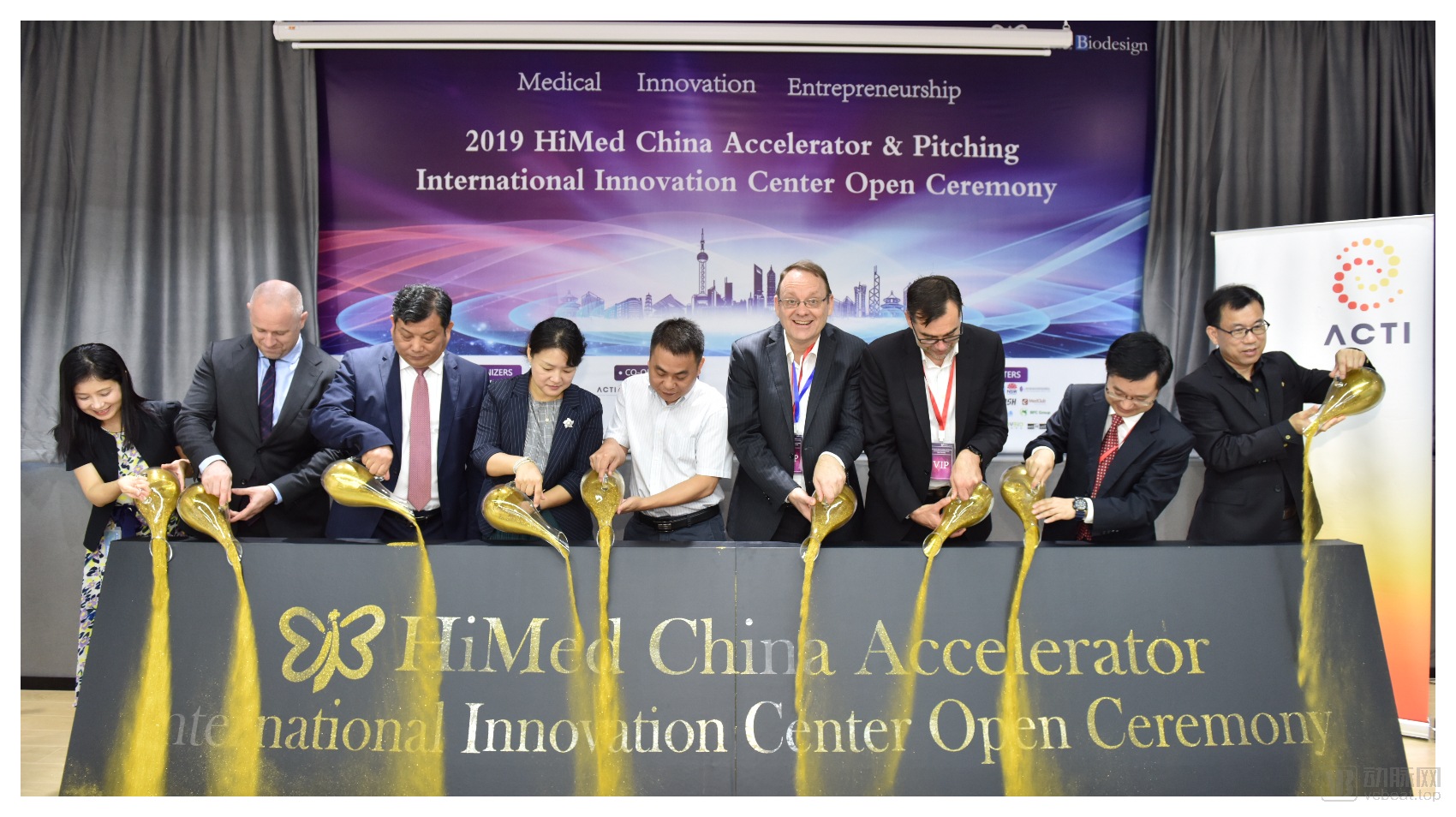
In recent years, Yanxitang has been building an international platform. On March 15, 2018, the “Yanxi China-Australia Technology Incubator” was officially established and settled in Zhangjiang at the “China-Australia Biotech Investment and Cooperation Summit.” This platform aims to provide one-stop localization services for over 200 Australian projects showcased on the HiMed platform through offline activities. On September 24, 2019, the HiMed Accelerator International Medical Innovation Center was founded, with the first batch of six overseas projects entering the acceleration program.
To date, Avide Medical, a tenant of Yanxi Tang, has listed on the Hong Kong Stock Exchange; Rendu Biology secured RMB 100 million in Series B financing; and Yipukangda was acquired by Harbin Precision Gene Company. Furthermore, Yanxi Tang facilitated the establishment of a research and development center in Shanghai for Bard Medical, a U.S.-listed company, and assisted Medix, a leading Finnish antibody manufacturer, in setting up its R&D, production, and sales centers in Shanghai.
Taking Hai Aijin Artificial Intelligence Technology Co., Ltd. as an example, this enterprise is a high-tech company that provides innovative 3D medical imaging products and solutions to healthcare institutions and medical professionals, with a focus on the fields of neurosurgery and brain science. The company’s patented technology of “diffusion tractography” gives its products a globally leading technological advantage in neural imaging.
In 2019, Yanxitang Incubator invested in the seed round of Aijin Medical and promoted the project through HiMed’s resources, featuring it at major events such as Global Entrepreneurship Week 2019, the Ningbo Life Health Startup Competition, Slush Nanjing, and the Caohejing Sci-Tech Innovation Carnival. In 2020, Aijin AI successfully secured tens of millions in investment, a feat made possible by the support of HiMed’s platform resources.
Regarding future development, Ms. Zhai Jingbo stated that Yanxitang will continue to optimize its services and assume the responsibility of introducing high-quality international projects while cultivating top-tier localized medical innovation initiatives, striving to establish Yanxitang as an international professional incubation platform. “Leveraging favorable winds, Yanxitang is committed to fulfilling its mission in this promising era of innovation and entrepreneurship.”