

Wu Yuepeng of Anlong Fund: Early Bets on Cardiac Valves, Neurointervention, and Innovative IVD Devices Pay Off
A Closer Look at High-Domestic-Penetration Segments in the High-End Medical Device Industry. Undoubtedly, coronary intervention is one of them. The domestic market share of coronary stents in China has reached approximately 80%. MicroPort and Lepu Medical, both of which built their foundations on coronary intervention, have become leading players in China’s domestic medical device industry.
In the high-end medical device industry, which sector will become the next coronary intervention field, and where will the next MicroPort or Venus Medtech emerge? Investment institutions are placing their bets with real money.
Several years ago, Wu Yuepeng, a partner at Anlong Fund, chose to bet on the heart valve sector by investing in Hanyu Medical. This year, market trends have validated his judgment: in the aortic valve segment, Venus Medtech and Peijia Medical have both successfully gone public and gained recognition from the capital markets. In the mitral valve space, Hanyu Medical has emerged as a leader in mitral valve repair, with its valuation increasing several dozen-fold.
Wu Yuepeng told VCBeat that in the cardiovascular field, the potential for domestic substitution has yet to be fully realized. Anlong Fund has also made strategic investments in the niche markets of neurointervention and cardiac electrophysiology, investing in Xinkainuo Medical in 2018 and Antaike Medical in 2020.
This year, the neurointerventional sector has secured multiple financing rounds exceeding RMB 100 million each, emerging as a hot investment track. However, Wu Yuepeng candidly admitted, “At the time of investment, we were not certain that this sector would become a major trendsetter, but we were confident that our investments aligned with broader macro trends.”
“By the end of 2015, with the assistance of relevant entities under the Chinese Academy of Sciences, Dr. Zhao Chunlin and I co-founded Anlong Fund. To date, we have launched two fund phases,”IConservatively estimated, five or six of the twenty-odd companies in the fund’s portfolio are expected to go public, among which I-Mab Biopharma has already been listed on NASDAQ."Dr. Chunlin and I, along with Zhu Xiang, who joined us later and brings extensive experience from renowned pharmaceutical companies and consulting firms—with a primary focus on new drug development—gradually formed the stable 'investment iron triangle' of Anlong Fund. We frequently reviewed projects together, exchanged insights, and conducted post-investment reviews, ultimately summarizing, refining, and perfecting a set of investment logic and methodologies tailored to Anlong."
As an early-stage investment firm focused on the healthcare sector, Anlong Fund’s Phase I fund invested in 22 companies, and its Phase II fund invested in 15 companies, totaling 37 portfolio companies. In the pharmaceutical field, Anlong Fund has invested in I-Mab Biopharma, Laikae Pharma, Conatus Pharmaceuticals, Huatai Chenguang, and Transcenta Holding, among others. Its footprint in the medical device sector is equally impressive, with strategic early bets placed across multiple high-growth segments. In addition to the aforementioned companies, Anlong Fund has invested in numerous outstanding enterprises, including Guoke Hengtai, Lianxin Medical, StrongLink Intelligence, Luodao Nano, Zhenzhun Biology, and Junhui Medical.
In the medical device sector, how does Anlong Fund stay ahead of the curve in identifying emerging opportunities? How does it achieve in-depth, specialized portfolio positioning? VCBeat conducted an exclusive interview with Wu Yuepeng, Partner at Anlong Fund.
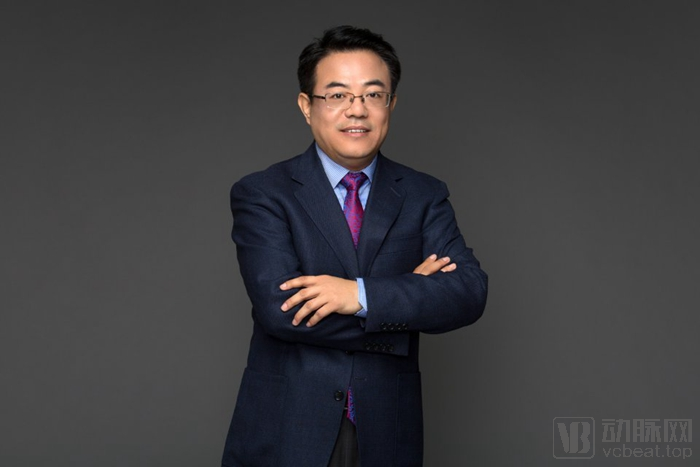
Wu Yuepeng, Managing Partner of Anlong Fund Management
As a fund specializing in early- to mid-stage investments, Anlong Fund inevitably deals with numerous enterprises operating amidst significant uncertainties. Although the selection process involves choosing the best among the best, the fund must still confront inherent risks.
How to Make Investment Choices Amid Uncertainty. Wu Yuepeng stated that early-stage investment requires confronting risk head-on and having the courage to take bold risks when facing it. As a veteran in healthcare investment, he described his investment acumen as a game between two types of intuition.
“Investment is a venture where emotion and reason constantly wrestle with each other. When you encounter a promising project, you may feel an intense surge of excitement; yet it is precisely at such moments that you need to restrain and rationalize this impulse through logic and reasoned judgment.”
When Wu Yuepeng chose to invest in Hanyu Medical, the heart valve sector was not as booming as it is today, and the mitral valve segment was fraught with uncertainties and risks. The mitral valve space represents a high-barrier segment within the heart valve industry, and at that time, no domestic products had yet received regulatory approval. Despite the risks, Hanyu Medical’s investment thesis aligned strongly with that of Anlong Fund.
“Although Hanyu Medical was still in its very early stages at the time, patients with mitral valve disease constitute the largest population in the field of heart valve disorders, and mitral regurgitation (MR) is the most common valvular heart disease. Moreover, the technical barriers for mitral valve devices are exceptionally high. Abroad, Abbott’s minimally invasive device for treating mitral regurgitation, MitraClip, has already received regulatory approval. Coupled with the Hanyu Medical founding team’s extensive clinical and industry experience, we believed that Hanyu Medical was the team in China most likely to successfully develop a transcatheter mitral valve intervention product. In retrospect, this investment thesis remains strongly supported.”
In the medical device sector, Anlong Fund’s investment logic is straightforward, encompassing only four dimensions.
1. First, from an industry perspective. The ideal niche sectors for Anlong Fund should not only offer substantial market size but also demonstrate sufficient growth potential and stability. In other words, the patient population base for diseases in these niche sectors should be large, and the product direction should align with clinical application trends.
2. The second dimension is the clinical aspect. Anlong Fund believes that products capable of succeeding in the long run are invariably those endorsed by clinical experts.
3. Third is the technological dimension. In terms of technological preferences, Anlong Fund favors enterprises that possess core technologies, platform-based technologies, and key technologies across the upstream and downstream segments of the industrial chain.
4. The fourth dimension is the team. In terms of team selection, Anlong Fund favors teams with extensive clinical and industry experience, capable of integrating resources from various sectors to achieve the industrialization of technologies and products.
“Identifying strong investment cases is not a matter of simply following a preset formula; investment logic serves as a guiding principle, not as dogma,” said Wu Yuepeng. “The key to applying investment logic lies in one’s mastery of the industry landscape: those with deeper research insights are better positioned to price risk.”
“As an early-to-mid-stage investment firm, we not only need to identify the top three or five companies in a given sector, but also proactively research and pioneer new tracks. Therefore, in our day-to-day operations, we engage not only with entrepreneurs but also with clinical experts, frontline R&D personnel, and distributors to identify potential next-generation products for early-stage investment. Our approach typically involves identifying the most outstanding few companies and then selecting from among them.”
Wu Yuepeng stated: “Take the endoscopy sector as an example. It is well known that domestic substitution has not yet been achieved in this field. However, to identify high-quality companies within it, we must pinpoint the underlying reasons for the lack of domestic substitution—whether they stem from image algorithms, supply chain constraints such as imaging chips, or issues related to brand funding and clinical expansion. Only by clarifying this logical framework can we identify investment opportunities at the breakthrough points.”
The earlier and more in-depth the research, the better one can identify emerging opportunities before they become mainstream. When investing in NeuroXess, Wu Yuepeng had already conducted thorough research on the neurointerventional sector. He observed that thrombectomy stent products from Medtronic and Stryker had been fully validated in clinical settings, while the volume of thrombectomy procedures in China continued to rise. Therefore, import substitution by domestically produced devices was inevitably the future trend. As a result, Anlong Fund began seeking investment targets in the neurointerventional field two years ago and ultimately selected NeuroXess. At that time, the neurointerventional sector was not yet hot; however, two years later, it has become a highly sought-after investment area.
“We need to engage with nearly a thousand projects each year. Even during the pandemic, we maintained communication with these projects via phone calls. Only by staying in close contact with entrepreneurs can we maintain our acumen in evaluating projects.”
Anlong Fund’s rigorous research and deep industry immersion have enabled it to seize emerging opportunities ahead of the curve in multiple sectors, including not only heart valves and neurointerventional devices but also artificial intelligence.
“Anlong Fund began investing in artificial intelligence as early as 2016 and 2017. At the time we started evaluating medical AI, it had not yet become a hot topic. Our primary investment rationale was our optimism about the role AI would play in clinical applications such as diagnosis and treatment. Accordingly, we have made continuous investments in Lianxin Medical in the field of radiotherapy, Qianglian Zhichuang in the neurological sector, and Siwei Xiangtai for cervical cancer screening.”
2020 was an unusual year, with the COVID-19 pandemic—a black swan event—exacerbating market uncertainty. However, for Anlong Fund, which bets solely on major trends, the pandemic had a relatively minor impact on its investment pace.
Wu Yuepeng stated that the medical device sector is an area worthy of long-term optimism and investment. After anchoring its focus on a specific domain, Anlong Fund chooses to “deeply penetrate” that field.
In the field of cardiovascular interventions, Anlong Fund has made strategic investments in subsectors such as heart valves, neurointervention, and cardiac electrophysiology. Cardiac electrophysiology is the most recent area of investment for Anlong Fund, through which it has invested in Antaike Medical.
Wu Yuepeng believes that, from a market perspective, the minimally invasive interventional treatment market for atrial fibrillation has substantial capacity and constitutes one of the three major segments in cardiovascular care. Cryoablation, having been validated through global multicenter clinical trials, is poised for widespread adoption due to its technical advantages. From a product perspective, cryoablation systems feature high technological barriers and combine high-end equipment with high-value consumables, facilitating rapid sales breakthroughs. Antaike Medical has secured an early-mover advantage in its domestic product layout and, supported by policies promoting import substitution, is well-positioned to break the monopoly held by foreign manufacturers.
Anlong Fund will continue to expand its investments in the fields of cardiovascular intervention and neurointervention.
“In the cardiovascular and cerebrovascular sector, we remain optimistic about the cardiac electrophysiology and rhythm management markets, as well as products related to left atrial appendage clips, occluders, structural heart disease, and heart failure—all of which represent promising avenues for future breakthroughs. In the field of neurointerventional medicine, there are opportunities to establish a presence in areas such as intracranial flow-diverting stents, intracranial aneurysm stents, carotid artery stents, neuromodulation, and neurophysiological products.”
Meanwhile, Anlong Fund is optimistic about opportunities across the entire cardiovascular interventional device supply chain, such as peripheral catheters and guidewires, and even upstream materials, including stent materials and filling materials.
Regarding its layout in cardiovascular interventions, Wu Yuepeng revealed that Anlong Fund is positioning itself according to the logic of minimally invasive interventions. Along this trajectory, Anlong Fund also favors respiratory interventions, gastrointestinal interventions, urogenital interventions, as well as diagnostic and therapeutic products for oncological interventions.
Within Anlong Fund’s medical device investment portfolio, the subsector comparable in scale to cardiovascular devices is high-tech IVD equipment, which represents the fund’s second-largest area of strategic deployment in the medical device sector.
Similar to the cardiovascular field, there is still significant room for domestic substitution of high-end IVD devices, and the market size is substantial.
Regarding the investment layout in high-end IVD instruments, Wu Yuepeng stated that it may also be related to his personal aspirations. Before joining Anlong Fund, he served as Vice President of Investment at CAS Orient Scientific Instrument Group. A graduate of the Department of Mathematics at the University of Electronic Science and Technology of China, he had extensive exposure to many sophisticated, high-precision instruments. He is acutely aware of the gap between domestic and international capabilities in the field of Chinese-made medical devices, and has recognized the significant growth potential in high-tech medical devices, as well as reagents and consumables.
“Given my background at the Oriental Scientific Instrument Import & Export Corporation (OSIC) of the Chinese Academy of Sciences, I have always had a special attachment to scientific instruments. In the high-end instrument sector, many advanced medical devices have not yet been domestically produced in China. This is particularly critical in the field of in vitro diagnostics (IVD), where establishing a closed-loop ecosystem encompassing instruments, reagents, and consumables is essential. High-end IVD instruments are extremely scarce in China, as their development requires the integration and breakthrough of multiple complex technologies, including optoelectromechanics, biology, and medicine. For instance, next-generation sequencing (NGS) platforms have not yet achieved full localization in China.”
In the field of high-end IVD instruments, Anlong Fund has invested in Junhui Bio in the single-cell diagnostics sector, Nanjing Luodao Nano in third-generation nanopore sequencing, and Zhenzhun Bio in the digital PCR field.
The team at Nanjing Luodao Nano has been engaged in the research, development, and application of nanopore technology for twenty years. It has mastered the core production technologies for nanopore chips, completed mass production of the first-generation NJRI-001 chip (wafer), and developed the second-generation NJRI-002 chip.
By investing in Luodao Nano, Anlong Fund is betting on the strength of its team. The founder of Luodao Nano is a pioneer in the theory of solid-state nanopore sequencing, a tenured professor at Brown University in the United States, and the founder of the Institute for Advanced Studies at Soochow University. In the development of solid-state nanopore sequencers, the company holds exclusive technology in China and has achieved global leadership.
In the field of digital PCR, major corporations such as Illumina, Roche, and Qiagen have already established their presence. Meanwhile, Zhenzhun Biology has successfully commercialized its digital PCR instruments, possessing fully independent intellectual property rights in chip technology and artificial intelligence algorithms, thereby demonstrating core competitiveness in these areas.
Currently, Junhui Bio’s innovative rare single-cell detection biomarkers, its automated high-throughput rare single-cell detection platform, and the reagents and instruments for its single-cell diagnostic products have all obtained NMPA certification.
Wu Yuepeng stated, “We will continue to focus on other segments within the IVD device sector, including integrated diagnostic testing systems that operate on a ‘sample-in, result-out’ basis; clinical applications of mass spectrometry, encompassing reagents, mass spectrometers, and metabolic biomarker analysis; as well as flow cytometry-related instruments and diagnostic products.”
“From a broader perspective, we certainly focus on high-value consumables in ophthalmology and orthopedics, actively evaluating their outstanding products and projects. I am also optimistic about the application of medical robots in therapeutic orthopedics, laparoscopy, and vascular intervention. Furthermore, there is significant potential for domestic substitution in upstream biopharmaceutical instruments and reagents, such as bioreactors, virus preparation systems, and separation and purification equipment. I will continue to monitor these sectors to identify new opportunities.”
By strategically positioning itself across multiple tracks and domains within the high-end medical device market, Anlong Fund believes that China will inevitably produce successive waves of technology-driven domestic leaders in the medical device industry, and it aims to serve as an early-stage enabler for these emerging champions.