

Innovation and Development of Medical Consortiums in the New Infrastructure Era: Insights from Ten Hospital Leaders
What achievements have medical consortia, which emerged during the deepening of healthcare reform, made in their past development? Amid the current surge in new infrastructure initiatives, how can innovation be realized in the construction of medical consortia?
Co-hosted by VCBeat, People's Medical Publishing House, Sichuan Hospital Association, West China Hospital of Sichuan University, Sichuan Provincial People's Hospital, Healthy County Media, and Hainan Boao Medical Innovation Research InstituteAt the 2020 Health界 Summit, ten hospital presidents and department directors shared their experiences and insights on the construction and development of medical consortia in the new era, as well as on collaborative specialty building within these consortia.
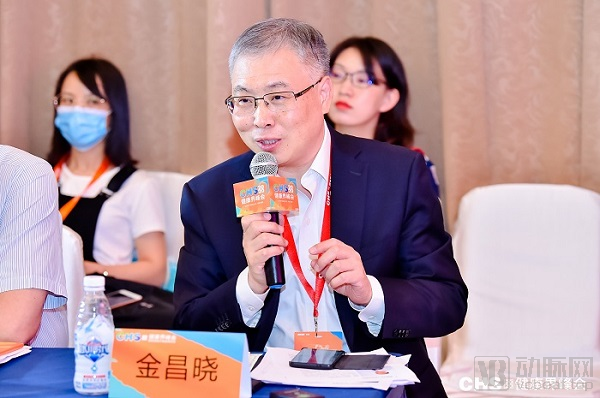
Jin Changxiao, Party Secretary of Peking University Third Hospital, pointed out that as of now, there are 1,408 urban medical consortiums, 3,346 county-level medical communities, and 3,924 cross-regional specialty alliances.He pointed out that current medical consortiums generally involve four models: urban medical consortiums, county-level medical communities, specialty alliances, and a distinctive “1+X” consortium model, in which a tertiary Grade A hospital in an urban area serves as the lead institution to organically integrate corresponding secondary hospitals—including rehabilitation hospitals, nursing hospitals, and community health service centers.
Regarding the construction of the medical consortium at Peking University Third Hospital, Jin Changxiao stated that since 2014, the hospital has initiated the development of a medical consortium primarily covering the central and eastern areas of Haidian District, currently serving a population of 1.5 million.
Jin Changxiao illustrated the construction of medical consortia with examples. For instance,For the Community of the Central Party School, starting from 2007, Peking University Third Hospital has conductedExploration of Chronic Disease Management Models. Through training community service personnel, the secondary incidence rate of stroke among patients was effectively reduced from 14.5% to below 3%;Specialty Development, Peking University Third Hospital, throughModular Development of Specialty Disciplines Including COPD Management, Stroke Management, and Cardiac Rehabilitation, helping other medical institutions rapidly build their disciplinary capabilities; inIn terms of specialty alliance construction, Peking University Third Hospital has established specialty alliances in orthopedics, ultrasonography, gastroenterology, and other disciplines.
Jin Changxiao pointed out that the construction of medical consortia faces challenges in implementing two-way referrals, particularly with regard to the significant difficulty in transferring patients down to primary care hospitals. Furthermore, there are issues concerning the mutual recognition of test results between tertiary hospitals and primary care institutions. In response, Jin Changxiao proposed his own solutions.Continue to advance the development of medical consortiums centered on community health service centers, while boldly experimenting with a “specialty-focused, generalist-supported” model to enhance primary healthcare service capacity.
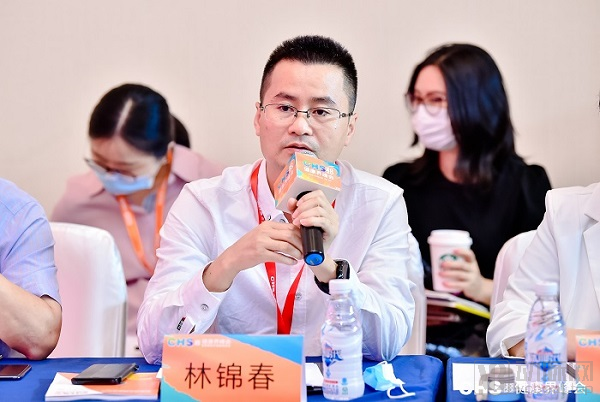
Lin Jinchun, Vice President of Shenzhen Luohu Hospital Group, stated that the development of medical consortia must be tailored to local conditions. For instance, the Luohu Hospital Group serves an older urban district with a relatively small service area and a high concentration of municipal hospitals within the city. During the process of building the medical consortium,Luohu Hospital has established a tightly integrated medical consortium spanning from its tertiary Grade A hospital to community health service centers, achieving unified management of finances, human resources, and other operations within the consortium.
Luohu Hospital Group closely follows policy changes in the development of its medical consortium. For instance, under the newly issued Shenzhen Special Economic Zone Health Regulations, the reimbursement rate for medical insurance is reduced if patients do not undergo initial consultation at community-level facilities. This policy orientation promotes initial consultations at the community level, and Luohu Hospital Group has seized this opportunity to advance tiered diagnosis and treatment.
Regarding future development, Lin Jinchun stated that the leading tertiary Grade A hospitals within medical consortia need to achieve deep integration with primary healthcare centers, truly becoming communities of shared interests and responsibilities. Within these consortia, there is a need to proactively establish centralized laboratories and imaging centers to further control costs. In the context of integrating medical care with public health services, public hospitals must transform their service models, shifting from a treatment-focused approach to one centered on prevention.
In the future,New changes in fiscal subsidies and medical insurance will drive transformations in the development of medical consortia.For instance, health insurance adopts a global budgeting model. To achieve higher revenue, medical consortia must mobilize resources to reduce costs. The compensation mechanism for healthcare professionals will also undergo changes. For example, if a family doctor team manages a population of 2,000 individuals and generates a surplus in the health insurance fund, the majority of that surplus will be used to reward the team. This also requires family doctor teams to shift their focus from treatment to health education and prevention.
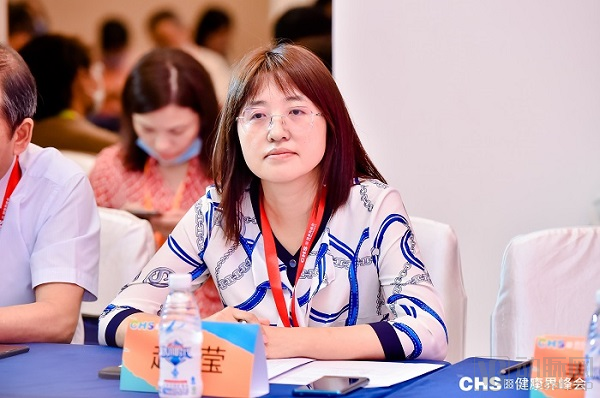
Zhao Ying, Director of the Medical Consortium Office at the First Hospital of Jilin University, pointed out that the outbreak has prompted new reflections on the medical consortium model.
During the early stage of the epidemic, urban segregation emerged, preventing patients from accessing large hospitals and forcing them to seek care at local facilities, which, to some extent, realized tiered diagnosis and treatment.The First Hospital of Jilin University routinely receives a large number of referred patients from lower-tier hospitals. However, during the pandemic, Zhao Ying unexpectedly found that some critically ill patients requiring referral received effective treatment at primary care hospitals while awaiting nucleic acid test results.
Zhao Ying believes that,Previous views—that tertiary hospitals are reluctant to refer patients downward, primary care institutions lack the capacity to deliver high-quality medical services, and the public distrusts the competence of primary care facilities—may be incorrect.Various medical phenomena during the pandemic have proven this view to be wrong.
The outbreak also made Zhao Ying recognize the importance of health management. The First Hospital of Jilin University recorded 5.54 million outpatient visits in 2019, with a daily volume of 12,000 to 15,000. However, during the epidemic, outpatient volumes dropped significantly, and the number of patients decreased substantially. Zhao Ying believes that the reason isMost people place greater emphasis on health management, leading to a reduced likelihood of illness.. Even when patients fall ill, they can receive treatment at primary care hospitals. The First Hospital of Jilin University has conducted extensive health education campaigns for this purpose.
Regarding the development of medical consortiums, particularly tightly integrated medical consortiums, Zhao Ying believes that there is currently a lack of effective criteria for classification. The construction of tightly integrated medical consortiums still requires continuous exploration. Nevertheless, Zhao Ying affirmed the importance of tightly integrated medical consortiums.
During the development of tightly integrated medical consortia, Zhao Ying noted several challenges. For instance, although The First Hospital of Jilin University has allocated personnel to deliver lectures at primary care hospitals, organized continuing education opportunities for their staff, and conducted regular inspections, the improvement in diagnostic and treatment capabilities at these primary care institutions has remained limited.The issue in primary care hospitals is not how to improve the corresponding skills, but whether doctors have the willingness and motivation to do so.
Currently, some primary healthcare institutions are nearly on par with the First Hospital of Jilin University in terms of hardware equipment. However, there is a significant gap in their overall capabilities. Due to the lack of clear performance evaluation metrics for the construction of medical consortia, the enthusiasm of primary healthcare institutions has not been effectively mobilized.In the future, it is necessary to further improve the performance evaluation mechanism, change the mindset of primary care hospitals, and enhance their capabilities.On this basis, the two-way referral system between primary care hospitals and higher-level hospitals can be effectively implemented, enabling primary care hospitals to gradually assume responsibility for the treatment and management of patients with chronic diseases, common illnesses, those in the rehabilitation phase, and those in the postoperative period who are referred down from higher-level hospitals.

Song Kailan, Director of the External Cooperation Department at Shandong Provincial Hospital, is primarily responsible for the development of specialized alliances within medical consortia. Leveraging its more than 10 national-level key specialties, over 20 provincial key specialties, and quality control centers, Shandong Provincial Hospital has established 28 specialized alliances. During the pandemic, the advantages of these specialized alliances became even more pronounced. For instance, the Infectious Diseases Specialized Alliance, led by Shandong Provincial Hospital, achieved effective epidemic prevention and control through extensive training and online-offline collaboration.
Members of the specialty alliance have established and improved the referral mechanism.For instance, after primary care hospitals diagnose patients with diabetic retinopathy, they refer them to provincial hospitals. The provincial hospital provides a green-channel consultation service: upon admission, the patient is evaluated and treated by specialists from endocrinology, ophthalmology, and nephrology.
In the process of supporting the construction of specialized departments at Dongying People's Hospital,Shandong Provincial Hospital supported the development of Dongying People's Hospital by providing hospital-level management expertise and implementing a rotational system for medical and nursing staff, while also helping to establish 14 specialized departments. For two years, experts from Shandong Provincial Hospital traveled to Dongying People's Hospital every Thursday and returned on Saturday evening.Through unremitting efforts, Shandong Provincial Hospital transformed Dongying People’s Hospital from a facility with 600 beds and an annual revenue of RMB 190 million in 2009 into one with 1,700 beds and an annual revenue of RMB 1.1 billion, while also facilitating its upgrade from a Grade II Class A to a Grade III Class A hospital.
With Shandong Provincial Hospital becoming an affiliated hospital of Shandong First Medical University, it has developed new perspectives on the construction and development of medical consortia. Currently, Shandong Provincial Hospital is leveraging its affiliation with Shandong First Medical University to build an integrated healthcare system encompassing medical care, health management, and elderly care.Shandong Provincial Hospital has established the Health and Elderly Care Strategic Research Center, with sub-centers set up in each of the 16 prefecture-level cities across Shandong Province. Serving as a base for strategic research and talent development, these centers facilitate collaboration between scientific research and clinical practice to achieve the integrated management of chronic disease prevention and control, elderly care, and related services.
Song Kailan stated that, in the future, medical consortia will fully leverage the leading role of tertiary hospitals, continuously extending their influence through collaboration. In the realm of telemedicine, Shandong Provincial Hospital has proposed the MIH model—namely, Medical Consortium + Internet + Health Management—which covers areas such as integrated medical and elderly care, and rehabilitation.In the future, Shandong Provincial Hospital will adopt the MIH model as its primary approach to achieve development.
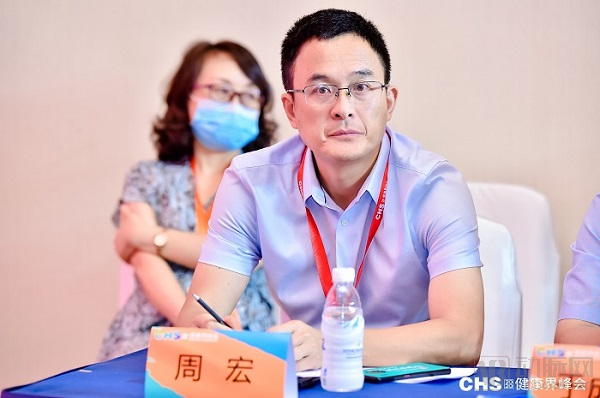
Regarding the new policy scheduled for implementation in August, Zhou Hong, Director of the Telemedicine Consultation Center at Sichuan Provincial People’s Hospital, expressed his concerns, stating that it would impact the ongoing development of medical consortiums.
During the sharing session, Zhou Hong emphasized the importance of telemedicine in the construction of medical consortia. Zhou Hong stated that in the pastIn the development of loose-knit medical consortiums, some hospital physicians may be unaware of their institutions’ membership status due to insufficiently close interactions. To address this issue, Sichuan Provincial People’s Hospital began establishing a telemedicine center in 2014.Currently, Sichuan Provincial People's Hospital has achievedRapid response enables the resolution of medical issues at primary hospitals within 10 minutes. Through its telemedicine platform, Sichuan Provincial People's Hospital conducted more than 200 remote teaching sessions in one year.The adoption of telemedicine has greatly enhanced engagement with primary care hospitals.
In the construction of specialized medical alliances within medical consortia,Sichuan Provincial People's Hospital has made full use of its telemedicine platform to provide remote guidance to primary-care physicians during gastroscopy and colonoscopy procedures. The platform has also enabled data sharing.For instance, as a member of the ICU Specialty Alliance, Sichuan Provincial People's Hospital can rapidly intervene and provide remote treatment protocols when alarms are triggered in the ICU ward of Dazhou Central Hospital. The introduction of digital technologies has empowered healthcare delivery, yielding substantial benefits.
Currently, Sichuan Provincial People's Hospital has established remote collaboration with more than 500 hospitals. Sichuan Provincial People's Hospital also"Explore the integration of virtual healthcare and telemedicine technologies across prevention, diagnosis, treatment, and rehabilitation."It aims to strengthen engagement with primary care institutions and continuously enhance their disciplinary capabilities through a telemedicine assistance strategy.
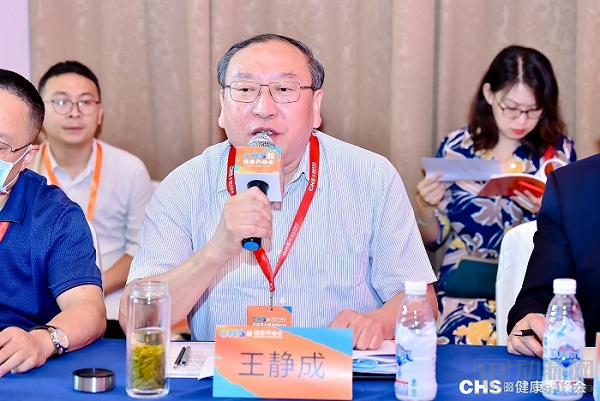
Wang Jingcheng, Chairman of the Medical Group of Northern Jiangsu People’s Hospital, shared insights on the development of specialized medical alliances.
Since 2011, Subei People’s Hospital and 158 other hospitals have spontaneously formed a medical consortium. In 2015, under government leadership, a group of hospitals established the Subei People’s Hospital Medical Group. Other hospitals applying to join the Medical Group are subject to government approval, and the government also provides financial support to the Subei People’s Hospital Medical Group.
Subei People’s Hospital has established 14 specialized medical alliances. The Subei People’s Hospital Medical Group has formed a mobile training team to provide technical support for specialty development at primary care hospitals, thereby promoting the construction of rural regional healthcare centers. Additionally, the Subei People’s Hospital Medical Group has set up more than 30 renowned expert studios. Led by discipline leaders, these studios serve as supplementary entities to the specialized medical alliances.
Meanwhile, under government leadership, the Subei People's Hospital Medical Group has established a specialty incubation base. The government provides financial support to the medical group, encouraging Subei People's Hospital to extend its strong disciplines to primary care hospitals. Each year, the Subei People's Hospital Medical Group assists primary care hospitals in developing three to five specialties. Wang Jingcheng expressed the hope to further strengthen the government's leading role to help hospitals address practical challenges encountered during the development of medical consortia.
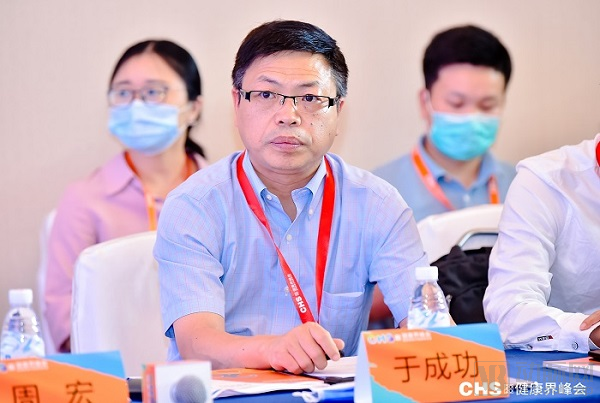
Yu Chenggong, Vice President of Nanjing Drum Tower Hospital, believes that the most important thing at present isAddressing the shortcomings of primary healthcare institutions by rapidly establishing urgently needed departments.Nanjing Drum Tower Hospital adopts a model of co-developing clinical departments, fully leveraging its leading role as a Grade 3A hospital to help primary care hospitals strengthen their departmental capabilities.
The establishment of specialty alliances on this basis primarily aims to achieve homogenized improvement in the quality of care at primary-level hospitals. Yu Chenggong stated that, in building such alliances, particular attention must be paid to the simultaneous enhancement of clinical capabilities and quality control standards.The development of specialty alliances helps research platforms obtain massive amounts of data from grassroots levels, thereby expanding the scope of scientific research.
Yu Cheng summarized the lessons learned from the construction of medical consortiums, stating that,The model for delivering full-course-of-care services within a hospital needs to change.For instance, in the diagnosis and treatment model for prostate cancer, patients have traditionally chosen to visit large hospitals for screening, biopsy, diagnosis, and treatment. However, in the future, these steps could be distributed across different healthcare institutions.
He also pointed out that there are problems in the construction and use of current Internet-based telemedicine platforms. The actual operational efficiency of telemedicine platforms is not high.The pandemic provided an opportunity for the development of internet-based telemedicine platforms, with tertiary hospitals offering more online guidance to primary care institutions.However, uncertainties surrounding the pandemic will affect the frequency of use of telemedicine platforms. He hopes that medical consortiums can make greater use of internet healthcare platforms, rather than treating them as mere ornaments.
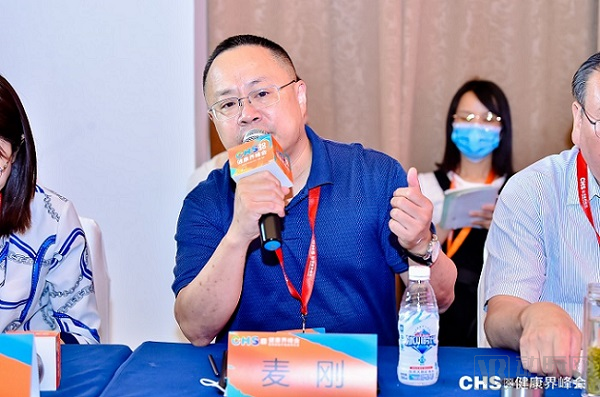
Mai Gang, President of Deyang People’s Hospital, shared a case study on the development of a closely integrated medical consortium. The hospital featured in the case was transformed from a staff hospital affiliated with a central state-owned enterprise and is classified as a Grade II Class A facility. Following the Wenchuan Earthquake, the hospital received domestic and international aid, enabling its reconstruction into a 500-bed facility equipped with an Intensive Care Unit (ICU). Under government leadership, Deyang People’s Hospital established a closely integrated medical consortium with this institution, significantly enhancing its disciplinary capabilities.
During the construction process, Deyang People's Hospital adopted the strategy of transplanting its dominant specialties to build this facility. As a Grade II Class A hospital, it lacked extensive experience in major orthopedic surgeries and the capacity for postoperative monitoring.Deyang People's Hospital transferred its orthopedics department, a key discipline in Sichuan Province, to the hospital to assist in the development of its orthopedics specialty.
Under Construction, Deyang People's HospitalImplement homogenized development in accordance with the standards of tertiary grade-A hospitals., continuously addressing various challenges encountered during the construction process, such asIssues regarding operating room standards, quality control in the Central Sterile Supply Department (CSSD), etc.In addition to orthopedics, Deyang People's Hospital alsoDevelopment of affiliated departments, such as the radiology department.
In terms of talent pool, Deyang People's Hospital has undergone integration.Integrate the original team into the training system of Deyang People's Hospital to enhance the talent strength and academic capabilities of the former hospital.After two years of construction, the hospital can perform 200 to 300 orthopedic surgeries per month. The management of Deyang People's Hospital has facilitated the rapid enhancement of this hospital's capabilities.
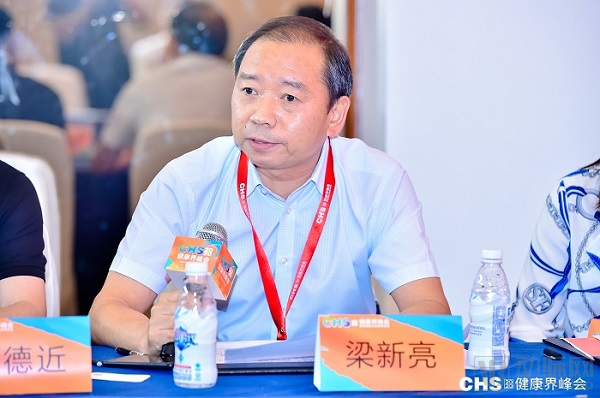
Liang Xinliang, Director of the Public Affairs Development Department at Henan Provincial People’s Hospital, pointed out that Henan Provincial People’s Hospital has “leveraged modern internet technologies and supported by a telemedicine information system to establish an interconnected, smart tiered diagnosis and treatment system platform.”
Interconnected Smart Tiered Diagnosis and Treatment System Platform, covering 18 prefecture-level cities, including 108 counties in Henan Province, as well as Jincheng in Shanxi Province and Julu County in Hebei Province in neighboring provinces. To accelerate the development of the Interconnected Smart Tiered Diagnosis and Treatment Platform, Henan Provincial People's Hospital has facilitated"Linked by Specialty Collaboration"Specialty Alliance Construction.
Leveraging the Internet-based Smart Tiered Diagnosis and Treatment System Platform, led by Henan Provincial People's Hospital,Facilitated interactions among members of the specialty alliance, including remote education and training, case discussions, treatment guidance, and teleconsultation.
Liang Xinliang pointed out that many hospitals currently lack a unified referral platform. Each hospital may operate multiple platform systems, making it extremely inconvenient to facilitate both upward and downward patient referrals. At present, the Internet-based Smart Tiered Diagnosis and Treatment System Platform developed by Henan Provincial People's Hospital has been adopted by many hospitals, effectively enabling bidirectional patient referrals.Henan Provincial People's Hospital plans to further expand its service scope to cover the Central Plains Economic Zone, including Shanxi, Hebei, Shandong, and Anhui provinces.
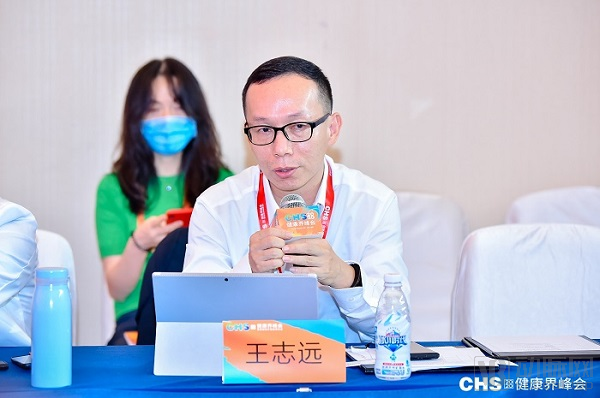
Wang Zhiyuan, Director of the Department of Business Development at Zhujiang Hospital of Southern Medical University, shared insights on building specialized medical alliances.
He pointed out that some current specialty alliances are merely formalities, with limited interaction between hospitals.The development of specialty alliances should not be limited to signing agreements between hospital presidents, but should instead foster collaboration among physicians.From the hospital’s perspective, it is essential to ensure interaction among physicians through top-level design and platform development.
For example,During the process of building its specialty alliance, Zhujiang Hospital established an institutional framework in advance. Within the alliance, councils for each medical specialty were set up. The alliance implemented standardized procedural management for membership enrollment and operational activities.On this basis, the alliance has established a telemedicine platform. To facilitate referrals, the alliance has also set up a helicopter transport platform.
In the development of specialty departments within hospitals of the Specialty Alliance, Zhujiang Hospital adopted an approach that progressed from few to many and from loose to tight integration.To support specialty development in selected hospitals, Zhujiang Hospital first assists them in establishing platform (support) departments, including clinical laboratory, medical imaging, ultrasound, and quality management, thereby enhancing their overall capabilities. Only after a primary-care hospital has completed the development of five specialties will Zhujiang Hospital consider forming a close-knit hospital alliance with it.
Tight-knit alliance hospitals throughIntegrated operational workflows to facilitate joint learning and professional growth for physicians at primary care hospitals and Zhujiang Hospital.Synchronous discussion and learning are achieved across all activities, including professional training, case discussions, ward rounds, and surgical procedures. For patients, this means that treatment outcomes equivalent to those at Zhujiang Hospital can be attained at primary care hospitals by following Zhujiang Hospital’s treatment protocols.
When patients from primary care hospitals need to be referred to Zhujiang Hospital, the hospital’s bed allocation center receives the relevant information and reserves a bed. Patients only need to proceed to Zhujiang Hospital without the need for re-registration. Referring hospitals can also track the patient’s diagnosis, treatment, surgery, and discharge process in real time.Close collaboration among departments in tightly integrated hospital alliances delivers one-stop services to patients, representing a future development trend.