Nearly 20 Industry Leaders Gather at the 2nd International Medical Device Innovation Summit; 2020 Medical Device Innovation Vitality List Unveiled
July 28, 2020, hosted by the People's Government of Gaochun District, organized by the Science and Technology Bureau of Gaochun District and VCBeat, and co-organized by Jiangsu Gaochun Economic Development Zone and Jiangsu Gaochun High-tech Industrial Development Zone“The 2nd International Summit on Medical Device Innovation”YuNanjing · GaochunOpening Remarks. Bao Hongxin, Deputy Secretary-General of the Nanjing Municipal People's Government; Liu Wei and Song Weixing, leaders from Gaochun District; and Liu Huiguang, CEO of VCBeat, delivered opening speeches. Relevant leaders from provincial and municipal departments attended the forum.
This forum will be held with2020 List of Innovation Vitality in Medical DevicesSeizing the opportunity of this release, and centering on the future development of the medical device industry, we will deeply focus on hot topics in in vitro diagnostics (IVD), such as digital PCR and point-of-care molecular diagnostics. By bringing together the most active innovators in the medical device sector—including domestic and international startups, listed companies, financial institutions, and healthcare providers—we aim to jointly create a premier event for the medical device industry.
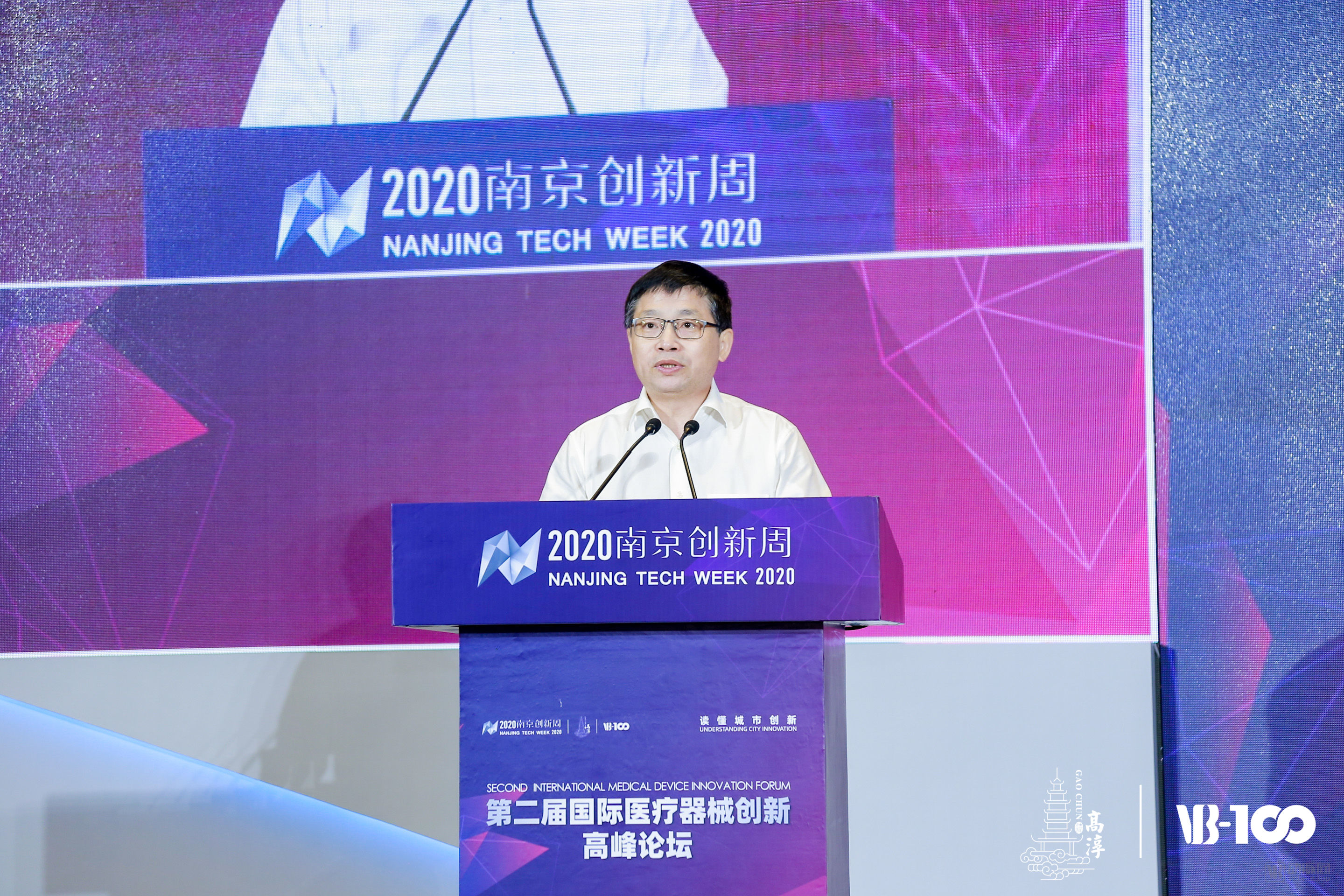
Mr. Bao Hongxin, Deputy Secretary-General of the Nanjing Municipal People's Government
Deputy Secretary-General Bao Hongxin delivered a speech at the conference, expressing high expectations for Gaochun. He invited leading talents and entrepreneurs from the medical device industry to offer insights and suggestions on the development and innovation of Gaochun’s medical device sector, encouraging them to pay greater attention to and provide stronger support for Gaochun.
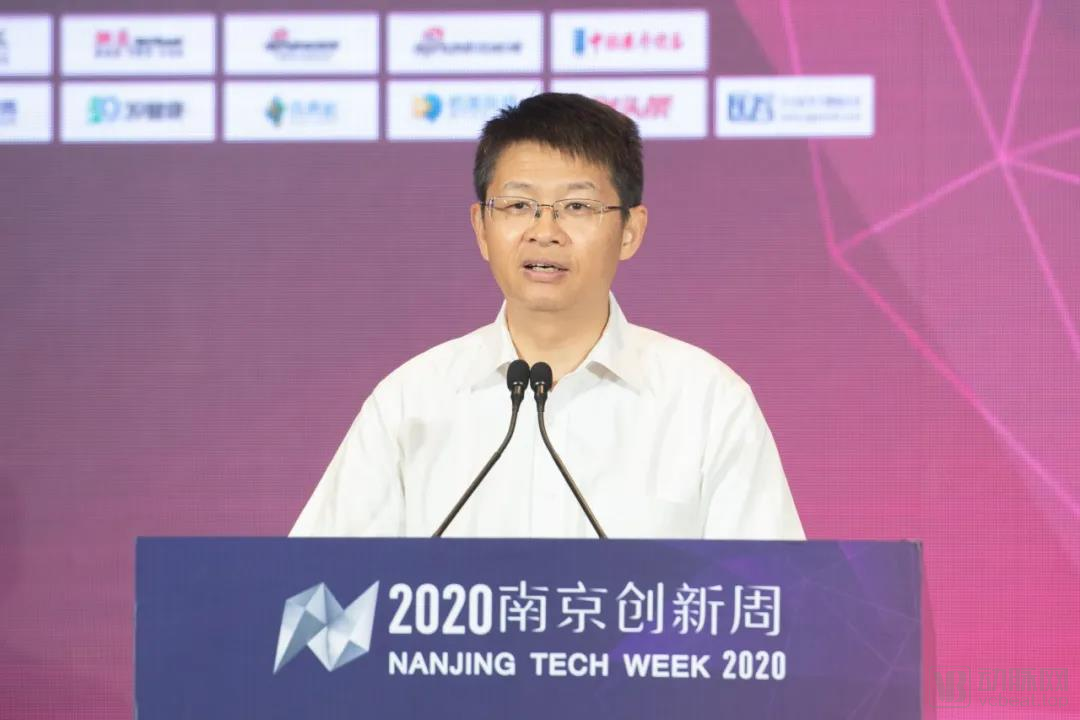
Address by Liu Wei, Deputy Secretary of the Gaochun District Committee of the Communist Party of China and District Mayor
District Mayor Liu stated that Gaochun would approach its tasks with a “spirit of learning, sincerity in cooperation, and sense of responsibility for service,” diligently absorb the outcomes of the forum, strengthen coordination and collaboration, thoroughly implement policies benefiting enterprises, and proactively optimize business services. The district aims to establish itself as a leading hub for the medical and health industry, distinguished by the most favorable policies, the best business environment, and the strongest sense of gain for enterprises.
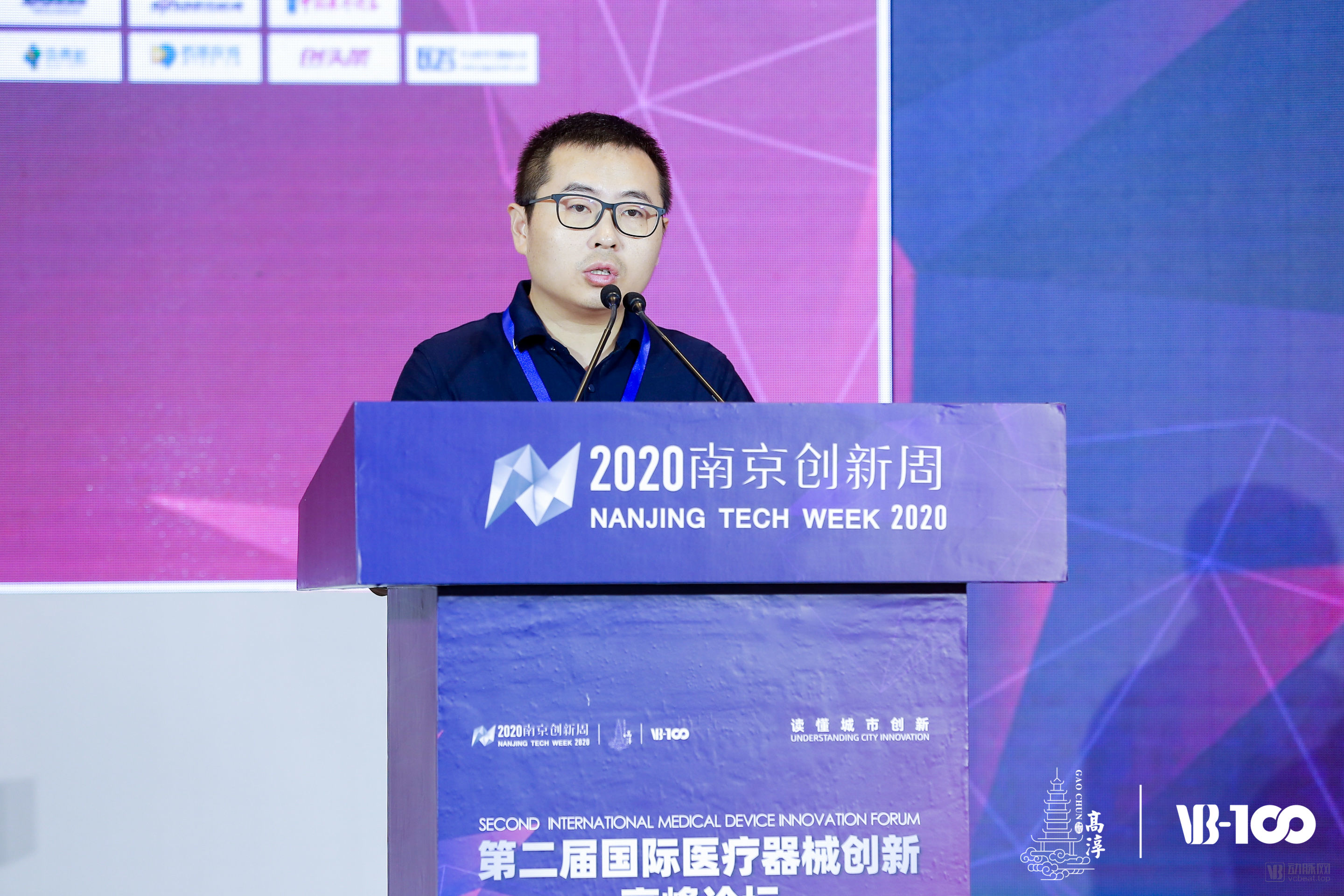
Address by Liu Huiguang, CEO of VCBeat
At the meeting, Liu Huiguang, CEO of VCBeat, introduced VCBeat to the attendees and stated that VCBeat would strengthen future cooperation with Gaochun District by fully integrating VCBeat’s expertise in healthcare industry communication research and its industrial resource advantages with the Gaochun District Government’s platform resources and policy support.
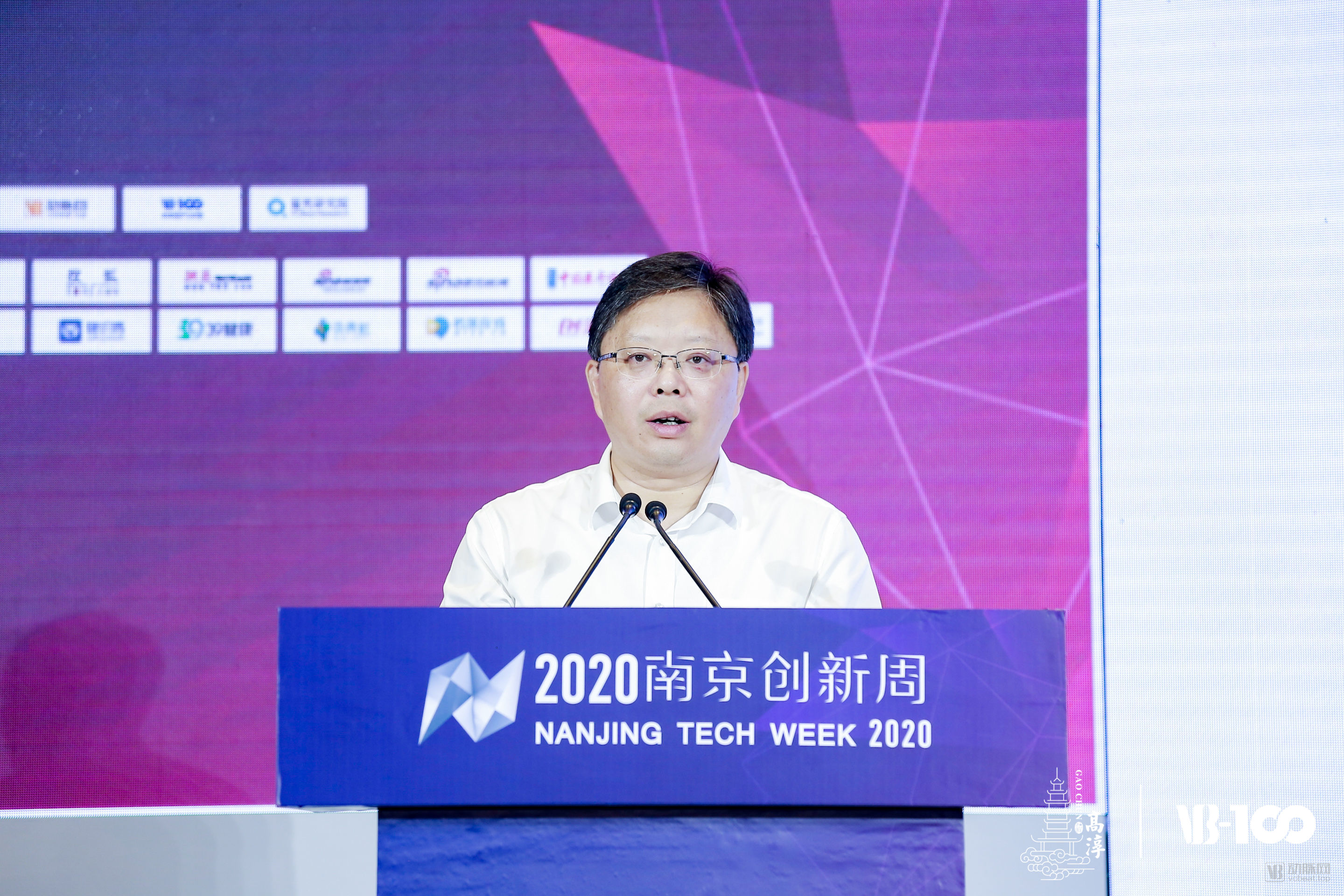
Song Weixing, Secretary of the Party Working Committee of Jiangsu Gaochu Economic Development Zone, Presents on Gaochu District’s Investment Environment and Medical Device Industrial Park
Standing Committee Member Song stated that Gaochun will spare no effort to cultivate a fertile ground for entrepreneurship in the medical device industry. Currently, the Gaochun Medical Device Industrial Park has been incorporated into Nanjing’s strategic layout for biomedical industry landmarks. A strategic cooperation agreement has been signed with the Provincial Medical Products Administration, which will provide key support in areas such as infrastructure development, joint platform building, and technical services, aiming to establish Gaochun as a domestic first-class hub for the research and development, production, and sales of medical devices.
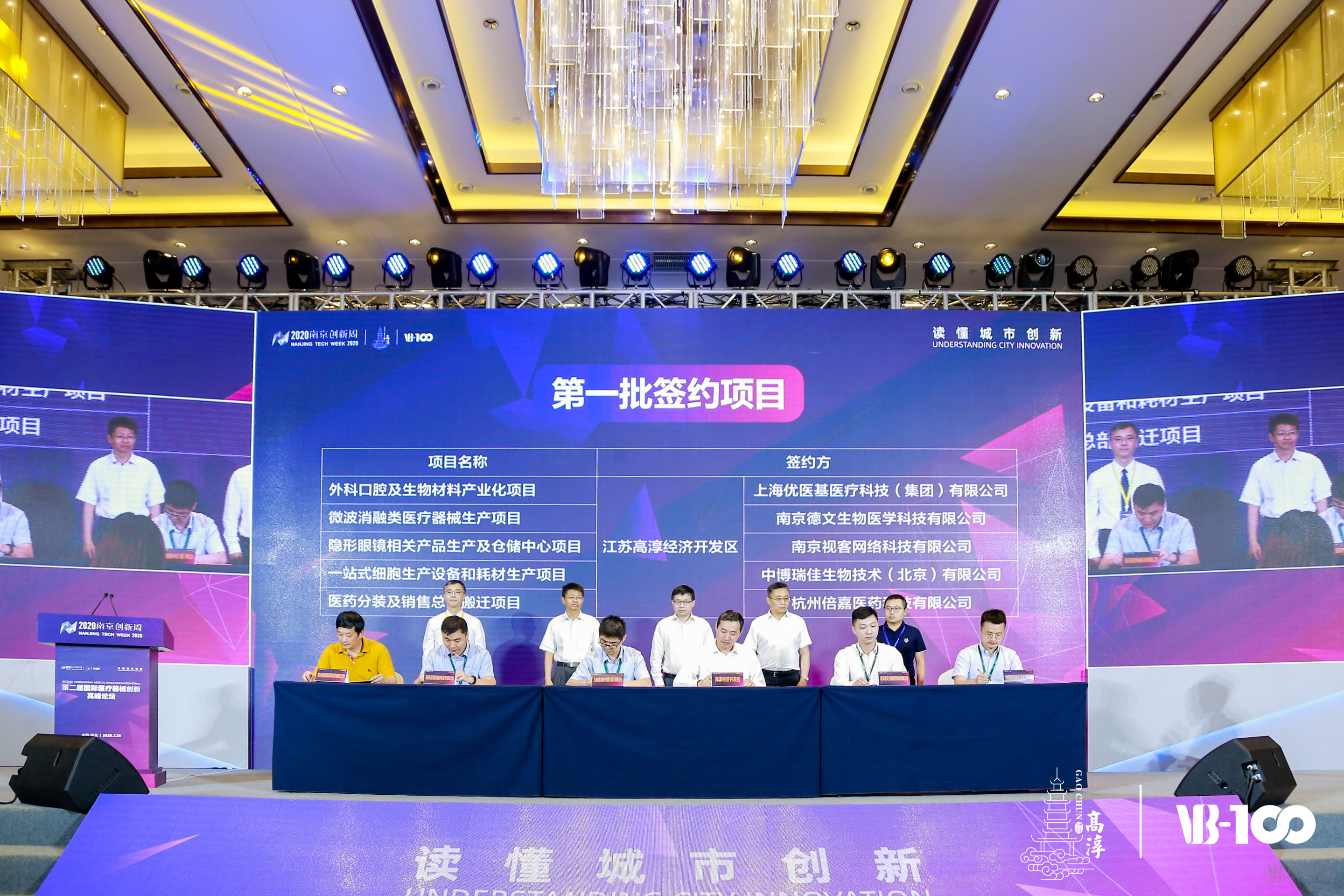
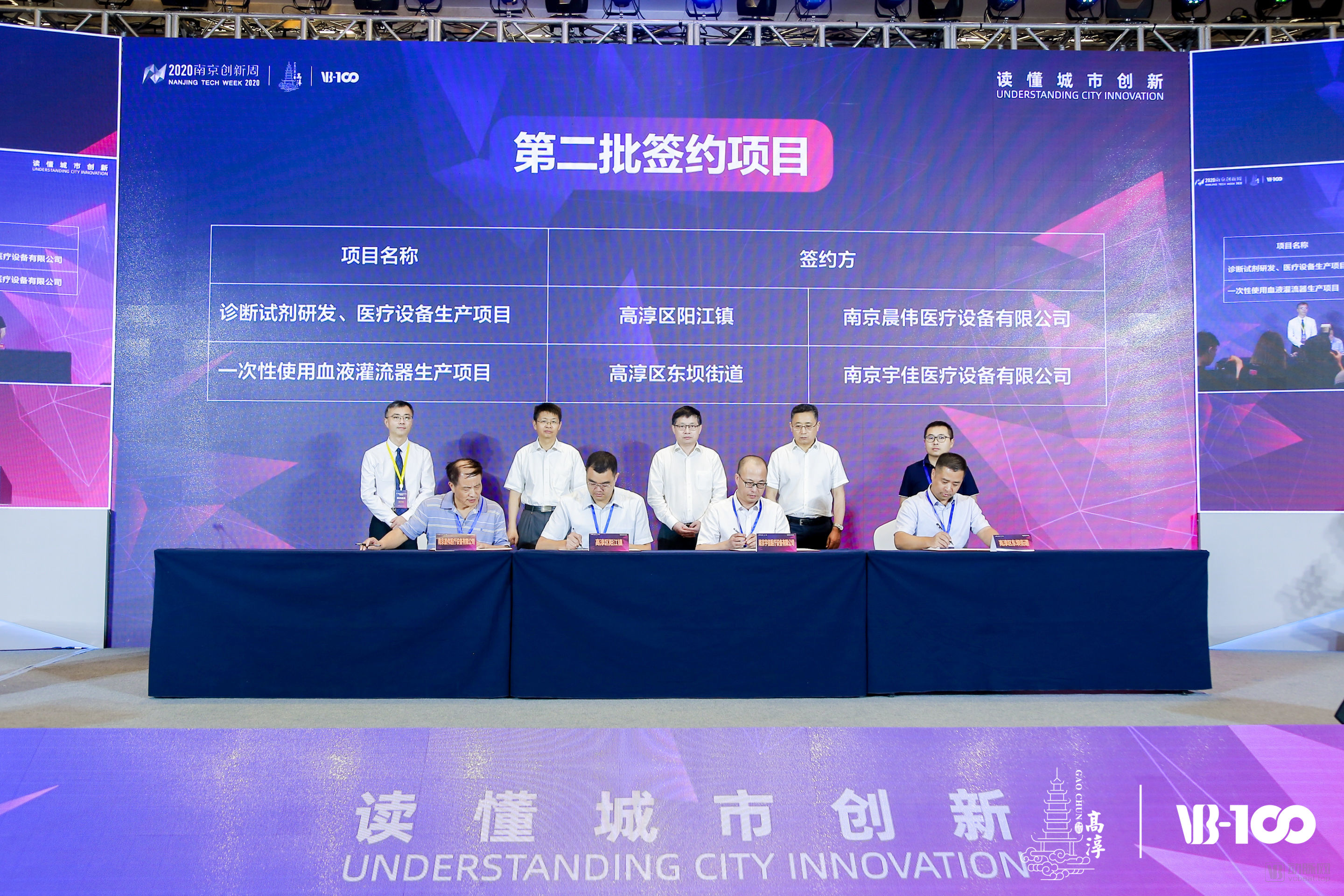
Project Signing Ceremony
With vast development potential, comprehensive supporting infrastructure, pragmatic policy support, and a vibrant entrepreneurial ecosystem, Gaochun is increasingly capturing the attention of medical device companies, leading to the establishment of numerous high-quality enterprises. At this event, seven key projects signed agreements with Gaochun District.
What Are Their Views on the Future of Medical Devices and In Vitro Diagnostics?
Zhang Yuanting, Academician of the International Academy of Medical and Biological Engineering, “Development and Application of Health Engineering and Intelligent Medical Devices”
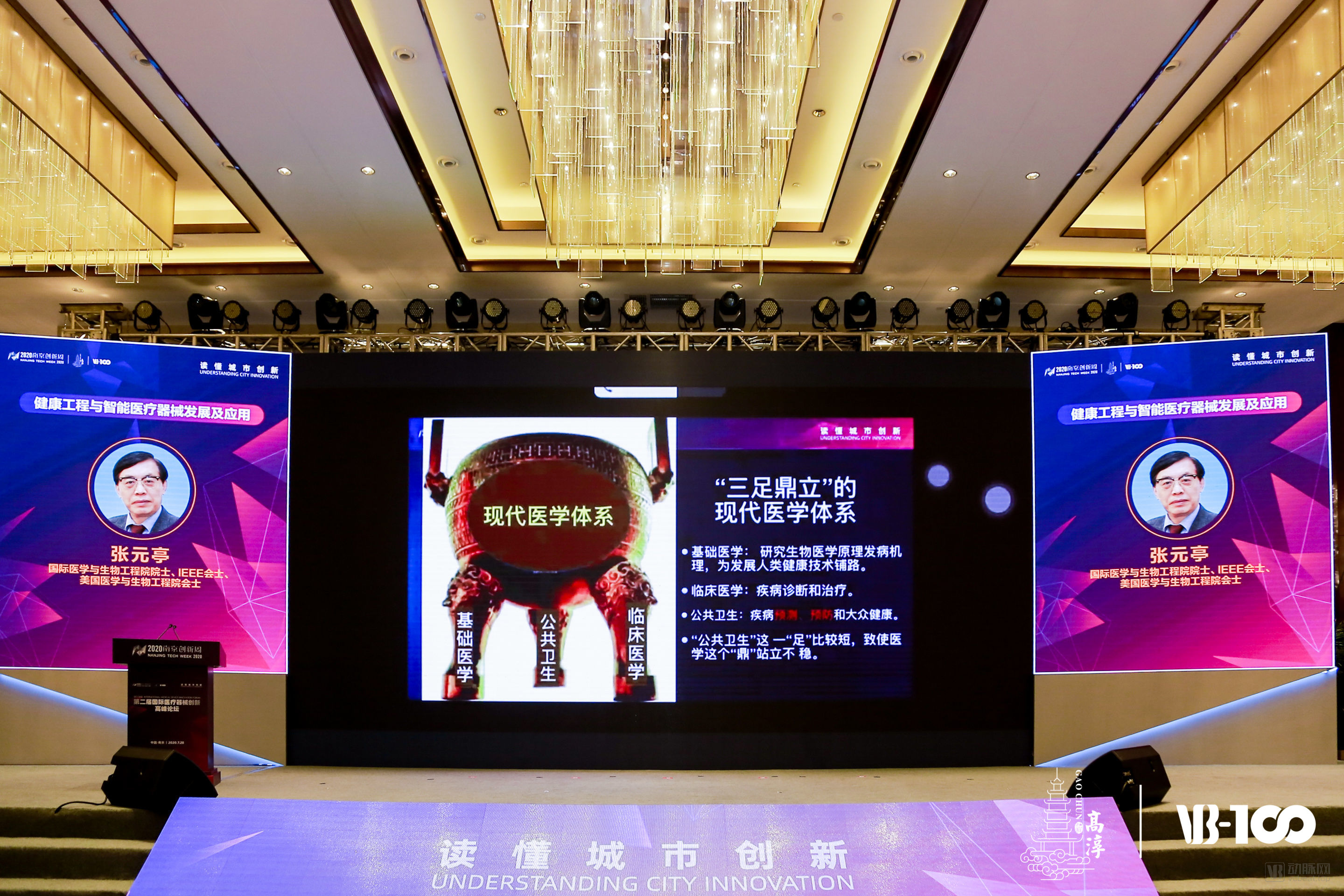
Yuanting Zhang, Academician of the International Academy of Medical and Biological Engineering, IEEE Fellow, and Fellow of the American Institute for Medical and Biological Engineering, participated in the live connection.
The future of medical development will shift from the current traditional model, which is predominantly treatment-oriented and reactive, to a proactive paradigm that prioritizes prevention while integrating both preventive and therapeutic approaches. In the future, it will be essential to systematically integrate technologies such as wireless wearable devices, imaging information systems, mobile platforms, and the internet through super-convergence, thereby creating modern, intelligent, networked, and digital medical equipment. Innovative advancements in medical devices will significantly drive the coordinated development of primary care, public health, and clinical medicine.
Bao Ningzhong, National Distinguished Young Scholar and member of the General Expert Group for the National Key R&D Program during the 13th Five-Year Plan period, “Development of Wearable Medical Devices and Electronic Diagnostic and Therapeutic Technologies”
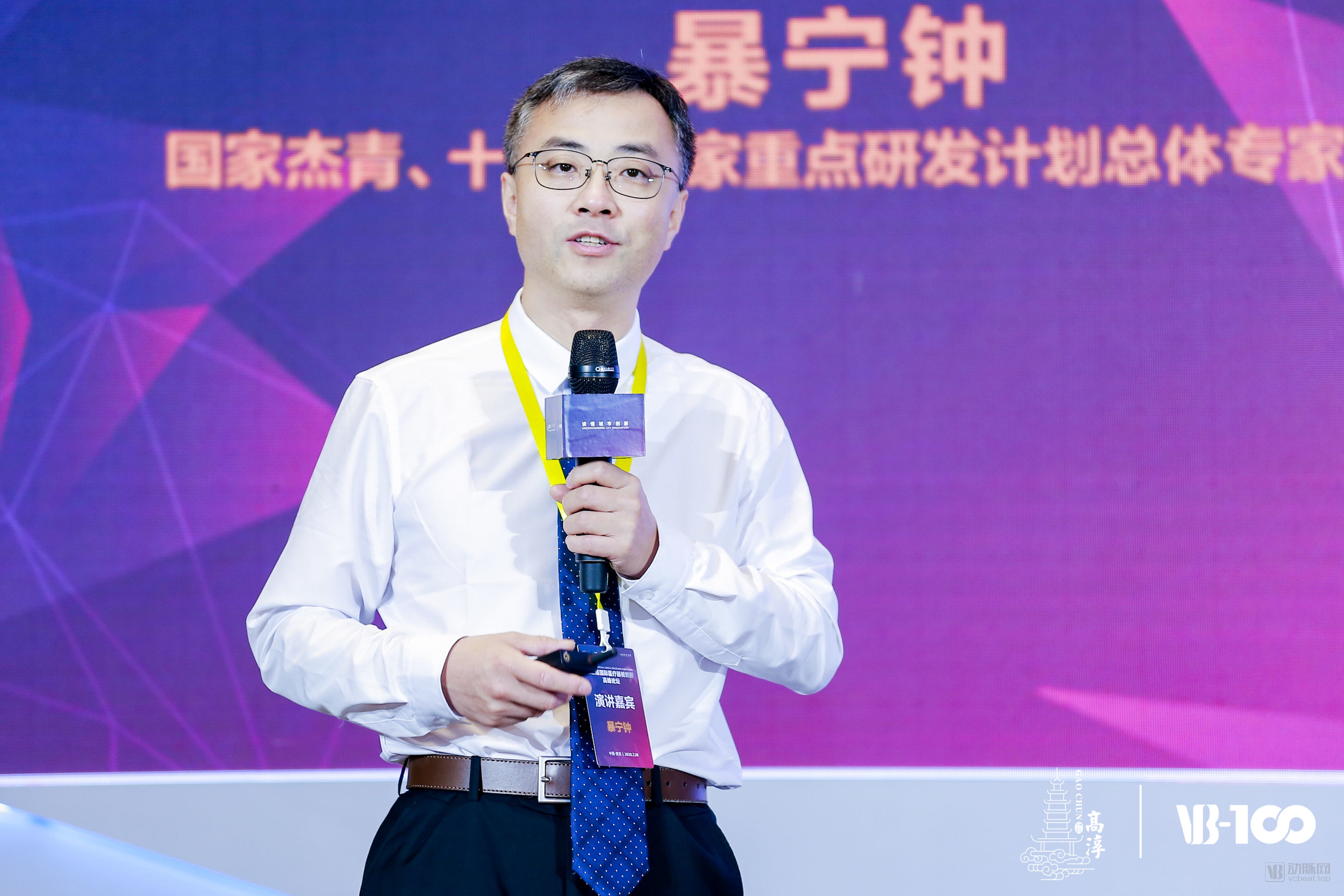
Bao Ningzhong, National Distinguished Young Scholar and member of the General Expert Group for the National Key R&D Program during the 13th Five-Year Plan period
Medical devices are evolving toward higher precision, greater accuracy, miniaturization, and painless operation, with nanorobots serving as a prime example. Overall, nanorobots have extensive applications in the medical field. Highly sensitive bionanostructures can be utilized for preventive testing, disease diagnosis, and disease screening, while nanorobots can also enable precise drug delivery, among other uses.
Dong Yansheng, NMPA Medical Device Review Expert, “Progress and Prospects of China’s Medical Device Review and Approval Reform”
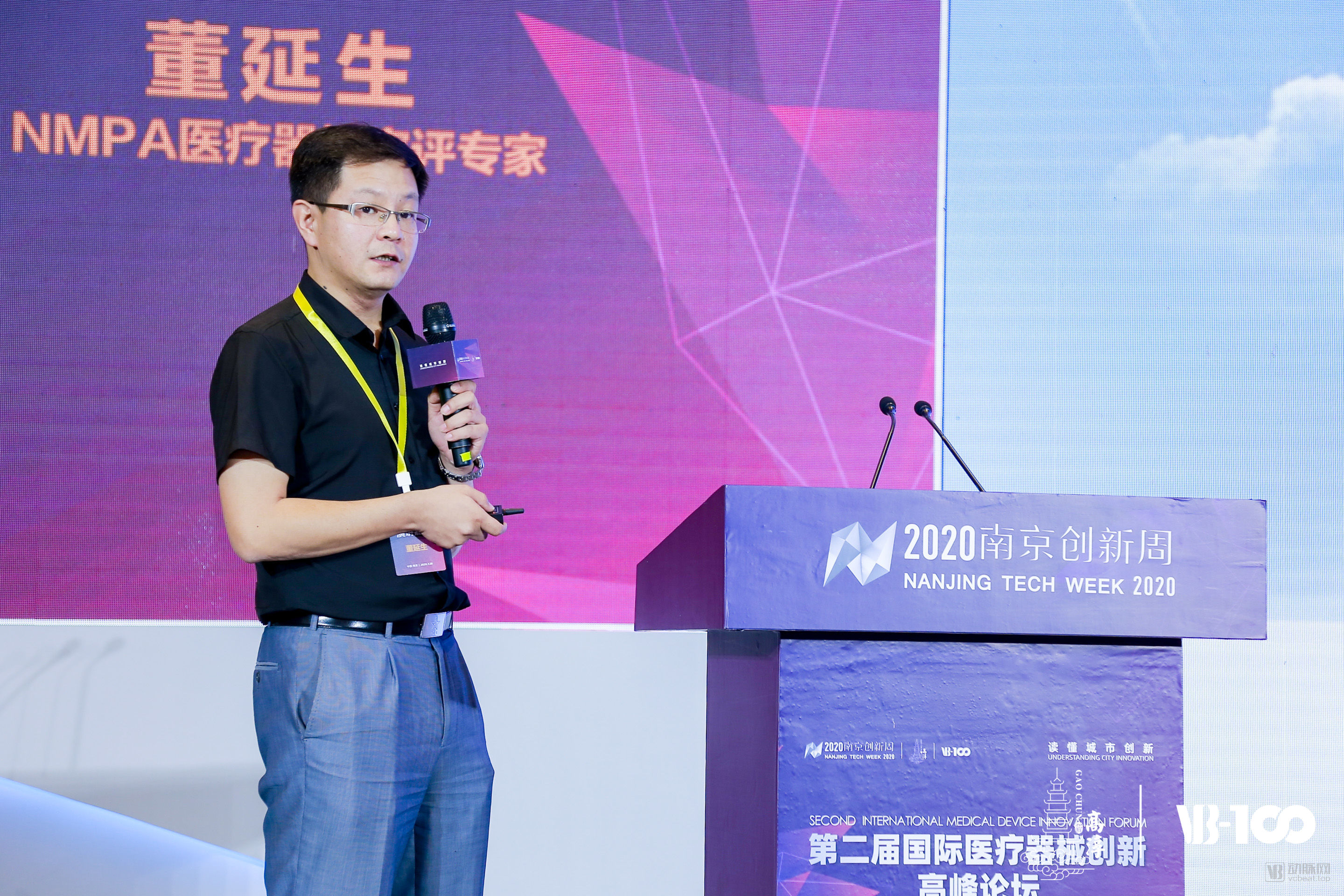
Dong Yansheng, NMPA Medical Device Review Expert
Professor Dong believes that strengthening the registration management system, continuously encouraging R&D and innovation in medical devices, and implementing regulatory science action plans will be key areas to anticipate and look forward to in the upcoming reforms of the medical device review and approval system. Professor Dong Yansheng also offered several recommendations for innovative medical devices from a toxicological or safety perspective prior to research: increasing attention to these aspects, ensuring the scientific rigor of the entire study, and maintaining standardization in research implementation.
He Lei, General Manager of the Healthcare Business Division, Microsoft Greater China, “Exploration, Practice, and Reflections on Medical Device Innovation”
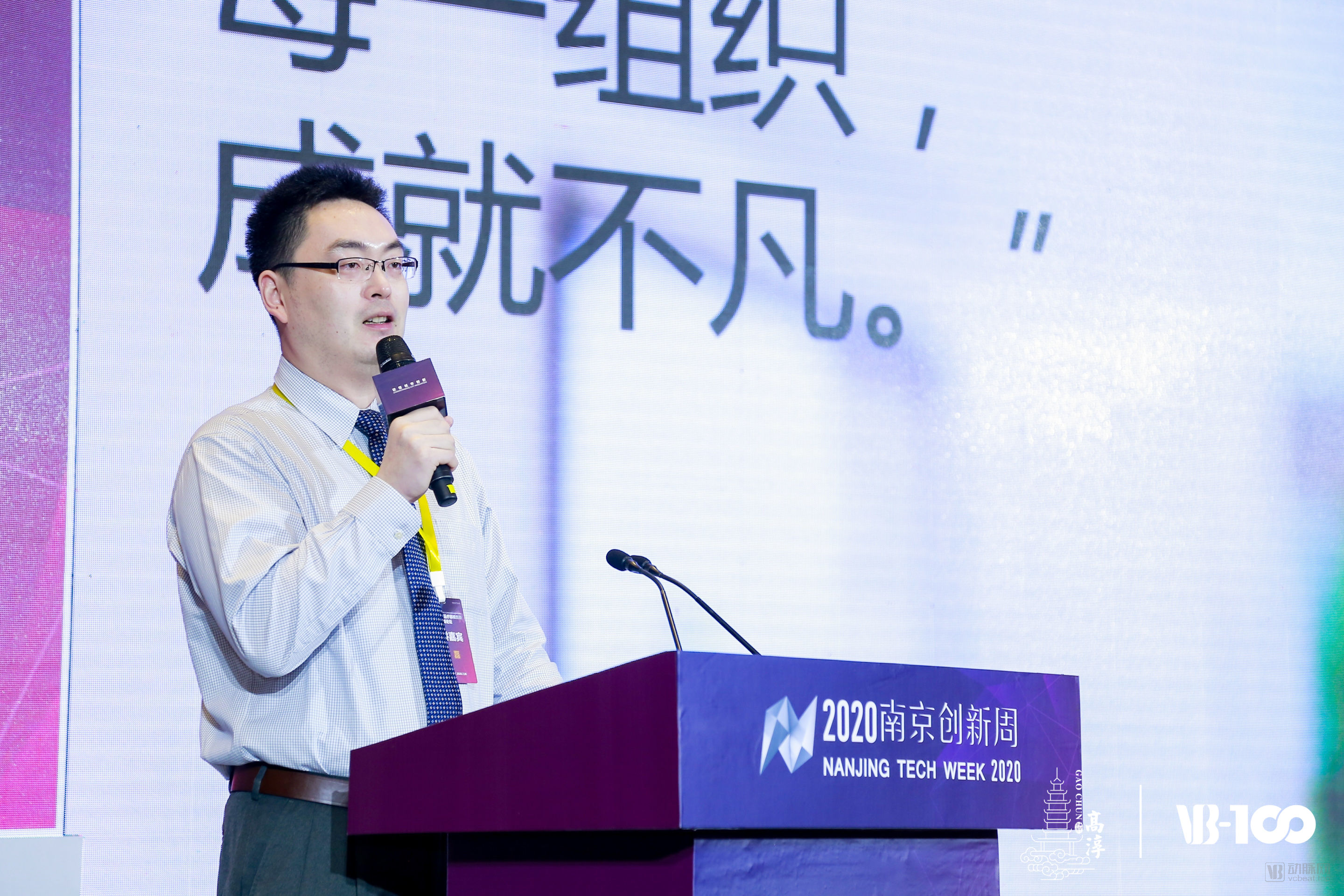
He Lei, General Manager of the Healthcare Division, Microsoft Greater China
In the context of artificial intelligence, cloud computing has become an indispensable ecosystem. Medical devices will inevitably integrate into modern healthcare systems, leveraging hybrid reality and other advanced technologies to better support development. As for Microsoft, it will leverage its current cloud computing capabilities to facilitate the digital and intelligent transformation of the healthcare sector by focusing on precision medicine, empowering healthcare professionals, and enhancing efficiency and quality.
Tian Jie, Director of the Key Laboratory of Molecular Imaging, Chinese Academy of Sciences, “Development Trends in New Health and Medical Technologies and Medical Artificial Intelligence”
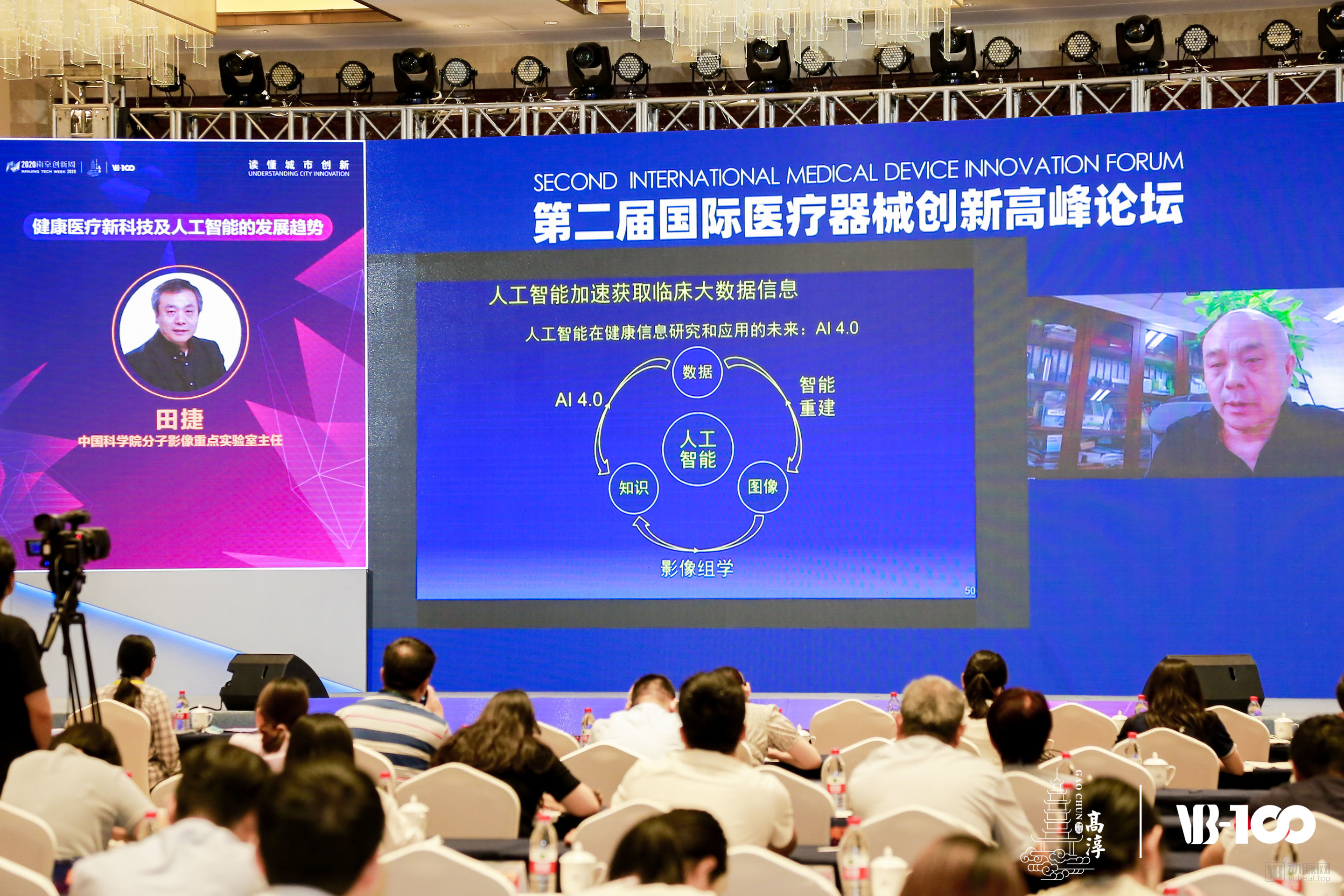
Tian Jie, Director of the Key Laboratory of Molecular Imaging, Chinese Academy of Sciences, participated in the live connection.
Professor Tian Jie shared insights on intelligent technology-driven medical devices, noting that precision surgery and minimally invasive treatments have improved five-year survival rates. He emphasized that win-win collaboration in the development of medical devices or in vitro diagnostics is essential to achieve successful commercial translation, thereby truly benefiting patients and generating economic value.
Wu Hanliang, Director of the Strategy Department at Guotai Junan Securities, “Discussing Investment Hotspots in Medical Devices from the Perspective of the STAR Market and the Hong Kong Stock Exchange’s Biotech Board”
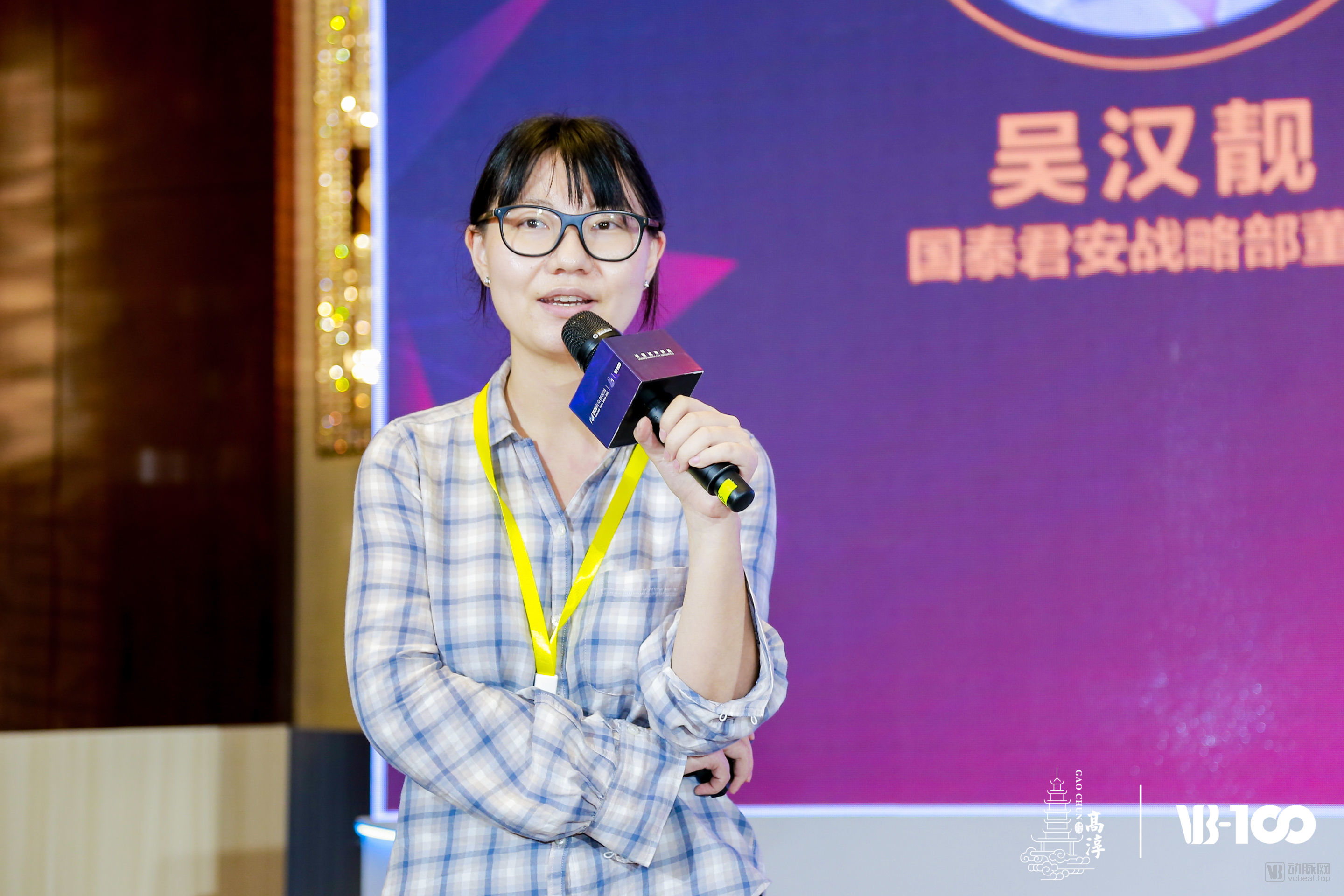
Wu Hanliang, Director of the Strategy Department at Guotai Junan
China’s medical device industry enjoys high overall prosperity, yet it remains fragmented with low market concentration. High-end devices are dominated by imported brands, while China ranks first globally in the production volume of various mid- and low-end medical device products. The future development of the medical device industry will be characterized by trends toward innovation, domestic substitution, and intensified mergers and acquisitions.
Wang Yaqi, Co-founder and Chairman of Raybiotech, “Development Trends and Application Development of Digital PCR Technology”
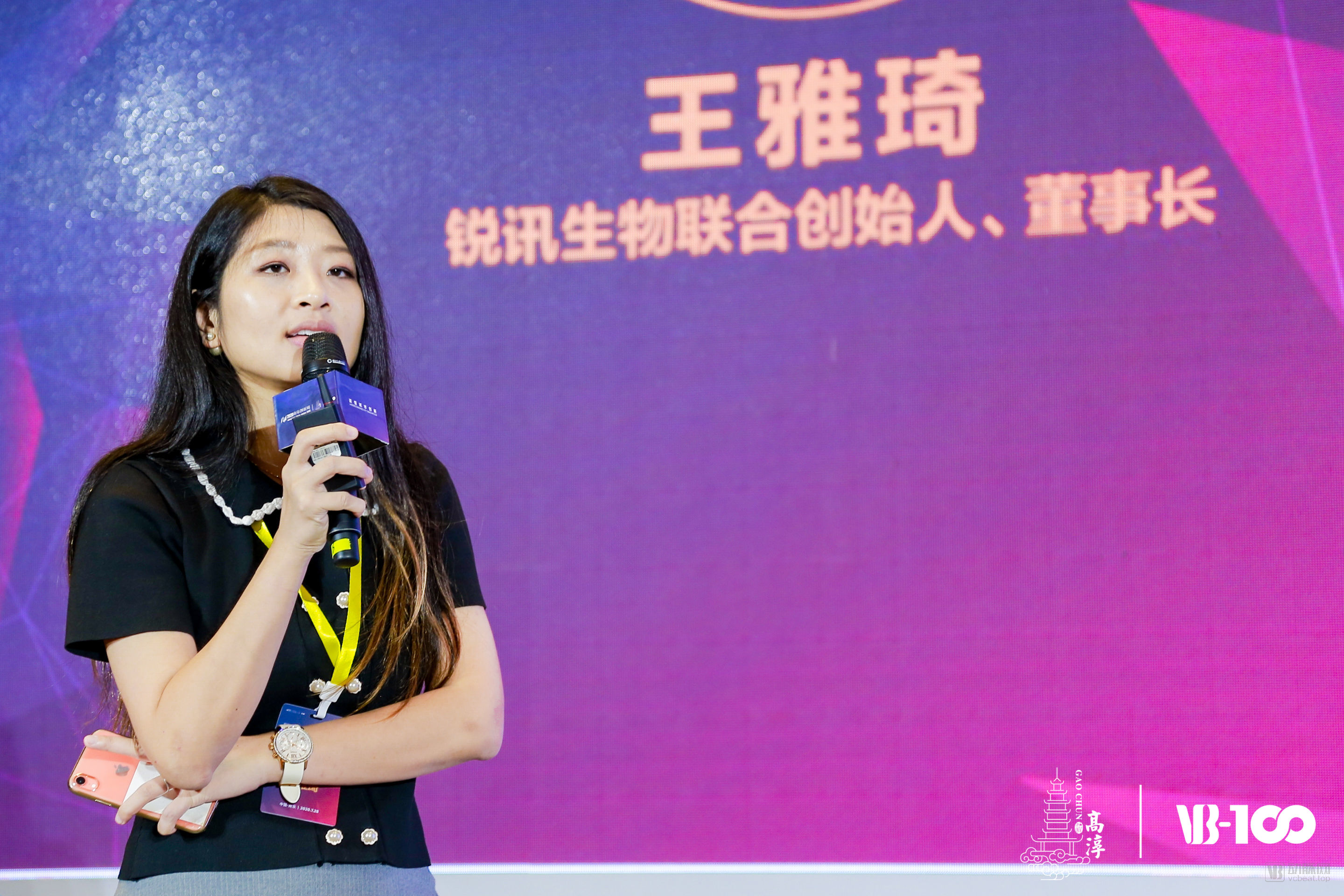
Wang Yaqi, Co-founder and Chairman of RayBiotech
Digital PCR (dPCR) offers at least an order of magnitude higher sensitivity than RT-PCR, and is widely applied in oncology, infectious diseases, and genetic disorders. The development trend of dPCR should be evaluated in the context of its applications; for the field of infectious diseases, I believe that integrated, all-in-one, and high-throughput dPCR systems will be essential for clinical use in the future.
Du Zhengping, Co-founder of Aoran Bio, “Current Status and Development Trends of the Point-of-Care Molecular Diagnostics Market”
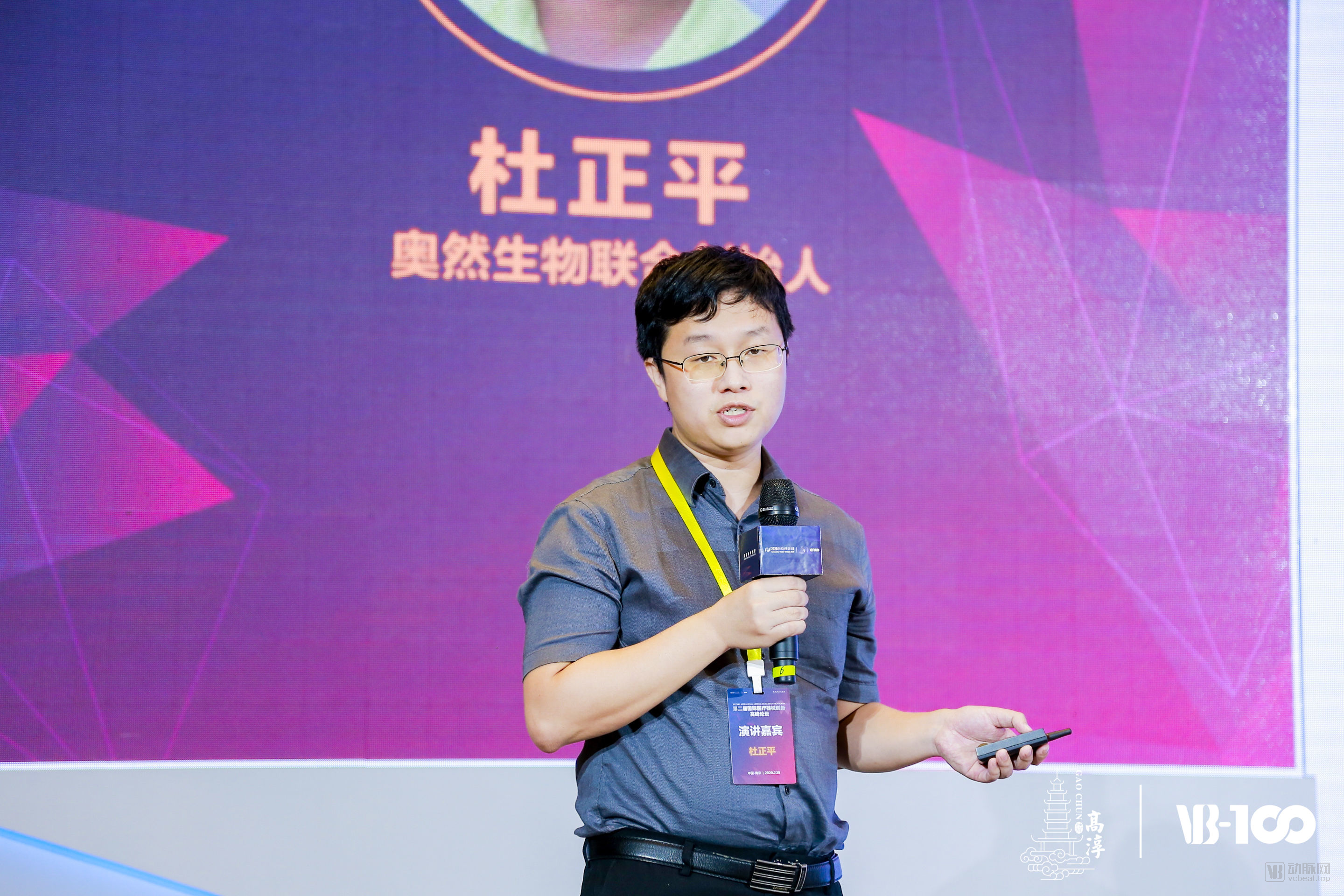
Du Zhengping, Co-founder of OraBio
While the ideal direction for point-of-care molecular diagnostics is to be comprehensive, rapid, high-quality, cost-effective, and all-encompassing, achieving all these attributes simultaneously is extremely challenging. Given national conditions, it is more pragmatic to prioritize speed, quality, and cost-efficiency in point-of-care testing. Strengthening innovation in upstream technologies and developing new technology platforms require building proprietary capabilities while respecting the intellectual property and technical assets of peer companies, with an emphasis on long-term accumulation. Secondly, talent is critical. Collaborative innovation is also vital; partnerships between industry, academia, and research institutions, as well as inter-enterprise collaborations within China, are key drivers of innovation.
Sparks of Intellectual Exchange: Two Roundtable Discussions Point the Way Forward for the Industry
Roundtable Discussion: Development Trends and Opportunities in the Medical Device Industry in the Post-Pandemic Era
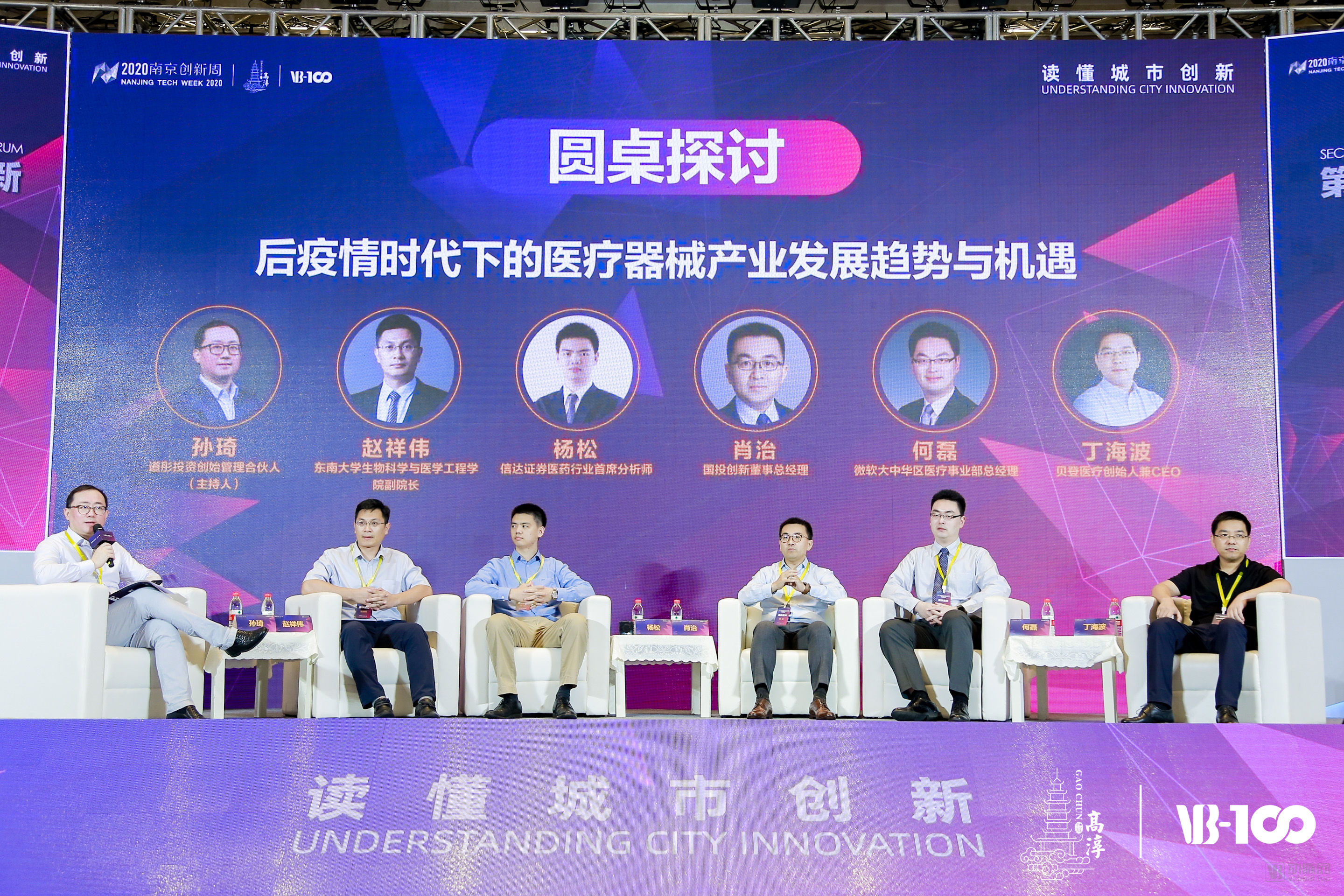
From left to right:Founding Managing Partner, Daotong InvestmentSun Qi,Vice Dean, School of Biological Science and Medical Engineering, Southeast UniversityZhao Xiangwei,Chief Analyst, Healthcare Sector, Cinda SecuritiesYang Song,Managing Director, SDIC InnovationXiao Zhi,General Manager, Healthcare Division, Microsoft Greater ChinaHe Lei,Founder & CEO of Beden MedicalDing Haibo
Zhao Xiangwei:Compared with their international counterparts, domestic technologies, particularly in the field of medical devices, are still in a phase of catching up. Advancing from this catch-up stage to running alongside, or even leading, demands exceptionally high levels of front-end innovation, especially in terms of innovative technical principles. The core ecosystem for translating scientific and technological achievements from universities and research institutes relies on industry demand as the guide, technological innovation as the driver, and the integration of appropriate industrialization, commercialization, and financial capital.
In the field of applied technology research, many cutting-edge technologies are being developed. Abroad, particularly in the United States, it is quite common, or even bolder, to invest in very early-stage ventures. In contrast, investors in China tend to be more conservative, with a greater focus on later-stage investments. Given the current development landscape in China, as an expert in the investment sector, what are your views or insights on early-stage investing?
Xiao Zhi:From my personal perspective, as China’s capital markets—including the STAR Market and the ChiNext Board—continue to open up, late-stage projects are becoming increasingly scarce. Consequently, early-stage investing and post-IPO investing will emerge as significant trends.
Sun Qi:In the early stages, whether for new drugs or medical devices, if the underlying technology is relatively well-defined—for instance, when certain drug targets are clearly established—an increasing number of institutions are tending to adopt incubation-style investment models, enabling R&D teams to devote their time and energy entirely to research and development.
Yang Song:In terms of the quality of domestically produced products, including China’s foundational industrial sectors, the greatest difference between biopharmaceuticals and medical devices or equipment lies in the strong explosive growth potential of pharmaceuticals, a track characterized by an exceptionally long duration.
Ding Haibo:Over the past five years or so, China’s medical device industry has experienced rapid growth. The industry as a whole has been more focused on R&D, registration, and manufacturing, along with some downstream consumer segments. However, both the investment and entrepreneurial communities in China have previously paid relatively little attention to the distribution sector of medical devices. I believe that a major bottleneck for the future development of China’s medical device industry is the backwardness and inefficiency of its distribution channels.
He Lei:Customers’ understanding of our products is evolving. In many cases, discussions with physicians no longer center on hardware specifications or scanning sequences, but rather on algorithms. In the future, a richer ecosystem will be deeply integrated through software and cloud computing. The surpassing of domestic alternatives in China is increasingly reflected in digital and AI enablement. Leveraging our advantages in big data and algorithms, we empower these capabilities. Therefore, we anticipate that, beyond hardware, we will deliver more compelling applications in software and digital enablement.
Roundtable Discussion: Technological Breakthroughs and Clinical Value of In Vitro Diagnostics
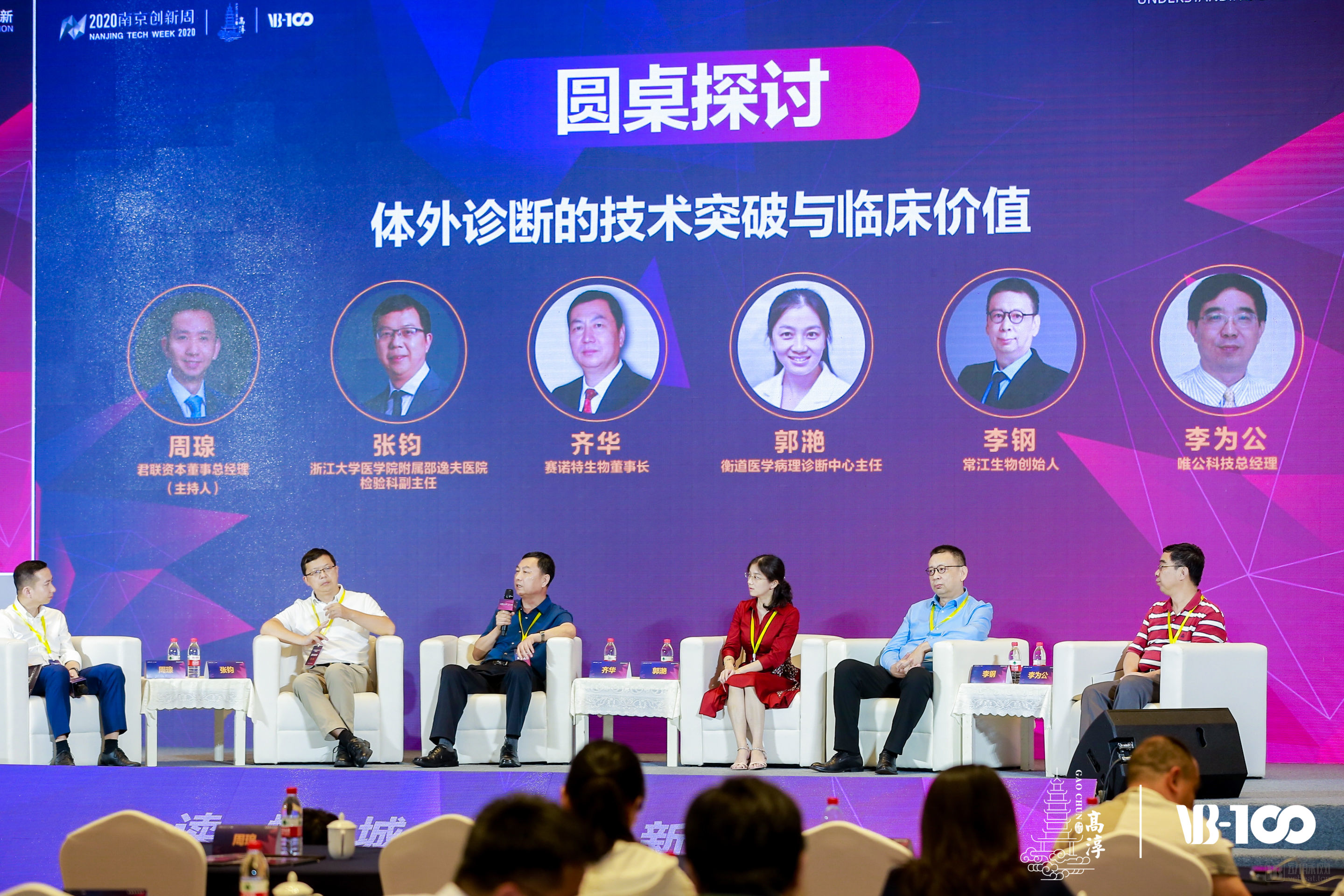
From left to right:Zhou Quan, Managing Director of Legend Capital,Zhang Jun, Deputy Director of the Department of Laboratory Medicine at Sir Run Run Shaw Hospital, Zhejiang University School of Medicine,Qi Hua, Chairman of Cenotech Bio; Guo Yan, Director of the Pathology Diagnosis Center at Hengdao Medical; Li Gang, Founder of Changjiang Bio; and Li Weigong, General Manager of Weigong Tech
Guo Yan:Historically, pathological diagnosis was understood primarily as a service to support clinical diagnosis. However, with the advent of precision medicine, the scope of pathological diagnosis has expanded significantly. I believe it holds substantial potential in early screening. Additionally, in the realm of treatment, companion diagnostics have become a focal point of interest. Regarding oncology, particularly immunotherapy, the underlying detection technologies are already mature. There is significant promise in achieving import substitution by prioritizing domestically produced solutions based on these established technologies, thereby fostering technological iteration and reducing costs.
Zhang Jun:Within the entire IVD industry, pathology and diagnostics are not completely separated. From the perspective of domestic substitution for imports, chemiluminescence represents the most significant direction. However, in terms of growth trajectory, molecular diagnostics is advancing the most rapidly, including companion diagnostics and immunotherapy, which are all experiencing rapid development. Consequently, these areas are more readily accepted and present abundant opportunities.
Qi Hua:In recent years, medical reform has undergone significant fluctuations, making it difficult for companies engaged solely in trading to survive. However, we must face this challenge. With the gradual aging of the population, healthcare insurance expenditures have increased substantially. Furthermore, the application of advanced technologies has significantly raised the costs associated with diagnosis and treatment. To maintain universal health coverage with limited funds, the state must streamline intermediate links. This is a reality we must confront.The IVD (In Vitro Diagnostics) industry still presents substantial opportunities. In our sector, the majority of products are still imported, which represents the greatest opportunity for manufacturers of domestically produced goods. However, we must truly match the quality and performance of imported products. For China, this necessitates a commitment to innovation and original development. In my view, although challenges are inevitable, the opportunities in the IVD industry outweigh the challenges.
Li Weigong:Innovation actually spans multiple dimensions. The principle of amplification developed in 1968, new methods introduced in the 1990s, and the subsequent emergence of droplet-based technologies all represent fundamental, principle-level innovations. There are still opportunities in areas such as enhancing ease of use for physicians—for instance, enabling pathologists to instantly analyze images upon upload. For companies committed to deepening their presence in this field, the key lies in addressing critical pain points. From our perspective, we are actively advancing along this path, striving to simplify physicians’ workflows.
Li Gang:Amid the broader environment of healthcare insurance cost containment, Chinese domestic enterprises must pursue innovation. However, this should not be blind pursuit; rather, it should be innovation tailored to clinical usage scenarios. We aim to achieve what others cannot, perform better than competitors where they already have capabilities, or offer more cost-effective solutions. Furthermore, by relocating our entire product supply chain from overseas to China, we have achieved robust cost control, aligning with the nation’s overarching strategic direction.
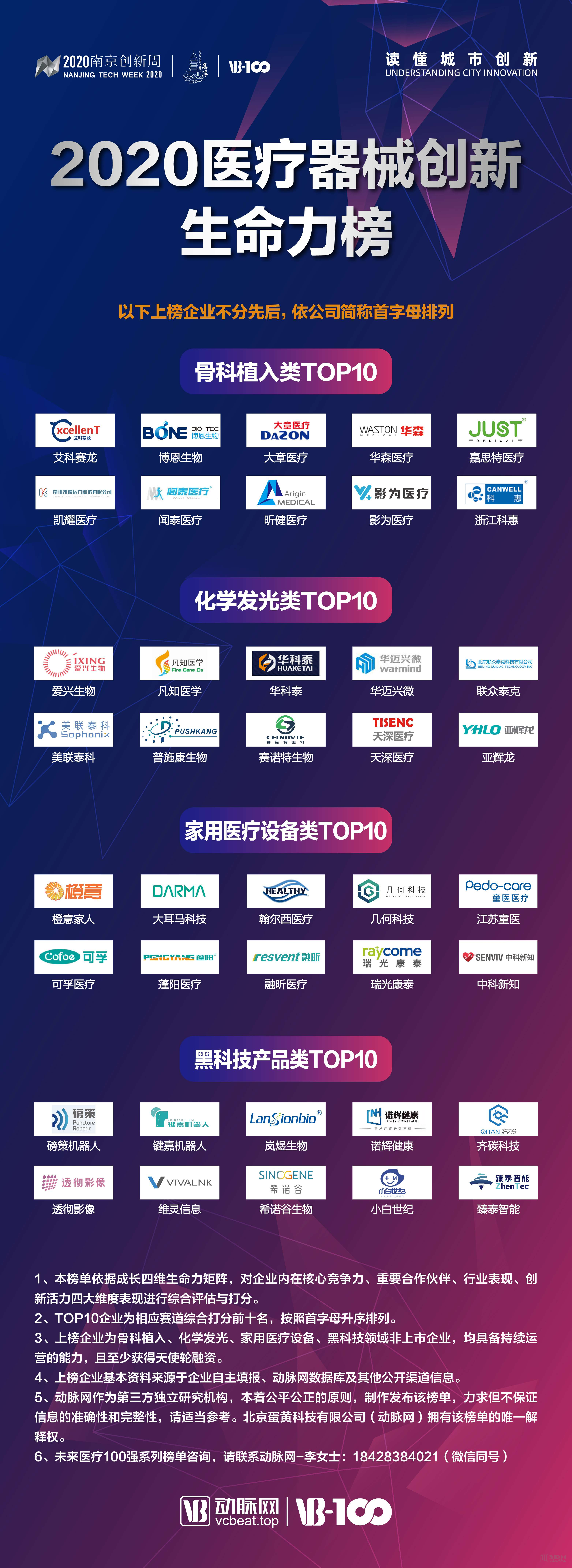
On-site Release of the 2020 Medical Device Innovation Vitality Rankings (4 Charts)
On the day of the event, VCBeat released2020 Medical Device Innovation Vitality Ranking,Focusing on four high-growth sectors—chemiluminescence, home-use medical devices, orthopedic implants, and cutting-edge technologies—40 companies were ultimately selected as the 2020 Most Innovative and Vital Medical Device Enterprises.