

Insights into Health Industry Opportunities Based on Big Health Data: Chronic Disease Populations Expand Rapidly, Driving Explosive Demand for Health Management
On August 13, the 2020 Westpu Conference, themed “Sun Chasers’ Perseverant Journey—Ushering in a New Era of Full-Life-Cycle Health Management,” grandly opened in Boao, Hainan.
That afternoon, Qin Jianzeng, Chief Technology Officer of Sinohealth Information, delivered a report titled “China Urban Population Health Report (2019): Insights into Industry Opportunities Based on Health Big Data.” By analyzing big data on the health of China’s urban population, he revealed the latest health status and development trends of the Chinese population and identified opportunities in the health industry based on insights derived from health big data.
The “Healthy China Action (2019–2030)” clearly states that it is essential to firmly establish the concept of “comprehensive hygiene and holistic health,” adhere to the principle of prioritizing prevention while integrating prevention with treatment, and promote a shift from a disease-centered approach to a health-centered one.
“Shifting the focus from disease treatment to health promotion, the role of big health data is indispensable.” Qin Jianzeng believes that “with the help of big health data, we can not only gain a clearer understanding of the health status and development trends of the Chinese population but also implement targeted prevention and control measures based on these trends.”
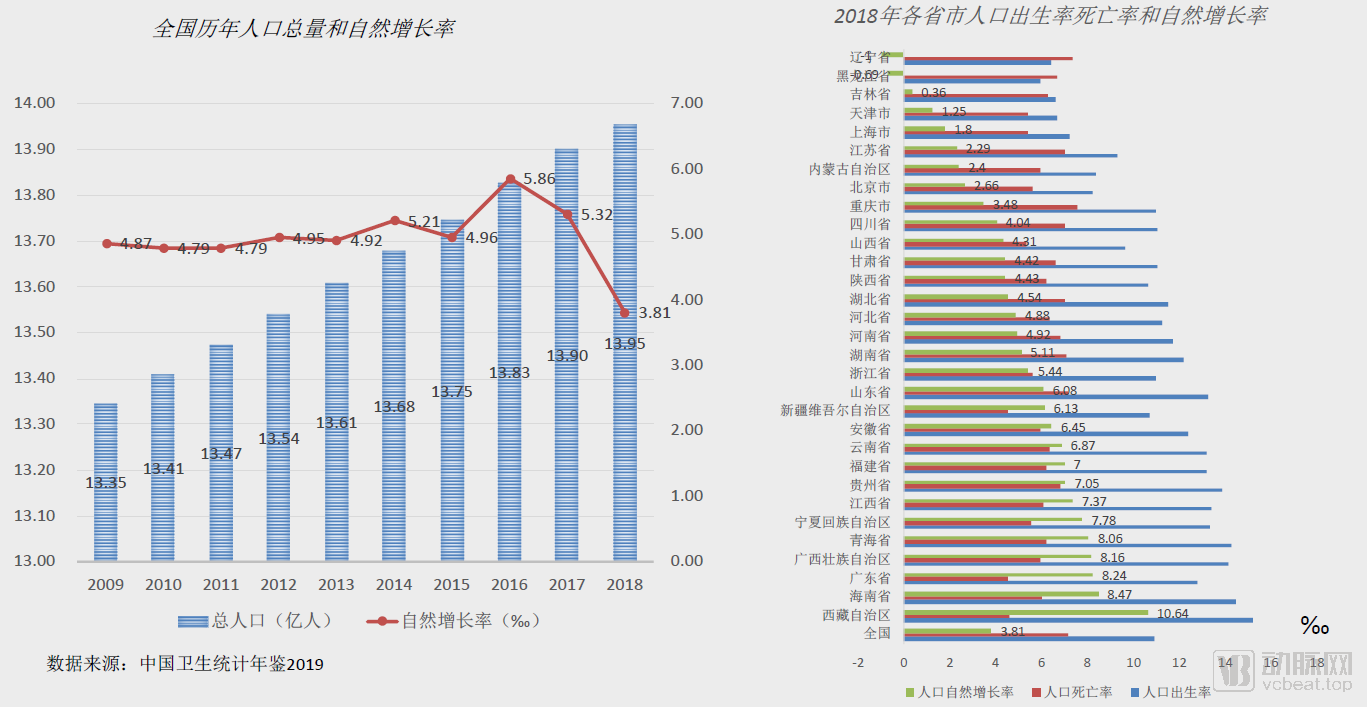
Data show that China has entered a new stage characterized by low birth rates, low mortality rates, and low natural population growth, with Liaoning and Heilongjiang provinces even facing the challenge of negative population growth.
Currently, China’s population pyramid is transitioning from a stable to a declining type. In 2005, the proportion of the working-age population in China peaked, the dependency ratio reached its most favorable level, and the demographic dividend was particularly prominent. Over the next 30 years, population aging in China will continue to intensify. By 2030, the proportion of the population aged 60 and above will reach 18%; by 2050, it will exceed 30%.
“As the post-60s and post-70s generations gradually enter middle and old age, health demands will experience a surge, inevitably leading to a mismatch between demand and supply. China’s health industry will usher in new opportunities,” said Qin Jianzeng.
Life expectancy, maternal mortality rate, and infant mortality rate are typically the primary indicators used to assess the health status of a population in a given region. These three key metrics are correlated with pharmaceutical consumption, healthcare expenditure, and the number of medical professionals per capita.
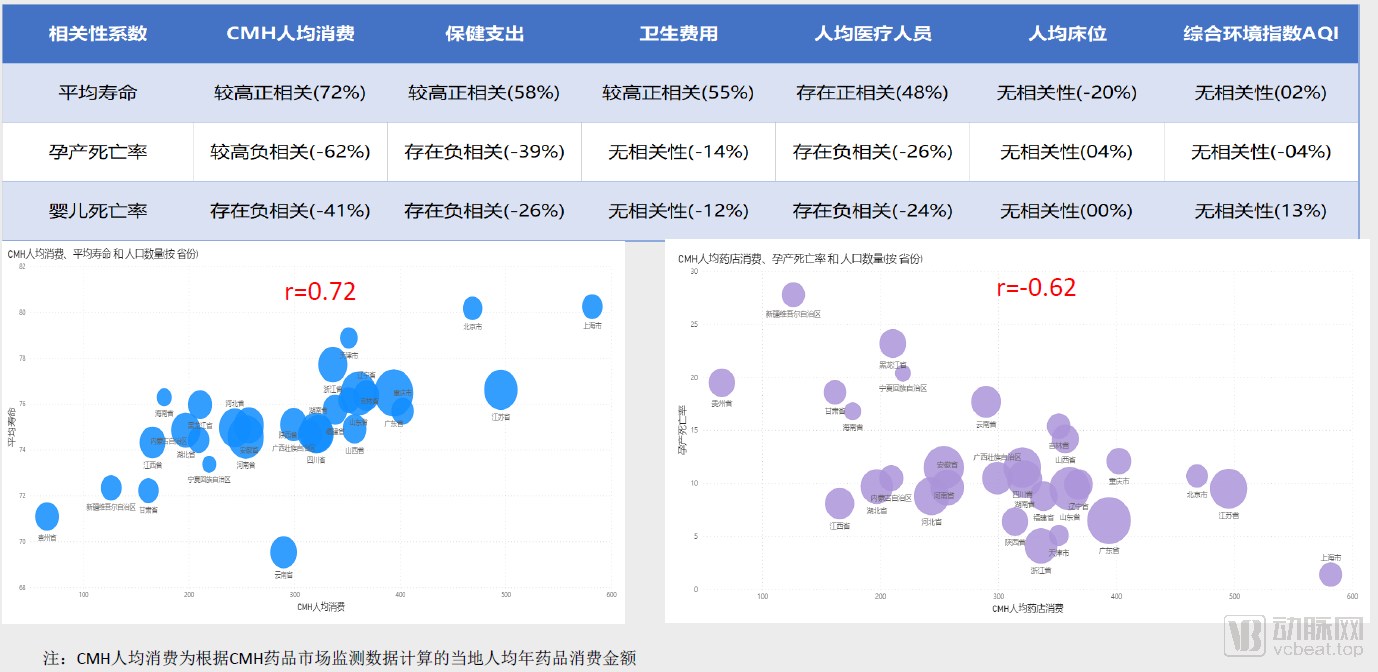
Analysis revealed that the average life expectancy of local residents is positively correlated with per capita drug consumption, healthcare expenditure, health costs, and the number of medical technical personnel per capita in CMH, but shows no correlation with the comprehensive environmental index.
Both maternal mortality and infant mortality rates were negatively correlated with per capita consumption of CMH, healthcare expenditure, and the number of medical technical personnel per capita, but showed no correlation with health expenses or the comprehensive environmental index.
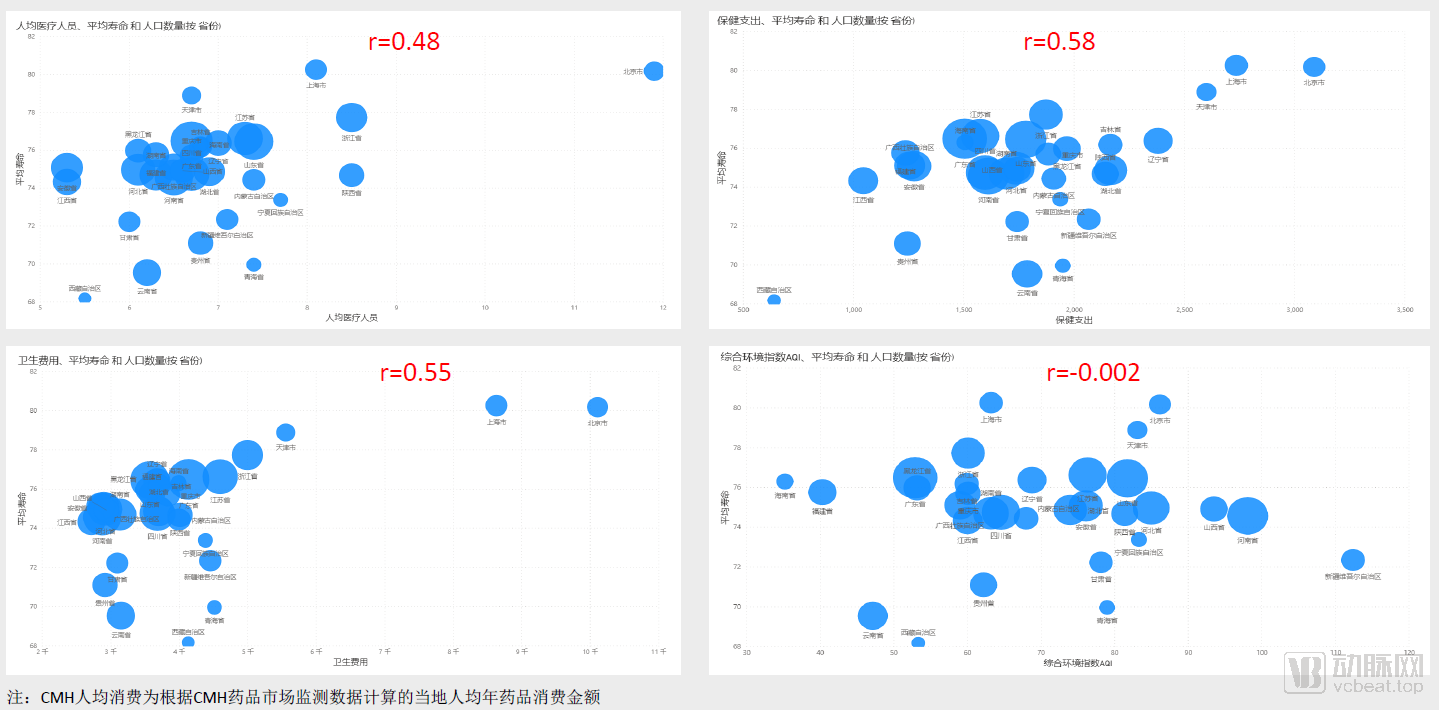
“Contrary to popular belief, big data analysis has found that there is little correlation between the composite environmental index, which reflects the degree of environmental pollution, and key health indicators such as average life expectancy, maternal mortality rate, and infant mortality rate.” Qin Jianzeng pointed out, “Average life expectancy is primarily associated with factors such as the allocation of medical resources, healthcare expenditures, and pharmaceutical consumption, which are closely linked to the level of local economic development.”
Big data not only enables precise profiling of population health but also reveals prominent health issues within the population through indicators such as the detection rates of common health problems.
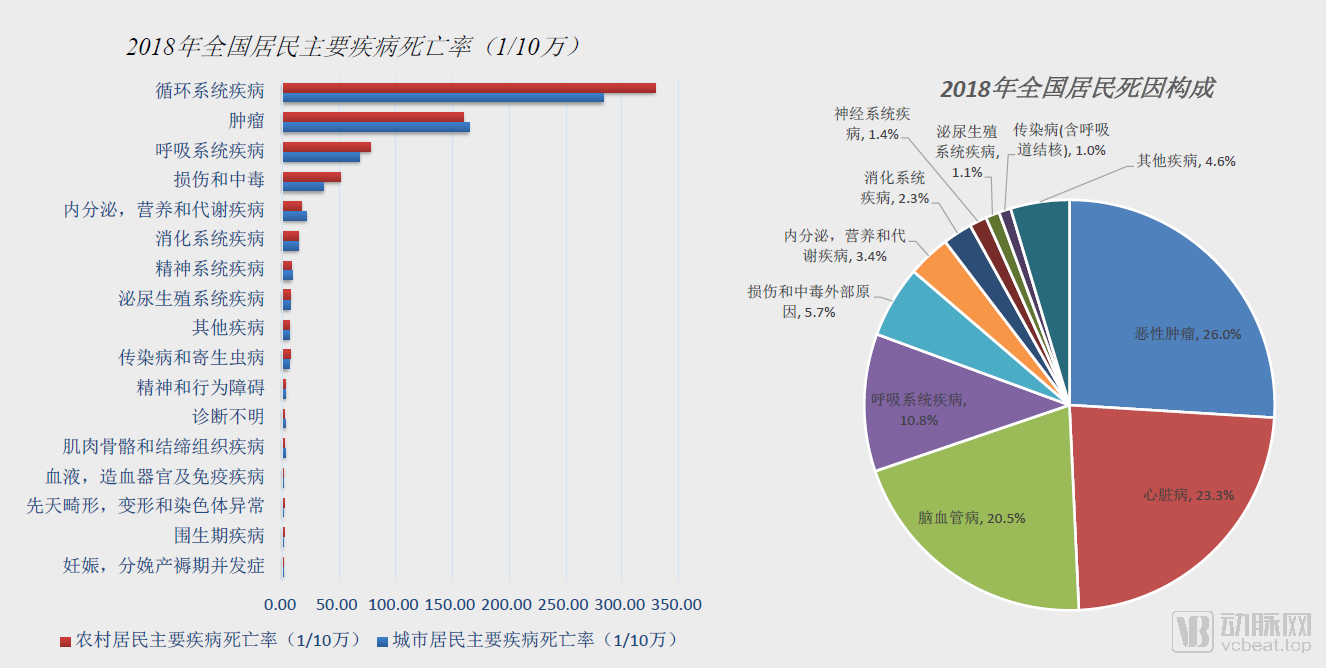
Data show that malignant tumors have become the leading cause of death among residents in China. The five major causes of death—malignant tumors, heart disease, cerebrovascular disease, respiratory diseases, and injuries and poisoning—together account for 86.3% of all deaths among residents.
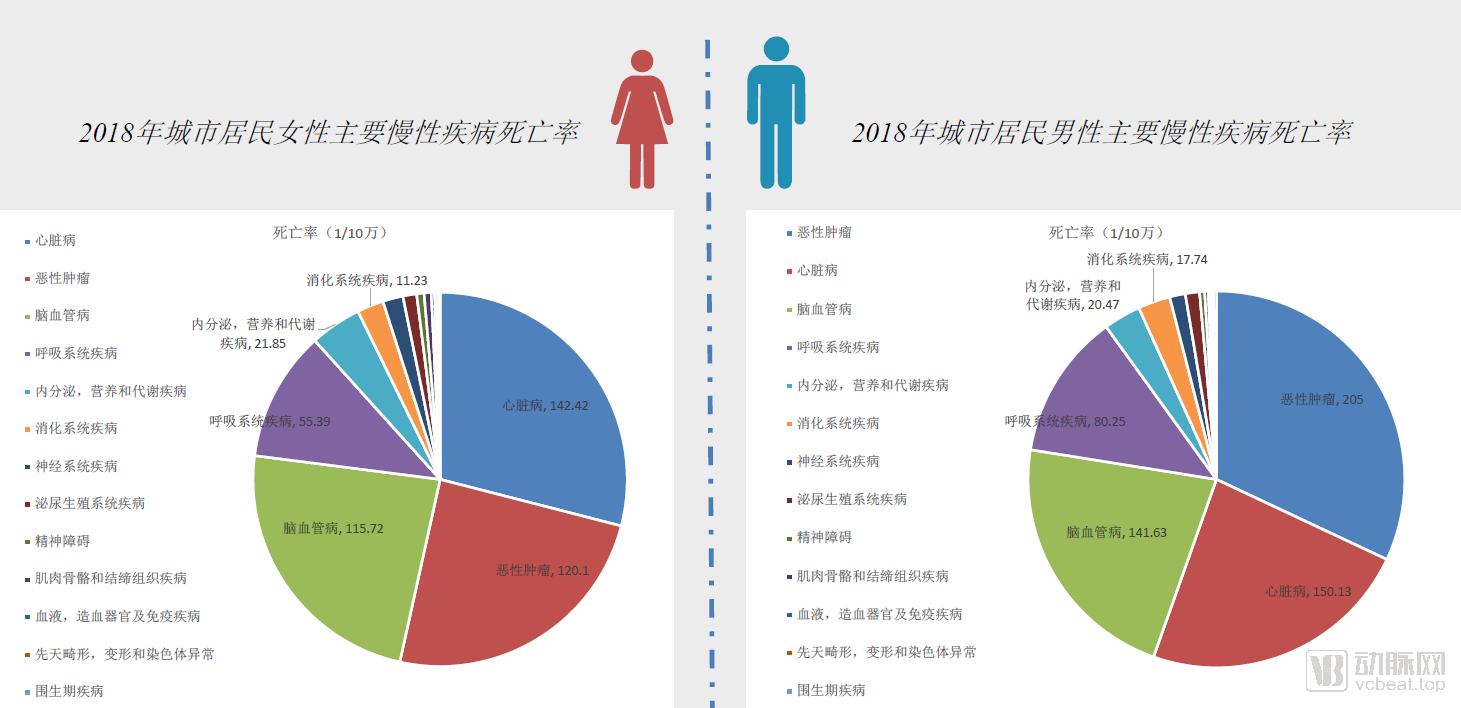
Among men, the leading cause of death is malignant neoplasms, while among women, it is heart disease. The three most common malignant neoplasms in men are lung cancer, gastric cancer, and liver cancer; in women, they are breast cancer, lung cancer, and colorectal cancer.
Big data from health examinations reveal that, overall, the disease detection rate in men increases with age, whereas this trend is not significant in women. Conditions such as poor vision, elevated body mass index (BMI), thyroid nodules, fatty liver, hypertension, and hyperuricemia exhibit high detection rates across the general population.
Big data from health checkups has also revealed significant gender and regional disparities. For instance, the detection rate of hypertension is markedly higher in men than in women, and is higher in northern cities than in southern ones. The detection rate of hyperuricemia is generally higher in men than in women, with southern cities such as Guangzhou showing rates far exceeding those in the north. Additionally, the prevalence of a history of diabetes and abnormal glycated hemoglobin levels is higher in men than in women, and these conditions are generally more prevalent in northern cities than in southern ones.
“These big data not only hold immense social value but also carry significant economic implications,” said Qin Jianzeng, who noted that they reveal the existing problems and development potential within the health industry.
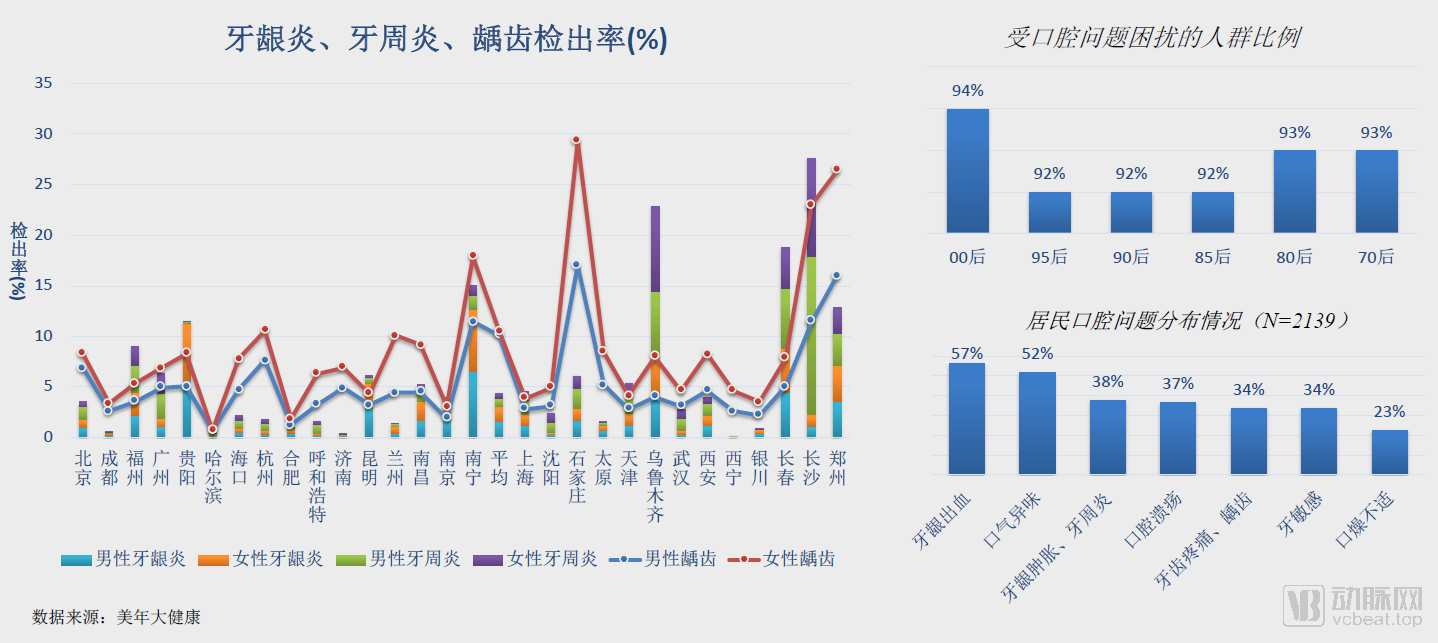
Taking the field of oral health as an example, data shows that the prevalence of oral diseases among Chinese residents is high, with over 90% of the population affected by oral health issues. However, only 31% undergo regular annual oral health examinations. In 2018, there were 300 million dental visits nationwide, with per capita spending on dental treatment reaching RMB 450. The market size of the stomatology sector approached RMB 150 billion, indicating substantial business opportunities.
Correlation Analysis Between Population Health Big Data and the Health Industry: An Innovative Application in Health Big Data Research with Significant Potential for Trend Forecasting and Corporate Decision-Making
Specifically in the pharmaceutical retail sector, analysis reveals a strong correlation between the detection rate of health issues and the retail sales volume of product categories as reported by Sinohealth CMH.
Taking hypertension as an example, there is a strong correlation (R=0.7855) between the number of detected hypertension cases in each province and the retail sales value of the Zhongkang CMH hypertension category. Shandong, Henan, Hebei, and Anhui are high-potential markets for the antihypertensive drug retail sector. In terms of trends in hypertension detection rates, Ningxia, Anhui, Beijing, and Chongqing are expected to experience faster growth in the future.
Taking diabetes as another example, the number of diagnosed diabetic patients in each province also shows a strong correlation with the retail sales of diabetes medications reported by Sinohealth CMH (R=0.71). Jiangsu, Henan, Liaoning, and Shanghai represent high-potential markets for diabetes drug retail. In terms of trends in diabetes detection rates, Jilin, Shanghai, Hebei, and Anhui are expected to experience faster growth in the future.
“By mining and modeling big data on population health, we can provide precise support for industrial decision-making in areas such as pharmacy layout, drug sales forecasting, and directions for pharmaceutical R&D,” said Qin Jianzeng. “In the future, data insights will be crucial for gaining a competitive edge by anticipating market trends in a fiercely competitive environment.”