

HeSheng Gene Secures Nearly RMB 100 Million Across Two Funding Rounds to Advance Synthetic Biology-Based Oncolytic Virus Therapeutics

As a cutting-edge technology in the life sciences, synthetic biology integrates biology, genomics, bioinformatics, and engineering principles to precisely regulate gene expression and protein activity, thereby enabling novel therapeutic functions in human cells, tissues, and organs.
During the 12th Five-Year Plan period, the Ministry of Science and Technology of China launched synthetic biology research projects under the “863” and “973” Programs, substantially advancing the development of this discipline. The National “13th Five-Year” Special Plan for Biotechnological Innovation also listed synthetic biotechnology as one of the key areas for “building a modern industrial technology system with international competitiveness” and “developing disruptive technologies that lead industrial transformation.”
Beijing Syngentech Co., LTD (hereinafter referred to as “Syngentech”) was established in 2014. It is an innovative biotechnology company that independently designs, researches, and develops gene and cell therapy drugs based on synthetic biology technologies to meet clinical needs.
This article will# History of Origin、Core TechnologyandFuture PlanningIntroduction to Syngentech.
Dr. Xie Zhen, Founder and Chief Scientist of Syngentech, is an Associate Professor in the Department of Automation at Tsinghua University. He returned to China in 2012 and established Syngentech in 2014. Since 2006, Dr. Xie has conducted research in synthetic biology at Harvard University and the Massachusetts Institute of Technology (MIT), laying a solid foundation for multiple technological platforms at Syngentech.
Dr. Xie Zhen has led the company’s scientific research team in undertaking multiple projects on the application of synthetic biology in biomedicine, publishing numerous high-impact research papers in prestigious international journals such as *Science* and *Nature* sub-journals, as well as *PNAS*. He possesses a solid scientific foundation and extensive research experience in the field of living therapeutics for gene and cell therapy.
In addition to a solid scientific research background, the development of Beijing Syngentech Co., LTD also relies on extensive experience in preclinical/clinical drug development, regulatory submissions, and corporate management.
Dr. Chen Bin, CEO of Syngentech, has worked in the biopharmaceutical industry for many years. He previously held positions in the drug R&D departments of several renowned multinational pharmaceutical companies, including Amgen, Johnson & Johnson, and Bayer. With 15 years of experience in the preclinical and clinical development of small-molecule drugs and biologics, his expertise spans therapeutic areas such as immunology, oncology, cardiovascular diseases, and metabolism.
Dr. Chen Bin stated, “Although the ‘me-too, me-better, fast-follower’ approach to imitation has remained the industry mainstream and a favorite of investors over the past five years or even longer—with domestic success stories widely recognized—the challenges facing the biopharmaceutical industry are becoming increasingly prominent. Factors such as the accelerated approval of new drugs by multinational corporations, significant price reductions for blockbuster products, price controls on generic drugs under the ‘4+7’ policy, and competitive pressures from homogeneous pipelines among peer companies are forcing us to abandon the ‘imitation’ mindset and pursue source innovation. In the field of gene and cell therapy, we have the foundation, strength, and policy support to potentially achieve overtaking on a bend and ultimately lead the international market.”
Syngentech is committed toChina's Own Biological Hard Tech. Through six years of strong emphasis on and sustained investment in basic scientific research, the company has successfully translated its synthetic gene circuit-regulated live biotherapeutic technology into a robust R&D pipeline by engineering oncolytic adenoviruses using synthetic biology techniques.
Syngentech’s product pipeline primarily targets solid tumors with high incidence in China and the Asia-Pacific region, including liver cancer, gastric cancer, and pancreatic cancer. The company has currently launched SynOV1.1, an oncolytic virus drug intelligently targeted against primary hepatocellular carcinoma (HCC), which significantly enhances targeting precision, therapeutic efficacy, and safety for liver cancer. SynOV1.1 is expected to complete Investigational New Drug (IND) applications for Phase I clinical trials in both China and the United States by September 2020, with Phase I clinical trials scheduled to commence simultaneously in both countries in the first quarter of 2021.
Syngentech leverages synthetic biology concepts and technologies to modulate the anti-tumor efficacy of oncolytic adenoviruses. These viruses specifically recognize and infect tumor cells, where they replicate autonomously, ultimately causing tumor cell lysis and death.
Syngentech Targets Enhancement of Three Major Anti-Tumor Functions of Oncolytic Viruses:Targeting of Cancer Cells, selectively infects cancer cells with high biosafety;Immunostimulatory Capacity, tumor cells can release tumor-associated antigens after death, thereby activating the body's own immune system and exerting an abscopal effect on distant tumors;Drug Loading Capacity, it can serve as a carrier for cytokines, gene therapies, and other anticancer drugs, thereby synergistically killing tumor cells.
Syngentech, on its independently builtSynOV: Intelligent Platform for Targeted Gene Therapy Drugs in OncologyIn China, cancerous and adjacent non-cancerous tissues are collected from cancer patients. Tumor-specific promoters, microRNAs in tumor tissues, and microRNAs in normal tissues are analyzed through bioinformatics and genomics, and compiled into a tumor-specific gene library. This library is utilized to design and synthesize genetic circuits, constructing a tripartite oncolytic adenovirus featuring high tumor-specific promoter-driven replication, activation by tumor-specific microRNAs, and suppression by normal tissue microRNAs.
This oncolytic adenovirus is highly restricted to replicate in and kill tumor cells, and it cannot complete replication in normal cells. It also encodes and expresses immune factors to modulate the tumor microenvironment and activate systemic immune responses.The platform features high oncolytic efficiency, a strong safety profile, enhanced local and systemic immune responses, and improved overall anti-cancer efficacy.
Furthermore, the platform’s logical design framework paves the way for the development of drug portfolios. Relying solely on a single blockbuster product to generate economic returns is no longer the mainstream strategy for biopharmaceutical companies; instead, the development of drug series has become a current research hotspot.
The tumor-specific libraries established by Syngentech can not only provide a variety of sequences specifically associated with certain types of tumors, but also facilitate the development of multipleMonoclonal Tumor-Targeted Antineoplastic Agents, and can also provide broad-spectrum tumor-specific associated sequences to construct broad-spectrum oncolytic adenoviruses for research and developmentMulti-Tumor Targeted Anti-Cancer Drugs, its economic benefits are self-evident.
It is reported that, in addition to its established gene therapy drug platform SynOV, Beijing Syngentech Co., LTD plans to develop an intelligent targeted tumor cell therapy platform, SynCAR. This initiative aims to engineer chimeric CAR receptors to enhance the tumor cell recognition capability and sustain the cytotoxic potency of CAR-T cells.
The SynCAR platform is expected to complete the preclinical studies for its first CAR-T drug in 2021 and initiate clinical trials.
To better serve the industry, Syngentech has established subsidiaries across the upstream and downstream segments of the synthetic biology supply chain to provide related research services. The company maintains close collaborations with over 200 clinical departments and research groups, as well as more than 100 Grade A tertiary hospitals.
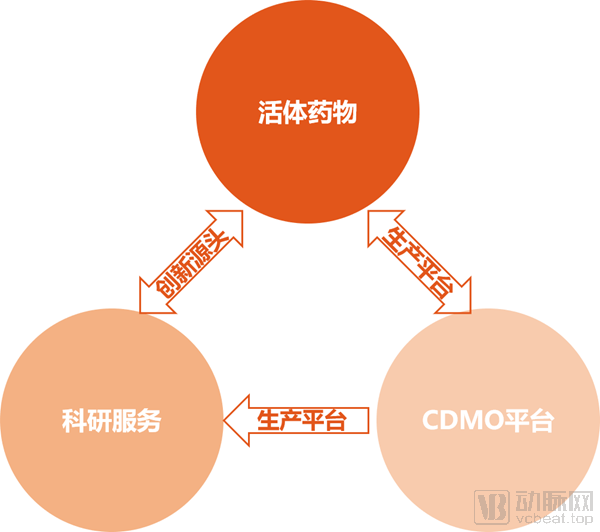
Meanwhile, close collaboration with research institutes can, in turn, enhance the innovation capacity of downstream R&D teams in the industry chain: by accumulating biological samples and data, it provides a foundation of clinical data and biological components for the later-stage development of gene therapy and cell therapy drugs.
In addition to laying out upstream and downstream segments of the industrial chain to conduct scientific research services and drug R&D, Beijing Syngentech Co., LTD also collaborates with government-affiliated institutions to participate in standardizing the production of gene-based and cell-based therapies in the biopharmaceutical market.
Biopharmaceutical Development
Beijing Syngentech Co.,LTDCompleted a RMB 44 million Series A financing round led by Hetang Venture Capital in 2017, and just one year later, secured a RMB 50 million Pre-B round led by Junyue Shared Investment. Successfully developed the SynOV platform and established an oncology drug pipeline.
Research Services
Beijing Syngentech Biotechnology Co., Ltd.It is a wholly-owned subsidiary of Syngentech, with annual sales exceeding RMB 17 million in 2019 and a sales growth rate surpassing 60% for three consecutive years. The annual sales are projected to exceed RMB 20 million in 2020.
Standardization of Gene Therapy and Cell Therapy Products
Co-founded by SyngentechBeijing Hetang Shenghua Medical Technology Co., Ltd., while preparing to establish a cell and gene therapy process research and pilot production base in the Zhongguancun Life Science Park that complies with regulatory requirements in China, the United States, and Europe, with the aim of developing into a value-output-oriented service provider in the future. Hetang Shenghua provides process development and early-stage clinical product manufacturing (CDMO) services to Beijing Syngentech Co., Ltd. and global clients, as well as offering innovative industry incubation services.
Since then, Syngentech has possessed both a research source for drug innovation and a standardized production platform, accelerating the R&D, preclinical studies, and clinical trials of oncolytic adenovirus gene therapies.

Beijing Chaoshan Capital Investment Management Co., Ltd. operates “Jian Yi Hui” (founded in 2011), China’s most active investor community, positioning itself as a service platform leveraging this investor network. Its shareholders include prominent angel investor Wu Shichun, Jia Hongbo, former Secretary-General of the Asset Management Association of China, Wang Zhimin, Chairman of Baodao Optical, and Jiu Wan, one of China’s pioneer angel investors. Through various Jian Yi Hui activities, the company identifies high-quality ventures for early-stage investment or services, and has appointed Professor Sun Liying, former team leader at the U.S. FDA review division, as its Chief Medical Officer and project evaluator.
As of June 1, 2020, Jianyihui had organized more than 300 events, assisted over 50 companies in securing financing, and built a pipeline of more than 300 high-quality post-Series A enterprises (primarily across healthcare, cloud computing, big data, the Internet of Things, artificial intelligence, and high-end equipment manufacturing). It has also established collaborative ties with nearly 20 local governments. Its currently operational and profitable business lines include co-investment funds for projects, financial advisory services, and government relocation advisory services.