

HuaWei HengYuan's Journey to Breakthrough: Tapping into a Billion-Dollar Market with Human Immune-Privileged Cell Technology
Scientific surprises always arrive without warning, yet remain entirely within the realm of reason.
One day in October 2017, Liang Jianlin and his mentor, Professor Ji Jiakui, successfully conducted an experiment on the in vitro reprogramming of human Sertoli cells. This technology represents a breakthrough advancement in the field.
If time were to rewind, Liang Jianlin’s life as a Ph.D. student at Tsinghua University—rising early and working late on experiments in the campus labs—would seem no different from usual. But from that day onward, everything truly changed.
The related research findings underwent international peer review, were accepted for publication in the prestigious international journal *eLife*, and successfully secured domestic invention patents as well as PCT patents, all of which seemed to follow naturally.
Liang Jianlin has long been engaged in research on stem cells, assisted reproduction, immune privilege, and regenerative medicine. Before this technology achieved breakthrough progress, Liang Jianlin, as a typical research-oriented scientist, believed that conducting experiments diligently was the proper path. Entrepreneurship, perhaps, was merely a fleeting spark of neural activity captured in a momentary snapshot of time, passing by in an instant.
Scientists hold a near-reverent faith in the correctness of their research directions. However, as to when breakthroughs will occur or at which precise moment miracles will happen, even Einstein, hailed as the brightest mind in human history, would not dare to make rash predictions. Before achieving success, scientists refrain from excessive speculation, as scientific research demands absolute focus. Only after success is achieved do previously constrained ideas begin to flow freely.
On that very day, perhaps even Liang Jianlin himself did not realize that the subconscious seeds of entrepreneurship had quietly sprouted in his mind. These seeds were secretly gathering every possible nutrient to fuel their growth.
Transplant rejection has always been a bottleneck issue, and to date, there is no effective solution. The only potential approach to mitigating rejection is histocompatibility matching; however, the success rate of such matching is extremely low, with a probability of less than one in ten thousand...
Patients with autoimmune diseases are currently treated primarily with systemic immunosuppressive drugs. However, the benefits and risks of this immunosuppressive approach are difficult to balance. Not only are the side effects significant, but the effective remission rate for certain indications is less than 30%...
The odds of transplant recipients finding a compatible organ are extremely low. Even if a match is found, it remains uncertain when their turn will come and whether they will live long enough to receive the successfully matched organ...
Moreover, the immune privilege characteristics of Sertoli cells suggest that these issues may all be resolved!
The 300,000 patients in China alone who queue annually for organ matching and transplantation have new hope.
The 45 million autoimmune disease patients worldwide no longer need to undergo non-selective suppression of the entire immune system simply because immune-mediated damage is localized to a specific part of the body.
Patients undergoing cell transplantation no longer seem to need to bear the high cost of frequently taking systemic immunosuppressive drugs, which have significant side effects on their bodies. Patients with type 1 diabetes can also confidently accept islet cell transplantation regimens, abandoning the painful life of daily insulin injections and constant anxiety over excessive sugar intake.
Two million men in China with Sertoli cell-only syndrome can also rely on Newborn Health’s Sertoli cells to help their sperm mature, enabling them to conceive children with their beloved partners and successfully continue their family lineage.
Behind the field of immune privilege lies a market worth hundreds of billions.This laboratory-stage technology urgently needs a vehicle for implementation and commercialization!
These thoughts occasionally lingered in Liang Jianlin’s mind.
As a leading authority in the field of stem cell differentiation, Professor Ji Jiakui is also well aware of the potential of this technology.
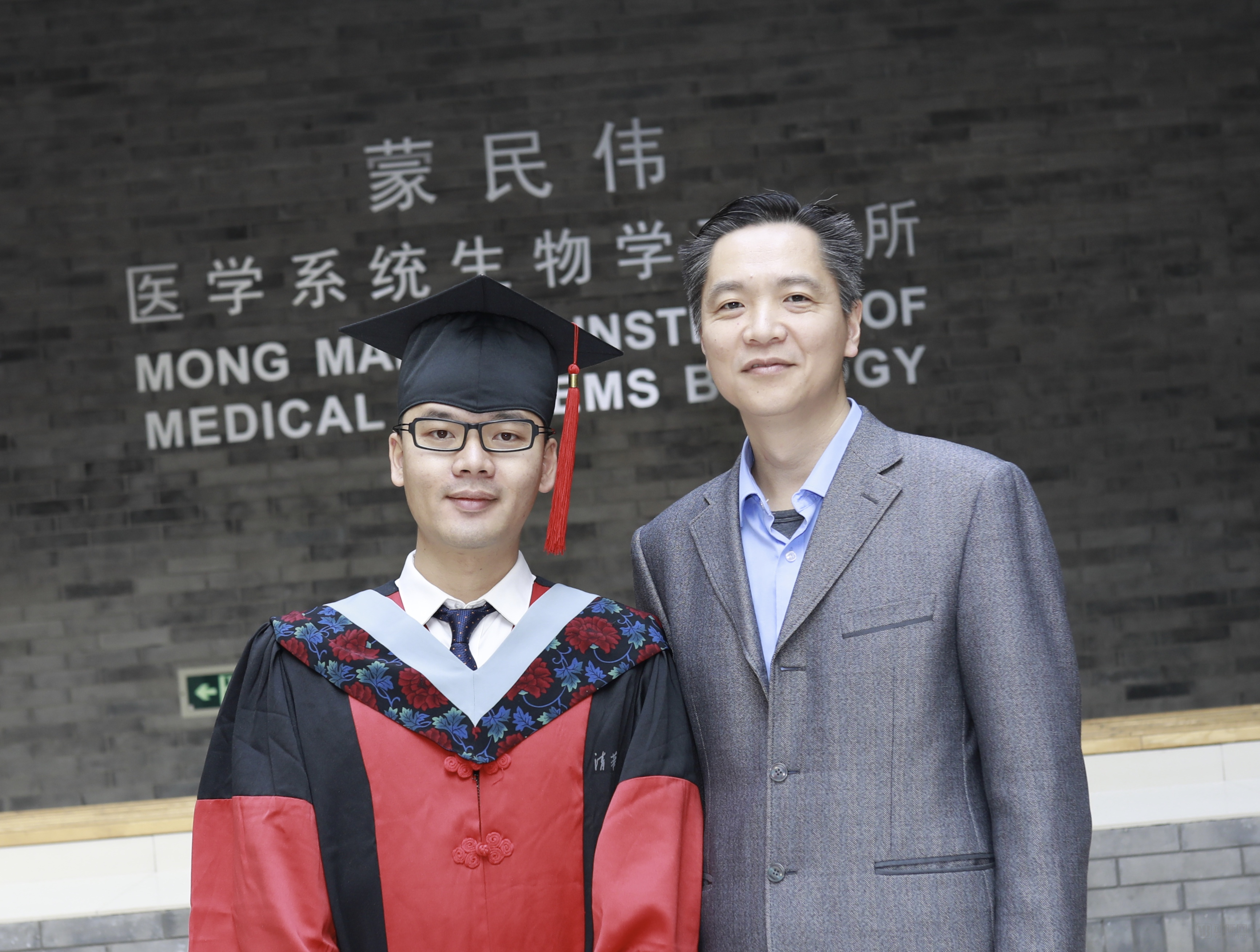
Co-founders of Huawei Hengyuan (Dr. Liang Jianlin on the left, Professor Ji Jiakui on the right)
Thus, the tacit understanding and unspoken rapport built over years of mentorship were amply demonstrated at this moment. They jointly conceived the idea of establishing a translational enterprise to ultimately leverage technology for the benefit of human health.
In 2018, Huawei Hengyuan was founded in Tsinghua Science Park.
Leveraging the “Tsinghua” advantage shared by the two founders, they quickly assembled a group of like-minded partners. By further recruiting talent from other prestigious universities, Huawei Hengyuan has built a robust R&D team.
Over the past year,Huawei Hengyuan has increased the efficiency of inducing Sertoli cells from 15% to 70%, while reducing the induction time from 12 days to 8 days. This achievement not only enables small-molecule-based, controllable induction but also enhances safety and stability. Currently, leveraging its proprietary immune-privilege reprogramming technology, Huawei Hengyuan has established a strategic presence in three key areas: autoimmune diseases, regenerative medicine and transplantation therapy, and male assisted reproduction.Related products have entered the preclinical animal testing and human clinical trial phases.
From Concept to Reality: In Liang Jianlin’s Mind, Entrepreneurship Hinges on the Right Timing, Favorable Conditions, and Harmonious Collaboration.
Transitioning from an academic researcher who was “fully dedicated to research” to a CEO who “oversees corporate strategy formulation, manages operations, and handles various other matters both major and minor,” Liang Jianlin seems to have experienced little difficulty in adapting.
In fact, Liang Jianlin began to demonstrate his exceptional ability to multitask as early as his student years. While maintaining excellent academic performance in his major, he actively participated in various knowledge competitions during breaks and excelled in organizational work on campus, earning high recognition from superior organizations. He was not only a recipient of the Tsinghua University Guanghua Scholarship and won the Second Prize in the China Undergraduate Mathematical Contest in Modeling, but also served as the Deputy Secretary of the Graduate Youth League Committee at the School of Life Sciences, Tsinghua University.
With the endorsement of Professor Ji Jiakui, who serves as the Chief Scientific Officer, the tone for internal research and scientific endeavors was firmly established. Huawei Hengyuan is brimming with vital scientific energy.
In fact, Huawei Hengyuan is not the first company to research Sertoli cells.
Scientists have long paid attention to these miraculous cells with unique immune properties.
Sertoli cells are located in the male testes and represent a type of somatic cell within the human testis. These cells reside in the seminiferous tubules alongside germ cells, playing a pivotal role in initiating and regulating spermatogenesis. Sertoli cells are also an indispensable component in the construction of in vitro systems for sperm differentiation.
The unique immune privilege of Sertoli cells is manifested in their ability to protect male germ cells from autoimmune attacks. Leveraging this property, Sertoli cells have been applied in therapeutic areas such as allogeneic transplantation to mitigate host immune rejection against graft cells, thereby enhancing graft survival.
However, the acquisition of Sertoli cells is extremely challenging. Based on their developmental stage, Sertoli cells can be classified into several distinct types. Among these, adult Sertoli cells have limited proliferative capacity in vivo. Under existing culture conditions, it is highly difficult to maintain long-term in vitro cultures of Sertoli cells while preserving their characteristic properties. Due to limitations in cell sources, large-scale isolation of Sertoli cells from living organisms is not feasible. International research in this area remains confined to the isolation and transformation of animal-derived Sertoli cells.
However, in Liang Jianlin’s view, there are many concerns regarding Sertoli cells of animal origin.
Can many patients psychologically accept the use of animal cells in humans? What are the implications of transferring animal genes into humans? What if animal cells carry viruses that threaten human health? Take the recent COVID-19 pandemic, which has affected the entire globe, as an example: wasn’t it caused by a virus transmitted from animals to humans? How can these safety and ethical issues be addressed?
Huawei Hengyuan's core competitiveness lies in its provision of human-derived Sertoli cells.
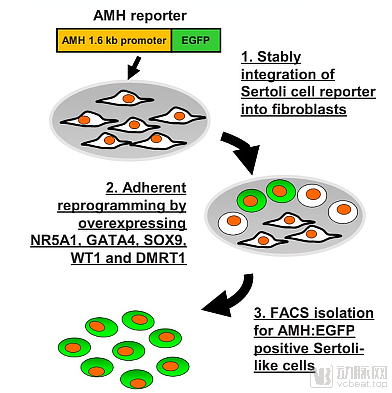
Large-Scale Preparation Process of Human-Derived Immune-Privileged Cells
Huawei Hengyuan's Core Technology——Scalable Manufacturing Technology for Human-Derived Immune-Privileged Cells, via a “Three-Step Method”—Introduction of a Reporter System, Addition of Reprogramming Factors, and⾼Rapid cell sorter enables precise separation and highly efficient in vitro induction of Sertoli cells.The progenitor cells used for the in vitro induction of Sertoli cells are derived from human somatic cells known as fibroblasts. These cells are more abundant and easier to obtain compared to Sertoli cells.
By developing human-derived Sertoli cells, Huawei Hengyuan has eliminated the potential risks associated with animal-derived Sertoli cells.
Currently, with this core technology as the foundation,Huawei Hengyuan is independently developing a new drug for rheumatoid arthritis—a cellular injection for rheumatoid arthritis #raSC-1; a male SCOS infertility detection kit—scoGo; and, in collaboration with Novo Nordisk, an immune-privileged artificial pancreas product for diabetes—an islet protection carrier for diabetes #isletSC-1.
#raSC-1
#raSC-1, a cellular injection for rheumatoid arthritis, is primarily developed for patients with rheumatoid arthritis. The project is expected to initiate exploratory clinical trials within this year.
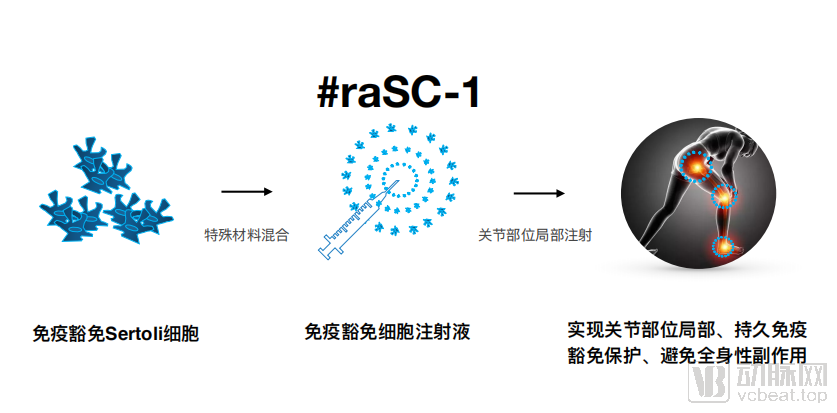
Currently, the primary treatment for patients with rheumatoid arthritis involves immunosuppressive drugs, which not only cause systemic toxic side effects but also achieve a clinical remission rate of less than 30%. Globally, there are approximately 45 million such patients, with an annual increase of 1.4 million new cases.According to estimates by Huawei Hengyuan, the size of this global market is approximately $50 billion.
scoGo
scoGo: A Diagnostic Kit for Male SCOS-Related InfertilityThe scoGo diagnostic kit is primarily designed to help men with fertility issues determine whether their condition is caused by Sertoli Cell-Only Syndrome (SCOS). SCOS is a relatively common clinical syndrome in men, characterized pathologically by the absence of germ cells and the presence of only Sertoli cells within the seminiferous tubules of the testes. As a severe form of spermatogenic dysfunction, SCOS results in complete infertility and accounts for approximately 2.7% of male infertility cases. In China alone, it affects around 2 million men.
Currently, there are no effective treatments for the management and prevention of Sertoli Cell-Only Syndrome (SCOS). Huawei Hengyuan plans to leverage existing Sertoli cell reprogramming technologies to develop assisted reproductive technologies capable of providing Sertoli cell replacement therapy for patients with SCOS.
#isletSC-1
#isletSC-1, an islet-protective carrier for diabetes, was developed primarily for diabetic patients. It is currently in the preclinical animal testing phase and has completed the first-stage efficacy evaluation.
ForNearly 500 million worldwideFor patients with diabetes, traditional insulin therapy has numerous drawbacks. Patients are required to inject insulin daily and monitor their blood glucose levels continuously, allowing insulin to completely dominate their daily lives. This treatment regimen not only inflicts indescribable suffering on patients’ day-to-day existence but also increases the risk of developing lipodystrophy.
Among patients with type 1 diabetes whose pancreatic function has been completely destroyed, some have opted for transplantation of artificial pancreatic cells. However, these patients subsequently face the challenge of immune rejection. Traditional insulin pharmaceutical companies have also hit a ceiling in this area, failing to provide an effective solution.
Huawei Hengyuan’s technology has made it possible to solve this problem. Building on this, Novo Nordisk, a global leader in the field of diabetes, proactively approached Huawei Hengyuan to establish a partnership for the joint research and development of an immune-privileged artificial pancreas product for diabetes.
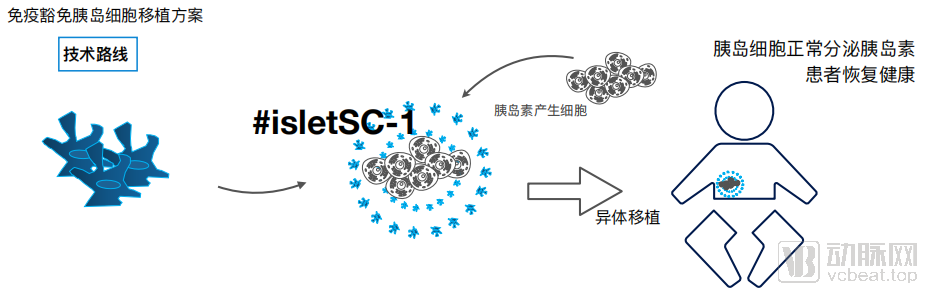
By leveraging immune-privileged Sertoli cells, Huawei Hengyuan and Novo Nordisk aim to develop an immune-privileged co-transplant system (artificial pancreas), enabling transplanted islet cells to survive stably in patients’ bodies for the long term, continuously produce insulin to regulate blood glucose levels, and restore health to individuals with diabetes!
In addition to Novo Nordisk, Huawei Hengyuan’s partners also include the School of Medicine at Tsinghua University, Beijing Tsinghua Changgung Hospital, Peking University Third Hospital, and the First Affiliated Hospital of Guangxi Medical University.
Huawei Hengyuan leverages cellular reprogramming technology to develop immune-privileged therapeutics by creating an in vivo immune-privileged microenvironment, thereby mitigating host immune rejection and protecting transplanted cells or tissues from host attack.
In clinical applications, Huawei Hengyuan utilizes this immune-privileged product as a carrier for transplanted cells, thereby circumventing the limitations of HLA matching between donor cells and the host and expanding the scope of cell transplantation. Its related products hold broad prospects for the treatment of autoimmune diseases, cell/tissue transplantation, and Sertoli cell-only syndrome.
Just a few days ago, on August 14, at the Global Finals of the 5th Tsinghua Alumni “Three Innovations” Competition in Healthcare and Medicine, co-hosted by the Tsinghua University Alumni Association and the People’s Government of Wuqing District, Tianjin Municipality, Huawei Hengyuan successfully advanced to the Top 10 in the Growth Category with its reprogrammed cells featuring immune privilege capabilities and their applications.
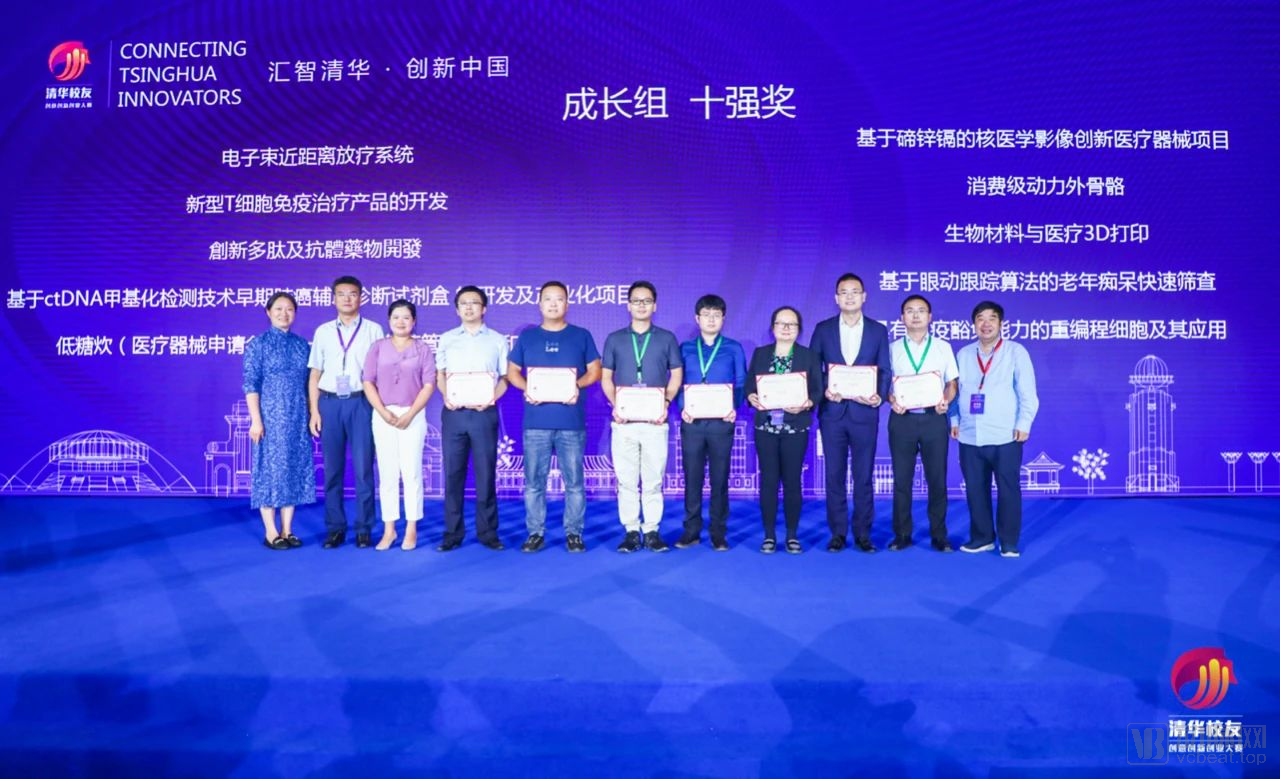
Huawei Hengyuan’s Award-Winning Competition Photo (Dr. Liang Jianlin is in the center)
The grand finals featured 61 outstanding teams from the Tsinghua University, Beijing-Tianjin-Hebei, Northeast, Yangtze River Delta, Guangdong-Hong Kong-Macao Greater Bay Area, Central Plains, Cross-Strait, Southwest, North America, and Europe regions, competing against each other. Ultimately, the top ten teams were selected in each of the three categories: Seed, Angel, and Growth.
As the interview drew to a close, Liang Jianlin offered VCBeat (WeChat: vcbeat) a humorous yet apt analogy to bring the image of Sertoli cells to life.
“Just as Tang Sanzang needed Sun Wukong’s protection to eliminate all demons and monsters along the journey to retrieve the true scriptures from the West, Sertoli cells play a similar ‘Sun Wukong’ role. For transplanted cells to stably exert their effects over the long term and regulate normal human metabolism, Sertoli cells are required to help them withstand attacks from the immune system.”
Perhaps, just as Tang Sanzang and his disciples endured eighty-one tribulations before finally obtaining the true scriptures, Huawei Hengyuan is also on its own “scripture-seeking” journey. Let us await its return with good news.