

Clinical Study Finds ShuKang App Exceeds Expectations in Post-COVID-19 Rehabilitation
On August 21, the project “Study on the Efficacy of Exercise Rehabilitation Under Remote Monitoring for Discharged Patients with Novel Coronavirus Pneumonia,” led by Professor Li Jian’an, International Fellow of the American Academy of Medicine and Director of the Rehabilitation Medicine Center at the First Affiliated Hospital of Nanjing Medical University, was concluded in Wuhan, with clinical study results exceeding expectations.
This project was jointly undertaken by RECOVERY PLUS (hereinafter referred to as “RECOVERY PLUS”), Jiangsu Province People’s Hospital, Hubei Provincial Hospital of Integrated Traditional Chinese and Western Medicine, and Huangshi Hospital of Traditional Chinese Medicine, under the strong advocacy of Academician Li Jian’an and with the full support of Jiangsu Changfeng Pharmaceutical Co., Ltd. Xia Wenguang, Vice President of Hubei Provincial Hospital of Integrated Traditional Chinese and Western Medicine; Dr. Liang Wenqing, Chairman of Jiangsu Changfeng Pharmaceutical Co., Ltd.; and Lei Zhen, CEO of RECOVERY PLUS, all attended the meeting.
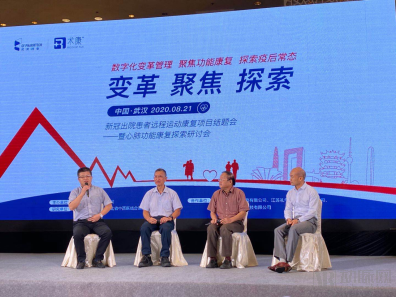
Project Closure Meeting Site
Project Review
The project screened 120 post-COVID-19 patients aged 18–75 years with moderate-to-severe dyspnea from Hubei and Jiangsu provinces. Participants were randomly assigned to either an “intervention group” or a “control group.” The intervention group received exercise-based rehabilitation under remote monitoring via a mobile app and wearable devices, while the control group received only traditional exercise rehabilitation education. The “exercise prescription” included breathing exercises, cardiorespiratory endurance training, and lower-limb muscle strength training, with precisely quantified intensity and duration. Outcomes were compared after six weeks to evaluate the impact of remote exercise rehabilitation on the prognosis of COVID-19 patients.
Exercise Prescription,
Easier to Conduct Under Supervision
For patients recovering from COVID-19, varying degrees of lung impairment can affect their exercise efficiency and even daily activities; therefore, personalized exercise programs are crucial for different patients.
The Shukang APP enables physicians to develop exercise prescription plans based on patient assessment results. Patients wear smart devices and follow video-guided exercises, ensuring a simple, efficient, and safe experience.
After 6 weeks, 75% of patients in the app-based intervention group completed the exercise prescription, with an average weekly adherence rate of 70.5%. This level of adherence is considered high even in rigorous clinical trials.
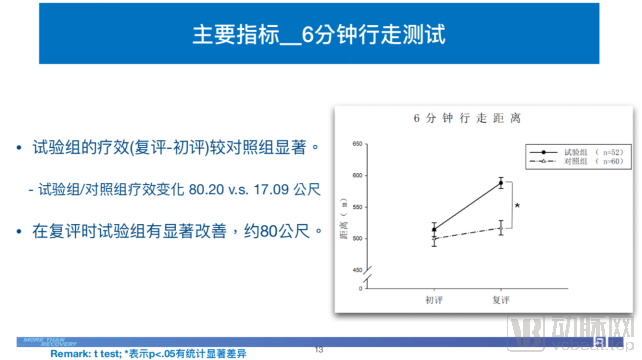
Research Results Images (Partial)
In the 6-minute walk test, the APP group achieved an average walking distance of 588.4 meters, approaching the level of healthy individuals of the same age (624 meters) [1], with an average increase of 80 meters and a 15% improvement, demonstrating significant efficacy; whereas the conventional exercise group achieved an average walking distance of 517 meters, with an increase of only 17 meters and a 3.4% improvement.
Pulmonary Function Test – FEV1/FVC (%): During the test, the APP trial group showed an average increase of 5.79%, while the conventional exercise group exhibited an average decrease of 0.09%.
The APP trial group showed an average 90% increase in lower limb muscle endurance, demonstrating significant improvement; the conventional exercise group showed an average 22.2% increase. Enhanced lower limb muscle endurance contributes to improved cardiorespiratory fitness and better daily functional capacity.
* 6-Minute Walk Test: The distance a patient can walk at their fastest tolerable pace within 6 minutes; it is an exercise test used to assess the functional status of patients with moderate to severe cardiopulmonary diseases;
Pulmonary Function Test - FEV1/FVC (%): One of the Essential Examinations for Respiratory Diseases.
Li Jian'an: Exercise Is Medicine
Experts Advocate for Widespread Adoption of Remote Exercise Rehabilitation Systems
“Medicine is not limited to certain chemical substances; exercise is medicine.” Professor Li Jian’an explained that, compared with Western countries’ emphasis on “movement,” Chinese people place greater emphasis on “rest and recuperation.” For instance, many entrepreneurs are often depicted as having large bellies, and patients tend to prefer bed rest after surgery rather than engaging in physical activity.
Professor Li Jian’an himself is a beneficiary of “exercise prescriptions.” From 2016 to the present, he has completed 56 full marathons, and currently runs 15 kilometers every day without fail. He recounts the changes exercise has brought to his life: he has not had a single cold in four years, his energy levels are higher, and he has even found solutions to work-related problems while running.
During the conference, Academician Li Jian’an, Vice President Xia Wenguang, Party Secretary Huang Tingrong of Huangshi Traditional Chinese Medicine Hospital, and other participating experts stated that the remote exercise rehabilitation system is characterized by low cost, safety, and effectiveness, while being easy to operate. It can significantly reduce medical costs, protect patient privacy, and lower the risk of infection associated with travel. They expressed hope that the remote exercise rehabilitation system will be widely adopted to benefit more rehabilitation patients.
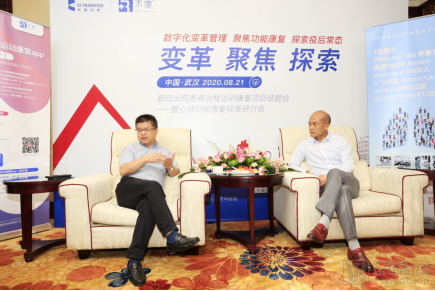
Guest: Xia Wenguang (left), Vice President of Hubei Provincial Hospital of Integrated Traditional Chinese and Western Medicine
Lei Zhen (right), CEO of RECOVERY PLUS
Why Shukang?
More Than Just the Chinese Version of Livongo
Even after clinical indicators return to normal, patients with COVID-19 may experience varying degrees of impairment in cardiopulmonary function; therefore, restoring cardiopulmonary function is a key objective in their subsequent rehabilitation.
As early as 2015, RECOVERY PLUS launched Shukang APP, China’s first remote home-based rehabilitation product, which also served as the software for the app intervention group in this clinical study. According to founder Lei Zhen, Shukang has been continuously practicing and refining its “remote home-based rehabilitation” model, primarily targeting patients with impaired cardiopulmonary function or those seeking to improve their cardiopulmonary fitness, as well as the general public. Prior to this, Shukang had conducted multiple clinical studies in collaboration with numerous Grade A tertiary hospitals in China to evaluate the impact of remote home-based rehabilitation on the prognosis of conditions such as coronary heart disease and diabetes, demonstrating significant efficacy. Last year, Shukang expanded into the U.S. market, establishing close partnerships with several hospital chains and rehabilitation management companies. As early as the outbreak of the pandemic in the United States, RECOVERY PLUS had already applied its remote home-based rehabilitation model to treat mild-to-moderate COVID-19 patients in the country.
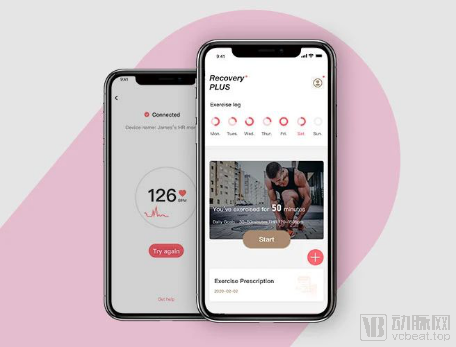
Chengdu Shangyi Remote Monitoring Sports Rehabilitation Software
When asked whether Shukang can be regarded as the Chinese version of Livongo, Lei Zhen stated, “That is a reasonable interpretation, but our platform is significantly more intelligent. We spent three years building a robust underlying medical logic framework for chronic diseases and chronic pain, enabling us to effectively conduct diagnostic assessments, customize personalized prescriptions, monitor real-time data during rehabilitation training, and optimize rehabilitation plans. Physician management of patients can be achieved entirely through the app, making the process highly efficient and convenient; a single physician can easily manage 100 patients. In contrast, Livongo’s patient management still relies primarily on manual methods such as phone calls, video conferences, and emails.”
Lei Zhen also introduced the application of Shukang in the United States: Insurance companies cover the cost of 36 cardiac rehabilitation sessions for heart failure patients, with each session costing approximately $300. However, due to travel and time constraints, the vast majority of patients are unable to continue after only one or two sessions. In contrast, 99% of patients who undergo home-based rehabilitation training under remote monitoring via the Shukang app successfully complete their prescribed regimen.
It is precisely because Shukang possesses extensive clinical and market experience in remote home-based rehabilitation that it was invited to become one of the key partners at the outset of the project.
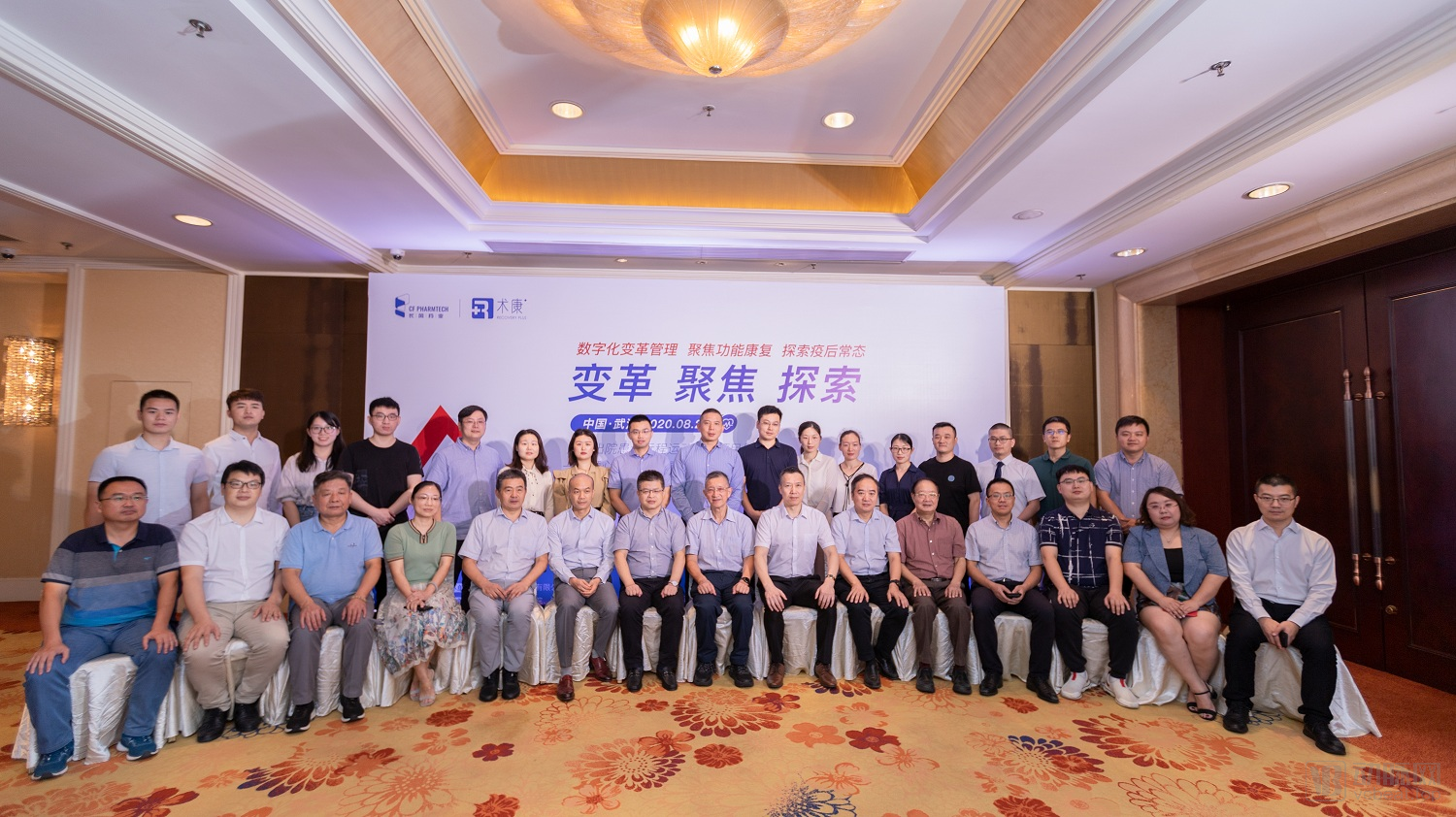
Group Photo at the Project Closing Meeting
Strong Alliance, Joint Promotion
Remote Home-Based Rehabilitation Holds Great Promise for In-Home Care
Jiangsu Changfeng Pharmaceutical Co., Ltd., the organizer of this research project and a strategic partner of RECOVERY PLUS, has long been dedicated to the research and development of drugs for respiratory diseases, with its product portfolio covering therapeutic areas such as asthma, chronic obstructive pulmonary disease (COPD), and allergic rhinitis. Liang Wenqing, Chairman of Changfeng Pharmaceutical, stated, “Modern enterprises should not only focus on drug development but also pay attention to disease prevention, management, and post-treatment rehabilitation. Although this research project has a small sample size, it has made a promising start.”
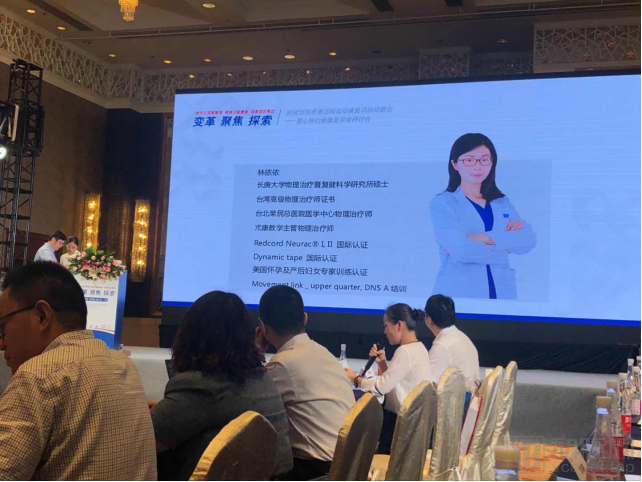
Lin Yiyi, one of the project leads at RECOVERY PLUS
According to him, China has 50 million asthma patients and nearly 100 million patients with chronic obstructive pulmonary disease (COPD). The valuable experience gained from tele-rehabilitation in the late-stage recovery of COVID-19 can be extended to other pulmonary diseases. Changfeng Pharmaceutical will continue to collaborate with RECOVERY PLUS to promote remote home-based rehabilitation to households across the country, benefiting more patients.
Lei Zhen from RECOVERY PLUS also told the author that, compared with traditional exercise rehabilitation, remote exercise rehabilitation enables timely online guidance, leading to higher patient adherence and effectively ensuring the effectiveness, safety, and continuity of rehabilitation. Furthermore, remote exercise rehabilitation reduces patients’ travel and medical costs, offering greater therapeutic economic value. With its ease of operation and timely online guidance, remote exercise rehabilitation holds significant promise for future adoption in both hospital and home settings.