

Qihan Bio Achieves FDA 'Grand Slam' with Universal Dual-Target CAR-T Therapy QT-019B

Qihan Biotech
Gene Editing Technology Developer
On June 11, 2026, Hangzhou Qihan Biotech’s universal dual-target CAR-T product QT-019B was granted Regenerative Medicine Advanced Therapy (RMAT) and Breakthrough Therapy (BTD) Dual recognition. In addition to the Fast Track designation obtained in November 2025 (FTD), QT-019B has become one of the very few cell therapy products worldwide to simultaneously secure all three of the FDA’s highest-level expedited review pathways—Fast Track Designation (FTD), Regenerative Medicine Advanced Therapy (RMAT) designation, and Breakthrough Therapy Designation (BTD)—and is the first cell therapy product in China to achieve this “grand slam.”
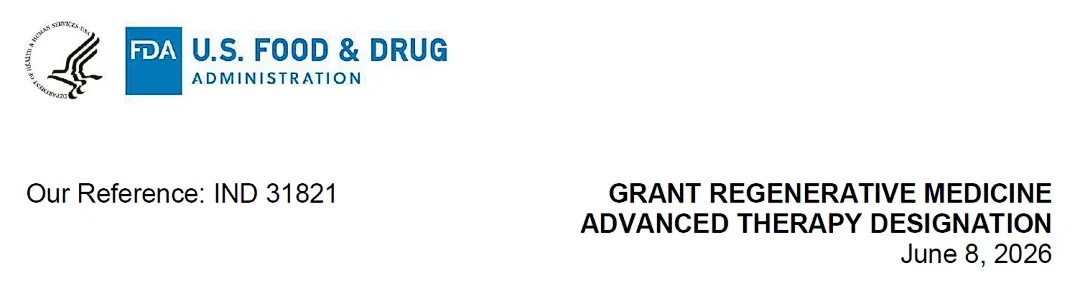
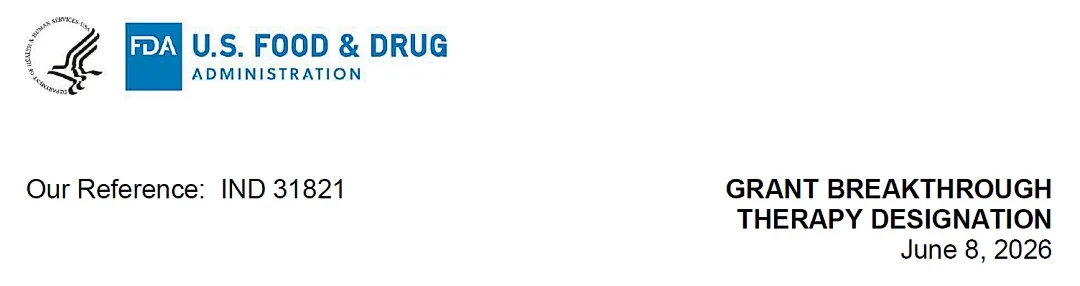
The three certifications are not of equal value.FTDThis means that the FDA facilitates accelerated review and rolling submissions;RMATEstablished specifically for cell and gene therapies, providing channels for frequent communication, rolling review, and priority review;BTDThis represents the FDA’s highest-level accelerated pathway, established for drugs treating serious conditions with efficacy significantly superior to existing therapies. It involves deep engagement by senior FDA officials starting from Phase I clinical trials, providing comprehensive oversight throughout the entire process. The combination of these factors signifies that the early clinical data of QT-019B has received authoritative endorsement from the FDA in terms of both efficacy and safety.
QT-019B Clinical Data
These determinations are not made out of thin air. InAt the 67th ASH Annual Meeting in December 2025, Hangzhou Qihan Biotech Co., Ltd. presented investigator-initiated trial (IIT) clinical data for QT-019B via an oral presentation. A total of 20 subjects were enrolled, with 19 receiving therapeutic doses. In terms of safety, no cytokine release syndrome (CRS) events above Grade 1 occurred, and no immune effector cell-associated neurotoxicity syndrome (ICANS) or serious infections were reported.
Among the 6 cases of SLE-associated immune thrombocytopenia (SLE-ITP), 5 achieved complete remission with normalization of platelet counts; among the 5 cases of antiphospholipid syndrome-associated ITP (APS-ITP), 4 achieved complete remission; among the 3 cases of autoimmune hemolytic anemia (AIHA), 2 achieved complete remission; and among the 2 SLE cases, 1 met the DORIS remission criteria. In 17 out of 19 patients, robust expansion of allogeneic CAR-T cells was observed, accompanied by profound and sustained clearance of pathogenic autoantibodies. In subjects with multiple sclerosis, cerebrospinal fluid oligoclonal bands and κ free light chains were rapidly and durably cleared—direct evidence of immune reset.
Clinical Development Progress
The clinical advancement of QT-019B has also proceeded steadily. It received FDA IND approval in August 2025 and implied approval from the CDE in November of the same year, with both approvals targeting refractory systemic lupus erythematosus (rSLE). This makes it the first universally applicable, dual-target CAR-T product independently developed by a Chinese enterprise to receive sequential approval for investigational new drug applications in both China and the United States. Phase I clinical enrollment has been completed, and Phase IIa enrollment is currently underway. Key clinical research sites include Peking Union Medical College Hospital in Beijing and the Hospital of the University of Pennsylvania in the United States.
About Qihan Biotech
Qihan Biotech is a clinical-stage biotechnology company headquartered in Hangzhou, China, co-founded by Dr. Luhan Yang and Professor George Church.In addition to QT-019B, Qihan Biotech’s second product, QT-019C, has received FDA IND approval to explore a low-intensity lymphodepletion regimen—aiming to maintain efficacy without the need for deep lymphocyte depletion, which, if successful, would significantly reduce treatment-related toxicity. Meanwhile, Qihan Biotech’s in vivo CAR-T pipeline is also advancing rapidly: on June 5, 2026, the company announced that its in vivo CAR-T therapy achieved rapid complete responses in patients with relapsed/refractory multiple myeloma. The company is thus deploying a “dual-pronged” strategy with both universal and in vivo CAR-T therapies.
Reference: Qihan Biotech

Mastering CAR-T therapy, stem cell therapy, geneTherapy,Comprehensive Information on Oncolytic Viruses and Nucleic Acid Therapeutics