

As AI Hype Cools and Internet Healthcare Surges, Where Is Medical IT Headed in the Second Half of 2020? [2020 CHINC]
2020 was a challenging year for everyone.
The China Hospital Information Network Conference (CHINC), originally held annually in late spring and early summer, was postponed several times due to the pandemic. This bellwether for the development of healthcare informatization was eventually rescheduled to August and successfully held in Nanjing.
VCBeat naturally did not miss such a grand event. Looking back on the scene, although many doctors were unable to leave their hospitals due to epidemic prevention restrictions, and the number of enterprises in the exhibition hall was indeed lower than that of the previous year, CHINC still reserved booths for traditional HIT giants such as Neusoft Group, Yilianzhong, Heren Technology, and Jiahe Meikang. The central exhibition area was dominated by companies like Startup Software, Winning Health, and SinoCare. New-generation informatics enterprises, including Huimei Technology, Senyi Intelligence, and Huoshu Technology, also brought their core products to the event. In addition, local Jiangsu companies Haitai and Mandala were present, while the state-backed Lianren Health made its debut at CHINC.
Post-Pandemic, CHINC Became the First Conference in the Healthcare Informatics Sector in 2020. What Undercurrents of Digital Transformation Lie Beneath?
Although smart hospitals can effectively address the issues of offline medical efficiency and patient experience, it was not until the onset of the COVID-19 pandemic—when a substantial volume of medical services shifted from offline to online channels—that people fully recognized the critical importance of internet-based healthcare. Consequently, throughout the entire exhibition hall, the vast majority of companies prominently featured the term “Internet Healthcare” in their displays.
A staff member from Yilianzhong told VCBeat, “Moving offline medical services online is an inevitable trend, but without the pandemic acting as a ‘catalyst,’ hospitals and enterprises would not have responded so quickly. However, internet hospital products offered by major companies are largely similar, mostly focusing on the application side, with few companies able to address subsequent operational challenges.”
Furthermore, to unlock the true value of internet hospitals, operators must integrate medical insurance payment functionalities and leverage digital technologies to genuinely enhance the efficiency of healthcare resource utilization. Judging by the current product offerings across the industry, while the majority of enterprises possess the capability to build platforms, and some can assist hospitals or medical consortia in implementing prescription circulation and healthcare resource reallocation, only a small fraction are capable of helping hospitals operate these internet platforms to ensure the entire system functions effectively.
An anonymous doctor told VCBeat, “Our hospital also jumped on the bandwagon by building an internet platform, but today, this platform has fallen into disuse, with no one providing ongoing maintenance and management. In such a scenario, patients’ online medical consultation experience suffers, which adversely affects the hospital’s reputation. We have discussed solutions to this issue; in short, we will not engage a new vendor to rebuild our internet hospital platform for operational purposes, but we may seek out teams to take over the management of our existing platform.”
Operational challenges are not technical in nature, but rather stem from professional expertise. From physicians’ perspectives, this implies two things: first, for hospitals developing their own internet hospital platforms, builders must prioritize post-service management; second, third-party internet hospitals continue to demonstrate robust vitality.
Moreover, as hospitals with different specialties have varying requirements for internet hospitals, the setup for pediatrics differs significantly from that for gynecology. Therefore, building an internet hospital platform is not a one-off transaction. “One client once presented us with over 100 specific requirements,” Yilianzhong told VCBeat. “This also means that it is difficult to calculate the return on investment (ROI) over a fixed period for medical informatization projects, as we cannot predict exactly how much time will be needed for implementation. Currently, the average contract value for internet hospital projects is relatively low, making it challenging for health IT companies to generate profits from such initiatives.”
Nevertheless, despite potential issues with the internet hospital model, this concept remains at the forefront of industry attention. Companies such as E-Linkall and Weimai have capitalized on the operational characteristics of internet-based services by launching targeted products at CHINC. The slogan displayed at Weimai’s booth, “Expert in Internet Hospital Construction and Operations,” precisely corroborates the concerns raised by physicians during our earlier interviews: alongside infrastructure development, internet hospitals require professional teams for ongoing operations. Although Zhuojian Technology did not set up a booth at the event, its client, Lianyungang First People’s Hospital, featured Zhuojian’s Medical Internet Hospital Solution as a case study in a sub-forum, demonstrating how the platform has tangibly improved the hospital’s service quality.
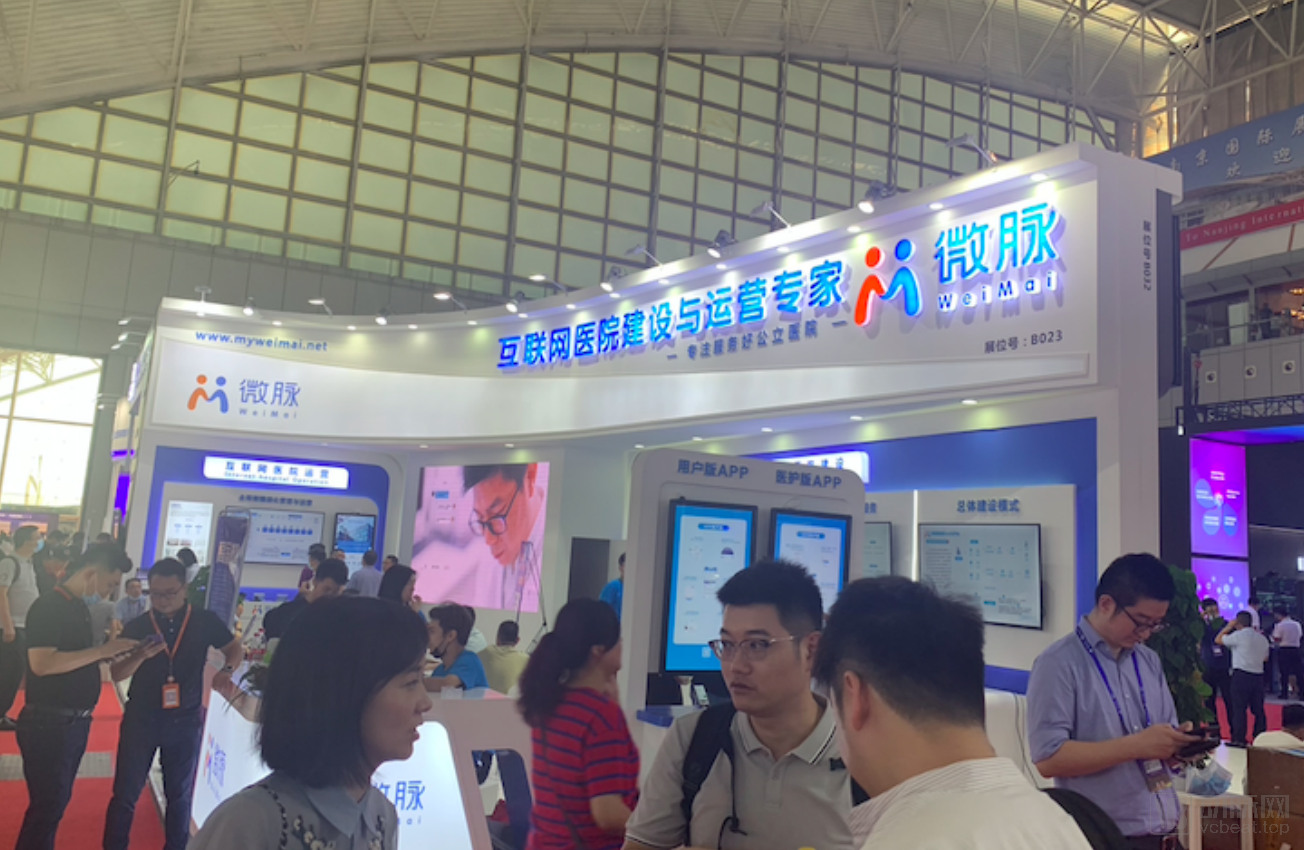
Weimai particularly emphasizes the operation of internet hospitals.
In contrast, artificial intelligence technology has been somewhat neglected.
At this conference, only a handful of companies, such as iFlytek, Jianhai Technology, and Yifang Jianshu, prominently featured AI as their core theme. The remaining enterprises embedded AI within scenarios like smart hospitals and Clinical Decision Support Systems (CDSS), without explicitly highlighting the technology itself. Many AI-focused companies that exhibited at last year’s CHIMA conference were notably absent this time. As a staff member from Winning Health put it, “de-AIification” has become the main theme of this year’s health informatics conference.
“The concept of AI is somewhat nebulous in comparison. Although NLP-dominated technologies have been applied across multiple domains of healthcare informatization, years of hype have made clinicians somewhat wary of the term. In practice, however, AI has played a significant role, whether in connotation-based quality control or in clinical decision support. Winning Health’s recently released WiNEX integrates the People’s Medical Publishing House knowledge base to perform real-time quality control using evidence-based medicine, yet it makes no mention of artificial intelligence throughout.”
It is evident that the role of artificial intelligence (AI) is beyond doubt; however, driven by commercial considerations, companies are downplaying this concept. This may actually be beneficial for AI technology itself. Having remained in the spotlight for too long, it may be more appropriate for the technology to recede into the background, integrating seamlessly with underlying infrastructure and applications.
Although artificial intelligence is not explicitly mentioned, there is no doubt that AI, in the form of natural language processing (NLP), has reshaped the importance of knowledge bases, thereby enhancing the transformative impact of clinical decision support systems (CDSS) on traditional information systems.
Next-generation health IT companies, including Lingyi Zhihui, Huimei Technology, Haisen Health, Senyi Intelligence, and Langtong Medical, showcased their CDSS products at the event. Haisen Health and Lingyi Zhihui heavily emphasized the concept of “evidence-based medicine,” while Huimei Technology made “VTE Single-Disease Quality Control” the theme of its exhibition booth.
From the current commercialization landscape of CDSS, certification ratings remain the primary rationale for hospitals procuring such products. However, for hospitals to truly leverage data to optimize clinical care pathways and improve patient outcomes, substantial future investment in single-disease quality control is imperative.
“What do patients fear most during hospitalization? Complications. A patient may undergo gastric surgery in good health, only to suddenly suffer a cerebral infarction postoperatively—a scenario no one wishes to encounter,” Jiang Songyi, Chief Medical Quality Officer at Huimei Technology, told VCBeat at the exhibition booth. “Therefore, we strive to identify meaningful data points across various stages of medical care. For instance, is the neutrophil percentage abnormal? Is pain at the surgical site failing to decrease over time? By integrating these data-derived indicators, we can predict potential outcomes.”
Therefore, CDSS is by no means designed for rating purposes; from the current perspective, this technology has two development directions.
One approach is to continue deepening development. Ma Handong, Vice President of Senyi Intelligence, stated, “Many health IT companies are currently expanding their offerings in the area of single-disease management, which is a positive trend. However, because single-disease quality control is deeply integrated with clinical practice, the barriers to entry are not easily overcome. To address this challenge, we have established a dedicated medical team to help hospital clinical departments better utilize Clinical Decision Support Systems (CDSS). This has enabled us to achieve favorable outcomes across multiple conditions, including venous thromboembolism (VTE), COVID-19, and sepsis.”
Second, leveraging NLP technology, CDSS is integrated into systems such as electronic medical records (EMR) to perform intrinsic quality control. Jiahe Meikang serves as an example of this approach; the company embeds its CDSS system as a plugin into the EMR systems and workstations across various departments, enabling real-time quality control as physicians document patient records.
Similar applications have also been implemented in Winning Health’s WiNEX. In other words, if healthcare enterprises can effectively build a knowledge base and integrate it with their existing information systems, the traditional model of solely retrospective quality control can evolve into a combined approach of concurrent and retrospective quality control. Under such circumstances, patient safety will be further safeguarded.
Continuing the discussion on quality control, we observe that many Clinical Decision Support System (CDSS) vendors have incorporated medical record quality control into their offerings. While this approach is functionally viable, these companies are simultaneously aligning their solutions with Diagnosis-Related Groups (DRG).
Driven by policy, Diagnosis-Related Groups (DRG) is undoubtedly another topic that has garnered widespread attention at this year’s CHINC. Although mentioned sparingly in the exhibition hall, two of the 12 sub-forums at this CHINC were dedicated entirely to DRG. Meanwhile, Huoshu Technology, a company specializing in DRG implementation, became one of the major sponsors of this year’s CHINC.
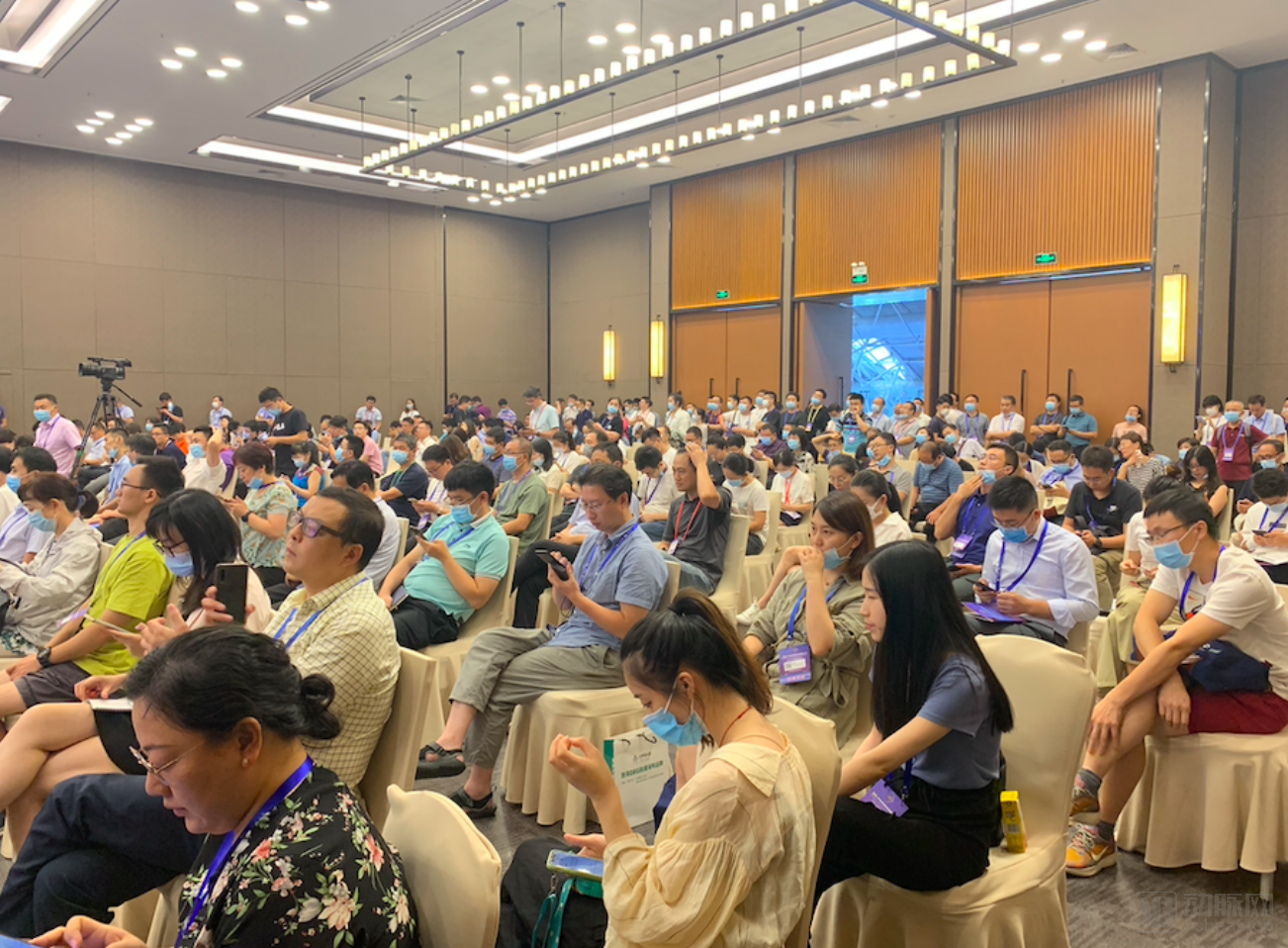
DRG Forum Packed to Capacity
“Undeniably, beyond being a cost-containment tool for medical insurance, the essence of Diagnosis-Related Groups (DRG) is to more effectively drive hospitals to strengthen refined management in a targeted manner. ‘Each department within a hospital plays a vital role in its respective processes. How to take a holistic approach, engage in comprehensive planning, and foster division of labor and collaboration largely determines the effectiveness of a hospital’s development in the DRG payment era. Huoshu Technology’s Multidisciplinary Team (MDT)-style solution emerged against this backdrop and has already provided technical services to over one hundred hospitals across China,’ stated Zheng Zhoukai, Vice President of Huoshu Technology. ‘We aim to empower hospitals with convenient tools and multidimensional data analysis to facilitate problem identification, strategy optimization, management upgrading, and system construction under DRG management.’”
DRG reform in medical insurance is not the responsibility of a single department, but rather a major undertaking requiring multi-departmental collaboration. Ma Yuting, Director of the Medical Insurance Office at Wuxi People’s Hospital, shared the hospital’s experiences during the pilot implementation of Diagnosis-Related Groups (DRGs). As one of the national DRG pilot hospitals, the institution fully leveraged cross-departmental collaboration, involving close coordination among the Medical Record Quality Control Department, the Medical Affairs Department, the Medical Insurance Department, and the Information and Finance Department. With clearly defined roles and responsibilities, the hospital has established a relatively mature administrative Multidisciplinary Team (MDT) management model.
As another regional leading hospital, Foshan First People’s Hospital has fully implemented the principle of “greater rewards for greater contributions” in its practice. “Only by clearly defining its positioning can a hospital determine what it should do. Tertiary hospitals should reduce admissions of patients with mild conditions, chronic diseases, and basic diagnosis-related groups (DRGs), while secondary hospitals should reduce admissions of critically ill patients. Issues such as how to reduce costs and enhance the value of labor are all considerations that hospitals must address,” emphasized Zhou Quan, Director of the Social Security Department at Foshan First People’s Hospital.
As a representative of the enterprise sector, Huoshu Technology is also continuously refining its “MDT”-style solutions to assist hospitals in implementing refined management.
However, the promotion of Diagnosis-Related Groups (DRG) requires not only the efforts of enterprises and hospitals but also a profound understanding of this system by departmental physicians, with the aim of proactively reducing costs. Therefore, Huoshu Technology is actively promoting DRG training courses, hoping that more physicians can gain an accurate and clear understanding of DRG.
Policy has always been the primary factor influencing the development of informatization, and this trend is no exception in the field of information security.
Hangzhou Meichuang, NSFOCUS, UCloud... At this year’s CHINC, the number of information security companies in attendance was not large, but over the past year, enterprises focusing on healthcare information security have indeed made significant progress.
The enactment of the Cybersecurity Law in 2017 sounded the first alarm regarding cybersecurity issues for hospital IT departments, while the Multi-Level Protection Scheme (MLPS) 2.0, released in May 2019, imposed substantive construction requirements on their operations. The development of cybersecurity and data security has become a critical initiative comparable to electronic medical record (EMR) system grading.
The state’s formulation of information security regulations for the healthcare industry is not a precautionary measure; in fact, many hospitals frequently encounter the following six major issues:
1. Unclear segmentation between internal and external networks, lacking isolation measures;
2. The operation of the hospital's core HIS lacks effective security measures and audit mechanisms;
3. Hospital information systems are not isolated; they are at risk of hacker intrusions and cyberattacks;
4. In the absence of redundancy in equipment and network links, hospitals face the risk of business interruption in the event of a failure;
5. The hospital's portal website lacks necessary security measures, posing risks of SQL injection attacks and malware insertion;
6. Most hospitals have not deployed endpoint security management and auditing systems, allowing non-compliant endpoints to access the internal network at any time and making it impossible to trace the source in the event of an endpoint security incident.
Addressing these challenges, NSFOCUS has launched a healthcare insurance platform solution that isolates the hospital’s public service zone from its core service zone using network gap technology, providing a specialized approach to prevent the hospital network from being comprehensively compromised from a network perspective.
Hangzhou Meichuang is another player in the field of hospital information security, offering both cybersecurity and data security solutions. Wen Jianxia, co-founder of the company, told VCBeat, “Policy advancements have merely served as a catalyst for hospitals to adopt information security measures. In reality, as fragmented medical data has gradually been consolidated into what we now know as big data, its value has gained significant recognition. Structurally, while data was previously dispersed—along with its associated risks—the centralization of data has led to a concentration of risks. These factors have collectively driven hospitals to prioritize the protection of their data.” Consequently, hospital information security represents a substantial blue-ocean market.
To capture this market, it is essential to first clearly understand hospital needs. A decade ago, hospitals focused on preventing cyberattacks from hackers, necessitating the deployment of firewalls. Today, however, risks are more centered on data security. To prevent hospital data theft, service providers must implement a comprehensive suite of protective measures tailored to various types of data. As methods of data theft continue to evolve, enterprise data protection solutions must undergo continuous iteration. Judging by the maturity of products offered by current leading enterprises, these players have already established certain barriers to entry in this field.
Thus, although the information security market is substantial (with per-hospital contract values ranging from RMB 5 million to RMB 20 million, depending on hospital size), there are certain barriers to entry for new companies. In contrast, enterprises that already have mature products in other industries hold a competitive advantage in entering this market.
Although internet hospitals no longer enjoy their former peak popularity, concepts related to smart hospitals still permeated the conference venue.
Based on this year’s exhibitor landscape, companies offering integrated hardware-and-software solutions for smart wards, smart nurse stations, and smart operating rooms slightly outnumber those focused on smart hospital service workflows. However, few companies explicitly reference the concept of in-hospital Internet of Things (IoT), with only a handful, such as Lianzhong Wisdom, actively promoting this concept.
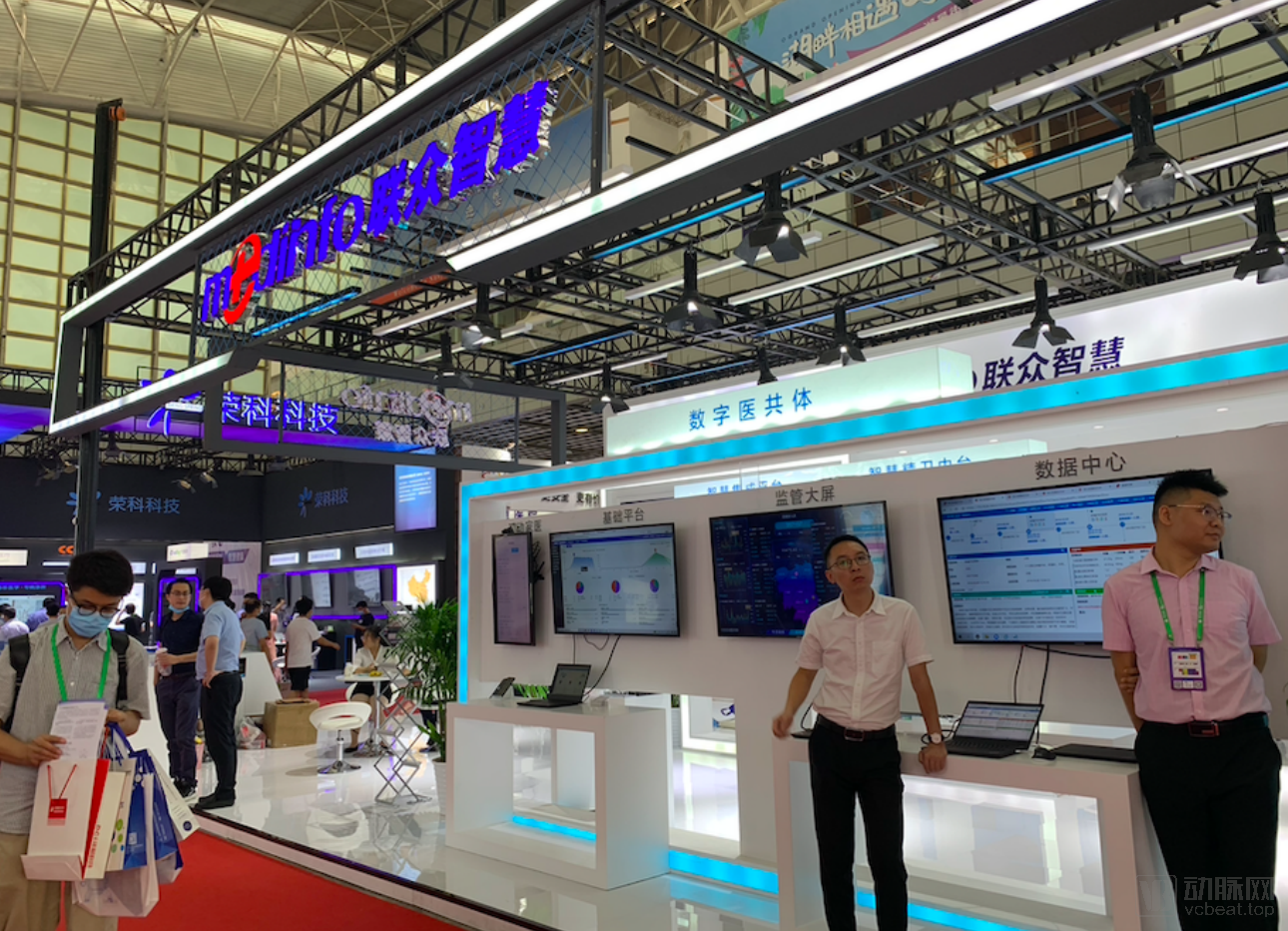
Lianzhong Wisdom Booth
Meanwhile, listed companies exhibiting at the event, such as Yilianzhong, are striving to embed smart concepts into the entire chain of health and medical services, including smart healthcare access, smart medical insurance, and smart primary care. Taking the smart hospital construction project undertaken by Yilianzhong for the First Hospital of Jilin University as an example, Yilianzhong helped the hospital achieve digitalization of the entire diagnosis and treatment process and integration of online and offline services.
In 2018, Yilianzhong constructed the internal integration platform for the First Hospital of Jilin University. This platform centrally manages dozens of systems accumulated over more than a decade, enabling seamless interconnectivity. It provides standardized data exchange protocols and integration technologies. External services can be added without modifying internal system interfaces, and internal system modifications do not require changes to external service interfaces, offering strong scalability and flexibility. The platform supports not only traditional information system operations but also all "Internet + Healthcare" services, truly integrating the full workflow across doctor-patient interactions, intra-hospital and extra-hospital processes, and online and offline channels. Through a series of upgrades and transformations, Yilianzhong has helped the First Hospital of Jilin University achieve Level 5 in the Electronic Medical Record (EMR) grading system and Class A Grade 4 in the Interconnectivity Standardization Maturity Assessment.
In January 2019, to address the issue of “one hospital, one card; no interoperability” that hindered public access to medical care, Yilianzhong helped the First Hospital of Jilin University officially launch the Resident Electronic Health Card. This initiative integrated the entire healthcare service process—including appointment registration, consultation, examinations, laboratory tests, medication dispensing, payment, and information inquiry—truly realizing a “single-card-for-all-visits” system. The Resident Electronic Health Card meets the growing new demands of the general public for medical services, establishing an online-offline integrated healthcare service model covering pre-consultation, during-consultation, and post-consultation phases, thereby providing more convenient healthcare services to the broader population.
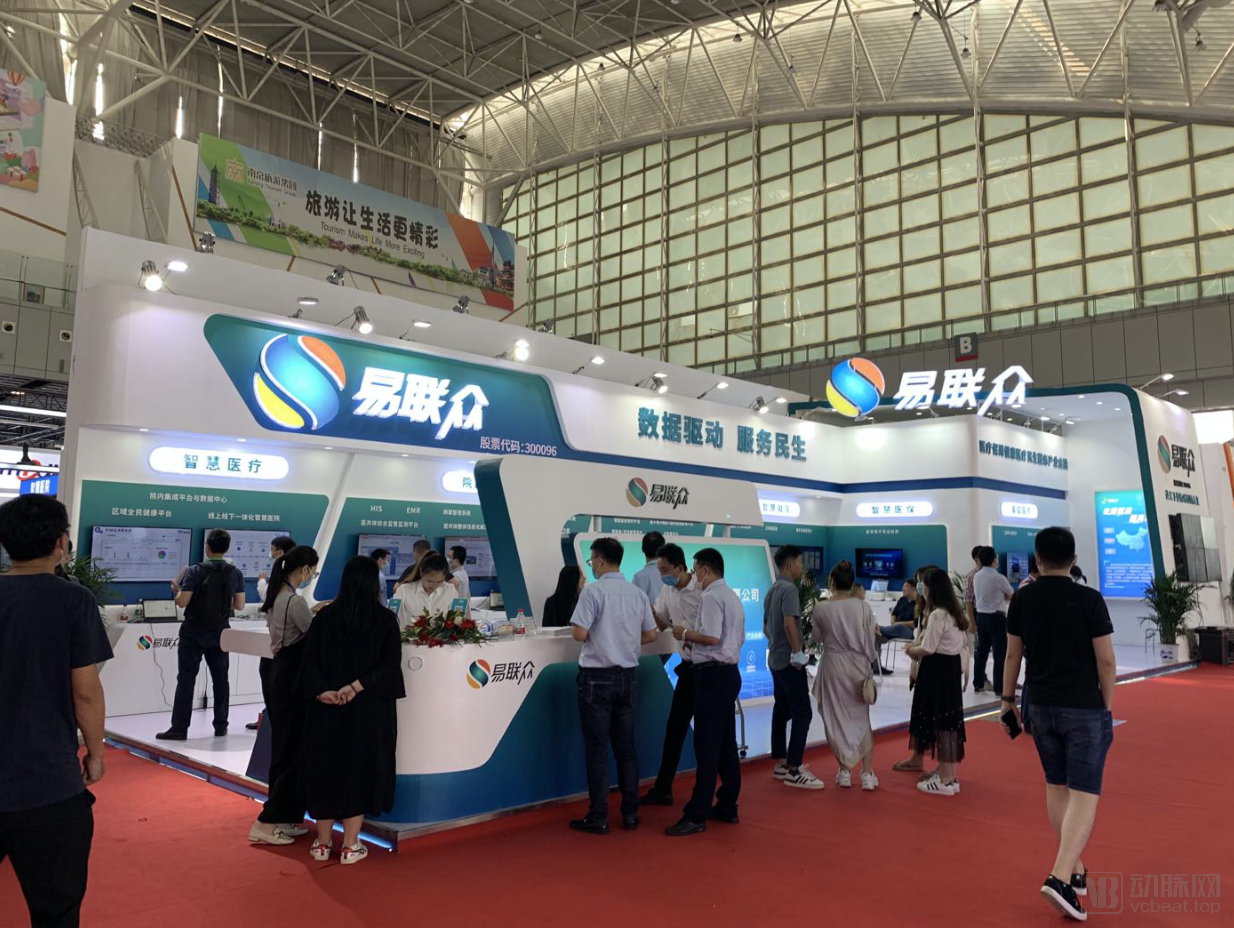
Yilianzhong Smart Hospital Product System
Currently, the First Hospital of Jilin University has met the Level 3 standards for smart hospital service rating, and Yilianzhong will support the hospital in continuously advancing toward higher levels.
In addition to the aforementioned trends, Philips was the only company present at GPS; the absence of blockchain healthcare IT enterprises and 5G concepts also reflects the broader trends in the development of healthcare informatization.
Synthesizing perspectives from various enterprises, VCBeat summarizes the post-CHINC developments as follows.
1. Although internet hospitals have gained significant popularity, this momentum is unsustainable; as platform development advances, subsequent operations and maintenance services will test the foundational strength of enterprises.
2. Artificial intelligence technology will profoundly transform clinical quality control processes through natural language processing (NLP).
3. Driven by policy, DRG will continue to gain momentum, but the market opportunities available for enterprises remain somewhat limited.
4. The CDSS market driven solely by hospital grading and primary care perspectives is limited; integration with HIS systems and exploration of single-disease quality control will create greater growth opportunities for this system.
5. The introduction of “MLPS 2.0” will attract more information security companies from across all industries to enter the healthcare sector in the coming period.
6. Products related to the Smart Hospital Service Rating are not yet well-aligned with the current needs of hospital information departments, but driven by policy support, they will inevitably gain significant traction in the future.
Overall, this year’s CHINC signals a fresh start for health IT enterprises. While the pandemic brought this sector to a standstill, it also generated new demands. Therefore, in the coming year, exploring these demands may be just as critical as keeping pace with policy developments. The healthcare informatics field is transitioning from being policy-driven to demand-led.