

Huoshu Technology Launches MDT-Based DRG Solutions to Empower Hospital Precision Management Amid National DRG Reform Initiative
Reform of healthcare insurance payment methods is a key component of China’s deepening healthcare system reform and an essential part of implementing the “Healthy China” strategy. As one of the predominant healthcare insurance payment models internationally, Diagnosis-Related Groups (DRG) constitute the core strategy of China’s current healthcare insurance payment reform.
However, what changes will this series of reforms bring to the operation and management of hospitals in China? How can hospitals adapt to the trend and innovate? These have become important topics of concern for hospital administrators and healthcare management researchers. As a leader in hospital-side DRG solutions under the medical insurance system, Huoshu Technology is committed to continuously providing multidisciplinary team (MDT)-style systematic DRG solutions for hospitals, while also shouldering the responsibility and mission of promoting exchange and development in the field of DRG.
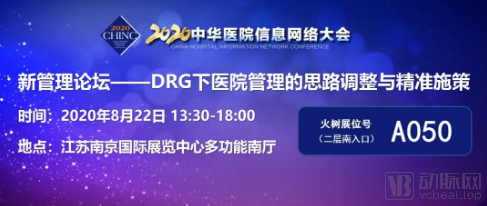
On the afternoon of August 22, the CHINC New Management Forum: Strategic Adjustments and Precise Policy Implementation for Hospital Management under DRG, along with the DRG Project Launch Ceremony, was grandly held amid great anticipation. The forum was hosted by the Hospital Management Institute of the National Health Commission, and co-organized by the Editorial Office of "China Digital Medicine" and Huoshu Technology. Ye Quanfu, Director of the Hospital Management Institute of the National Health Commission, delivered an opening address. Zhan Yiyang, Vice President of Jiangsu Province People’s Hospital, and Ding Haixia, Director of the Medical Insurance Office at Jiangsu Province People’s Hospital, served as moderators. Dozens of senior experts in the field of Diagnosis-Related Groups (DRG) jointly presented an academic feast.
Frontier Exploration
Hospital Research Institute Launches DRG Project to Accelerate Steady Development of DRG
The reform of the DRG-based payment system has had a significant impact on healthcare quality management and hospital operations, imposing higher requirements for refined hospital management. Against this backdrop, the Hospital Management Institute of the National Health Commission officially launched the project titled “Evaluation of the Implementation Effectiveness of DRG-PPS and Research on Refined Hospital Management.” Ye Quanfu, Director of the Hospital Management Institute of the National Health Commission; Duan Guochen, President of Hebei Children’s Hospital; Zhou Peng, Vice President of Shandong Provincial Hospital of Traditional Chinese Medicine; Lu Bin, Vice President of Zhongda Hospital Affiliated to Southeast University; Hu Rong, Vice President of Lianyungang First People’s Hospital; Hu Qiang, Vice President of Weifang People’s Hospital; Ma Yuting, Director of the Medical Insurance Office of Wuxi People’s Hospital; Song Tao, Chairman of Hangzhou Huoshu Technology Co., Ltd.; and Zhang Wei, CEO of Hangzhou Huoshu Technology Co., Ltd., jointly presided over the unveiling ceremony.
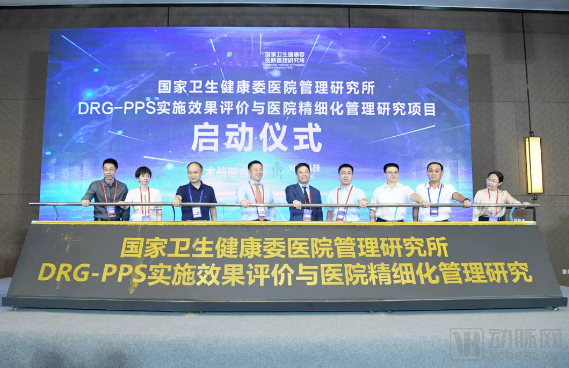
Hospital Research Institute DRG Project Launch Ceremony
This research project plans to organize representative hospitals from 30 DRG pilot cities across China to conduct a three-year prospective study. The aim is to understand the impact and mechanisms of Diagnosis-Related Groups (DRG) on healthcare quality and hospital management, formulate strategies for refined hospital management, and provide evidence-based decision-making support for relevant health administrative departments and hospital administrators to enhance healthcare quality and hospital management. As a strategic technology partner, Hangzhou Huoshu Technology Co., Ltd. will provide comprehensive DRG technical support throughout the project, focusing on empowering the long-term development of refined hospital management under the DRG payment system.
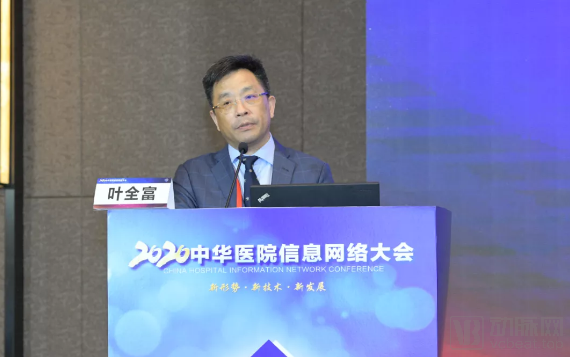
Address by Ye Quanfu, Director of the Hospital Management Institute, National Health Commission
Ye Quanfu, Director of the Hospital Management Institute under the National Health Commission, stated that the research project primarily focuses on three aspects: first, evaluating the impact of Diagnosis-Related Groups (DRGs) on healthcare quality and hospital management; second, elucidating the specific causes and underlying mechanisms behind these impacts; and third, exploring how to implement refined management strategies to improve the effectiveness of DRG implementation in hospitals. “Promoting the development of DRGs is of great significance for controlling healthcare costs and ensuring medical quality. Through this project, we aim to analyze the extent and nature of the impact of DRG implementation on the quality of disease treatment processes, and to examine how hospital administrators can establish more scientific and rational management approaches to address emerging challenges. Based on these research findings, we intend to provide decision-support technical services to the National Health Commission’s healthcare quality management initiatives and to hospital administrators at all levels.”
New Insights Dialogue
DRG Hospital Management Academic Conference: Discussing the Path Forward for DRG
This forum marked not only the launch of a research project but also a major gathering for the academic community in DRG-based hospital management. Several DRG experts convened to deliver a series of insightful presentations and engage in in-depth discussions on the topic of refined hospital management under the DRG payment system.
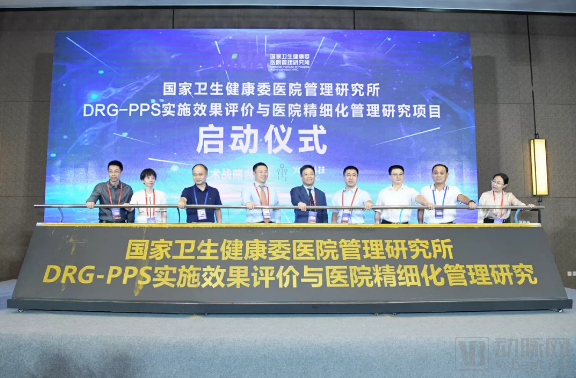
Zhan Yiyang, Vice President of Jiangsu Province People’s Hospital, served as the moderator.
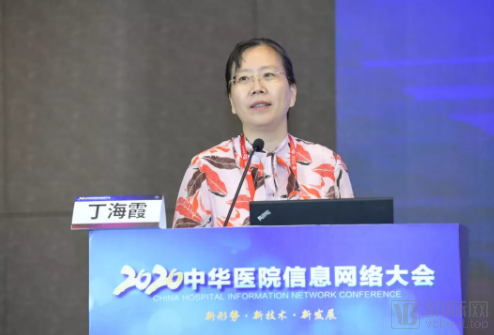
Moderated by Ding Haixia, Director of the Medical Insurance Office at Jiangsu Province People's Hospital
Policy-Driven, Go with the Flow
Liao Cangyi, a postdoctoral fellow at the Institute of Hospital Management of Tsinghua University, pointed out that the DRG reform aims to continuously adjust the development direction of China’s healthcare institutions and optimize the rational allocation of regional medical resources. “The policy trends for future DRG payment reforms can be divided into three stages: Stage 1.0, where DRGs serve as a bundled pricing mechanism for China’s healthcare services; Stage 2.0, which focuses on unbundling verification to promote clinical innovation within healthcare institutions; and Stage 3.0, which achieves genuine health insurance reform by guiding the country toward the goals of value-based healthcare through sound policy mechanisms.”
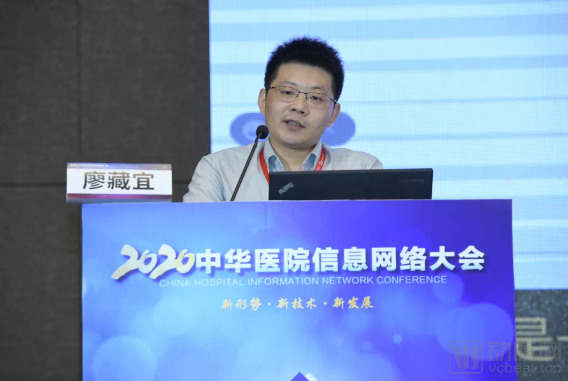
Liao Cangyi, Postdoctoral Fellow at the Institute of Hospital Management, Tsinghua University
Pioneering Demonstration, Striving for Perfection
“The DRG payment reform aims to shift healthcare from a technology-driven and market-oriented model to a value-based one, striving for the optimal balance of lower costs, higher efficiency, improved quality, and more compassionate care,” said Chen Haixiao, Director of Enze Medical Center. Since 2014, Enze Medical Center has been exploring DRG payment reforms and has currently achieved visualization across three levels—physician, clinical management, and hospital management—ultimately attaining the goal of three “reductions” and one “balance.”
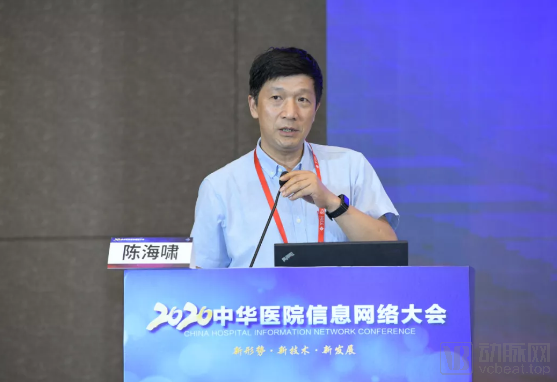
Chen Haixiao, Director of Enze Medical Center
Regional Leader, Setting the Example
DRG reform under the medical insurance system is not the responsibility of a single department, but rather a major initiative requiring multi-departmental collaboration. Ma Yuting, Director of the Medical Insurance Office at Wuxi People’s Hospital, shared the hospital’s experiences during its pilot implementation of Diagnosis-Related Groups (DRG). As one of the national DRG pilot hospitals, the institution has fully leveraged cross-departmental collaboration, with coordinated efforts among the Medical Records Quality Control Department, the Medical Affairs Department, the Medical Insurance Department, and the Information and Finance Department. With clearly defined responsibilities, these departments have jointly established a relatively mature administrative Multidisciplinary Team (MDT) management model.
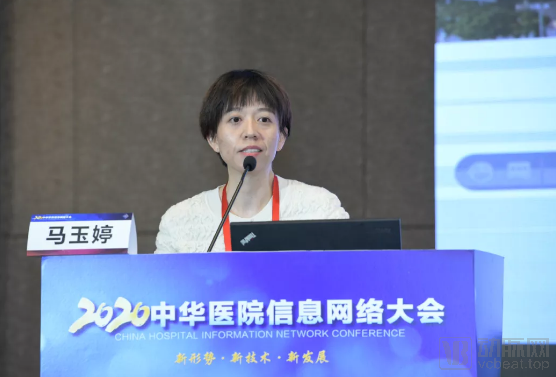
Ma Yuting, Director of the Medical Insurance Office, Wuxi People's Hospital
As another regional leading hospital, Foshan First People’s Hospital has fully implemented the principle of “greater rewards for greater effort” in its practice. “Only by clearly defining its positioning can a hospital determine what it should do. Tertiary hospitals should reduce admissions of mild cases, chronic diseases, and basic diagnosis-related groups (DRGs), while secondary hospitals should reduce admissions of severe cases. Issues such as how to reduce costs and enhance the value of labor are all considerations that hospitals must address,” emphasized Zhou Quan, Chief of the Social Security Department at Foshan First People’s Hospital.
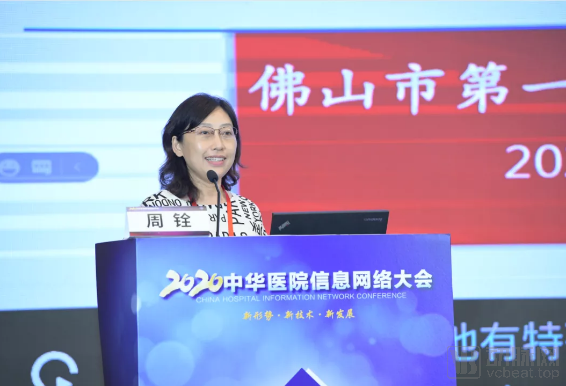
Zhou Quan, Chief of the Social Security Section, The First People's Hospital of Foshan
Multi-party Dialogue, Co-creating Ideas
During the roundtable session, Zhan Yiyang, Vice President of Jiangsu Province Hospital; Lin Min, Director of the Medical Insurance Office at the Second Affiliated Hospital of Zhejiang University School of Medicine; Ding Haixia, Director of the Medical Insurance Office at Jiangsu Province Hospital; Xie Junming, Director of the Medical Insurance Office at Zhejiang Provincial Hospital of Traditional Chinese Medicine; and Zhao Hui, Director of the Medical Insurance Office at Hefei First People’s Hospital, engaged in vigorous discussions. What impact has DRG payment reform had on hospitals? In the face of these challenges, what principles should hospitals uphold, and what changes must they implement? What are the key strategic responses during the process of DRG payment reform? The participants freely shared their insights, discussing hot topics in hospital management under the DRG system and exchanging critical experience in institutional responses, thereby providing valuable information and decision-making references for other hospitals.
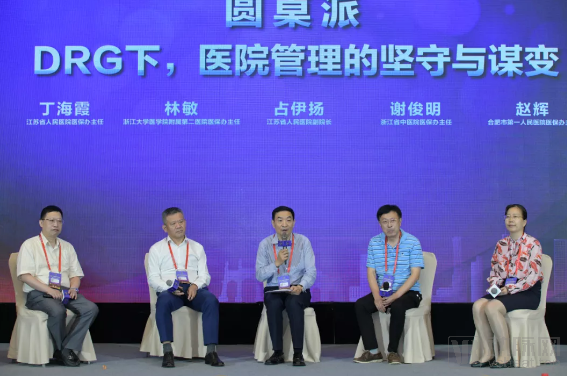
Roundtable Discussion
Technology Empowerment
Huoshu MDT System Solution: Addressing the Challenges of Hospital DRG Reform
Undeniably, beyond serving as a cost-containment mechanism for health insurance, the essence of Diagnosis-Related Groups (DRG) is to more effectively drive hospitals to strengthen refined management in a targeted manner. “Each department within a hospital plays a crucial role in its respective processes. How well these departments engage in holistic consideration, coordinated planning, and collaborative division of labor largely determines the hospital’s developmental outcomes in the era of DRG-based payment. Huoshu Technology’s MDT-style solution emerged against this backdrop and has already provided technical services to over one hundred hospitals across China,” stated Zheng Zhoukai, Vice President of Huoshu Technology. “We aim to empower hospitals to precisely identify issues, optimize strategies, upgrade management, and build robust systems under DRG management by providing them with highly convenient tools and multi-dimensional data analysis.”
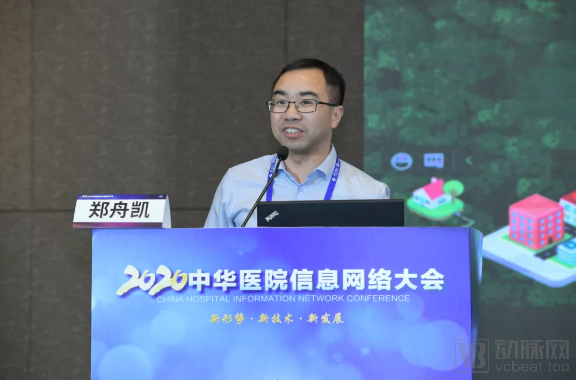
Zheng Zhoukai, Vice President of Huoshu Technology
At the forum, the Huoshu DRG Solution Experience Hall also attracted significant attention from numerous hospital administrators, with a steady stream of visitors. Attendees spoke highly of the “MDT-style” systematic solution. Guided by a product philosophy centered on multidisciplinary collaboration, Hangzhou Huoshu Technology Co., Ltd. provides one-stop empowerment for refined hospital management under the DRG payment system, establishing a distinctive presence in the DRG niche sector.
Refined management is an inevitable path for hospitals under the DRG payment system. It is believed that with Huoshu Technology’s in-depth exploration in areas such as comprehensive solutions, DRG training and exchanges, and national-level DRG research projects, it will empower more hospitals and promote high-quality development through refined hospital management.
About Huoshu Technology
Since its establishment, Hangzhou Huoshu Technology Co., Ltd. has remained dedicated to the field of medical big data. Founded by a team of big data experts from U.S.-listed companies, the company has cultivated deep expertise in areas such as medical Business Intelligence (BI) data centers, disease-specific cost control, and financial management analysis. In 2019, it pioneered entry into the DRG-based payment sector, becoming the first to implement insurance cost containment solutions for hospitals in China.
Leveraging its leading DRG grouping technology, superior data processing capabilities, and proprietary “MDT-style” system solutions, the company has successively launched products such as the Medical Record Front Page Quality Control System, In-hospital DRG Management System, DRG Clinical Pathway System, and DRG Cost Management System, helping hospitals address the challenges of DRG reform. Currently, the company’s products have been rapidly implemented in over 100 hospitals across DRG pilot regions, including Zhejiang, Guangdong, Jiangsu, and Anhui provinces, achieving comprehensive coverage in all prefecture-level cities of Zhejiang Province. Empowered by Huoshu’s technological expertise to enable refined hospital management, we are confident that China’s DRG payment reform will advance rapidly and steadily.