

Chongqing Rehabilitation Medical Association Successfully Held Its First Rehabilitation Seminar in 2020
To better adapt to the evolving landscape and strengthen communication and collaboration among rehabilitation experts in Chongqing, specialists in science and engineering, special education schools, rehabilitation equipment manufacturers, and government functional departments, the Chongqing Medical Association of Rehabilitation Medicine successfully held its first rehabilitation seminar salon of 2020 on the afternoon of Sunday, August 16. The event was attended by more than 100 participants, including government officials, representatives from colleges and universities, renowned experts in special education, professionals from rehabilitation hospitals and institutions at all levels, rehabilitation equipment R&D organizations, and rehabilitation equipment suppliers.
What is the current landscape of rehabilitation, and which rehabilitation technologies are under development? What opportunities can resource development in special education centers provide? What is the current status of rehabilitation hospital construction? What are the remaining pain points and challenges in building the rehabilitation sector? These issues were discussed by experts and professors at the conference.
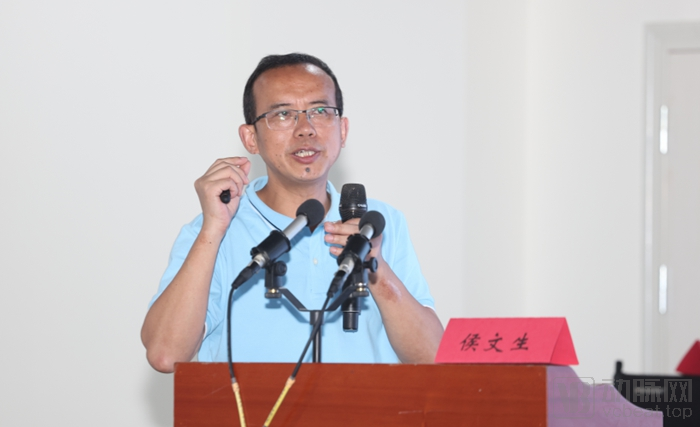
Professor Hou Wensheng, College of Bioengineering, Chongqing University
According to statistics from the China Disabled Persons’ Federation, the total number of people with disabilities in China reached 85.02 million in 2010 (including 25.18 million with severe disabilities and 59.84 million with moderate or mild disabilities). Furthermore, as population aging intensifies, the number of individuals aged 60 and above reached 212 million by the end of 2014, accounting for 15.5% of the total population, among whom approximately 35 million were disabled or partially disabled. The population aged 60 and above in China is projected to exceed 300 million by 2030 and surpass 400 million by 2050.
Individuals with disabilities, as well as elderly people who are disabled or partially disabled, urgently require rehabilitation technologies to restore or rebuild their mobility, activities of daily living (ADL), and social participation capabilities, including vocational labor. Professor Hou Wensheng from the College of Bioengineering at Chongqing University provided a detailed overview of the rehabilitation technologies currently being explored in academia, along with the associated challenges and pain points.
For patients with cochlear damage, most manufacturers currently offer electronic cochlear implants. However, near-infrared laser neural stimulation technology provides a new approach for the development of cochlear implants, enabling manufacturers to create optical cochlear implant devices. Previously, conditions affecting human visual function, such as retinitis pigmentosa (RP) and age-related macular degeneration (AMD), lacked effective pharmacological treatments; today, however, they can be addressed through visual prosthesis technologies based on neural engineering.
For individuals with limb amputations, myoelectric prosthetic technology—a rehabilitation technique aimed at restoring upper-limb motor function—has become a research hotspot in the field of neural engineering. Technological advancements offer people with disabilities more than just recognition of their movement intentions; they facilitate the formation of a closed-loop sensorimotor circuit, enabling users to genuinely perceive their “limbs.” The key challenge lies in overcoming the lack of feedback from these “limbs,” and extensive research is currently underway to address this issue. Professor Hou Wensheng also highlighted the application of rehabilitation robots in rehabilitative nursing, prosthetics, and rehabilitation therapy. Notably, human-robot interaction during rehabilitation training has emerged as another focal point of current exploration.
Professor Hou Wensheng stated that the integration of medicine and engineering should be promoted in the field of intelligent rehabilitation. Rehabilitation engineering, a branch of biomedical engineering, facilitates the medical-engineering integration in rehabilitation, enabling better design and manufacture of various devices to help restore or substitute for the functions of the human motor and sensory systems.
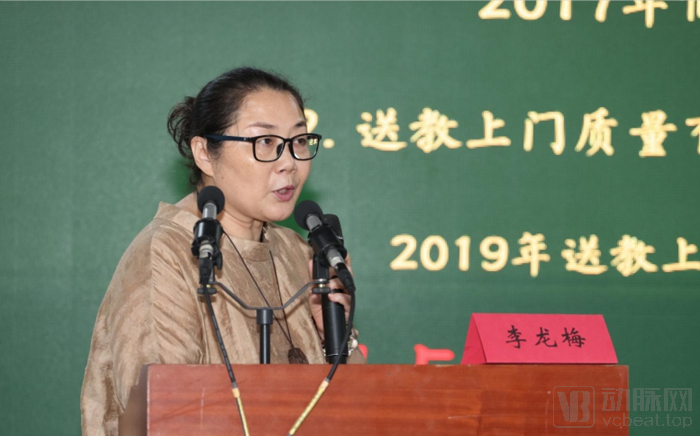
Professor Li Longmei, Chair of the Special Education Branch of the Chongqing Education Association and Principal of the Chongqing Special Education Center
Professor Li Longmei, Chair of the Special Education Branch of the Chongqing Education Association and Principal of the Chongqing Special Education Center, presented the current status and challenges in the development of special education centers. According to the 2019 Statistical Bulletin on National Educational Development, there were 2,192 special education schools nationwide, with a total of 62,400 full-time teachers. According to the 2019 Chongqing Municipal Statistical Bulletin on National Economic and Social Development, Chongqing had 37 special education schools, serving 5,568 enrolled students, while 19,800 students with special needs were integrated into regular classrooms in mainstream schools. The number of teachers in these institutions totaled 1,113.
Li Longmei recommended establishing an Expert Advisory Committee on Education for Persons with Disabilities to strengthen regional guidance in special education. She advocated for the integration of multidisciplinary resources from education, healthcare, and rehabilitation sectors to provide educational services through community-based programs, children’s welfare institutions, and home visits for school-age children and adolescents with disabilities who are unable to attend regular schools and require specialized care. Meanwhile, she called for improving the development of resource classrooms and resource centers to offer guidance and support services in special education.
Li Longmei specifically pointed out that many special education resource centers currently face the issue of equipment lying idle after purchase. She plans to establish Chongqing’s Special Education Resource Center through a four-tier management system and ensure its effective operation via methods such as zoned management, thereby providing high-quality resource services to individuals with special needs. She expressed hope that more rehabilitation medical experts and enterprises will empower these resource centers, jointly promoting the development of special education.
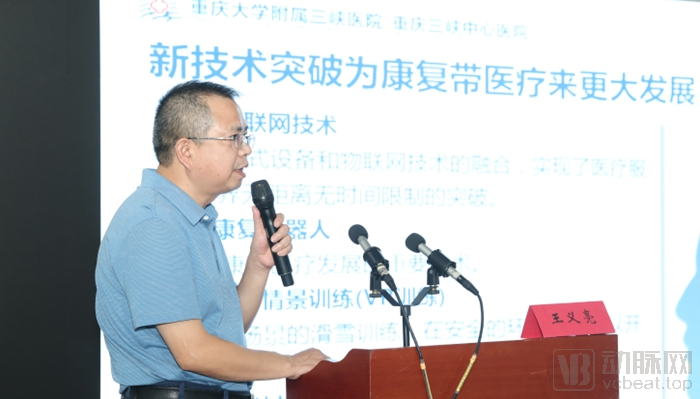 Professor Wang Yiliang, Vice President of Ba’an Branch, Chongqing Three Gorges Central Hospital
Professor Wang Yiliang, Deputy Director of the Ba’an Branch of Chongqing Three Gorges Central Hospital, shared his insights on the operation and management of rehabilitation hospitals. Driven by multiple factors—including an aging population, rising disability rates from chronic diseases, an increasing number of people with disabilities, upgraded consumer demand for health services, and favorable national policies—the population requiring rehabilitation medical services continues to expand. This substantial demand has fueled the development of rehabilitation hospitals.
Based on the revenue and number of patient visits at specialized rehabilitation hospitals reported in the China Health and Health Statistical Yearbook, the total consumption of China’s rehabilitation medical market in 2018 was estimated at approximately RMB 58.3 billion. Driven by accelerating population aging, a growing number of patients with chronic diseases, heightened public awareness of rehabilitation, and increased state attention and fiscal support for the rehabilitation needs of persons with disabilities, demand for rehabilitation services continues to rise. The report forecasts that the market size of China’s rehabilitation medical services will reach RMB 220.7 billion by 2025.
Advancements in Internet of Things (IoT) technology, rehabilitation robotics, virtual reality (VR), and new materials will further promote the development of rehabilitative medicine. However, there are cognitive challenges within the industry: public acceptance of rehabilitation remains low, awareness is insufficient, and prejudices even persist. An imperfect rehabilitation system has resulted in the industry not receiving the attention it deserves, while compensation for practitioners fails to match their efforts and contributions.
Professor Wang Yiliang specifically pointed out that the establishment of a rehabilitation hospital is not merely the responsibility of a single department, but encompasses the configuration of outpatient clinics, medical technology departments, inpatient zones, and wards. The current requirements for rehabilitation department setup in hospital accreditation standards have significantly promoted the broader adoption of rehabilitation concepts. However, for hospitals to achieve better development, they must leverage their advantageous rehabilitation disciplines, continuously recruit talent, conduct training, and procure equipment. Furthermore, it is essential to strengthen quality control, optimize logistical support, continually motivate staff, and enhance satisfaction among both patients and society.
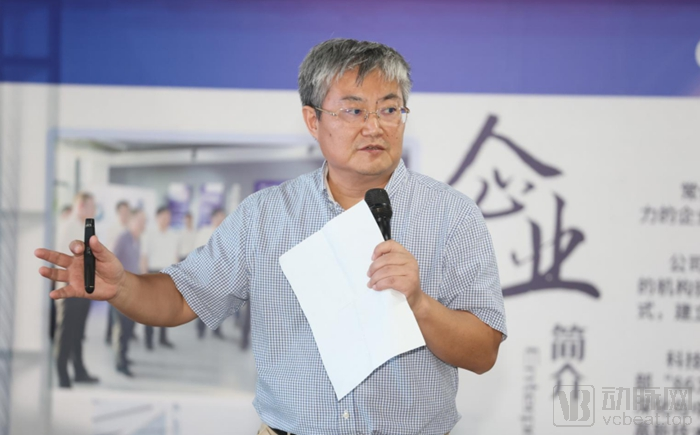 President of the Chongqing Association of Rehabilitation Medicine, Professor Xiao Nong from the Children's Hospital Affiliated to Chongqing Medical University
Professor Xiao Nong, President of the Chongqing Medical Association of Rehabilitation Medicine and affiliated with Children’s Hospital of Chongqing Medical University, emphasized the importance of rehabilitation in his speech. During his presentation, he quoted Liu Dong, one of China’s leading cardiac surgery experts and Director of Cardiac Surgery at both Beijing Anzhen Hospital and United Family Hospital, who stated that the five complete steps of medicine are prevention, healthcare, diagnosis, treatment, and rehabilitation.
However, hospitals have traditionally focused more on diagnosis and treatment, with deficiencies in prevention, healthcare, and rehabilitation. Amid the trends of population aging and increasing life expectancy in China, the risk of disability is rising. Households with long-term bedridden patients account for approximately 8% of all households nationwide, and tens of millions of families are expected to face challenges in providing rehabilitative care for disabled elderly individuals in the future. This poses severe challenges to the current social security system, medical insurance system, and public health system.
On the other hand, as the world’s second-largest economy, China is compelled by the needs of social development to continuously deepen its efforts in the field of rehabilitation. In the aftermath of the Wenchuan earthquake, public perceptions of rehabilitation have also shifted. Increased attention from organizations such as the China Disabled Persons’ Federation and the Ministry of Civil Affairs toward vulnerable groups, coupled with favorable healthcare policies, has significantly promoted the growth of the rehabilitation industry.
However, numerous challenges remain. For instance, which party should be responsible for establishing rehabilitation institutions? Should rehabilitation costs be borne out-of-pocket by patients? How can seamless coordination among rehabilitation institutions be achieved? How should interdisciplinary collaboration be developed? Can current education and training programs, along with employment support mechanisms, keep pace with demand? Who should address the qualification and credentialing issues for rehabilitation professionals? Currently, the national government is addressing these issues through policy measures and has achieved certain progress. Professor Xiao Nong pointed out that civil affairs departments, disabled persons’ federations, educational authorities, and medical insurance agencies should establish effective interactive mechanisms to further promote the development of the rehabilitation sector.
Organizer: Chongqing Innoway Medical Technology Co., Ltd., a subsidiary of Changzhou Qianjing Rehabilitation Co., Ltd. (hereinafter referred to as “Qianjing Rehabilitation”). Founded in 1996, Qianjing Rehabilitation has been dedicated for 24 years to the field of rehabilitation equipment, assistive devices, and rehabilitation medical devices, and is one of the few enterprises in the industry with comprehensive capabilities in manufacturing rehabilitation equipment.
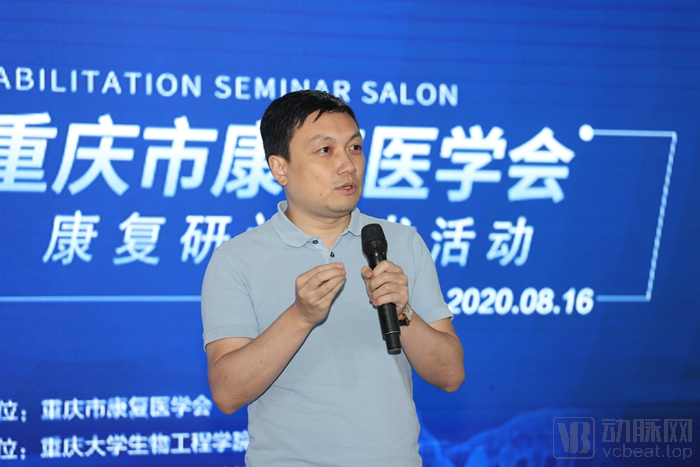
Fan Tianrun, General Manager of Qianjing Group
In his concluding remarks, Qianjing Group expressed its aspiration to establish industrialized production of advanced rehabilitation equipment in Chongqing, leveraging the city as a base to promote and distribute its products nationwide. With Chongqing as its foundation, Qianjing Group aims to create a demonstration hub for innovative products, technologies, and services, serving as a model for nationwide replication. The group also looks forward to strengthening collaboration with Chongqing’s medical institutions, government authorities, and universities to facilitate the implementation of new technologies. Furthermore, Qianjing Group will work alongside local talent in Chongqing to develop more innovative rehabilitation solutions, thereby benefiting a broader population.
This seminar was hosted by the Chongqing Association of Rehabilitation Medicine, organized by Chongqing Innoway Medical Technology Co., Ltd., and co-organized by the College of Bioengineering of Chongqing University, the Special Education Branch of the Chongqing Education Society, the School of Smart Health of Chongqing College of Electronic Engineering, and Chongqing Yaozhi Enterprise Management Consulting Co., Ltd.