

Jizhong Health Files IPO Prospectus to Tap into China's $570 Billion Maternal and Child Nutrition Market with Lifecycle-Oriented Solutions
We are deeply troubled by the prevalence of various diseases and constantly seek better ways to treat them.
But we may have overlooked disease prevention.
Disease prevention should begin from the very first moment of life, not just focus on adulthood.
I wonder if you are awareDOHaD Theory?
This theory posits that, in addition to adult lifestyle and genetic inheritance, environmental factors during early life (the first 1,000 days), including nutrition, also influence the risk of developing certain non-communicable diseases in adulthood. The onset of some conditions in adulthood, such as obesity, hypertension, type 2 diabetes, cardiovascular disease, and behavioral problems during adolescence, may be significantly associated with poor nutrition or adverse environmental exposures experienced during early life.
This theory was first proposed by Professor David Barker of the United Kingdom in 1995. In recent years, it has been substantiated by extensive epidemiological studies conducted by experts both domestically and internationally. Since its publication, the theory has sparked significant upheaval and resonance within the international medical community.
The DOHaD theory tells us:A pregnant woman's nutritional status not only reflects the health indicators of the child at birth but also affects their lifelong health.
The First 1,000 Days of LifeThis refers to the 270 days from conception to birth, plus the first 365 days of life after birth, and the subsequent 365 days in the second year of life. This period is a critical window for the maturation of bodily tissues, organs, and systems, influencing the newborn’s memory of the intrauterine environment and their adaptation to the extrauterine environment after birth.
The concept of the full life cycle is proposed with the aim of preventing adult diseases through early intervention. This includes preconception testing and risk assessment, nutritional care in early pregnancy, screening and active treatment of pregnancy-related conditions, dietary interventions to prevent gestational diabetes, and the prevention and management of preeclampsia and preterm birth, thereby improving health status at the earliest stages of life. By optimizing feeding and caregiving practices for infants and toddlers within the first two years of life, the onset of adult diseases can be prevented.
Misconceptions About Nutrition Seriously Affect Residents' Health
Wang Wei, Founder of Jizhong HealthI noticed the difference in the emphasis placed on nutrition between China and other countries while studying in Germany.
Abroad, nutrition is regarded as a therapeutic modality. Clinical nutrition departments are considered equally important as disease-specific clinical departments, and most physicians are required to possess knowledge related to nutrition. In overseas universities, nutrition-related courses are often mandatory for students.
In China, nutrition appears to be merely one factor influencing an individual’s ability to maintain adequate strength. In the minds of most people, nutrition is more closely associated with concepts such as health supplements for the elderly. Nutrition courses in schools are also largely categorized as electives.
Year after year, the Chinese public’s misconceptions about nutrition have had a significant impact on their health.
In the 1990s, China ranked dozens of places globally in terms of the number of people with diabetes and obesity, with virtually no presence on the list of countries affected by these diseases.
With the advancement of reform and opening-up, people’s living standards have improved significantly compared to the past. The era of hunger, when people struggled to have enough food to eat, is gone forever. Meat, once a rare delicacy, and beverages, previously inaccessible, have become abundant in people’s lives. People regard this abundance as a blessing and a source of joy, yet they remain unaware of the hidden crises lurking behind such happiness and pleasure.
In 2010, according to national statistical data, the prevalence of diabetes in China (11.6%) surpassed that of the United States (11.3%), with the number of patients reaching 114 million, exceeding India and making China the country with the largest diabetic population in the world.Various chronic diseases are also experiencing a surge.
What Are the Underlying Reasons?
In addition to increasingly irregular sleep schedules and dietary habits that create a fertile ground for disease, we should also reflect on our misconceptions about nutrition.
Jizhong Health has always sought to change the status quo.
A Decade of Exploration: From Conceptualization to Product Commercialization
Since entering the clinical nutrition industry in 2010, initiating collaborations with hospitals such as Xiangya Hospital and Peking Union Medical College Hospital, achieving basic product maturity by 2017, and establishing the Jizhong Health brand in 2019 to build a full-lifecycle service system for mothers, infants, and children, the Jizhong Health team has been exploring this path.10Year.
Jizhong Health aims to accomplish, is theComprehensive Nutritional Care for Mothers, Infants, and Children Across the Entire Life Cycle。
“After completing my studies abroad, I wanted to pursue endeavors that are both promising and meaningful. The healthcare industry aligns perfectly with my vision for the future,” said Wang Wei, his hearty voice tinged with a hint of shyness.
In 2010, Wang Wei and several friends dove headfirst into the clinical nutrition industry. They initially collaborated with Xiangya Hospital to manage projects related to chronic diseases and blood glucose control, while also partnering with departments such as the Reproductive Center, Obstetrics and Gynecology, and Pediatrics on clinical nutrition management.
At that time, there were relatively few companies specializing in clinical nutrition. By 2013, they had gradually gained some recognition within the industry. Subsequently, they established a collaborative partnership with Peking Union Medical College Hospital to jointly develop specialized clinical nutrition management software systems.
The development of this software took three years. In 2017, the prototype was finalized. This nutrition management system incorporates expert protocols from leading specialists at Peking Union Medical College Hospital, forming a comprehensive database.
Subsequently, the company signed an exclusive distribution agreement with a South Korean manufacturer and imported a batch of nutritional assessment devices. Through technical enhancements, the company’s engineering team integrated these devices with its proprietary nutritional management software, creating a cohesive product ecosystem.In 2018, the prototype product was officially launched. In 2019, Jizhong Health was established.
Breaking Out of the Pure Medical Device Sales Circle to Build a Comprehensive Service System
Initially, they positioned themselves as a medical device company, aiming to build a supply chain focused solely on device sales. However, as product promotion encountered certain bottlenecks, they realized that this path was not easy to pursue.
“We sell this bundled software directly to hospitals, but their decision-making process is extremely lengthy. Hospitals carefully consider the various returns on investment after purchasing a product. ‘How will patients respond? Will they be willing to pay? Can we recoup our expenditure?’ These are questions that hospitals repeatedly deliberate. All of these factors hinder the rapid promotion of our product,” said Wang Wei.
Later, they discovered that by transcending the constraints of medical device sales platforms and providing hospitals with complimentary supporting software, along with dedicated dietitians and technical professionals for integrated technical and operational guidance, they could offer a comprehensive, “one-stop” service system. By charging hospitals only an information service fee, this approach proved to be significantly faster.
“By building a comprehensive service system, we help hospitals reduce decision-making costs and eliminate their concerns, thereby reducing the hospital’s decision-making time to approximately”15%. The pace of product promotion subsequently accelerated.”
Jizhong Health’s nutritional management system software also serves as a physician’s personal assistant.
Before clinicians conduct corresponding physical examinations or provide nutritional plans for women and children, the nutrition management system software will present standardized treatment pathways and corresponding prescriptions adopted by Peking Union Medical College Hospital for similar female and pediatric patients, for clinical reference. Clinicians can then formulate their own recommendations based on their clinical experience.
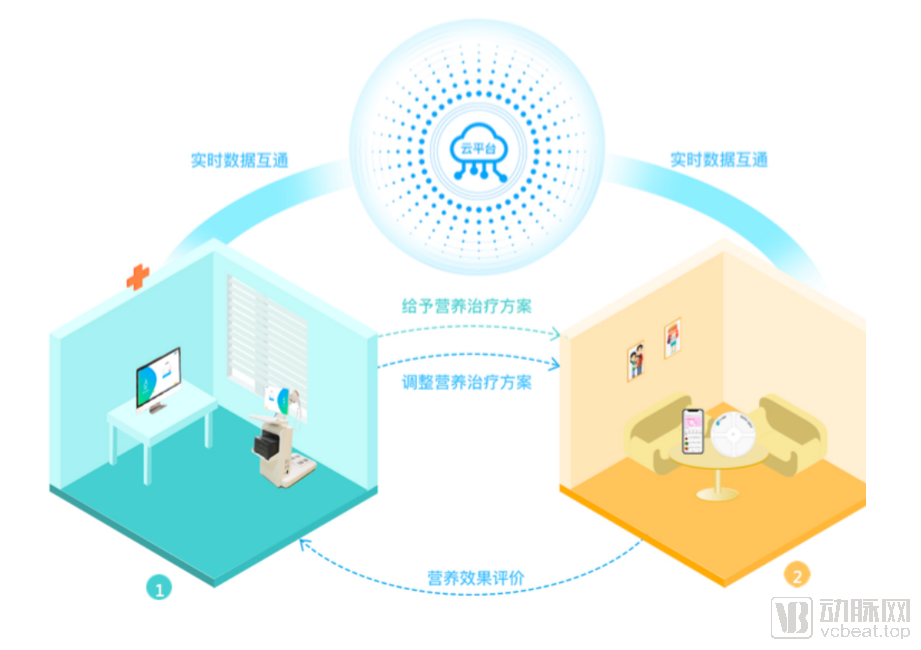
This approach not only ensures the accuracy and effectiveness of the treatment plan but also significantly improves physicians' work efficiency.The rapid promotion of the product enabled Jizhong Health to achieve profitability within 10 months.
In addition, Wang Wei stated to VCBeat, “After physicians formulate diagnosis and treatment plans for women and children based on the system’s protocols and data from diagnostic devices, the corresponding data are fed back into our software system. This also helps us further upgrade our product database. As the volume of information and data we accumulate grows, our competitiveness becomes stronger.”
As more and more hospitals collaborate with Jizhong Health, contributing to the upgrading of information within its database, the technological barriers established by Jizhong Health continue to rise.
Currently,Jizhong Health is currently undergoing its first round of financing,The funds raised will be primarily used to enhance the full-lifecycle nutrition management system, build a health big data platform, scale up mass production of products and equipment, and further expand the business service system.
Fully Addressing the Diverse Needs of Mothers, Infants, and Children Through Integrated Online and Offline Strategies
“Pregnancy Brain Lasts Three Years” is not merely a jest at expectant mothers’ eagerness to protect their children. The physiological changes that occur during pregnancy can indeed cause minor impairments in pregnant women’s memory and comprehension.
During pregnancy, expectant mothers avoid taking medication whenever possible. Minor ailments such as the common cold are typically endured without treatment. Pregnant women are generally unwilling to accept any potential adverse effects on their unborn babies that may result from medication, medical interventions, or other factors.
However, gestational diabetes is a condition in pregnant women that should not be taken lightly.
Gestational Diabetes Mellitus(Gestational Diabetes Mellitus, GDM) is diabetes that first occurs due to abnormal maternal glucose metabolism after pregnancy and is one of the common complications during pregnancy. This condition can easily lead to maternal infections, polyhydramnios, hypertension, and other symptoms. It primarily causes a series of maternal and fetal complications, including fetal hyperglycemia, excessive insulin secretion, macrosomia, and neonatal hypoglycemia. With changes in the diagnostic criteria for GDM, the incidence of GDM has significantly increased, accounting for a proportion of the total pregnant population.15%Above.
For this condition, clinicians typically recommend insulin injection therapy. However, the vast majority of pregnant women often refuse this treatment due to fears that insulin injections may adversely affect the fetus. Nutritional therapy offers another hope for pregnant women.
Which foods are safe to eat? (Low-sugar, low-fat) Which foods should be avoided? (High-sugar, high-fat) And how much of each food is appropriate? (Based on sugar and fat content.) These questions are a particular source of distress for pregnant women.
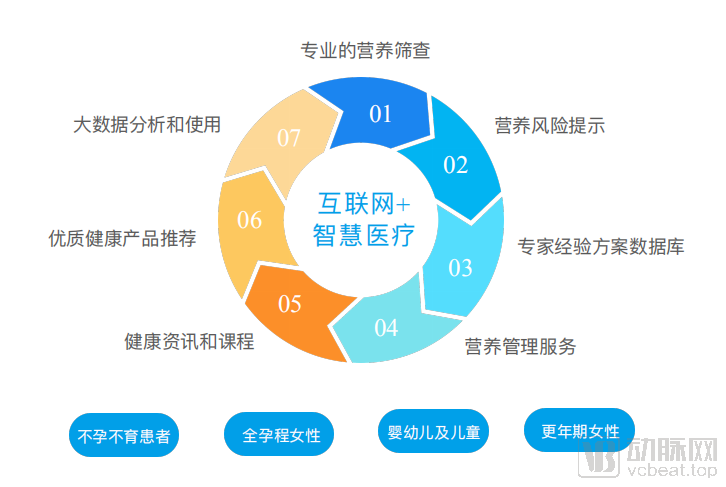
In response, Jizhong Health has launched a feature on its nutrition system softwareFeatured Food Section, became a "product recommendation ambassador."
This is somewhat akin to influencer-driven product promotions. However, unlike the questionable authenticity often associated with influencer recommendations, all foods featured in this curated selection have been rigorously screened by Jizhong Health’s team of professional dietitians. The selection includes vegetables, fruits, nuts, cookies, and other items, each accompanied by detailed information on sugar content and other nutritional indicators.
As a result, pregnant women no longer need to trouble themselves with discerning the sugar and fat content of various foods.Simply follow the instructions on relevant food products, use Jizhong Health’s proprietary AI-powered management tool, and eat as directed by your nutritionist.
Meanwhile, to address the issue of pregnant women forgetting prenatal fitness exercises immediately after learning them at the hospital, Jizhong Health has specially added on its software platformHealth Consultation and Course Section.
In this section, Jizhong Health connects pregnant women with experts to provide health consultations, address questions that may arise during pregnancy, and offer solutions. Additionally, through its nutrition system software, Jizhong Health provides a wide range of prenatal fitness courses, enabling pregnant women to easily learn and exercise at home.
These health consultations and courses are provided by renowned expert physicians from top-tier tertiary hospitals, such as Peking Union Medical College Hospital. Driven by their trust in these experts, pregnant women have engaged in the learning process with great diligence and enthusiasm, resulting in highly effective dissemination of this content.
The Need for Comprehensive Nutritional Care Extends Beyond the Maternal, Infant, and Child Segments
Positioned around the full life cycle of mothers, infants, and children, Jizhong Health has now completed itsObstetricsandPediatricslayout in Hunan, Beijing, Tianjin, Shandong, Liaoning, Jiangsu, Guangdong, Guangxi, Sichuan, etc.15 unitsProvinces vs. China40+partnerships with multiple hospitals, laying the foundation for the comprehensive promotion of the project. Building on its proven track record, Jizhong Health will continue to develop and explore a holistic service system covering the entire life cycle of mothers, infants, and children.
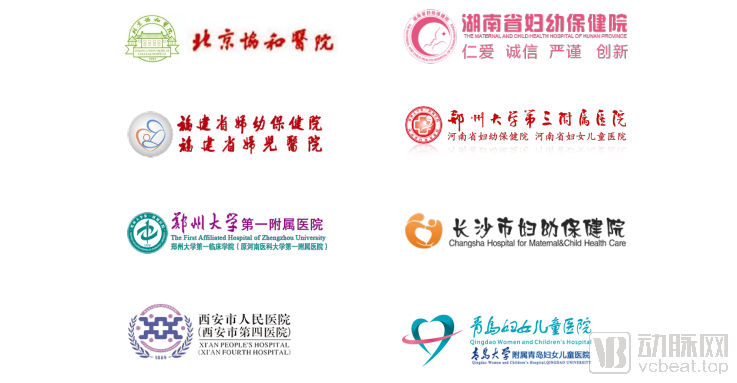
Jizhong Health’s Partner Hospitals
Regarding the future development of the maternal and infant industry, Wang Wei stated,In 2019, the number of newborns in China was 14.65 million.As the child-rearing philosophies and consumption behaviors of young parents born in the 1990s continue to evolve, those born in the 1990s and mid-to-late 1990s will become the primary demographic for childbirth in 2020.China's maternal and infant market size will exceed 4 trillion yuan.The maternal and infant industry is a sector worthy of in-depth exploration and development.
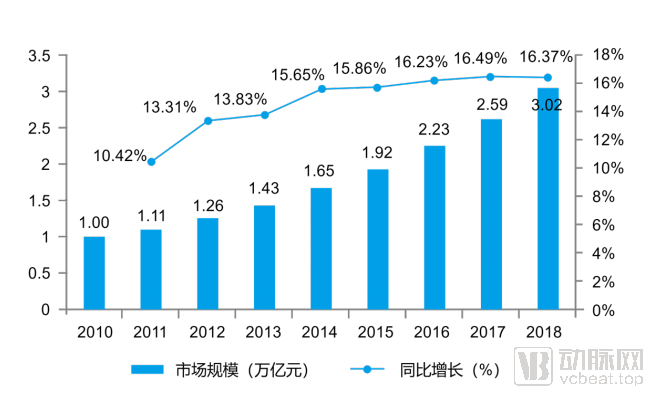
Growth Trends in the Maternal and Infant Market in Recent Years
(Image source: public information)
Of course, it is not only the maternal and infant industry that requires comprehensive nutritional care; individuals need such support at every stage of life. Jizhong Health takes a long-term view.
In recent years, Jizhong Health has successively established collaborations with departments such as Endocrinology, Cardiology, Hemodialysis Centers, and Health Management Centers in various hospitals. These departments also have a strong demand for nutritional solutions, which represents a key area for Jizhong Health to continue advancing in the future.
As the saying goes, “It takes ten years to sharpen a sword.” Truly exceptional products require the refinement that only time can provide. Let us wait and see what further surprises Jizhong Health has in store for us in the future.