

Who Leads the Cutting Edge in Precision Oncology Diagnostics? Highlights from the Inaugural Black-Tech Cancer Diagnosis & Treatment Conference
Over the past decade, rapid advancements in oncology have led to the development and clinical adoption of an increasing number of therapeutic agents and technologies; nevertheless, substantial unmet clinical needs remain that urgently require robust innovation and development.

Inaugural Conference on Cutting-Edge Technologies in Oncology Diagnosis and Treatment Opens — Kicked Off by Robots
Against this backdrop, the inaugural “Black Tech” Selection for Oncology Diagnosis and Treatment, hosted by the Beijing CSCO Clinical Oncology Research Foundation and Good Doctor Hui, and co-organized by VCBeat, Huagai Capital, and MedPeer, has officially kicked off. Through this event, we can gain an overview of the most advanced endeavors currently being undertaken in oncology diagnosis and treatment in China.
Colorectal cancer has consistently exhibited high incidence and mortality rates, imposing a substantial burden on healthcare costs. According to data from the Global Cancer Report, colorectal cancer ranks among the top three cancers in terms of incidence and has long held the second-highest position in mortality.
In 2015, the incidence rate of colorectal cancer in China was 9.88%, ranking third after lung cancer and liver cancer, while its mortality rate ranked fifth. It has become a major factor affecting the health of the Chinese population and causing deaths. In fact, early intervention can effectively reduce the incidence and mortality rates of colorectal cancer, and 90% of patients diagnosed at an early stage can be cured with effective treatment.
There are various traditional methods for colorectal cancer screening, each with its own advantages and disadvantages, which to some extent reduce people's compliance with early screening. Additionally, the general public in China has a weak awareness of proactively visiting hospitals for early disease screening, causing many individuals to miss the optimal window for diagnosis and treatment.
To encourage broader participation in early screening for colorectal cancer, New Horizon Health has launched Changweiqing®, a home-based early screening product for colorectal cancer. Ms. Kang Yue, Business Development Expert at New Horizon Health Technology Co., Ltd., introduced the product.
“ColoClear® is not limited by time or space; it is simple and convenient to use, painless and non-invasive, thereby improving patient compliance with early colorectal cancer screening,” said Ms. Kang Yue. She noted that this at-home testing method can significantly enhance patient adherence to early colorectal cancer screening.
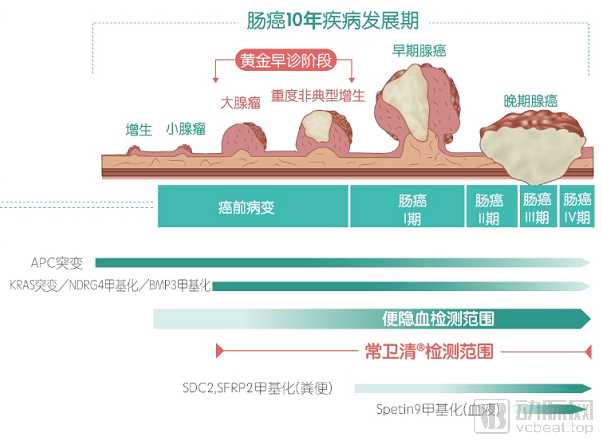
ColoClear® employs a multi-target fecal FIT-DNA combined detection technology to comprehensively capture early lesion signals by detecting KRAS gene mutations, methylation, hemoglobin, and other biomarkers. This approach eliminates the “blind spots” in colorectal cancer screening and enhances detection accuracy.
According to Ms. Kang Yue, ChangWeiqing® demonstrates a sensitivity of 97.5% for detecting colorectal cancer and 53.1% for detecting adenomas, with a specificity of 88.1%. The annual positive detection rate remains stable at 9% ± 1%.
In the realm of early cancer screening, Deshang Yunxing Medical Technology has taken a unique approach by focusing on the field of ultrasound.
The company has drawn significant attention by being the first to apply AI technology to the field of ultrasound. Starting with the pain points inherent in traditional ultrasound diagnosis, Ms. Hu Hairong, Product R&D Director at Deshang Yunxing, introduced the company’s proprietary deep learning development platform, DE-LIGHT.
The pain points of traditional ultrasound diagnosis include strong subjectivity in feature interpretation, the inability to precisely quantify features, and significant inter-observer variability. Furthermore, due to the limited number of diagnostic features available in ultrasound, there are inherent limitations in differentiating between benign and malignant lesions. Additionally, many features are intuitive rather than explicitly definable, posing challenges to the inheritance of expert experience. The complex combinations of multiple ultrasound features further complicate the differentiation between benign and malignant tumors.
“Artificial intelligence algorithms have effectively addressed these issues,” explained Ms. Hu. By analyzing large-scale, diverse datasets of confirmed patient cases, Deshang Yunxing has developed DE-LIGHT, a deep learning technology platform.
Without the need for manual feature definition, the system’s algorithms automatically extract common features to perform statistical analysis for differentiating benign from malignant tumors. Unaffected by subjective factors and eliminating the need for feature quantification or linguistic abstraction, the AI’s ability to precisely retain all learned features from large-scale training datasets constitutes a key advantage over human-led statistical analysis. Compared with the gold standard of surgical pathology results, Deshang Yunxing’s AI-assisted ultrasound diagnostic system for thyroid cancer achieves an accuracy rate of 85%–90% in determining malignancy.
Ms. Hu stated that ultrasound, being radiation-free and relatively affordable, has been widely adopted in primary healthcare institutions. The integration of AI technology into ultrasound diagnostics will undoubtedly significantly accelerate the early screening, diagnosis, and treatment of cancer.
Unlike the first two companies, Zhiben Medical Technology has taken a more precise path in tumor detection.
Drawing on the metaphor of an immortal monster from Homer’s epic The Iliad, Mr. Wang Weifeng, Vice President of R&D at GenomiCare, stated that fusion can sometimes be dangerous, and gene fusions are no exception.
Gene fusions lead to sustained activation of cellular signaling pathways, stimulating cells to undergo unlimited division and proliferation, ultimately resulting in tumor development. Gene fusions often convey a dangerous signal.
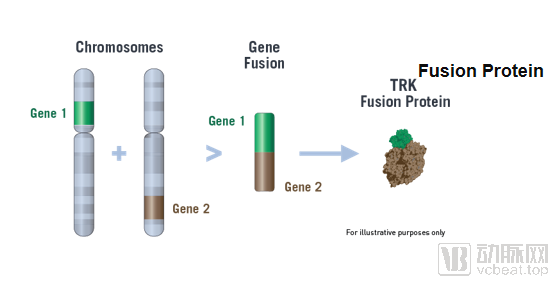
Identifying gene fusion breakpoints to enable “targeted therapy” is part of the current mission of next-generation sequencing (NGS) technology. NGS is not only a key research method and tool in genomics, but also one of the technological drivers enabling the realization of the vision of precision medicine.
From the first targeted therapy, imatinib (targeting BCR-ABL fusion), introduced two decades ago, to the first “tissue-agnostic anticancer drug,” larotrectinib (targeting NTRK fusions), gene fusion testing has played an increasingly vital role in the clinical diagnosis and treatment of cancer. Zhiben Medicine has made significant efforts in this field to leverage next-generation sequencing (NGS) for the precise detection of gene fusion targets in cancer patients.
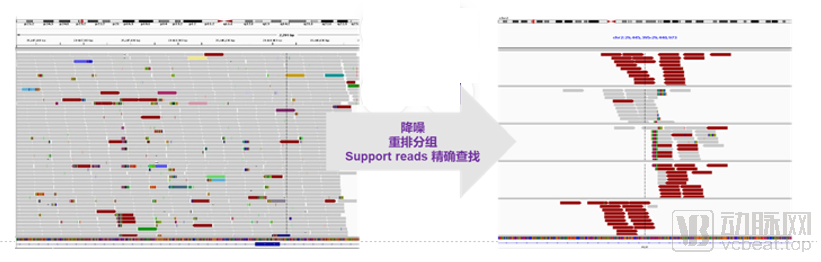
Geneseeq’s proprietary algorithms enhance the detection rate and accuracy of gene fusions through noise reduction, re-clustering, and precise identification using supporting reads, thereby addressing the challenges associated with NGS-based fusion detection. Geneseeq is capable of detecting rare fusion variants and complex rearrangements.
Given the potential for incomplete detection of gene fusions by DNA testing, Geneseeq also offers RNA sequencing for fusion detection. This approach addresses the limitations inherent in DNA-based assays, enabling comprehensive capture of all variant types and ensuring one-time, thorough detection of all targetable alterations.
To date, Zhiben Medical has identified gene fusion abnormalities in thousands of patients with fusion-driven lung cancer, enabling the selection of appropriate targeted anticancer therapies. We believe that continued research and advancement of this technology will benefit more patients in the future.
Jianzhen Medicine has also conducted in-depth exploration and strategic layout in the field of next-generation sequencing (NGS) technology. The company launched the ChosenOne599 pan-cancer genetic testing solution to facilitate precision diagnosis and treatment of tumors. Mr. Wang Dongliang, Chief Medical Officer of Jianzhen Medicine, provided an introduction to this initiative.
ChosenOne599’s panel design comprehensively covers FoundationOne CDx and MSK-IMPACT, includes high-frequency mutation sites in tumors among the Chinese population, and can indicate genetic risks and adverse drug reactions to chemotherapy.
The ChosenOne599 panel covers a wide range of targets, including genes associated with targeted therapies, hereditary cancer predisposition, chemotherapy drug metabolism loci, high-frequency mutation genes in the Chinese population, tumor signaling pathway genes, and immunotherapy biomarkers. It detects four types of genetic variations: point mutations, insertions/deletions (indels), gene amplifications, and gene fusions, enabling simultaneous genomic and transcriptomic analyses in a single test.
Similar to Benemed, GenePlus conducts DNA fusion gene testing in parallel with RNA testing, thereby improving the detection rate of gene fusions.
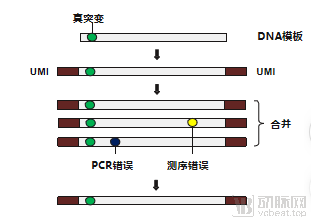
Chosen Duplex-UMI technology is a hallmark of Genetron Health. UMI (Unique Molecular Identifier) refers to a class of oligonucleotides, which are short fragments composed of randomly combined nucleotide bases. Genetron Health applies dual-end UMI tagging to every library sequence. This tagging enables the differentiation between erroneous sites and true mutations, reducing the sequencing error rate to below 0.007% and minimizing false-positive mutations caused by cross-contamination to the greatest extent possible.
Finally, Mr. Wang Dongliang highlighted GenePlus’s MSIsensor2. He stated that MSIsensor was the first NGS-based algorithm and software for predicting MSI status and has been recommended by the U.S. FDA as the standard for NGS-MSI testing. GenePlus’s MSIsensor2 represents a new evolution of MSIsensor. In comparison, MSIsensor2 offers faster detection speed, higher accuracy, and broader applicability.
At the conference on cutting-edge technologies in oncology diagnosis and treatment, the next-generation sequencing (NGS) technologies of Geneseeq and Burning Rock Biotech sparked extensive discussion among experts and professors. As two companies competing in the NGS field, which one is more “black-box” and which one is more “transparent”? Can a combination of corporate partnerships and technological integration make these technologies both “black-box” and “transparent”? Experts have high expectations for this possibility.
Taking a brief respite from mind-bending technical introductions, Mr. Qian Bangguo, Senior Product Expert at Akoya Biosciences (USA), treated the audience to a visual feast.
Akoya Biosciences employs Opal multiplex immunofluorescence pathology testing technology to label various tumor biomarkers in pathological sections with distinct fluorescent colors. Through strong color contrast, clinicians can visualize more vivid and clearly delineated pathological images.
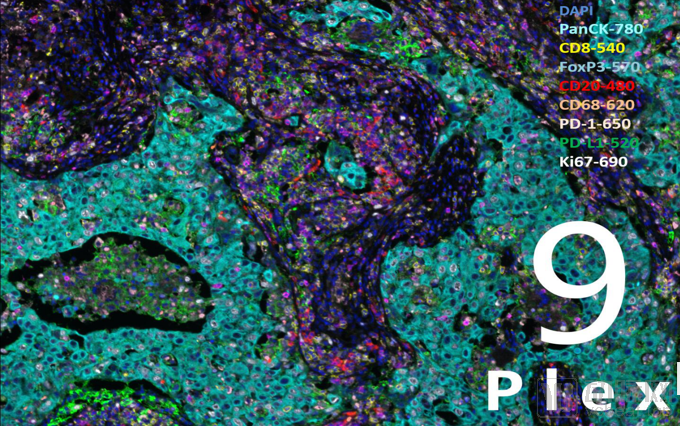
Opal multiplexing technology abandons traditional multiplexing schemes (single staining with serial sections), enabling multicolor labeling on the same tissue section, thereby improving staining stability and accuracy.
Mr. Qian Bangguo stated that the Opal multiplex fluorescent pathology detection technology, by detecting and assessing the tumor immune microenvironment, can not only predict the risk of tumor recurrence but also provide feedback on the specific therapeutic efficacy of cell therapy.
Nowadays, immunotherapy is gaining significant attention and is regarded as a breakthrough technology in cancer treatment. Immunotherapy utilizes the patient's own immune system to treat tumors; however, the specific efficacy of the treatment is often not clearly demonstrated, making it difficult to determine whether the corresponding cellular therapy method is the optimal approach.
Opal multiplex fluorescent labeling enables clear visualization of the internal architecture of pathological regions. This allows clinicians to accurately assess patient treatment response based on pathological images, promptly identify issues arising during therapy, and evaluate therapeutic efficacy, thereby laying a solid foundation for formulating subsequent treatment plans and avoiding ineffective or erroneous interventions.
To address the diverse needs of different clinical practitioner groups, Akoya has thoughtfully designed a one-click toggle between brightfield and fluorescence imaging interfaces, as demonstrated by Mr. Qian Bangguo. Akoya’s Unmixing spectral unmixing technology enables precise signal separation based on multispectral data, making it suitable for both traditional brightfield immunohistochemistry (IHC) and multiplex fluorescent immunohistochemistry.
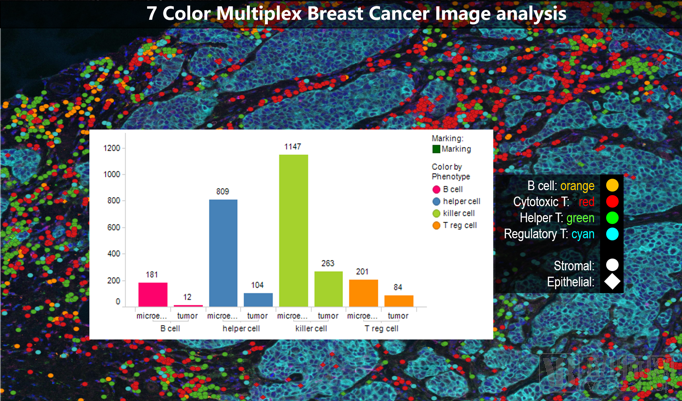
Beyond the visually striking presentation of images, Akoya’s intelligent self-learning image analysis software provides rigorous data analysis underlying the images, enabling clinicians to more intuitively visualize the data represented behind the images.
Notably, Transpath Imaging has also made significant efforts to enhance the clarity of pathological image display. However, the research approaches of the two companies differ substantially. The domestic company, Transpath Imaging, is more focused on addressing the resource and efficiency challenges faced by pathologists in China.
According to statistics, there are currently about 10,000 registered pathologists in China. However, according to WHO recommendations, the number of pathologists needed in China should be ten times the current figure. Cultivating a cohort of excellent pathologists takes time. With no significant increase in the number of pathologists, improving their efficiency has become an urgent priority.
Pathology reports are crucial for clinicians in formulating further treatment strategies for patients. However, traditional pathology images are intricate and complex; identifying the patient's lesions within such complicated image information relies heavily on the clinician's years of accumulated professional knowledge and experience.
Mr. Wang Shuhao, CTO of Touche Imaging, stated that his company has achieved a leap from traditional pathology to digital pathology, and further to intelligent pathology, through AI deep learning algorithms.
Leveraging automated machine learning technology, Thorough Imaging has developed deep learning models for pathological diagnosis covering multiple organs. Currently, Thorough Imaging primarily operates two pathological diagnosis platforms: the AI Diagnostic Platform, ThoroughInsights™ | Thorough Insight, and the Precision Pathological Diagnosis Platform, ThoroughMap™ | Thorough DeepVision.
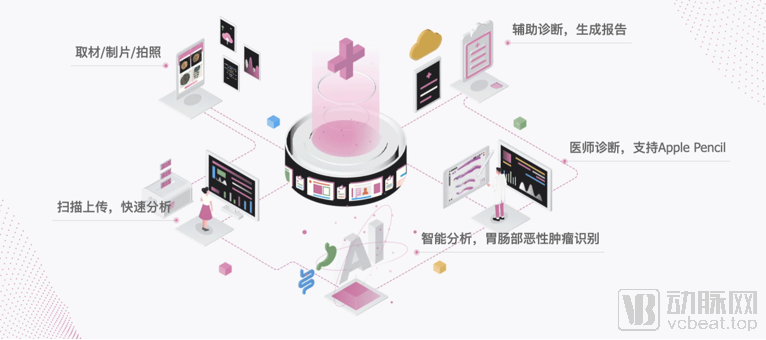
Leveraging this resource library, once the physician completes tissue sampling, slide preparation, and imaging, the AI-powered pathology diagnosis platform automatically scans, uploads, and rapidly analyzes the data to identify malignant tumors, highlight potential lesion areas associated with the tumor, and generate a report to assist the physician in making a diagnosis.
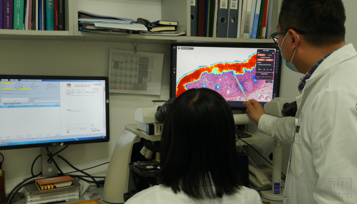
This platform significantly reduces the workload of physicians and improves the efficiency of pathological diagnosis by pathologists. While ensuring medical quality, it also lowers potential medical risks and prevents missed or incorrect diagnoses by physicians.
Mapping cancerous regions back onto the specimen through pathological diagnosis is an indispensable step in endoscopic submucosal dissection (ESD). However, pathologists must manually correlate the location of cancerous areas observed in microscopic sections with the gross specimen, a process that is not only time-consuming but also prone to low accuracy. ThoroughInsights™ addresses this challenge with a faster and more precise solution.
At the Precision Diagnosis session of the Oncology Diagnosis and Treatment Black Tech Conference, six participating contestants unveiled their companies’ flagship products and technologies. These cutting-edge innovations impressed oncology experts from across China. From the opening to the closing of the conference, discussions among experts about which products and technologies were the most “cutting-edge” and “impressive” never ceased.
As the conference drew to a close, Professor Li Jin, together with Professor Bei Jinxin from the State Key Laboratory of Oncology in South China, Professor Chen Haiquan, Director of the Department of Thoracic Surgery at Fudan University Shanghai Cancer Center, and Mr. Chen Dongwen, Investment Vice President at Legend Capital, served as panel experts. They engaged in a roundtable discussion with six company representatives, highlighting the key features of these cutting-edge products and technologies and sharing their future outlook.
At the conclusion of the conference, Professor Li Jin expressed his earnest hope that these cutting-edge technologies would reach grassroots healthcare settings, sparking a transformative wave in cancer diagnosis and treatment in China, thereby accelerating the realization of the “Healthy China 2030” initiative.
The exploration of cutting-edge technologies in tumor diagnosis and treatment continues.
Stay tuned for other specialized sessions of the Black Tech Conference on Oncology Diagnosis and Treatment, and continue to enjoy this feast of knowledge in the exploration of oncology diagnosis and treatment.