

Innovative Services Session Concludes First Tumor Diagnosis & Treatment 'Black Tech' Conference with Success
Over the past decade, the rapid advancement in oncology has led to the development and application of an increasing number of therapeutic agents and technological interventions. Nevertheless, substantial unmet clinical needs remain, urgently requiring robust innovation and development. In response, the inaugural “Black Tech” Awards for Oncology Diagnosis and Treatment, organized by the Beijing CSCO Clinical Oncology Research Foundation and Good Doctor Hui, and co-organized by VCBeat, Huagai Capital, and MedPeer, have been conducted with great enthusiasm in recent days.
Through the previous rounds of selection, we have gained an overview of the most advanced endeavors in tumor diagnosis and treatment currently being undertaken in China across fields such as precision diagnostics, molecular targeted therapies, immune cell therapies, and physical therapy. Next, let us revisit the final session of this Oncology Diagnosis and Treatment Black Technology Conference—the compelling showcase of innovative services exploring new frontiers in tumor diagnosis and treatment.
At the beginning of the meeting,Mr. Liang Yi, Chief Commercial Officer and President of Greater China at Zai LabandMr. Shan Guohong, President of Takeda ChinaDelivered the conference address as the Conference Chair.
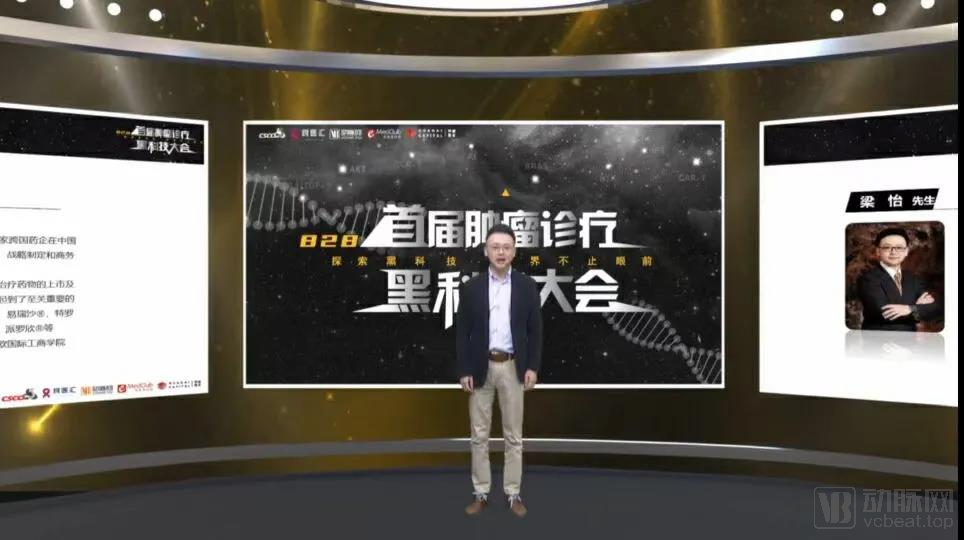
Mr. Liang Yi stated, “The advent of the new era in oncology diagnosis and treatment requires not only internal transformation within the healthcare ecosystem but also external drive from new technologies and innovative medical services.” The traditional “disease-centered” philosophy of medical care has shifted to a “patient-centered” approach. Exploring and discussing, from the perspective of the healthcare ecosystem, how to develop cancer treatments that are “more effective, safer, more convenient, and more accessible,” thereby promoting the widespread application of information technology, rapid improvement in healthcare quality, and greater accessibility of medical services, is the shared goal of the healthcare community over the next decade.
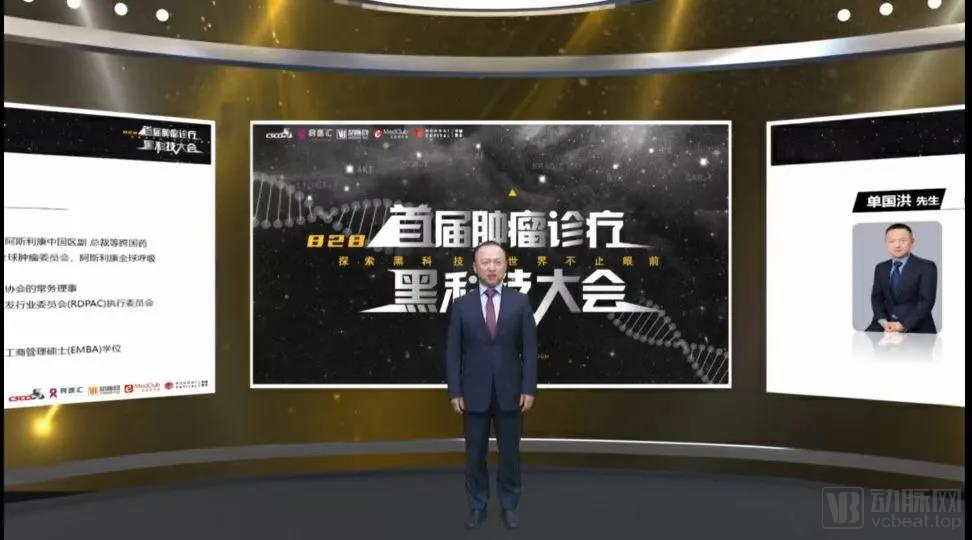
Mr. Shan Guohong stated that with the continuous advancement and development of science and technology in recent years, we have accelerated into a new era characterized by informatization, intelligence, and digitalization. In the medical field, scientific research and innovation play a particularly crucial role. How to better leverage Internet Plus, telemedicine, artificial intelligence, and big data to address patients’ actual needs, achieve full-scenario coverage—including online consultations, medication guidance, remote diagnosis and treatment, and disease course management—provide standardized treatment, and enhance patient service experience is the direction in which all professionals in the healthcare industry should strive together.
There are many shortcomings in China's medical environment.
From the hospital perspective, China has a larger patient population compared to foreign countries, clinical data standardization is poorer, and clinical resources are relatively more difficult to integrate. From the physician’s perspective, doctors in China face an enormous workload, medical student training is lengthy, and there is an imbalance of medical resources in primary care hospitals. Meanwhile, due to patients’ relative lack of medical knowledge, their expectations for medical care need adjustment, and trust between physicians and patients requires further enhancement.
What can artificial intelligence do to address these pain points and weaknesses?Professor Xu Bo, President of Chongqing University Cancer Hospitalconducted an analysis for us.
First, AI technology can leverage big data to propose primary prevention strategies, offering concepts for healthy living and practical implementation plans. Second, AI enables early diagnosis and treatment, as well as screening for high-risk populations. Furthermore, AI can be used to evaluate and predict the outcomes of certain treatment regimens.
Professor Xu Bo stated, “The application of AI serves two primary purposes: first, to enable AI to perform tasks that humans can do, thereby reducing staff workload and human error, improving work efficiency, and addressing the imbalance in medical resources. Second, to enable AI to perform tasks beyond human capability, such as predicting disease progression, evaluating prognoses, assessing the efficacy of tumor treatments, and estimating the likelihood and risk level of tumor recurrence and metastasis.”
Subsequently, Professor Xu Bo introduced practical application scenarios of AI by citing examples of its use in tumor screening, including lung cancer, thyroid cancer, and breast cancer screening, further affirming the advantages of AI in the field of tumor diagnosis and treatment.
Professor Xu Bo expressed his hope to see a kind of in the futureHigh-Performance Healthcare Models. This high-efficiency medical model moves beyond the traditional paradigm dominated by clinical experience and diagnostic test results. It represents an upgrade to a precision diagnosis and treatment model powered by artificial intelligence and big data, enabling rapid processing of large datasets, cost-effective and precise oncology care, and reduced reliance on manual labor.
In China, there are 2.929 million new cancer cases annually, with 2.338 million deaths from malignant tumors, making cancer the leading threat to human health. Compared with many developed countries, the five-year survival rate for cancer patients in China is relatively low. The limited availability of curative radiotherapy is one of the key contributing factors.
The WHO has stated that over 70% of cancer patients require radiotherapy, and approximately 40% of cancer patients can be cured through radiotherapy. However, the radiotherapy adoption rate in China is only 20%. The focal point of Quanyu Medical Group’s innovative model is to increase the radiotherapy adoption rate among cancer patients in China.
Ms. Fu Rui, General Manager of the Marketing Department at Quanyu Medical Group, introduced Quanyu Medical'sPrecision Cloud Radiotherapy System. This system is the flagship product of Quanyu Medical. It mainly consists of three parts:
Collaborative System: Relying on artificial intelligence algorithms and TPS compatibility, this system can support remote consultations with up to 16 parties simultaneously, while also enabling online image viewing and transmission. Through remote radiotherapy collaboration, it ensures that hospitals at all levels, especially cancer hospitals, have high-quality treatment plans.
Quality Control System: The quality control system is built upon the TG series of national, provincial, and municipal quality control standards. It enables the structuring and digitization of hospital data, while facilitating the collection and management of data related to equipment and process quality control. Through this system, optimal treatment plans can be ensured to be implemented with precision.
Training System: This system primarily addresses three challenges faced by professionals in the radiation therapy industry: limited staff and insufficient experience, which result in a lack of diverse perspectives for problem-solving; limited quotas for academic conferences and scarce learning opportunities; and the complexity of radiation therapy academic resources, which hinders efficient utilization. The collaborative training system integrates live academic training sessions, with course activities and books that facilitate learning and reference for radiation therapy professionals. This system helps ensure the competency level of personnel in actual clinical practice.
Finally, Ms. Fu Rui briefly introduced how QuanYu Medical leverages AI to significantly enhance radiotherapy throughput by elucidating the features and application scenarios of its mdaccAutoPlan® (for physicists) automated planning system and ARPlanner® (for physicians) intelligent target delineation system.
“When I was young, I always imagined a race in which, whenever an individual encountered and solved a problem, their experience would be synchronized to every other member of the race. Thus, when others faced the same issue, they could resolve it with ease. At that time, I wondered: if we could develop such a system in the future, would it mean that our learning time could be shortened?”
Zhu Dan, Co-founder of Haixin ZhihuiHe stated that the automatic generation technology for medical knowledge graphs has now enabled the large-scale transformation of clinical data into structured medical data. Physicians’ experience can be preserved in a specific format and shared synchronously with more doctors or other participants. This scenario is, to some extent, reminiscent of what he had envisioned in his childhood.
After briefly introducing the development journey of the CSCO AI intelligent system, Zhu Dan likened it to a navigation system to more vividly illustrate its significant clinical value. For young physicians, the system helps guide them onto the correct treatment path, minimizing detours. For senior physicians, it helps prevent errors and improves efficiency.
After briefly introducing several cases of AI applications in clinical practice, Zhu Dan summarized the significant clinical implications of the CSCO AI Intelligent System for Clinical Decision Support as follows:
1. Rapidly generate professional diagnostic and treatment recommendations based on evidence-based medicine, assist physicians in making efficient decisions, and formulate the most appropriate treatment plans for patients.
2. Assist frontline physicians in better mastering and applying clinical guidelines, promote their widespread adoption and correct implementation, and enhance the level of oncology diagnosis and treatment in primary care hospitals.
3. Break the monopoly of international products, achieve breakthroughs with fully independent intellectual property rights, and create Chinese data, Chinese guidelines, and Chinese intelligence.
4. Enhance the patient care experience, align with the national tiered diagnosis and treatment philosophy of “minor illnesses treated at the township level, major illnesses treated at the county level, and convenient access to medical care,” and facilitate the better realization of the “Healthy China 2030” initiative.
Data on genomics and molecular mechanisms are critically important for clinical experts and pharmaceutical companies engaged in oncology drug development, as both specialists and new drug researchers must conduct analyses and studies based on such data.Dr. Qiang Xu, President and Chief Executive Officer of GenomiCarestated, “At present, our country lacks an integrated system that enables interoperability and data exchange among all hospitals.”
So, how can these data be obtained and integrated for utilization? Lingsheng Bio adopts a hybrid approach combining manual effort with artificial intelligence, striving to structure all clinical questions, clinical data, and genomic data.
According to Dr. Xu Qiang, GenomiCarePatient-Centered “Deep Clinical + Deep Genomic” Real-World DatasetIt encompasses the complete treatment history of patients, forming a comprehensive dataset for clinical diagnosis, treatment, and long-term survival. Furthermore, through uninterrupted, regular lifelong follow-up with patients, Vstar Bio has achieved continuous updates of clinical information and deeply integrated in-depth genomic data.
In a one-minute short video, Dr. Xu Qiang briefly demonstrated how LinkingMed’s cloud-based system integrates multi-dimensional molecular and clinical data for real-time analysis.
Overall, the CIAP Clinical Intelligent Analysis Platform developed by Lingsheng Bio primarily features the following characteristics:
1. Real-time rapid definition and comparison of patient cohorts
2. Visualized cohort data analysis through flexible combinations of multiple cross-clinical variables
3. Dynamic data analysis, including survival curves, P-values, hazard ratios (HR), enrichment analysis, and differential analysis
4. Integrated analysis of diverse data sources to achieve data integration and linkage
5. Full support for data-driven algorithms and highly adaptable clinical bioinformatics
In China, outpatient departments and information desks have long been characterized by high patient volumes and frequent inquiries, resulting in significant consultation pressure on nurses and suboptimal public satisfaction. Efforts to address these issues through online consultations via WeChat official accounts and the dissemination of popular science articles by hospital physicians have yielded unsatisfactory results.
Jia Yifei, Product Director of Tencent Medical and HealthIt was stated that online consultations via WeChat Official Accounts require hospitals to dedicate nurses to handle inquiries, making it impossible to provide 24/7 responses and resulting in a waste of manpower. Furthermore, popular science articles meticulously crafted by in-house physicians often lack sufficient reach, and patients are unable to quickly locate relevant articles when encountering specific health issues.
Tencent Health has launchedAI Self-Service Consultation, providing intelligent services by helping to answer patients' procedural and general health education questions during the medical care process.
This AI-powered autonomous consultation system primarily features three categories of functions.
First,Quick RegistrationPatients can directly locate a doctor in a specific department and quickly complete the appointment registration process through voice or manual input. Tencent Health aims to transform the traditional hierarchical list-based appointment system into an interactive approach.
Second,Smart Triage. By allowing patients to self-report their symptoms, the AI-powered consultation kiosk rapidly recommends the most appropriate medical department.
Third,Medical Knowledge PopularizationBy responding to patients’ colloquial inquiries, the AI-powered self-service consultation kiosk retrieves popular science articles or expert video explanations from the hospital’s health education repository or Tencent Health’s proprietary database, thereby helping patients acquire relevant medical knowledge. Knowledge education delivered based on professional databases is more authoritative and specialized than information patients might obtain through independent Baidu searches.
Not only patients, but clinicians also face many pain points. Expert outpatient clinics are overcrowded, yet only a small minority of patients truly require specialist consultation. Furthermore, while physicians conducting clinical research need to identify patients aligned with their specific research specialties to obtain relevant data, the lack of precision in outpatient populations results in slow data collection.
In response to this, Tencent Healthcare has launched a solution for clinicians.Precision Appointment Platform, by helping experts screen for more precise patients, improving the efficiency of outpatient clinics in clinical departments.
Unlike the aforementioned companies, which focus on technology-driven innovative services, Nuohui Medical primarily provides healthcare providers with deeply scenario-based medical solutions, addressing patients’ needs in terms of both medical security and financial affordability.Liu Xiaojie, Founder and CEO of Nuohui MedicalThis is introduced.
Unlike conventional health insurance, which spreads the risk of illness among healthy individuals, Nuohui Medical’s insurance services are designed for patients who are already ill. Previously, this patient population was often excluded from coverage by traditional insurers. Nuohui Medical has chosen to enter this underserved market.
NuoHui Medical provides patients with the financial and payment protection they need, tailored to their specific disease types, such as lung cancer, liver cancer, or other critical illnesses.
If cancer patients purchase relevant insurance policies after diagnosis, they often use targeted therapies related to their cancer treatment following initial genetic testing. Since the efficacy of cancer drugs can vary from person to person, the cancer treatment medications received by patients are not always the most suitable for them. If the specific therapeutic effect of the medication received by a cancer patient is unsatisfactory, Nuohui Medical will provide reverse financial compensation to the patient, thereby alleviating the economic burden of choosing a second-line treatment drug.
In addition, Nuohui Medical also offers insurance for healthy individuals, primarily focusing on critical illness coverage with higher incidence rates among children under the age of 18.
Liu Xiaojie stated that in the future, Nuohui Medical will extend its healthcare security system to cover healthy individuals. Nuohui Medical aims to collaborate with insurance companies to help them control costs while offering a new form of insurance product to the healthy population.
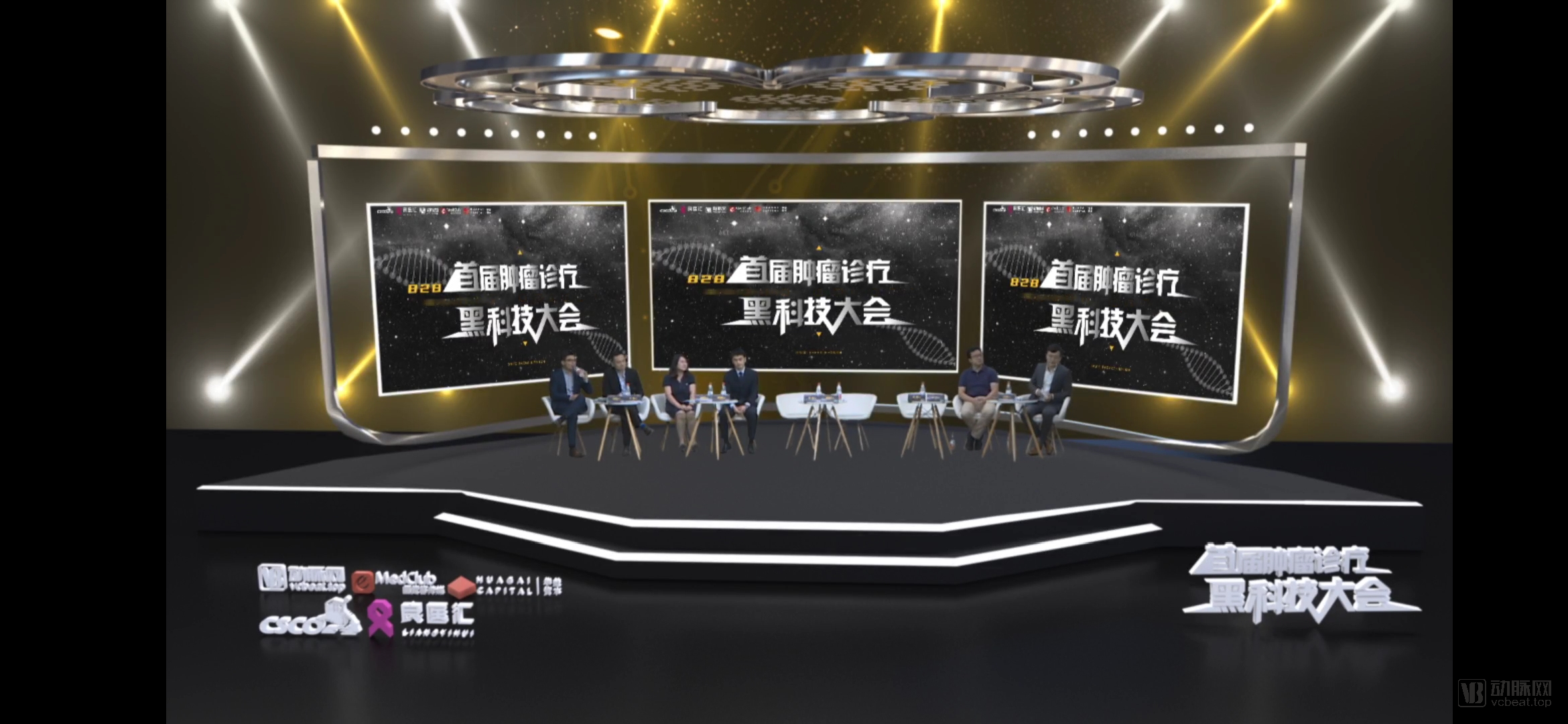
At the conclusion of the conference, Mr. Fang Wenhan, the moderator, together with Professor Qin Xiaojian, Professor He Yiyi, Professor Zhang Xiaotian, Mr. Shan Guohong, Mr. Liang Yi, and six contestant representatives, participated in a roundtable discussion.
As the grand finale of the Black Tech Conference on Oncology Diagnosis and Treatment, representatives in the Innovative Services Session delivered compelling presentations on the application of artificial intelligence technologies. The ensuing expert discussions were highly engaging, bringing the conference to a successful conclusion.
Professor Xu Bo delivered a special summary of the conference. He expressed his hope that current novel medical concepts and healthcare models would truly bring transformation to China’s healthcare and health industries. Meanwhile, he stated his strong expectation for closer integration among industry, academia, and research institutions after the conference, fostering collaborative innovation and joint efforts to drive innovation in cancer diagnosis and treatment models in China.
The advent of the pandemic has, to some extent, strengthened online learning and exchanges among experts across China. Unconstrained by spatial or geographical limitations, high-quality technologies, products, and the in-depth insights and industry perspectives of expert professors have been disseminated more rapidly.
We believe that as more and more cloud-based specialty conferences are held, doctors, enterprises, and patients will be better connected, enabling high-quality medical resources to transcend the constraints of time and space, thereby benefiting the public.