

Reproductive Health Firm Basecare Medical Named to China's Potential Unicorn List, Files IPO Prospectus
“2020 China Potential Unicorn Enterprises Research Report” Great Wall Strategic Consulting was the first in China to research “unicorn” rankings and is currently recognized as one of the authoritative publishers of unicorn lists within the industry. Since 2016, the institution has successively released three editions of the China Unicorn Enterprises Research Report.
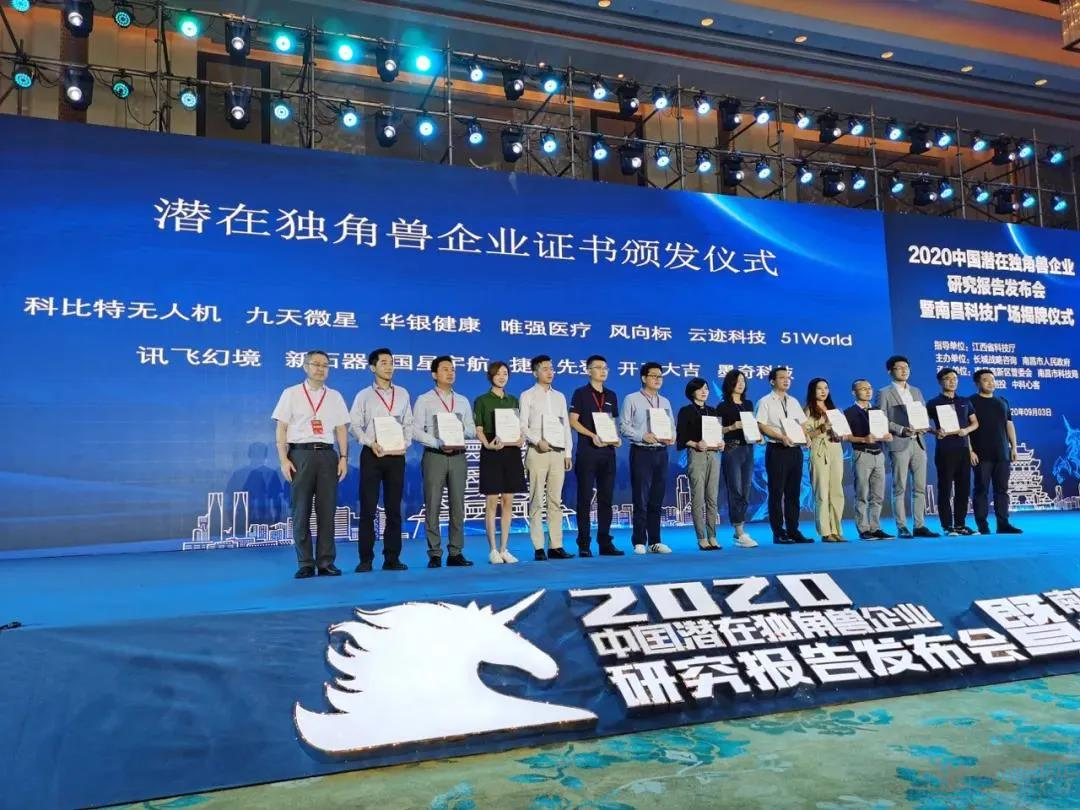
In accordance with the GEI China Unicorn Enterprise criteria, Great Wall Strategy Consulting reviewed and selected 296 Chinese unicorn enterprises in 2019. These companies are distributed across sectors such as commercial aerospace, VR/AR, high-end intelligent equipment, and biopharmaceuticals.Of these, eight unicorn companies have already gone public, including biopharmaceutical firms such as Genetron Health, Burning Rock Biotech, and Peijia Medical. In this year’s rankings, Beikang Medical was successfully included in the “2019 China Potential Unicorn Companies” list, reflecting the capital market’s optimistic outlook on the development prospects of the assisted reproduction sector.。
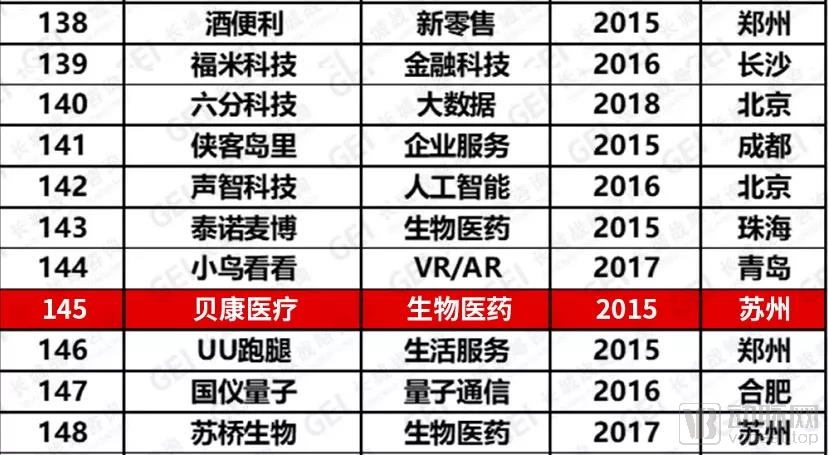
Beikang Medical Selected for the “2019 China Potential Unicorn Enterprises” List
Why Has Assisted Reproductive Technology Gained Such Popularity in Recent Years? Let’s examine a set of data: In 1997, the infertility rate in China was only 3.5%, but by 2019, this figure had surged to 16.4%. The number of infertile couples in China reached 49.9 million in 2018, meaning that on average, one out of every eight couples of childbearing age faces fertility challenges. In 2016, the number of assisted reproductive technology cycles in China exceeded one million, and this figure continues to grow.
The infertile population across society harbors an instinctive desire for the fundamental ability to conceive, a need that has been increasingly intensified by social development, rising maternal and paternal ages, and escalating life pressures.
In February 2020, Beikang Medical’s first “third-generation IVF” product (PGT-A kit) was approved for market launch, drawing attention from government authorities, the reproductive medicine community, and society at large. To date, it remains the only innovative medical device in China capable of significantly improving IVF success rates. Given such a “pent-up” market demand, the future prospects of this product are self-evident.
According to Frost & Sullivan’s research data, the market size of IVF services incorporating PGT grew from RMB 200 million in 2015 to RMB 1.8 billion in 2019, representing a compound annual growth rate (CAGR) of 70.6%.It will reach RMB 18.2 billion in 2024. Benchmarking against the U.S. average third-generation IVF penetration rate of 35.2% in 2018, China’s third-generation IVF penetration rate is expected to rise from 3.8% in 2019 to 18.4% in 2024, with the overall market projected to reach RMB 15 billion., with substantial room for incremental growth.
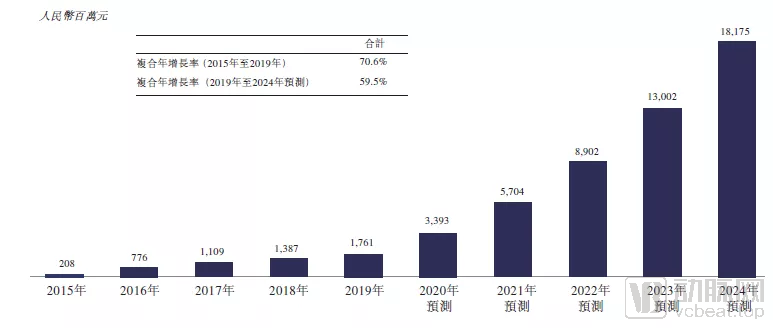
Historical Market Size and Forecast for PGT-Enabled IVF Services
In addition to helping infertile patients achieve the goal of “being able to conceive,” PGT technology also enables families with genetic disorders to achieve “eugenic reproduction,” and this “eugenic” segment of the birth defect prevention market represents a rigid demand.