

SSTK Bio (Huarui Tongkang) Files IPO Prospectus: Pioneering Early-Stage Pan-Cancer Screening with Proprietary TK1 Biomarker Technology
From 2007, completion of physical examination available for inquiry®Following product development and regulatory approval for market launch, Sino-Swed TongKang dedicated another decade to accumulating follow-up data from over 10 million test cases. By adhering to evidence-based medicine principles and leveraging this exceptionally large sample size, the company has demonstrated to the medical community the rigor, scientific validity, and practical utility of its products.
Currently, this TiKewen, independently developed by Sino-Swed TongKang Bio-Tech®Tumor cell proliferation assay products were included in the U.S. NCCN Guidelines for Leukemia and Lymphoma, and subsequently incorporated into the Chinese Guidelines for Lung Cancer. As a non-invasive...®How has Sino-Swed TongKang, the developer behind the product, managed to stand out in the highly competitive market of early cancer screening? This success is attributable not only to the years of dedicated expertise and efforts by Sino-Swed TongKang’s international team in the field of TK1, but also to the company’s patented technological barriers built around thymidine kinase 1 (TK1) for cancer risk screening.Sino-Swed TongKang is hailed as the founder of the field of "cell proliferation kinetics", it is precisely based on the company's research into cell proliferation kinetics that the strong correlation between TK1 and tumor risk was discovered, pioneering a novel approach to human disease prevention.
The discovery of the strong association between TK1 and tumor risk has propelled Sino-Swed TongKang Bio-Tech (ShenZhen) Ltd. into the spotlight in the field of early cancer screening. The individual who led the company to uncover this “treasure” is its founder, Zhou Ji. In 1986, Zhou Ji’s mother went to study at the Karolinska Institute in Sweden, where she conducted research on the biological mechanisms of tumor cells. At that time, Zhou Ji was studying finance in China. Throughout this period, he maintained regular correspondence with his mother, exchanging ideas and insights. This experience laid the groundwork for Zhou Ji’s eventual transition into the field of oncology.
Coupled with Zhou Ji’s own strong interest in biology, he happened to get an opportunity to visit relatives in Sweden in 1997, which turned into a three-year period of intensive study. “After arriving in Sweden, I was deeply inspired by my mother and the scientists there. Their unwavering dedication and selfless devotion to scientific research were profoundly motivating. Science knows no borders; we should dedicate these scientific achievements to humanity,” said Zhou Ji.
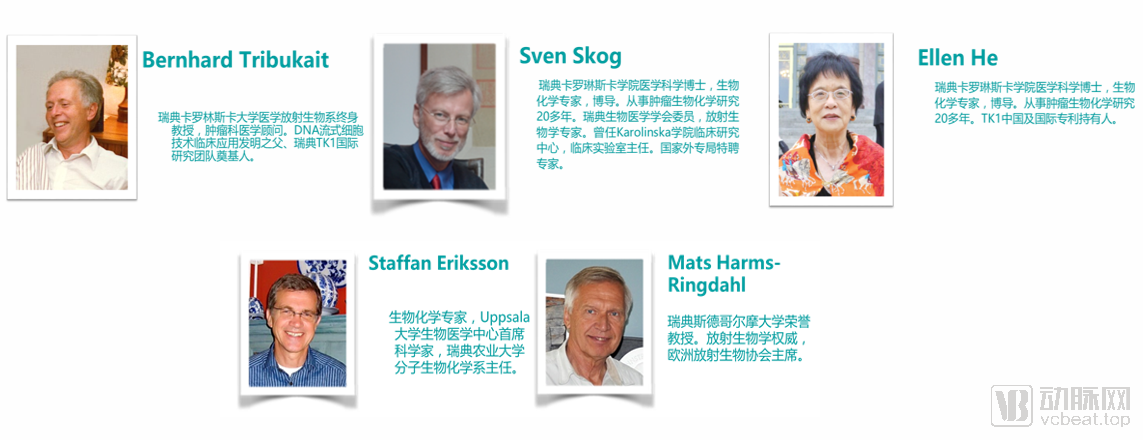
Research and Development Team at the Karolinska Institute in Sweden
In Sweden, Professor Zhou Ji and his team of scientist colleagues primarily investigate the biological mechanisms underlying the early detection of tumors, constituting a significant branch of the Human Proteome Project. Although the concept of “three earlies” (early detection, early diagnosis, and early treatment) for tumors was proposed in the 1980s, the biological mechanisms governing early detection remained elusive. Based on tumor proliferation kinetics, this research team identified thymidine kinase 1 (TK1) as a crucial regulator in cell cycle control. They investigated and elucidated the correlation between TK1 and tumor cell formation, thereby laying a solid theoretical foundation for the subsequent use of TK1 in predicting tumor risk.
During his tenure in oncology research, Zhou Ji came into contact with numerous cancer patients and gained a profound appreciation for the devastating impact of cancer on human health. “My mother also encouraged me, strengthening my resolve to return to China and commercialize early cancer screening technologies for the benefit of humanity,” Zhou Ji told VCBeat. “I have consistently received attention and support from the Swedish TK1 research team, including my mother. In a sense, I returned to China to launch my venture carrying forward the aspirations of two generations.”
In 2002, Sino-Swed TongKang Bio-Tech(ShenZhen) Ltd. (hereinafter referred to as “Sino-Swed TongKang”) was established in Shenzhen, marking the beginning of Zhou Ji’s entrepreneurial journey as a sole founder.
While the association between TK1 and tumor risk is well understood, bridging the gap to translate this mechanistic research into a clinically viable tool for early cancer screening remains a formidable challenge. TK1 is a key regulatory enzyme in cell proliferation; in normally proliferating cells, TK1 is stable and present at extremely low levels, making it difficult to detect; whereasIn tumor cells with unlimited proliferative capacity, TK1 is released in large amounts into the peripheral blood. By detecting changes in serum TK1 levels, the rate of cell proliferation can be accurately measured., and reconstruct the activity trajectory of tumors in the very early stages.
How to Accurately Detect TK1, Which Is Present in Trace Amounts and Is Unstable in Serum?After years of research and development, the international team at Sino-Swed TongKang has ultimately selected and developed a specialized IgY antibody technology. IgY antibodies possess several irreplaceable functional advantages: their spatial conformation creates steric hindrance that prevents binding to macromolecular antigens, thereby avoiding precipitation; furthermore, IgY does not exhibit cross-serological reactions with mammalian immunoglobulins, nor does it bind to rheumatoid factor or other naturally occurring anti-mammalian antibodies. Additionally, IgY does not activate the mammalian complement system, offering high sensitivity and specificity.
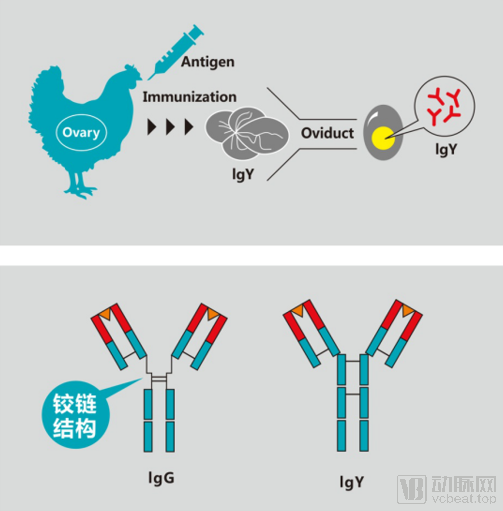
Schematic Diagram of IgY Antibodies
From the selection of hens and processing of egg yolks to the extraction of high-purity IgY and the engineering modification of antibodies, each step presents significant technical challenges. The company ultimately adopted ultra-sensitive chemiluminescence assay combined with its proprietary IgY antibody technology to develop a complete serum TK1 detection kit, along with a supporting chemiluminescence digital imaging system, andObtained CFDA registration certification in 2007。
After the product completed its R&D and received approval, Zhou Ji referred to the subsequent decade as “the most arduous decade for Sino-Swed TongKang.” Between 2007 and 2017, Sino-Swed TongKang amassed extensive experimental data from more than 400 hospitals across China, collecting over 10 million TK1 (thymidine kinase 1) tests.®Detection data, ultimately attempting to validate this research finding through large-sample evidence-based medicine. “As a brand-new technology, Ti Ke Wen®“Large-scale, multicenter trials are needed to gain recognition from healthcare institutions and physicians through evidence-based medicine,” said Zhou Ji.
Based on the extensive clinical data accumulated by Sino-Swed TongKang over many years,A 2018 ROC statistical analysis of 160,000 cases showed that Ti Kewen®The detection accuracy exceeds 96%, with a sensitivity of 79.9% and a specificity of up to 99.7%, reaching the highest level among peers.。
Currently, Ti Kewen®It has been implemented in hundreds of Grade A tertiary hospitals across more than 20 provinces, including Beijing, Tianjin, Shanghai, Jiangsu, Shandong, Anhui, and Guangdong. It not only helps physicians predict patients' cancer risk but is also becoming a fundamental tool for tumor screening in primary care hospitals.
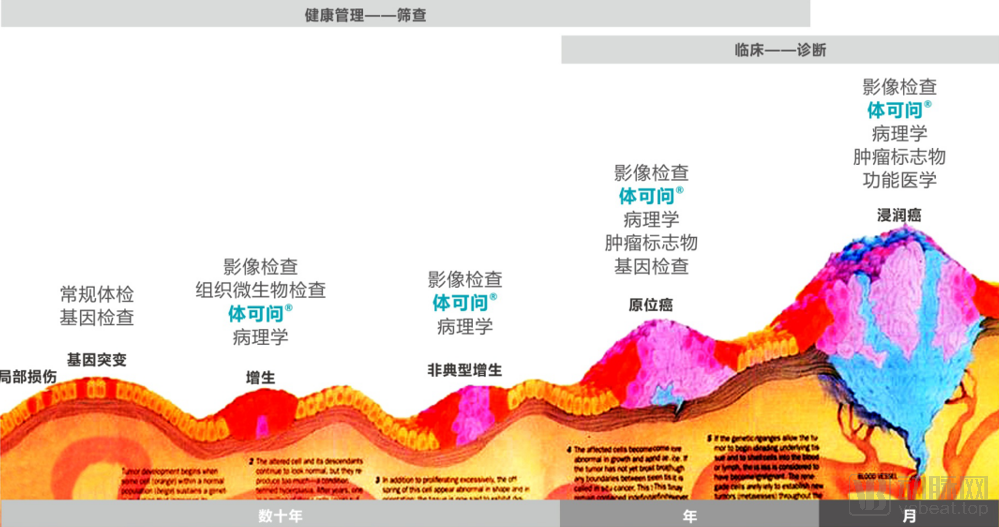
Ti Ke Wen®Tumor Stages Amenable to Empowerment
In 2018, the China Health Promotion Foundation supported Sino-Swed TongKang in establishing the “Special Fund for the Development of TK1 Technology in Early Cancer Screening,” launching large-scale multi-center promotion of the “1+X” early tumor screening model. Sino-Swed TongKang will subsequently devote itself to expanding the reach of Tikewen®scope of application, aiming to achieve the "Four 95%s" within the next five years:The product covers over 95% of prefecture-level cities, identifies more than 95% of individuals at high risk for tumors, reduces cancer-related medical insurance costs by 95%, and increases patients’ cure rates by 95%.。
Notably, Tike Wen®With testing costs below 300 yuan, most people can effortlessly include TK1 in their annual health check-ups, enabling proactive monitoring and prevention of tumor development. Extensive clinical data has been accumulated.®Based on the application literature and related topics, Sino-Swed TongKang has launched the “1+X” precision early screening program, with TK1 as the core component, to conduct more in-depth early screening research focused on specific cancer types (X).
It is reported that, as a physical examination inquiry®Sino-Swed TongKang, a national high-tech enterprise and original innovator, has launched its financing and IPO plans, seeking RMB 80 million in the first round of funding to advance TiKeWen.®Comprehensive promotion to achieve the "four 95%" targets.