

Takeda China Launches Rare Disease Patient Organization Empowerment Initiative to Advance National Rare Disease Ecosystem
September 11, Chengdu— Today, the inaugural Rare Disease Patient Exchange Summit, themed “Rare Lives, Witnessing Takeda’s Heart,” organized by Takeda China, was successfully held in Chengdu (hereinafter referred to as the “Summit”). Numerous leading domestic rare disease patient organizations jointly participated in this event, including the Center for Rare Diseases (CORD), Beijing Pain Challenge Public Welfare Foundation, Beijing Hemophilia Home Rare Disease Care Center, China Lymphoma Home, Love in Extending Inflammatory Bowel Disease Foundation, Seven-Color Violet Rare Disease, Chinese Gaucher Disease Association, Chinese Fabry Disease Patient Group, and Juezhujia Narcolepsy Patient Organization. Participants engaged in discussions on the development plans for rare disease patient organizations in China.
At this summit, Takeda China officially announced its support for the initiative launched by the Wuxi Lingshan Charity FoundationEmpowerment Project for Rare Disease Patient Organizations in China(hereinafter referred to as the “Project”), draws on the successful experiences of mature patient organizations abroad and tailors a growth roadmap to the distinct characteristics of Chinese patient organizations at different stages of development. This helps patient organizations precisely position themselves and clarify their future development directions and goals. Another key focus of the empowerment initiative is to build an empowerment system on this foundation, precisely cultivating the critical capabilities urgently needed by patient organizations, and enhancing their professionalism and maturity in areas such as talent development, resource mobilization, policy advocacy, and organizational operations, thereby contributing to the advancement of the rare disease cause in China.
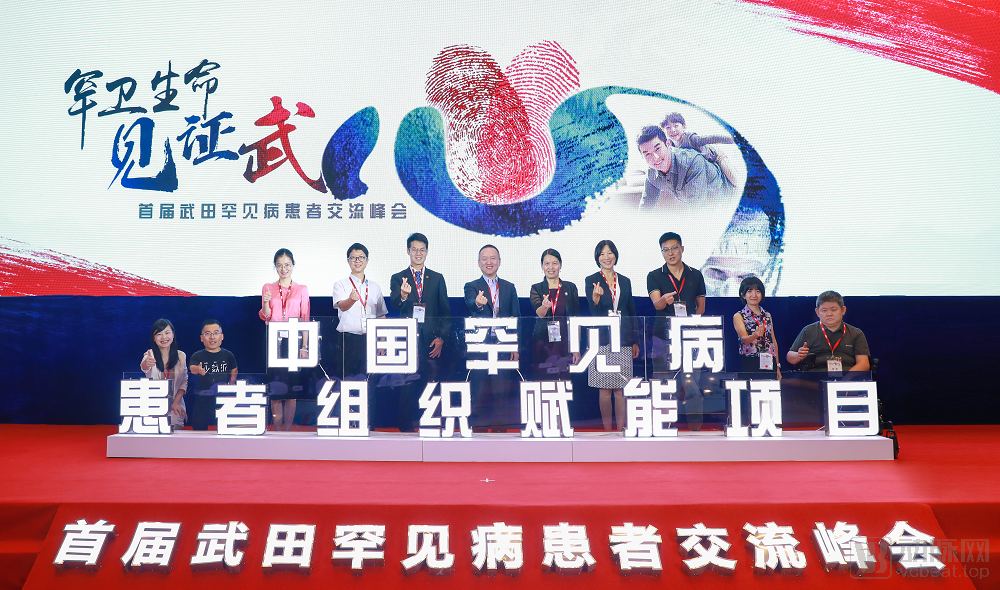
Launch Ceremony of the Empowerment Project for Rare Disease Patient Organizations in China
Due to the unique nature of rare diseases, patient organizations are more united compared to those for other conditions, demonstrating a greater willingness to actively advocate for the patient community and playing a particularly important role in advancing the cause of rare diseases. However, in China, most patient organizations were established after 2000 and remain in an early stage of development, facing numerous deficiencies in core capabilities such as a shortage of professional talent, limited effectiveness, simplistic and fragmented organizational structures, and constrained access to resources. According to research findings from the Chinese Alliance for Rare Diseases, more than two-thirds of staff members in rare disease patient organizations across China are patients or their family members, resulting in limited professional expertise and a lack of long-term strategic planning for organizational development.
In response to the current landscape, the “Patient Organization Growth Map,” launched by the China Rare Disease Patient Organization Empowerment Project, will conduct in-depth investigations and analyses of Chinese patient organizations. It aims to help these organizations identify their current stage of development, uncover the distinctive characteristics across four key phases—nascent, incubation, growth, and maturity—and precisely clarify the organizational development needs and strategic priorities at each stage. This initiative lays the foundation for targeted capacity building, enhancing the maturity and professionalism of patient organizations.
While ensuring precise positioning, the empowerment initiative also introduces a comprehensive framework. Based on the growth roadmap for patient organizations, this framework provides a clear, goal-oriented capacity-building system tailored to the specific diseases addressed, organizational scale, and development stage of each patient organization. It precisely cultivates the core competencies required at each stage of development. Starting with psychological support and skills training, the system strengthens the professional capabilities of patient organization staff through systematic coursework and diverse practical scenarios. This approach deepens their understanding of the significance and value of their work, enabling patient organizations to successfully transition in their functions and roles.
During the afternoon discussion session of the summit, Takeda engaged in in-depth discussions with various patient organizations and partners in the rare disease field on several key industry topics. These included strengthening collaboration between pharmaceutical innovation and R&D and patients with rare diseases, patient participation in China’s medical security coverage for rare diseases, the influence of public advocacy in driving rare disease policies, and shared decision-making between physicians and patients in rare disease treatment. Representatives from the participating rare disease patient organizations stated that Takeda has maintained close cooperation with patient organizations. They expressed confidence that, through this China Rare Disease Patient Empowerment Project, both parties will better achieve mutual growth and progress, jointly enhance the maturity and professionalism of rare disease patient organizations in China, and support these organizations in playing an increasingly important role in the development of China’s rare disease cause.
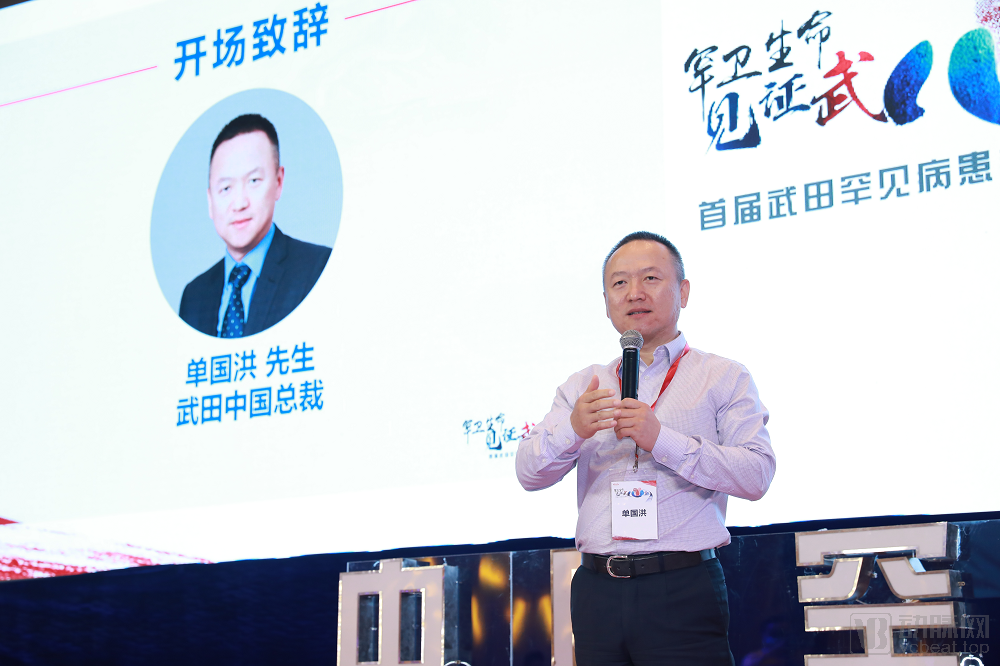
Address by Mr. Shan Guohong, President of Takeda China
Mr. Shan Guohong, President of Takeda Chinastated: “As a global leader in the field of rare diseases, Takeda has always adhered to its core philosophy of ‘patient-centricity.’ For many years, we have worked closely with patient organizations to provide continuous care and assistance to patients with rare diseases. Through the China Rare Disease Patient Organization Empowerment Project, we will fully leverage Takeda’s accumulated advantages and experience in the rare disease sector to help rare disease patient organizations further align with international standards in terms of organizational structure and professionalism. This initiative aims to unlock the significant potential of these organizations, empowering them to achieve independent, healthy, and sustainable development.”