

Enhancing Patient Safety in the Post-Pandemic Era: China's NHC Response to World Patient Safety Day and the Rise of Third-Party Sterilization Services
September 17, 2020 marked the second World Patient Safety Day. According to the World Health Organization’s announcement, the theme for the second World Patient Safety Day was “Safe health workers, safe patients,” and the call to action was “Speak up for health worker safety!” The initiative aimed to raise societal awareness of health worker safety, implement effective measures, and enhance the safety of both health workers and patients. The overall goal was to improve global understanding of patient safety, increase public engagement in healthcare safety, and promote global action to enhance patient safety and reduce patient harm.
The National Health Commission issued a statement on “World Patient Safety Day,” emphasizing that patient safety is vital to the lives and health of the public and constitutes the core of healthcare management. Ensuring patient safety and reducing preventable harm are fundamental requirements of healthcare services.All regions are required to fully recognize the significant importance of patient safety management in advancing the Healthy China initiative, safeguarding medical quality and safety, and fostering harmonious doctor-patient relationships. Patient safety must be integrated as a core component of healthcare management. In accordance with the principles of “prevention first, system optimization, full participation, and continuous improvement,” vigorous efforts should be made to promote patient safety management and continually enhance the level of patient safety management in medical institutions.
In fact, patient safety is emerging as a major challenge in the field of global public health. According to data released by the World Health Organization (WHO), unsafe medical care in hospitals causes 134 million adverse events and results in 2.6 million deaths annually in low- and middle-income countries. In OECD countries, 15% of hospital expenditures are attributable to patient safety incidents. Two out of five patients suffer harm in primary care and outpatient settings, with up to 80% of these adverse events being preventable.
Ensuring patient safety has become a serious public health issue. How to effectively prevent harm to patients during medical diagnosis and treatment, and improve the quality of hospital medical management and service levels, is a key focus that healthcare institution administrators must address.
Especially as the shadow of the COVID-19 pandemic continues to loom, it is critically important for hospitals to strengthen safety management and ensure the safety of every patient.
So, what are the effective ways to ensure patient safety? VCBeat attempts to sort out and answer this question.
What Is Patient Safety? A U.S. authoritative body once defined patient safety as the absence of accidental harm caused by healthcare or medical errors. The concept of patient safety encompasses three considerations: first, overuse of unnecessary medical services can lead to patient safety issues; second, underuse of necessary medical services; and third, medical errors.
Zhou Changqiang, Deputy Director of the Bureau of Medical Administration and Hospital Management under the National Health Commission, explained at a press conference for Patient Safety Day in 2019 that patient safety primarily refers to the implementation of systematic and preventive measures to reduce various risks during medical procedures and within the hospital environment. This aims to minimize unnecessary harm to patients during their hospital stay and maintain a safe state for both patients and the overall healthcare environment.
The primary challenges facing patient safety are: 1. Population aging, the continuous growth in healthcare service volume, and the development of new medical technologies have imposed new requirements and challenges on patient safety; 2. Healthcare institutions lack sufficient awareness and prioritization of the importance of patient safety, and their capacity for patient safety management needs further improvement.
The ECRI Institute, one of the U.S. Patient Safety Organizations (PSOs), has identified ten top patient safety concerns for 2020. In addition to the COVID-19 coronavirus, these include missed and delayed diagnoses, maternal safety in continuous care, early identification of behavioral health needs, responding to and learning from device-related issues, cleaning, disinfection, and sterilization of medical devices, standardizing safety across the healthcare system, patient matching issues within Electronic Health Record (EHR) systems, antimicrobial stewardship, unauthorized medication administration via automated dispensing cabinets, and fragmented care across different healthcare settings.
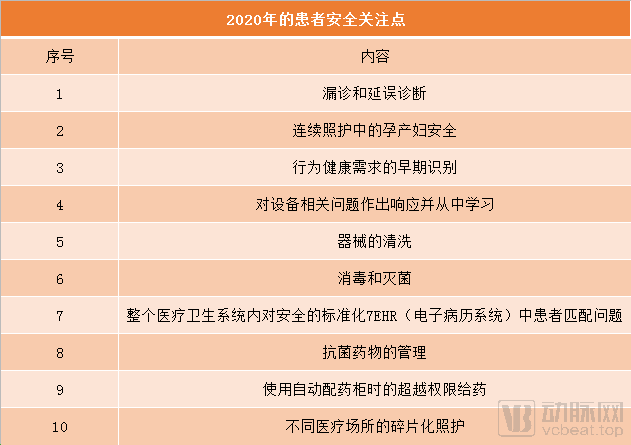
(Figure 1: ECRI Institute’s Top 10 Patient Safety Concerns)
In fact, in response to patient safety concerns, our country has introduced multiple policies for intervention. For instance, since 2005, a series of nationwide initiatives have been launched, including the “Hospital Management Year,” the “Medical Quality Millennium Journey,” large-scale hospital inspections, and the “Action Plan for Improving Medical Services.” These efforts have focused on optimizing medical service processes, strengthening quality control for single diseases, establishing hospital infection prevention and control systems, enhancing the safety and supply of clinical blood use, promoting the rational use of antibiotics, and implementing high-quality nursing care. Through these measures, we have continuously strengthened standardized medical management, improved quality, enhanced services, and ensured patient safety.
Furthermore, in 2017, the Medical Administration and Hospital Management Bureau and the Hospital Management Center jointly established a proactive learning and reporting system for patient safety adverse events. In April 2018, the National Health Commission issued the Notice on Further Strengthening Patient Safety Management, which clarified the tasks of patient safety management in China in recent years and proposed ten key measures to implement patient safety management. On April 18, 2018, the National Health Commission formulated the Key Points of Core Systems for Medical Quality and Safety.
We have conducted the following review of policies related to patient safety:
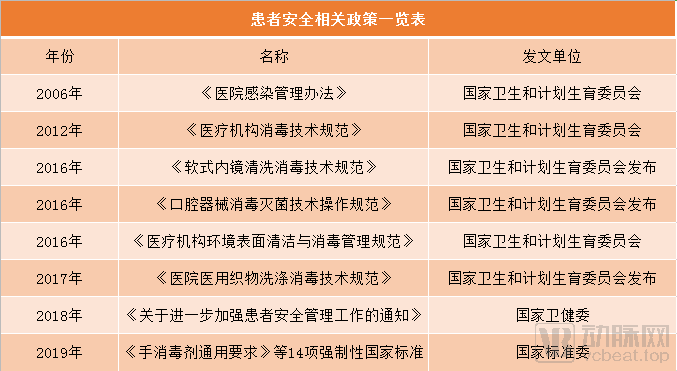
(Figure 2: Policies Related to Patient Safety)
Under policy-driven intervention and regulatory oversight, the quality and safety of healthcare in China have improved significantly. Patient safety indicators, such as inpatient mortality rate, pressure ulcer incidence, and transfusion reaction rate, have shown a certain degree of decline. However, there remains substantial room for improvement at the level of individual hospitals.
In 2005, a hospital in Suzhou, Anhui Province, reported iatrogenic ocular infections in 10 patients undergoing cataract surgery, with nine patients facing the severe consequence of unilateral enucleation. In 2011, an incident of hepatitis C virus (HCV) infection among hemodialysis patients occurred at the People’s Hospital of Xin’an County, Henan Province. In 2016, Shaanxi Province experienced an HCV outbreak involving 26 hemodialysis patients. In 2018, improper disinfection practices by medical staff at Dongtai People’s Hospital led to HCV infections in 69 patients.
In 2018, the Daily Mail reported that a surgical center in New Jersey, USA, had likely exposed more than 3,000 patients to HIV, hepatitis B, and hepatitis C due to inadequate medication storage practices, infection control plans, and sterilization methods. According to relevant data, there are 2 million hospital-acquired infections annually in the United States, resulting in economic losses of up to $7.5 billion; the United Kingdom experiences 100,000 hospital-acquired infections per year, causing losses of $4.5 billion; and China records 4 million cases annually.
According to the regulations of China's Ministry of Health, the incidence rate of hospital-acquired infections shall be less than 7% for primary hospitals, less than 8% for secondary hospitals, and less than 10% for tertiary hospitals; the underreporting rate for all levels of hospitals shall be no more than 20%.According to 2015 data from the Chinese Journal of Nosocomiology, the direct economic loss per patient with healthcare-associated infection in general hospitals in China ranged from RMB 11,229 to RMB 33,187.
At any given moment, 1.4 million people worldwide are suffering from healthcare-associated infections (HAIs). In fact, many complications experienced by hospitalized patients are caused by infections, and 70% of HAIs can be prevented through infection prevention and control measures.
It is evident that healthcare-associated infections (HAIs) are undoubtedly the most significant threat directly impacting patient safety.
Experts point out that with the continuous advancement of medical technology, the rate of hospital-acquired infections is accelerating against the backdrop of an increasing number of invasive procedures and the widespread use of antibiotics.
How to Effectively Control Healthcare-Associated Infections? Our analysis suggests that, for hospitals, control can be achieved through governance in three areas: environmental quality management, nursing quality management, and disinfection and sterilization management.
In terms of environmental quality management, the quantity and diversity of airborne microorganisms in hospitals are greater and more complex than those in general environments. Creating a healthy therapeutic environment for patients to prevent healthcare-associated infections imposes stringent requirements on safety quality control of environmental quality.
In nursing quality management, it is essential to enhance nurses’ technical skills to provide more precise and specialized high-quality nursing care, thereby reducing the risk of hospital-acquired infections.
In terms of disinfection and sterilization management, enhance the efficacy of disinfection and sterilization for medical devices to prevent healthcare-associated infections. Formulate comprehensive cleaning, disinfection, and sterilization protocols in accordance with the relevant standards specified in the "Technical Operational Specifications for Cleaning, Disinfection, and Sterilization in Hospital Central Sterile Supply Departments," and employ effective monitoring methods to ensure that externally sourced medical devices meet the required standards for cleaning, disinfection, and sterilization.
In fact, within the realm of infection prevention and control (IPC), the disinfection process exerts the most significant impact. According to media reports, numerous major nosocomial infection incidents have been linked to hospital Central Sterile Supply Departments (CSSD). Given the widespread criticism surrounding the disinfection process, can effective solutions be identified?
As a key department in hospital infection control, the Sterile Supply Department (SSD) is responsible for the sterilization and supply of medical items. The quality of each step, including cleaning and packaging, directly affects sterilization outcomes. To achieve a 100% pass rate for sterilized items, the SSD must establish stringent quality standards and management requirements, including dynamic monitoring of environmental layout, cleaning and sterilization quality, and workflow processes. The Hospital Infection Control Department and the Nursing Department conduct focused inspections of the SSD on a monthly basis. Furthermore, the SSD is a key area of inspection for higher-level authorities assessing hospital quality and management.
During surgery, the use of medical devices is unavoidable; however, improper handling of these devices can easily lead to healthcare-associated infections, posing potential threats to surgical outcomes and patient prognosis.
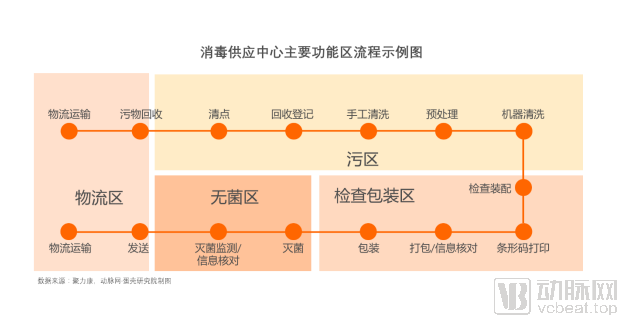
(Figure 3: Hospital Sterile Supply Department)
According to relevant news reports, in 2009, a hospital in Guangdong Province caused surgical site infections in 18 patients due to inadequate sterilization of surgical instruments; in 2011, a hospital in Jiangxi Province caused infections in more than 10 patients following laparoscopic cholecystectomy due to inadequate sterilization of surgical instruments; in 2018, a subsidiary of a medical endoscope manufacturer caused patient infections due to incomplete cleaning and disinfection of endoscopes; in 2019, a dental clinic in London, UK, named “Dentality Hoddesdon,” exposed nearly 600 patients to the risk of contracting HIV and other infectious diseases due to inadequate disinfection of medical equipment……
In response to this situation, experts from a hospital in Fujian Province have pointed out that the issues in the collaboration between the hospital’s Sterile Supply Department and clinical departments are mainly reflected in three major aspects:
I. Inadequate preliminary processing of contaminated instruments. According to regulatory requirements, clinical departments should perform initial cleaning of contaminated instruments after use before returning them to the Sterile Supply Department (SSD) for further processing. However, it is frequently observed that some surgical instruments returned to the SSD have not undergone preliminary cleaning, resulting in corrosion and rusting, which increases the difficulty of cleaning and leads to substandard cleaning quality. Additionally, used blades, suture needles, and disposable syringes from surgical procedures are not promptly disposed of in sharps containers, posing a high risk of sharps injuries to SSD personnel.
II. Non-standardized Handover Management of Items. According to regulatory requirements, contaminated instruments shall not be counted in clinical care areas. After the Sterile Supply Department (SSD) retrieves items from clinical departments, it registers the names and quantities by department and notifies the respective departments. Following sterilization, items are delivered back based on the registry list, with no discrepancies noted during the handover on the same day. However, if item shortages are later identified by the clinical departments after a period of time, they attribute the loss to the Sterile Supply Department.
3. Lack of effective communication: Due to differences in professional nature, the operating room staff do not understand the workflow after standardized management of the Sterile Supply Department (SSD) and lack empathy. In the event of instrument damage or loss, they tend to shift the blame onto SSD staff first. This easily leads to friction between the two parties, negatively affecting the morale of SSD staff and making them prone to frustration.
In 2016, the introduction of the new edition of the Standards for Hospital Sterile Supply Departments (CSSD) imposed higher requirements on hospital CSSDs. The new standards further emphasized specific requirements for centralized management, standardized the construction of information systems in CSSDs, added management requirements for implants and borrowed surgical instruments, incorporated management requirements for third-party sterile supply services, clarified internal hospital management responsibilities and requirements, refined the architectural layout and workflow of CSSDs, and specified requirements for the adoption of third-party sterile supply services, among other provisions.
How Should the Central Sterile Supply Department Reposition Its Work Under the New Circumstances?
We have found that, for hospitals, the Sterile Supply Department is a cost center—a department with no direct revenue generation from its expenditures. Moreover, it consumes a significant portion of hospital resources, including clinical space and staffing quotas for professional nursing personnel. Generally, the fixed asset investment required for a public hospital to establish its own Sterile Supply Department ranges from RMB 10 million to RMB 20 million, excluding costs related to staffing and operations and maintenance.
Under the dual pressures of regulatory oversight and high costs, experts recommend that, in addition to establishing in-house sterilization centers, hospitals can outsource sterilization tasks to third-party facilities. Leveraging third-party expertise can enhance the quality and safety of hospital sterilization and disinfection processes.
Third-Party Central Sterile Supply Departments (CSSDs) primarily provide outsourced sterilization services to hospitals that have not established their own CSSDs, as well as to those whose CSSDs require new construction, renovation, or expansion. Services include cleaning, disinfection, inspection, assembly, sterilization, logistics distribution, and leasing of various reusable diagnostic and therapeutic instruments, surgical instruments, sterile surgical gowns, and single-use surgical items. Furthermore, CSSDs implement quality control throughout the processing workflow, issue monitoring results for disinfection and sterilization processes, and ensure full traceability of the entire sterile item handling process to guarantee the quality of disinfection and sterilization.
For hospitals, outsourcing sterilization to third-party central sterilization service centers offers numerous benefits.
First, the establishment of an independent sterile supply center by an enterprise does not require the use of hospital land resources. The enterprise purchases the land, constructs the facility, and manages its operations, thereby alleviating the challenges hospitals face regarding land scarcity and staff shortages.
Secondly, the infrastructure, sterilization equipment, and consumables of third-party sterile supply centers are entirely funded by corporate investment. Hospitals can significantly reduce these substantial costs by outsourcing sterilization services.
Finally, by adopting specialized and standardized management mechanisms, enterprises achieve greater efficiency, lower risk, and higher safety assurance compared to hospital management systems.
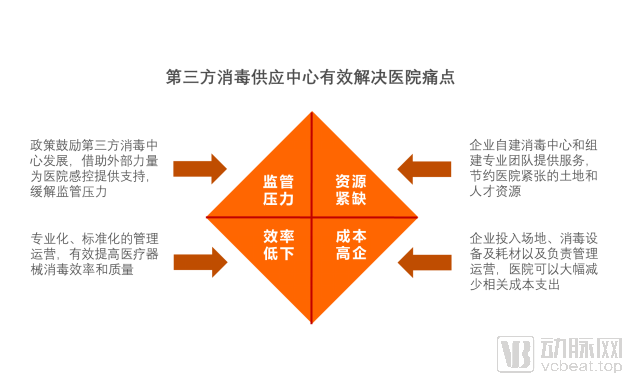
(Figure 4: Third-party sterile supply centers effectively address hospital pain points)
Experts from the Second Affiliated Hospital of Shandong University of Traditional Chinese Medicine demonstrated in their study, “Cost-Benefit Analysis of Socialized Sterile Supply Services,” that a comparative analysis of two types of sterile supply centers revealed that third-party sterile processing centers not only achieved a 10% higher sterilization pass rate but also reduced costs by approximately 5% compared to hospital-operated sterile supply centers.
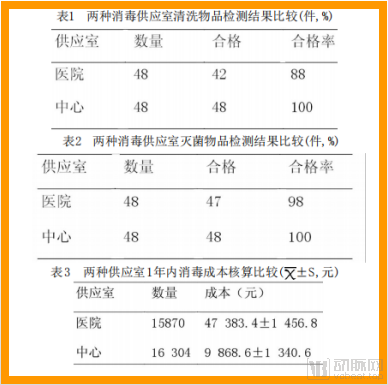
(Figure 5: Comparison of monitoring results for cleaned items between the hospital’s Central Sterile Supply Department (CSSD) and third-party sterilization centers)
The head of Julikang, an independent third-party medical service provider specializing in sterile supply, stated that the mechanism by which sterile supply centers serve healthcare institutions is illustrated in Figure 3. Their workflow constitutes a unidirectional closed loop for the use and sterilization of reusable instruments and items, starting with cleaning, followed by post-use retrieval, and then repeating the cycle. Each step is indispensable and irreversible, and all steps are equally critical. Any error occurring at any stage of the lifecycle of reusable instruments and items may lead to significant resource waste and preventable threats to life and health. As a crucial foundational platform for supplying medical resources, regionalized sterile supply centers play a vital role in upgrading and supplementing existing medical resources. Their characteristics of resource sharing and balanced allocation align closely with the direction of China’s healthcare reforms, such as tiered diagnosis and treatment, private participation in healthcare, and the integration of medical resources.
According to the head of Julikang, a research report issued by the Healthcare Service Governance Research Center of the Institute for Hospital Management at Tsinghua University includes data that evaluated the monitoring results of disinfection and sterilization quality at Julikang and nine medical institutions, based on the WS160 standard for monitoring the effectiveness of cleaning, disinfection, and sterilization.
The assessment results indicate that in terms of quality and effectiveness monitoring, primary healthcare institutions performed the poorest. They failed to conduct sterilization efficacy and functional checks prior to packaging, and did not fully comply with daily empty-load Bowie-Dick (B-D) test monitoring. Although the sampling pass rate was 100%, numerous safety loopholes existed, posing significant potential quality risks. Secondary hospitals did not maintain statistical records of pass rates for various types of monitoring, making direct comparison of quality and effectiveness impossible. Overall, the third-party disinfection center Julikang and tertiary hospitals demonstrated monitoring frequencies and pass rates compliant with WS160 standards, outperforming healthcare institutions of other levels, thereby achieving a higher overall quality of disinfection and sterilization.
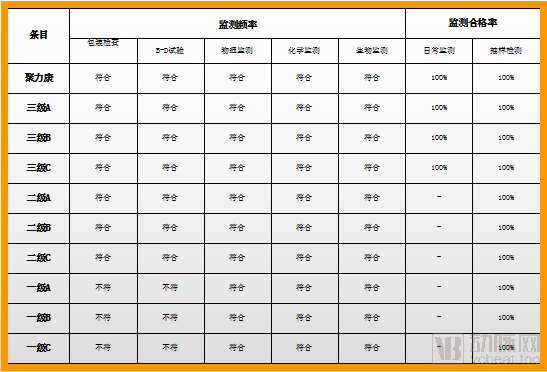
(Figure 6: Quality and efficacy monitoring results at the sterile supply centers of Julikang and nine medical institutions prior to collaboration)
The new edition of the "Standard for Central Sterile Supply Department in Hospitals" has played a positive guiding role in the development of third-party sterilization centers. In addition, we have reviewed the relevant national policies introduced in recent years, and it is evident that third-party sterilization centers are entering a golden period of development and are increasingly in demand by the market.
In September 2013, the “Several Opinions of the State Council on Promoting the Development of the Health Service Industry” (Guo Fa [2013] No. 40) explicitly encouraged the development of third-party healthcare and medical services; in June 2015, the “Notice on Several Policy Measures to Accelerate the Development of Socially Run Medical Institutions” (Guo Ban Fa [2015] No. 45) encouraged cooperation between public and private medical institutions, enabling the sharing of resources in centralized sterile supply departments of medical institutions, under the premise of ensuring medical safety and fulfilling core medical functions.
In September 2015, the State Council executive meeting placed special emphasis on the need to integrate regional medical resources for sterile supply services. In December 2016, the “Standards for Hospital Sterile Supply Centers (2016)” were issued, comprising three parts: management specifications, technical operation standards, and effectiveness monitoring criteria. These standards incorporated requirements for information technology infrastructure, explicitly included regional third-party sterile supply centers for the first time, and clarified that public medical institutions may outsource their sterile supply services.
In August 2017, the "Notice on Deepening the Reform of 'Delegation, Regulation, and Service' to Stimulate Investment Vitality in the Medical Field" (Guo Wei Fa Zhi Fa [2017] No. 43) added five new categories of independently established medical institutions: rehabilitation medical centers, nursing centers, sterile supply centers, small and medium-sized ophthalmology hospitals, and health examination centers. This marked the point at which disinfection service enterprises officially acquired the status of medical institutions. In May 2018, the "Basic Standards for Medical Sterile Supply Centers (Trial)" and the "Management Specifications for Medical Sterile Supply Centers (Trial)" were issued, providing detailed regulations on departmental setup, staffing, infrastructure, functional zone planning, and equipment configuration. This signaled a move toward greater standardization for third-party sterile supply centers.
In January 2019, the General Office of the State Council issued the “Guiding Opinions on Strengthening Performance Appraisal of Tertiary Public Hospitals,” which designated medical safety as a key performance indicator. Given that medical safety is inextricably linked to device safety, sterilization requirements for medical devices will be enforced more rigorously, thereby creating opportunities for the development of third-party sterile supply centers.
Under the influence of national policies, third-party sterile supply centers have progressed from a phase of exploratory trials to one of standard establishment, and now to a period of robust policy support, entering a stage of vigorous development.
We believe that healthcare-associated infections (HAIs) represent a global challenge and a significant difficulty in hospital management within China. If the Sterile Supply Department (SSD) is likened to the “heart” of HAI control, then it serves as the “pulse” of patient safety. Under the trend toward socialization of sterile supply services, outsourcing hospital sterilization tasks to third-party sterilization centers can substantially reduce medical risks and safeguard improvements in patient safety.
References
“Cost-Benefit Analysis of the Socialization of Sterile Supply Services” 2008
“Reflections on the Development of Professional Teams in Central Sterile Supply Departments under New Circumstances” (2020)
“Analysis of Disinfection Efficacy Monitoring Results at a Hospital Over Three Consecutive Years” 2020
"Study on the Impact of Nursing Quality Control in Hospital Sterile Supply Department on the Incidence of Nosocomial Infections" 2020
《Research on the Impact of Nursing Quality Control in Hospital Sterile Supply Departments on the Incidence of Nosocomial Infections》2020