

20 Chinese Pioneers in FIC Drug Development Revisit Their Original Aspirations at Hangzhou Forum
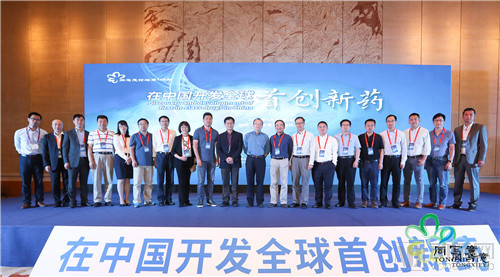
Twenty pioneers of new drug development in China gathered in Hangzhou to reflect on the original aspirations behind their R&D endeavors. On September 11–12, the Tongxieyi New Drug Talent Club hosted the 105th Tongxieyi Forum in Hangzhou, themed “Developing Global First-in-Class (FIC) Drugs in China.” Speakers shared their initial motivations for launching FIC drug projects, along with insights into their decades-long choices, perseverance, and unwavering commitment, recounting one compelling R&D story after another.
Unlike project roadshows, this forum stipulates that each speaker shall deliver a 20-minute presentation followed by a 10-minute Q&A session with experts. The presentation must address three key points: the project’s background and rationale, its objectives, and future prospects.
Looking back at the context of project initiation, all speakers shared the same original aspiration: there was an urgent clinical need, as patients had limited access to effective therapies in disease areas such as pulmonary arterial hypertension, psoriasis, and malignant solid tumors. In the fight against these diseases, meeting clinical needs by developing more innovative and high-quality drugs has become their unequivocal responsibility.
How to select unique indications and targets during the R&D process? How to identify differentiated markets for product target design? How to better predict clinical efficacy based on animal study data? The choices made regarding technical routes, research pathways, and even registration strategies reflect the wisdom, expertise, and foundational strength of R&D professionals, and are among the key factors contributing to the success of First-in-Class (FIC) drugs.
As the final slide of the PowerPoint presentation appeared, displaying two lines of text: “Benvitimod is the world’s first approved non-hormonal topical medication for the treatment of psoriasis; it has global influence and will serve as a precedent for Chinese new drugs conquering the world!” Dr. Chen Genghui’s twenty-year journey in the research and development of benvitimod was met with rounds of applause. In the early stages of development, benvitimod similarly encountered seemingly insurmountable technical challenges and barriers: its systemic druggability was suboptimal, and obstacles arose regarding the route of administration. Undeterred, Dr. Chen Genghui promptly pivoted his strategy, identifying the optimal solution through topical cutaneous application.
“Developing agonist antibodies into drugs is extremely challenging!” said Wang Jieyi, Chairman of GeneQuantum (Shanghai). “However, the agonist cross-linking antibody platform holds promise for overcoming key hurdles in antibody development through targeted and conditional activation.” Strategically, GeneQuantum ingeniously leverages the IgG Fc region to achieve bispecific functionality within a conventional antibody structure. By specifically optimizing affinity for the FcγRIIB receptor, the company has enhanced potential efficacy and widened the therapeutic window, thereby resolving this critical challenge.
According to Jing Shuqian, founder of Hongyun Huaning (Hangzhou) Biopharma, 40% of prescription drugs worldwide target GPCRs. Thus, there are numerous well-established targets within the GPCR family available for selection. However, due to technical challenges, only two antibody drugs targeting GPCRs have been developed globally, creating an excellent opportunity for developing new, patent-protected therapeutics. Furthermore, the market for GPCR-targeted drugs is substantial, with global annual sales exceeding $180 billion between 2010 and 2015, making the development of new drugs highly advantageous for future commercialization.
“First-in-class (FIC) drugs are poised to become the core driver of China’s pharmaceutical market in the future.” Liu Yang, COO of Dalian Wan Chun Biopharma, expressed strong confidence in the company’s FIC small-molecule drug, which is undergoing global multicenter Phase III clinical trials across five countries: China, the United States, Australia, Russia, and Ukraine. Meanwhile, Zhang Jintao, Founder of Justep BioPharm, cautioned researchers that “FIC development should not be approached tentatively, as if ‘crossing a river by feeling the stones.’ The field is fraught with deep waters, numerous pitfalls, substantial capital requirements, and high time and opportunity costs. It is advisable to focus on developing innovative drug candidates targeting one or two well-validated targets to balance R&D risks.”
As a questioner and observer at the forum, He Ruyi, Chairman of the Tongxieyi New Drug Talent Club, stated, “We hope that by examining these exploratory cases of first-in-class (FIC) new drugs, we can gain insight into the courage and wisdom of pioneers in drug development, thereby guiding the industry to seize the historic opportunities for the innovative development of China’s pharmaceutical sector over the next decade.”