

China's First Domestic PGS Kit Launches, Eliminating Need for Overseas Third-Generation IVF
On September 17, 2020, the 10th China Medical Device Summit (DeviceChina 2020) grandly opened.BeKang Medical, a leading enterprise in the reproductive sector of the NGS market, held a product launch event for its third-generation IVF PGS (Preimplantation Genetic Screening for Chromosomal Aneuploidy) kit, which was recognized as a “National Innovation” product.Xu Wenqing, Secretary of the Party Working Committee of the Science and Education Innovation District in Suzhou Industrial Park; Yin Jianguo, Vice President of Suzhou Industrial Park Bio-Industry Development Co., Ltd.; Mao Caiping, Director of the Center for Reproductive Medicine at the First Affiliated Hospital of Soochow University; and other leaders and experts attended the press conference.
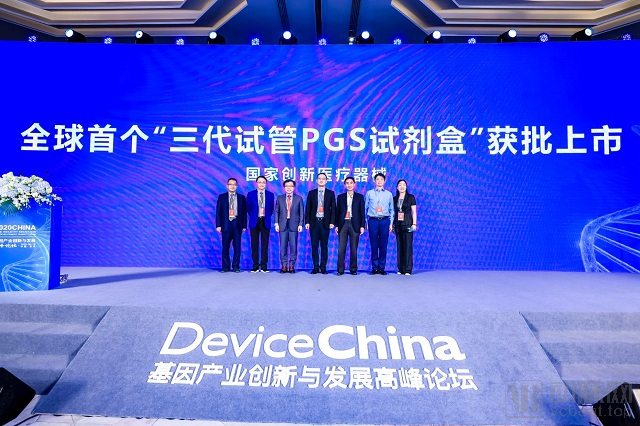
As a “National Innovative” medical device, the launch of the PGS kit enabled China to overcome the predicament of lacking certified domestically produced reagents for third-generation in vitro fertilization (IVF). In 2015, Berry Genomics applied to the National Medical Products Administration’s Center for Medical Device Standardization Administration to have the PGS kit classified as a “Class III medical device,” and obtained the first domestic PGS product approved under the “Special Approval Procedure for Innovative Medical Devices,” thereby filling the clinical gap in embryonic genetic testing in China.. After more than four years of clinical trials, the product has officially obtained China’s first Class III medical device registration certificate for PGS this year, marking the entry of third-generation IVF into a new era of “compliant” domestically produced test kits.
Ordinary citizens can now undergo third-generation IVF testing using domestically produced PGS kits at medical institutions within China, sparing infertility patients eager to conceive the substantial human and financial resources previously required for overseas treatment. In the future, this will help 50 million Chinese couples struggling with infertility access third-generation IVF technology at lower costs, with higher quality, and better safeguards.
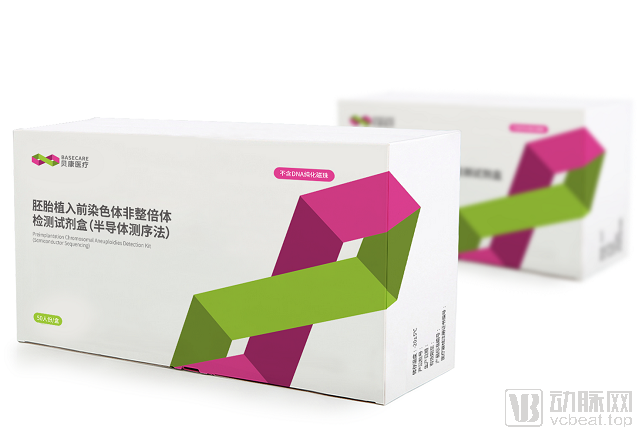
Reporter interviewed Rui Maoshe, Operations Director of Berry Genomics. Director Rui described that this technology involves selecting a few cells during the early stage of embryonic development for whole-genome testing of genetic material, and then choosing normal embryos for implantation, with the aim of improving pregnancy success rates and giving birth to healthy babies. This product is the first clinically registered product to achieve comprehensive screening of all 23 pairs of chromosomes, and the detection cycle has been shortened from one week to one day. According to clinical statistics, this technology has increased the clinical pregnancy success rate from the original 46% to 72%, and reduced the miscarriage rate from 33% to 6.9%. It can be seen that the launch of the PGS kit will help more patients realize their wish of having healthy babies.
According to Frost & Sullivan’s research data, the market size of China’s assisted reproductive technology (ART) sector is approximately RMB 100 billion. The market for third-generation in vitro fertilization (IVF) grew from around RMB 300 million in 2015 to RMB 2.5 billion in 2019, representing a compound annual growth rate (CAGR) of 70.8%, and is projected to reach RMB 25 billion by 2024. Innovative technologies in third-generation IVF have provided new options for couples struggling with infertility and brought fresh hope to prospective parents carrying hereditary diseases. Consequently, preimplantation genetic screening (PGS) kits for third-generation IVF will become an essential clinical necessity.