

Biofourmis Partners with Novartis to Advance Digital Therapeutics for Personalized Health Management

Biofourmis
Digital Therapeutics Provider
Recently, digital health company Biofourmis announced the completion of a $100 million Series C financing round. The round was led by SoftBank Vision Fund, with participation from Sequoia Capital, Openspace Ventures, MassMutual Ventures Southeast Asia (MMV SEA), and EDBI. The funds will be used to develop, validate, and commercialize a range of launched and upcoming digital therapeutic solutions across multiple therapeutic areas, including cardiology, respiratory diseases, and oncology.
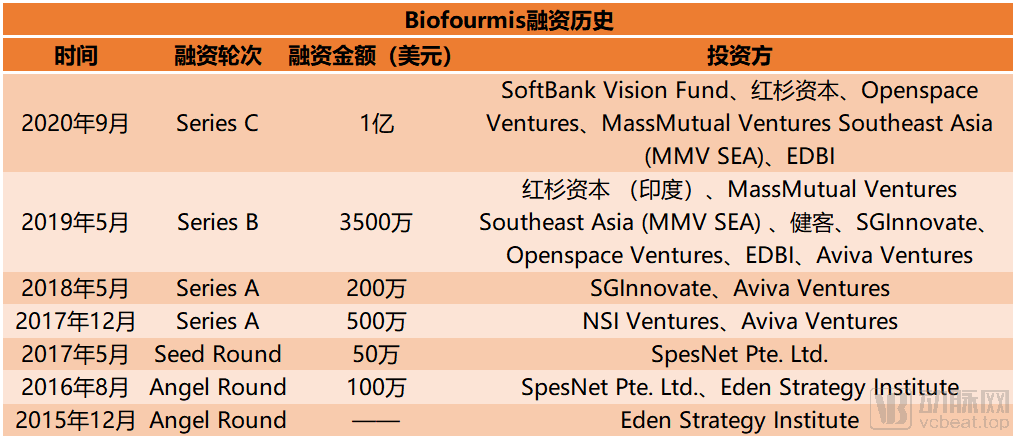
A $100 million financing round is a substantial sum even within the broader digital therapeutics sector. What exactly is it about Biofourmis that has earned it such strong favor from investors?
Biofourmis is a digital health startup that focuses on leveraging artificial intelligence technology for patient health management. It has established collaborations with numerous pharmaceutical companies, including the pharmaceutical giant Novartis.
In recent years, with advancements in biosensing technology and the widespread adoption of wearable devices, a growing number of individuals have begun leveraging various software and hardware solutions to collect their personal health data. However, how to interpret this data and extract actionable insights from vast datasets directly determines its practical utility.
Digital therapeutics are typically defined as therapies that deliver evidence-based therapeutic interventions to patients via software programs. Digital therapeutics can be used independently or in combination with medications, devices, or other therapies.
Why Use Digital Therapeutics? How Do Digital Therapeutics Benefit Patients?
Shorter waiting times for medical consultations;
Lower costs;
Implement personalized therapy;
Reduce the risk of infection during the pandemic;
Improving Chronic Disease Management
As a clinically validated diagnostic and therapeutic approach, digital therapeutics can acquire authentic and actionable patient data, optimize treatment outcomes, prevent disease progression, and thereby reduce hospitalizations. Furthermore, digital therapeutics provide patients, caregivers, and clinicians with readily accessible progress updates, enabling intelligent care management and optimized clinical decision-making.
Biofourmis was founded in 2015 by Kuldeep Singh Rajput and Wendou Niu.
Kuldeep Singh Rajput seamlessly transitions between roles, excelling in both technical expertise and corporate management. He holds a Ph.D. in Electrical Engineering from the National University of Singapore. During his doctoral studies, he independently developed a bioelectronic implant capable of treating diseases by modulating electrical pulses.
During his tenure as CEO of Biofourmis, Kuldeep Singh Rajput remained committed to leveraging data to drive innovation in the healthcare industry, establishing partnerships with major medical institutions, R&D platforms, and companies, thereby bringing Biofourmis into the public spotlight through its own merits. In April 2019, Kuldeep Singh Rajput was named to the Forbes Asia “30 Under 30” list. That same October, CB Insights, a globally renowned data intelligence platform, released the world’s first list of the Top 150 Digital Health Companies, with Biofourmis prominently featured.
Biofourmis’ AI-powered personalized health analytics platform, Biovitals®, integrates disease insights, data, and algorithms to enable care teams to remotely monitor patients’ conditions., and compare patient data with that of the healthy population, thereby enabling the nursing team to prevent potential adverse events.
In simple terms, Biovitals® operates on three pillars: patient condition-based, algorithm-based, and care team opinion-based.
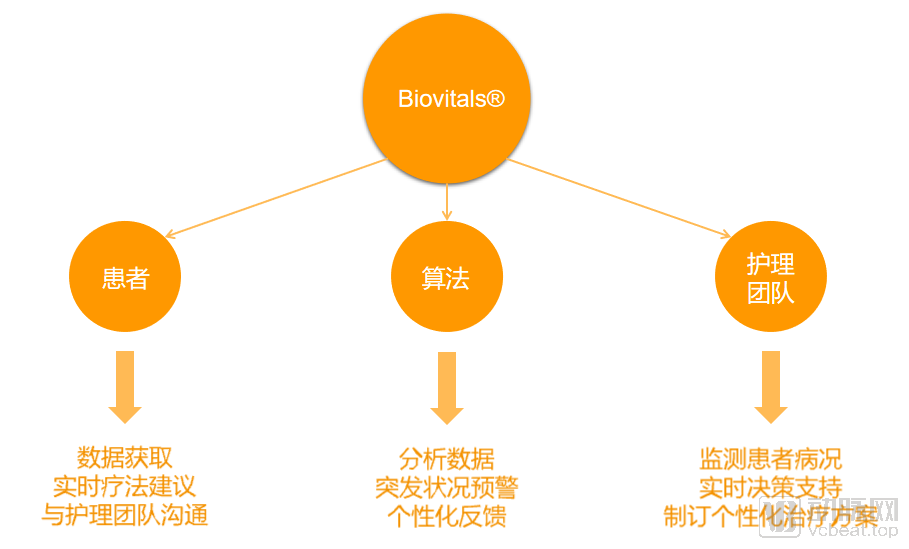
For patients, Biovitals® employs two data acquisition methods: collecting data via wearable medical-grade biosensors (e.g., Biofourmis Everion®) and active data entry by patients through the application; both methods are used in conjunction. Based on the acquired data, Biovitals® can appropriately optimize treatment plans for patients, provide therapeutic feedback, predict potential future clinical deterioration, and facilitate secure and effective communication between patients and their care teams.
For the physician-facing side, the care team can leverage a mobile application to remotely monitor patient conditions. Nurses can utilize an internet-based nurse dashboard to coordinate the team and manage patient medications and activities. Based on patient data, the care team can develop personalized treatment plans and make real-time decisions in the event of emergencies.
In addition to the above basic functions,Biovitals® also offers services such as electronic medical record (EMR) integration, medication delivery, and contacting medical centers., meeting patient needs from multiple perspectives.
In essence, Biovitals® is a self-learning and evolving machine platform. As patients use the product, Biovitals® stores information in its database by transmitting more than 20 physiological data points per second. When analyzing this data, the Biovitals® algorithm references information from similar patients to predict potential events that may occur during treatment. The more data accumulated in the database, the higher the accuracy of the Biovitals® algorithm becomes.
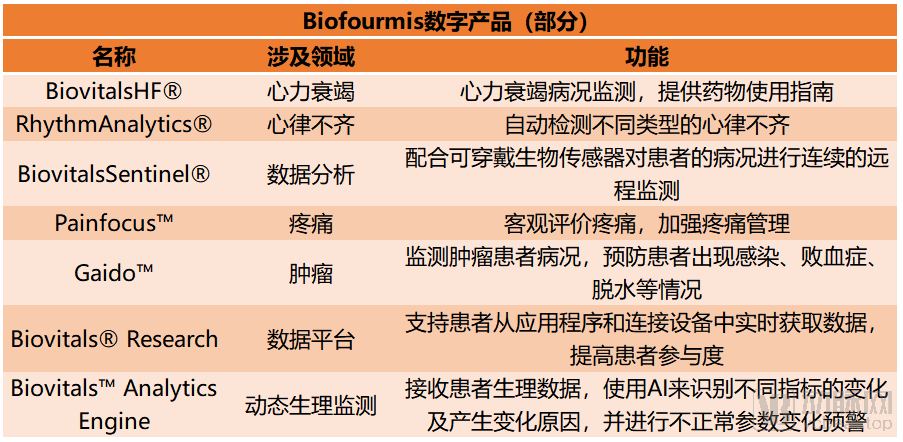
As the company's flagship product,Biovitals® is the cornerstone of Biofourmis’s entire portfolio of digital therapeutic products., spanning multiple therapeutic areas, including heart failure, oncology, acute coronary syndrome, chronic obstructive pulmonary disease, and chronic pain.
Following the completion of its Series C financing, Biofourmis announced the addition of a new business structure to facilitate deeper collaboration with customers and partners.
Biofourmis Therapeutics: Used in combination with pharmacotherapy. Pharmaceutical companies can view Biofourmis Therapeutics as an adjunctive treatment regimen for high-value drugs, helping to enhance therapeutic efficacy and reduce treatment costs, thereby facilitating better chronic disease management.
Biofourmis Health: Remote management of patients during the late stage of acute care. Biofourmis Health’s “Hospital at Home” program helps patients reduce hospital stays, lower disease recurrence rates, and access emergency care services, thereby reducing overall healthcare costs. Additionally, physicians can remotely monitor patients’ conditions through Biofourmis Health to assess the risk of clinical deterioration and intervene in advance.
To achieve rapid development of its technology and products, Biofourmis opted for external acquisitions.
In November 2019, Biofourmis announced the acquisition of Zurich-based wearable biosensor company Biovotion. The transaction covered all of Biovotion’s assets, including its Everion® biosensor technology and more than 60 global patents.The acquisition of Biovotion enables Biofourmis to provide patients with proprietary clinical-grade wearable devices, enhancing its Biovitals® ecosystem.。
Everion® is a wearable biosensor worn on the arm that non-invasively measures 22 parameters in real time, including heart rate, heart rate variability, respiratory rate, blood oxygen saturation, skin temperature, and activity tracking.
As the acquisition news was announced, Biofourmis revealed that it is collaborating with pharmaceutical giant Novartis to launch a platform leveraging predictive analytics for heart failure patient management. The platform will utilize Biofourmis’ AI technology and the Everion® sensor technology acquired in this deal to help users predict and analyze medication therapy outcomes.
Following the acquisition, Biofourmis underwent senior leadership changes.
In January 2020, Biofourmis appointed Jaydev Thakkar and Milan Shah as COO and CTO, respectively. Jaydev Thakkar previously served as Director of Digital Health and Innovation at Amgen, a global biotechnology giant. During his tenure, he led multiple large-scale clinical trials, the largest of which involved more than 27,000 participants and over 1,000 sites across more than 50 countries and regions.
Prior to joining Biofourmis, Milan Shah was the Co-Founder & CEO of Uptycs, a cybersecurity analytics platform. Based on Biofourmis’ publicly released research and products, Mr. Shah believes that what Biofourmis is currently doing has the potential to become a disruptive force in the healthcare sector in the future.
Regarding the personnel changes, Kuldeep Singh Rajput stated, “Jaydev Thakkar brings extensive leadership experience in pharmaceuticals and clinical trials, while Milan Shah has considerable expertise in scaling enterprise operations. With Biofourmis recently planning to introduce more new products into its Biovitals® product line, talents like Jaydev Thakkar and Milan Shah are exactly what the company currently needs.”
In April 2020, Biofourmis announced the completion of its acquisition of Gaido Health. Headquartered in Los Angeles, Gaido Health is an oncology-focused patient monitoring platform affiliated with Takeda Digital Ventures (Takeda Pharmaceutical’s corporate technology investment and incubation arm).
This AcquisitionExpanded Biofourmis' product portfolio in oncology, aiming to enhance the care pathway for cancer patients, helping patients reduce the cancer recurrence rate after chemotherapy.
Biofourmis’s digital therapeutic solution for oncology remotely collects patients’ vital signs data and, combined with patient condition survey results, leverages AI-based algorithms to assess whether there are signs of complications or cancer recurrence, thereby extending the scope of cancer diagnosis and treatment from examination to prediction.
Biofourmis, as a digital therapeutics company, in its early stagesData acquisition for training algorithms is particularly important.。
In December 2017, Biofourmis publicly announced a partnership with the U.S. medical research institution Mayo Clinic. Through this collaboration, Biofourmis can obtain more valuable data from evaluations and clinical trials conducted by Mayo Clinic experts.
In November 2018, Biofourmis entered into a partnership with Brigham and Women’s Hospital. In 2016, Brigham and Women’s Hospital launched a home-based primary care program, enabling healthcare providers to conduct consultations and deliver medical care to patients in their homes. The hospital also provided patients with smart devices to facilitate communication between patients and healthcare providers.
Biofourmis gains access to extensive data from primary care physician teams through its collaboration with Brigham and Women’s Hospital, and jointly enhances the existing Biovitals™ Analytics Engine.
In July 2019, Biofourmis partnered with the Yale-Mayo Clinic Center for Science and Innovation Excellence to conduct a groundbreaking study on heart failure. The study utilized Biofourmis’ heart failure monitoring platform, BiovitalsHF®, to assess the impact of patients’ physiological activity and medication changes on heart failure treatment.
In 2019, Biofourmis’ RhythmAnalytics® and Biovitals™ Analytics Engine successively received 510(k) clearance, further enhancing the Biovitals® ecosystem and accelerating the development and commercialization of the company’s digital therapeutics.
In January 2020, Biofourmis partnered with ImagineMIC, a developer of remote monitoring medical devices, to integrate RhythmAnalytics® with ImagineMIC’s new device, thereby improving the treatment of arrhythmias. Kuldeep Singh Rajput stated publicly, “This collaboration initially focuses on heart disease, but future phases will leverage the various modules of Biovitals® to expand research into the management and treatment of chronic diseases.”
In the face of the raging COVID-19 pandemic, Biofourmis sought to leverage its strengths to assist clinicians in disease monitoring and intervention. In March 2020, Biofourmis collaborated with The University of Hong Kong to develop the Biovitals Sentinel platform, capable of detecting signs of clinical deterioration in patients with COVID-19. By simply wearing Biofourmis’s medical-grade biosensor, Everion®, on the upper arm, patients can provide more than 20 types of physiological signals.
In less than three weeks, Biofourmis rolled out the platform in the United States, Australia, and the United Kingdom, while also engaging in discussions with regional governments and potential partners to explore how its technology can help more patients in the future.
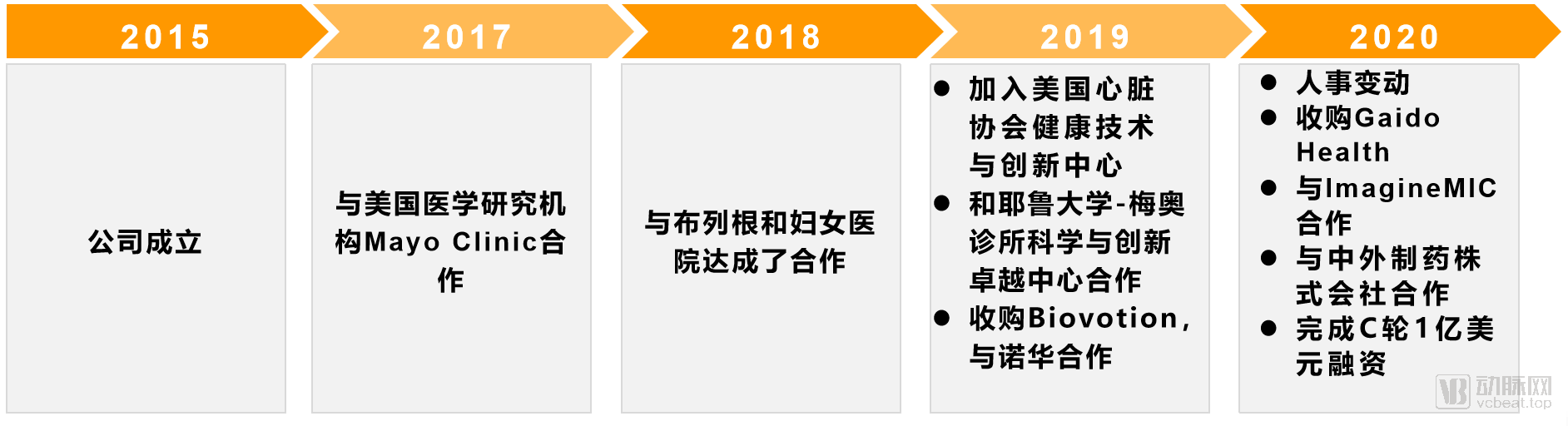
Biofourmis: Recent Development Timeline
In recent years, large tertiary hospitals have developed a certain level of awareness of digital therapeutics, are not resistant to them, and their demand is gradually increasing. In contrast, community and primary healthcare institutions have had limited exposure to digital therapeutics.
The development of digital therapeutics in China is slightly slower than that abroad due to a variety of factors.
From the perspective of disease treatment, conditions for which digital therapeutics have developed abroad—such as mental and behavioral disorders—are relatively underemphasized in China.
From a payment perspective, the share of commercial health insurance in China’s overall medical insurance landscape remains low. At this stage, the primary focus of commercial insurers is still to capture market share, and allocating funds to digital therapeutics offers limited benefit toward achieving this objective.
In contrast, the situation abroad is quite the opposite. Taking the United States as an example, digital therapeutics in the U.S. primarily rely on reimbursement from commercial health insurance. By helping insured individuals reduce disease incidence, digital therapeutics enable insurers to lower costs, thereby facilitating payment for these therapies. Meanwhile, commercial health insurance serves as the primary payer for healthcare services overseas.
From the perspective of regulatory approval, China has not yet established a separate catalog for digital therapeutics; instead, they are classified under the traditional medical device category, which clearly does not align with the product characteristics of digital therapeutics.
In addition, patient acceptance of digital therapeutics varies.
However, the term “digital therapeutics” has been appearing with increasing frequency in China’s healthcare sector over the past two years. Although digital therapeutics in China is still in its early stages and the external development environment remains to be improved, this also signifies substantial market opportunities and potential.