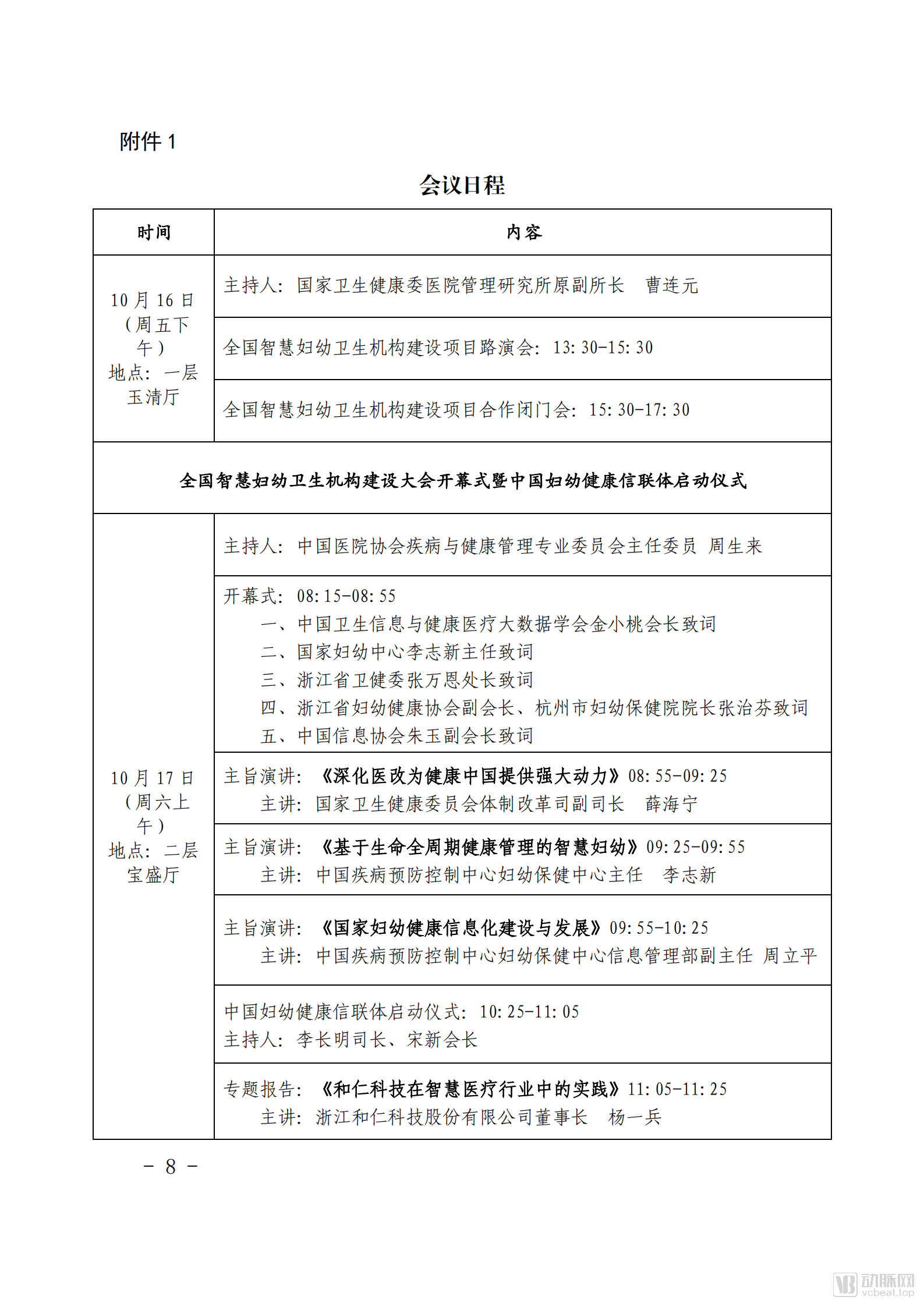
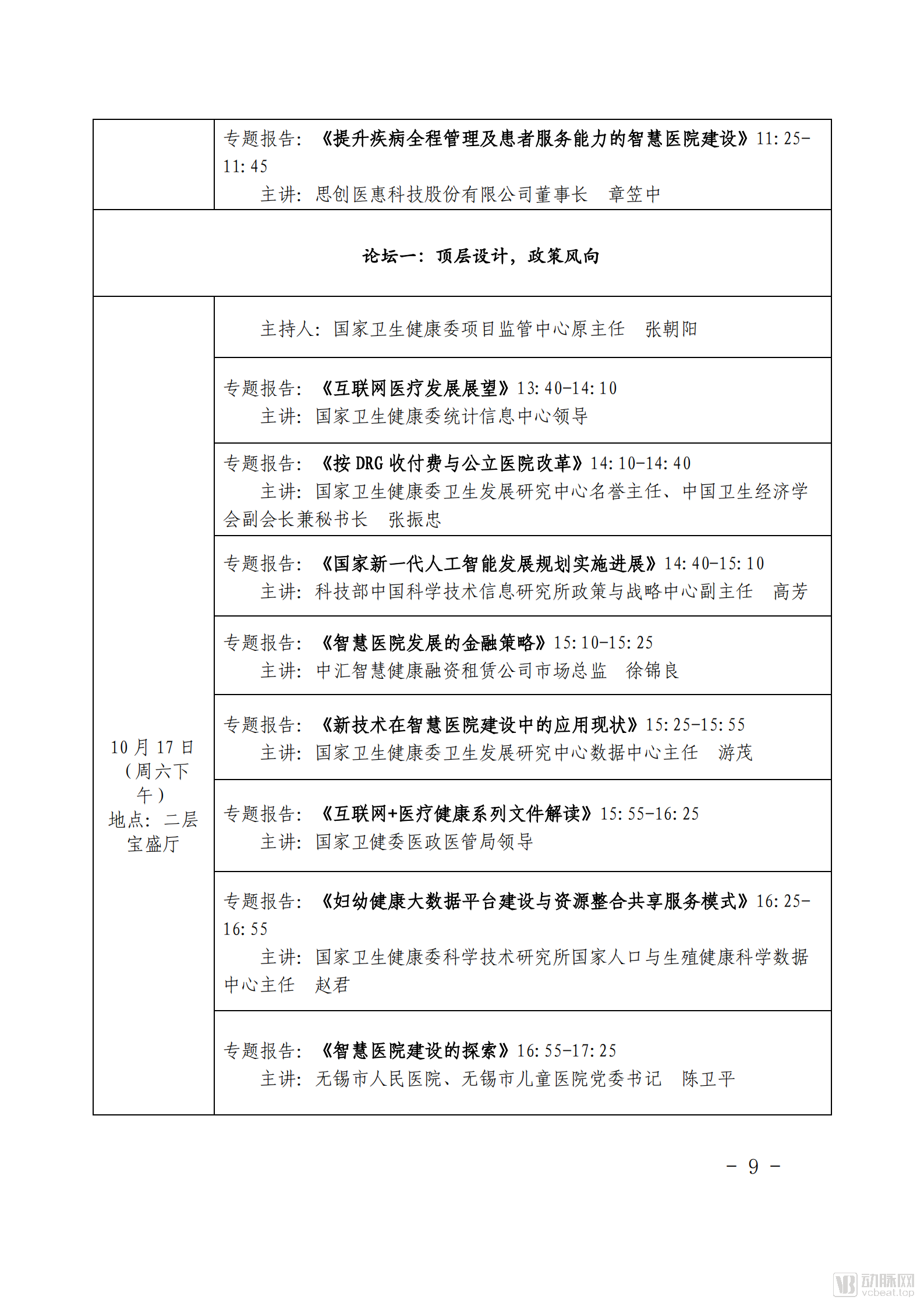
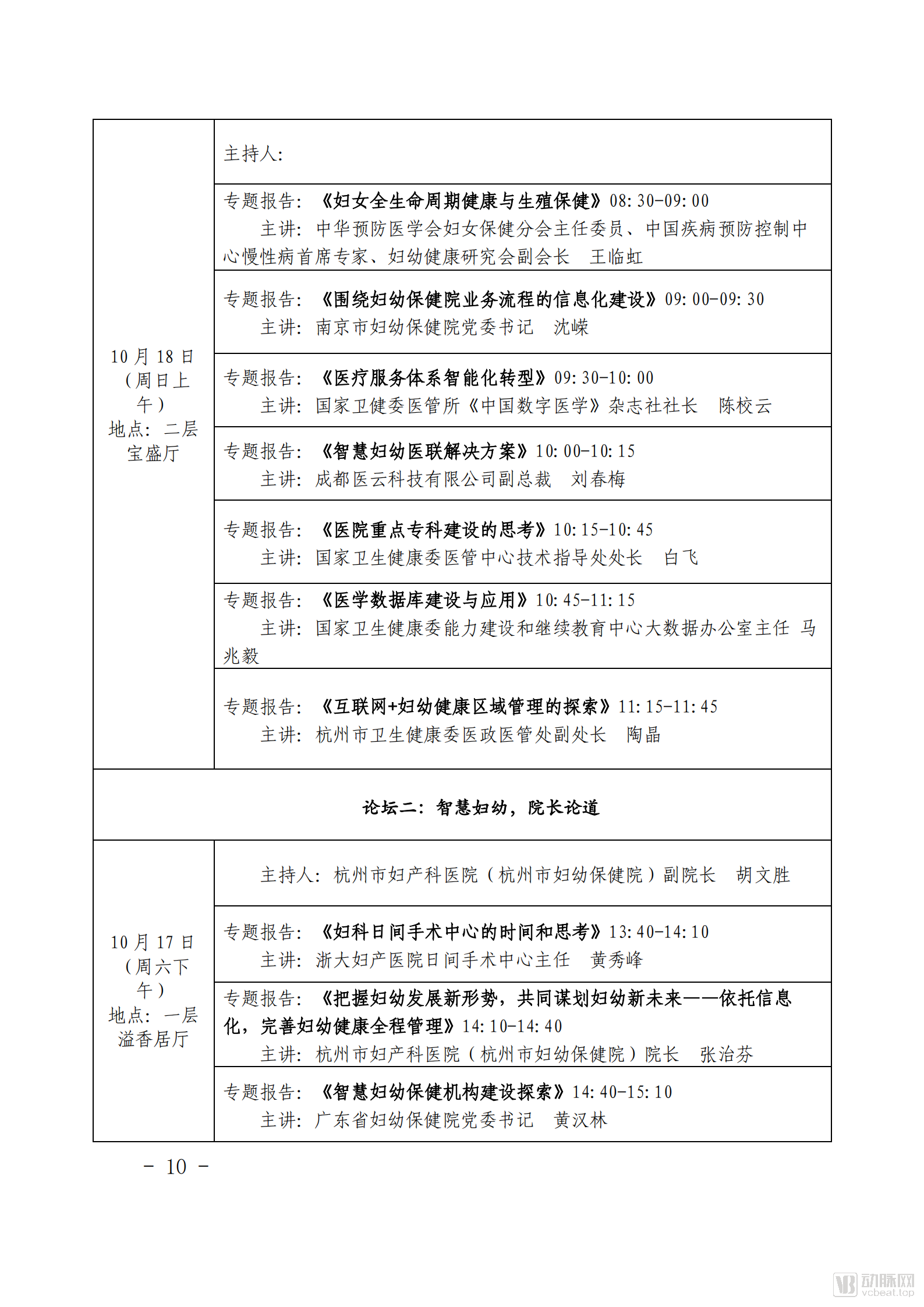
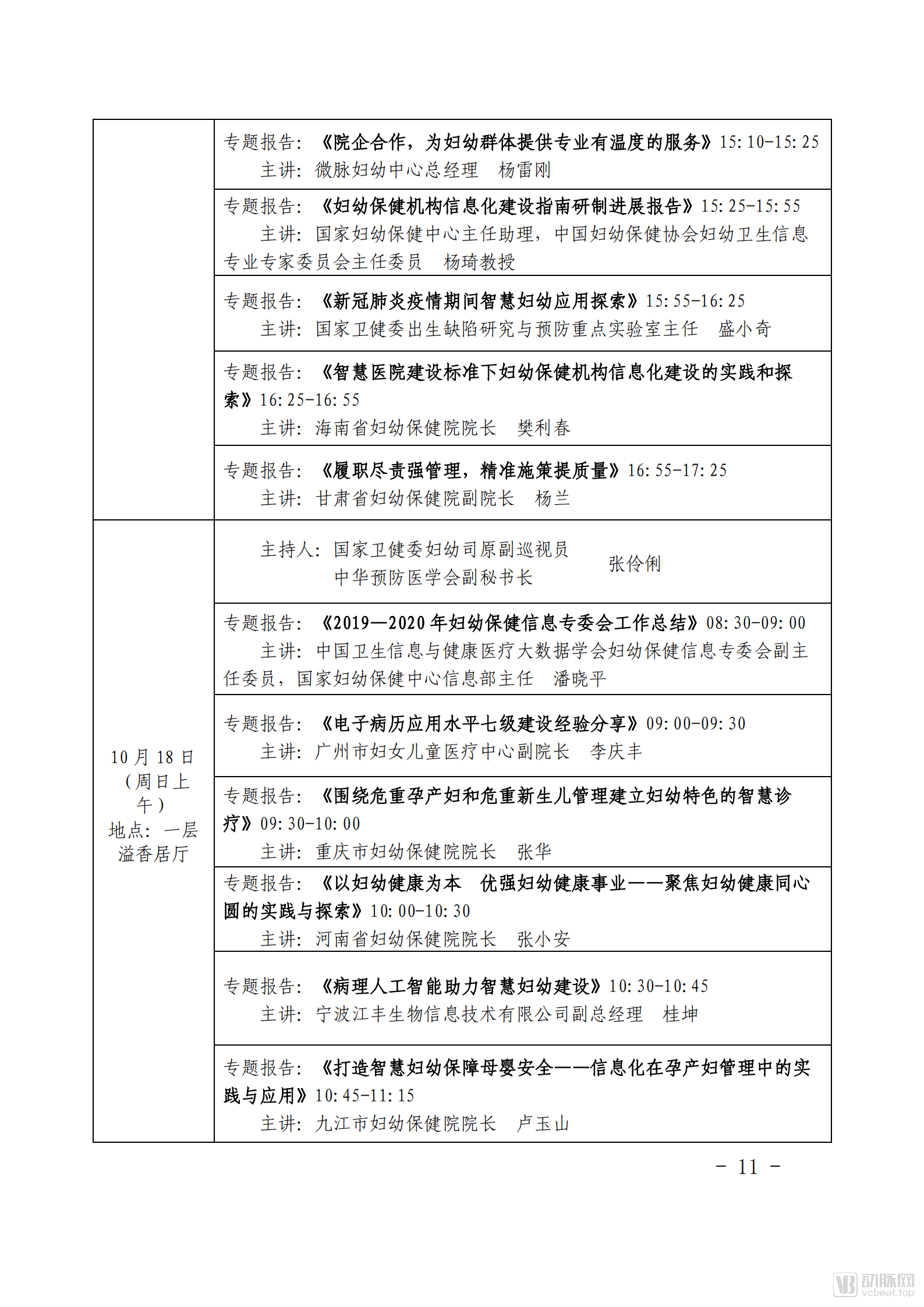
National Conference on Smart Maternal and Child Health Institutions and Launch of China Maternal and Child Health Information Consortium
With the continuous proliferation of new technologies such as “Internet + Healthcare,” “Artificial Intelligence,” and “Healthcare Big Data,” alongside the advancement of maternal and child health services, the traditional hospital focus on infrastructure development and conventional disciplinary expertise no longer suffices to meet women’s and children’s growing aspirations for better health. “Smart Hospital Construction” has become a central theme in the development of medical institutions today and is one of the key priorities actively promoted by the National Health Commission of China. During the COVID-19 pandemic, medical institutions at all levels leveraged cutting-edge information technologies to address public healthcare needs under exceptional circumstances, thereby accumulating valuable experience for the next stage of smart hospital development.
At present, nearly 4,000 maternal and child health hospitals, obstetrics and gynecology hospitals, and children’s hospitals across China stand at a crossroads of intelligent transformation, urgently needing to align with national policies and seize development opportunities. Therefore, under the guidance of the China Information Association and with the joint support of numerous provincial associations related to maternal and child health, the “National Conference on the Construction of Smart Maternal and Child Health Institutions and the Launch Ceremony of the China Maternal and Child Health Information Consortium” is scheduled to be held in Hangzhou, Zhejiang Province, from October 16 to 18, 2020.
This conference thoroughly implements the spirit of key policy documents, including the “Healthy China 2030” Planning Outline and the State Council’s Opinions on Implementing the Healthy China Action. It aims to jointly explore and witness a new chapter in the development of maternal and child health institutions in the new era, break away from traditional mindsets regarding their construction and development, learn from successful experiences in building advanced smart maternal and child health institutions, optimize strategies for their development, and accelerate the establishment of efficient, well-managed, and comprehensive smart maternal and child healthcare systems at all levels. These efforts are designed to tangibly enhance the sense of gain among maternal and child populations across China and promote the rooting and flourishing of smart healthcare initiatives within the broad field of maternal and child health. The relevant matters are hereby notified as follows:
(I) A Gathering of Industry Leaders, A Milestone Historical Phase
This conference brought together policymakers from relevant national ministries and commissions, hundreds of frontline professionals in maternal and child health big data—including presidents of maternal and child health care hospitals at all levels across China, vice presidents overseeing information technology, and directors of information departments—as well as experts and scholars in big data and artificial intelligence from higher education institutions and research institutes. It served as a premier forum for in-depth discussions on the informatization and intelligent development of maternal and child health services in China, and as an important platform for jointly advancing the development of maternal and child health institutions nationwide.
(II) The “China Maternal and Child Health Information Consortium” Officially Launched
Guided by the China Information Association, organizations including the China Academy of Informatization Development, the China Information Society Development Institute, the Medical and Health Industry Branch of the China Information Association, and numerous maternal and child health hospitals will jointly initiate the establishment of the “China Maternal and Child Health Information Alliance.” The Alliance aims to strengthen close cooperation among maternal and child health information departments at all levels, promote learning and exchange, provide mutual assistance, narrow disparities, and share best practices. By achieving vertical connectivity and regional coordination, it seeks to enhance the overall professional competence of healthcare informatics practitioners, support the in-depth implementation of national policies on Medical Consortia, Medical Communities, and tiered diagnosis and treatment, and build a platform for communication and mutual assistance between enterprises and hospitals. Together, we will advance the smart transformation of maternal and child healthcare in China and foster an information, credit, and trust community among the government, maternal and child health institutions, and enterprises.
(3) Launching two special sessions: “Hospital Directors’ Forum” and “IT Directors’ Discourse”
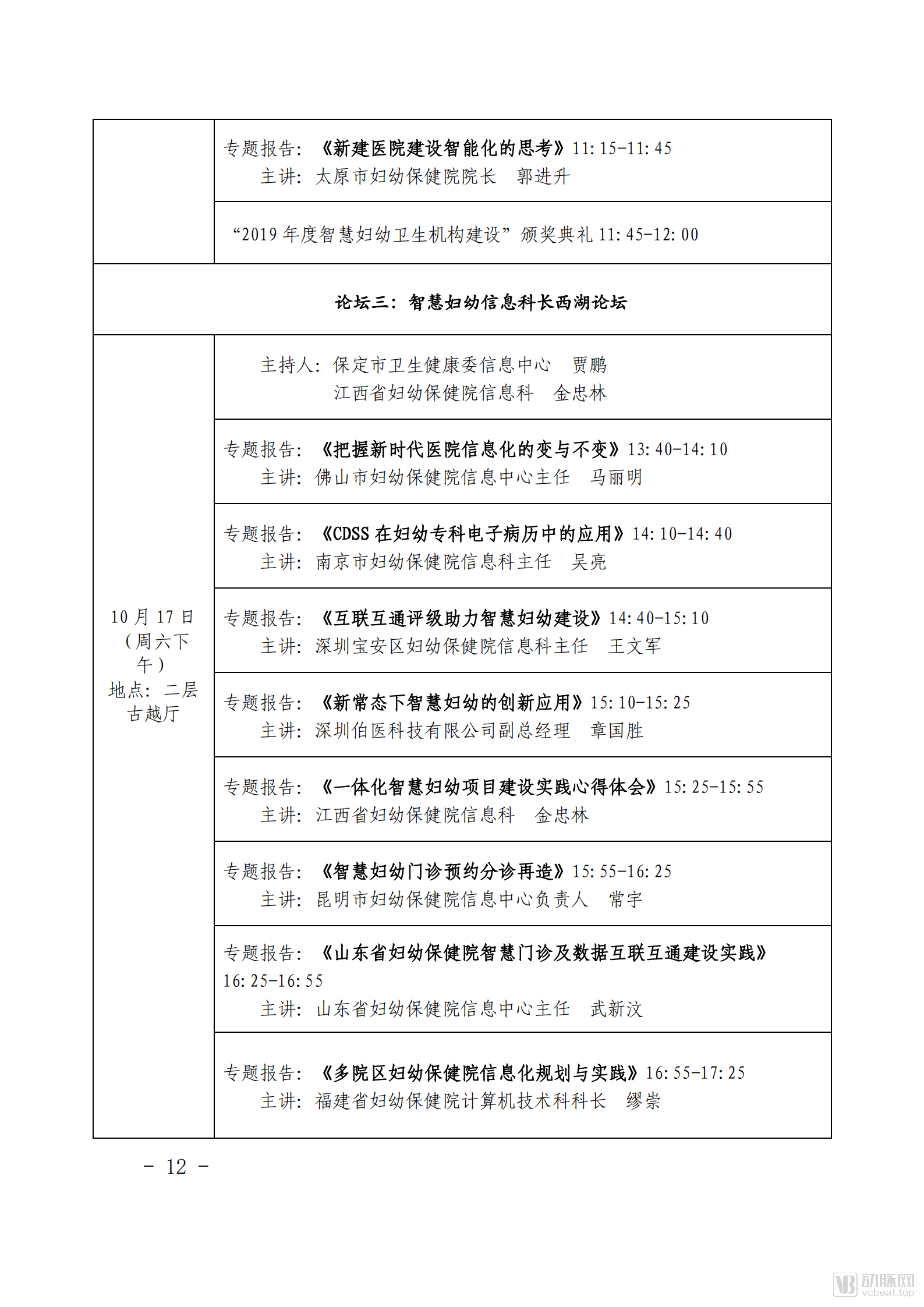
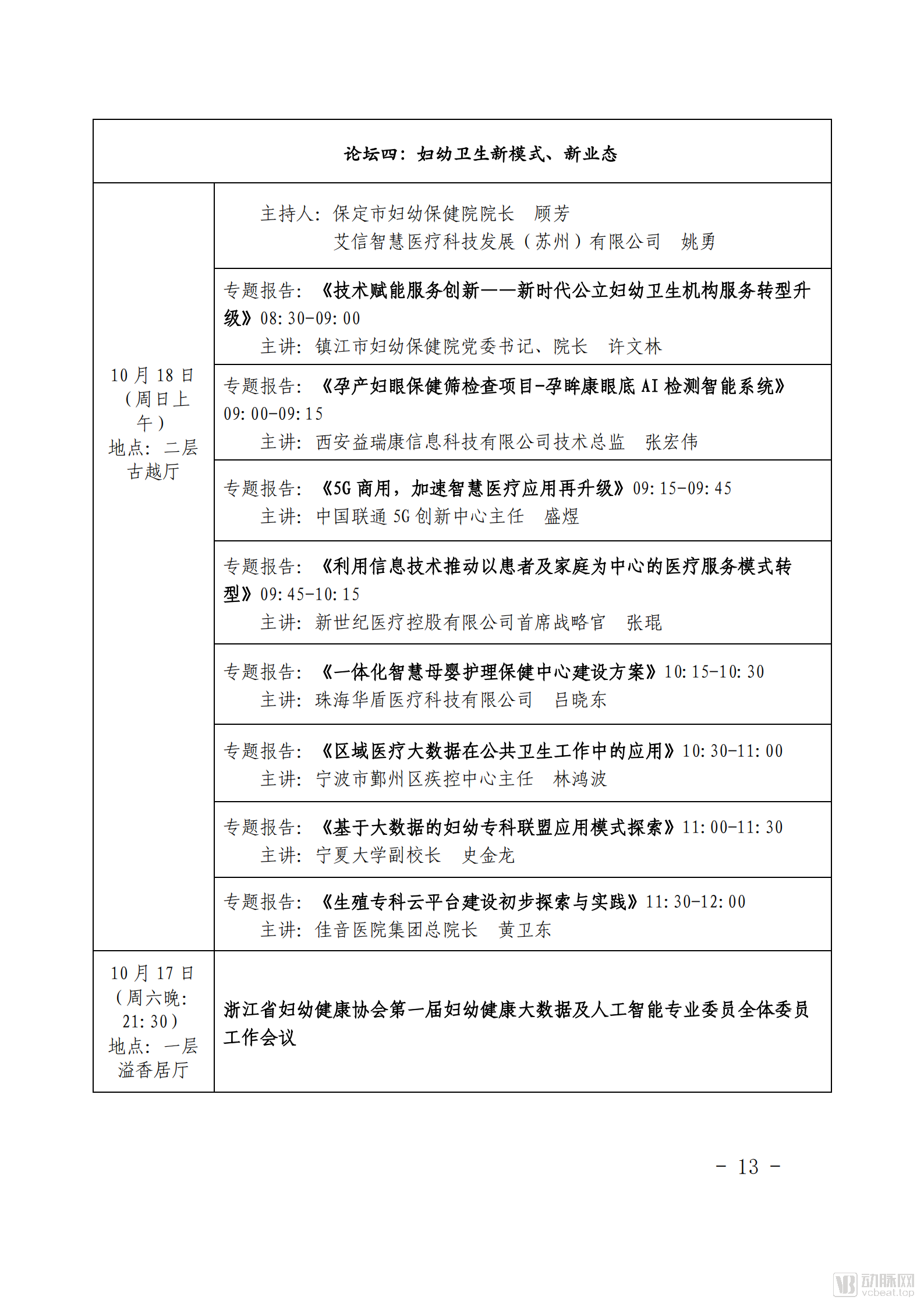
A Grand Exchange of Ideas Among 100 Hospital Presidents Nationwide: Sharing Experience in Leading Team Building for Smart Maternal and Child Health Flagship Hospitals. Closely Following National New Infrastructure Policies, Guiding the Development Direction for Nearly 4,000 Maternal and Child Health Institutions Across China, and Jointly Taking the Lead in Smart Maternal and Child Healthcare.Creating an Exclusive Platform for Maternal and Child Health Information Departments: Information Department Chiefs Engage in “West Lake Dialogues,” Showcasing Their Profound Expertise; Openly Sharing the Unsung Joys and Sorrows of Hospital Informatization Construction; Engaging in Thoughtful Discourse as Hospital Information Departments Step Out from Behind the Scenes into the Center Stage of Smart Institution Building in the Era of Intelligence.
(4) New Maternal and Child Health Services, New Scenarios, New Demands, and New Business Models
In-depth discussions on the most pressing and cutting-edge topics: 1. How managers of maternal and child health hospitals can address challenges posed by “Public Hospital Performance Appraisal” and the “New DRG Policy” in the new era. 2. Analysis and interpretation of new opportunities brought by policies related to “Internet-based Diagnosis and Treatment,” “Construction of Internet Hospitals,” and “Telemedicine.” 3. Implementation of national requirements such as the “Graded Evaluation of Electronic Medical Record System Application,” “Assessment of Standardization and Maturity for Hospital Information Interconnectivity,” and “Graded Assessment of Smart Hospital Services.” 4. Exchange of experiences on new business models and formats, including “Integrated Obstetrics Departments,” “Regional Maternal and Child Health Information Platforms,” “Specialty Alliances for Maternal and Child Health,” “Medical Consortia and Integrated Care Communities for Maternal and Child Health,” and “Day Surgery Centers.”
(V) Immersive Smart Maternal and Child Health Exhibition
Immersive Experience: Showcase of Smart Maternal and Child Health Application ScenariosAttendees will have the opportunity to experience the achievements of smart maternal and child health applications up close. Through live demonstrations and hands-on explanations, they will gain an intuitive understanding of the latest technological applications in this field. The exhibit highlights new approaches to smartening healthcare institutions driven by information technologies such as Internet Plus, big data, and artificial intelligence. Cutting-edge applications—including smart pharmacies, smart nursing, information management platforms, remote diagnosis platforms, smart maternal and child health institution consortia, regional smart information sharing systems, smart ward management systems for maternal and child health facilities, smart logistics systems for maternal and child health institutions, AI-powered imaging equipment, and smart cloud-based health management—offer a completely new perspective on health and wellness.
(6) A Novel Conference Format
The development of “Smart Maternal and Child Health” institutions across China requires the participation of all stakeholders. Policymakers, industry associations, maternal and child health institutions at all levels, and enterprises must engage in open dialogue, in-depth discussions, and comprehensive exchanges. Through specialized sub-forums focused on specific sectors, as well as innovative conference formats such as the “National Smart Maternal and Child Health Institution Construction Project Roadshow” and the “National Smart Maternal and Child Health Institution Construction Project Closed-Door Cooperation Meeting,” we aim to break away from the traditional model where “hospitals simply make requests and enterprises provide products.” All participants will engage in intellectual brainstorming and resource sharing to jointly analyze the current state of smart transformation in maternal and child health institutions, address practical challenges encountered in the development of “Smart Maternal and Child Health,” share best practices, and explore feasible solutions and promotion cases for maternal and child health big data centers, smart maternal and child health institutions, and AI applications in maternal and child healthcare.
(I) Interpretation of the National Strategic Plan for Big Data in Health and Medical Care and Artificial Intelligence
(II) Interpretation of Policies Related to “Internet Plus” Healthcare
(III) New Concepts and Service Systems for “Smart Maternal and Child Health”
(4) Construction of Smart Maternal and Child Health Outpatient Clinics
(5) Construction of Smart Maternal and Child Health Pharmacies
(6) Construction of Smart Maternal and Child Nursing System
(7) Construction of Smart Logistics for Maternal and Child Health Support Services
(8) Construction of Smart Maternal and Child Health Information Systems
(9) Construction of Smart Maternal and Child Health Self-Service System
(10) Construction of Smart Maternal and Child Health Remote Diagnosis and Treatment System
(11) Construction of Smart Maternal and Child Health Follow-up System
(12) Construction of Smart Ward Management System
(13) Construction of an Online Medical Insurance Payment System for Smart Maternal and Child Health
(14) Construction of an Online Platform for Smart Maternal and Child Health Services, Including Online Consultations, Appointment Registration, and Point-of-Care Settlement and Payment
(15) Construction of the Smart Maternal and Child Health Mobile Drug Delivery System
(16) Smart Security and Support System Construction for Maternal and Child Health
(XVII) Financial Solutions for the Development of Smart Maternal and Child Health Institutions
(XVIII) New Businesses and Projects in Smart Maternal and Child Health
(19) Application of Intelligent Wearable Devices in the Field of Maternal and Child Health
(20) Construction and Application of Regional Big Data Platform for Maternal and Child Health Information
(21) Applications of Artificial Intelligence in Maternal and Child Health
(22) Experience Exchange and Sharing on the Construction of “Smart Maternal and Child Health Institutions”
(23) Innovative Discipline Development in Maternal and Child Health in the Era of Smart Information
(24) Sharing the Achievements of Smart Maternal and Child Health Applications During the COVID-19 Pandemic
(25) Launch Ceremony of the “China Maternal and Child Health Information Alliance”
Registration Date: October 16, 2020
Meeting Date: October 17-18, 2020
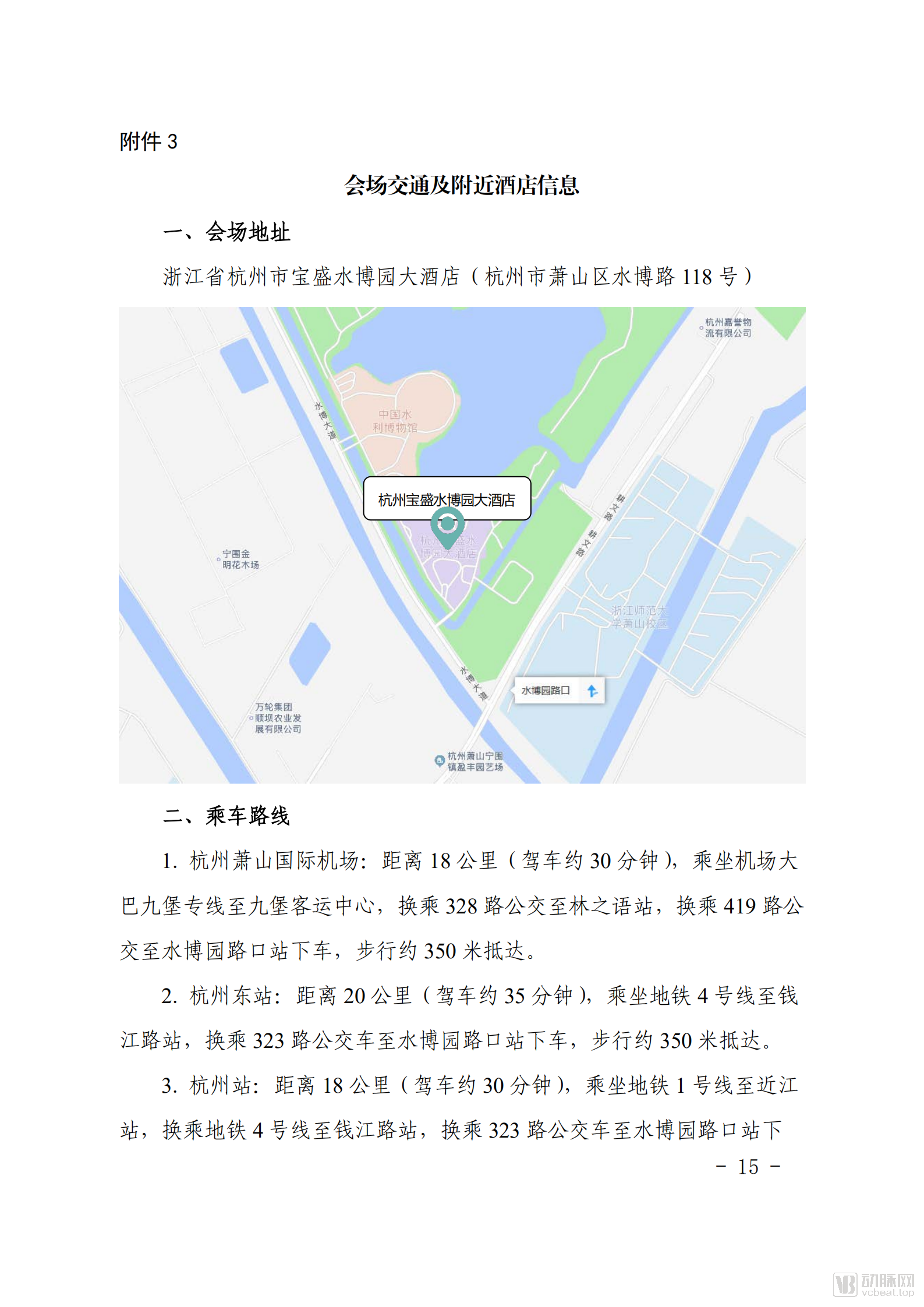
Venue: Hangzhou Baosheng Shuiboyuan Grand Hotel, Hangzhou, Zhejiang Province IV. Attendees
(1) Policymakers from relevant national ministries and commissions, and association leaders;
(2) Presidents, vice presidents in charge of information technology, and heads of the Information Department at maternal and child health care institutions (institutes, centers), obstetrics hospitals, and children’s hospitals at all levels;
(3) Experts and scholars in big data and artificial intelligence from higher education institutions and scientific research institutes;
(4) Leaders in the smart healthcare industry leveraging Internet Plus, big data, and artificial intelligence;
(5) Leaders from the National Development and Reform Commission, the Ministry of Science and Technology, the Ministry of Industry and Information Technology, and the National Health Commission; experts from the Chinese Academy of Sciences and the Chinese Academy of Engineering; as well as academicians from the International Academy of Medical and Biological Engineering are proposed to be invited to attend this conference.
Guided by: China Information Association
Hosted by: China Information Association Medical and Health Industry Branch
Co-organizers: China Academy of Informatization Development, China Information Society Development Institute, Professional Committee on Disease and Health Management of the Chinese Hospital Association, Zhejiang Maternal and Child Health Association, Anhui Maternal and Child Health Care Association, Guangxi Association for Eugenics and Better Childbearing, Hebei Maternal and Child Health Care Association, Jilin Maternal and Child Health Care Association, Jiangxi Association for Maternal and Child Health Care and Eugenics, Inner Mongolia Society of Maternal and Child Health Care, Shandong Maternal and Child Health Care Association, Shaanxi Association for Maternal and Child Health Care and Eugenics, Shanghai Scientific Association for Eugenics and Better Childbearing (Shanghai Maternal and Child Health Care Association), Hangzhou Obstetrics and Gynecology Hospital (Hangzhou Maternal and Child Health Care Hospital), Jiujiang Maternal and Child Health Care Hospital, Baoding Maternal and Child Health Care Hospital
Academic Support: Private Hospitals Branch of the Chinese Hospital Association
Planned and executed by: Guoxin Yi (Beijing) Management Consulting Co., Ltd. Beijing Qiannakang Cultural Communication Co., Ltd.
(1) Participants are requested to log in to the registration system (see Attachment 2 for details) to register, sign up, and pay the fees.
(II) Fee Standards:
1. Professional Ticket (for members of provincial maternal and child health hospitals and associations related to eugenics and healthy childbirth): RMB 1,000 per person;
2. Regular Admission: RMB 1,400 per person. The fee covers the conference registration, materials, and meals (dinner on October 16; lunch and dinner on October 17).
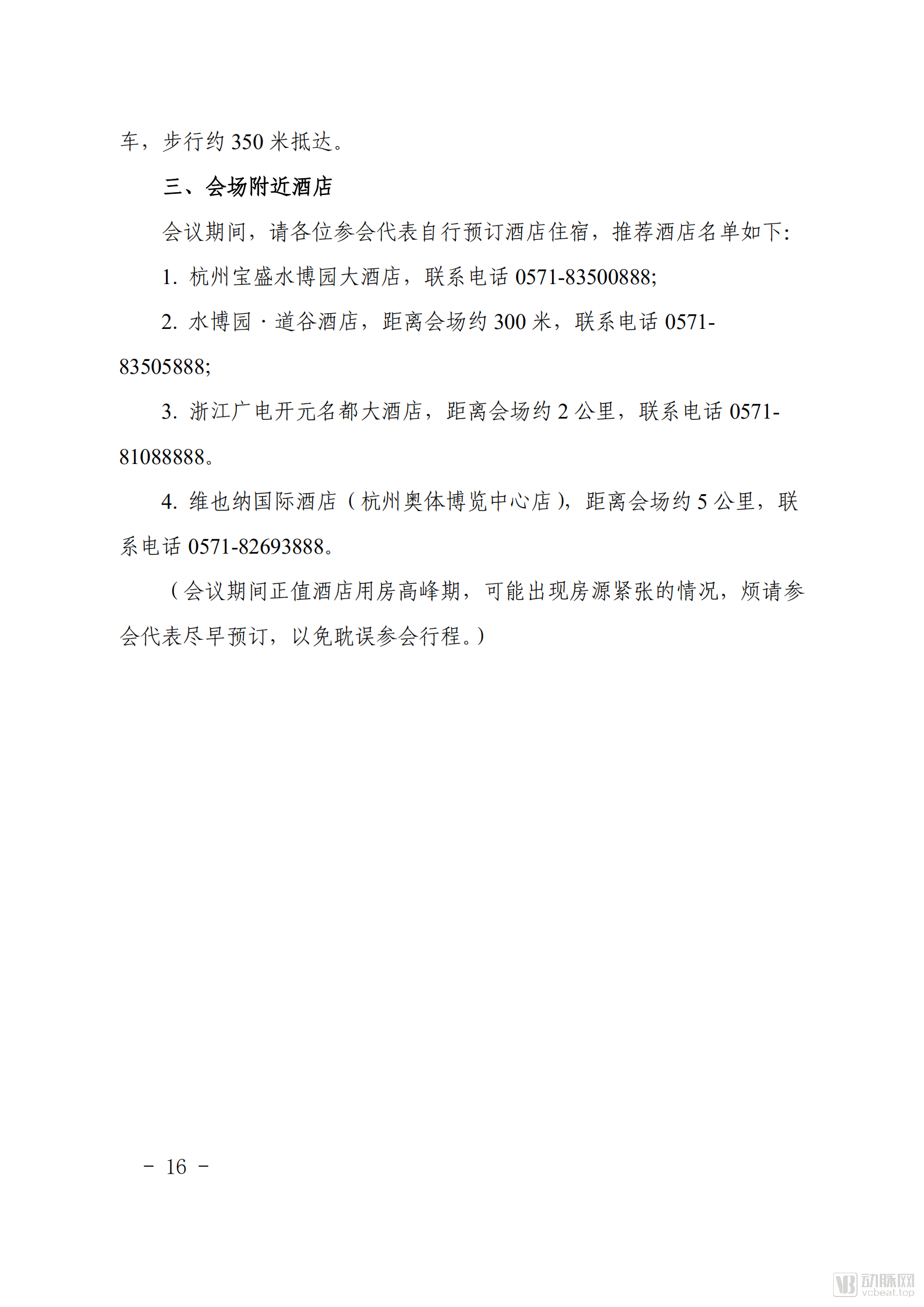
(3) Transportation and accommodation during the conference shall be at the participants’ own expense. For recommended hotels, please refer to Appendix 3.
(IV) Conference Contact Person and Contact Information
Zhang Wanlin 18518901000
Liu Mengfan 15120079047
Huang Shiyuan 13521822293 010-80698589
Association Email: ciia-mhi@outlook.com