

Million Families Blood Pressure Health Management Initiative Launches in Inner Mongolia with Prospectus Filing
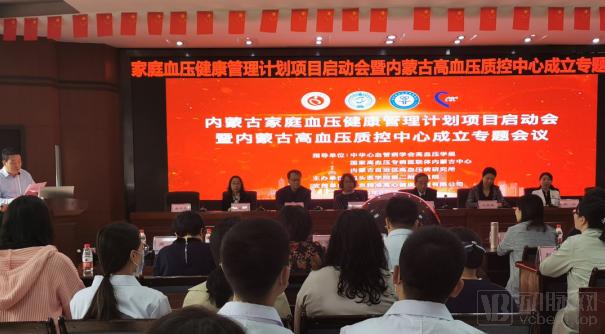
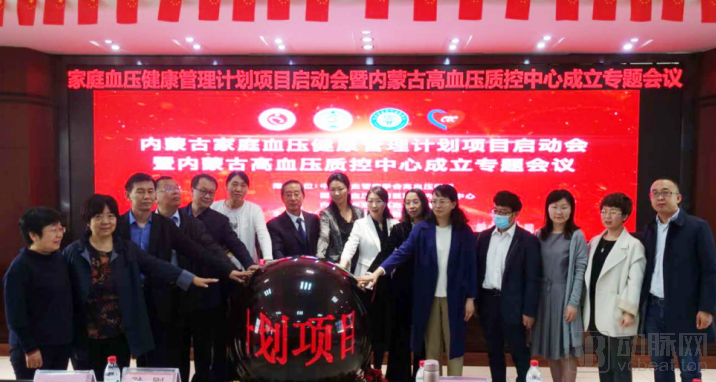
On October 8, 2020, as National Hypertension Day approached, the “Blood Pressure Health Management Plan for Ten Million Families” was officially launched. Initiated by the Gaoyaxiaofu (Hypertension Doctor) APP, the plan received enthusiastic support from multiple centers within the National Center for Cardiovascular Diseases’ Hypertension Specialty Medical Consortium and was first implemented in the Inner Mongolia Autonomous Region. As the leading organizations for the plan in Inner Mongolia, the Inner Mongolia Institute of Hypertension and the Second Affiliated Hospital of Baotou Medical College organized the launch ceremony and observation activities.
According to the Report on Cardiovascular Health and Diseases in China (2019), overall, the prevalence and mortality of cardiovascular diseases (CVD) in China remain on the rise. The estimated number of prevalent CVD cases is 330 million, with hypertension accounting for the largest share at 245 million. Among adults aged 18 years and older, the prevalence of hypertension (≥140/90 mmHg) is 27.9%, while the awareness rate is 46.9%, treatment rate is 40.7%, and control rate is 15.3%. The treatment rate among those aware of their condition is 86.8%, and the control rate among those receiving treatment is 37.6%. Both the awareness and control rates remain at relatively low levels, below 50%. Currently, CVD ranks as the leading cause of death among both urban and rural residents, accounting for 45.91% of deaths in rural areas and 43.56% in urban areas. The burden of CVD in China is increasingly heavy, having become a major public health issue, making the prevention and control of CVD an urgent priority.
To reduce the growing disease burden of cardiovascular diseases, the report points out that on one hand, it is still necessary to emphasize improving medical standards and quality, as well as strengthening control over cardiovascular risk factors; on the other hand, widespread health education must be vigorously promoted, emphasizing that each individual is primarily responsible for their own health, and actively managing behavioral risk factors.
In 2017, 2.54 million people in China died from high systolic blood pressure, of whom 95.7% (95.6%–96.4%) died from cardiovascular diseases. If all hypertensive patients were treated, there would be an annual reduction of 803,000 cardiovascular events (including 690,000 fewer strokes and 113,000 fewer myocardial infarctions), gaining 1.2 million healthy life years.
Meanwhile, health economics research indicates that an annual per capita investment of RMB 800 in community-based hypertension management in China can yield positive net benefits. The “Ten Million Families Blood Pressure Health Management Initiative” was launched precisely to help address these challenges.
In recent years, home blood pressure monitoring and management in patients with hypertension have become a focus of attention for scholars and clinicians in the global cardiovascular field.
The American Heart Association (AHA), the European Society of Cardiology (ESC), and the Japanese Society of Hypertension (JSH), as well as the National Center for Cardiovascular Diseases and the Hypertension Committee of the Chinese Medical Doctor Association, all recommend that, in addition to office blood pressure measurements, home blood pressure monitoring (HBPM) and 24-hour ambulatory blood pressure monitoring (ABPM) be used for the diagnosis of hypertension, white-coat hypertension, and masked hypertension. Furthermore, these methods play a certain role in evaluating drug efficacy and its duration, assessing blood pressure-lowering effects, and improving patient adherence.
In Japan, a country neighboring China, the use of home blood pressure monitors is extremely widespread. Statistics show that 77% of hypertensive patients and 40% of non-hypertensive individuals own a blood pressure monitor and perform home blood pressure monitoring (HBPM). Therefore, the Japanese Society of Hypertension Guidelines for the Management of Hypertension 2019 (JSH2019) classified hypertension based on HBPM, making it the first guideline to propose hypertension grading according to HBPM.
The “Ten Million Families Blood Pressure Health Management Initiative,” launched by the Hypertension Doctor APP, aims to collaborate with centers at all levels of existing hypertension-specific medical consortia across various regions. Drawing on experiences from the construction of national comprehensive prevention and control demonstration zones for hypertension as a chronic disease, the initiative plans to cover ten million households over three years through multiple “Healthy Blood Pressure” themed actions, including health education, blood pressure awareness, effective screening, health promotion, and standardized management. This effort seeks to effectively implement home blood pressure monitoring (HBPM) and health management, thereby contributing to the achievement of indicators related to the prevention and control of cardiovascular and cerebrovascular diseases outlined in the Healthy China Action (2019–2030).
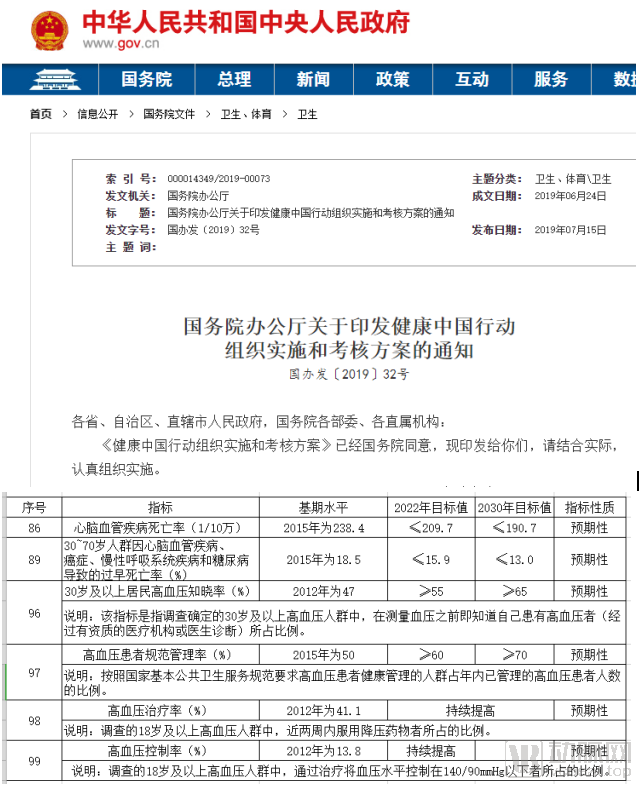
The implementation of the “Blood Pressure Health Management Plan for Millions of Families” will expand from pilot sites to broader areas, and from regional levels to a national scale, enhancing Chinese residents’ understanding of hypertension and related diseases, and effectively improving the three key rates of hypertension management.
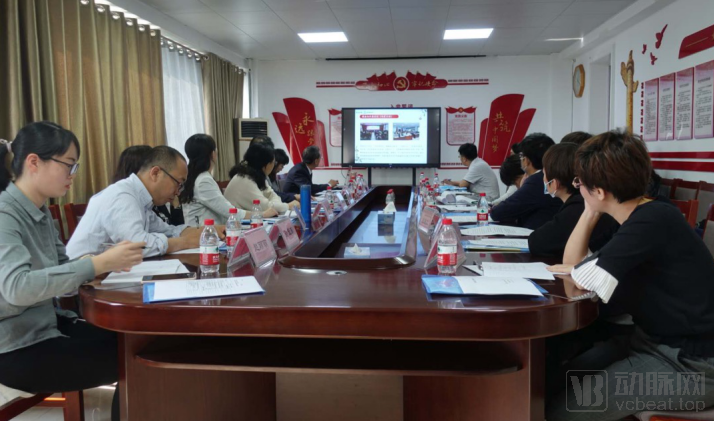
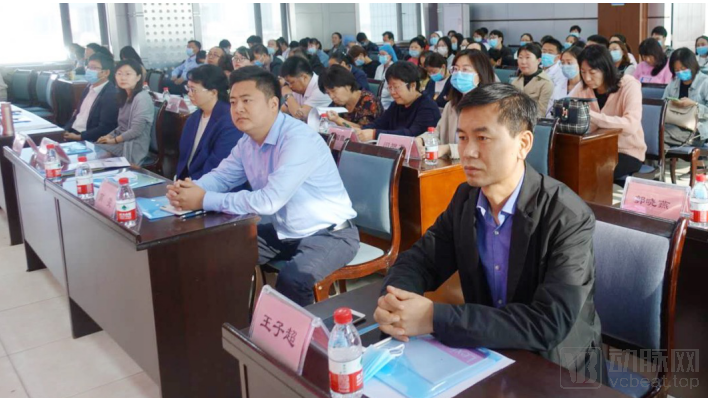
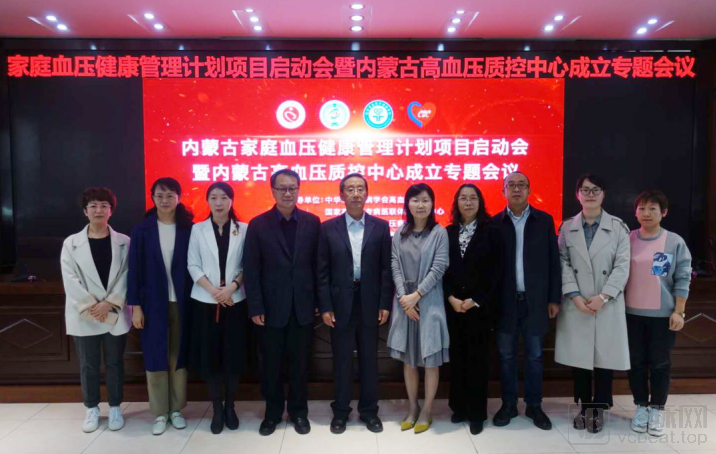
Prior to National Hypertension Day, the “Launch Meeting of the Inner Mongolia Home Blood Pressure Health Management Program and Special Symposium on the Establishment of the Inner Mongolia Hypertension Quality Control Center” commenced at the Second Affiliated Hospital of Baotou Medical College in Baotou City. The launch ceremony was presided over by Tang Cunliang, Director of the Medical Affairs Department of the Second Affiliated Hospital of Baotou Medical College. More than 100 key representatives from member units of the National Cardiovascular Disease Center’s Hypertension-Specialized Medical Consortium attended the launch and on-site observations, including those from the Inner Mongolia Autonomous Region Institute of Hypertension, the Second Affiliated Hospital of Baotou Medical College, the People’s Hospital of Inner Mongolia Autonomous Region, the People’s Hospital of Hulunbuir City, the Xilingol League Hospital of Inner Mongolia Autonomous Region, the First Affiliated Hospital of Baotou Medical College, Chifeng Hospital, Bayannur Hospital, Ulanqab Central Hospital, Ordos Central Hospital, and various community health centers in Baotou City.
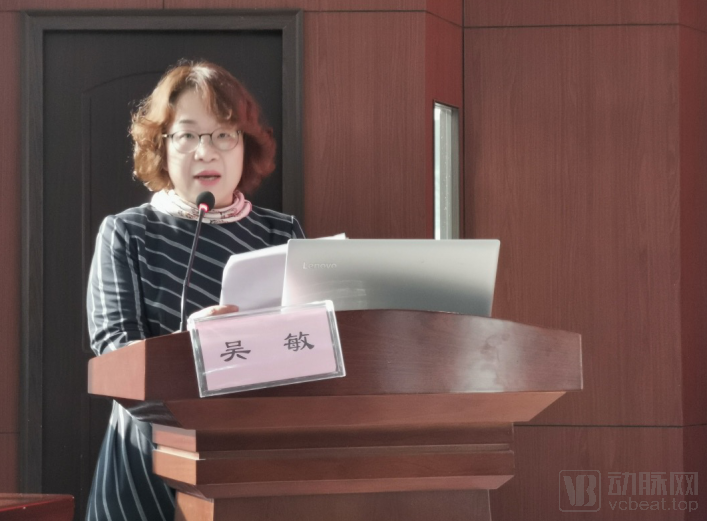
Wu Min, Vice President of the Second Affiliated Hospital of Baotou Medical College, delivered a speech on behalf of the hospital. She stated that the Hypertension Research Office of the Second Affiliated Hospital of Baotou Medical College is the predecessor of the Inner Mongolia Institute of Hypertension. Since the establishment of the Inner Mongolia Institute of Hypertension in 2005, the hospital has continued to prioritize and invest in the prevention and treatment of hypertension and its related cardiovascular and cerebrovascular diseases in the region. In 2019, the Second Affiliated Hospital of Baotou Medical College successfully passed the verification and certification by the expert panel of the Chinese Hypertension Center Certification Committee, becoming the first and, to date, the only Chinese Hypertension Center in the Inner Mongolia Autonomous Region. The launch of the Inner Mongolia Home Blood Pressure Health Management Program will undoubtedly pioneer a new model for hypertension patient management in the Inner Mongolia region.
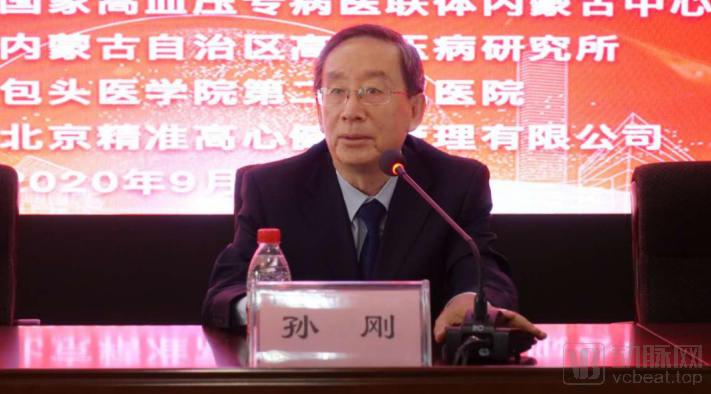
Professor Sun Gang, the academic leader of the Inner Mongolia Institute of Hypertension and head of the Inner Mongolia Home Blood Pressure Health Management Program, stated that home blood pressure monitoring (HBPM) has become an indispensable tool for effectively improving the awareness and control rates of hypertension. The advantages of HBPM include its ability to assess the efficacy of antihypertensive treatment and long-term blood pressure variability over days, weeks, months, or even years, making it suitable for long-term blood pressure monitoring by patients. In terms of prognostic significance, HBPM shows a stronger correlation with blood pressure-induced target organ damage than office blood pressure measurements. Furthermore, HBPM is significantly superior to office blood pressure in predicting cardiovascular morbidity and mortality.
First, home blood pressure monitoring helps improve the awareness rate of hypertension. The significant value of households owning blood pressure monitors and conducting home blood pressure monitoring lies in the timely detection of elevated blood pressure through regular measurements, thereby enabling prompt diagnosis and treatment of hypertension and preventing the occurrence of cardiovascular and cerebrovascular complications. Developed countries and regions such as those in Europe, the United States, and Japan, as well as first-tier cities in China like Beijing, Shanghai, and Guangzhou, have high rates of household ownership of blood pressure monitors, along with higher awareness and control rates of hypertension.
Secondly, it can improve the accuracy of hypertension diagnosis. Home blood pressure monitoring can more accurately and comprehensively reflect an individual's blood pressure levels during daily life, and effectively differentiate "white-coat hypertension" or "uncontrolled white-coat hypertension," as well as "masked hypertension" or "uncontrolled masked hypertension."
Furthermore, it can improve the accuracy of prognostic assessment in patients with hypertension. Compared with office blood pressure measurements, home blood pressure monitoring offers certain advantages in prognostic evaluation. A meta-analysis of 1,702 patients from the Japanese Ohasama Study demonstrated that home blood pressure monitoring has significant advantages in enhancing the prediction of stroke.
Finally, home blood pressure monitoring improves the rate of achieving target blood pressure in antihypertensive therapy. In addition to enhancing the diagnostic accuracy of hypertension, home blood pressure monitoring can also improve control rates by promptly detecting uncontrolled blood pressure, thereby providing a basis for adjusting antihypertensive treatment regimens.
Professor Sun Gang believes that with the innovation and development of concepts in the diagnosis and treatment of hypertension, home blood pressure monitoring (HBPM) has made significant progress. Electronic blood pressure monitors have become commonplace in households, and many patients with hypertension are conducting HBPM in a standardized manner. HBPM has become an indispensable means of effectively improving the awareness and control rates of hypertension. However, alongside these achievements, certain problems persist. Many technological advances in HBPM with significant clinical application value have not been fully leveraged. For instance, although information technologies such as the internet, wireless communication, and cloud computing are highly developed, the recording, storage, analysis, and interpretation of blood pressure measurement data remain at a rudimentary, paper-based level.
Although home blood pressure monitoring in China has made significant progress in terms of "quantity," it is still necessary to“Tens of Millions of Families Blood Pressure Health Management Program”to enhance "quality" and improve the standardization, informatization, and intelligence of home blood pressure monitoring, thereby further promoting the healthy development of home blood pressure monitoring initiatives and fully leveraging its critical role in hypertension management. The Inner Mongolia Home Blood Pressure Health Management Program will be launched at the Second Affiliated Hospital of Baotou Medical College and gradually expanded to cover the entire autonomous region.
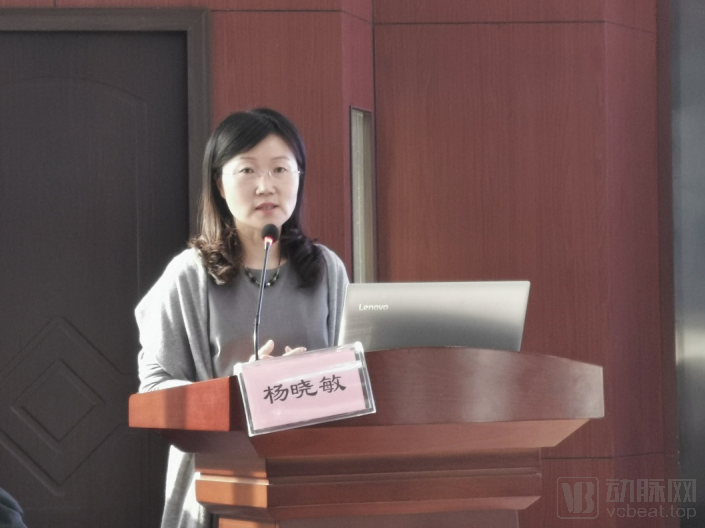
Professor Yang Xiaomin, Deputy Director of the Inner Mongolia Institute of Hypertension, is a core member of the Inner Mongolia Home Blood Pressure Health Management Program. At the launch ceremony, she provided a comprehensive introduction to the project, covering its research background, significance, objectives, content, and methodology. She stated that the establishment of the “Regional Intelligent Home Blood Pressure Management System” leverages technological tools such as smart blood pressure monitors, smartphone applications, and internet-based cloud platforms to provide users with one-stop home healthcare services. Through this system, patients’ smart blood pressure monitors are directly linked to their physicians’ mobile devices. After patients measure their blood pressure at home, physicians can remotely monitor and manage their readings via the app. Internet technology expands the scope of hospital services, extending care from medical institutions directly into patients’ homes. Patients can establish “point-to-point” communication with their physicians through the app, receiving professional guidance without leaving home.
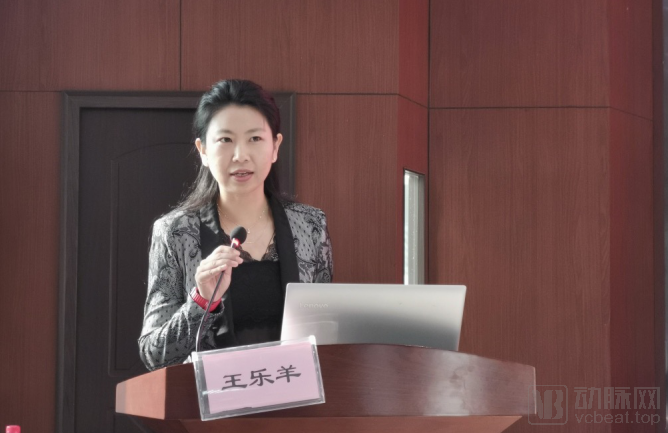
The Hypertension Doctor APP is “The initiator of the “Tens of Millions of Families Blood Pressure Health Management Program” and the service support platform for the “Tens of Millions of Families Blood Pressure Health Management Program,”Wang Leyang, the person in charge, stated that home blood pressure monitoring is a crucial tool for managing chronic diseases such as hypertension and represents an effective management model advocated and recommended by numerous experts and scholars. Leveraging IoT technology, the internet, and big data applications enables remote transmission of blood pressure data and establishes connectivity among physicians and patients, as well as between hospitals and communities, families, and patients. This facilitates seamless integration of online management with offline clinical care, which will significantly improve treatment adherence among hypertensive patients and enhance the standardized management and diagnostic and therapeutic capabilities for hypertension.
She cited the relevant statements from the “Notice of the Office of the Healthy China Action Promotion Committee on Issuing the 2020 Work Plan for Promoting the Implementation of the Healthy China Action,” dated September 4, 2020, which proposed: “Integrate cardiovascular disease prevention and control efforts with the development of regional cardiovascular disease centers. Carry out key liaison point initiatives for the integration of medical care and prevention in grassroots hypertension management, summarize and promote grassroots chronic disease management service models, and improve the homogenization and standardization of grassroots hypertension health management.” She pointed out that the Inner Mongolia Home Blood Pressure Health Management Program is a management model developed based on the actual conditions of hypertension prevention and control management in the Inner Mongolia Autonomous Region and the requirements of the Healthy China Action promotion initiatives. There is confidence that it will become a successful innovation in the integration of medical care and prevention for hypertension health management, not only within the autonomous region but also nationwide.
To ensureAs part of the implementation of the “Blood Pressure Health Management Plan for Millions of Households,” the Hypertension Doctor APP, in collaboration with Professor Sun Gang’s team, has also developed the “Home Blood Pressure Report” functional module, which will significantly enhance the management proficiency and standardization among primary care chronic disease managers.
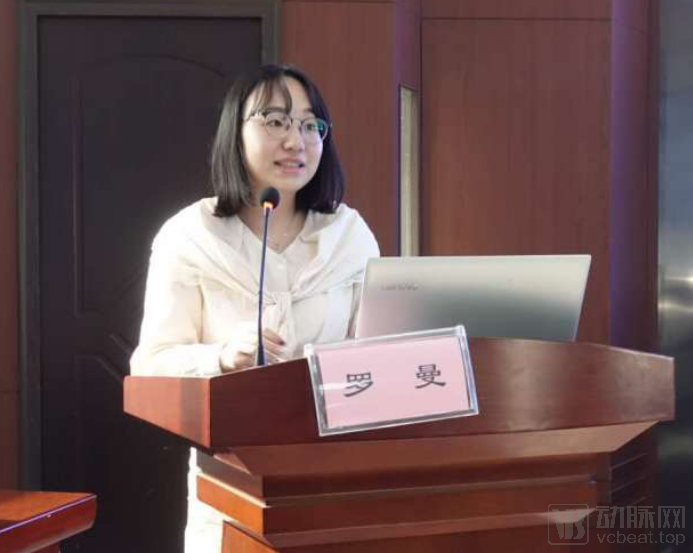
At the launch event, Luo Man, Operations Manager of the Hypertension Doctor app, introduced the Home Blood Pressure Health Management Platform within the app. By integrating service scenarios for home blood pressure management, physician operation guidelines, patient operation guidelines, and operational instructions for smart blood pressure collection terminals used in clinic follow-ups, the platform has built a bridge for doctor-patient communication and scientific disease management.
Around National Hypertension Day,“Blood Pressure Health Management Plan for Millions of Families”will bePrograms have been successively launched in multiple regions, including Ningxia, Shanghai, Hunan, and Liaoning, benefiting tens of millions of Chinese households.
Introduction to the Hypertension Doctor Platform
The Hypertension Doctor Platform is a health management platform serving China’s vast population of patients with chronic diseases. Leveraging the leading advantages of the national-level medical consortium service system and model for chronic diseases, the platform is committed to providing authoritative, professional, scalable, and highly empowering collaborative systems for precise chronic disease management to institutions and professionals in the field.
The Hypertension Specialist Platform has undertaken the construction of platforms for hypertension center research projects, including two national-level initiatives—the STEP Project at Fuwai Hospital, Chinese Academy of Medical Sciences, and the MUCH Project at Beijing Anzhen Hospital, Capital Medical University—as well as the coronary heart disease research and information management project in Shunyi District, Beijing. By managing tens of thousands of hypertensive patients within these research projects, the platform has established a professional, intelligent cloud-based hypertension management service platform in China. It provides a range of services to hypertension specialists and patients, including intelligent follow-up, case data collection, patient management, consultation and communication, and health education.
In late November 2017, the National Center for Cardiovascular Diseases established the Hypertension Specialty Medical Consortium in Beijing. The Hypertension Doctor Platform serves as the technical support platform for this consortium, covering cardiovascular specialists across China and managing tens of millions of hypertensive patients nationwide. It is committed to advancing the prevention and control of hypertension at the primary care level and improving the national hypertension control rate in China.
In 2019, leveraging the Hypertension Specialty Medical Consortium of the National Center for Cardiovascular Diseases, we jointly built a platform for the prevention and control management system of hypertension as a chronic disease, aligning with national hypertension management guidelines and standards. We also launched the construction of National Comprehensive Prevention and Control Demonstration Zones for Hypertension (initially implemented in Shunyi District, Beijing; Guandu District, Yunnan; Mingshui County, Heilongjiang; Nanchang County, Jiangxi; and Lishui District, Nanjing). This initiative established a collaborative network model between primary healthcare systems and chronic disease management, using hypertension as a focal point. It effectively improved the rates of standardized management, treatment, and blood pressure control among hypertensive patients in the demonstration zones, laying a theoretical and practical foundation for the establishment of China’s hypertension prevention and control network and broader chronic disease management system.