

diagDX Liquid-Phase Microfluidic Chip System: Revolutionizing High-Precision POCT Diagnostics
The advent of microfluidics technology stems from scientists’ pursuit of automation and maximized efficiency. Over the past decade, domestic microfluidic in vitro diagnostic (IVD) products have remained a favorite among investors. However, in the marketplace and among end users, ultimate competitiveness hinges on core strengths—namely, product performance. Today, we unveil how the launch of the diagDX liquid-phase biochip micro-total analysis system is sparking a “testing revolution” in the healthcare industry.
Microfluidic chips, also known as “lab-on-a-chip,” integrate advanced achievements from multiple disciplines, including fluidics, materials science, biology, and optics. They miniaturize tasks that previously required large-scale laboratories—such as blood component separation, specific protein labeling, and the labeling of specific organic substances and other biochemical components—onto a single chip. With advantages such as high automation and integration, microfluidic chips have become one of the most closely watched new technologies in the point-of-care testing (POCT) field in recent years.
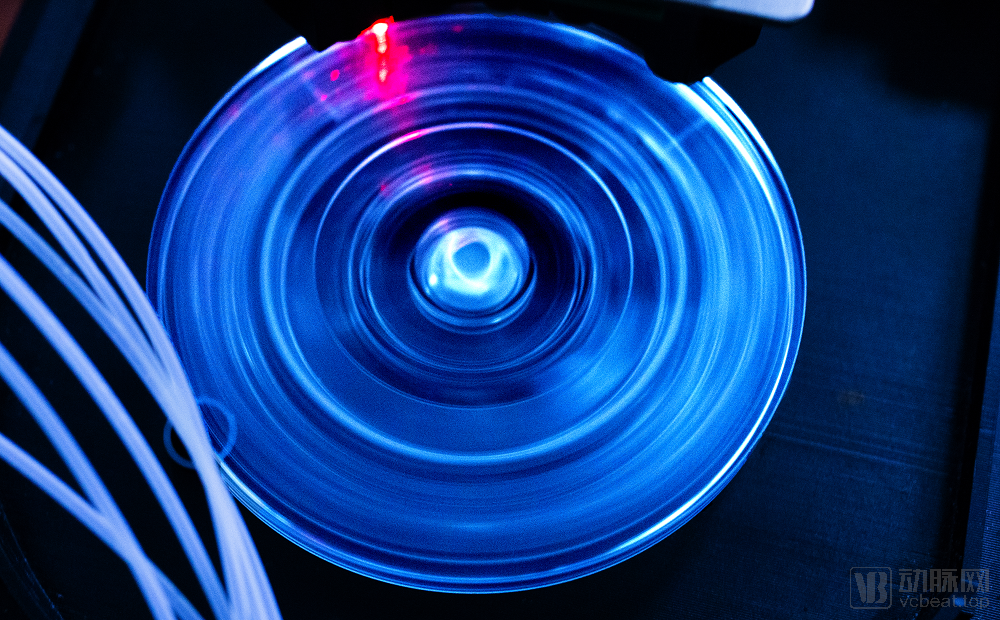
Leveraging characteristics such as miniaturization and high efficiency, microfluidic chips contribute most significantly to the POCT sector within the IVD niche and serve as the primary driver for the development of the microfluidics industry. As medical needs become increasingly diverse, POCT faces a dilemma: how to balance high throughput with portability, precision with simplicity, and multi-analyte panel testing with flexible combinations? How can multiple methodologies be integrated, and how can the “gold standard” performance of large-scale instruments be condensed onto chips to achieve a qualitative breakthrough in POCT?
What pain points does diagDX address?
In recent years, microfluidics has transitioned from the laboratory to commercialization, yet it has consistently faced challenges: complex fabrication processes, low yield rates, and high costs. Recently, diagDX—a liquid-phase biochip micro-total analysis system—has made a significant breakthrough in the field of microfluidic diagnostics. By leveraging innovative, disruptive design concepts and foundational technologies, it addresses the three major pain points of microfluidic POCT: high precision, high throughput, and low cost. With just one drop of whole blood and a single chip, using all-liquid reagents and supporting multiple methodologies, it enables flexible, multi-analyte testing combinations. The detection precision achieves a coefficient of variation (CV) of 2%, and the cost per test disc is significantly lower than that of comparable products. What strategic thinking, technological expertise, and industrialization capabilities does its founding team possess?
diagDX Design Philosophy
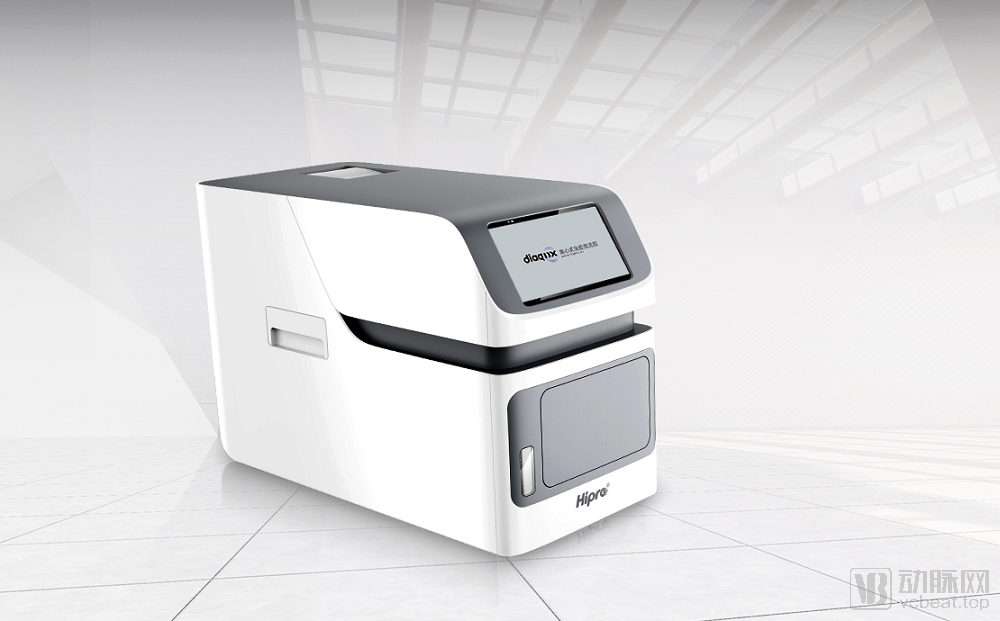
If microfluidic technology fails to deliver high precision, high throughput, and low cost, it holds no value. Superior microfluidic chips are not merely about integrating microfluidic elements into traditional testing paradigms or donning a microfluidic facade; they are neither about showing off technical prowess nor about superficial packaging. Instead, they aim to leverage advanced technology to achieve tangible high performance. Guided by this philosophy, a disruptive microfluidic chip system has emerged.
Some microfluidic product designs are conceptually simple, yet their manufacturing processes are extremely complex, resulting in persistently high costs that hinder their transition from the laboratory to the market. diagDX first established a microfluidics platform and then implemented diagnostic assays on it. Through extensive upfront work in chip flow validation, raw material modification, sensor design, and integration across the entire industry chain, diagDX has laid a solid foundation for industrialization.
The Breakthrough Strategy of diagDX
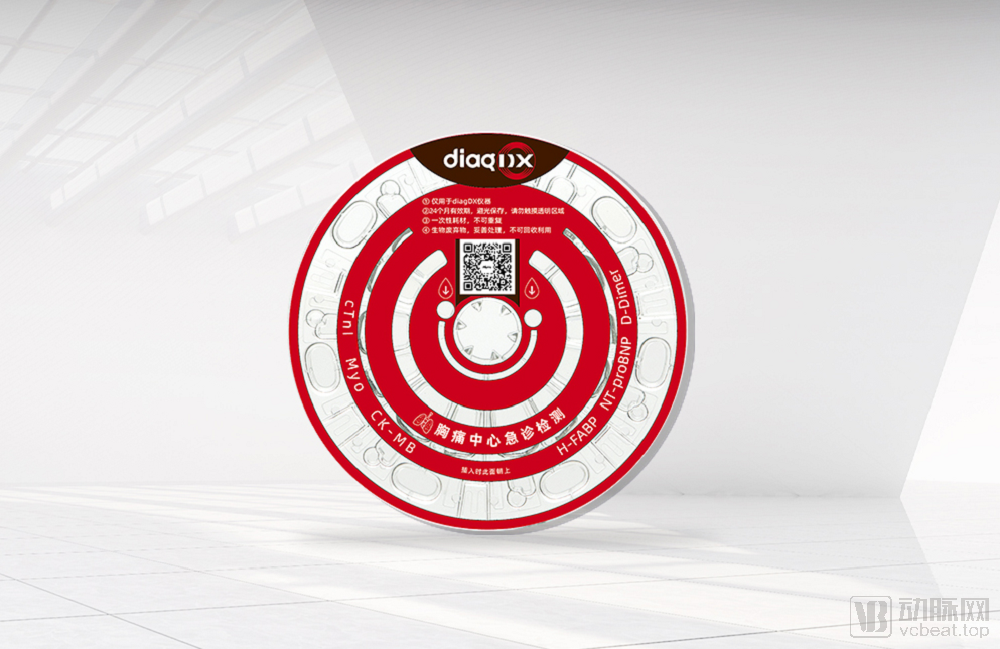
Bottlenecks of Global Traditional Centrifugal Microfluidics: Pre-stored Lyophilized Reagents on Discs Face Challenges in Process Cost, Batch-to-Batch Variability, and Quality Control. diagDX Innovatively Separates Chips from Reagents. The Chip Is a Blank Disc with Several Partitions and Pre-built Flow Channels and Reaction Chambers, Featuring Precise Internal Structures with a Minimum Channel Width of 60 Microns, While Also Being More Cost-Effective. Liquid-phase Reagents Are Stored in the Thermostatic Reagent Compartment of the Detection Instrument, Where Quantitative Reagents Are Injected into the Chip According to Project Requirements. This Design of Separating Reagents Enhances Flexibility and Scalability for Testing.
DiagDx liquid-phase biochip demonstrates analytical precision equivalent to that of central laboratories. Comprehensive control over the testing process ensures the accuracy and reliability of results. The system features more efficient whole-blood separation, precise reaction control, uniform and rapid reaction kinetics, superior optical performance, and more effective quality control, all within a reaction system requiring smaller sample volumes and reduced reagent consumption.
Amid the healthcare landscape characterized by the construction of the “Five Major Centers” and the implementation of DRG (Diagnosis-Related Group) case-based payment systems, diagDX categorizes its chip-based panels by disease type. All testing panel combinations are designed in strict accordance with national clinical expert guidelines. For instance, the Chest Pain Six-Item Panel integrates six biomarkers—cTnI, Myo, CK-MB, NT-proBNP, D-Dimer, and H-FABP—into a single chip, delivering results within 15 minutes from sample collection, thereby aligning with the national standards for Chest Pain Center development. Additionally, panels can be personalized based on individual patient conditions to meet the customized needs of various centers and specialties, highlighting a key advantage of the diagDX platform’s design philosophy.
For 14 years, Hebai Biotechnology has been dedicated to the innovation and development of in vitro diagnostic (IVD) products. In 2012, it pioneered an integrated sampler platform that transformed operational practices within the IVD industry and spearheaded the adoption of single-packaging liquid-phase reagents. Building on this platform, the company has established nearly 40 mature and stable assay tests, which have withstood years of market validation and gained a foothold in nearly 10,000 end-user institutions. Existing reagents can be seamlessly migrated to its microfluidic platform, ensuring synergistic product platform iteration.
The development of diagDX spanned five years, initially involving collaboration with seven PhDs from the University of Freiburg in Germany to jointly complete the proof-of-concept for liquid-phase microfluidic discs. In late 2019, the Hepu Nanjing Research Institute was officially established, attracting not only professional R&D talent from major local universities but also two PhD graduates from Imperial College London. Among them, Dr. Gareth studied under Professor Andreas Manz, the pioneer of microfluidics, and is a world-leading expert in microfluidic chip technology. This innovative team has developed multiple platforms, including immunoturbidimetric reagents, fluorescent chromatography reagents, instrument hardware and software, and microfluidic molecular diagnostics. With strong capabilities in advancing its R&D pipeline and extensive experience in industrialization, the company has achieved a specialized layout ranging from biochemical immunology to molecular diagnostics.

Hebai Biotech has completed product R&D using its own funds, leveraging high-tech solutions to achieve high precision. The products are currently undergoing registration, while the company is simultaneously conducting its Series C financing round. The funds will be primarily used for industrialization, iterative development of the diagDX series, and the strategic layout of a microfluidic molecular diagnostics platform, thereby fostering a rapid diagnostic ecosystem spanning biochemistry, immunology, chemiluminescence, and molecular diagnostics.
Hebai Bio possesses comprehensive manufacturing capabilities spanning from chips to reagent kits, and from reagents to instruments, leveraging economies of scale and whole-industry-chain design to reduce chip costs to RMB 1. Its industrial park, located in China Medical City in Taizhou, Jiangsu Province, covers an area of 53.3 mu. The first phase, comprising a 10,000-square-meter microfluidic chip manufacturing facility with automated and intelligent GMP-compliant cleanrooms, was completed at the end of 2020. The second phase involves the construction of 53,000 square meters of ancillary cleanroom workshops, aiming to establish a global hub for the microfluidics industry.
In recent years, as healthcare reform has deepened, the localization of laboratory equipment in China will continue to accelerate. The market demand for cost-effective point-of-care testing (POCT) products is more urgent than ever; only disruptive products that truly address user pain points are likely to emerge as ultimate winners. The irreplaceability of full-methodology liquid-phase microfluidic chip technology, coupled with continuously growing market demand, is bound to spark a revolution in diagnostic testing. Commercialization of domestic microfluidic products has begun to show promise, and driven by technological advancements and capital support, this trend is expected to significantly propel the development of the clinical diagnostics industry.