

AACR Features Prophet Genomics’ UroCAD: A Home-Based Urine Test for Urothelial Cancer Detection
VCBeat (WeChat Official Account: vcbeat) has learned that on October 9, 2020 (Eastern Time), the American Association for Cancer Research (AACR) reported on UroCAD, a home-based cancer detection product developed by a Chinese in vitro diagnostics company. In the detection of urothelial carcinoma, the product demonstrated a specificity of 96% and a sensitivity of 82%, with the sensitivity for high-grade urothelial carcinoma reaching 92%, significantly surpassing the urine cytology tests currently used in clinical practice. The UroCAD test offers greatly improved stability and reproducibility, requiring only a small amount of urine collected at any time of day, allowing for completion of the test via home sampling.
The core technology of this product was exclusively developed by Suzhou Hongyuan Biotechnology Co., Ltd. (hereinafter referred to as “Prophet Genomics”). Through a collaboration with the Department of Urology at Shanghai Changhai Hospital, Prophet Genomics completed the clinical validation of the UroCAD product (International Clinical Trial Number: NCT03998371). The results of this clinical validation were published online this October in the renowned American cancer medicine journal Clinical Cancer Research. The American Association for Cancer Research (AACR) conducted an exclusive interview and issued a media release on UroCAD.

National Urology Experts Participate in Clinical Validation of UroCAD Product
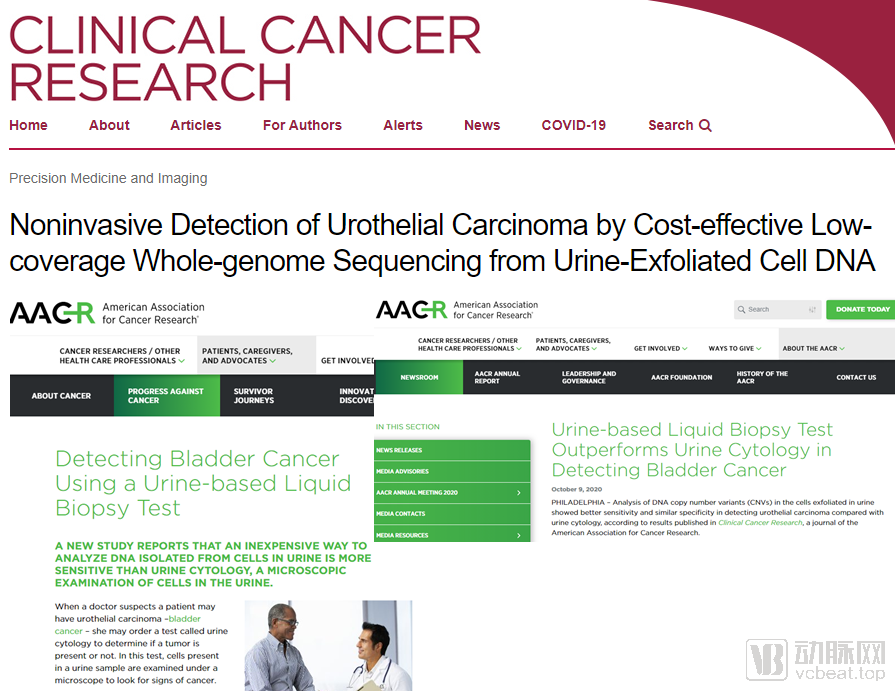
American Association for Cancer Research Report on UroCAD
UroCAD is characterized by its convenience, painless and non-invasive nature, and high accuracy. Research findings support its use in the auxiliary diagnosis of urothelial carcinoma (including bladder cancer, ureteral cancer, and renal pelvis cancer) and in postoperative monitoring for recurrence. Patients can perform self-sampling at home using a test kit and mail it to a clinical testing center to obtain analytical results. As an adjunct for preoperative diagnosis and postoperative recurrence monitoring of urothelial carcinoma, this product provides significant assistance to urologists in clinical diagnosis. Furthermore, it effectively reduces the frequency of postoperative cystoscopy, thereby avoiding the pain and inconvenience associated with the procedure, as well as delays in follow-up examinations caused by patient fear.
Currently, the UroCAD product is sold across all provinces in China, allowing patients to access testing services locally.
Founded in late 2017, Prophet Genomics is a company dedicated to the development of cancer diagnostic products. Leveraging its independently developed nucleic acid molecular detection technology—U.CAD, an ultra-sensitive chromosomal aberration detection technique—the company performs data mining on whole-genome maps to obtain tumor-associated chromosomal aberration information. This approach overcomes the limitations of traditional diagnostic methods, which often fail to detect mutations due to excessively small fragment sizes or low mutation abundance.
Qian Ziliang, CEO of Prophet Genomics, earned his Ph.D. from the Chinese Academy of Sciences. He has held positions at several major pharmaceutical companies and academic institutions, including AstraZeneca Pharmaceuticals, Johnson & Johnson Pharmaceuticals, and Stanford University School of Medicine, where he conducted research on late-stage cancer drug screening and companion diagnostics. Subsequently, he served as a Molecular Diagnostics Researcher at Roche, focusing on diagnostic research for early-stage viruses and tumors.
Qian Ziliang’s experience in developing drugs for advanced-stage cancer gave him new insights into cancer treatment and motivated his shift from therapy to diagnostics. Rather than confronting the suffering caused by late-stage cancer, it is better to focus on early diagnosis and intervention, thereby extinguishing the spark of cancer at its source.
With this vision, Dr. Qian Ziliang joined forces with Dr. Xu Wensheng, a clinician from the front lines of medical practice, and Dr. Shen Lijian, a leader in the genetic testing industry, to co-found Prophet Genomics. Together, they are dedicated to addressing critical challenges in cancer care, particularly early tumor diagnosis and monitoring for tumor recurrence. Dr. Xu Wensheng previously served as Director of the Department of Infectious Diseases at Shanghai Changzheng Hospital and as Vice Chairman of the Virology Branch of the Shanghai Medical Association. Dr. Shen Lijian earned his bachelor’s degree from Peking University and completed his doctoral studies at Cornell University. His professional experience includes serving as Director and General Manager of GENEWIZ, Executive Deputy Director of the BGI Research Institute and the China National GeneBank in Shenzhen, and Vice President of Beijing BioCapital Crystal Diagnostics Biotechnology Co., Ltd.
“With advances in medical technology, cancer is gradually becoming a type of chronic disease. Through enhanced management, patients can achieve long-term survival with tumors. For example, after transurethral resection for bladder cancer, strengthened postoperative management enables timely detection of recurrence and prompt retreatment, thereby preventing life-threatening metastasis and achieving long-term postoperative survival. Another example is that the progression from benign prostatic hyperplasia to prostate cancer takes decades; during this period, patients who strengthen self-management can reduce cancer incidence and mortality rates. Currently, Prophet Genomics has developed a series of home-sampling diagnostic products covering multiple common cancers: in men, bladder cancer, ureteral cancer, renal pelvis cancer, and prostate cancer; in women, cervical cancer, endometrial cancer, fallopian tube cancer, ovarian cancer, and breast cancer. Clinical validation results for these products will be published sequentially, and we look forward to greater participation and support from more clinical institutions in Prophet Genomics’ clinical translation research,” said Qian Ziliang, CEO of Prophet Genomics.
Currently, nucleic acid-based molecular products for early cancer diagnosis in the market are primarily developed around technical principles such as chromosomal aberrations, methylation, and point mutations, among which chromosomal aberrations serve as one of the main bases for clinical tumor diagnosis.
Chromosomal aberration analysis has been utilized in hospital pathology departments for tumor diagnosis for half a century, gaining widespread recognition from frontline clinicians. Recent studies have shown that through systematic analysis of 11,074 samples across 33 different cancer types in the TCGA database, chromosomal aberrations were detectable in approximately 94% of the samples, indicating the universal applicability of this technology in cancer detection. Prophet Genomics is developing products for early cancer diagnosis and recurrence monitoring based on chromosomal aberration analysis, effectively bringing the capabilities of hospital pathology departments into patients’ homes and enabling physicians to guide patients in self-managing their cancer care.
Cancer development is a protracted process. The ability to effectively detect the propensity for malignant transformation in tissues at an early stage plays a critical role in reducing cancer mortality. Prophet Genomics focuses on the chronic disease characteristics of cancer, aiming to ensure that the majority of cancer patients are diagnosed at an early stage, thereby achieving long-term survival through effective treatment. Furthermore, precise tumor burden monitoring enables effective patient follow-up and improves overall survival outcomes.
Prophet Genomics has improved and upgraded traditional clinical testing methods to enhance the ease of use of its early cancer detection products, facilitating patient self-management. Leveraging CAD (Chromosome Aberration Diagnosis) as its core technology, Prophet Genomics has conducted research on multi-cancer diagnostics, focusing on two aspects: detection of carcinogenic predisposition and long-term cancer management. Accordingly, the company has established two major product pipelines: chronic cancer management testing and testing for the malignant transformation tendency of precancerous lesions.
Detecting tumor signals from low-abundance biological samples (where tumor cell DNA content is less than 5%) is a challenging task. Effective detection relies on the accumulation of extensive baseline data from large cancer patient populations, particularly data related to "non-tumorous" conditions. Prophet Genomics leverages machine learning to reduce interference from non-specific signals, thereby delivering accurate test results. The accumulation of baseline data, along with improvements in data-driven diagnostic and computational methods, has laid a solid foundation for Prophet Genomics' industry-leading position. Since its establishment, Prophet Genomics has completed low-coverage whole-genome sequencing for over 10,000 cases of various diseases, building a proprietary database. Furthermore, the performance of its CAD series products continues to improve as more data is accumulated.
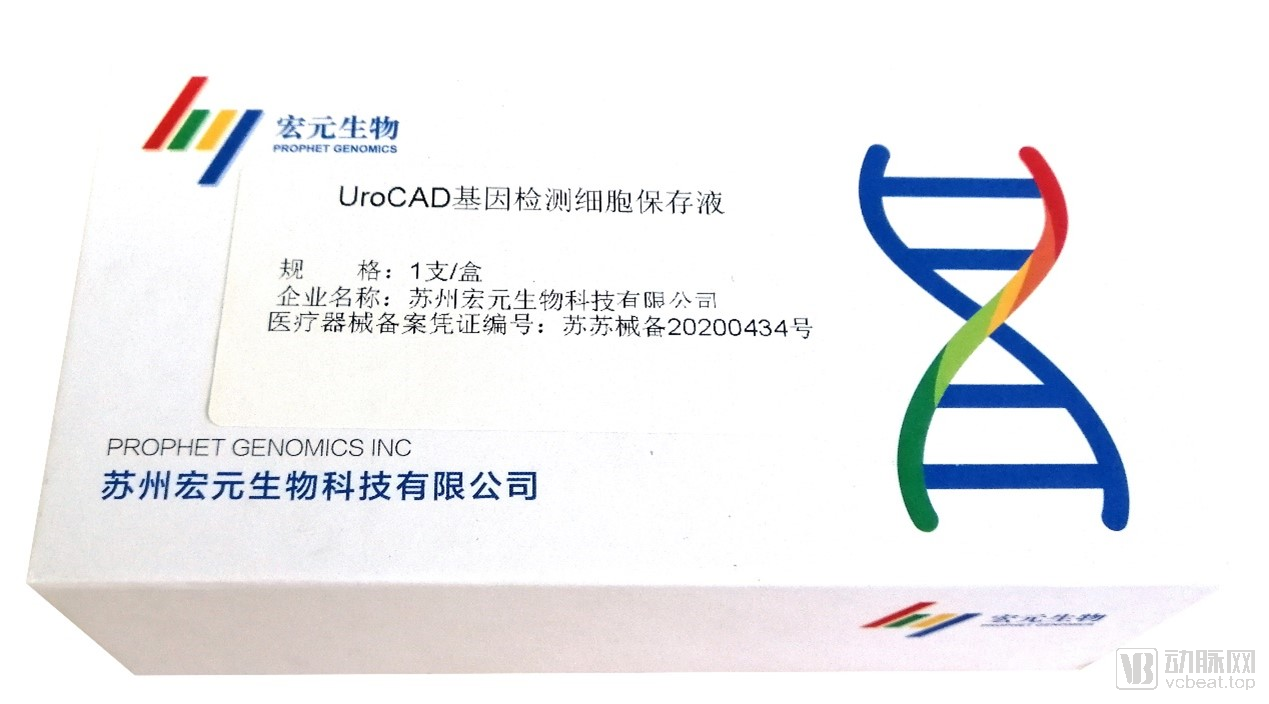
UroCAD Product Image; Source: Prophet Genomics Official Website
UroCAD, a Bladder Cancer Follow-Up Tool Developed Independently by Prophet Genomics, Is a Cancer Chronic Disease Management Testing Solution. It Is the First Urine Test Kit in China That Can Be Used at Home and in Hospitals with Urine Samples Collected at Any Time. Currently, Products Based on Urine Chromosomal Variation Detection Have Been Widely Recognized by Doctors and Patients. Building on This Foundation, UroCAD Not Only Covers All Human Chromosomes but Also Significantly Improves Detection Sensitivity and Specificity.
UroCAD aligns with home-based management for cancer patients, enabling them to self-collect urine samples at home. The kit ensures that samples can be stored and transported at room temperature for up to 72 hours, and allows for interference-free testing even in the presence of bacteria, white blood cells, and red blood cells. It provides a reference basis for cases with atypical cytology results and suspected or negative cystoscopy findings.
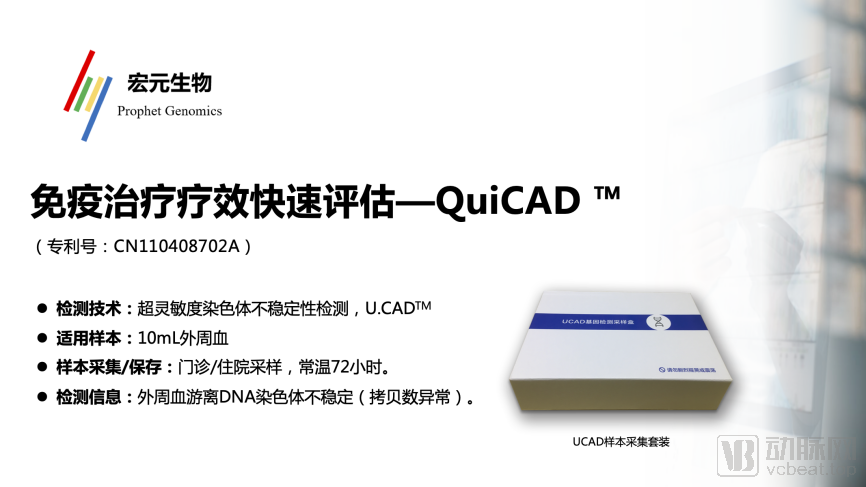
QuiCAD™ Product Image; Source: Prophet Genomics Official Website
Prophet Genomics’ other cancer chronic disease management testing tool is QuiCAD, a rapid assessment platform for immunotherapy efficacy that provides convenient evaluation of immunotherapy regimens for cancer patients. Following immunotherapy, peripheral blood ctDNA levels decline rapidly due to immune activation within the patient’s body. By analyzing peripheral blood samples collected before and after treatment, QuiCAD generates an assessment of the current immunotherapy response, thereby helping physicians guide subsequent treatment decisions.
Prostate hyperplasia detection tools such as ProCAD represent another product pipeline from Prophet Genomics, primarily designed to assess the malignant potential of precancerous lesions. Most tumors undergo a prolonged precancerous phase before developing into cancer; for instance, prostate cancer is preceded by long-standing prostatic hyperplastic lesions, colorectal cancer by intestinal polyps, gastric cancer by intestinal metaplasia of the gastric mucosa, breast cancer by mammary gland hyperplasia, and cervical cancer by chronic HPV infection and cervical intraepithelial neoplasia. ProCAD provides clinicians with reference information to guide clinical interventions based on the risk of malignant transformation in precancerous prostate lesions.
Prophet Genomics has been making steadfast progress in chromosome aberration research. To date, it has published more than 20 medical articles (including conference papers), filed five invention patent applications, and established a research and development center at Biobay in Suzhou Industrial Park.
Dr. Qian Ziliang stated that the company would take the lead in advancing its cutting-edge product, UroCAD, to obtain Class III medical device certification. Moving forward, the company will accelerate the approval process for UroCAD with China’s National Medical Products Administration (NMPA) and the U.S. Food and Drug Administration (FDA), enabling clinical sales in both China and the United States.
Currently, Prophet Genomics has established a comprehensive sales network, leveraging authoritative physicians at Grade A tertiary hospitals to guide cancer patients toward early tumor diagnosis, thereby driving product penetration in the domestic market. In the future, the company plans to collaborate with capital partners to focus on cultivating patients’ self-management and self-payment habits, thereby expanding the market for early cancer diagnosis and recurrence monitoring from the demand side.