GeneMind Launches New Domestic High-Throughput Sequencing Platform GenoLab at Innovation Forum in Shenzhen
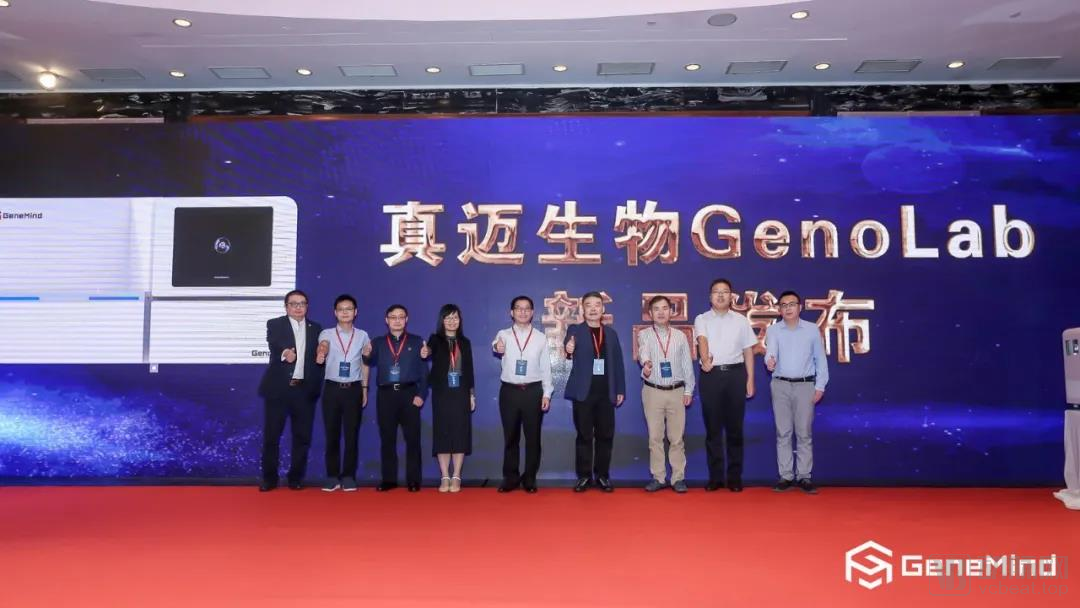
On October 12, 2020, Genetron Bio held the "Forging Ahead Through Challenges, Riding the Wind and Waves" Forum on Innovation in Domestic Sequencing Platforms and Applications, along with its New Product Launch Event, in Shenzhen. At the event, Genetron Bio made a significant announcement of its independently developed new high-throughput sequencing platform—GenoLab—marking the beginning of a new journey to accelerate the widespread adoption and implementation of domestically produced gene sequencers in scientific research and clinical applications.
Professor Yu Jun from the Beijing Institute of Genomics, Chinese Academy of Sciences; Director Dong Minyue from the Women’s Hospital, Zhejiang University School of Medicine; Director Xu Chenming from the International Peace Maternity and Child Health Hospital of the China Welfare Institute; National Clinical Research Center for Infectious DiseasesExperts from the fields of scientific research and clinical practice, including Director Zhang Guoliang of Shenzhen Third People’s Hospital, along with guest representatives from industry-leading enterprises such as Berry Genomics, Sansure Biotech, Darui Biology, and Jiabao Renhe, attended the event. They discussed the broad application prospects of high-throughput sequencing platforms in future research and clinical settings, and together with the attendees, witnessed the unveiling of GenoLab, Genetron Health’s new gene sequencing platform, experiencing the robust momentum of domestically produced gene sequencers.
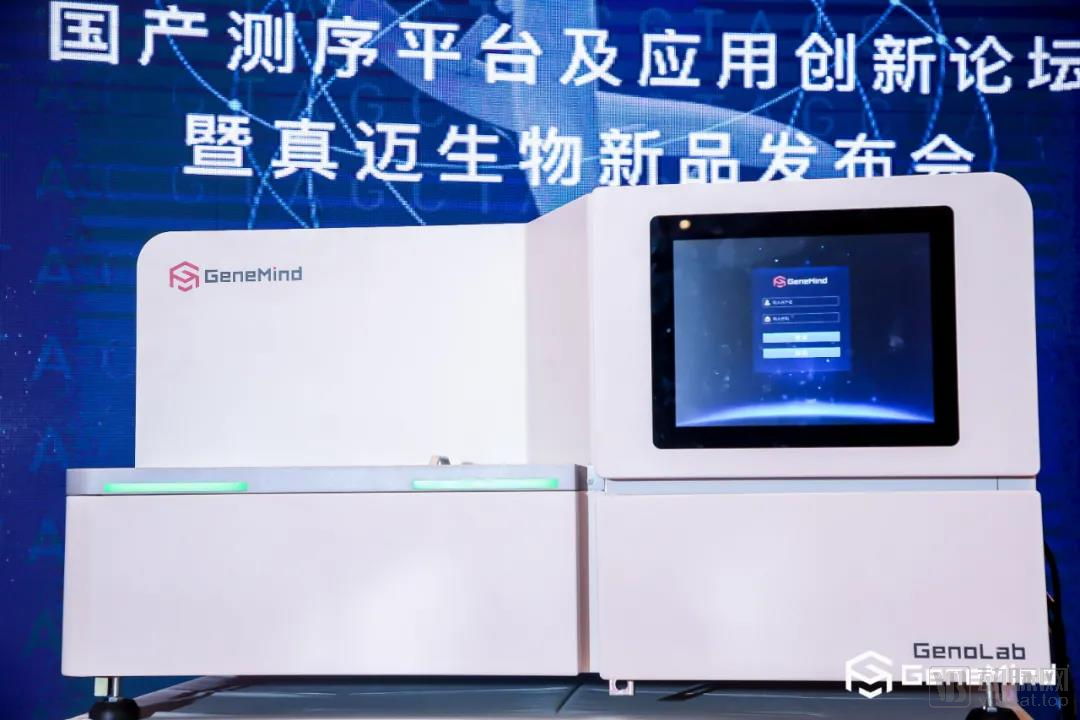
Figure: Genetron HealthGenoLab Sequencer
1
"Breaking Through Thorns, Riding the Wind and Waves"
GenoLab High-Throughput Gene Sequencer by Genesky Biotechnologies Released
SinceSince the launch of the first high-throughput gene sequencer in 2005, the gene sequencing platform has become the largest, most technically demanding, and most critical segment of the entire industry chain. With the continuous growth in demand for gene sequencing equipment within the healthcare sector, gene sequencing technology is emerging as a core technology. Particularly during the recent COVID-19 pandemic, high-throughput sequencing technology provided crucial evidence for the early and rapid prevention and control of the outbreak. GenoLab will provide an excellent platform for future gene sequencing that is highly accurate, flexible and user-friendly, and cost-effective.
At the beginning of the conference, Genetron HealthDr. Yan Qin, CEO, and Professor Yu Jun of the CAS Institute of Genomics delivered opening remarks respectively, extending a warm welcome to all attendees.
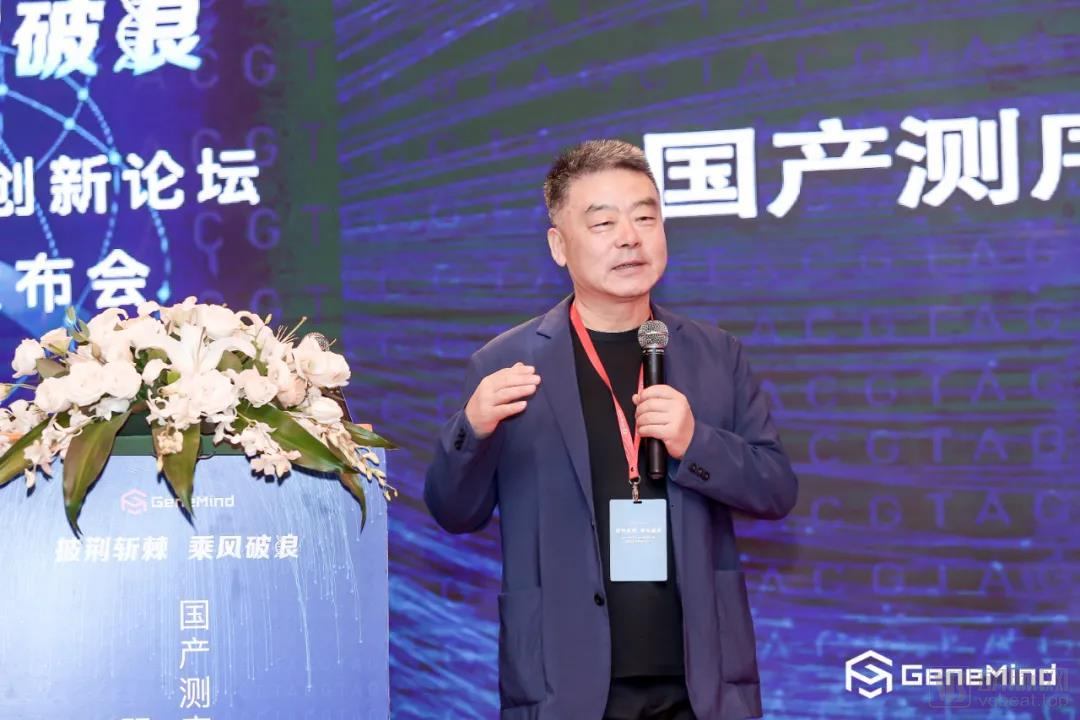
Figure: Professor Yu Jun, Beijing Institute of Genomics, Chinese Academy of Sciences
“Guided by our mission to ‘make life readable and health malleable,’ Genetron Health has remained dedicated to the innovative R&D of upstream platforms for gene sequencing, striving to break through in cutting-edge hard technologies in genomics and make human health more accessible,” stated Dr. Yan Qin, CEO of Genetron Health, at the company’s new product launch event.
Dr. Yan Qin reviewed the arduous and innovative journey of domestic sequencing platforms, a path marked by trials and tribulations as well as relentless perseverance. He introduced that, for a long time, the upstream sector of the gene sequencing industry has been monopolized by a few European and American enterprises. This field is characterized by significant high technological barriers, long R&D cycles, and a high degree of interdisciplinary integration. In China, local R&D started relatively late and developed slowly. Through years of deep cultivation and persistence, the Genesky Biotechnologies team has overcome various technical challenges one by one. FollowingFollowing the launch of its first sequencer, GenoCare, in 2017, the company has today officially released GenoLab, a next-generation gene sequencing platform independently developed in-house. Committed to providing users with high-quality sequencing platforms and customized products, the company aims to contribute to the advancement of scientific research and clinical practice in China. By working collaboratively with partners across the industry value chain, it seeks to foster a robust industrial ecosystem and continuously drive technological innovation and translational applications in the field of genomics.
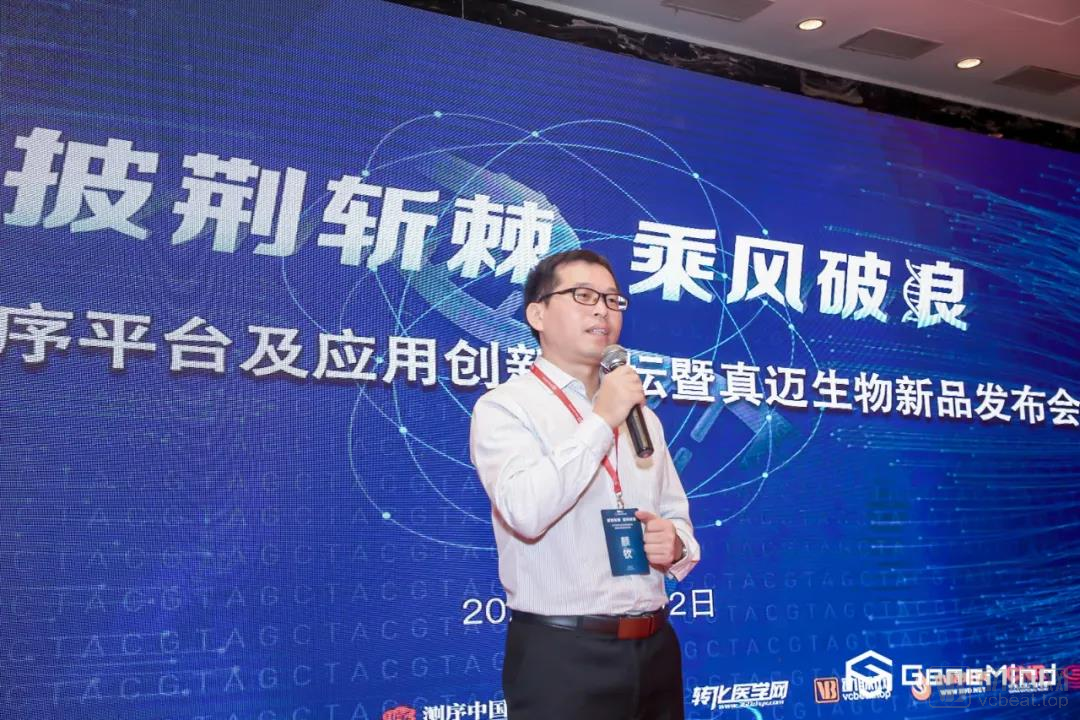
Figure: Genetron HealthCEO Yan Qin
Thus, as a national cornerstone that has undergone years of intensive breakthrough efforts,What Makes GenoLab Different?
In response, Genetron HealthSun Lei, CTO of MGI Tech, introduced that GenoLab is independently developed by MGI Tech. Building upon the GenoCare platform, it features innovative optical-mechanical solutions and chip designs, and adopts the next-generation “SURFSeq” sequencing technology. This high-fidelity synthesis-by-sequencing chemical reaction system, complemented by a unique surface signal amplification technique, maximizes the restoration of original genomic sequence information, achieving a sequencing accuracy of >99%. Furthermore, the platform supports seamless switching between single- and dual-chip sequencing modes, is compatible with mainstream NGS library adapters and data formats, and allows for customized integration of various bioinformatics analysis tools, enabling users across diverse sectors to easily leverage high-throughput sequencing technology. GenoLab holds significant application potential in reproductive health, cancer detection, and microbial metagenomics, supporting testing applications and data analysis in scientific research, clinical medicine, forensics, and other industries, thereby further unlocking the market potential for domestically produced sequencers.
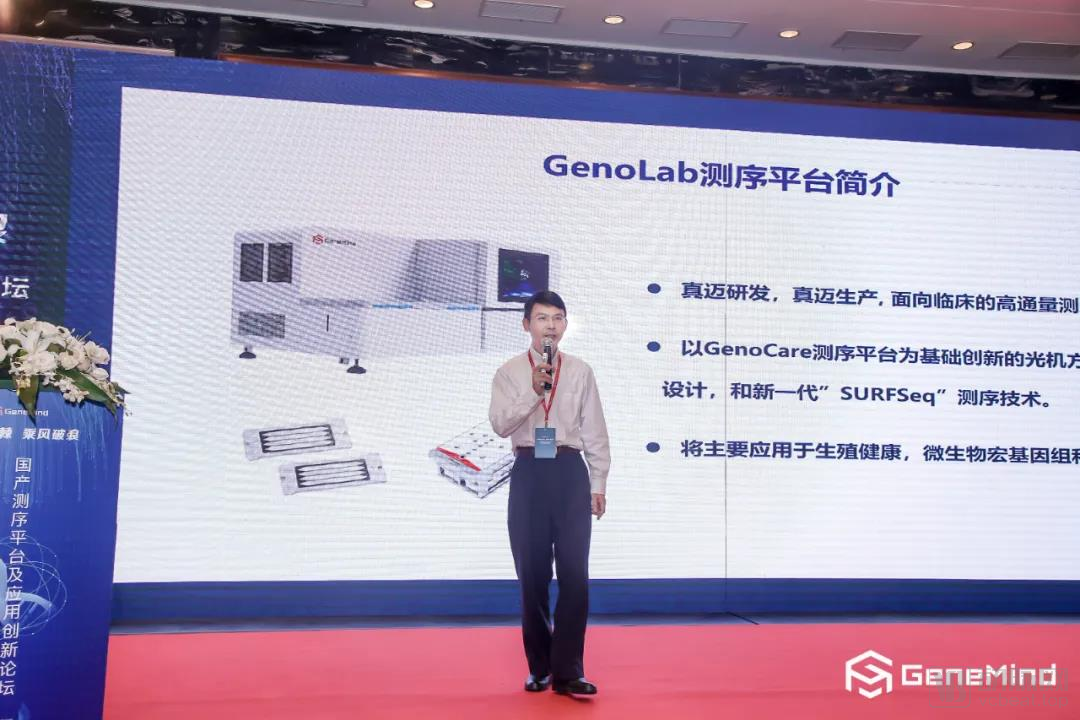
Figure: Genetron HealthCTO Sun Lei
Notably, at this press conference, Genetron Health also entered into a strategic partnership with Sansure Biotech. Genetron HealthCEO Yan Qin and Sansure Biotech CIO Liu Rangjiao jointly signed a strategic cooperation agreement.
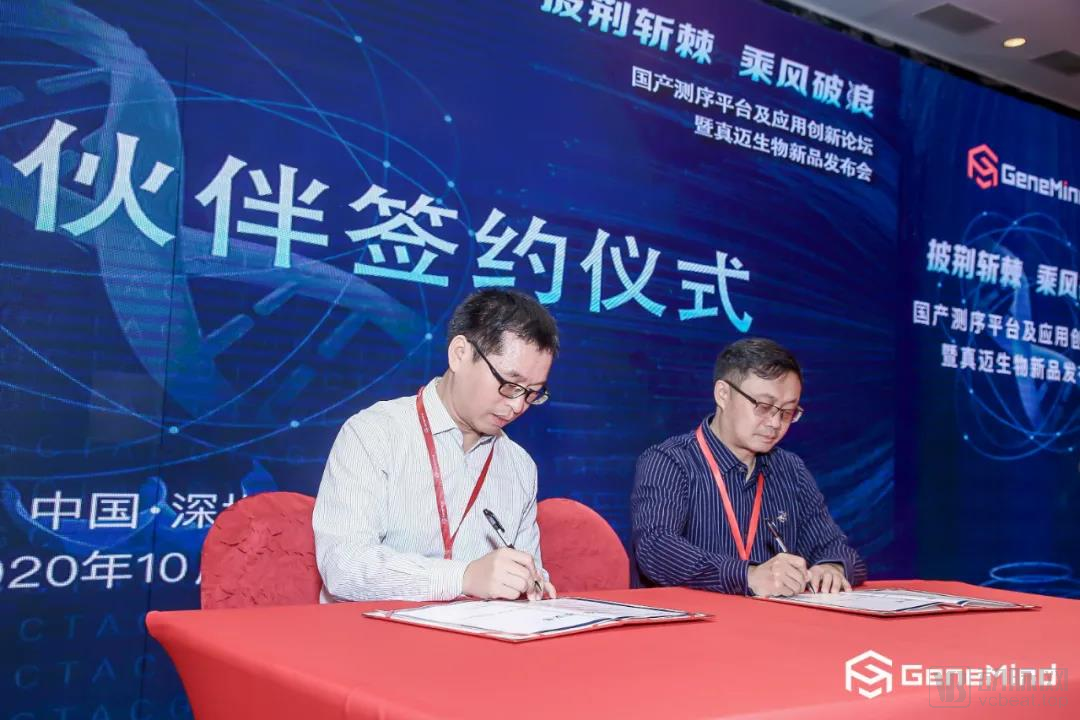
Figure: Strategic Cooperation Signing Ceremony
2
Clash of Wisdom, Exchange of Ideas
Forum on Application Innovation of Domestic Sequencing Platforms Successfully Held
High-throughput gene sequencing, as a revolutionary technology, has gradually transitioned from a niche research domain to clinical applications after years of rapid development, with domestically produced sequencing platforms playing a pivotal role in this process. At the Forum on Innovation in the Application of Domestically Produced Sequencing Platforms, numerous attending experts delivered in-depth reports and engaged in discussions on the current status and innovations of sequencing technologies in both clinical and research settings.
In the first part of the forum, Professor Yu Jun from the Beijing Institute of Genomics, Chinese Academy of Sciences, discussed the current difficulties and challenges in pandemic control.Issues concerning SARS-CoV mutations and the determination of mutation frequencies were discussed, with insights shared on how to more rapidly adjust the focus of epidemic prevention and control measures and gain a more comprehensive understanding of the critical role sequencing technology plays in epidemic prevention, control, and diagnosis. Subsequently, Director Dong Minyue from the Women’s Hospital School of Medicine Zhejiang University discussed the preliminary clinical application of NIPT based on single-molecule fluorescence sequencing. He noted that single-molecule sequencing has successfully achieved detection of trisomy 21 and trisomy 18, thereby better addressing the limitations associated with serological screening. Director Xu Chenming from the International Peace Maternity and Child Health Hospital of the China Welfare Institute provided a detailed report on the causes of miscarriage in pregnant women and methods for etiological diagnosis, highlighting the advantages and application value of CNV-seq in testing. Finally, Director Zhang Guoliang from the National Clinical Research Center for Infectious Diseases/Shenzhen Third People’s Hospital delivered a presentation on the application of whole-genome sequencing technology in tuberculosis prevention and control, offering an in-depth explanation of its utility in four key areas: epidemiological surveillance, classification of pathogenic microorganisms, tracking and source identification of pathogens, and drug resistance.
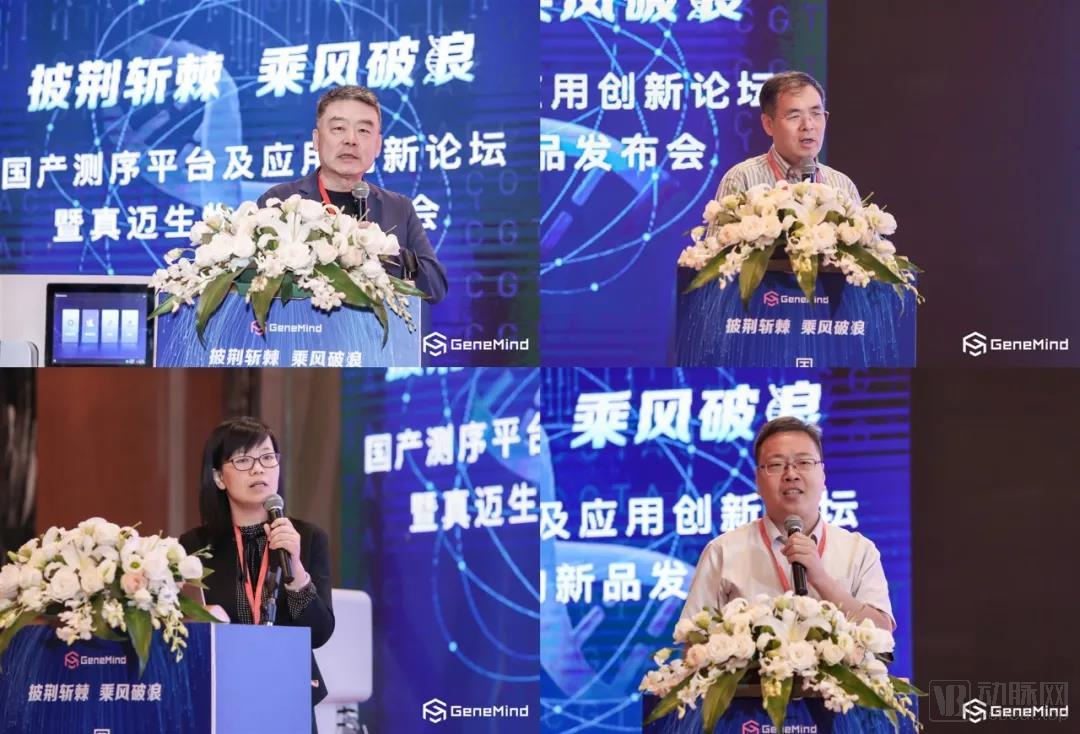
Figure: From left to right are Professor Yu Jun, Director Dong Minyue, Director Xu Chenming, and Director Zhang Guoliang.
In the second part of the Innovation Forum, four representatives from leading domestic companies in the field of genetic testing—Zhang Jianguang, R&D Director at Berry Genomics; Liu Rangjiao, Chief Information Officer at Sansure Biotech; Han Bowei, Application Scientist at Darui Biology; and Fei Jia, Chairman of Jiabao Renhe—shared valuable experiences and unique insights on gene sequencing from their respective corporate perspectives. Zhang Jianguang, R&D Director at Berry Genomics, reviewed the development history of first-generation, second-generation, and third-generation sequencing technologies, stating that the widespread application of sequencing technology in clinical settings is propelling us into an era of universal population-based genetic screening. As is well known, the application of gene sequencing technology in clinical practice and scientific research inevitably relies on high-throughput sequencers. So, what are the requirements for high-throughput sequencers in the era of precision medicine? Liu Rangjiao, Chief Information Officer at Sansure Biotech, provided a detailed explanation of semi-automated, miniaturized, full-scenario solutions for high-throughput sequencing tailored to clinical needs. Next, Han Bowei, Application Scientist at Darui Biology, discussed plasma cell-freeThe discussion elaborated on the distribution characteristics of DNA and shared the clinical application value of cfDNA distribution maps in prenatal testing, such as for high-incidence pregnancy complications and pregnancy outcome prediction. Subsequently, Fei Jia, Chairman of Jiabao Renhe, addressed the topic “Is Reproductive Genetics a Desert or an Oasis?” by introducing the market potential, development prospects, and growth trajectory of the reproductive genetics field, as well as the current status and strategies of NGS application-oriented companies in the midstream of the gene industry chain. Finally, during the roundtable discussion at the Innovation Forum, industry experts engaged in vibrant exchanges and intellectual clashes on topics including sequencing data sharing and application, the future development and clinical application of sequencers, and the development models of the gene sequencing industry, elevating the conference atmosphere to its peak.
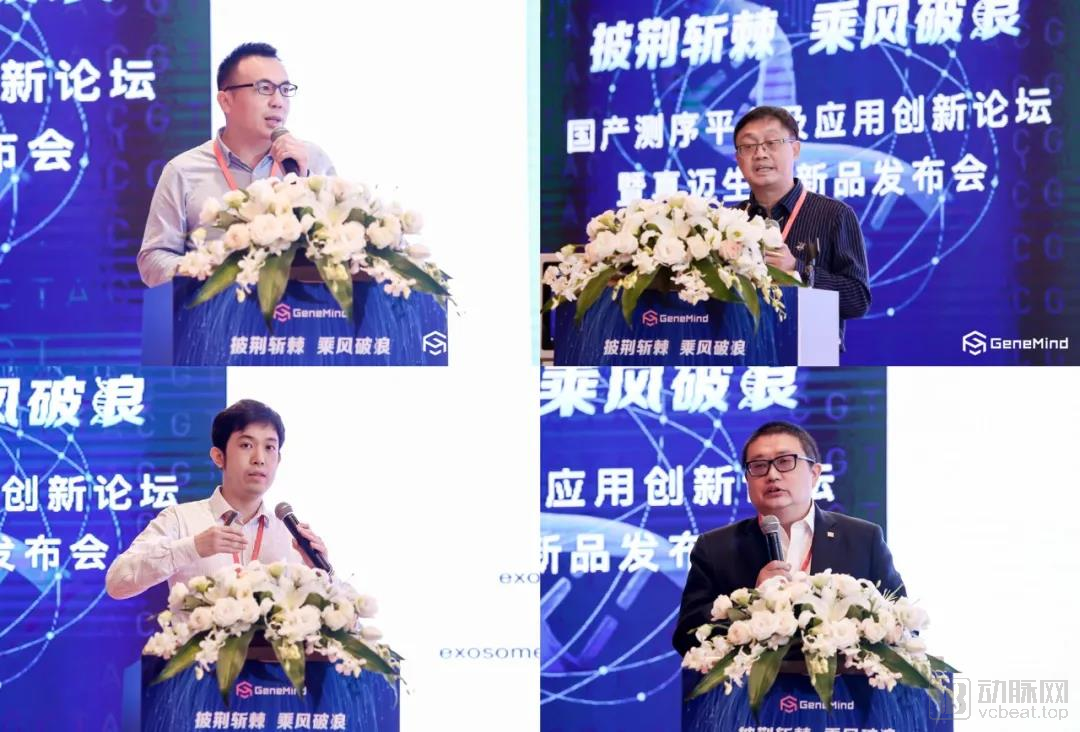
Figure: From left to right: Zhang Jianguang, Liu Rangjiao, Han Bowei, Fei Jia
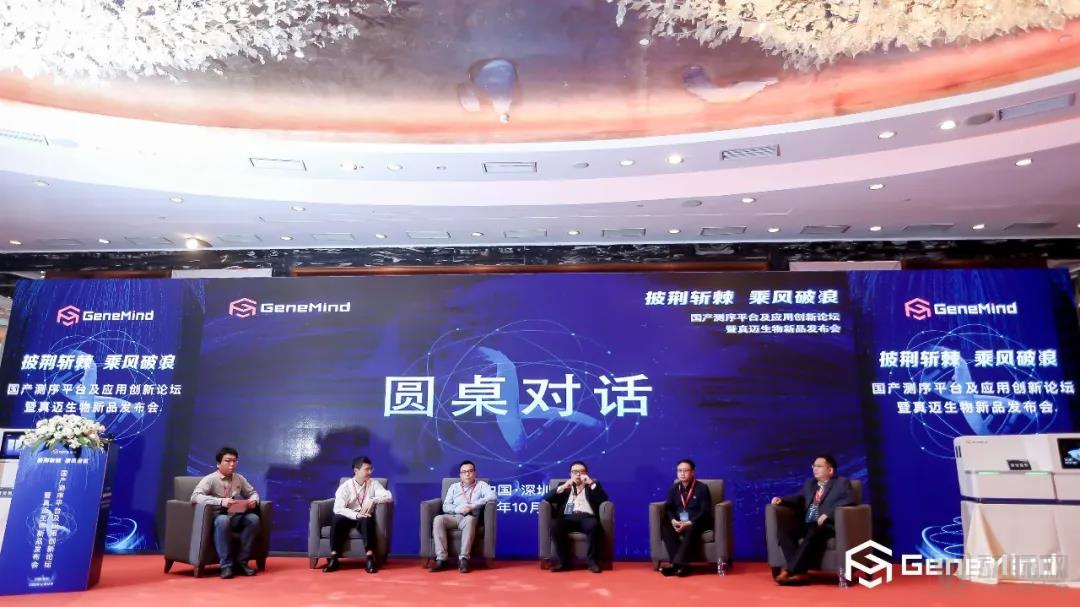
Figure: Roundtable Forum
3Conclusion
With the advent of the era of precision medicine, sequencing technologies are becoming increasingly prevalent in both scientific research and clinical practice. The innovation and application of domestically produced sequencing platforms will significantly reduce the monopoly held by imported products, thereby rapidly promoting the healthy and robust development of the genetic testing industry. Of course, the integration of these technologies into clinical applications also requires the participation and support of scientific experts and enterprises. As a leader in domestic sequencing platforms, Genetron Health has independently developed high-throughput sequencing platforms through autonomous innovation.GenoLab not only delivers a comprehensive platform solution encompassing instruments, reagents, chips, and software, but also offers advantages such as high efficiency, flexibility, high throughput, and ease of use. We look forward to Genetron Health developing more innovative products with independent intellectual property rights in China, ultimately guiding clinical practice, benefiting patients, and advancing the level of medical diagnostics in our country.