

2020 Shaoxing Medical Device Industry Innovation Development Conference Successfully Concludes
Hosted by the People’s Government of Yuecheng District, the Talent Office of the Shaoxing Municipal Committee of the Communist Party of China, the Shaoxing Municipal Science and Technology Bureau, the Shaoxing Municipal Administration for Market Regulation, and the Shaoxing Association for Science and Technology; organized by the Talent Office of the Yuecheng District Committee of the Communist Party of China, the Yuecheng District Science and Technology Bureau, the Yuecheng District Administration for Market Regulation, the Yuecheng Association for Science and Technology, and the Shaoxing Yuecheng Medical Device Industry Innovation Service Complex; co-organized by Beijing Lanfeng Capital, Peking University Healthcare Innovation Valley, Shaoxing Lanbei Investment, VCBeat, and the Association for Science and Technology of the Shaoxing Yuecheng Medical Device Industry Innovation Service Complex Park.
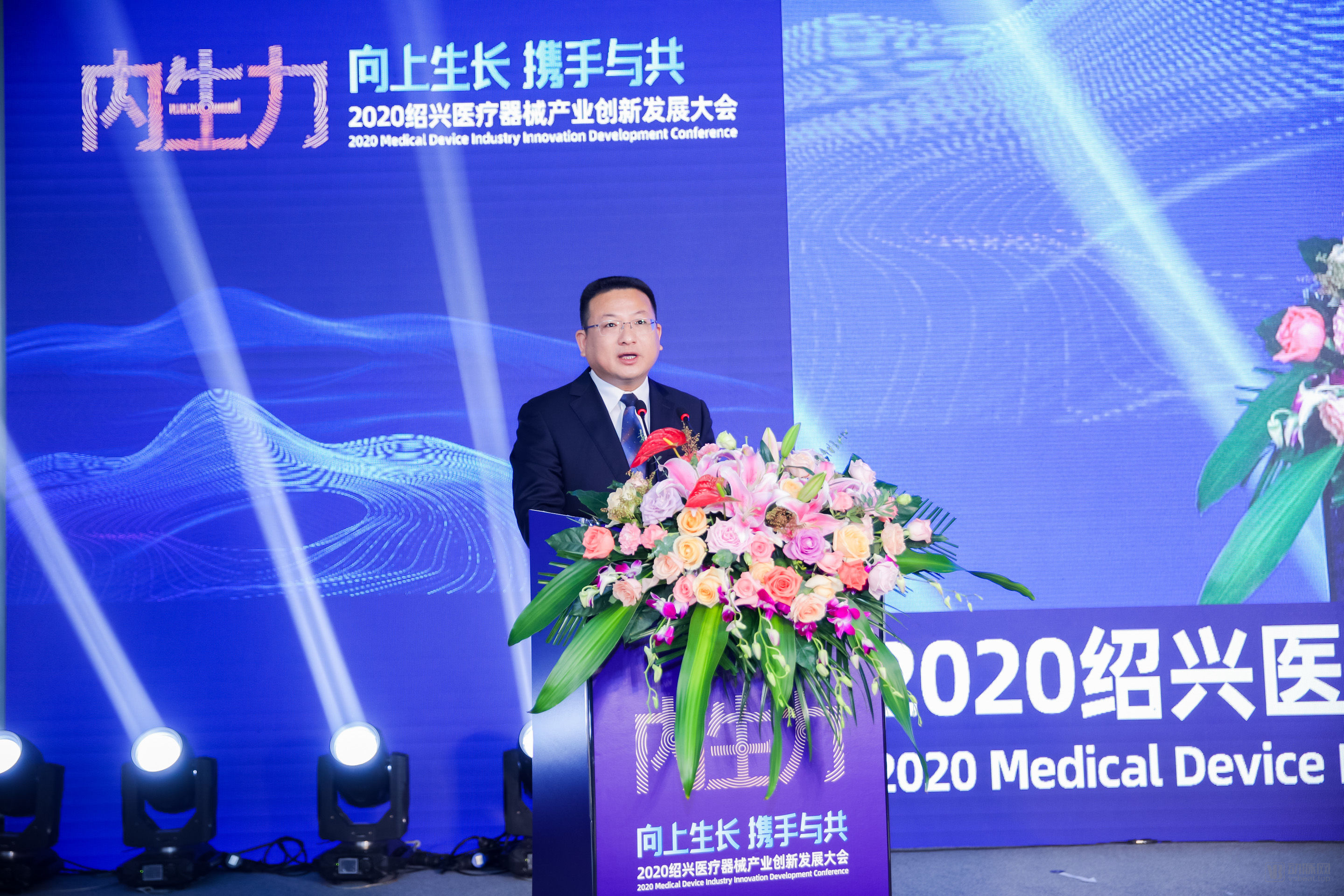
He Haoting | Member of the Standing Committee of the CPC Yuecheng District Committee and Executive Deputy District Mayor
The conference kicked off with an address by He Haoting, Member of the Standing Committee of the Yuecheng District Committee of the Communist Party of China and Executive Deputy District Mayor. Mr. He stated, “Yuecheng serves as the political and cultural center of Shaoxing, where a profound cultural heritage has nurtured the brilliant millennium-long history of Yue medicine. Shaoxing is concentrating efforts on technological innovation to establish itself as a comprehensive life and health hub in the Yangtze River Delta region. Meanwhile, Shaoxing is committed to building high-level innovation platforms, attracting top-tier innovative talent, providing high-quality support for epidemic prevention and control, and fostering a premium innovation ecosystem. We look forward to working hand in hand with all partners to achieve self-reliance and controllability in high-end medical equipment.”
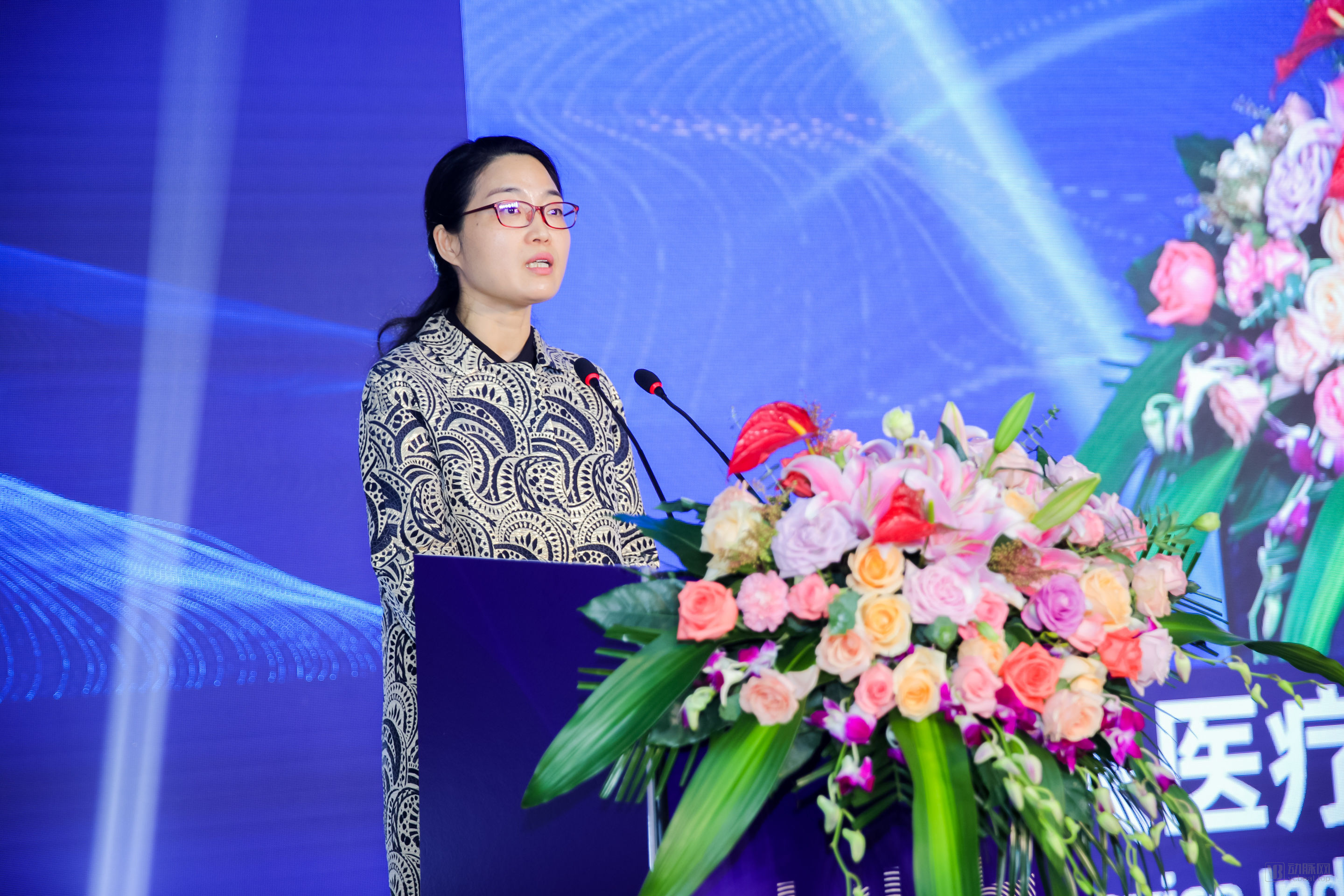
Gu Tao | Deputy Mayor of Shaoxing Municipal People's Government
Gu Tao, Vice Mayor of the Shaoxing Municipal People’s Government, stated, “We hope that experts will offer insights and recommendations for the development of Shaoxing’s medical device industry. Focusing on building a high-end biopharmaceutical manufacturing hub in the Yangtze River Delta and establishing a flagship industrial chain for medical devices, we will intensify efforts to attract leading talents in relevant fields, pursue targeted collaborations, support technology-based small and medium-sized enterprises (SMEs), strengthen technological innovation, and accelerate the construction of a comprehensive innovation system with core competitiveness.”
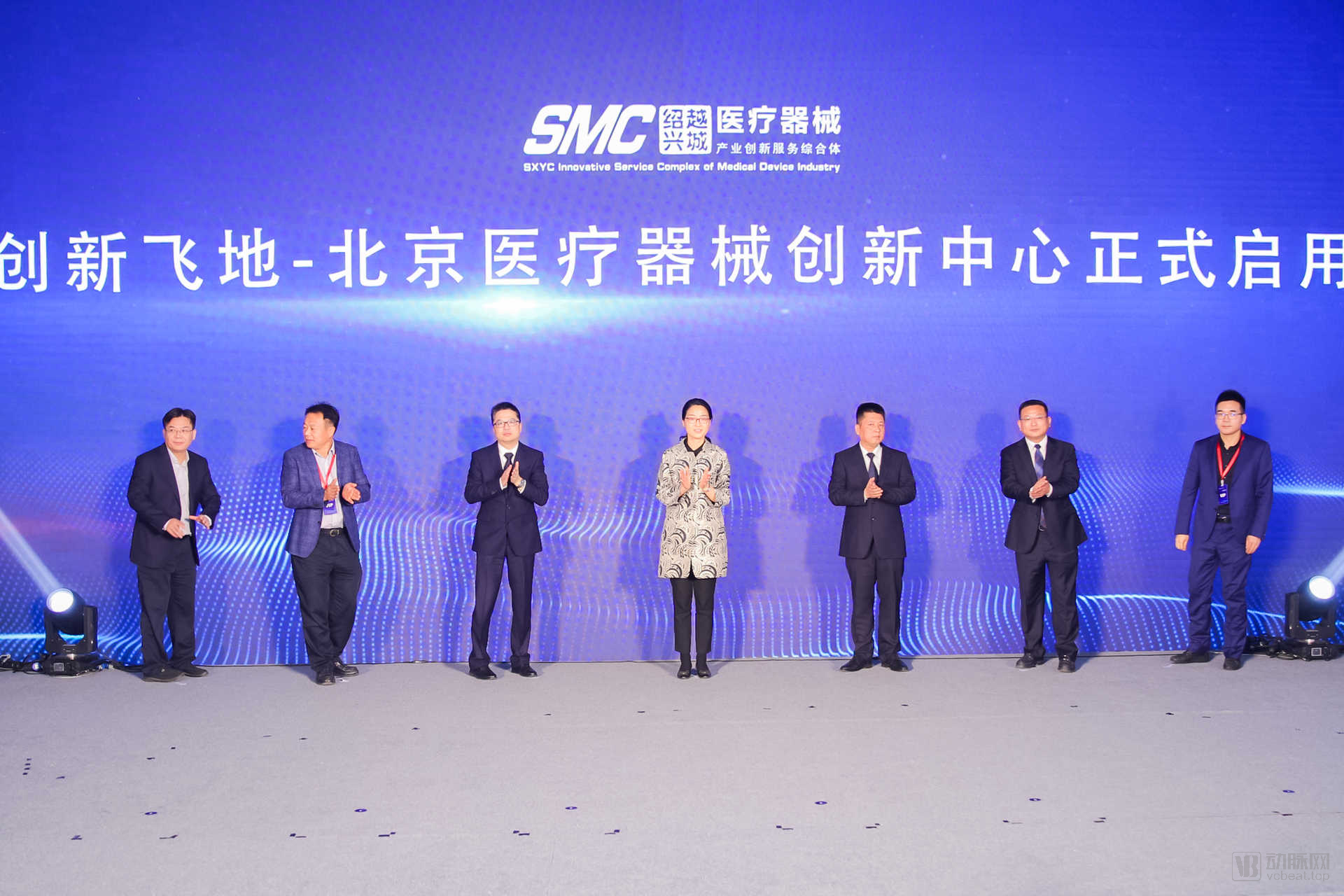
Medical Device Complex Innovation Enclave — Beijing Medical Device Innovation Center Unveiled
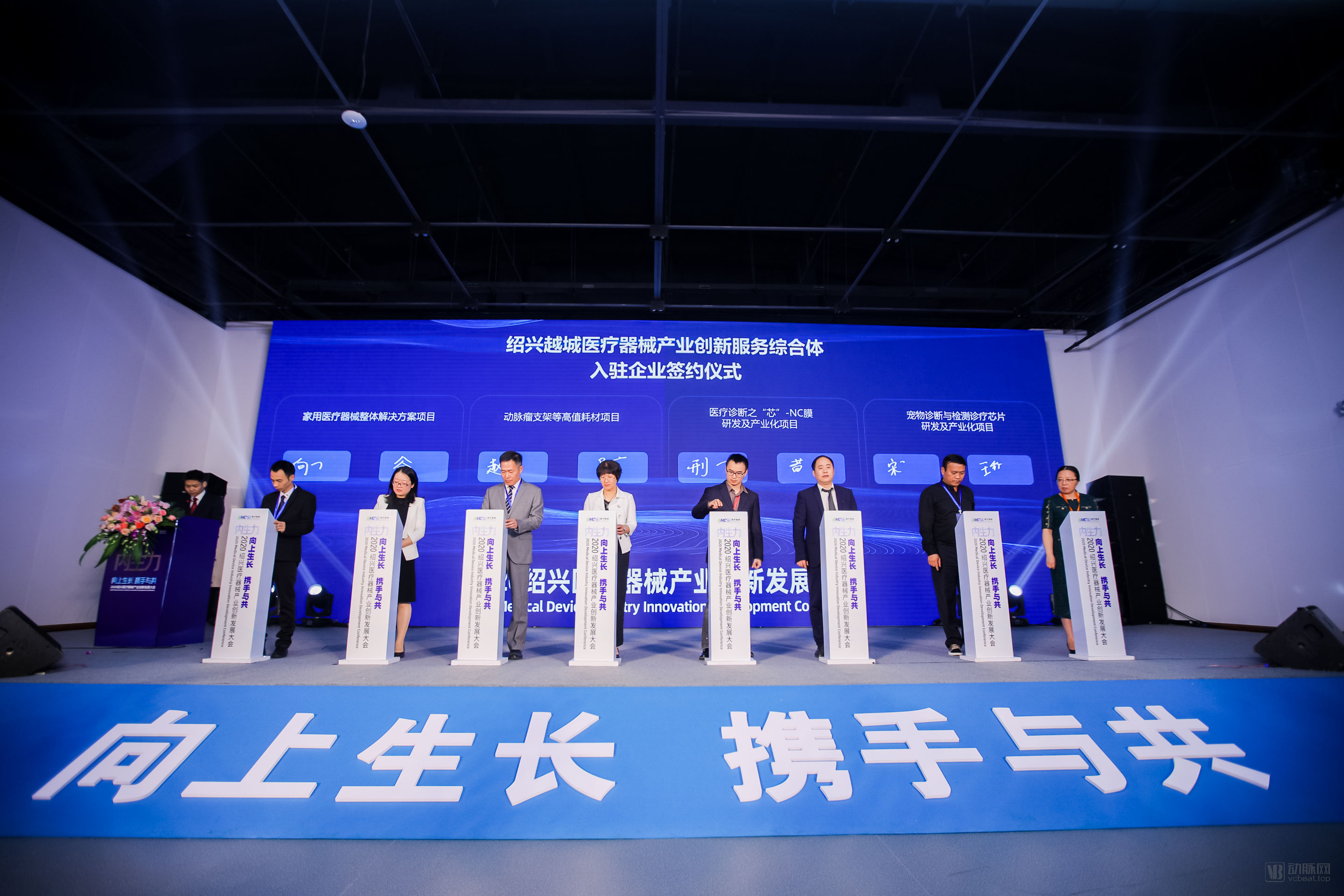
Signing Ceremony for Enterprises Joining the Shaoxing Yuecheng Medical Device Industry Innovation Service Complex
The Shaoxing Yuecheng Medical Device Industry Innovation Service Complex, in collaboration with Peking University Medical Innovation Valley, has broken away from the traditional operational model of industrial parks that relies solely on physical agglomeration. It is exploring an innovation-driven park operation centered on services. In the presence of over 200 attendees at the conference, the unveiling ceremony for the “Beijing Medical Device Innovation Center,” an innovative enclave of the Medical Device Complex, was held, along with an on-site signing ceremony for enterprises settling into the Shaoxing Yuecheng Medical Device Industry Innovation Service Complex.In January 2020, the Shaoxing Yuecheng Medical Device Industry Innovation Service Complex was designated as a provincial-level entity for the establishment of an innovation service complex. It remains the only complex in Zhejiang Province focused on the medical device sector. The complex provides high-quality infrastructure and a favorable governmental environment for medical device companies, offers a platform for the development of innovative medical devices, and helps establish the region as a leading hub for the medical device industry.
In recent years, the medical device industry has entered a fast lane of development. Particularly against the backdrop of domestic substitution, the global influence of China’s medical device industry continues to rise. As a core resource on the supply side of the healthcare ecosystem, the medical device sector has received strong policy support from the Chinese government amid technological iterations, ushering in a golden period of development. However, the construction of healthcare service systems worldwide remains in a growth stage, with many areas still requiring continuous improvement and optimization. The outbreak of the COVID-19 pandemic, in particular, has severely tested global healthcare service systems. During his keynote address at the conference, Mr. Fan Daiming, Deputy to the National People’s Congress, Academician of the Chinese Academy of Engineering, former Vice President of the Chinese Academy of Engineering, and former President of the Fourth Military Medical University, stated, “Science requires a holistic perspective, and so does medicine.” He emphasized that only through a holistic perspective combined with high-level integration can humanity be guided in the right direction.
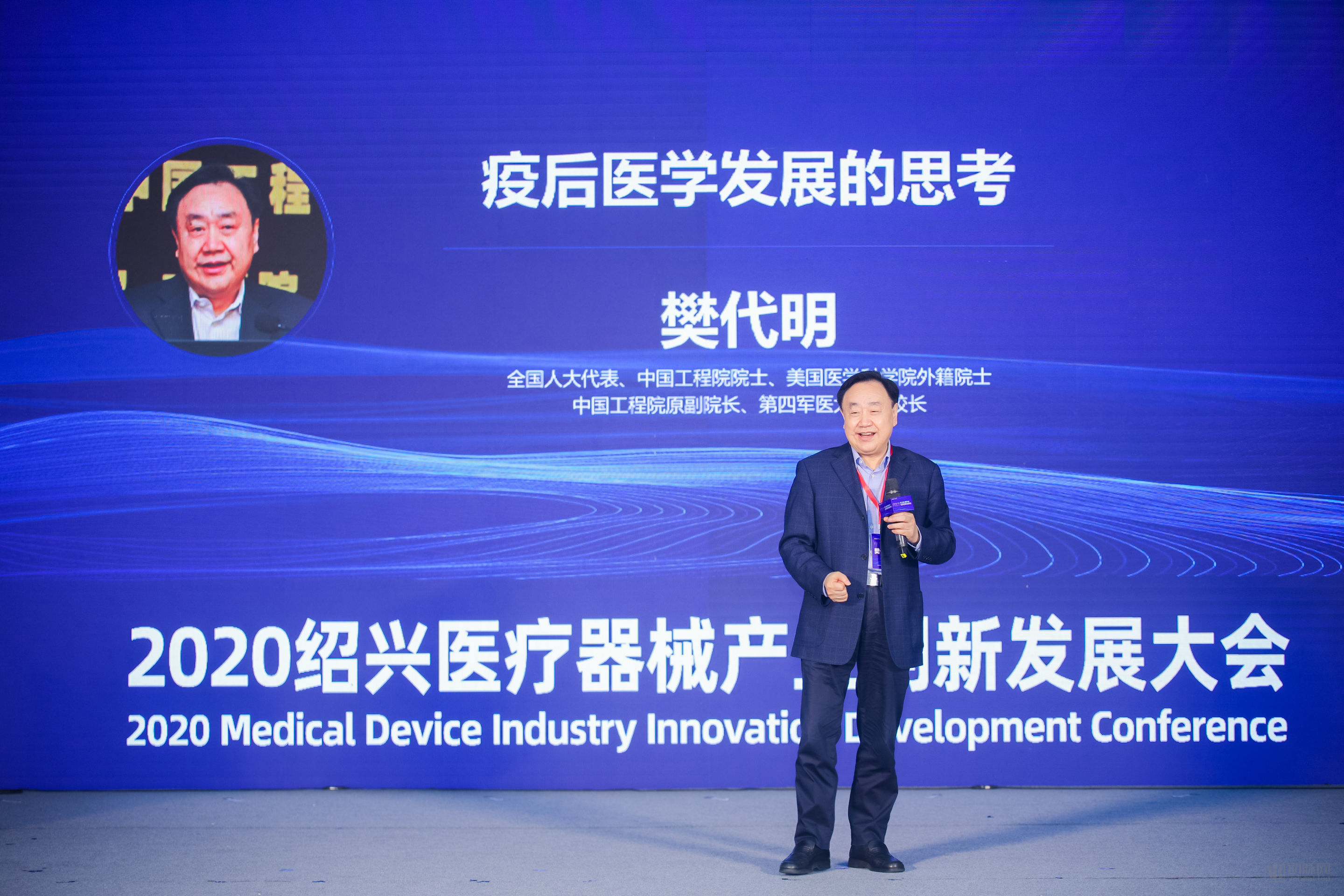
Fan Daiming | Deputy to the National People's Congress, Academician of the Chinese Academy of Engineering, Former Vice President of the Chinese Academy of Engineering, Foreign Associate of the National Academy of Medicine (USA), Former President of the Fourth Military Medical University
The development of the medical device industry also requires deep integration and collaborative efforts across all segments of the industry to drive growth. At the conference, Geng Hongwu, a renowned expert in medical device policy and editor-in-chief of the Blue Book on China’s Medical Device Industry Development Report, delivered a keynote address on the current state of the medical device sector. He pointed out, “Over the past two decades, China’s medical device industry has maintained an overall growth rate of 16%. This year, we are witnessing a trend of vigorous development, indicating that the industry is entering its ‘golden decade.’” Through an analysis of policies and hot-button issues, he presented ten macro-level projections for the future of medical devices, emphasizing that “only through innovation can we truly seize the future.”
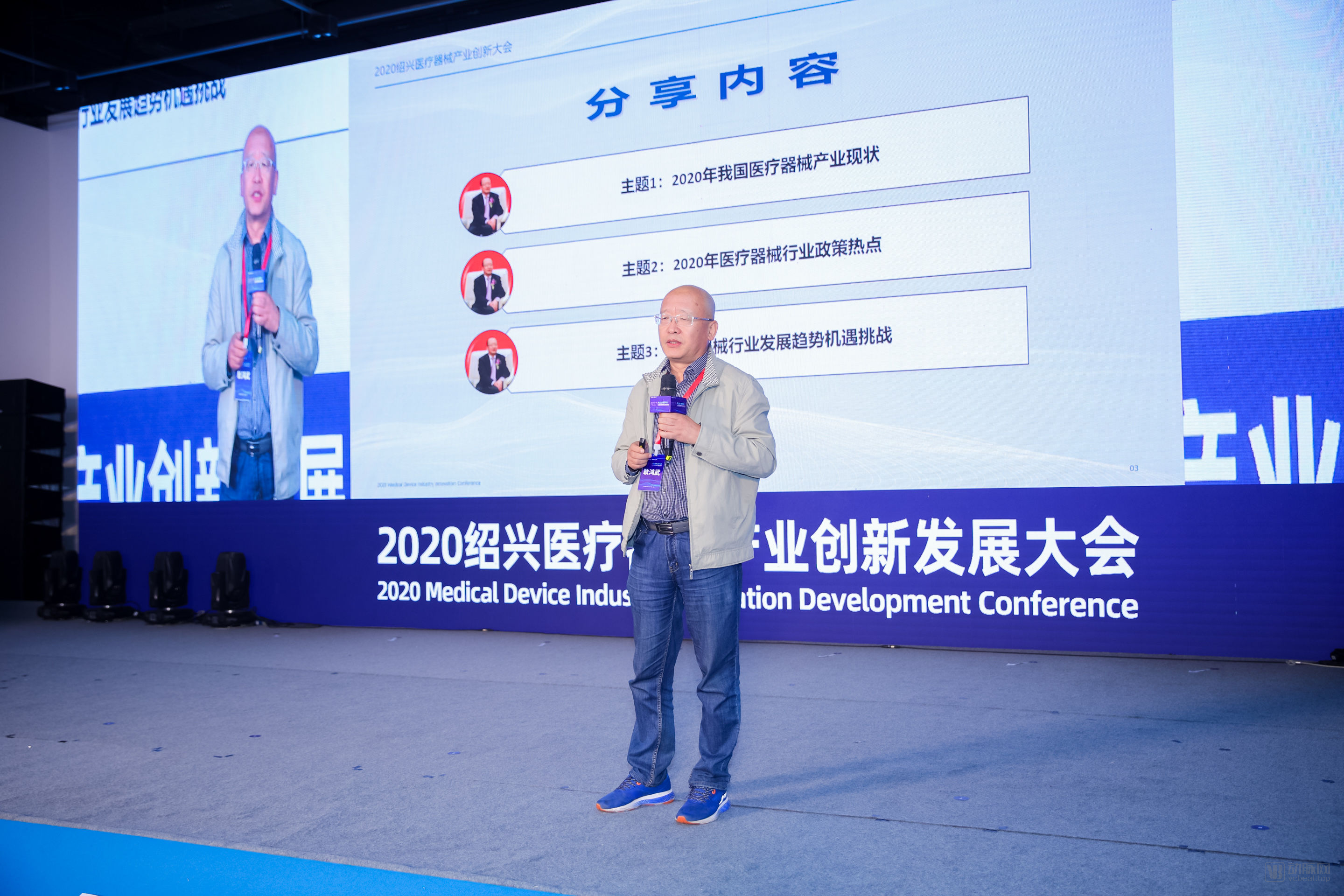
Geng Hongwu | Renowned Expert in Medical Device Policy, Editor-in-Chief of the Blue Book on the Development of China's Medical Device Industry
Innovation is the key to the growth and development of the overall industry, especially for enterprises. Currently, the state strongly supports the localization of medical devices; however, independent domestic innovation still faces major challenges, including small batch sizes for individual medical device products, policy and capital constraints on innovation in the medical device sector, physicians’ entrenched habits of using imported equipment and consumables, and a shortage of interdisciplinary talent. Mr. Wang Ying, Chairman of Lishiji International/Chuangxiequan and Dean of the Lishiji International Big Health Industry Research Institute, stated, “Innovation in medical devices constitutes a vast ecosystem spanning from product development to marketing.” Therefore, he particularly emphasized that promoting the systematic innovative development of domestically produced medical devices requires a series of platform supports from both the government and the market to accelerate the pace of innovation in the medical device industry.
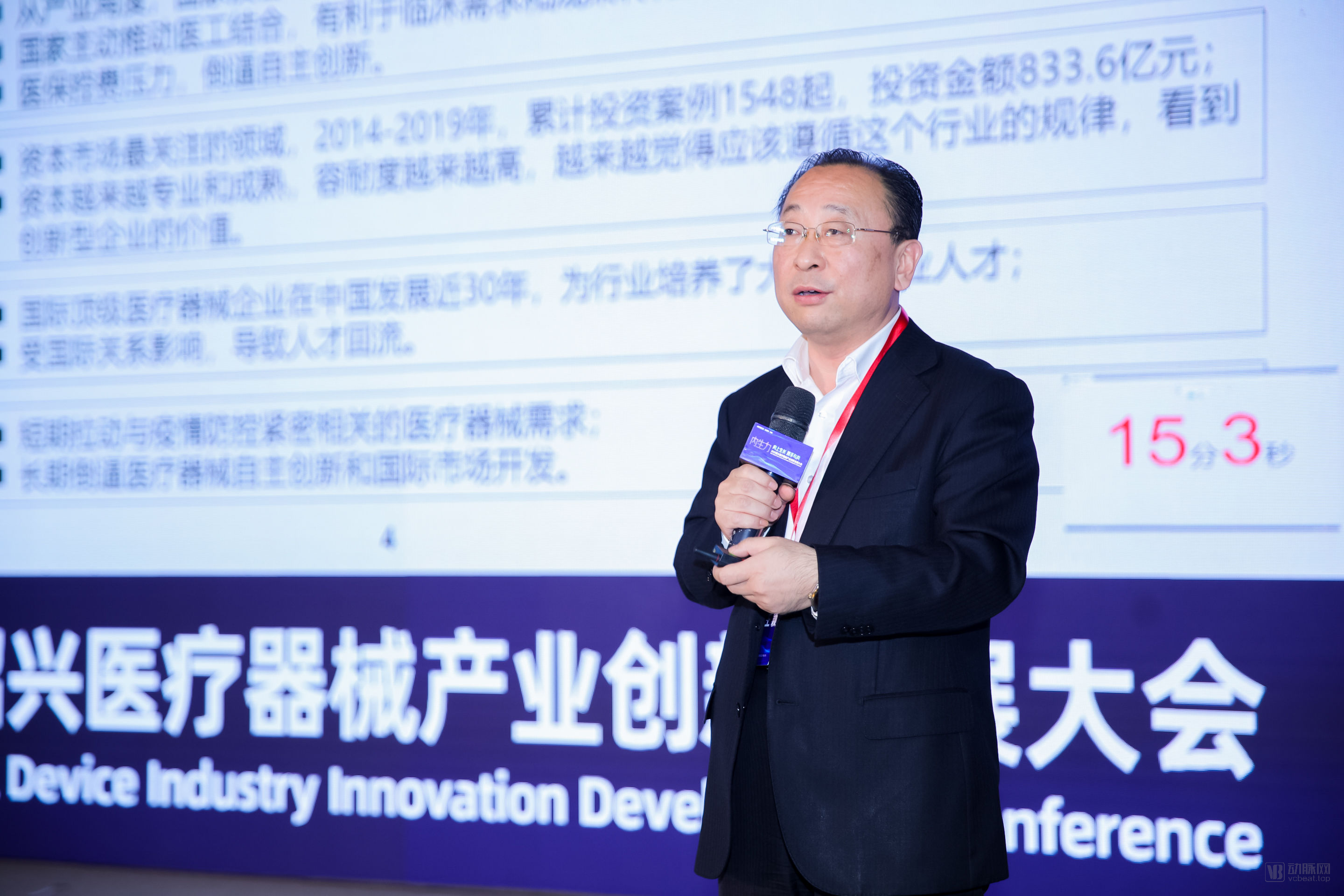
Wang Ying | Chairman, Lishi International/Chuangxiequan; Dean, Lishi International Health Industry Research Institute
Meanwhile, capital infusion will also accelerate industry development. With the continuous rise of domestic substitution, the growth potential of the Chinese market is substantial. He Juying, Chief Healthcare Analyst at the Research and Development Department of China Securities Co., Ltd. (CSC), stated that China’s medical device market currently accounts for only one-sixth of the global market share. To achieve greater scale and strength in the future, Chinese companies must expand globally. The primary prerequisites for overall industry development are, first, technology, and second, cost. Against the backdrop of the national volume-based centralized procurement of consumables, prices have declined. To secure a position in the future industrial landscape, domestic manufacturers must place greater emphasis on multi-product line deployment while simultaneously pursuing iterative product innovation.
The national government attaches great importance to the development of medical devices, proposing to accelerate efforts to address weaknesses in China’s high-end medical equipment, intensify research on key core technologies, and overcome technical bottlenecks to achieve independent and controllable capabilities in high-end medical equipment. Consequently, technological innovation has become a focal point for driving the current development of the medical device industry. However, as most core technologies underlying medical device R&D are currently held by overseas entities, this poses new demands for technological innovation across the entire industry. Mr. Jiang Haochuan, President and Dean of the Research Institute at MinFound Medical Systems, stated, “The unpredictability of the pandemic abroad has led to instability in our supply chains, making self-reliance critically important.” Mr. Sun Zhaochang, Chairman of Kaiying Medical, remarked, “Domestic products have generally reached levels very close to international standards in CT technology, with individual differences primarily stemming from a lack of core technologies.” He added, “For the industry to advance further, strengthening industry-academia-research collaboration and promoting the improvement and development of core components are key.”
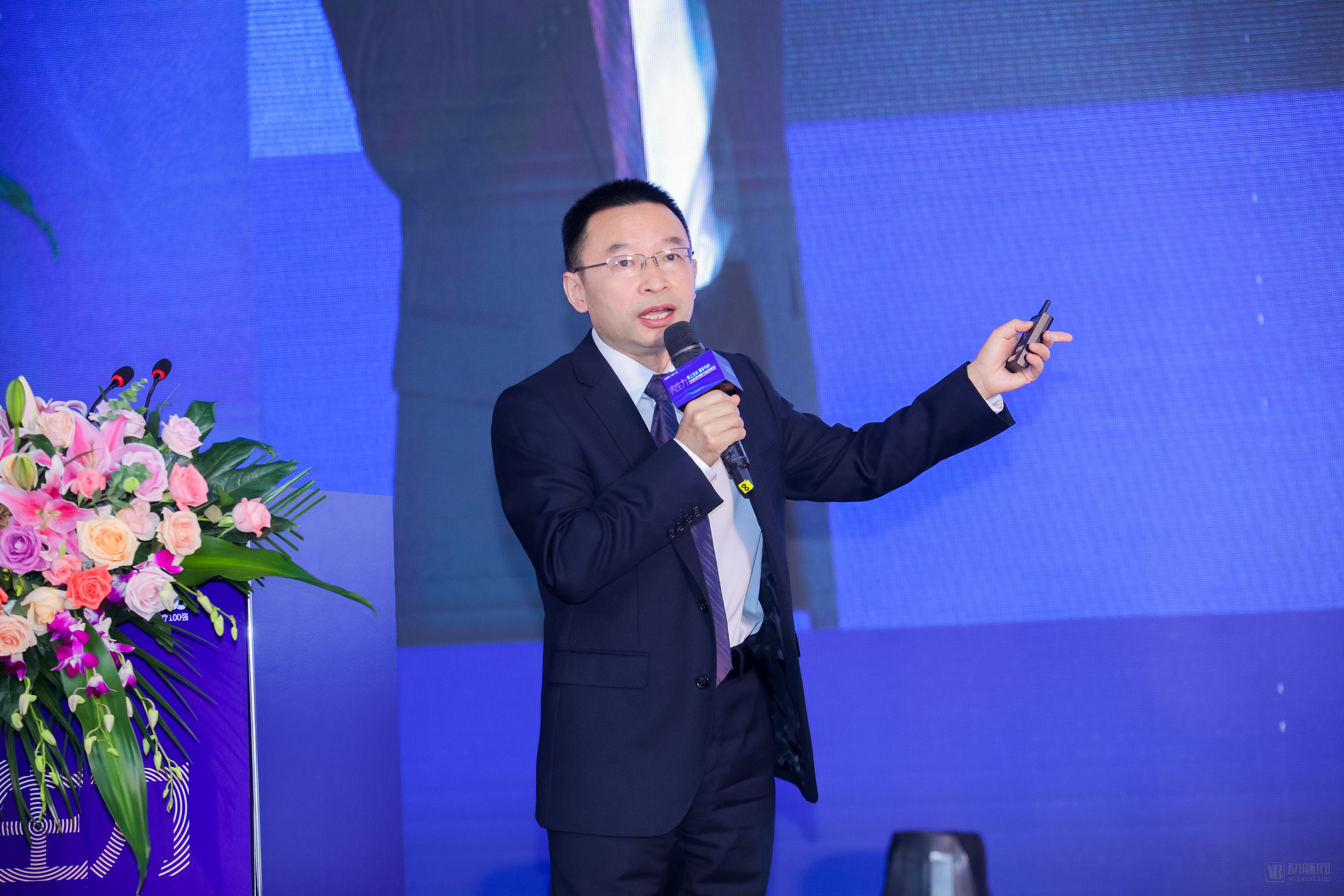
Jiang Haochuan | President and Dean of the Research Institute, Mingfeng Medical
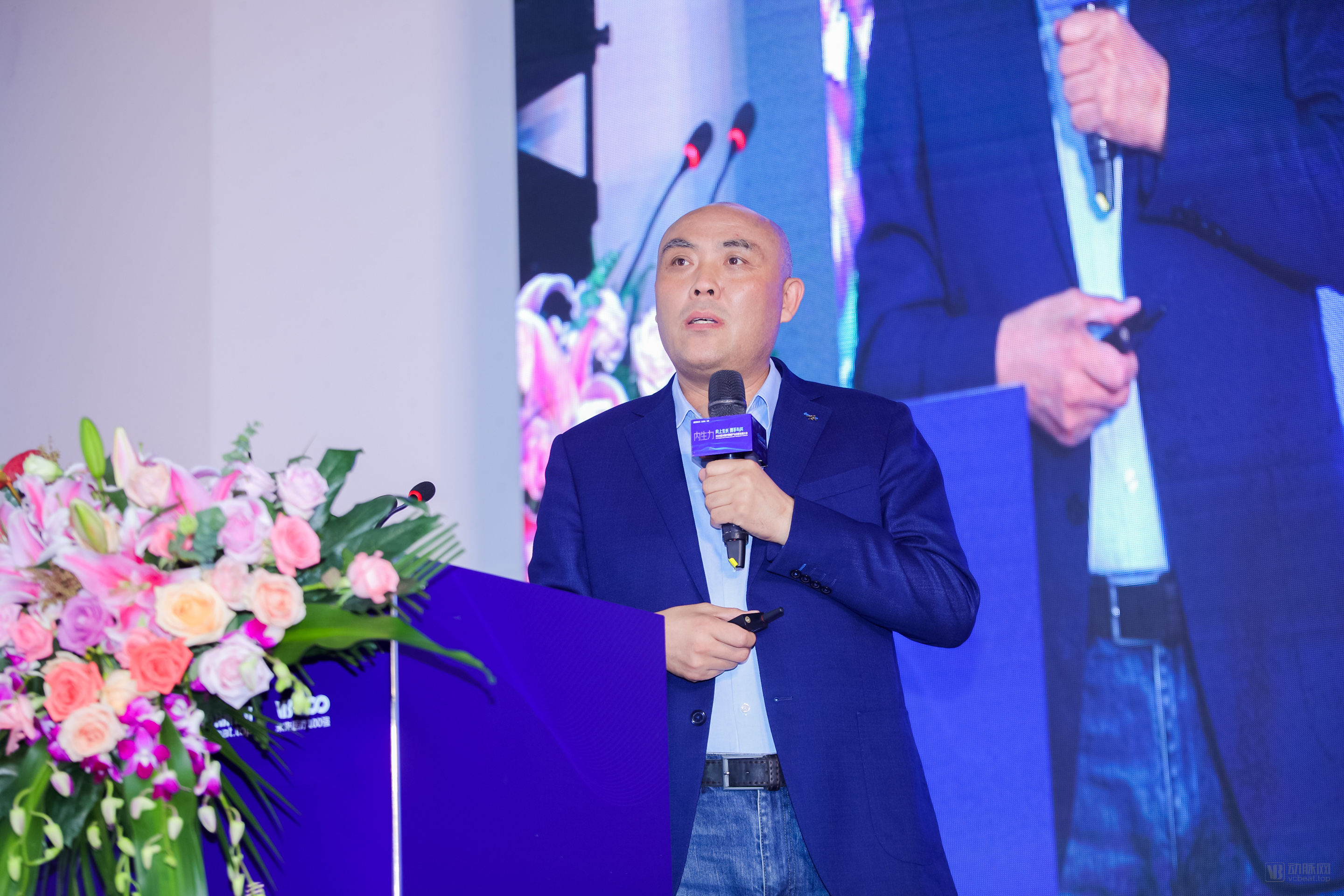
Sun Zhaochang | Chairman of Kaiying Medical
Mr. Wu Shaojie, CEO of Neusoft Medical, stated, “China’s level of medical resource allocation lags behind the global average. While health informatics is widely adopted in medium- and large-sized hospitals domestically, the third-party medical imaging sector in China is still in its nascent stage, showing a significant gap compared to the United States but also substantial room for growth. The pronounced regional disparities have resulted in inadequate diagnostic services at the primary care and rural levels. For medical equipment manufacturers, this presents both challenges and opportunities.”
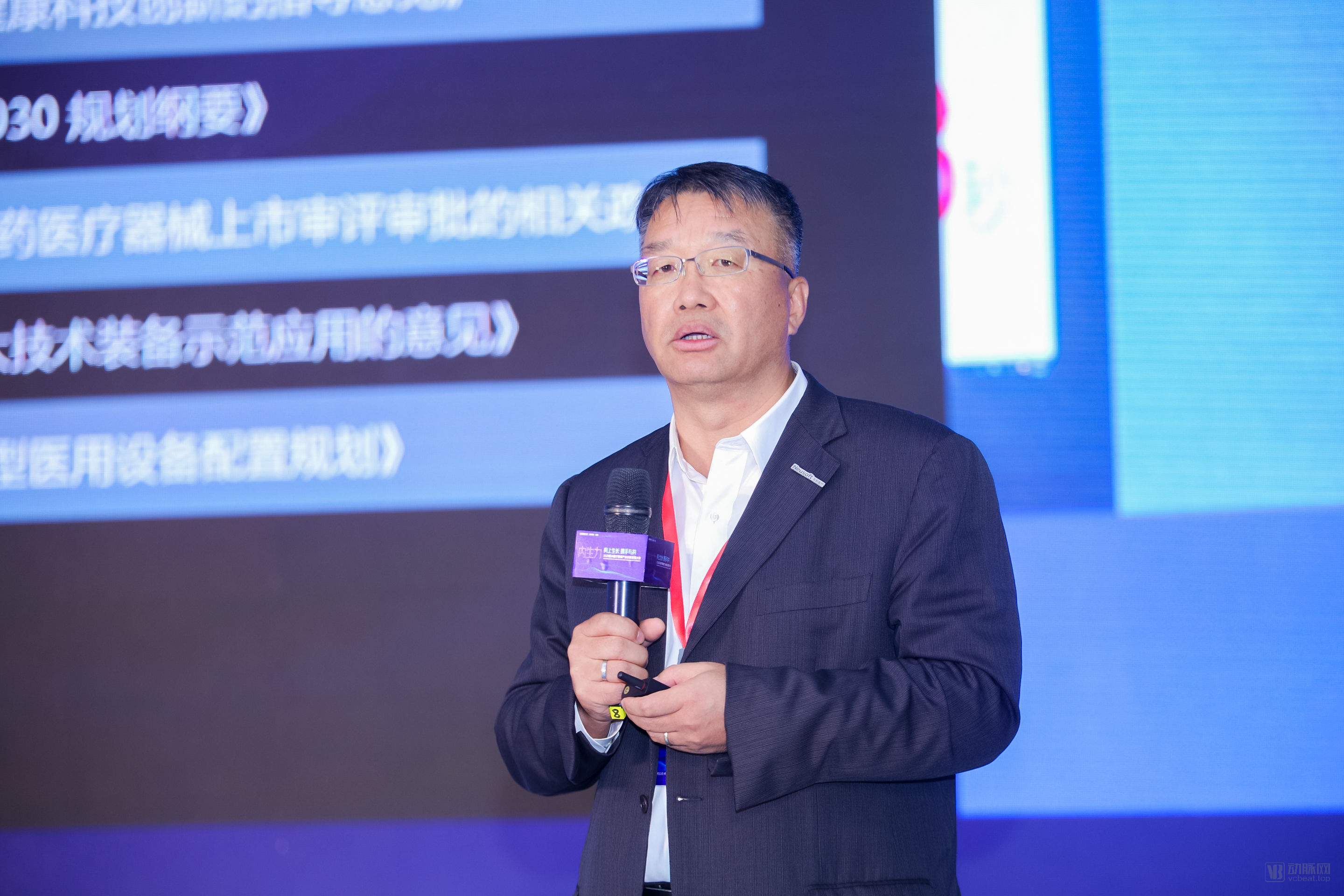
Wu Shaojie | CEO of Neusoft Medical
In recent years, the treatment of cancer and cardiovascular diseases has driven high-value medical consumables and in vitro diagnostics to a peak. Luo Fuliang, Co-founder and President of HiJet Medical, shared detailed insights on tumor treatment and other areas at the event. He stated, “In the future, tumor treatment will be a comprehensive approach combining local and systemic therapies, likely focusing more on minimally invasive ablation and systemic biological treatments.”
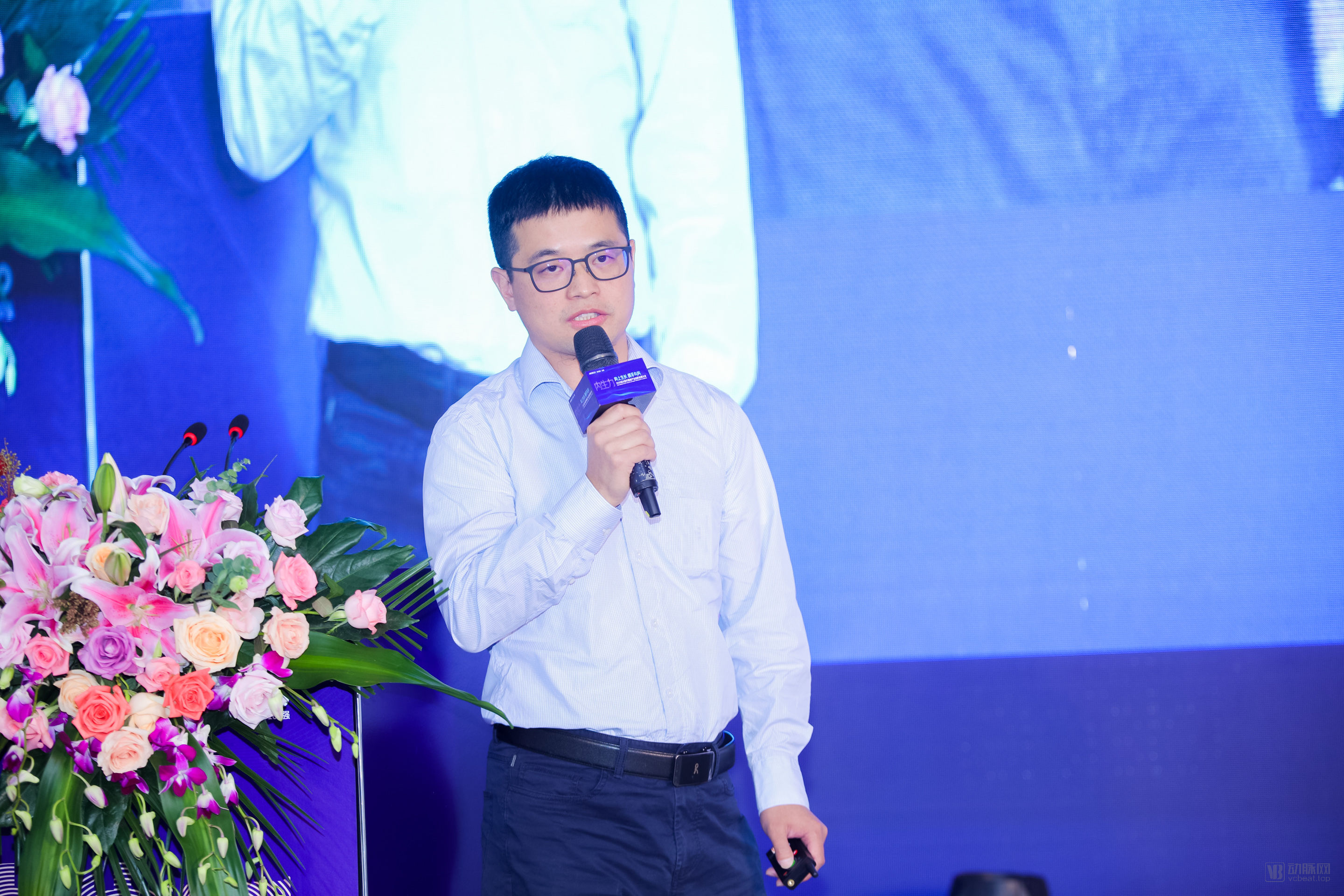
Luo Fuliang | Co-founder and President, Haijieya Medical
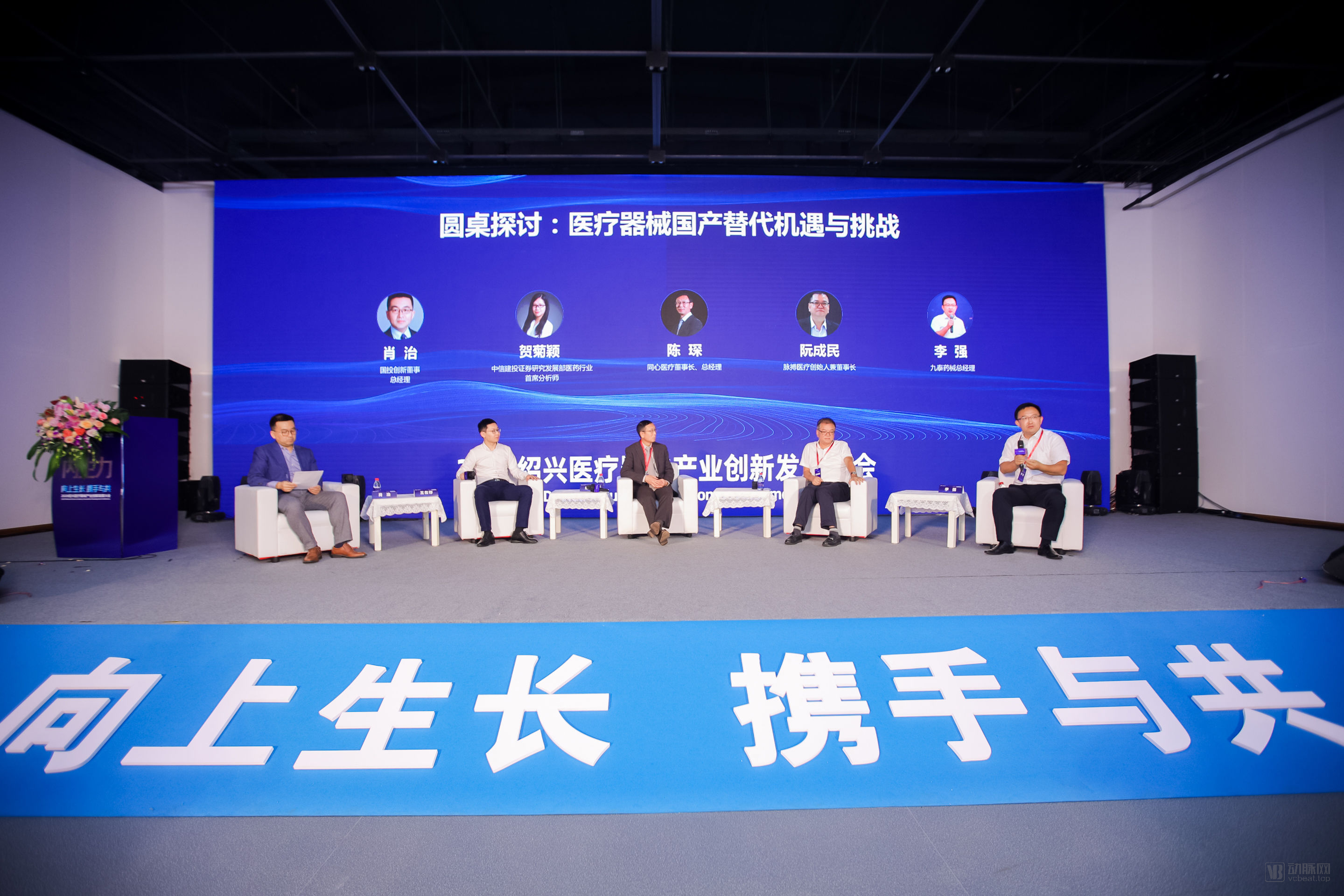
Amid the wave of domestic substitution, how can medical device companies seize opportunities and mitigate risks? Mr. Xiao Zhi, Managing Director at SDIC Innovation; Ms. He Juying, Chief Pharmaceutical Industry Analyst at the Research and Development Department of China Securities Co., Ltd.; Mr. Chen Chen, Chairman and General Manager of Tongxin Medical; Mr. Ruan Chengmin, Founder and Chairman of Maibo Medical; and Mr. Li Qiang, General Manager of Jiutai Pharmaceutical and Medical Devices, shared their insights on the development of the medical device industry under the trend of domestic substitution from multiple perspectives.
Ms. He Juying, Chief Pharmaceutical Industry Analyst at the Research and Development Department of China Securities Co., Ltd.A summary was provided on the development of the medical device industry: “Certain segments of the medical device sector are still in the stage of import substitution, while investment in other segments is focused on pioneering innovations. The market potential for large-scale medical equipment is substantial; compared with high-value consumables, large imaging equipment is better positioned to expand globally and capture a larger market share.”
Mr. Ruan Chengmin, Founder and Chairman of Pulse MedicalAt the forum, it was stated: “Chinese enterprises are accelerating their development along the path of technological innovation. Although some of our current innovations still remain at the stage of ‘copying,’ and further efforts are needed to advance core technologies, Chinese companies have made significant progress in breaking through core technology barriers in recent years. The gap between Chinese technology and international standards is narrowing.”
In the sub-sectors of medical devices,Mr. Chen Chen, Chairman and General Manager of Tongxin Medicalstated: “In the coming years, the most significant growth in the field of artificial hearts will lie in fostering patients’ genuine confidence in their therapeutic value, enabling them to achieve a high quality of life through the use of these devices.”
How to Drive the Rapid Development of Medical Device Companies?Mr. Li Qiang, General Manager of Jiutai Pharmaceutical & Medical Devices“He stated: ‘The production of innovative medical devices involves four stages: R&D, registration, mass production, and sales. CROs are most heavily involved in the R&D and registration phases. However, device R&D differs from drug R&D, as medical devices encompass a vast array of types and span a wide range of disciplines. Secondly, the industry is characterized by disorder and a shortage of talent. To foster industrial development, it is essential to clarify the development pathway, focus efforts on practical implementation, pay attention to detail, and drive the industry forward.’”
Conclusion:Behind the 2020 Shaoxing Medical Device Industry Innovation and Development Conference lies a crucial step in Shaoxing’s efforts to build a future city for healthcare and establish an innovative industrial cluster. Guided by the government, supported by academia, and bringing together enterprises, the conference jointly promotes the creation of a highland for Shaoxing’s medical device industry.