Digital Transformation in the Pharmaceutical Industry: Deep Dive into Five Key Implementation Scenarios
As a vital industry bearing on national welfare and people's livelihood, healthcare is poised for disruptive innovation driven by digital technologies, which will reshape the entire healthcare ecosystem. Within this broad healthcare landscape, pharmaceuticals serve as the cornerstone of the ecosystem. The size of China’s pharmaceutical market grew from RMB 955.5 billion in 2012 to RMB 2.15 trillion in 2020, achieving a compound annual growth rate (CAGR) of 10.7%. The pharmaceutical industry must align with the overarching trend of digitalization, proactively pursue innovative transformation, and contribute more effectively to advancing the healthcare sector.
From the perspective of current pharmaceutical market development, the digitalization of the pharmaceutical industry has demonstrated initial results and is beginning to enter its next phase. To better analyze the current state of digital innovation in China’s pharmaceutical industry and explore future innovation models, VCBeat Institute, through extensive interviews with industry experts and corporate surveys, combined with market data and drawing on relevant research methodologies and theories, provides an in-depth analysis of the current status of digital development in the pharmaceutical industry, and launches“Quarterly Journal on Digital Innovation in Healthcare: Five Key Scenarios for Implementing Digital Transformation in the Pharmaceutical Industry”, with the aim of providing reference and insights for participants in the digital innovation of the pharmaceutical industry.
In 2019, the scale of China’s digital economy further expanded. According to the “White Paper on the Development of China’s Digital Economy (2020)” released by the China Academy of Information and Communications Technology (CAICT), the scale of China’s digital economy reached RMB 35.8 trillion in 2019, accounting for 36.2% of GDP, a significant increase from RMB 31.3 trillion and 34.8% of GDP in the previous year. China’s digital economy has become a tidal wave, sweeping through every industry involved.
With every global technological wave, the healthcare industry has never been left behind. In recent years, digital transformation in the healthcare sector has intensified. Digital technology companies are helping key stakeholders across the healthcare industry achieve comprehensive digital transformation. Taking the diagnosis and treatment of lung cancer as an example, we can observe the overall digital evolution and transformation underway in the healthcare industry.
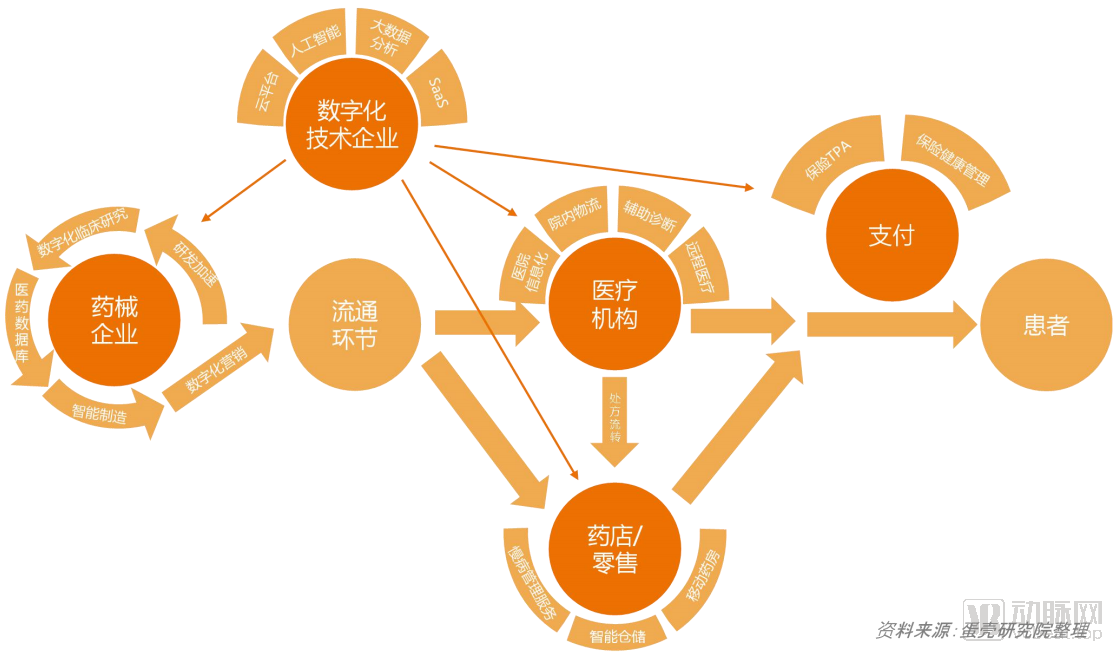
Real-world studies are helping pharmaceutical companies improve the efficacy of lung cancer drugs
Improving drug efficacy remains a key focus for pharmaceutical companies. Although drugs such as Keytruda and Tecentriq are already highly effective treatments for lung cancer, their response rates remain limited, and their high costs make them unaffordable for many patients. Under traditional R&D approaches, enhancing drug efficacy could only be achieved by modifying the drug’s molecular structure, a process that is inefficient and complex. Real-world studies based on digital technologies can mine valuable biomarkers from big data, helping to further identify the target patient populations most likely to respond, thereby improving the overall treatment efficacy of pharmaceutical products.
AI Imaging Enhances the Accuracy of Lung Cancer Diagnosis
Radiologists play a crucial role in the diagnosis of lung cancer in medical institutions. Experienced radiologists can accurately identify pulmonary nodules through imaging examinations such as CT and MRI, facilitating early screening for lung cancer. However, manual image interpretation is time-consuming and labor-intensive, and there is a persistent shortage of radiologists. Today, AI-based image recognition technology has achieved high accuracy in image interpretation, helping medical institutions address the shortfall of radiologists.
Internet Healthcare Becomes a New Channel for Patient Consultations
During the pandemic, lung cancer patients ceased visiting hospitals for consultations and medication purchases, making the combination of internet healthcare and pharmaceutical e-commerce a new channel for their diagnosis, treatment, and drug procurement. China’s internet healthcare industry experienced significant growth during this period, achieving a series of breakthroughs ranging from regulatory compliance to payment processing.
Digital Technology-Assisted Insurance Product Design
Individuals with small pulmonary nodules are often unable to purchase insurance products related to lung cancer. With the assistance of third-party administrators (TPAs), insurers can better manage their risks and design insurance products tailored to individuals with small pulmonary nodules, thereby extending coverage to a broader population. The approval of AI-assisted diagnostic products for medical device registration, the inclusion of internet healthcare services in national health insurance reimbursement, and the market entry of innovative commercial insurance products empowered by digital technologies all signal that the digital transformation of the healthcare industry has moved from the proof-of-concept stage to practical implementation.
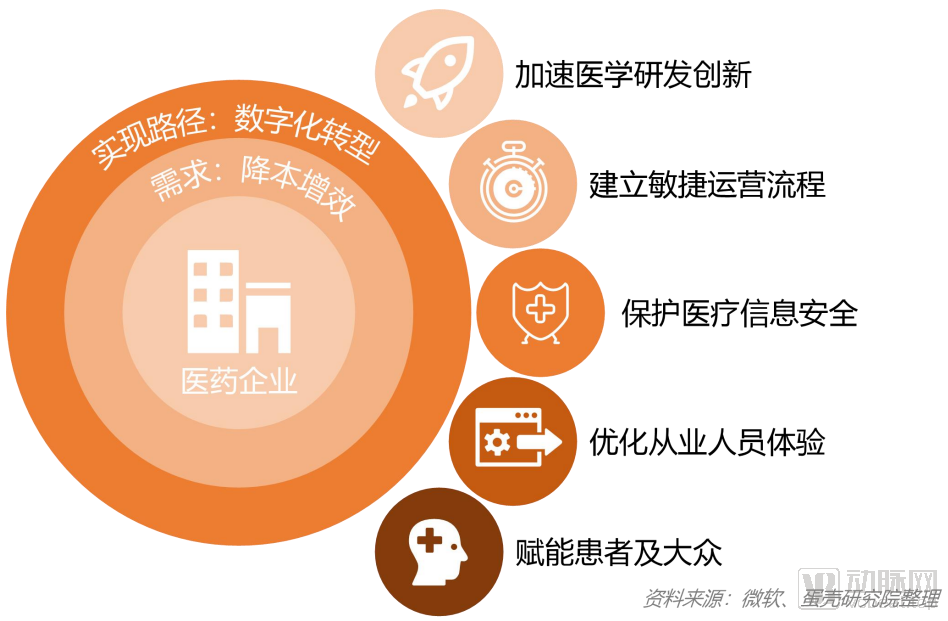
Among the various industry stakeholders in the healthcare sector, the pharmaceutical industry, as a provider of diagnostic and therapeutic solutions, is advancing its digital transformation from an initial stage toward greater depth.
In recent years, influenced by the overall policy environment, the digital transformation of China’s pharmaceutical industry has centered on cost reduction and efficiency enhancement. Therefore, at the implementation stage, the deep integration of digital technologies with the pharmaceutical industry will focus on five key application scenarios to achieve more efficient corporate operations.
For lung cancer, a disease with persistently high incidence and mortality rates, there remains an urgent clinical need for high-quality solutions to address the diverse circumstances of patients. Although there have been consecutive breakthroughs in lung cancer treatment regimens in recent years, such as the market launch of domestically produced third-generation EGFR-TKI targeted therapies and the approval of multiple PD-1/PD-L1 monoclonal antibodies for lung cancer indications, these advances still do not cover all lung cancer patients.
Digital technologies can help pharmaceutical companies achieve full lifecycle management of their products, from underlying data support to post-marketing drug research, where the presence of digital technologies can be seen.
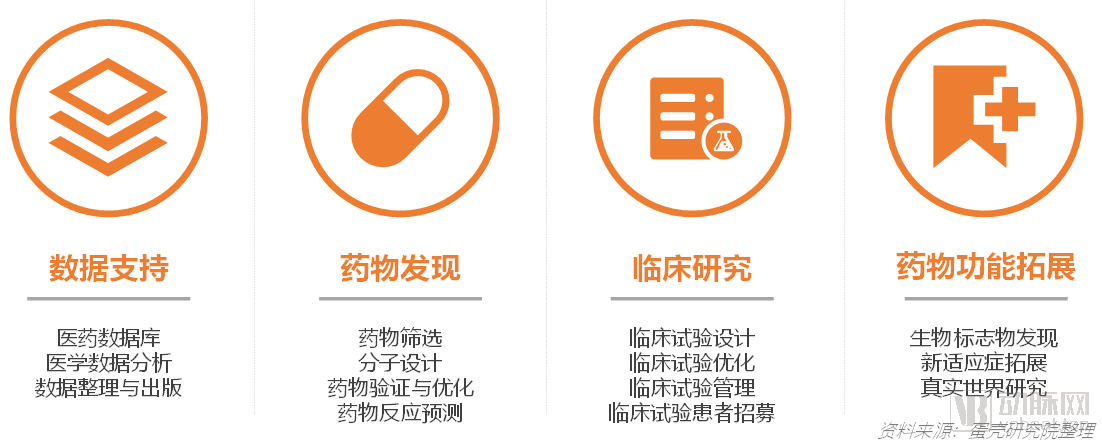
The pharmaceutical R&D industry is characterized by a vast amount of unstructured data scattered across various public channels. This data encompasses not only specific information directly related to diagnosis and treatment—such as drug data, clinical trial data, and real-world evidence—but also extends to broader dimensions including regulatory approval data, insurance data, and genomic data. Through the collection, organization, and processing by data service providers, these dispersed data points are transformed into structured databases, ensuring that artificial intelligence technologies can accurately read, analyze, and ultimately derive meaningful insights.
AI-driven new drug development companies organize publicly published research findings into knowledge graphs suitable for machine learning. Building on these knowledge graphs, artificial intelligence technologies are employed to screen valuable drug molecules from a vast body of published scientific literature, followed by further validation, optimization, and prediction. This approach not only enhances the efficiency of pharmaceutical companies in identifying high-value drug candidates but also improves the success rate in subsequent stages of the drug development process, thereby increasing efficiency while reducing costs.
Digital clinical research management models enable more efficient management and analysis of traditionally labor-intensive clinical studies. Components targeting various stages—such as Electronic Data Capture (EDC) systems, Pharmacovigilance (PV) systems, electronic Patient-Reported Outcomes (ePRO), and Randomization and Trial Supply Management (RTSM) systems—are integrated with Clinical Trial Management Systems (CTMS), achieving comprehensive connectivity from data to personnel.
The increasing digitization of hospitals has generated vast amounts of clinical data. Once organized and structured, these clinical data can be leveraged to provide real-world evidence for drug development, support new drug approvals or label expansions for marketed drugs, and facilitate the development of biomarkers to precisely define target populations.
In 2019, the Swiss pharmaceutical company Novartis signed an agreement with Microsoft to accelerate new drug development by combining Microsoft’s strengths in artificial intelligence (AI) with Novartis’ expertise in life sciences. The five-year agreement establishes an “AI Innovation Lab” at Novartis and creates joint working centers at Novartis’ offices in Switzerland and Dublin, as well as at the Microsoft Research lab in Cambridge, UK. The initiative aims to equip Novartis employees with the AI and cloud computing capabilities needed to develop the next generation of medicines. Novartis plans to apply Microsoft’s AI tools across the entire drug development process, including research, clinical trials, manufacturing, operations, and finance. Initially, the two companies will focus on three areas: personalized treatments for macular degeneration, the development of gene and cell therapies for acute lymphoblastic leukemia using AI technologies, and the use of neural networks to identify molecules with potential therapeutic applications.
In the process of digital technologies penetrating the pharmaceutical industry, both digital technology firms and pharmaceutical companies have their respective shortcomings. Pharmaceutical companies possess a profound understanding of disease mechanisms and clinical pain points but lack sufficient capability in developing digital products; whereas digital enterprises excel in applying digital technologies but lack specialized knowledge in the medical field.
Therefore, at the current stage of development, many innovative enterprises rely on the digital platforms of digital technology companies to provide pharmaceutical R&D services with a high degree of specialization to pharmaceutical firms. However, as the digital transformation of the pharmaceutical industry deepens, the sector will gradually enter a consolidation phase. Innovative enterprises will be integrated into industry giants, transitioning from providers of solutions to specialized business units within pharmaceutical companies.
Data security in the healthcare industry has long been a sensitive issue, with concerns over safety somewhat impeding the digital transformation of the entire healthcare sector. However, as cloud technologies mature and data security standards continue to improve, migrating data to the cloud has become an inevitable trend in the future development of the pharmaceutical industry.
The gradual maturation of cloud computing technology has enabled breakthroughs in corporate communication efficiency and productivity, while demonstrating distinct advantages in agile operations, cost optimization, regulatory compliance, and operational revenue. However, public cloud services have also introduced a concomitant challenge: security risks.
Cloud security encompasses a multitude of complex issues, including safeguarding data against unauthorized access, ensuring the integrity of data, hardware, and software, and facilitating seamless communication between users and the cloud platform.
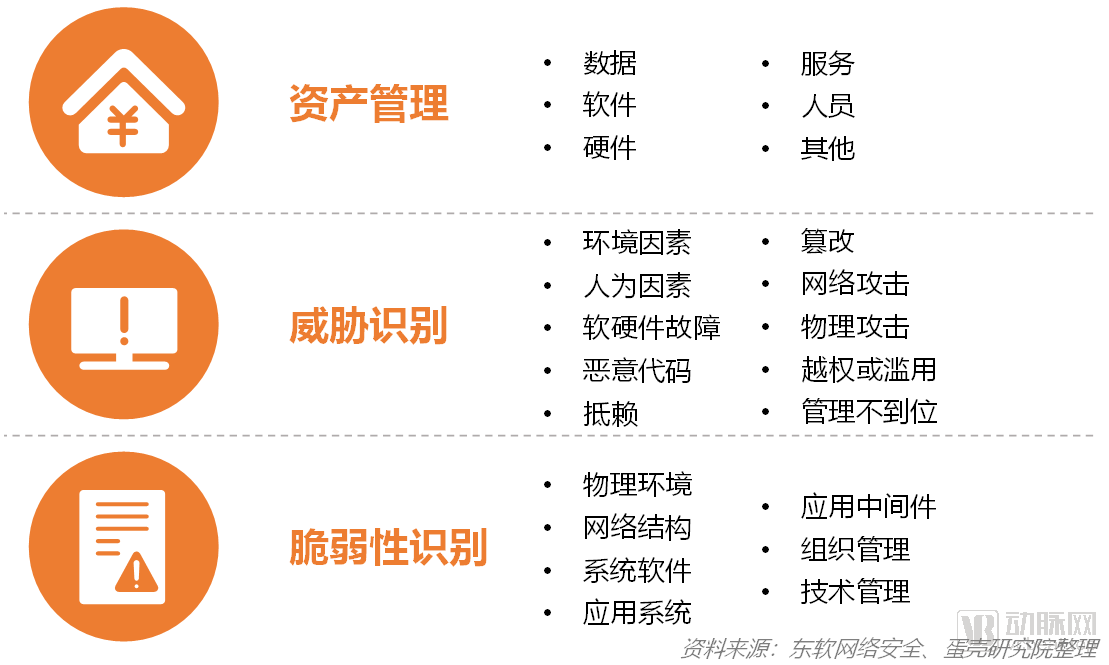
Ensuring the integrity of infrastructure and communications is fundamental to cloud platforms.As the provider of cloud services, the cloud platform shall construct its underlying environment in accordance with the general requirements specified in GB/T 22239-2019 “Information Security Technology—Baseline for Classified Protection of Cybersecurity,” covering facilities, hardware, and the resource abstraction control layer, and shall implement security measures for the cloud platform in compliance with the cloud-specific extension requirements.
Network encryption issues, as well as hardware and endpoint vulnerabilities, can all lead to unauthorized data breaches.Cloud platforms lacking encryption and strong password protection may be more susceptible to external attacks, leading to data breaches; alternatively, if the cloud platform is built using devices with significant security vulnerabilities, it may also result in data theft.
Therefore, when pharmaceutical companies select cloud platforms, it is essential to prioritize cloud services provided by industry leaders to mitigate security risks. Leading digital technology enterprises both domestically and internationally have established their presence in the cloud platform sector, with most offering comprehensive security safeguards.
Take Microsoft Azure as an example. Azure is a public cloud service platform that supports an extensive range of operating systems, programming languages, frameworks, tools, databases, and devices. It offers a broad array of configurable security options and the ability to control them, enabling users to customize security measures to meet the unique requirements of their organizational deployments. With its highly available, secure, and flexible networking capabilities, Azure provides enhanced global network support for multinational pharmaceutical companies and cross-border healthcare services.
British pharmaceutical giant GSK (GlaxoSmithKline) has implemented a customized, personalized safety reporting solution called “ZAPAPP” in its operations. This solution leverages Microsoft’s digital products, including Microsoft Azure, Dynamics 365, and the Power Platform, to deliver robust security capabilities. The Power Platform enables GSK to streamline and digitize its processes. A Power Apps canvas app is used to capture data and context related to safety risks, including photographs. Microsoft Flow automates the sending of email notifications. Data is stored in Azure SQL tables and visualized through Power BI reports. Following the initial deployment at the Ware manufacturing site, GSK achieved comprehensive and rapid identification of safety hazards, along with a significant boost in operational efficiency. Consequently, the application quickly gained support from senior management and was rolled out to additional business units.
The end users of pharmaceuticals are patients. Although patients’ medication use requires diagnosis and prescription by physicians, pharmaceutical companies themselves also bear responsibility toward patients. In recent years, major pharmaceutical corporations have increasingly championed a “patient-centric” operational model. AstraZeneca once published a research article in BMJ Journals that, after surveying thousands of patients through questionnaires, redefined “patient-centricity” as “always putting patients first through their open and continuous engagement, thereby delivering the best experiences and outcomes for patients and their families on the foundation of respect and empathy.”
Under the new “patient-centric” philosophy, it is clearly insufficient for pharmaceutical companies to merely sell drugs to patients; they must also continuously monitor “after-sales” issues such as patients’ diagnosis and treatment pathways, therapeutic efficacy, adverse reactions, and adherence.Under the traditional operational model, pharmaceutical companies primarily interact with patients through physicians. With the rise of the internet healthcare industry, however, pharmaceutical companies can now engage directly with patients via digital channels, enabling a more precise understanding of patient needs and outcomes during actual medication use.
Although relevant regulations explicitly prohibit the promotion of prescription drugs to the general public via mass media, providing patient-centered services and patient education is not considered a violation. Therefore, while direct-to-consumer advertising of prescription drugs is not permitted, pharmaceutical companies can still establish strong connections with patients through patient management programs.
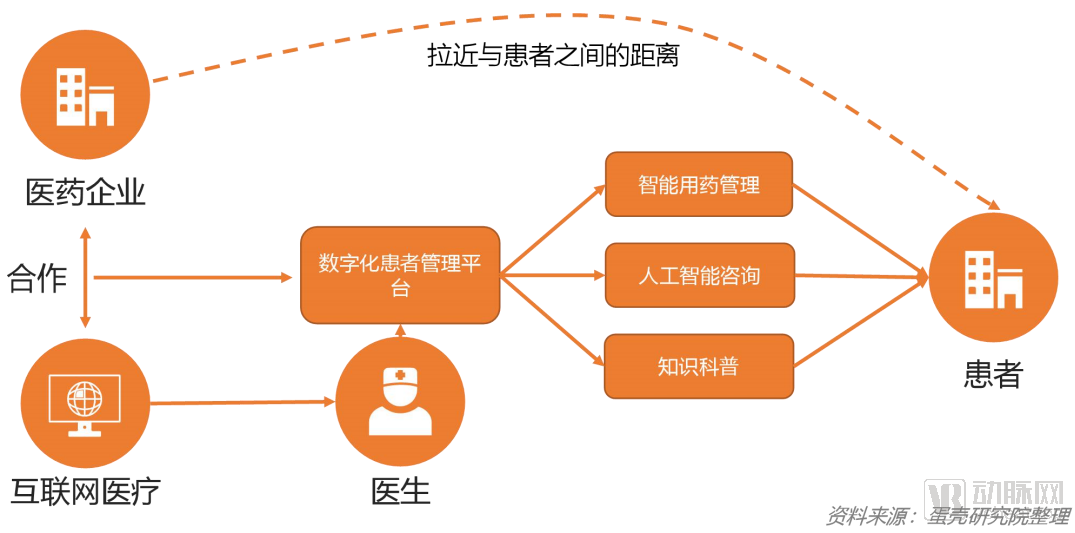
Therefore, over the past few years, pharmaceutical companies have frequently collaborated with digital health enterprises (including internet hospitals and online pharmaceutical e-commerce platforms) to establish digital patient management platforms. Particularly in the realm of chronic disease management, these platforms enable patients with chronic conditions to manage their health long-term, consult physicians, and access disease-related knowledge. Meanwhile, pharmaceutical companies and healthcare providers can monitor patients’ medication types, dosages, refill frequency, and changes in clinical indicators, thereby offering targeted guidance and recommendations for chronic disease management.
Digital Technologies Effectively Enhance Patient Adherence. Managing patient adherence is a critical component of pharmaceutical companies’ patient support initiatives. Under traditional care models, infrequent communication between patients and physicians often leads to adherence issues during self-management. In contrast, while internet-based management models enable high-frequency exchanges regarding patients’ conditions, healthcare professionals are generally overburdened and may be unable to provide detailed inquiries, communication, and responses for each patient. Over time, this may result in patient attrition.
More advanced digital solutions may help address the shortage of medical resources.For instance, AI-powered chatbots can address common questions among patients, provide preliminary analysis of their conditions, promptly advise them to consult a physician when necessary, and seamlessly share relevant information with the doctor.
For example, Microsoft’s Healthcare Bot service enables healthcare organizations to build and deploy AI-powered, compliant conversational healthcare experiences at scale. By combining built-in medical intelligence and natural language capabilities with scalability tools and compliance frameworks, the service allows healthcare product providers—such as hospitals, pharmaceutical companies, medical device manufacturers, and telehealth platforms—to provide users with secure access to relevant medical services and information. Microsoft Healthcare Bot facilitates AI-driven conversational healthcare experiences, empowering healthcare organizations to build and scale intelligent health assistants while ensuring security and compliance throughout the entire process.
For scenarios such as “Building an Agile Operations System with Modular Cloud Services” and “Enhancing Employee Work Experience through Digital Tools,” please refer to the full report.
Digital-native enterprises are defined as organizations that master the characteristics of the digital economy and integrate them into the core of their business operations and corporate culture. Relying on digital technology platforms, these enterprises continuously extend the reach of digital technologies deep into their organizational fabric, enabling rapid business expansion and innovation while empowering both employees and users.
After pharmaceutical companies complete the initial phase of digital transformation across their integrated systems encompassing R&D, clinical research, production management, and marketing, their demand for digital productivity will further increase, evolving from the adoption of general-purpose products to customized solutions. Digital-native enterprises that provide customized services to pharmaceutical companies may, through mergers and acquisitions, transition from being external providers of digital technology services to becoming internal functional departments within pharmaceutical firms, thereby achieving mutual integration between the two.
Compared with on-premise products deployed locally, service models such as PaaS (Platform as a Service) and SaaS (Software as a Service) offered by cloud platforms are better aligned with the future trends of digital transformation. By migrating office operations to the cloud, pharmaceutical companies no longer need to plan their own offline data centers or network centers, nor do they need to devote excessive resources to managing digital teams unrelated to their core business. They can meet comprehensive office needs simply by issuing commands to the cloud.
In the pharmaceutical sector, cloud platforms can provide services to pharmaceutical enterprises across three dimensions: internal process optimization, external expansion, and medical technology support. Cloud platforms lower the barrier to entry for adopting digital products and reduce the cost of trial and error for enterprises. The deployment of cloud platforms requires minimal investment in physical resources; the subscription-based purchasing model further reduces upfront costs during the setup phase. Additionally, users can remotely access applications via web interfaces at any time, without being constrained by their work location.
Big data mining and artificial intelligence technologies are complementary and mutually influential. Artificial intelligence can extract new insights from structured big data, providing new strategic directions for corporate development.
Pharmaceutical companies that have achieved initial digitalization have begun to accumulate their own operational data. This operational data has become part of the pharmaceutical companies’ digital assets, laying the foundation for their next stage of development. When the volume of accumulated data reaches a certain threshold, pharmaceutical companies will be capable of extracting more valuable insights from these data, thereby establishing an internal closed loop of “accumulating operational data – mining data insights – adjusting corporate operational strategies,” which enables exponential growth for the enterprise.
The above is an excerpt from the report. Scan the QR code to read and access the full report.