

2021 Top 10 Medical Innovations Unveiled: Breakthrough Therapies and Technologies Set to Transform Healthcare
Recently, the 18th Annual Medical Innovation Summit, led by the Cleveland Clinic, a top global medical center, was held online. A key highlight was the unveiling of the Top 10 Medical Innovations for 2021. Experts selected ten breakthrough medical devices and therapies expected to make an impact in the coming year. These medical innovations have the potential to transform the lives of countless patients.
The innovative technologies and therapies selected this time include the CD20-targeted therapy ocrelizumab, the novel drug Trikafta for cystic fibrosis, pan-genotypic therapies for hepatitis C, PARP inhibitors, and other innovative drugs, covering diseases such as hemoglobinopathies, primary progressive multiple sclerosis, cystic fibrosis, hepatitis C, prostate cancer, and migraine.
In addition to revealing the drivers behind the top ten healthcare innovations, VCBeat provides a detailed review of the latest technological advancements in the relevant fields and, by integrating insights on related companies and market dynamics, strives to uncover the market development potential within these sectors for its readers.
Gene Therapy for Hemoglobinopathies
Current Status of Related Diseases
Hemoglobinopathies are a group of hereditary blood disorders caused by abnormalities in the molecular structure of hemoglobin or by abnormal rates of globin peptide chain synthesis. This diseaseThe most common types are thalassemia and sickle cell anemia, which affect more than 330,000 children worldwide each year.
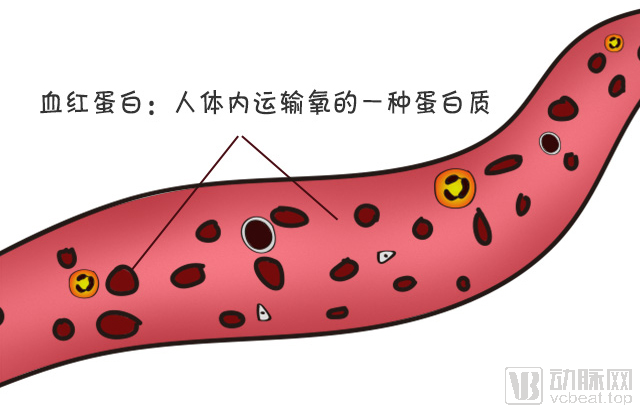
Pediatric Patients with ThalassemiaMost individuals are of Mediterranean, African, and Asian descent. The carrier rate for thalassemia genes in China’s population ranges from 1.92% to 14.95% (approximately 30 million people), with higher prevalence in southern regions such as Guangdong, Guangxi, Hunan, and Hainan. There are approximately 300,000 patients with moderate-to-severe thalassemia, and this number is increasing at an annual rate of about 10%.
Thalassemia typically entails high treatment costs and significant clinical challenges, imposing substantial burdens on millions of families. Currently, one adopted therapeutic approach is regular blood transfusions to sustain life; another is allogeneic hematopoietic stem cell transplantation, which is internationally recognized as the standard curative treatment. However, this latter option is only suitable for a subset of patients who can find a compatible donor, and it carries risks such as graft failure, infection, and graft-versus-host disease (GVHD).
Another common severe hereditary hemoglobin disorder isSickle Cell AnemiaThis disease is characterized by sickle-shaped red blood cells and chronic anemia resulting from the extensive destruction of abnormal erythrocytes. Sickle cell anemia is particularly prevalent among individuals with ancestry from sub-Saharan Africa, India, Saudi Arabia, and Mediterranean countries. Migration has increased the frequency of this gene in the Americas. In certain regions of sub-Saharan Africa, up to 2% of all children are born with the disease.
Latest Advances in International R&D in Recent Years
May 2019,EU Approves Bluebird Bio’s One-Time Gene Therapy Zynteglo(LentiGlobin, autologous CD34+ cells containing the βA-T87Q globin-encoding gene) for the treatment of patients aged 12 years and older with β-thalassemia major (TDT),Zynteglo becomes the world’s first gene therapy for TDT,Priced at $1.77 million. Subsequently, the EMA granted Zynteglo orphan drug designation (ODD) for the treatment of sickle cell disease (SCD). In September this year, bluebird bio announced that the European Medicines Agency (EMA) had granted Zynteglo PRIME (PRIority MEdicines) status for the treatment of sickle cell disease.
In January this year,FDA Grants Orphan Drug Designation to Aruvant Sciences’ ARU-1801 for the Treatment of Sickle Cell Disease (SCD)ARU-1801 is a modified fetal hemoglobin gene therapy developed for the treatment of sickle cell disease (SCD) and β-thalassemia.
The gene therapy trial CTX001, conducted in collaboration between the Swiss gene-editing company CRISPR Therapeutics and the U.S. pharmaceutical company Vertex Pharmaceuticals, has also yielded positive interim data from its Phase 1/2 clinical trial.Two patients with β-thalassemia and one patient with severe sickle cell anemia achieved transfusion independence following treatment.
Good news also comes from China.
Recently,Xiangya Hospital of Central South University, East China Normal UniversityThe clinical study titled “A Clinical Study on the Safety and Efficacy of Autologous Hematopoietic Stem Cell Transplantation with γ-Globin Reactivation for the Treatment of Severe β-Thalassemia,” conducted by [relevant] institutions, has achieved encouraging progress. Clinical trial results showed that two patients who received the treatment have become transfusion-independent and have been discharged as cured. Literature from both domestic and international sources indicates thatThis marks the first successful case in China and even Asia of treating thalassemia using gene-editing technology, as well as the first successful case globally of treating β0/β0-type severe thalassemia using CRISPR gene-editing technology.
According to Professor Chen Fangping from the Department of Hematology at Xiangya Hospital of Central South University, “Overcoming the challenge of the β0/β0 genotype means that the majority of transfusion-dependent β-thalassemia cases can be cured through this therapeutic strategy.” In the future, “γ-globin reactivation” technology will become one of the optimal, highly feasible, and safe treatment options for β-thalassemia.
New Drugs for the Treatment of Primary Multiple Sclerosis
Current Status of Related Diseases
Multiple Sclerosis(Multiple Sclerosis, MS) is an autoimmune disorder in which damage and stripping of the myelin sheath impair the function of the spinal cord, brain, and optic nerves. This damage can cause a variety of symptoms, including muscle weakness, fatigue, and visual disturbances, and may ultimately lead to disability. Multiple sclerosis typically onsets between the ages of 20 and 50, with an incidence in women approximately twice that in men. The etiology and pathogenesis remain incompletely understood.
According to data published by the Institute for Health Metrics and Evaluation (IHME) at the University of Washington, there are approximately 2.3 million cases of multiple sclerosis (MS) worldwide. In China, multiple sclerosis is classified as a rare disease, with an incidence rate of approximately 1.5–3.2 per 100,000 people, and the estimated number of patients exceeds 30,000.
To delay the progression of multiple sclerosis (MS), selectively targeting CD20-positive B cells is a viable approach—these cells are considered key immune cells responsible for causing damage to myelin and axons (nerve cells).
Recent Advances in International Related Fields
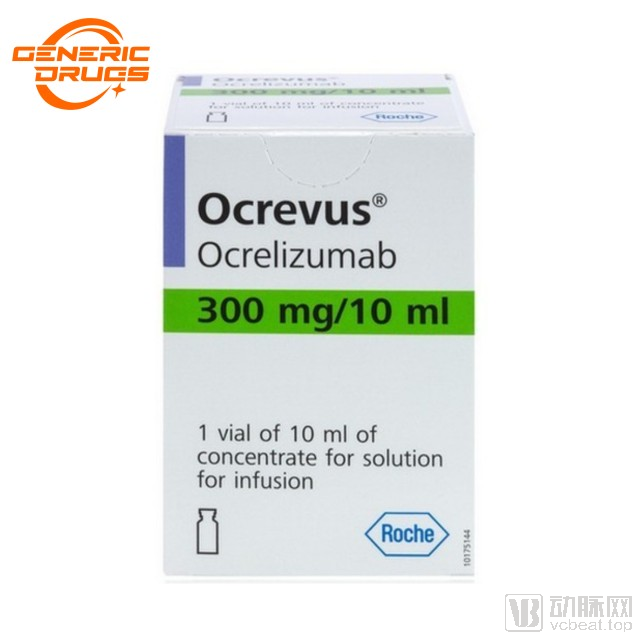
March 2017,FDA Approves Roche’s Monoclonal Antibody Product “Ocrevus (Ocrelizumab)”Indicated for the treatment of relapsing forms of multiple sclerosis (RMS) and primary progressive multiple sclerosis (PPMS), making itThe first and only disease-modifying therapy approved for the treatment of two types of multiple sclerosis, as well as the first and only disease-modifying therapy for the treatment of PPMS.
Ocrelizumab is a humanized anti-CD20 monoclonal antibody that selectively binds to CD20 on the surface of B cells without affecting stem cells or plasma cells, thereby exerting neuroprotective effects. Administered via intravenous infusion every six months, ocrelizumab is expected to significantly improve adherence among patients with multiple sclerosis. At the time of its launch, the drug was priced at an annual cost of $65,000.
Pacemaker Devices Connected to Smartphones
Current Status of Related Diseases
There are approximately 20 million patients with arrhythmia and 4.5 million patients with heart failure in China, with about 540,000 cases of sudden cardiac death occurring annually; moreover, the prevalence of cardiovascular and cerebrovascular diseases continues to rise.
For implantable devices such as cardiac pacemakers and defibrillators used to prevent or correct arrhythmias and irregular heartbeats, remote monitoring is a critical component of patient care. In traditional treatment paradigms, remote monitoring of these devices is conducted via bedside consoles that transmit relevant data to physicians. Currently, millions of patients rely on cardiac pacemakers, defibrillators, and similar devices; however, the majority lack a basic understanding of device functionality, resulting in suboptimal adherence to remote monitoring protocols.
By connecting to smartphones, Bluetooth-enabled pacemaker devices can bridge the gap between patients and their cardiac care, while also providing patients with in-depth insights into their health data and enabling timely transmission of health information to physicians, thereby fostering closer and more efficient interactions between patients and doctors.
Relevant Market Conditions
In recent years, China has seen significant advancements in the application of advanced technologies and therapies for related diseases. The number of cardiac pacemaker implantations increased from 38,768 cases in 2010 to 82,779 cases in 2018; however, patient demand continues to rise.
Interventional therapy has become a major treatment modality for cardiovascular diseases. With the growing demand for interventional procedures among cardiovascular patients, the market size of cardiac and great vessel interventional devices in China continues to expand.In 2017, the market size of interventional devices for heart and large blood vessels in China was RMB 43.6 billion, and it is expected to reach RMB 70.8 billion in 2021.
Due to the high technical barriers in the industry,China's pacemaker market is largely monopolized by international companies such as Medtronic and Abbott;Domestic companies such as Lepu Medical, MicroPort Medical, Huabo Medical, and Lifetech Scientific collectively hold less than 20% of the Chinese market, and there remains a significant gap in R&D capabilities compared with their foreign counterparts.
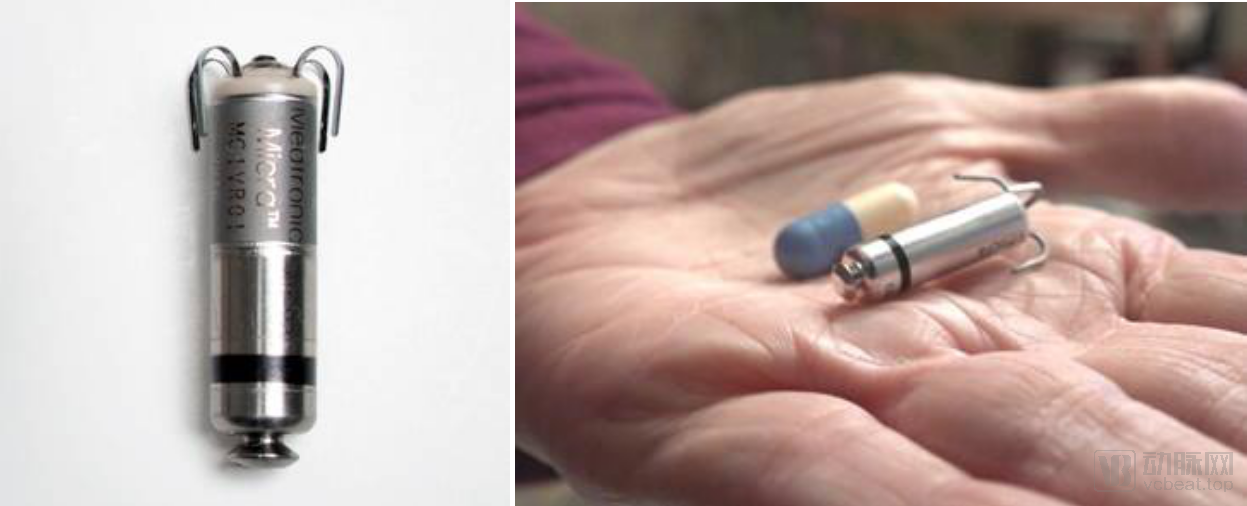
Medtronic Micra Leadless Cardiac Pacemaker
Recent Advances in Related International Technical Fields
In April 2016, the FDA approved the market launch of the Micra product, making Medtronic the only medical device giant in the global market at that time with an FDA-approved leadless pacemaker.In November 2019, the Medtronic Micra leadless cardiac pacemaker, hailed as the “world’s smallest cardiac pacemaker,” was officially launched in China for clinical use in minimally invasive surgical treatment of arrhythmias.
Abbott) The company also announced on July 6 this year that itsNext-Generation Bluetooth-Connected Pacemakers and Defibrillator Implants Receive FDA Approval. After the relevant devices are paired with Abbott’s MyMerlinPulse software, patients and their clinicians can access data tracking implant performance and event history. Through the MyMerlinPulse app, physicians can continuously monitor their patients remotely, thereby identifying asymptomatic episodes as well as patient-triggered transmissions. This not only simplifies communication between physicians and their patients but also helps physicians intervene earlier and reduce clinical burden.
New Drugs for the Treatment of Cystic Fibrosis
Current Status of Related Diseases
Cystic Fibrosis (CF)It is a genetic disorder caused by mutations in the gene encoding the cystic fibrosis transmembrane conductance regulator (CFTR), leading to the absence or functional defect of the CFTR protein.
There are approximately 2,000 known mutations in the CFTR gene, with the most common being the F508del mutation. The F508del mutation causes two defects, as shown in the figure below:
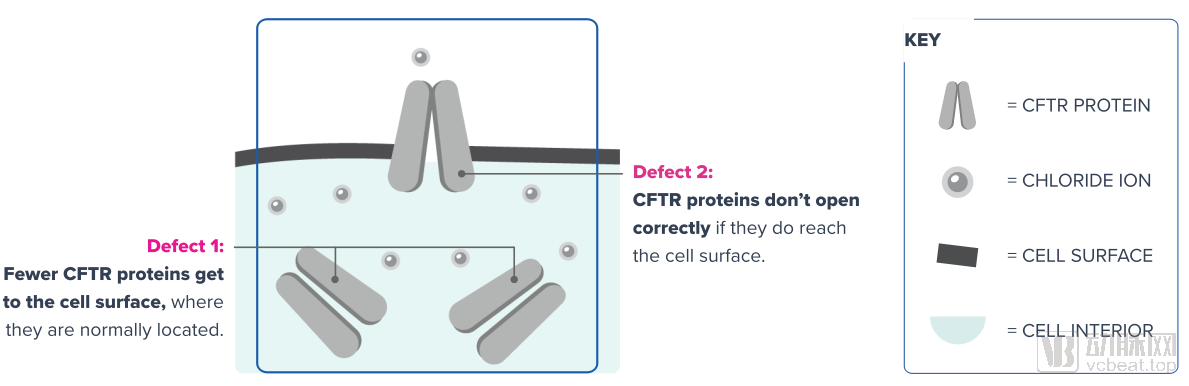
Due to these defects, the imbalance of salt and water influx and efflux in many organ cells leads to the accumulation of abnormally viscous mucus in the lungs, causing chronic pulmonary infections and progressive lung damage, and ultimately resulting in patient death.
The incidence of CF varies across different countries.According to the World Health Organization, in the European Union, one in every 2,000–3,000 newborns is affected by cystic fibrosis (CF); in the United States, the incidence of CF is 1 in 3,500; in Asia, significant underdiagnosis of CF persists, rendering its true incidence unclear.
Recent Advances in International Technologies in Related Fields
2019,FDA Approves Vertex Pharmaceuticals’ Combination Therapy Trikafta (elexacaftor/tezacaftor/ivacaftor) for Marketing, Potentially Treating 90% of Cystic Fibrosis PatientsIn addition to receiving Fast Track and Breakthrough Therapy designations, Trikafta has also been granted “Orphan Drug” status.
In the combination therapy Trikafta,elexacaftorIt is a next-generation CFTR protein corrector, used to restore the function of CFTR protein carrying the F508del mutation, thereby improving respiratory function in CF patients;tezacaftorCFTR protein function can be enhanced by increasing the level of CFTR protein trafficking to the cell surface;ivacaftorThe function of defective CFTR protein can be enhanced by prolonging the open time of CFTR protein on the cell surface.
The approval of Trikafta has enabled thousands of patients carrying one F508del mutation and one minimal-function mutation to access innovative therapies that target the underlying disease mechanisms of cystic fibrosis.
Standard Therapy for Hepatitis C
Current Status of Related Diseases
Hepatitis C is a viral hepatitis caused by infection with the hepatitis C virus (HCV). It is one of the most common liver diseases, primarily transmitted through blood transfusion, needlestick injuries, and intravenous drug use, and is often referred to as the "silent killer."According to the World Health Organization, the global prevalence of HCV infection is approximately 3%, with about 180 million people infected with HCV and around 35,000 new cases of hepatitis C reported annually.Because most patients are asymptomatic after infection, hepatitis C can lead to serious consequences such as hepatic fibrosis, liver cirrhosis, and even hepatocellular carcinoma (HCC) if not treated promptly.
As a country with a significant burden of hepatitis C, China has approximately 10 million infected individuals, making it one of the nations with the highest number of infections globally. Among these cases, HCV genotypes 1, 2, 3, and 6 account for more than 96% of all infections.
Historically, the effective treatment of hepatitis C has been a formidable challenge due to complex factors such as genotypic heterogeneity and drug resistance. In recent years, with the discovery of the hepatitis C virus (HCV) and the development of related therapies, the therapeutic landscape for hepatitis C has been fundamentally transformed, shifting from a “silent killer” to a condition with cure rates approaching 100%.
Recent International Advances in Related Technical Fields
May 15, 2019,AbbVie’s Maviret (glecaprevir/pibrentasvir tablets) Approved by the NMPA, indicated for the treatment of adult patients with chronic hepatitis C virus (HCV) genotype 1, 2, 3, 4, 5, or 6 infection who have no cirrhosis or compensated cirrhosis.
Maviret clinical trial data show that,For treatment-naïve, non-cirrhotic patients with hepatitis C across all major genotypes (GT1–6), the virologic cure rate exceeds 99%, with a treatment duration as short as 8 weeks.Previously, the drug was granted priority review status in China for demonstrating “clear therapeutic advantages over existing treatments” and was included in the “Second Batch of Urgently Needed Overseas New Drugs for Clinical Use” published by the Center for Drug Evaluation (CDE).
May 23, 2019NMPA Approves Epclusa(Sofosbuvir 400 mg/Velpatasvir 100 mg) is indicated for the treatment of adult patients with chronic hepatitis C virus (HCV) genotype 1–6 infection. Epclusa, in combination with ribavirin (RBV), is also approved for use in adult patients with hepatitis C and decompensated cirrhosis.
On December 18 of the same year, Vosevi (sofosbuvir/velpatasvir/voxilaprevir, 400 mg/100 mg/100 mg) was approved for retreatment of adult patients with chronic hepatitis C virus (HCV) infection who had previously failed treatment with a direct-acting antiviral (DAA) regimen and who had no cirrhosis or compensated cirrhosis.Vosevi is the first globally approved once-daily, single-tablet salvage therapy for specific hepatitis C patients, and it also marks the culmination of Gilead’s SOF-based direct-acting antiviral (DAA) drug pipeline for HCV.
This July,Ascletis Pharma Announces NMPA Approval for Its All-Oral Hepatitis C Treatment RegimenThis all-oral hepatitis C treatment regimen (RDV/DNV regimen) consists of ravidasvir (Xinlilai®) combined with danoprevir (Genuowei®). Results from Phase II/III clinical trials completed in China showed that after 12 weeks of treatment, the RDV/DNV regimen achieved a cure rate (SVR12) of 99% in patients with genotype 1 non-cirrhotic hepatitis C, and achieved SVR12 in 100% of patients with baseline NS5A resistance-associated substitutions.
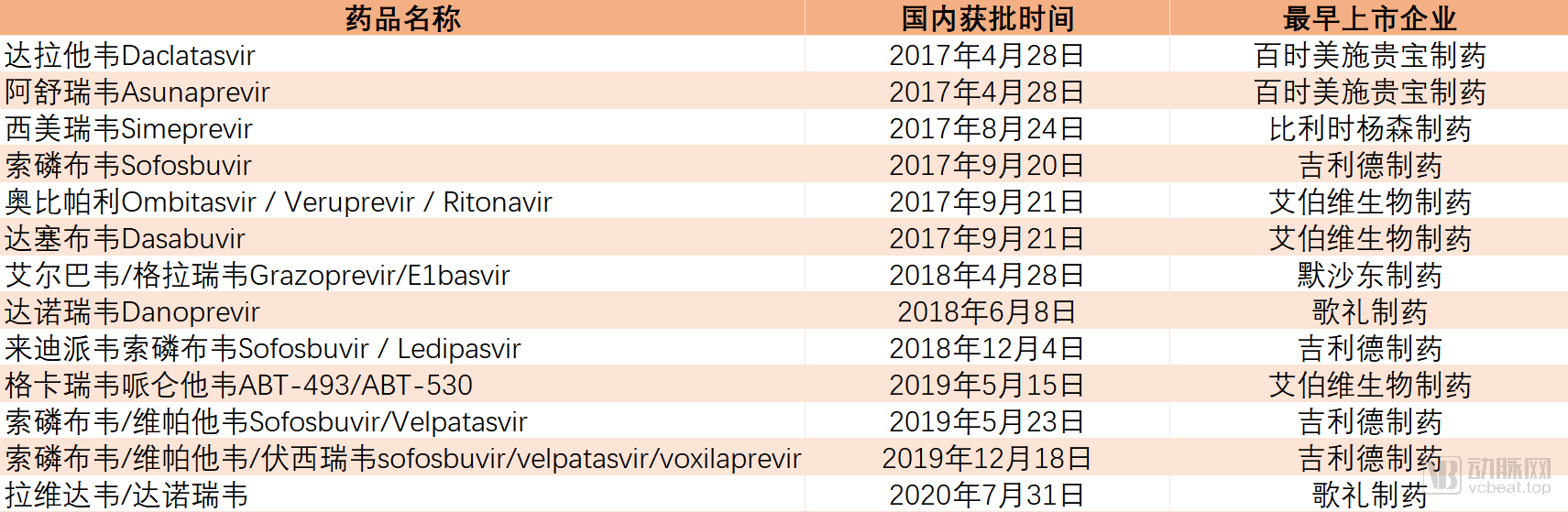
Hepatitis C Drugs Approved in China in Recent Years
The advent of pan-genotypic therapies for hepatitis C has made it one of the few chronic diseases in medical history that can be cured, while simultaneously alleviating the substantial public health burden posed by HCV. In recognition of this breakthrough, this year’s Nobel Prize in Physiology or Medicine was awarded to the three scientists who discovered the hepatitis C virus.
Bubble CPAP: An Infant Positive Pressure Respiratory System for Improving Lung Function in Preterm Infants
Current Status of Related Fields
Newborns, especially preterm infants, have small lung volumes and functional residual capacity. Alveoli are prone to collapse at the end of expiration, leading to respiratory distress, grunting, three-concave sign, cyanosis, and respiratory failure. For such preterm infants, surfactant is usually administered during mechanical ventilation; however, this practice may cause persistent lung injury and lead to the development of chronic lung disease.
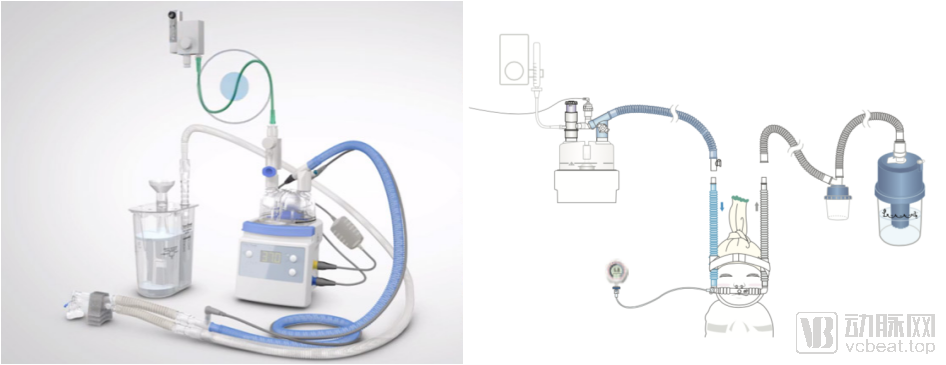
Unlike mechanical ventilation,Infant Positive Pressure Respiratory Therapy System (Bubble CPAP)It is a non-invasive ventilation strategy that provides a certain level of positive pressure during both the inspiratory and expiratory phases of the entire respiratory cycle in pediatric patients with spontaneous breathing. This approach increases functional residual capacity, maintains airways and alveoli in a partially expanded state during expiration, prevents alveolar collapse, improves lung compliance and the ventilation/perfusion (V/Q) ratio, and preserves vital capacity.
When bubble CPAP is used long-term, it can minimize physical injury and stimulate lung growth. In recent years, CPAP technology has become the most commonly used respiratory support technique in neonatal intensive care units.
Recent Market Trends in China and Abroad
In the global market, Bubble CPAP systems developed and manufactured by Fisher & Paykel Healthcare and Philips are widely used. In China, key enterprises engaged in the research, development, and production of Bubble CPAP include Nanjing Superstar Medical, Beijing Jiahe Meikang, Shenzhen Anbao Technology, and Guangdong Pigeon Medical.

Innovative Practices and Policy Changes Enhance Telemedicine Accessibility
Current Status of Related Fields
During the COVID-19 pandemic, telemedicine services have been increasingly adopted as physicians conducted online consultations with patients, making telemedicine and its associated industry a major growth hotspot.
Market Overview
According to CB Insights statistics,In Q1 2020, the number of investment deals for global telemedicine startups surged twofold from the previous quarter to 103.Become the new target of global venture capital funds. The research firm Global Market Insights pointed out in its 2019 research report that,The telemedicine market is projected to grow from $38.3 billion to $130.5 billion by 2025, with an estimated compound annual growth rate (CAGR) of 19.2%.
According to the “2020 China Internet Healthcare Report,” since the outbreak of the pandemic, the volume of consultations on online healthcare platforms in China has surged tenfold, reaching the projected target five years ahead of schedule.JD.com has expanded from online to offline operations, with its healthcare subsidiary, JD Health, focusing on pharmaceutical and health e-commerce, online medical services, health services, and smart solutions. During the pandemic, JD Health collaborated with Ping An Good Doctor, under the Ping An Insurance Group, to provide free consultations to patients. Alibaba’s AliHealth launched online clinics for residents in Hubei Province during the outbreak, serving 100,000 patients with remote consultations within just five days. Tencent’s Weiyi app mobilized 20,000 physicians to offer free online consultations.
Vacuum-Induced Uterine Tamponade Device for Controlling Postpartum Hemorrhage
Postpartum Hemorrhage(Postpartum hemorrhage) is a serious complication of childbirth, typically defined as blood loss exceeding 500 to 1,000 milliliters within the first 24 hours after delivery. Postpartum hemorrhage can occur within six weeks after childbirth, affecting approximately 1% to 5% of parturient women. It causes an estimated 44,000 to 86,000 deaths worldwide each year and is the leading cause of maternal mortality during childbirth.
Mothers experiencing postpartum hemorrhage may require blood transfusions, take medications that can cause dangerous side effects, undergo lengthy and uncomfortable surgeries, or even need an emergency hysterectomy, resulting in loss of fertility. The use of balloon tamponade to compress the bleeding sites within the uterus is a common non-surgical method for hemostasis, but it also causes uterine distension.

Recent Advances in This Field Offer a New Treatment Option for Mothers with Postpartum Hemorrhage.
Vacuum-Induced Uterine Tamponade DeviceThis is a method that utilizes the negative pressure generated within the uterus to collapse the hemorrhagic cavity. This therapeutic approach aligns better with female physiological anatomy than balloon tamponade, thereby avoiding the pain associated with invasive treatments. Vacuum induction devices provide clinicians with a new minimally invasive tool for managing postpartum complications. Furthermore, the low technological complexity of this device enables it to benefit a broader patient population.
PARP Inhibitors in the Treatment of Prostate Cancer
Current Status of Related Diseases
Prostate CancerIt is the most common cancer of the male reproductive system, with an incidence rate second only to lung cancer among men worldwide and a mortality rate ranking fifth.
Because the common early symptoms of prostate cancer, including frequent urination, difficulty in urination, and nocturia, are similar to those of prostatitis, a common chronic disease in elderly men, half of the patients are already in the late stage when diagnosed. From a global perspective, the incidence of prostate cancer in developed countries is higher than that in developing countries. Currently, the United States, the United Kingdom, France, Germany, and Japan account for 70% of the total number of cases.With the rapid economic growth in developing countries, their disease incidence rates have also risen sharply in recent years; due to low early screening penetration, mortality rates remain higher than those in developed nations.
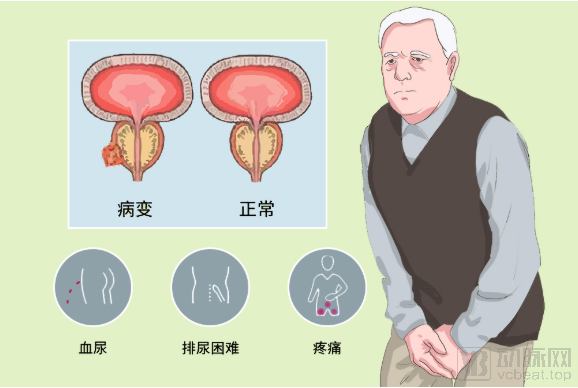
On February 3, 2020, the authoritative journal Cancer, published by the American Cancer Society, released an online report on the global burden of prostate cancer:In 2017, there were 1,334,314 new cases of prostate cancer worldwide, with more than one-fifth occurring in the United States; China ranked second, with 144,887 prostate cancer patients in 2017.
PARP (poly(ADP-ribose) polymerase) is a key DNA repair enzyme that is activated upon DNA strand breaks, enabling it to recognize and bind to the break sites. This binding further activates and catalyzes the poly(ADP-ribosyl)ation of acceptor proteins, thereby participating in the DNA repair process. PARP inhibitors impede DNA repair by interfering with PARP function, leading to cell death in cells with homologous recombination repair deficiencies.In recent years, the development of PARP inhibitors has become a hotspot in the field of cancer therapy.
The efficacy of PARP inhibitors has been confirmed in two female cancers: breast cancer and ovarian cancer. However, studies have demonstrated that PARP inhibitors can also be used to treat prostate cancer in men.
Recent Market Trends
In 2017, the total market size of China's prostate cancer drug industry reached RMB 14.282 billion. According to forecasts by Zhiyan Consulting,By 2030, the number of new prostate cancer cases in China is projected to reach 237,000, and the market size of the pharmaceutical industry for prostate cancer treatment will amount to approximately RMB 20 billion.
Recent Advances in International Related Fields
In May 2020, the U.S. FDA approved two PARP inhibitors for the treatment of prostate cancer:
Clovis Oncology’s Rubraca (rucaparib),The First PARP Inhibitor Approved for the Treatment of Prostate Cancer, for the treatment of adult patients with metastatic castration-resistant prostate cancer (mCRPC) harboring BRCA gene mutations;
Olaparib, jointly developed by AstraZeneca and Merck & Co., for the treatment of patients with mCRPC harboring homologous recombination repair (HRR) gene mutations.
mCRPC is a severe form of prostate cancer in which the disease has metastasized to other parts of the body, and tumors continue to proliferate even when androgen levels are reduced to very low concentrations. Although the number of available treatments for men with mCRPC has increased, the five-year survival rate remains low. The approval of PARP inhibitors has introduced new therapeutic options for patients with mCRPC.
Immunotherapeutic Agents for Migraine Prevention
Current Status of Related Diseases
Migraine(Migraine) is the most common type of primary headache in clinical practice. It is a common chronic neurovascular disorder that often begins in childhood and adolescence, with the peak incidence occurring in young and middle-aged adults. The prevalence in women is three times that in men, with a population prevalence rate of 5%-10%, and it frequently has a genetic background.It is estimated that there are approximately 1.3 billion migraine sufferers worldwide.
Migraine is clinically characterized by episodic, moderate-to-severe, pulsating headaches. The headache is typically unilateral and generally lasts for 4 to 72 hours. It may be accompanied by nausea and vomiting, and can be exacerbated by light or sound stimuli or routine physical activity. Migraine cannot be cured; treatment aims only to alleviate or terminate headache attacks and relieve associated symptoms.
In the 1990s, scientists first discovered that levels of CGRP (calcitonin gene-related peptide, a neurotransmitter) in patients’ blood rise during migraine attacks, and that CGRP released by the trigeminal nervous system acts as the “switch” triggering migraine episodes. This finding made the CGRP signaling pathway a prominent therapeutic target for migraine treatment. Currently, several antibody-based therapies targeting either the CGRP receptor or CGRP itself have been approved worldwide for the preventive treatment of migraine. Over the past year, the field of migraine therapy has witnessed new breakthrough advances.
Recent International Advances in Related Fields
December 2019,Allergan’s CGRP Receptor Antagonist Ubrogepant Approved by the U.S. FDA, for the treatment of acute migraine.
February 2020,The U.S. FDA Approves Lundbeck’s Vyepti (eptinezumab-jjmr) for Marketing, for the preventive treatment of migraine in adults. Vyepti is reported to be the first FDA-approved intravenous medication for migraine prevention.
Late February,Biohaven Announces FDA Approval of Nurtec ODT (rimegepant)Indicated for the acute treatment of migraine (with or without aura) in adults. Nurtec ODT is the first and only FDA-approved calcitonin gene-related peptide (CGRP) receptor antagonist available in a fast-acting orally disintegrating tablet (ODT) formulation. In clinical studies, a single 75 mg oral dose of Nurtec ODT provided rapid pain relief and return to normal function within one hour, with sustained efficacy lasting up to 48 hours in many patients. At that time, Nurtec ODT was not approved for the preventive treatment of migraine.
Recently, Biohaven announced another positive development: the U.S. Food and Drug Administration (FDA) has accepted its supplemental New Drug Application (sNDA) for Nurtec ODT (rimegepant, 75 mg) for the preventive treatment of migraine. The FDA has assigned a Prescription Drug User Fee Act (PDUFA) target action date in the second quarter of 2021 for this sNDA.
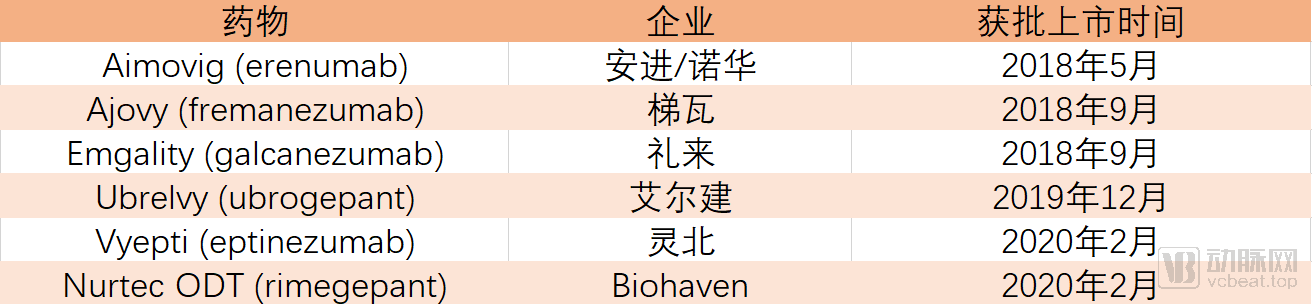
Approval Status of Antibody Therapies Targeting the CGRP Receptor or CGRP Itself in the Field of Migraine Treatment in Recent Years
The advent of CGRP-targeted therapies has ushered in a new era for the treatment of migraine patients.