

China TMB Standardization Project Officially Launched to Establish National Standards for Tumor Mutational Burden Testing
On October 18, the launch ceremony of the China TMB Standardization Project, jointly initiated by the National Cancer Center/Cancer Hospital of the Chinese Academy of Medical Sciences, the National Institutes for Food and Drug Control (NIFDC), and the Committee on Tumor Pathology of the China Anti-Cancer Association, was successfully held at the 9th Symposium on Standardized Application and Quality Control of Molecular Pathological Testing in Oncology. Distinguished attendees included Professor Du Xiang, Chairman of the Committee on Tumor Pathology of the China Anti-Cancer Association; Director Ying Jianming of the Department of Pathology at the Cancer Hospital of the Chinese Academy of Medical Sciences (National Cancer Center); Researcher Huang Jie from the Institute for In Vitro Diagnostic Reagent Control at the NIFDC; Professor Zhou Xiaoyan from the Department of Pathology at Fudan University Shanghai Cancer Center; Director Zhang Xuchao of the Guangdong Lung Cancer Institute; Professor Ye Kai from Xi’an Jiaotong University; Professor Li Cheng from the School of Life Sciences at Peking University; and Dr. Ling Shaoping, Founder of GenomicsCare. Nearly 80 leading industry companies, including Illumina and MGI Tech, along with numerous Grade A tertiary hospitals and renowned domestic and international pharmaceutical enterprises, participated in the launch event.
At the project kickoff meeting, Director Ying Jianming first provided a comprehensive overview of the China TMB Standardization Project. Tumor Mutation Burden (TMB) refers to the total number of somatic mutations detected per million bases. Studies have shown that patients with high TMB are more likely to benefit from immune checkpoint inhibitor (ICI) therapy. In June 2020, TMB became the first pan-cancer companion diagnostic biomarker approved by the U.S. Food and Drug Administration (FDA) worldwide to guide patient treatment selection. This achievement was made possible by the establishment of standardized evaluation systems for TMB genetic testing products in Europe and the United States, such as the phased work completed by Friends of Cancer Research (FoCR) in the U.S. and the Quality Assurance Initiative for Pathology (QuiP) in Europe. In China, although large-panel tumor gene testing products capable of detecting TMB were introduced as early as 2016, their clinical adoption rate has not increased significantly over the past few years. This is primarily because TMB can currently only be assessed through whole-exome sequencing (WES) or targeted region sequencing (large panel) covering ≥1 Mb using next-generation sequencing (NGS) technology. However, differences exist among various products in terms of sequencing platforms, experimental workflows, bioinformatics analysis, and clinical interpretation, highlighting an urgent need to establish unified evaluation standards.
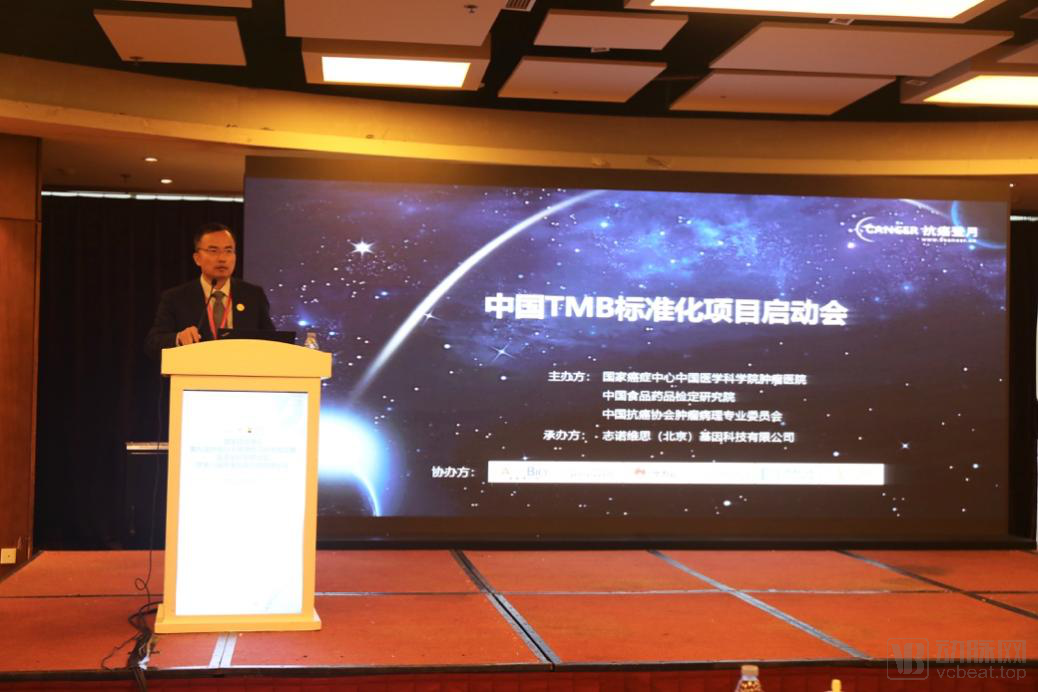
Director Ying Jianming Delivers an Overview of the Project
In the first phase of the China TMB Standardization Project, high-depth whole-exome sequencing (WES) data from reference materials (cell lines and clinical samples) were primarily used to comprehensively evaluate current domestic large-panel products. This phase also established standardized assessment methods for large-panel testing (including but not limited to TMB) and a reusable cloud-based evaluation framework. In the second phase, clinical trial samples will be utilized in conjunction with high-quality clinical and follow-up data. Whole-exome sequencing will be employed to define the optimal TMB benefit thresholds for immunotherapy across different cancer types, which will then serve as the benchmark for establishing a clinical interpretation standard system for commercial large-panel TMB testing products.
Subsequently, Director Ying Jianming announced the official launch of the “China TMB Standardization Project.” Chairman Du Xiang presented appointment letters to the experts on the project’s standardization working group. The experts then jointly pressed the launch button, bringing the atmosphere at the event to a climax.
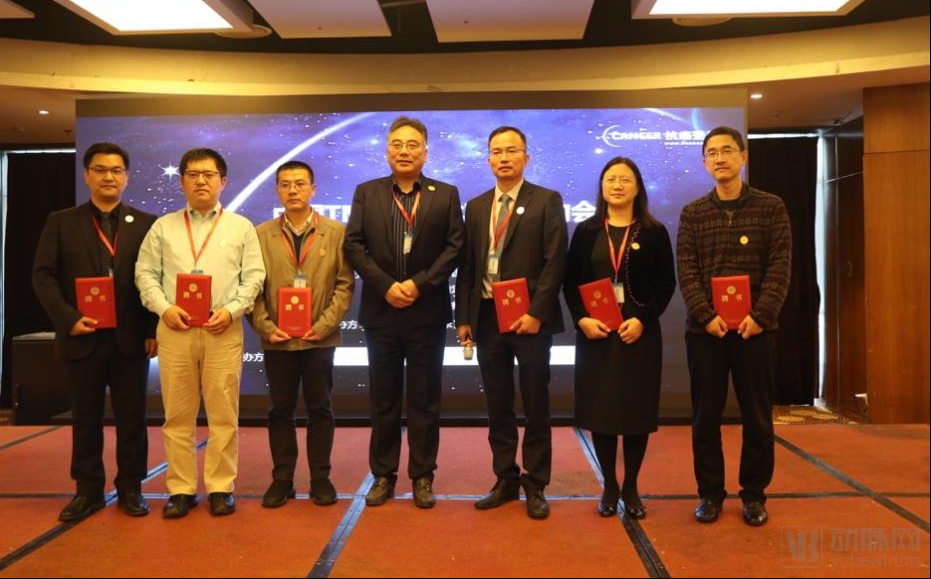
Professor Du Xiang, leader of the Pathology Committee of the Anti-Cancer Association, presents appointment letters to expert members of the working group
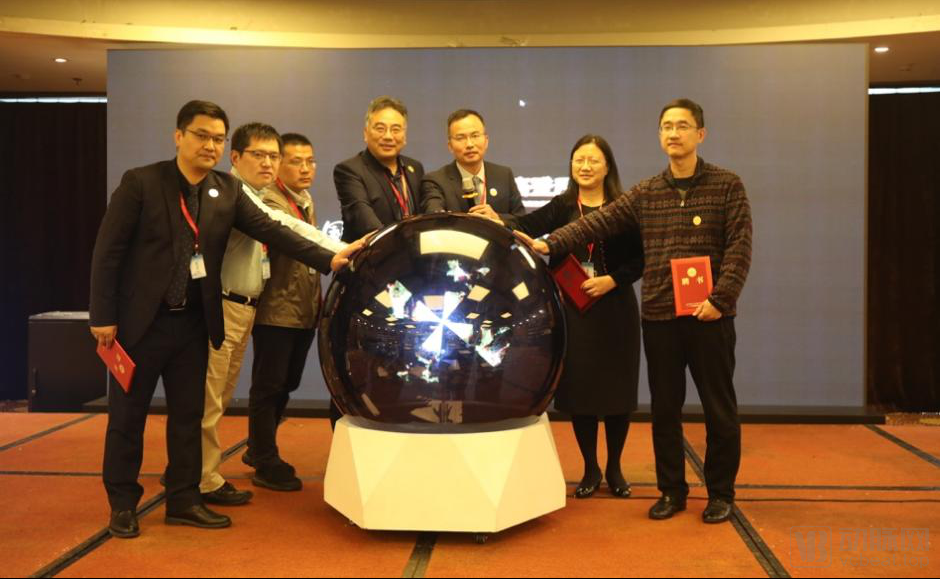
Official Launch of the China TMB Standardization Project
Researcher Huang Jie, Professor Ye Kai, Professor Li Cheng, and Director Zhang Xuchao, experts from the working group, delivered detailed and insightful presentations on various aspects of the project, including quality control assessment for standards, clinical quality control assessment, bioinformatics analysis content and statistical methods, clinical interpretation assessment, and a reusable analytical assessment platform.
At the kickoff meeting, Dr. Ling Shaoping, founder of ZhiNuoWeiSi, unveiled the design framework for the cloud-based tumor gene testing analysis and evaluation system—the “Anti-Cancer Moonshot CGTA (Cancer Gene Testing Analysis) Platform.” He provided a detailed introduction to the data analysis and evaluation workflows and functional features required for Phase I of the platform’s development. As the sole independent data analysis and evaluation institution for this project, ZhiNuoWeiSi will undertake and execute all data analysis and evaluation tasks in accordance with the principles and standards established by the National Cancer Center, the National Institutes for Food and Drug Control (NIFDC), the China Anti-Cancer Association, and the project working group. Additionally, it will build a reusable cloud-based analysis and evaluation system. Throughout the project and after its completion, participating institutions will be able to upload data generated by their respective testing products to the platform and receive evaluations regarding experimental quality, bioinformatics analysis, and clinical interpretation against corresponding reference materials. As Phase II requires multi-center real-world studies, ZhiNuoWeiSi will provide scientific research analysis and project collaboration support, actively establishing a real-world data research collaboration network to facilitate multi-center clinical trials.
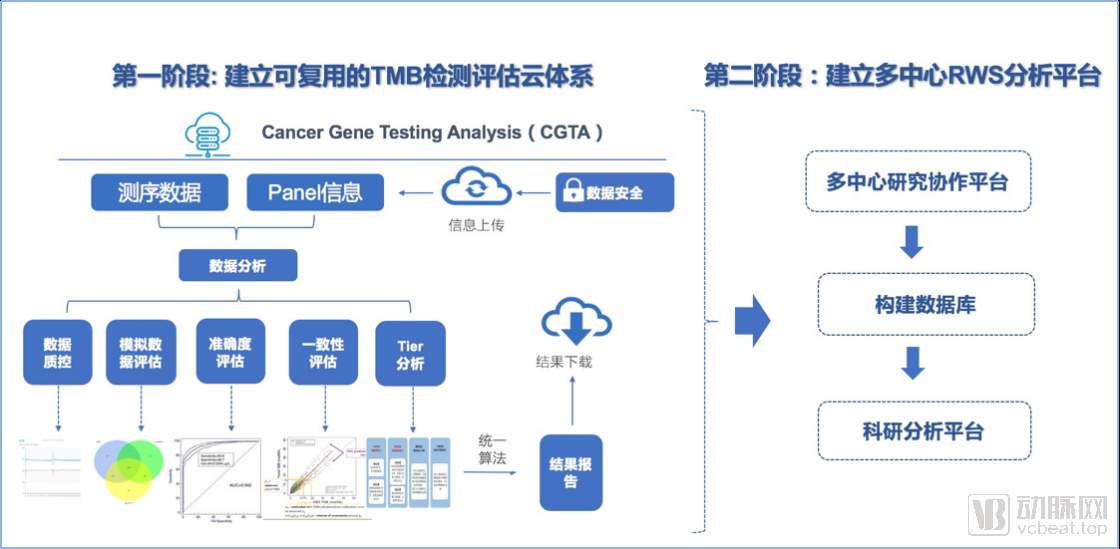
CGTA Design Framework for the Cancer Moonshot
During the roundtable forum at the conference, experts from the project working group engaged in a lively discussion on several key topics: the differences between China’s Tumor Mutational Burden (TMB) standardization initiative and existing TMB standardization efforts in Europe and the United States; the rationale for establishing a reusable cloud-based platform for standardized assay evaluation (Phase I) and a real-world study collaborative network and database (Phase II); the significance of the project for the development of innovative drugs and related companion diagnostics in China; how the multi-center real-world study in Phase II will be conducted; and the implications of the project for ordinary cancer patients. The panelists offered insightful comments, and the atmosphere remained highly engaging throughout the nearly one-hour discussion.
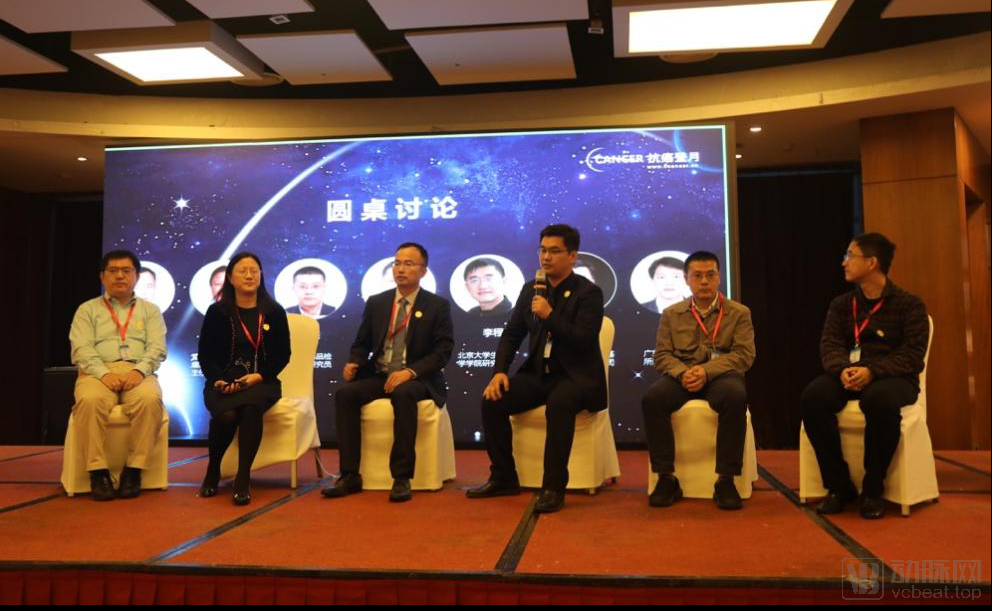
Photos of the Roundtable Meeting
China has a vast population of cancer patients, and the number of patients receiving immunotherapy is steadily increasing. As Chairman Du Xiang stated in his opening address at the conference, how to effectively identify patient populations suitable for immunotherapy has become an urgent issue to be addressed in clinical decision-making. Tumor Mutational Burden (TMB) testing can rapidly and efficiently screen for more patients who are likely to benefit from immunotherapy. The launch of the China TMB Standardization Project will significantly accelerate research on performance validation and clinical validation of domestic TMB products, while also assisting regulatory authorities in the standardized evaluation and management of TMB testing. Ultimately, this will enable TMB testing products to play a powerful role in clinical laboratory practice in China.