

How Deep Integration of Online-Offline Services Empowers Physicians in Internet Healthcare
Since the outbreak of the pandemic, the value of internet-based healthcare has become increasingly prominent. Only by embracing the internet and actively going “online” can physicians further drive the development of this emerging model. Meanwhile, internet-based healthcare can also help physicians improve work efficiency, expand their service reach, and build their personal brands.
Recently, as part of Weimai’s “99 Health Day” campaign, a group of popular physicians was selected based primarily on patient reviews. VCBeat interviewed four of these doctors from different hospitals and specialties, aiming to present a more authentic portrayal of the stories linking internet healthcare with physicians, and to highlight the innovative vitality of the medical community in the “Internet Plus” era.
Chen Wanji is a Chief TCM Physician in the Department of Pediatrics at Zhejiang Provincial Tongde Hospital, as well as a renowned pediatric TCM expert in Zhejiang. After retirement, she was rehired by the hospital to continue her clinical practice, and appointments with her remain extremely difficult to secure.
Faced with an endless stream of patients, Chen Wanji chose to embrace the internet. She actively engaged in online healthcare, daring to be a pioneer by trying new approaches and providing answers to questions from parents of pediatric patients online.
For physicians, a busy schedule is the norm, and Chen Wanji is no exception. In addition to her role as a clinician, Dr. Chen serves as an adjunct professor at Zhejiang Chinese Medical University and as a standing committee member of the Provincial Committee of Pediatrics in Traditional Chinese Medicine, undertaking corresponding teaching responsibilities and professional service obligations.
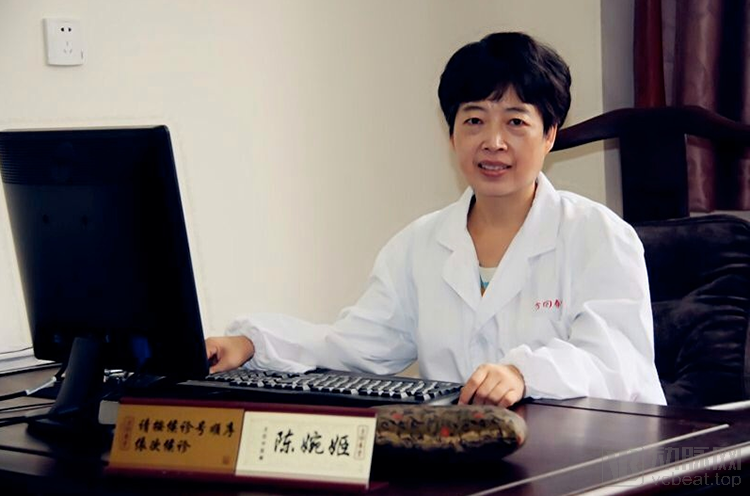
Chen Wanji, photo provided by the interviewee
Furthermore, over her 30-plus years of clinical practice, teaching, and scientific research, Dr. Chen Wanji has published more than 40 academic papers, received numerous awards, authored two monographs including Essentials of Diagnosis and Treatment of Pediatric Diseases in Traditional Chinese Medicine: Ancient and Modern Perspectives, and presided over multiple provincial- and department-level research projects. She holds two national invention patents; notably, the Pediatric Jianpi Paste, which she independently developed as the primary inventor, was awarded the Second Prize of the Zhejiang Provincial Science and Technology Award for Traditional Chinese Medicine and granted a national invention patent.
“I often worked overtime, and after getting off work, I was so exhausted that I had to catch my breath before heading home,” said Chen Wanji. When she retired in 2019, she had accumulated more than 500 days of unused leave.
However, her busy schedule did not dampen Chen Wanji’s curiosity and willingness to try new things, as the pediatric patients needed her, and she truly enjoyed her work as a pediatrician. As early as the initial stages of internet healthcare development, Chen learned from colleagues that it was possible to answer patient inquiries online. She registered an account and began communicating with the families of young patients during her spare time.
In this process, Chen Wanji discovered that she could help more patients just by using fragmented time, and she became unstoppable. So far, she has been using eight or nine common consultation apps.
Chen Wanji has experienced the evolution of internet healthcare, from text-and-image consultations to video and telephone consultations, as well as team-based services, continuously adapting to the physician-side APP operations across various platforms. “This process is cumbersome, but practice makes perfect.”
Since embracing internet healthcare, Dr. Chen Wanji has become even busier, yet she finds great joy in it. How does an expert-level physician like her coordinate online and offline work? “The difference between online and offline is merely one of space; they are not disconnected but can, in fact, be well integrated,” says Dr. Chen. She notes that localized internet healthcare platforms such as Weimai enable the extension of offline patient management and services to the online realm, ensuring continuity of care.
In Chen Wanji’s view, internet-based healthcare has expanded the geographical and temporal scope of services, enhanced the continuity of medical care, maximized physicians’ service capacity, and made it more convenient for patients to seek medical attention. She can also leverage internet platforms to provide remote mentoring and training for primary-care physicians.
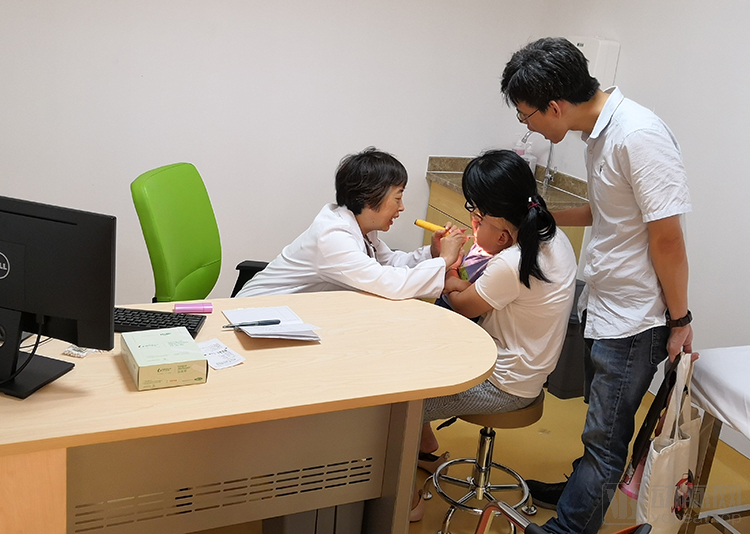
Chen Wanji examines young patients in person. Photo provided by the interviewee
During the interview, Chen Wanji spoke in a soft voice, with the gentle accent characteristic of people from the Jiangsu and Zhejiang regions. In person, she is affectionately called “Grandma Chen” by her young patients; online, she maintains the same attentiveness and gentleness. On the Weimai platform, among more than 1,200 patient reviews for Dr. Chen, the most frequently mentioned trait is her meticulousness. She has also been praised on other online platforms for possessing not only medical expertise but also strong professional ethics.
“I am very satisfied with my current state: I have a job I love and a life I enjoy. My offline workload is lighter than it was before retirement, with more focus shifting to online activities that can be accomplished during fragmented time, such as while taking walks or traveling,” said Chen Wanji. She does not want to be a doctor who only knows how to use a basic feature phone for seniors; instead, she aims to keep pace with internet trends, leverage technological tools, and fully utilize her expertise in retirement.
Following the outbreak of the epidemic this year, Jingzhou No. 1 People's Hospital in Hubei Province was designated as one of the first batch of designated medical institutions for the treatment of patients with novel coronavirus pneumonia (COVID-19) in Jingzhou City. As the number of patients gradually increased, the hospital’s capacity expanded to 13 wards, 346 patient rooms, and 1,003 beds, making it the designated hospital that admitted the largest number of critically ill patients in the city.
Faced with the overwhelming burden of patient care, the hospital’s medical staff were naturally stretched thin. On one hand, medical teams from Guangdong Province were dispatched to Jingzhou to provide emergency assistance; on the other, in addition to key departments such as Respiratory and Critical Care Medicine and Infectious Diseases, which were fully deployed to the frontline, medical personnel from other departments also volunteered enthusiastically to enter isolation wards, bolstering frontline treatment capabilities. Zhang Yan from the Department of Gastroenterology was among them.
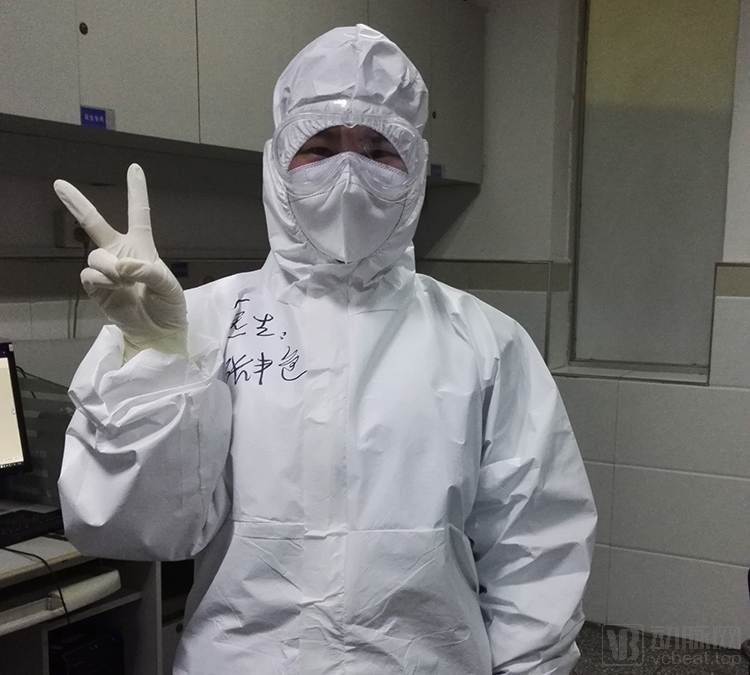
During the pandemic, Zhang Yan worked in an isolation ward. Photo provided by the interviewee
After entering the isolation ward, Zhang Yan’s primary task was to implement the established treatment plan. This plan was formulated following consultations by in-hospital specialists and experts from the Guangdong Medical Team, based on the latest diagnosis and treatment guidelines issued by the National Health Commission. Meanwhile, Zhang Yan was required to closely monitor changes in the patient’s condition and provide timely feedback to the expert team.
“During this period, the support provided by the Guangdong medical team was not limited to on-site assistance but also included online services. At that time, experts based in Guangdong were able to conduct remote consultations for the critically ill patients under our care,” recalled Zhang Yan.
Due to the spread of the epidemic, Jingzhou No. 1 People’s Hospital canceled its longstanding practice of holding regular outpatient clinics on the fourth day of the Lunar New Year. Medical resources were heavily concentrated on the treatment of COVID-19 patients; the hospital was unable to admit ordinary patients normally due to the need to prevent cross-infection, while patients were confined to their homes by lockdown measures in their residential compounds or communities. Amid these compounding factors, what options are available for non-COVID patients?
"On one side were COVID-19 patients, and on the other, general patients. As a physician, Zhang Yan believed that no patient should ever be given up on."
At this time, the hospital implemented multiple measures to meet patient needs, such as launching a 24-hour consultation hotline, providing online consultations across multiple departments on the Weimai platform, and gradually reopening certain outpatient services while ensuring epidemic prevention safety.
“Our department began collaborating with Weimai in 2016 to launch online services,” said Zhang Yan. At that time, she spearheaded the initiative for physicians in her department to join the Weimai platform and introduced team-based consultation services. The Department of Gastroenterology handles an average of 200–300 outpatient visits per day, making it one of the hospital’s busiest departments. After implementing internet-based healthcare services, Zhang Yan and her colleagues began providing integrated online-and-offline management for patients, particularly those with chronic diseases, thereby reducing the frequency of hospital visits.
After four years of accumulation, Zhang Yan and her colleagues had amassed substantial experience in internet-based healthcare services. When the pandemic struck, in addition to participating in frontline anti-epidemic efforts offline, they utilized their time outside the hospital to conduct online consultations for general patients, addressing their urgent medical needs.
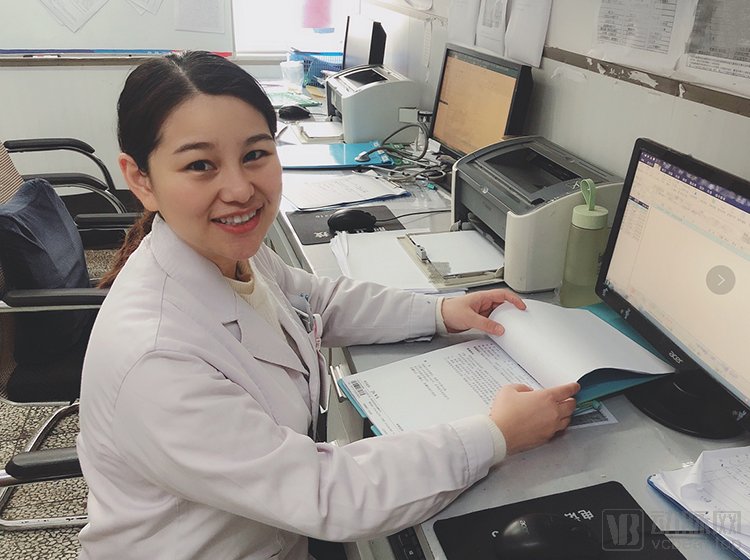
Zhang Yan at work. Photo provided by the interviewee
In Zhang Yan’s view, internet-based healthcare not only brings convenience to routine medical consultations but also makes it possible to care for both COVID-19 patients and general patients during the pandemic. Furthermore, as the Weimai platform organizes online free clinics focused on specific diseases and expert team consultations at key intervals, it promotes participating physicians and hospitals, thereby expanding their patient reach and enhancing their influence.
When he received the interview call, Dr. Na Chen, an attending pediatrician at Yan’an Hospital in Kunming, Yunnan Province, was participating in poverty alleviation efforts in Fugong County, Nujiang Lisu Autonomous Prefecture. During this period, Dr. Na’s primary responsibilities included providing medical care to local pediatric patients and assisting the county hospital in establishing a neonatal treatment center. Meanwhile, he continued his six-year commitment to delivering internet-based medical services.
After graduating from Lanzhou University in 2008, Na Chen joined Kunming Yan’an Hospital and began working in pediatric outpatient and emergency care in 2014. As he saw an increasing number of young patients in the clinic, more parents requested to add him on WeChat. Friendly by nature, Na Chen gladly accepted these requests, connecting with parents as friends and providing free medical consultations in his spare time.
Over time, Dr. Na Chen has cumulatively treated 130,000 patients in offline settings with zero complaints. Online, he has connected with more than 3,000 parents on WeChat and joined numerous “mom groups,” maintaining an active presence among parents through the internet to provide health education and conduct follow-up consultations. Many parents have proactively recommended Dr. Na Chen on their WeChat Moments, regarding him as a “treasure doctor” in their hearts.
Since the outbreak of the epidemic this year, Na Chen has joined Weimai, leveraging six years of accumulated expertise to create greater value through this third-party platform. Data from the Weimai platform shows that most patient reviews for Dr. Na include comments such as “Dr. Na, whom I have always trusted,” “I’ve been consulting Dr. Na whenever my child falls ill; after several years, he remains highly trustworthy,” and “I had long heard that Dr. Na Chen is excellent; this was my first consultation, and it truly lived up to expectations.”
Since Na Chen embarked on the targeted poverty alleviation campaign, more patients have benefited from internet-based medical services. He has not only continued to provide consultations for patients in Kunming and other regions but also facilitated access to medical resources for young local patients in Nujiang through online platforms.
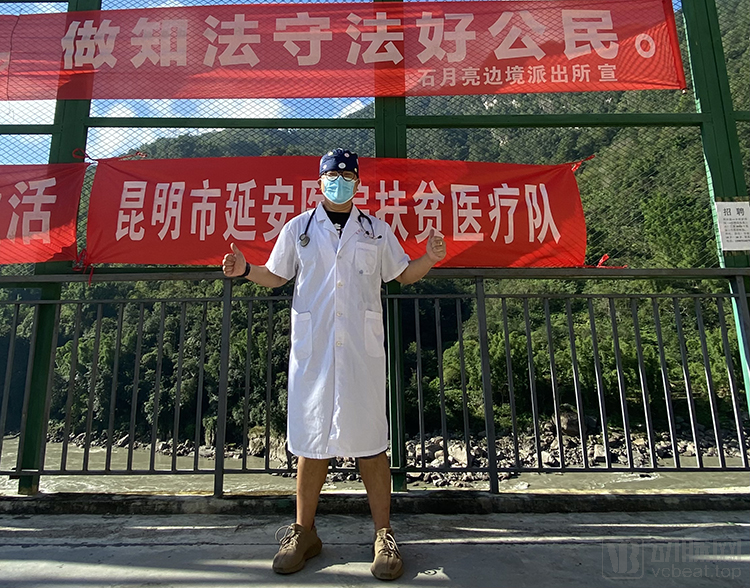
Na Chen participates in poverty alleviation efforts in the Nujiang River region. Photo provided by the interviewee
A while ago, a one-month-old patient admitted to the Fugong County Hospital developed arrhythmia triggered by severe pneumonia, constituting a medical emergency. “At that time, the heart rate reached 260–270 beats per minute, with extremely poor circulation and a critical condition,” recalled Na Chen. He provided initial resuscitation at the county hospital, stabilizing the heart rate to normal levels, before referring the patient to the Prefectural Hospital and Kunming Children’s Hospital for further treatment. After discharge, the patient underwent additional examinations at Kunming Yan’an Hospital to rule out other potential conditions. Throughout the entire process, Na Chen maintained contact with the parents and facilitated access to medical resources until the child made a full recovery.
Although Na Chen has already gained considerable recognition and acclaim among parents in Kunming, like most young physicians, he continues to build his expertise through ongoing learning. Internet healthcare serves as a significant driver for his continuous improvement. “To provide patients with a one-sentence answer requires at least ten sentences’ worth of knowledge reserve,” Na Chen stated, noting that he extensively reads medical literature and practical reference books in his spare time. As a member of the China Zhi Gong Party, Na Chen also actively broadens his international perspective and expands the scope of his knowledge acquisition through academic exchanges and other activities.
The integration of extensive learning with clinical practice has yielded tangible results in Na Chen’s academic advancement. In recent years, he has published three papers indexed by the Science Citation Index (SCI), including one as the first author with an impact factor of 3.0. Some of the cases presented in these publications were accumulated through his online consultation practice.

Na Chen, who persists in working out. Photo provided by the interviewee
To maintain a strong physique amid the high-intensity demands of online and offline work and study, Na Chen has persisted in working out for over an hour after work each day. During the critical period of poverty alleviation, when access to gyms was unavailable, he made it a daily routine to hike up mountains instead.
Na Chen arrived in Nujiang in July and will work there until the end of December. He shared his WeChat contact with local residents, intending to continue providing assistance even after his departure. “There is still much to be done in primary healthcare and health-focused poverty alleviation. I hope to truly embody the spirit of ‘seeking no praise for outward beauty, but leaving a trail of integrity throughout the world.’”
Physicians offer multi-tiered services via the internet, ranging from one-on-one consultations and team-based care (multiple providers to one patient) to one-to-many medical science popularization. Dr. Kong Fengwei, an attending physician at the Xuzhou Public Health Medical Center in Jiangsu Province, is a clinician who has entered the field of internet healthcare through medical science popularization.
Currently, medical science popularization efforts are largely concentrated in fields with broad public appeal, such as dermatology, obstetrics and gynecology, and pediatrics. Dr. Kong Fengwei is a hepatobiliary, pancreatic, and splenic surgeon with extensive experience in diagnosing and treating conditions involving the liver, gallbladder, pancreas, and spleen, as well as portal hypertension, gastrointestinal bleeding, hepatitis B, and lymphatic tuberculosis. He has also conducted research on HIV/AIDS, rabies, and tetanus. Consequently, his science communication content primarily focuses on areas with significant public interest, such as hepatitis B, rabies, and HIV/AIDS.
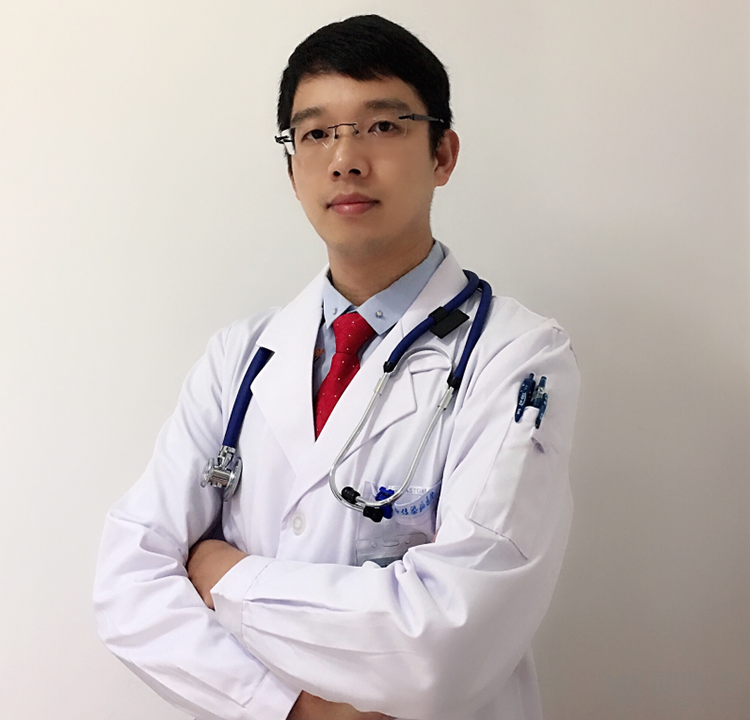
Kong Fengwei, photo provided by the interviewee
“The path of medicine is long, but does the value of medicine fully come into play once a medical student becomes a doctor? Not necessarily.” In Kong Fengwei’s view, internet-based healthcare and online popular science communication enable doctors to disseminate medical theories and technological achievements to the public through text or video. By transforming abstruse, monotonous medical knowledge into accessible and easy-to-understand formats, the public can more readily accept it. Only then can theoretical medical knowledge realize its greater value.
Faced with the varying quality of popular science content online, Kong Fengwei adheres to his own principles: First, adhere to evidence-based medicine and refrain from publishing unverified popular science information; Second, only disseminate knowledge within his area of expertise, avoiding cross-disciplinary outreach; Third, ensure the content is accessible and easy to understand; Fourth, combine formats such as infographics, videos, and live streams to fully engage with internet users.
On various news and short-video platforms, Kong Fengwei has published over 500 infographic articles and educational videos, garnering nearly 400,000 followers.
During the pandemic, under the call of local medical science popularization public welfare organizations in Xuzhou, Kong Fengwei began to publish popular science content on more media platforms. "There are many netizens leaving messages under the content, and even consulting me about specific medical conditions." Kong Fengwei stated that after interacting with netizens in the comment section to answer their questions, he found that the content in the comment section was not easy to search for and might even be lost. Moreover, it was inconvenient to obtain more information from netizens, making effective and timely communication impossible. "At this point, internet healthcare played a significant role, and I also started to engage with internet healthcare."
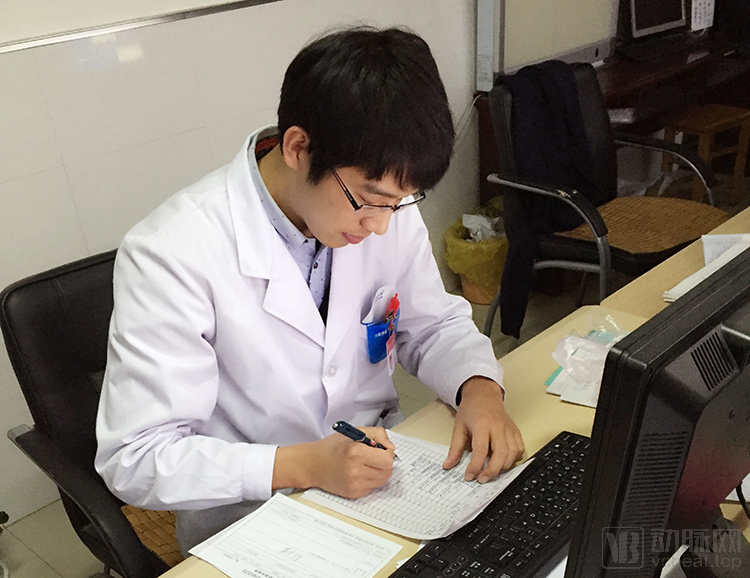
Kong Fengwei working at his desk. Photo provided by the interviewee.
In late April 2020, Kong Fengwei joined Weimai. When medical science popularization failed to meet users’ needs, he provided them with consultation and diagnostic services. The platform maintains corresponding records for both patients and physicians, facilitating each party’s access to clinical information.
As of October 19, over the past six months, Dr. Kong Feng has handled 11,169 consultations on Weimai, equivalent to responding to online inquiries from an average of 62 patients per day. He reviews medical literature during his spare time in the daytime and publishes popular science articles and answers consultations online after work. In this way, he not only maximizes the value of medical knowledge through public health education but also further demonstrates his professional worth as a physician through online consultations.
“In the long run, internet-based healthcare has broken down geographical barriers to medical resources and promoted their efficient allocation, representing an inevitable trend,” said Kong Fengwei. For this reason, he is willing to actively embrace digital transformation.
What Has the Internet Brought to Doctors and Patients? The Stories of the Above-Mentioned Doctors Provide Answers from Different Perspectives.
As evidenced by the experiences of several physicians, they have made proactive explorations and innovations in optimizing the allocation of renowned medical experts, managing chronic diseases, decentralizing medical resources to grassroots levels, and promoting medical science popularization. The development of internet healthcare relies on the countless contributions of such individuals. In this process, these physicians have also realized an enhancement of their personal professional value.
Gao Feiyang, General Manager of Weimai’s Platform Center, stated, “For physicians, internet-based medical service platforms like Weimai are not only important tools that enable more efficient patient management and guidance, thereby alleviating the pressure on frontline outpatient services and addressing challenges such as difficult access to care in hospitals; but also, through localized service models, they establish multi-dimensional online-to-offline connections between doctors and patients. This helps build more enduring and deeper trust-based relationships, truly bringing the ‘family doctor’ service concept to fruition.”
She further cited an example: an orthopedic surgeon from Kunming on the Weimai platform revealed that many of his patients come from other provinces, such as Guizhou and Sichuan. Most of these patients have limited mobility. However, through the hospital’s “Worry-Free Card” service, they can schedule precise appointments before consultations and check test results on their mobile phones afterward, saving time and effort spent waiting in line. They can also continue with online follow-up visits after returning home, greatly facilitating care for patients.
However, at the overall level, there is significant variation in physicians’ acceptance of and participation in internet-based healthcare. The primary reasons include insufficient spiritual or material incentives for many physicians participating in online medical services, limited awareness of internet-based healthcare, or restrictions imposed by their affiliated physical hospitals.
Creating value for physicians is the key to attracting their participation in internet-based medical services. Taking Weimai as an example, it positions itself as a localized entry point for internet healthcare, collaborating with physical hospitals to deliver innovative specialty services. With hospital endorsement, physicians can engage online without concerns, as online services are essentially an extension of offline care. Meanwhile, Weimai has established incentive mechanisms through a series of physician engagement initiatives, further strengthening doctors’ willingness to provide online services.
Li Xuezhi, a senior event operations specialist at Weimai, noted that in addition to the legitimate income generated from online services, many physicians place greater emphasis on gradually enhancing their personal influence and expanding their base of targeted patients through online free clinics held at specific times and series of thematic activities. They also aim to improve service efficiency via mobile consulting rooms and standardized service protocols, while boosting their sense of professional fulfillment through initiatives such as the “99 Health Day · Popular Doctor” selection campaign.
Through a series of incentives, physicians will naturally develop a more comprehensive understanding of internet-based healthcare. In the future, physicians will remain the core human resource in this sector, and it is hoped that the industry will create a higher-quality practice environment, supporting physicians’ professional growth and rewards from multiple perspectives.