

BIO Chengdu 2020: Charting the Course for Chinese Innovative Drug Development – The 5th Chengdu Biopharma Innovation Summit Concludes Successfully
On October 24, 2020, the 5th Chengdu Biopharmaceutical Innovation and Development Conference (BIO Chengdu) successfully concluded at the Gran Meliá Hotel in Chengdu. Centered on the theme “Chinese New Drugs | Seeking the Path Westward,” the conference explored cutting-edge technologies and development trends in new drug research and development. Many renowned entrepreneurs and industry elites shared their clinical experiences in new drug R&D at this prestigious event.
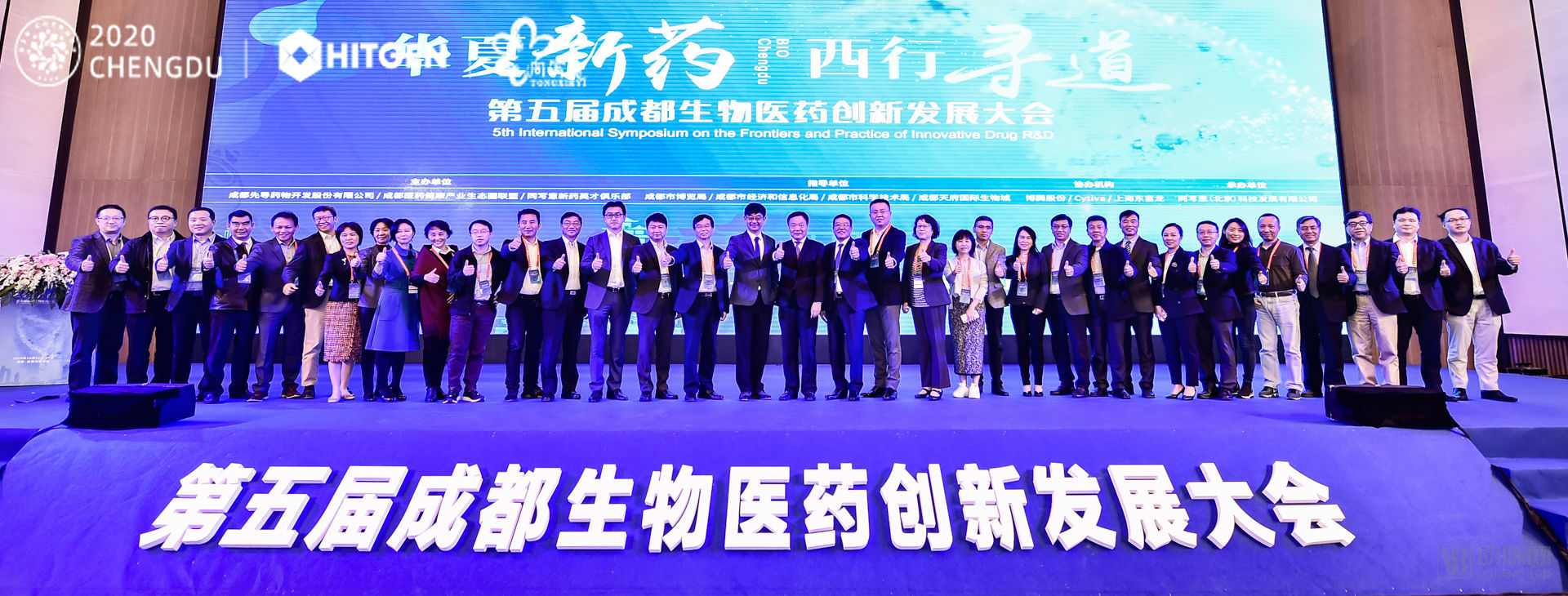
The conference featured one main venue and six parallel sessions, focusing on topics such as chemical drug R&D, biotech-enabled novel therapeutics development, clinical research, and pharmaceutical regulations. By gathering visionary insights from global thought leaders in new drug development, the event aims to further upgrade and advance the biomedical industry in western China, while also providing scientists at the forefront of technology with opportunities for innovation and entrepreneurship in West China.
The conference invited leaders from all levels of the Chengdu Municipal Government in Sichuan Province, along with nearly 60 top-tier domestic and international experts and scholars from the pharmaceutical industry. Prominent R&D leaders in attendance included Dr. Du Guanhua, Director of the National Center for Drug Screening; Mr. Sun Yongkui, Chairman of Force Biosciences; and Dr. Wang Lai, Vice President of BeiGene. The event attracted nearly 1,000 pharmaceutical professionals from across China and executives from more than 300 companies. Participants engaged in in-depth discussions on directions for new drug project initiation, development strategies, and technological advancements, aiming to further promote the upgrading of China’s biopharmaceutical industry.
It is reported that this conference is jointly hosted by HitGen (Chengdu) Drug Discovery Co., Ltd., the Chengdu Pharmaceutical and Health Industry Ecosystem Alliance, and the Tongxieyi New Drug Talent Club. The conference aims to create an international biopharmaceutical ecosystem, establish an information-sharing platform for forward-looking insights and cutting-edge technological exchanges in innovative drug research and development and practice, and serve as a business platform for connecting innovative resources and facilitating cross-sector collaboration.
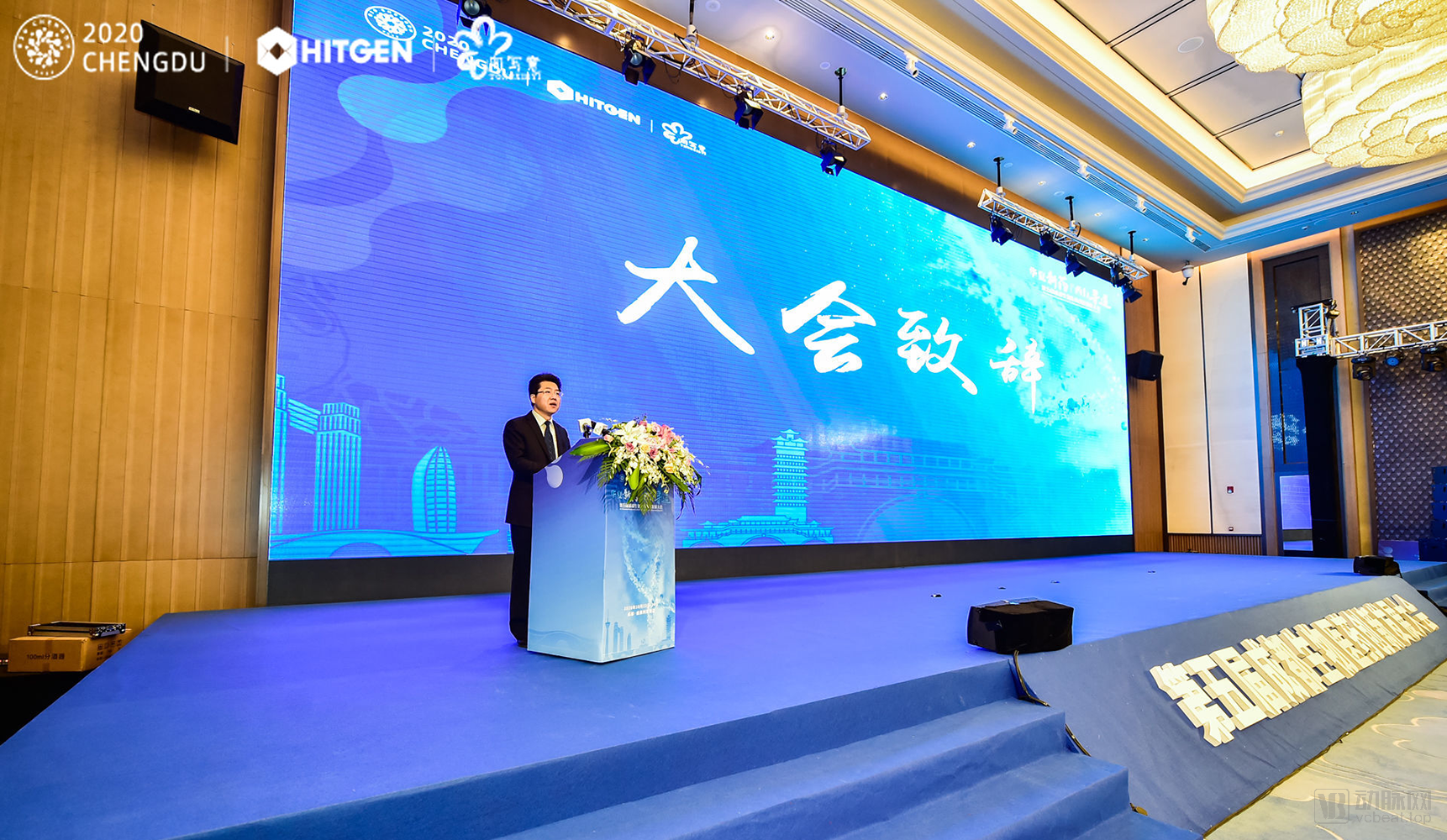
Address by Cao Junjie, Deputy Mayor of Chengdu, at the Conference
The conference opened with an address by Cao Junjie, Deputy Mayor of Chengdu: “Chengdu has always attached great importance to the development of the pharmaceutical and health industry. It boasts a solid foundation in the biopharmaceutical sector and strong capabilities in pharmaceutical R&D and innovation. The city is designated as a national-level base for biopharmaceutical R&D and innovation, one of the first national bases for drug exports, a national high-tech industrialization base for biomedical materials and medical devices, and a national incubation base for biopharmaceutical industry innovation.” Chengdu has positioned the pharmaceutical and health industry as one of its five pillar industries, providing key support for its development, and has issued the Implementation Opinions and Several Policies on Promoting the High-Quality Development of Chengdu’s Pharmaceutical and Health Industry.
Vice President of the Institute of Materia Medica, Chinese Academy of Medical Sciences and Peking Union Medical College, and Director of the National Center for Drug ScreeningProf. Guan-Hua DuAt the meeting, the discussion first centered on"Research on Key Technologies for the Development of New Drugs from Natural Products"Delivered a speech on the topic.
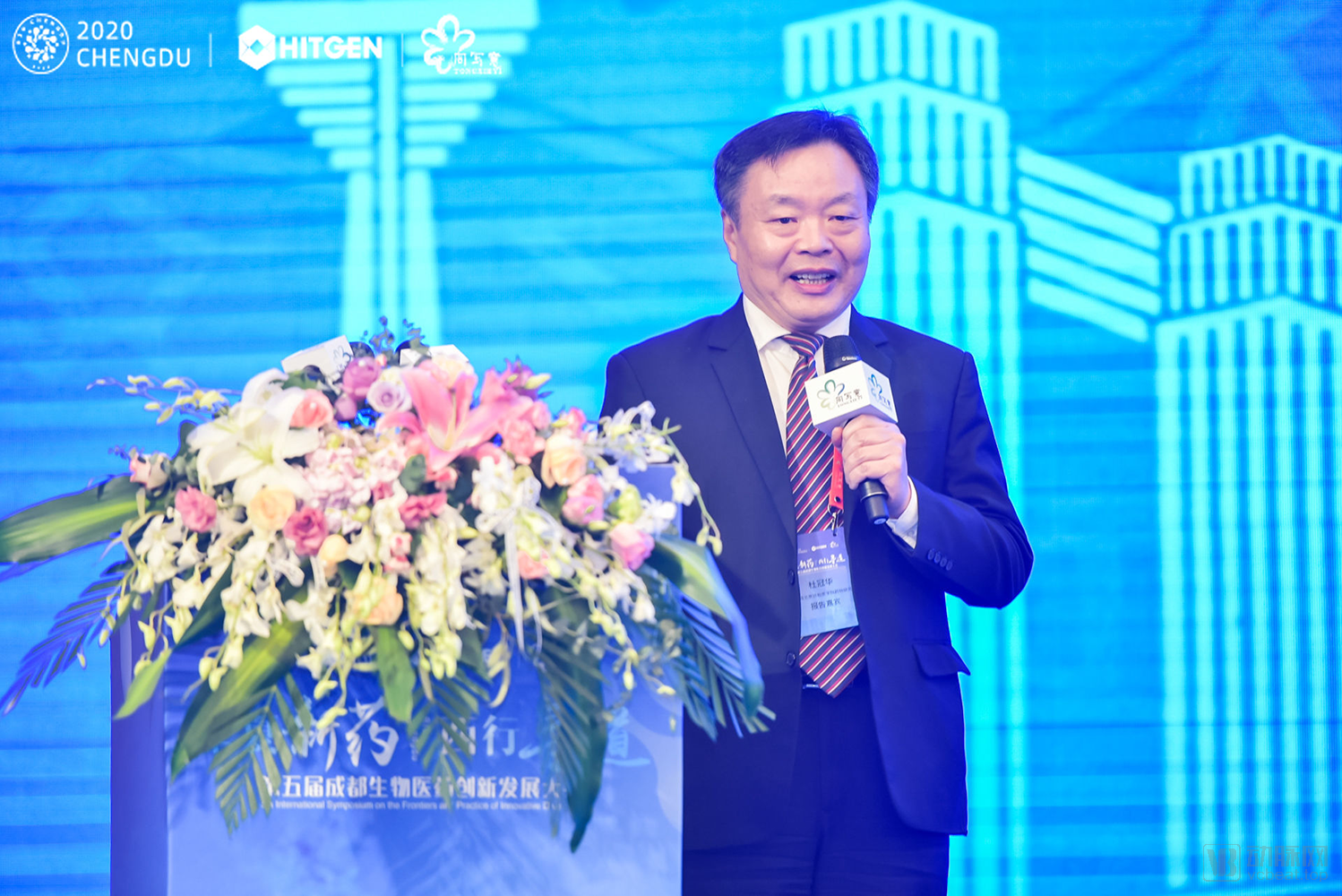
Prof. Guan-Hua Du Delivers Keynote Address
Natural product-derived drugs have driven the development of modern medicine. Endogenous human molecules such as adrenaline, insulin, and numerous other small molecules are natural products; recombinant versions of these agents are now available, underscoring that natural products serve as a crucial source for new drug discovery.
Natural product-derived drugs offer many valuable insights. A significant portion of small-molecule drugs are natural products or their derivatives; for instance, two of the more than 40 drugs approved by the FDA in 2018 were derived from natural sources. Natural product-based therapeutics are critically important, not only for addressing specific diseases but also for pioneering new therapeutic fields. For example, microbe-derived antibiotics have opened up new avenues for human health, as has the discovery of vitamins.
To develop R&D strategies for natural medicines, the following issues must be considered:
1. Target specific indications, determine which diseases can be treated, and ensure the drug is used appropriately;
2. Disease selection for multi-target action and its associated relationship network;
3. Select specific target interactions, considering high-affinity binding, targeted absorption and metabolism, rational regulation, functional efficacy, and quantitative combinations.
Member of the U.S. National Academy of Engineering, Chairman of Yuanli Life Sciences, and Director of the Tongxieyi New Drug Talent ClubAcademician Sun YongkuiSubsequently, centering on"Where Do New Drugs Really Come From?"The keynote address explored the true origins of new drugs. While some attribute them to industry and others to academia, academic research actually provides opportunities rather than the drugs themselves. Nevertheless, these opportunities are crucial and represent an indispensable pathway in new drug development.
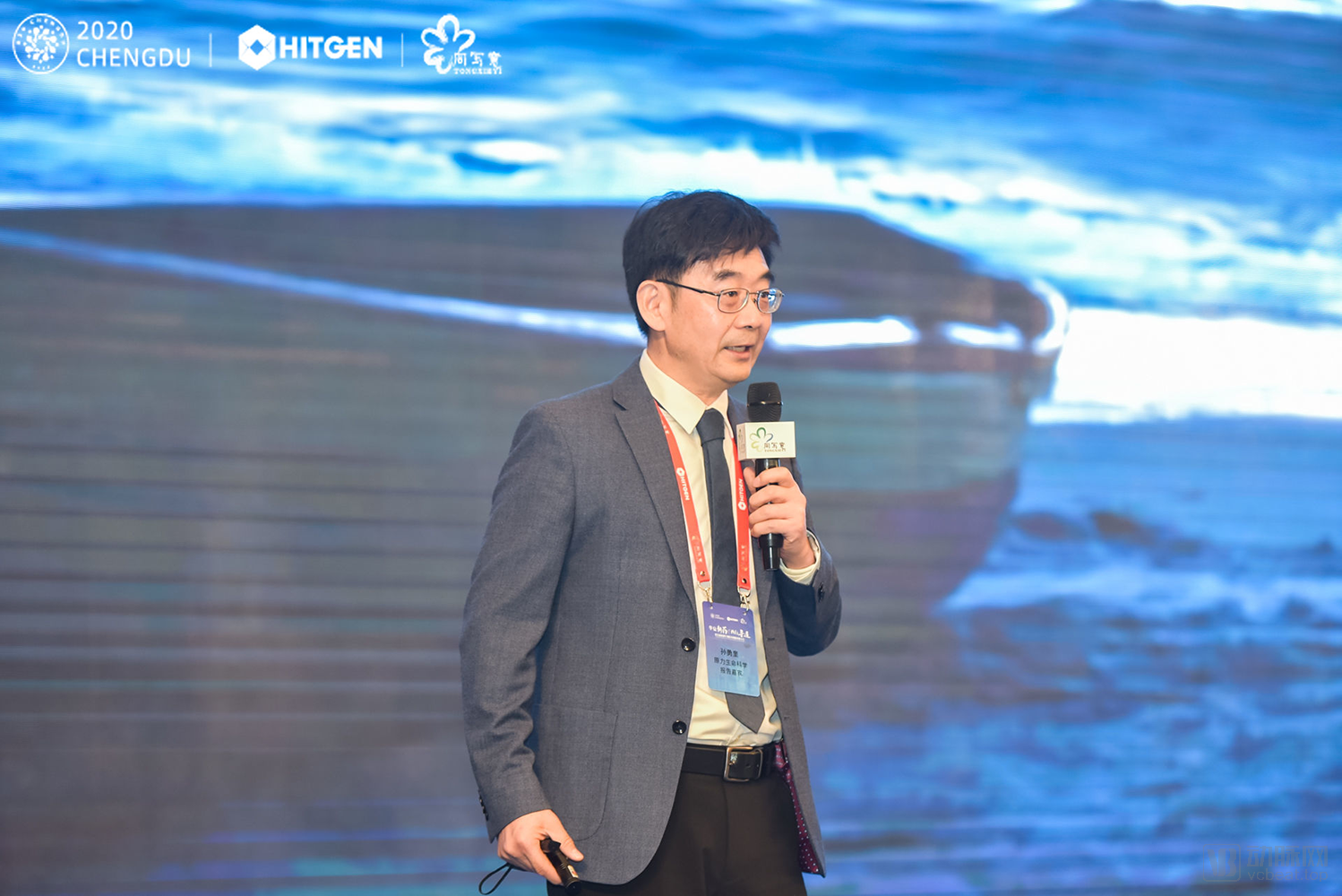
Academician Sun Yongkui Delivers Keynote Address
Impressive results produced by research institutions do not necessarily mean that they can withstand rigorous validation in the laboratory; on the other hand, the technological revolution will also have a positive impact on new drug development. Early-stage clinical studies are critically important. Crises inevitably arise during the development of every new drug, and if these challenges cannot be resolved, years of research efforts will come to naught.
Vice President of Nanjing Drum Tower Hospital, the Affiliated Hospital of Nanjing University Medical School; Director of the Oncology CenterProfessor Liu BaoruiAround“Therapeutic Vaccines for Malignant Tumors—A New Frontier in Immunotherapy”Delivered a speech.
Surgery, chemotherapy, and radiotherapy are important interventional approaches for tumor treatment. The emergence of targeted therapy has altered the progression of certain malignant tumors. Over the past decade, immunotherapy has gradually entered clinical practice. Based on these clinical experiences, it is reasonable to predict that immunotherapy will become a new trend in the future treatment of malignant tumors.
We categorize tumor immunotherapy into three domains: immune checkpoint inhibitors, genetically engineered cell therapies (such as CAR-T), and next-generation therapeutic cancer vaccines.
New-generation vaccines differ from traditional vaccines in three main aspects: neoantigens, multi-epitope design, and high personalization. Neoantigens are antigens generated by gene mutations, a concept that has emerged with the advancement of high-throughput sequencing. Multi-epitope refers to the selection of 10 to even 20 antigens identified through high-throughput sequencing in patients. High personalization means that neoantigens have overturned the traditional concept of antigens; tumor therapeutic antigens are tailored specifically for individual patients.
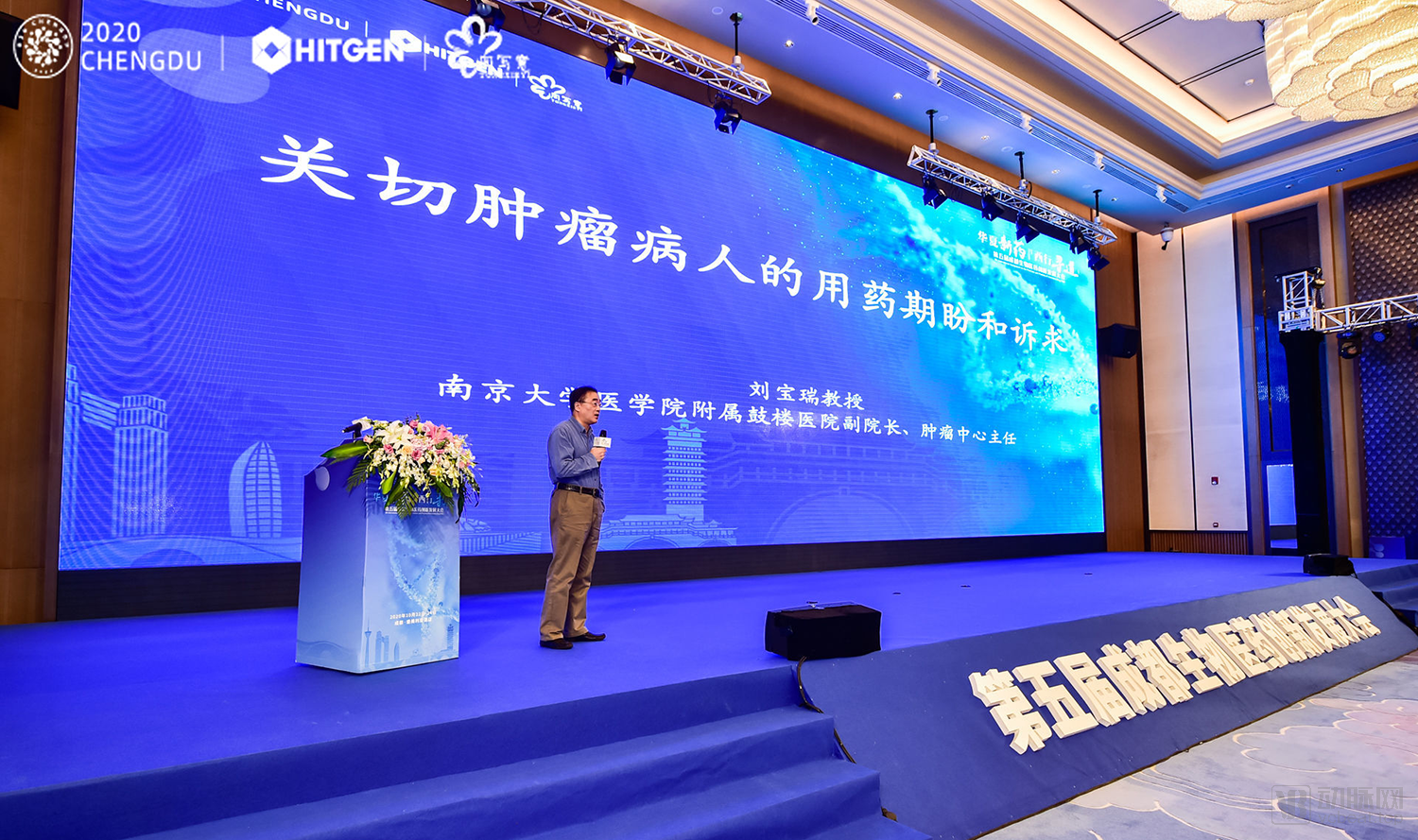
Professor Liu Baori Delivers Keynote Address
"Addressing the Medication Expectations and Demands of Cancer Patients"The genuine expectations and needs of cancer patients were the central theme of Professor Liu Baorui’s keynote address, which primarily emphasized the necessity for drugs to deliver precise efficacy while minimizing side effects as much as possible. Furthermore, he highlighted that patients often consider drug pricing when making treatment decisions, an issue that warrants joint reflection and resolution by both the medical community and society at large.
Han Kai, founder of the cancer patient mutual aid organization “Panda and Friends,” also delivered a speech."What Kind of Drugs Do Patients with Gastrointestinal Tumors Truly Hope For?"speech, calling for all new drug development to center on patients’ quality of life and dignity, and urging pharmaceutical companies to increase their investment in reducing treatment-related adverse effects.
Subsequently, Dr. Lai Wang, Senior Vice President of BeiGene and Head of Global Research and Asia-Pacific Clinical Development, and Dr. Weikang Tao, Deputy General Manager of Hengrui Medicine Group and CEO of its R&D Center, shared their perspectives on the global expansion of China’s pharmaceutical industry and the strategic layout of innovative drugs in the internationalization process of Chinese pharmaceutical companies, respectively. Dr. Yongkui Sun, Academician of the U.S. National Academy of Engineering and Chairman of Force Life Sciences, delivered a presentation to the attendees.“Where Do New Drugs Really Come From?”Keynote Speech.
As Chair of the Sub-Forum on New Technologies and Strategies in Small-Molecule Drug Discovery, Dr. Li Jin, Chairman and CEO of HitGen, also delivered a presentation at the Main Forum on October 23."Development Trends and Applications of New Drug Discovery Technologies (DEL, FBDD, SBDD)"report. Notably, since its initial public offering in April this year, HitGen completed its first cross-border acquisition within just six months, acquiring a UK-based R&D company specializing in fragment-based and structure-based drug discovery (FBDD/SBDD) technologies. This acquisition has injected new momentum into HitGen’s integration of small-molecule novel drug discovery technologies, further solidifying its leading position in the field of drug discovery technology.
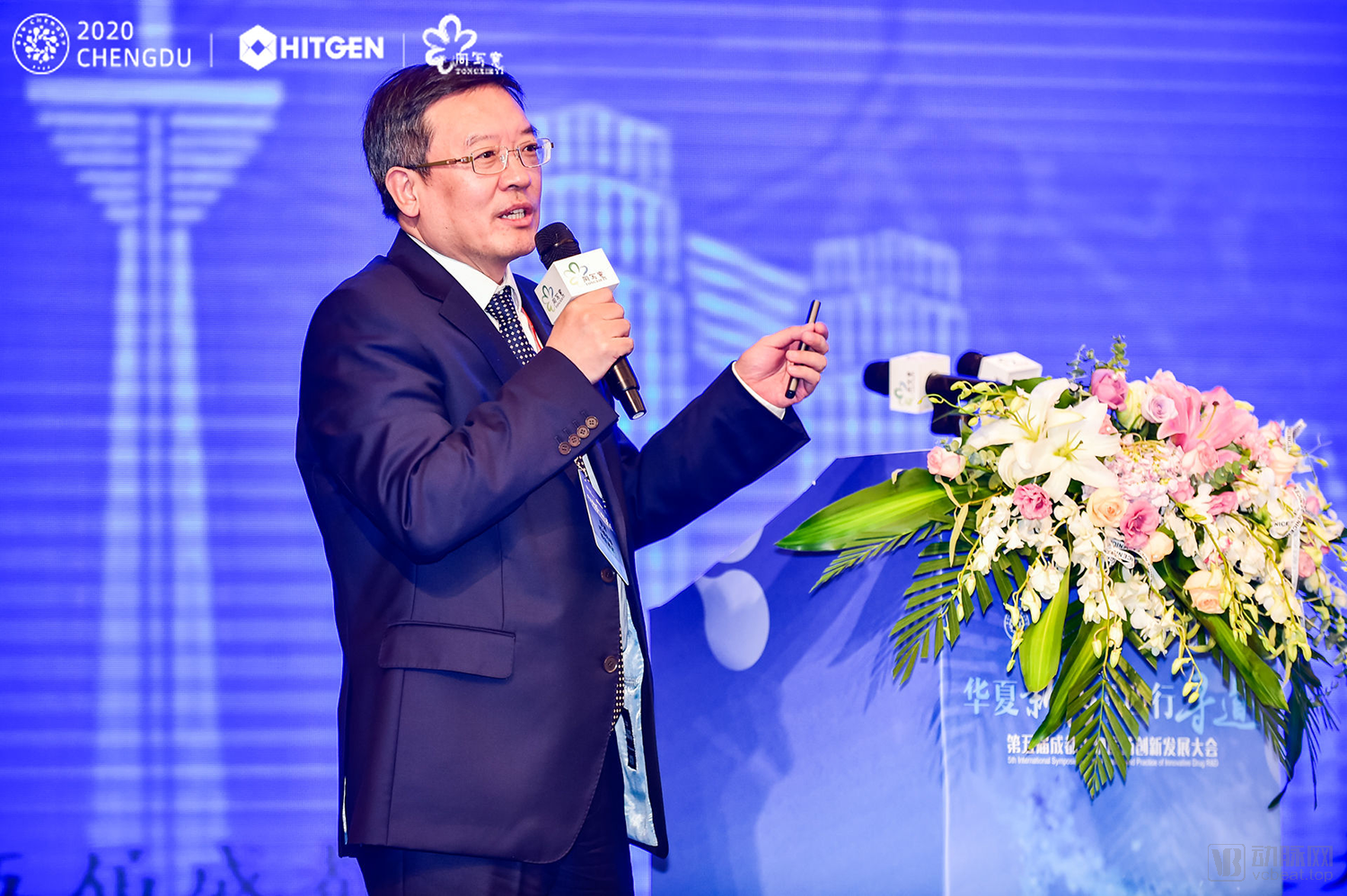
Dr. Li Jin, Chairman and CEO of HitGen, Delivers Keynote Address
At this prestigious event, HitGen also held strategic signing ceremonies with six pharmaceutical companies, aiming to build a specialized service chain, attract global innovation resources, aggregate the innovation chain, and work together to make greater contributions to the high-quality development of the biopharmaceutical industry. The signatory companies include Chengdu Huaxi Haiqi Pharmaceutical Technology Co., Ltd., Chengdu Huaxi Clinical Research Center Co., Ltd., Chengdu Haifeng Biotechnology Co., Ltd., Chengdu Yaokang Biotechnology Co., Ltd., Sichuan Kangcheng Biotechnology Co., Ltd., and Pharmaron Holdings Co., Ltd.
Meanwhile, Dr. Zhen Ling, Chairman and CEO of Kunling Global, and Dr. Liu Xiao, Marketing Director for Greater China at Cytiva, presented their respective models and technological innovations. Dr. Wang Yinxiang, Chairman and CEO of Jacobio Pharmaceuticals; Dr. Zhu Zhenping, President and Chief Scientific Officer (CSO) of 3SBio; and Dr. Guan Xiaoming, Co-founder, CEO, and CSO of Fubei Biologics, provided in-depth reports on R&D strategies for novel oncology drugs targeting the KRAS pathway and HER2, as well as new therapeutics for neurological disorders.
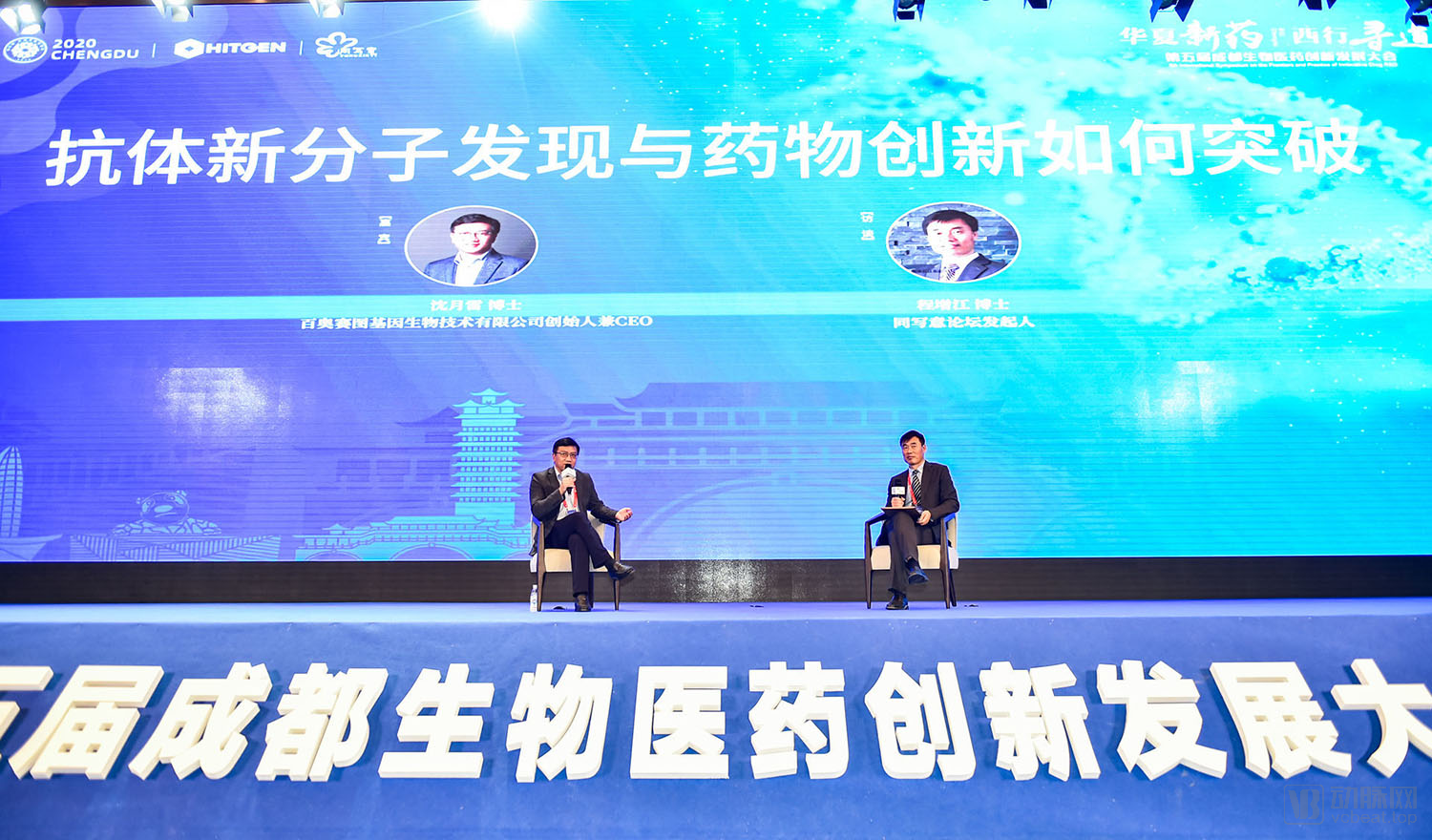
Dr. Cheng Zengjiang and Dr. Shen Yuele Engage in a Dialogue on “Breakthroughs in the Discovery of Novel Antibody Molecules and Drug Innovation”
Dr. Cheng Zengjiang, founder of the Tongxieyi Forum, and Dr. Shen Yuelei, Chairman of Biocytogen, conducted an engaging on-site discussion on “Breakthroughs in Antibody Novel Molecule Discovery and Drug Innovation.”
It is worth noting that, as a spiritual home for top-tier talent in new drug R&D and one of the key birthplaces of innovative thinking in China’s new drug sector, Tongxieyi has made it its mission to “bring together visionary and mission-driven elites in new drug R&D, explore the scientific principles and business models underlying drug development, and promote the healthy development of China’s pharmaceutical industry.” To this end, it has hosted more than 100 summits of varying scales, continuously providing leadership and empowerment to the industry.