

Changgen Tang's Wang Qiong on Modernizing Traditional Chinese Medicine: A Path Toward 'A World Without Stones'
Introduction: Throughout the interview, Wang Qiong consistently emphasized the principle of “preventing disease before it occurs, preventing progression once disease has developed, and preventing recurrence after recovery.” In her view, the most critical aspect of treating stone disease is not merely removing stones through Western surgical procedures or Traditional Chinese Medicine (TCM) therapies, but rather addressing the underlying causes of stone formation. By improving patients’ constitution prone to stone formation, this approach aims to spare them from the distress of recurrent stones. While certain surgical interventions for stones may require partial hepatectomy, the Changgen Stone Therapy focuses on restoring physiological functions and normalizing body fluid secretion, thereby facilitating stone expulsion and preventing recurrence. Wang Qiong also expressed her hope to further advance the prevention and treatment of stone disease, encouraging early detection, diagnosis, treatment, and prevention, with the ultimate vision of achieving a world free from stone disease.
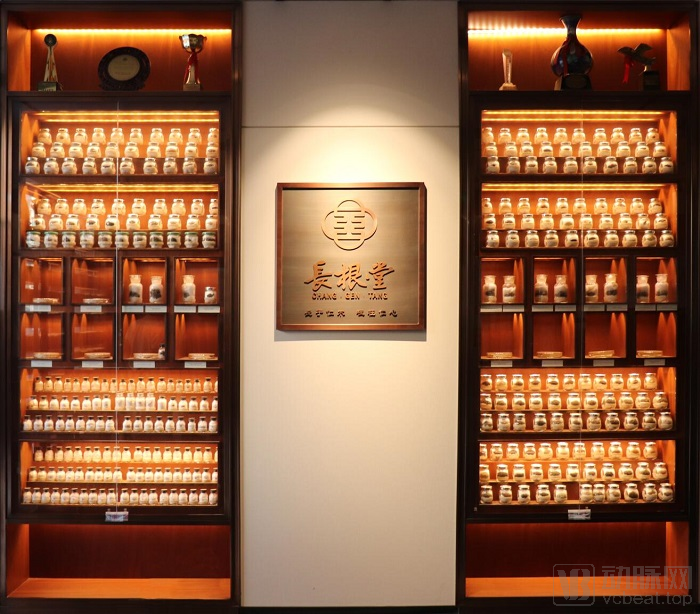
Changgen Tang is widely recognized not only as a renowned time-honored brand of Traditional Chinese Medicine (TCM) with a 60-year history, but also for its "Changgen Stone Expulsion Method." By taking Changgen Tang’s herbal formulations, patients with calculi can expel stones from their bodies in a manner akin to "childbirth." At Changgen Tang, a distinctive "Stone Wall" has been erected, composed of over 600 glass jars containing thousands of expelled stones of varying sizes. Beyond stone expulsion, Changgen Tang’s most significant distinction from Western medicine lies in its approach of addressing the root cause to restore physiological function, regulate and improve the patient’s constitution prone to stone formation, effectively prevent stone recurrence, and help patients regain a healthy life.
As the eldest daughter in her family, Wang Qiong was held to high expectations by her father from a young age. While other little girls received dolls as gifts, Wang Qiong received medical instruments such as stethoscopes. For Wang Qiong, becoming a doctor was a dream she had since childhood. Ultimately, she was admitted with excellent grades to the Clinical Medicine program at Shanghai Medical University (now Fudan University Shanghai Medical College), fulfilling her aspiration and becoming a physician specializing in the treatment of stone diseases, just like her father, Wang Changgen. The only difference was that she pursued the path of Western medicine.
After graduation, Wang Qiong worked across multiple departments at several top-tier (Grade 3A) hospitals in Shanghai, including Huashan Hospital and Xinhua Hospital, where she was directly involved in the treatment of patients with stone diseases. However, having repeatedly witnessed the high recurrence rates among these patients, she ultimately chose to return to her father’s clinic, Changgentang, becoming his last and most cherished disciple.
In Wang Qiong’s view, her father’s arrangement for her carried profound implications: “To truly consider patients’ needs, one must engage in multidisciplinary, comprehensive study and research on urolithiasis, mastering the current research directions as well as the advantages and disadvantages of various treatment modalities.” With a background in Western medicine, Wang Qiong delved into traditional Chinese medicine (TCM) therapies under her father’s guidance and joined him in modernizing the Changgen Stone Therapy.
Perhaps we must return to the era of Wang Changgen, the founder of Changgentang. During the time when Wang Changgen invented the “Changgen Labor-like Stone Expulsion Method,” patients suffering from calculi often incurred significant bodily harm due to surgical interventions, as surgical conditions were suboptimal. It was against this backdrop that Wang Changgen developed the non-surgical “Changgen Labor-like Stone Expulsion Method.” Taking patients with gallstones as an example, this approach involves the administration of traditional Chinese medicine to gradually restore the intrinsic functions of the liver, gallbladder, and kidneys. The bile endogenously secreted by the patient then facilitates the displacement and smooth expulsion of the stones.
However, pain thresholds vary among individuals, and the biliary environment differs from person to person; therefore, the Changgentang stone expulsion therapy is not suitable for everyone. Some patients may have biliary tract distortions or malformations, while others have missed the optimal window for stone expulsion, resulting in significantly enlarged stones. Although there have been previous cases of patients expelling stones as large as eggs, Changgentang no longer recommends this method for stones exceeding 1 cm in diameter, taking into account patient discomfort and the duration of medication required.
Wang Qiong, who has been influenced by both Western and Traditional Chinese Medicine (TCM), believes that the best medical care is defined by prioritizing patients’ interests and delivering optimal outcomes. She views the integrated treatment of stone diseases using both TCM and Western medicine as the future direction. As the principle that “Traditional Chinese Medicine and Western medicine should complement each other and develop in a coordinated manner” suggests, she acknowledges that with advancements in surgical techniques, procedures such as minimally invasive surgery and gallbladder-preserving lithotomy now cause significantly less harm to patients compared to surgeries performed in her father’s generation. However, she also recognizes that surgery is not a panacea; it cannot completely prevent the recurrence of new stones. Consequently, patients with hepatobiliary and renal calculi often face high recurrence rates and may need to undergo multiple surgical interventions.
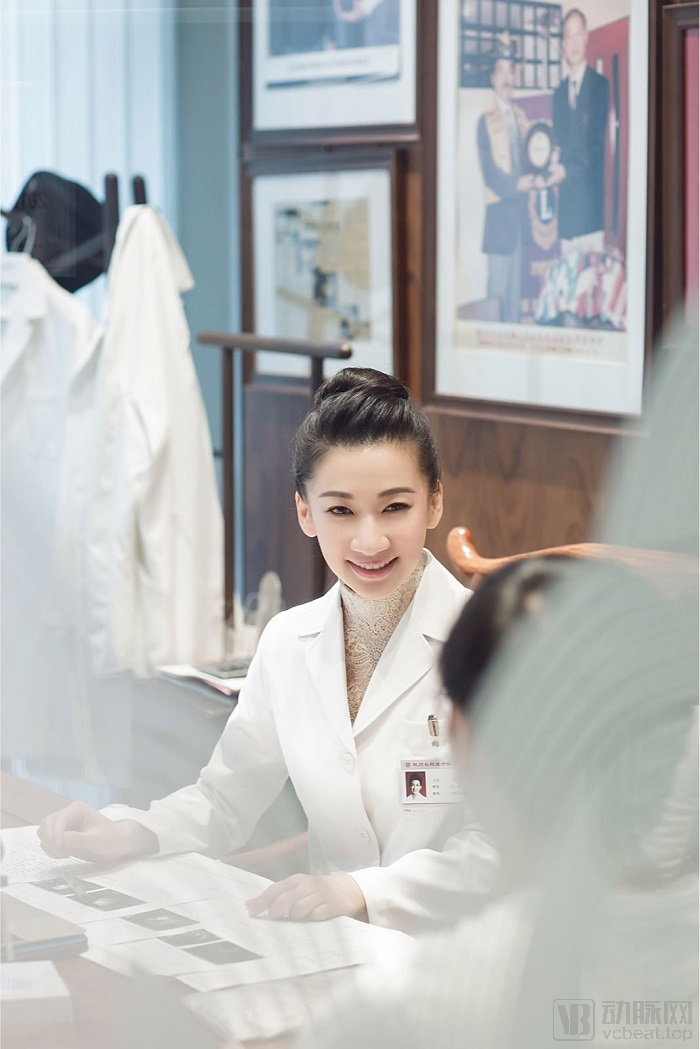
Dr. Wang Qiong, Chairman of Changgentang Stone Medical
Wang Qiong stated that the long-root stone therapy invented by her father is not merely a lithotripsy treatment targeting the stones themselves; more importantly, it helps patients regulate and restore normal physiological functions, improve their constitution prone to stone formation, and address the root cause of stone recurrence.For patients who have undergone multiple surgeries, including cholecystectomy and partial hepatectomy, the Changgen Stone Therapy not only helps them eliminate residual and recurrent stones but also aids in restoring physiological function and normal dietary habits, slowing the progression of stone recurrence, and significantly improving their quality of life.
Recognizing the distinct characteristics of Traditional Chinese Medicine’s Changgen stone therapy and Western surgical approaches, Wang Qiong introduced tailored treatment strategies for different patient groups after taking over Changgentang:
1. For patients diagnosed at an early stage, treatment and conditioning using pure Traditional Chinese Medicine (TCM) are employed to restore physiological functions, facilitate stone expulsion during recovery, and preserve the integrity of visceral organs;
2. For patients with excessively large stones or biliary tract malformations, an integrated approach combining Traditional Chinese Medicine (TCM) and Western medicine is recommended. Patients should first undergo minimally invasive surgery at a Grade A tertiary hospital, followed by timely treatment and conditioning using the Changgen Stone Therapy within two weeks postoperatively. This helps eliminate residual stones not cleared during surgery, improves the patient’s stone-prone constitution, and prevents stone regeneration and recurrence.
3. For critically ill patients who have undergone multiple surgeries (with partial organ resection), implement a two-way referral system integrating Traditional Chinese Medicine (TCM) and Western medicine. Utilize the Changgen Stone Therapy for treatment and conditioning, enabling patients to meet the criteria for surgery. Two weeks postoperatively, apply Changgen Stone Therapy promptly for further treatment and conditioning, thereby reducing the likelihood of recurrence and improving quality of life.
Regarding the third scenario, Wang Qiong illustrated it with a case study. A patient with kidney stones, who had undergone six surgeries over 34 years, required another operation due to stone recurrence. However, the patient presented with severe complications such as ascites and jaundice, classifying them as high-risk and rendering surgery unfeasible at the hospital. The hospital physicians referred the patient to Changgentang. After treatment with traditional Chinese medicine (TCM), the patient’s ascites resolved and jaundice subsided, meeting the prerequisites for surgery. The patient then underwent their seventh surgery. Postoperatively, the patient received further treatment at Changgentang and achieved full recovery. Currently, the patient visits Changgentang annually for regular TCM therapy to prevent recurrence.
It was not until his later years that Wang Changgen accepted his only direct, final disciple, Wang Qiong. This exemplifies one of the key reasons why many traditional Chinese medicine (TCM) techniques struggle to achieve broader dissemination: physicians often devote one to two decades of effort to train merely one or two disciples. Yet, the patient population they serve numbers in the tens of thousands. Even if Wang Changgen and Wang Qiong were to work around the clock without rest, their capacity to treat patients with urolithiasis would remain severely limited. Moreover, factors such as physicians’ own illnesses can further disrupt clinical services.
Even with their boundless energy to serve patients, the number of individuals they could treat remained limited. Typically, as one patient entered the consultation room, the next would begin to urge for attention. For Wang Changgen and Wang Qiong, ensuring therapeutic efficacy and maintaining a strong reputation while serving more patients with kidney stones became an unavoidable challenge.
Ultimately, modern technology provided them with the answer. Leveraging big data and artificial intelligence, Wang Qiong and her father analyzed nearly one million patient records from the past 60 years to transform the Changgen Stone Therapy into an Intelligent Diagnosis and Treatment System for Changgen Stone Disease. The system categorizes patients with hepatobiliary and renal calculi into 32 main types and 352 subtypes based on their clinical signs, and has established 1,408 corresponding prescriptions for these conditions.Through modern technology, they have created a digital replica of Dr. Wang Changgen. When physicians use this system, it is as if Dr. Wang Changgen is accompanying them during outpatient consultations.
The system classifies conditions from multiple perspectives. From the Western medicine standpoint, classifications are based on whether the stones are located in the digestive or urinary system, whether prior surgery has been performed, and the specific type of surgery conducted. From the Traditional Chinese Medicine (TCM) perspective, classifications include patterns such as damp-heat in the liver and gallbladder, liver qi stagnation, liver stagnation with blood stasis, and yin deficiency of the liver and kidneys. During diagnosis and treatment, physicians input TCM diagnostic data obtained through inspection, auscultation/olfaction, inquiry, and pulse-taking, along with Western medical test results—including liver function indicators, renal function indicators, CT scans, ultrasound, and MRI—into the system. The system then generates a tailored prescription using proprietary algorithms, achieving personalized treatment for each individual.
The system has currently been updated and iterated to version 4.0. Wang Qiong stated that in the future, they will achieve data entry and retrieval through electronic health records, thereby improving physicians’ work efficiency. They are also exploring the use of artificial intelligence technology for facial recognition to capture data related to traditional Chinese medicine’s four diagnostic methods—inspection, listening and smelling, inquiry, and palpation—under standardized lighting conditions. Based on diagnostic and treatment data from nearly one million patients in the past, along with the continuous accumulation of such data, Wang Qiong indicated that the system will become more precise in disease classification in the future.
In the past, with traditional Chinese medicine (TCM) decoctions, patients often struggled to control the amount of water and cooking time during self-preparation. This frequently led to issues such as scorching the herbs due to insufficient water or diluting the medicinal concentration by adding excessive water, thereby compromising therapeutic efficacy. In 1992, the TCM Formula Granules project was launched as a major scientific research initiative by the State Administration of Traditional Chinese Medicine. After companies such as Jiangyin Tianjiang were approved as the first batch of “Pilot Production Enterprises for TCM Formula Granules,” Changgentang swiftly established partnerships with them, adopting TCM formula granules that do not require decoction to provide medications to patients.
In Wang Qiong’s view, opting for granule formulations of traditional Chinese medicine (TCM) helps address the issues of endogenous and exogenous toxicity associated with TCM decoction pieces. Pharmaceutical manufacturers exercise strict control over medicinal materials by testing for heavy metal residues such as lead (Pb), cadmium (Cd), mercury (Hg), copper (Cu), and arsenic (As), thereby regulating market access for these raw materials. This approach also avoids potential problems with TCM decoction pieces, including insect infestation, mold contamination, and sulfur fumigation. By extracting active ingredients from compliant medicinal materials and enforcing rigorous quality controls, TCM granule formulations ensure the safety, efficacy, and convenience of traditional Chinese medicine.
For patients, decoction-free TCM granules offer the advantages of no need for boiling, small dosage, and portability, while also ensuring complete composition, definite efficacy, safety, and effectiveness.“Jinqian Dantong Oral Liquid,” a proprietary Chinese medicine with National Medical Products Administration approval, invented by Dr. Wang Changgen, was awarded the Gold Medal by the National Ministry of Health for three consecutive years and has received numerous domestic and international awards.
When patients are suffering from calculi, they may not care much about the taste of their medication. However, once their condition is under control, they tend to have higher expectations for the palatability of medicinal preparations. In response to requests and suggestions from patients and their friends, Wang Qiong began building a wellness brand rooted in the concept of “medicine and food sharing the same origin”—Genjia Nuanfang. Currently, the brand has launched two series of herbal-inspired products designed to nourish qi and blood, suitable for daily consumption and holistic regulation. This represents Changgentang’s new exploration and endeavor.
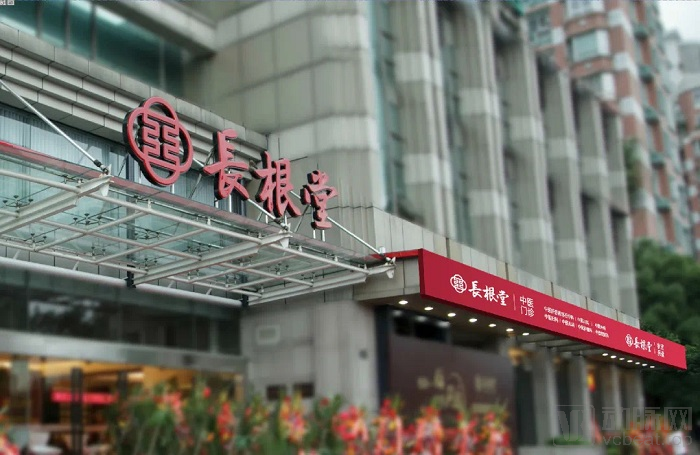
From a small workshop-style clinic to a modern 2,000-square-meter medical facility following its relocation and upgrade in 2015, Changgentang has continuously undergone transformation and upgrading. To better develop Changgentang, Wang Qiong has also been committed to continuous learning. In addition to crossing over from clinical practice to study business management courses, Wang Qiong joined the Fosun Star Future Entrepreneurship Camp. For Wang Qiong, the Fosun Star Future Entrepreneurship Camp provided a suitable platform that enabled her to connect with peers in the healthcare industry and deepen her understanding of the sector.
Meanwhile, Wang Qiong has been continuously gathering physicians who are equally willing to help patients with kidney stones.We aspire to follow Alibaba’s example by “bringing together a group of passionate and principled individuals to accomplish something meaningful and valuable,” thereby supporting the current mainstream healthcare system, which is predominantly surgery-centric, in delivering superior treatment outcomes and patient experiences.The Wang Changgen Physician Group, established by Changgentang, currently comprises more than ten specialist physicians who are inheritors of the Changgen Stone Therapy. In the future, they will also introduce a Traditional Chinese Medicine (TCM) Partner Program to bring in fresh talent.
To enhance the quality of patient care, Changgentang has transformed its traditional one-doctor-to-many-patients model by providing comprehensive support through customer service representatives, medical assistants, and physicians. This approach ensures that patients clearly understand their medication regimens and precautions, thereby achieving better therapeutic outcomes.
During the course of treatment, Changgentang also provides patients with various disease insurance policies. Furthermore, Changgentang has established a project partnership with Ping An Trust, focusing on smart healthcare, public welfare, and science popularization. Through this collaboration, it offers financial support to physicians who have made significant contributions to the field of hepatobiliary and renal calculi, and provides rewards to individuals who actively engage in public education about stone diseases. In this way, Changgentang promotes societal awareness of lithiasis and enhances clinicians’ proficiency in treating stone diseases.
Changgentang is currently expanding its presence through both online and offline channels. Online, it has established partnerships with WeDoctor, Wuzhen Internet Hospital, Huatuo TCM Internet Hospital, and Shiliu Cloud Medicine. Changgentang’s online services primarily address follow-up consultations, enabling patients with stone diseases prone to recurrence to opt for remote consultations, thereby avoiding disease relapse triggered by the fatigue of repeated travel.
In the offline sector, in addition to directly operated clinics, traditional Chinese medicine (TCM) outpatient departments across various regions are initiating collaborations with Changgentang. These partnerships are primarily structured around the establishment of expert studios. Currently, expert studios under the Wang Changgen Doctor Group are being progressively launched in cities such as Kunshan, Haining, Ningbo, and Chongqing.
Wang Qiong stated that her father served nearly one million people over the course of 60 years. With the support of her team, she aims to serve nearly ten million patients with kidney stones within the next decade. She affirmed her lifelong commitment to treating patients with kidney stones.Changgentang’s mission is “A World Without Stones,”We aim to shift the prevention and treatment of kidney stones upstream, promoting early detection, diagnosis, treatment, and prevention, so that people are no longer burdened by stone disease.
Since taking over Changgentang in 2015, Wang Qiong has focused on achieving standardization, normalization, scientific rigor, and replicability while ensuring therapeutic efficacy. With the establishment of operational systems and the implementation of standardized manuals, standardization has been largely realized. The growing number of clinic sites now serves not only as a demonstration model but also as a further exploration into the replicability of the Changgentang model.
As early as 2018, Changgentang completed its angel round of financing, raising RMB 20 million and achieving a post-money valuation of RMB 320 million. The company planned to introduce strategic investors with aligned values and philosophy in the second half of 2020 and secure RMB 100 million in Series A funding. Wang Qiong stated that her father had served nearly one million people over 60 years, and she hoped that she, the Changgentang team, and future strategic investors would serve nearly ten million kidney stone patients over the next decade, striving to realize the vision of “becoming a time-honored TCM brand trusted by millions of kidney stone patients.” She also expressed the desire to leverage capital to further promote health concepts and treatment approaches such as the “Changgen Kidney Stone Therapy” and the “treatment, regulation, and prevention of kidney stones.” She affirmed her lifelong commitment to serving kidney stone patients, declaring that “a world free of kidney stones” is her mission and that of Changgentang.
Fosun Star Future Institute is an incubation and investment platform focused on the big health sector, established by Star Future Capital in reliance on Fosun Group and Fosun Pharma. Adopting a “community + incubation + investment” model, it explores frontier innovation fields, focuses on entrepreneurial talent, and secures early-stage investments in future unicorns.
In 2020, the Big Health Entrepreneurship Camp launched its second cohort, targeting entrepreneurs in the medical and healthcare sector as well as aspiring innovators. It invited top-tier global mentors and introduced six core incubation modules, offering entrepreneurship courses with the most profound industrial background and practical experience in China.