

Post-Pandemic China Emerges as the World's Premier Hub for Pharmaceutical Investment, Says Third Health Industry Investment & Financing Leaders Summit
2020 is set to be another peak year for investment, mergers and acquisitions (M&A), and innovative R&D in China’s pharmaceutical industry. Healthcare has become the most immediate market demand, bucking the trend to emerge as the sector of greatest interest to venture capital (VC) and private equity (PE) firms. Against the backdrop of weakening global economic recovery momentum, large-scale M&A activities in the global medical technology industry have occurred in rapid succession, while equity investment returns in the healthcare sector have remained consistently robust. The introduction of a series of new market regulations—including the launch of the STAR Market, the implementation of the registration-based IPO system on the ChiNext Board, and the accelerated pace of IPO reviews—has made the future of China’s healthcare venture capital and innovation sector highly promising.
The "Analysis Report on Investment and Financing in China's Healthcare Sector for the First Half of 2020" pointed out that in the first half of 2020, the proportion of financing deals for domestic healthcare companies accounted for 16% of the entire industry, reaching a historic high.In terms of IPO performance, healthcare companies across the entire market raised a total of RMB 41.5 billion in the first half of the year, with RMB 17.8 billion raised on the A-share market, RMB 14.4 billion on the Hong Kong stock exchange, and RMB 9.3 billion on the U.S. stock market. The establishment of the STAR Market has also attracted numerous innovative healthcare companies to go public; statistics show that 11 healthcare companies listed on the STAR Market in the first half of the year.
The scale of financing and IPOs reflects capital’s confidence in China’s healthcare industry.
To jointly uncover high-quality achievements in the biopharmaceutical field, accelerate the translation and implementation of relevant scientific research outcomes, and support the development of the biopharmaceutical industry, the Third Health Industry Investment and Financing Leaders Summit was grandly held on November 1 at the Millennium Hotel Beijing. The event was co-hosted by the Health Client of People’s Daily, People’s Daily Health Times, and BOC International Holdings Limited, with VCBeat serving as the chief media supporter.
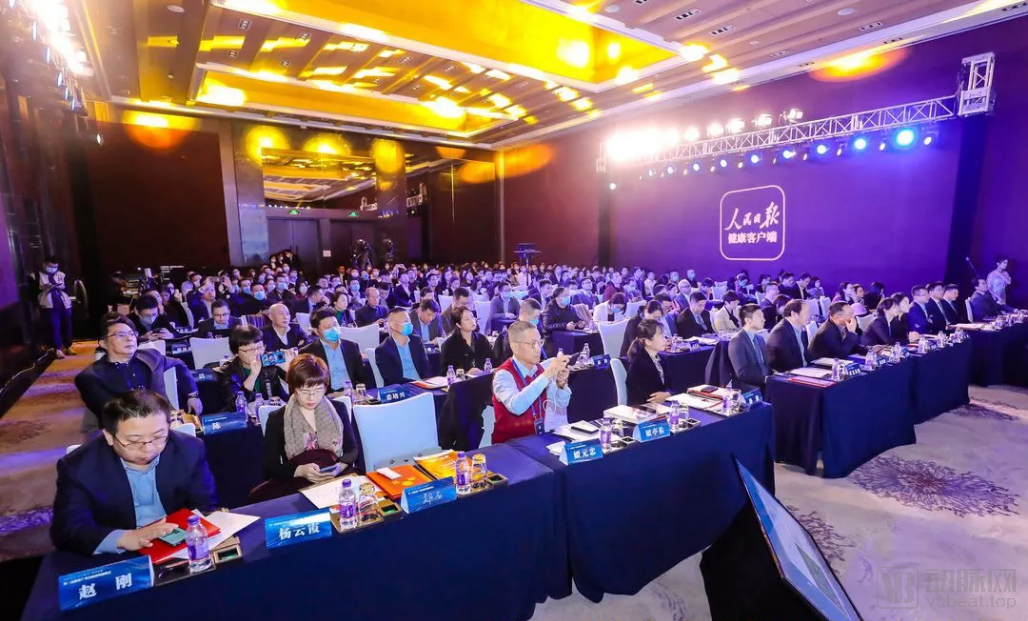
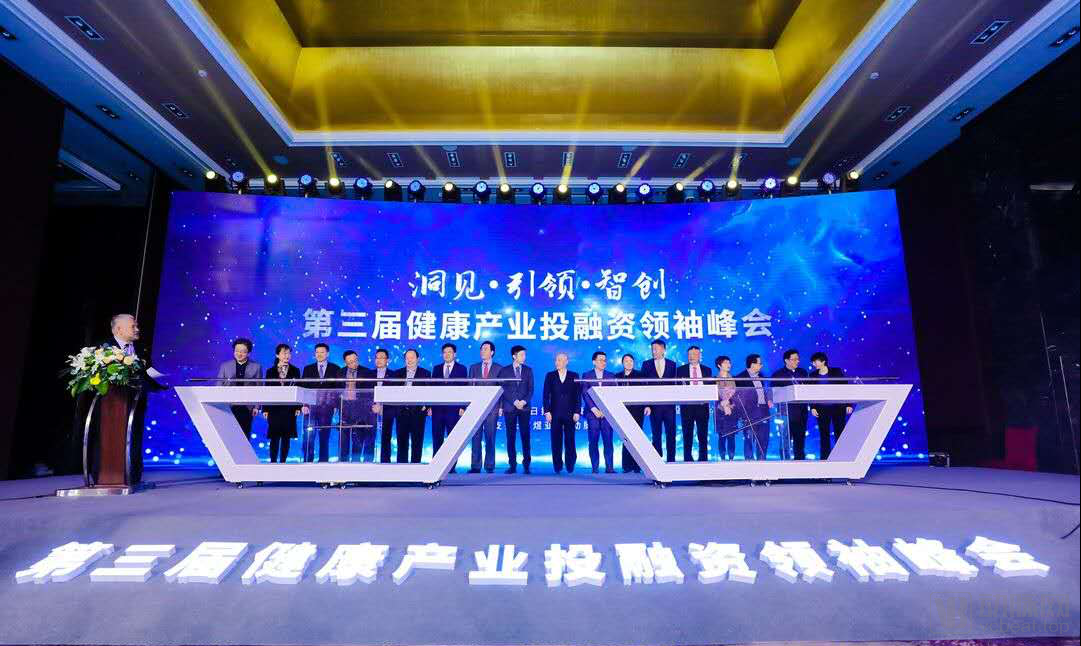
The conference invited industry leaders, experts, and scholars from Shanghai and Hong Kong, as well as representatives from drug regulatory authorities, the economics community, the healthcare industry, and the investment and financing sectors. Together, they focused on sharing insights and engaging in vigorous discussions on multiple topics, including global innovation and development trends in the pharmaceutical and healthcare industries, forecasts of investment and financing directions, and strategies for responding to new policies. Additionally, a high-end roadshow session was organized to facilitate access to investment and financing channels for high-quality enterprises.
At the opening of the conference, Meng Xianli, Editor-in-Chief of the Health Client of People's Daily and Health Times, and Li Tong, CEO of BOC International Holdings Limited, delivered opening remarks respectively.
Mr. Meng Xianli stated that the COVID-19 pandemic, which emerged in late 2019, is reshaping the overall structure of human society. Its profound impact on individual nations and its long-lasting influence on the future of humanity are unprecedented. Beyond the pandemic itself, the ecosystem for processing and disseminating information in human society is undergoing rapid transformation. The era of omni-media and the integrated development of media are likewise reshaping our rapidly changing social landscape. Media has become highly ubiquitous and commoditized, with “everyone holding a microphone.” Mr. Meng emphasized that mainstream media and specialized health media should leverage their think-tank value to assess industry developments and gauge future trends. By conducting research on medical investment and industrial development, they can provide valuable insights to help drive the growth of the pharmaceutical and healthcare industries.
Ms. Li Tong stated that 2020 was an extraordinary year, during which human health faced unprecedented challenges amid the pandemic. However, driven by the rapid advancement of biopharmaceutical technologies over the past two decades and the integration of cutting-edge technologies such as AI, 5G, and big data into the healthcare sector, the health industry has experienced unprecedented rapid growth. Innovation has become the core driving force of the health industry, providing higher-quality medical safeguards for human health and injecting immense momentum into the industry’s economic development. In recent years, reforms in listing rules have provided strong support for the health industry, particularly for the development of innovative medical enterprises. Ms. Li expressed her hope that, through its participation in this conference, BOC International will collaborate sincerely with peers in the health industry and investment community to vigorously promote the development of the health sector and deliver better services for human health.
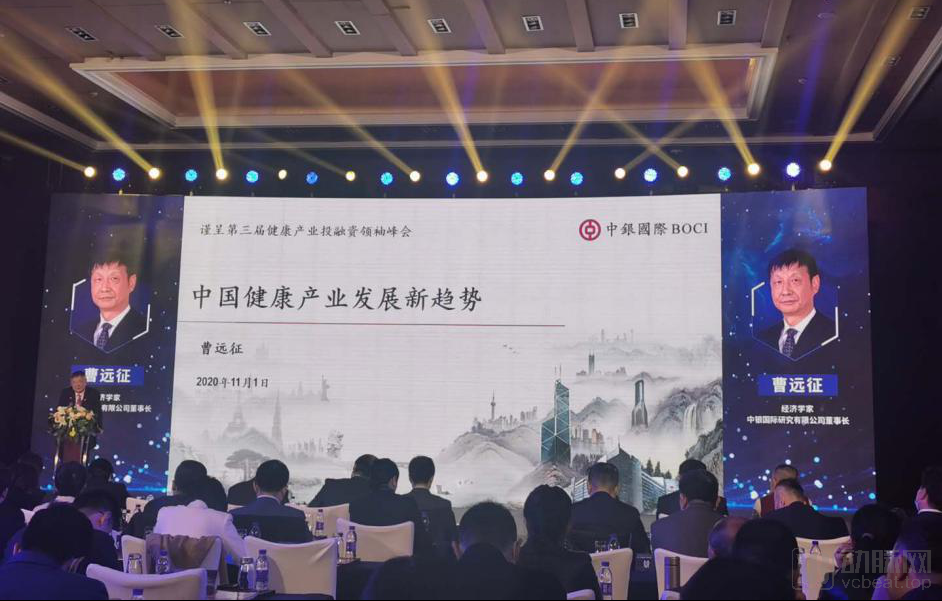
“China’s absolute scale potential in the health industry ranks among the highest globally, and a historic shift is underway in Chinese residents’ health consciousness, creating new opportunities for the development of the health sector.”Mr. Cao Yuanzheng, Chairman of BOC International Research Limited and Vice President of the China Macroeconomic SocietyDelivered a keynote address.
Mr. Cao Yuanzheng stated that with socioeconomic development, the concept of health is increasingly expanding; it is no longer limited to disease treatment but encompasses the entire human life course, including birth, aging, illness, and death.
He further pointed out that in 2019, China’s population aged 65 and above accounted for 12% of the total population. According to United Nations projections on China’s demographic trends, by 2050 China will enter a stage of deep aging, marked by a significant rise in chronic underlying conditions and organic diseases, leading to more urgent healthcare needs. This not only indicates sustained demand for the health sector but also suggests promising prospects for its sustainable development. Currently, the average life expectancy in China has exceeded 75 years and continues to rise. Living with chronic conditions, chronic disease management, and the integration of medical care with elderly care have emerged as new needs, creating fresh opportunities for the diversification of the health industry.
Mr. Cao Yuanzheng stated,Population aging is not merely about addressing the need for treatment when illness occurs; living with chronic conditions and integrating medical care with elderly care will emerge as new necessities.
“The upper-middle-income group enjoys stable income, exhibits a high marginal propensity to consume service-oriented products, and places greater emphasis on quality. This demographic is driving investors into premium senior living communities, which have become the mainstream in the market for integrated medical and elderly care products and, consequently, the most competitive segment.” Meanwhile, Mr. Cao Yuanzheng emphasized that “the middle- and low-income groups constitute the main body of China’s population and hold immense potential. The sustainable increase in their income is key to the smooth development of the health industry. Only by meeting the health-related needs of this segment can we establish a new development pattern dominated by domestic circulation, with domestic and international circulations reinforcing each other.”
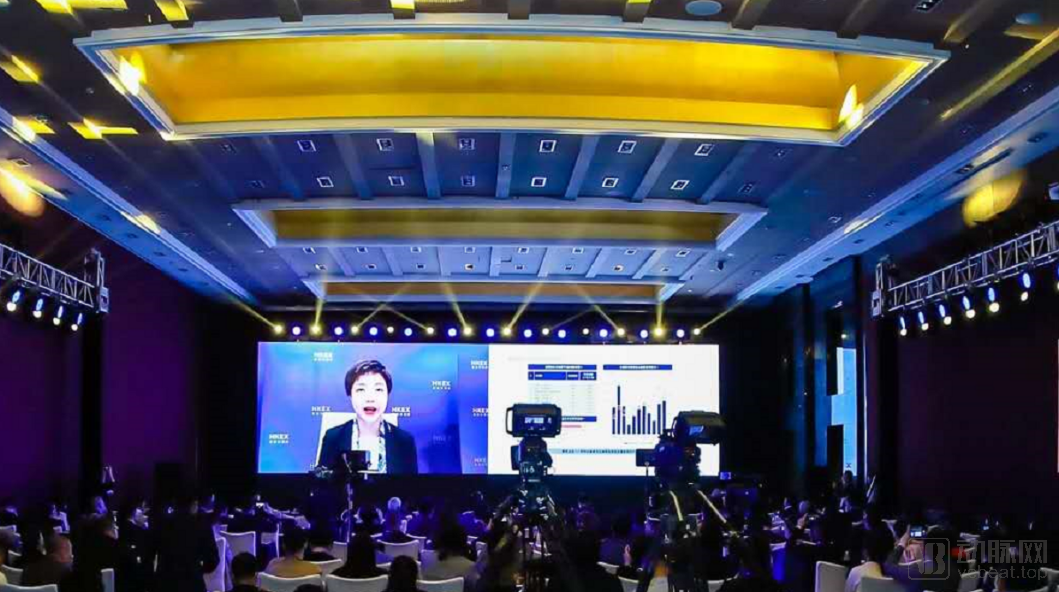
“Over the past two years, fundamental changes have taken place in Hong Kong’s capital market. New economy companies have accounted for more than 50% of total initial public offering (IPO) financing in the Hong Kong market. From January to the end of September this year, this proportion has reached 76%. A little over two years ago, the total market capitalization of the healthcare sector in Hong Kong was approximately HK$800 billion; it has now grown to HK$2.5 trillion. The health industry has achieved very rapid growth.”Ms. Bao Haijie, Managing Director of the Hong Kong Exchanges and Clearing Limitedsaid.
She further pointed out that these changes are closely related to the introduction of new listing chapters in the Hong Kong capital market in April 2018. She explained that the new listing framework is broadly divided into three parts: allowing pre-revenue biotechnology companies and innovative industry companies with weighted voting rights structures to list in Hong Kong under Chapter 18A, as well as permitting China-concept innovative industry companies already listed overseas to conduct secondary listings in Hong Kong.
Ms. Bao Haijie believes that the introduction of these new listing chapters has significantly boosted the enthusiasm of healthcare and biotechnology companies to list in Hong Kong. “Since the new listing rules took effect, the Hong Kong Stock Exchange has welcomed 44 healthcare and biotechnology companies for listings in Hong Kong, with total fundraising reaching HK$180 billion,” said Ms. Bao Haijie.
Notably, there are currently 156 listed healthcare companies in the Hong Kong market, with a total market capitalization of HK$2.5 trillion. The healthcare and biotechnology sectors in Hong Kong’s capital market have experienced rapid growth; within just two years, Hong Kong has emerged as the world’s second-largest biotechnology financing hub.
“The health industry has enormous room for growth,” pointed out Ms. Bao Haijie. China’s population is four times that of the United States, yet the total market capitalization of its healthcare sector is only one-quarter of America’s. Against this backdrop, more companies specializing in innovative drugs, medical devices, novel therapies, and internet-based healthcare will emerge, providing support for the comprehensive development of China’s healthcare industry.
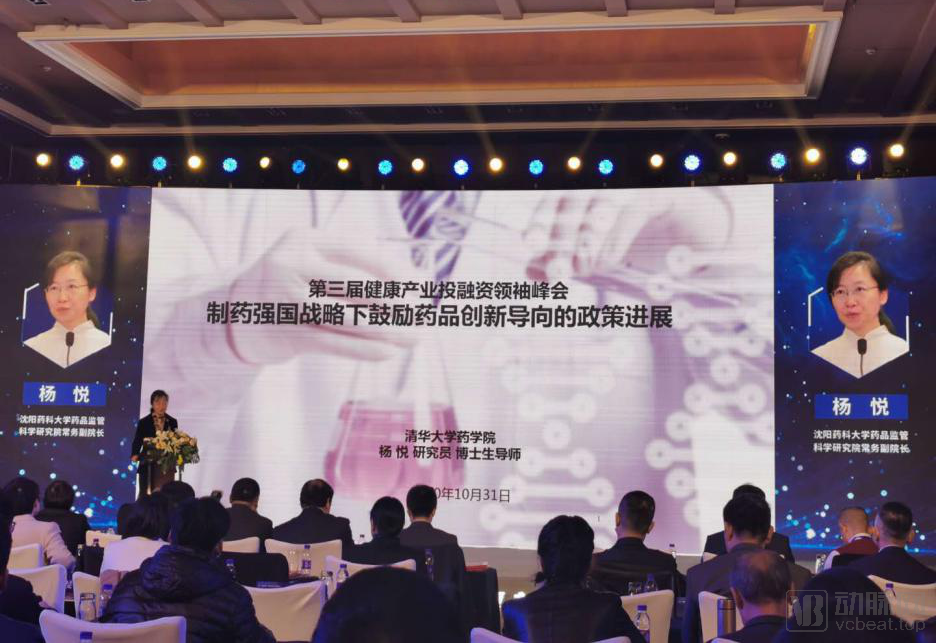
“Under the Healthy China Strategy, there is a sub-strategy—the Strategy for Building a Pharmaceutical Powerhouse—which was proposed in the Outline of the Healthy China 2030 Planning Program.”Ms. Yang Yue, Executive Vice Dean of the School of Drug Regulatory Science, Shenyang Pharmaceutical UniversityHe stated, “At a basic level, the strategy to build China into a pharmaceutical powerhouse centers on two core pillars: quality and innovation. This underscores that we must focus not only on innovation but also on drug quality, as both hold significant clinical value.”
Ms. Yang Yue pointed out that from the new healthcare reform plan in 2009 to the reinforcement by Document No. 42 in 2015, and further to the introduction of the new Drug Administration Law in 2019, there have been provisions specifically encouraging drug innovation oriented towards clinical value. Similar expressions can also be found in areas such as drug review, drug pricing, and medical insurance policies. In summary, all these measures emphasize linking pricing and medical insurance payments with clinical value.
“In the fields of pharmaceuticals and medical devices, the state has enacted multiple laws and regulations to safeguard public health. These include the Traditional Chinese Medicine Law, the Drug Administration Law, the Vaccine Administration Law, and the Basic Healthcare and Health Promotion Law. Each of these major legislative acts is supported by detailed implementing policies designed to encourage innovation. This signifies that the focus of future drug development will lie in transformation.”
Ms. Yang Yue believes that previous investment decisions may have focused more on the product itself and the popularity of its therapeutic area. “For instance, if a drug is a PD-1 inhibitor, many might consider it to have investment value. The direction of future investment trends should change.”Investors should shift their focus—directing more attention toward patient needs with clinical value.“This is the real market.”
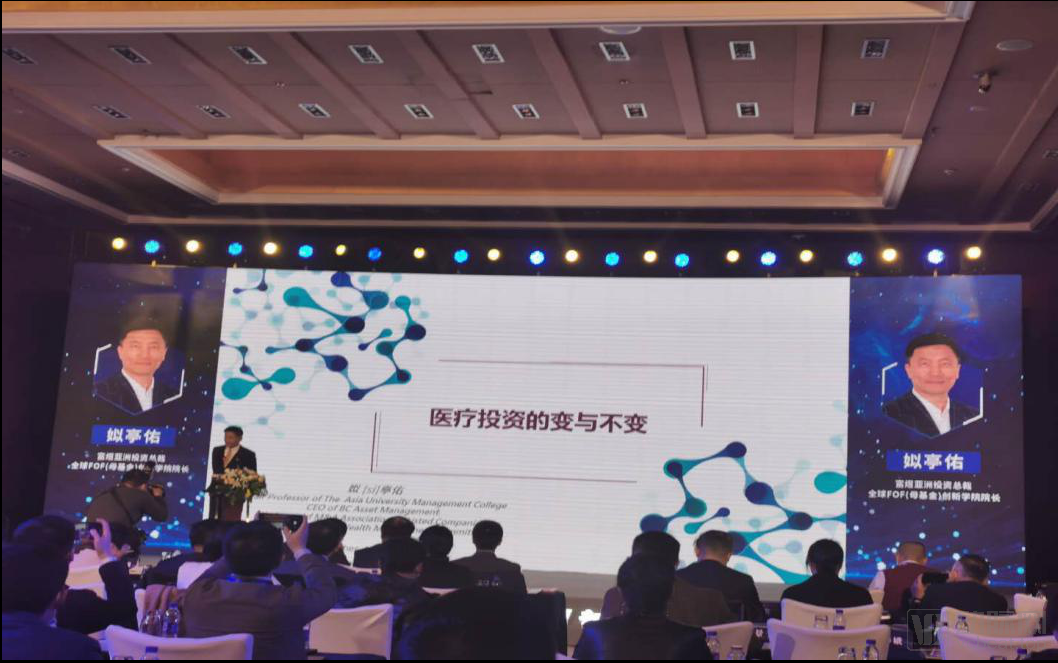
“Large healthcare enterprises, in formulating their future business development strategies and layouts, must recognize boundaries—the boundaries of treatment, technology, and humanity that doctors and professors are continually exploring.”Mr. Si Tingyou, President of Fuyu Asiastated that top decision-makers and their teams must anticipate the future to adapt to market changes; only through continuous innovation can sustained progress be achieved.
Discussing the impact of the post-pandemic era on investment, Mr. Si Tingyou stated, “From an innovation perspective, the underlying logic of investment has not changed.” However, Mr. Si further pointed out that the current balance of healthcare insurance revenues and expenditures, policies, stages of development, and the external environment have all undergone changes. In the face of these shifts, every individual and organization in the investment community needs to engage in sincere collaboration, facilitating information exchange and resource sharing.
“Every individual and every organization has its limits. These boundaries encompass knowledge, experience, capabilities, resources, and more. Most importantly, we all have only 24 hours a day; our time constraints are the same for everyone. Therefore, only through collaboration can we achieve breakthroughs.”
Mr. Si Tingyou believes that capital has its stages and purposes; investment capital can be categorized into early-stage, mid-stage, and late-stage funds, thereby establishing a relay system for capital to enable different types of funds to fulfill distinct roles.
“With the overall economic development model and the international landscape having entered a new phase, investment is no longer solely about profit-making. For the investment sector, it is imperative to generate social benefits through our investments while driving advancements in human scientific and technological progress.”
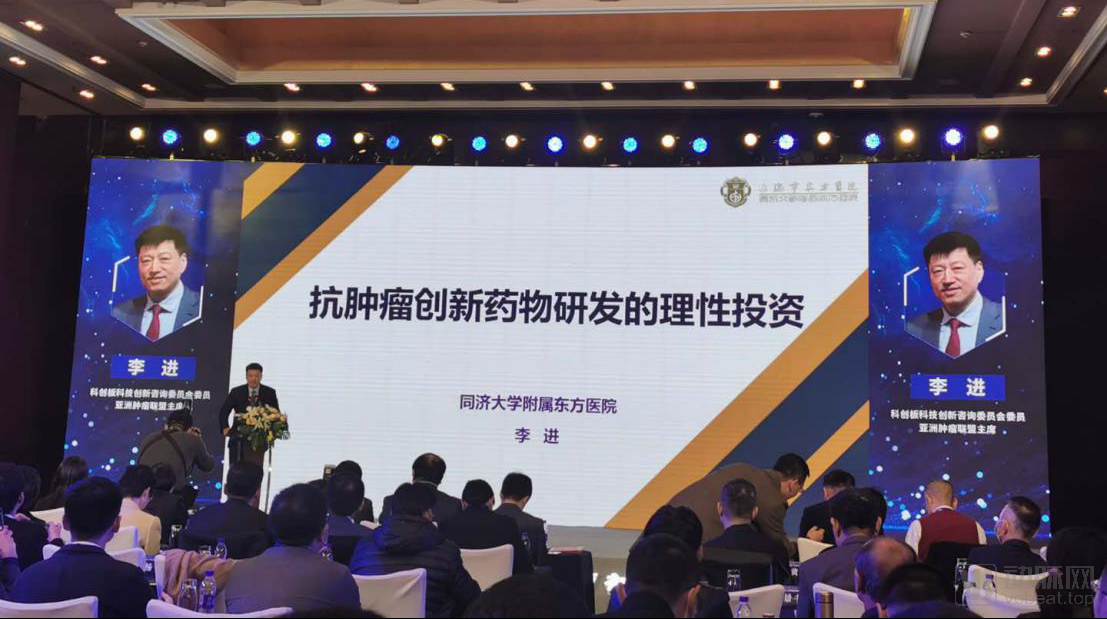
“Maintaining rationality, guarding against arrogance and impetuosity, and leveraging capital to fuel pharmaceutical innovation in China constitute the social responsibility of investors.”Professor Li Jin, Member of the Science and Technology Innovation Advisory Committee of the STAR Market and President of the Asian Oncology AllianceDelivered a keynote address at the conference.
As of September 10, 2020, nearly 20 new indications for anticancer drugs had been approved this year. In 2019, China launched as many as 338 new oncology clinical trials, covering indications across 30 types of cancer. Data show that the number of clinical trial applications for new drugs in China has been increasing year by year, presenting a rare historical opportunity for investment in innovative pharmaceuticals in China.
However, Professor Li Jin pointed out that the vast majority of these new drugs are “me-too” or “me-better” agents, with few being first-in-class; 90% fall into the category of generics or improved formulations, showing virtually no true innovation. Amidst the booming landscape of innovative drug R&D investment, which drugs represent genuine innovation? Which ones are worthy of investment? From the perspective of a professional scholar, Professor Li Jin offers insights for investors’ consideration.
“There are four main investment approaches in anti-tumor drug R&D: project-based investment, team-based investment, corporate investment, and secondary market investment. Project-based investment is suitable only for professionals. When investing in such projects, one must examine them with a magnifying glass to assess the extent of benefits they can bring to cancer patients,” stated Professor Li Jin. He emphasized that the success or failure of clinical trials hinges on the principal investigator leading the clinical research. Therefore, when investing in clinical trial projects, it is essential to seek out researchers who are energetic and dedicated exclusively to R&D.
He also emphasized that when investing in companies, key factors for investors to carefully consider include whether the company’s R&D investment is sufficient, whether its product pipeline is sufficiently long, whether it holds a substantial number of patents (particularly international patents), whether it has an adequate number of R&D personnel, and whether its R&D team is strong enough. The company’s founder or team leader is critical.
Currently, there are 62 companies in China that have obtained approval to conduct clinical research on PD-1 monoclonal antibody drugs. Professor Li Jin further estimates that this number will reach approximately 80 companies in the next five years.“The clustered investment in PD-1 monoclonal antibody drugs has become a reality, and future PD-1 projects may become ‘hot potatoes’.”In addition, Professor Li Jin urged investors to invest rationally and avoid blind herd behavior. He also emphasized the need for a rational perspective on initial public offerings (IPOs), noting that investment decisions should not be based solely on financial returns but should also consider the contributions made to patients and society.
At the conclusion of his speech, Professor Li Jin outlined several future directions for innovative drug development for investors’ reference, includingDevelopment of Molecularly Targeted Drugs Against Novel Targets, Bispecific Monoclonal Antibodies, and Cell Therapy Technologiesetc.
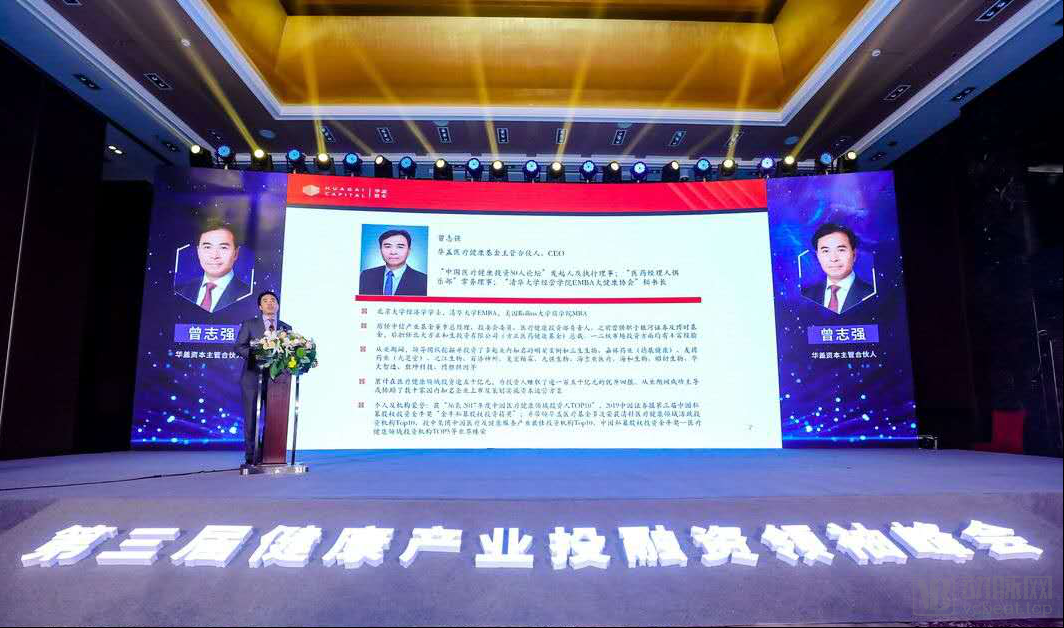
“Healthcare is a massive goldmine in the investment sector, and it is bound to become a hotspot for investment over the next decade.”Mr. Zeng Zhiqiang, Managing Partner of Huagai CapitalDeliver a keynote address.
Mr. Zeng Zhiqiang pointed out that in recent years, with the vigorous development of the healthcare industry, its growth rate has been increasingly recognized by the capital market, making it one of the sub-sectors with the highest returns at present.
“Currently, there remains a significant gap between China’s pharmaceutical R&D capabilities and the global advanced standards. The number of innovative drug candidates in development in the United States accounts for nearly half of the global total, while China contributes less than one-tenth,” said Mr. Zeng Zhiqiang, adding that the potential and growth rate of China’s healthcare investment market are highly promising.
Drawing on over a decade of experience accumulated in the investment sector, Mr. Zeng Zhiqiang has made several forecasts about the future:
Over the next decade, the healthcare sector will remain the top-performing industry for investment returns, with increasing market consolidation. R&D innovation will give rise to emerging tech leaders, while mergers and acquisitions among enterprises will create international healthcare giants. Significant opportunities will emerge in the fields of chronic disease management and rehabilitation. Breakthroughs in AI and telemedicine will reshape the landscape of the healthcare industry. The trend toward domestic substitution of medical devices is unstoppable. Major players may emerge in the health insurance and healthcare informatization sectors. Gene technology will achieve significant breakthroughs, and PIPE (Private Investment in Public Equity) investments are likely to become a major theme in healthcare investing.
Furthermore, the summit hosted four roundtable forums themed “Listing Opportunities and Responses in Mainland China and Hong Kong,” “Outlook on Financing and Investment for Innovative Drugs,” “Investment Tailwinds and Promising Sectors in the Post-Pandemic Era,” and “Investment Strategies for New Healthcare and New Infrastructure: Pharmaceuticals and Medical Devices Special Session.” Twenty-three distinguished guests from the investment and financing sectors, academia, and the healthcare industry engaged in passionate dialogues, conducting enthusiastic and diverse discussions on these topics.
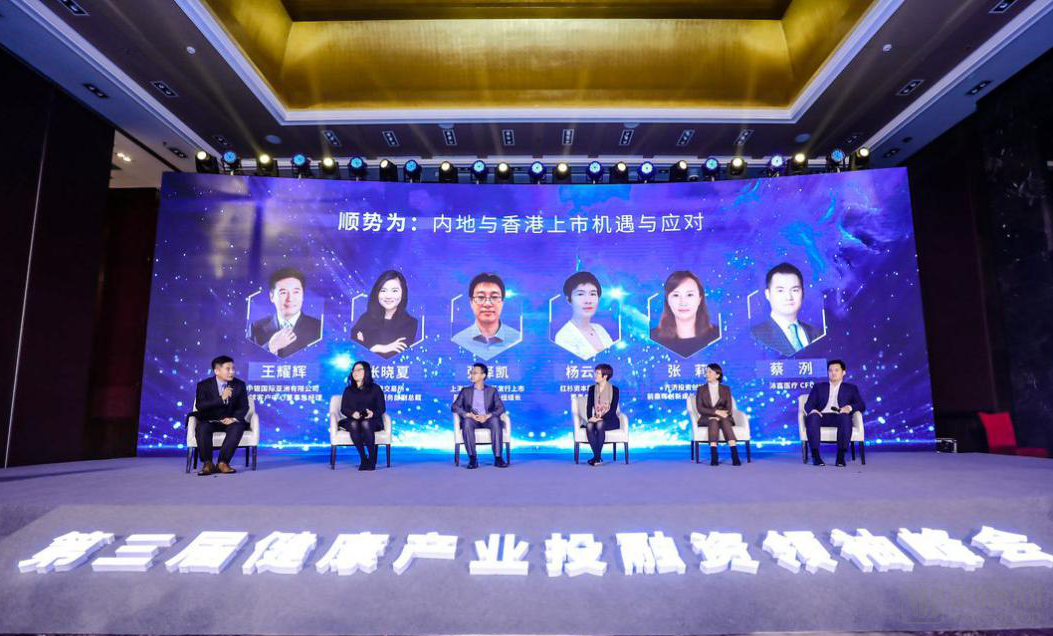
By analyzing past investment deals and assessing future industry trends, investors and entrepreneurs summarized the current investment hotspots in China’s healthcare sector. They shared their insights on the future trajectory of these hotspots as well as emerging opportunities, delivering a highly informative session on industrial investment to all attendees.
At the conclusion of the conference, seven innovative companies—Hongyun Huaning Biotechnology, Liangxin Biotechnology, Shangde Yaoyuan, Tailai Biotechnology, Dunbo Medical, HeartRhythm Cardiologist Group, and Baimei Gene—delivered outstanding dedicated roadshows, bringing this Health Industry Investment and Financing Leaders Summit to a perfect close.
“Gathering Insights, Leading Trends, Innovating the Future”—the excitement off-site continues.